Reduce, Reuse, Recycle – 12 Resolutions

Now that you’ve, started walking, got on the treadmill or paid your fees and joined the gym for 2020 why not try a few less energic actions!  At Recycle IT  we have assembled 12 pointers to help you reduce, reuse and recycle during 2020.

It’s never too late to start taking steps to reduce your carbon footprint and become eco-friendly. Make it your goal and here are 12 potential resolutions for cutting down on waste, changing habits and maybe saving some money during the year and after.

1 2020 CAL
New Year Collection Calander


Cut down on energy usage. When you’re not using one of your many electronic devices such as phones, tablets, TV’s and laptops unplug them. This saves electricity and potentially saves money if you do it all the time.  Remember its best to turn your devices off even if you don’t unplug.

Bring your own cup and food containers. Coffee shops are now happy to fill your washable and reusable to-go cup and while your local waiter might take a second look at the to-go container you’ve brought from home to the restaurant: you know, it helps in reducing waste and clutter.

Fashion shopping.  Take action. There are far too many paper bags used and they are hard to recycle. It’s normal to bring bags food shopping so when you go clothes or shoe shopping please take a bag; one which folds into small pouches and can be easily placed in a handbag or jacket pocket – it’s easy!

Old clothes. The EU textile industry generates waste estimated at 16 million tons per year. Much of this waste ends up in landfills or is incinerated. Could you reduce your clothes purchases in 2020? Can you reuse your current wardrobe of clothes or recycle in a safe manner? (research what happens to your older clothes prior to giving them away).

Reduce polystyrene usage. If you are buying something new leave the polystyrene packaging at the store, for safe recycling.  If you need disposable plates for birthdays or picnics opt for something recyclable like paper. You can also ask your favourite takeaways to switch to an environmentally friendly alternative.

Bottled water and soft drinks. Stop buying bottled water and soft drinks in plastic bottles. The immediate result is less single-use plastic on the planet. It also saves you money and reduces the impact on the worlds natural resources. Refill bottles to save!
Refill-Ireland_Final
Visit www.refill.ie 

Tap water and energy. Most of us make tea or coffee at home or in the office; one easy tip is to fill the kettle with the amount of water you need for a cup, rather than filling it each time. If you’re using coffee pods, make sure you recycle them safely. Most suppliers have a recycling scheme.

Leftovers.  After parties, you might have half-finished cans or bottles of cola. Why not use them to clean areas of your home. Cola drinks contain carbonic, citric and phosphoric acids which are often found in household cleaning products. Leave the cola to clean sinks or toilets, soak for an hour with the cola, then use a brush to clean and wash away. If you don’t have any cola, try vinegar, it works as well!

Drive less. Walk, run, cycle or use public transport (bus, Dart, Luas, trains) where and whenever possible. This is good for the environment, it offers exercise and saves money in the long run. Some activities can also be fun when family and friends join in!

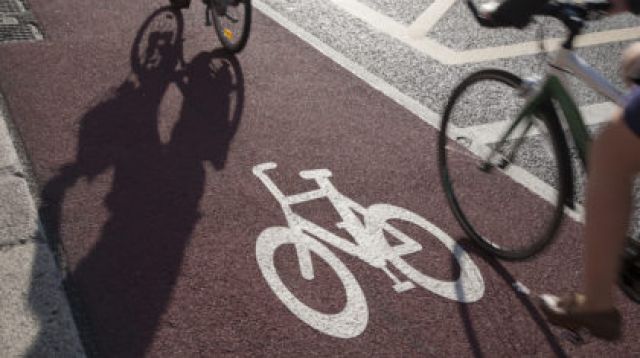
Bike to work. Take advantage of the Irish Government initiative offering tax-free bikes for cycling to work.  The Bike to Work scheme allows your employer to help you obtain a brand new bike and safety equipment worth up to €1,000. It saves you money, on the purchase of equipment, replaces your existing mode of travel and helps the environment.
bike-to-work
Dublin City Council – Bike to Work Lane

Curtail clutter. As new items replace old or damaged equipment please try to recycle immediately. This reduces clutter and free’s up space in your home or office. Items which are replaced are rarely used again, Old mobile phones, tablets, radio’s, laptops, computers etc sit around for years. If safely recycled, the parts can be reused to create something new. It makes sense!

Furniture reuse. Consider reusing furniture or upcycling to divert furniture from landfill. To reduce your carbon footprint and reduce the costs incurred by buying new furniture try to maximise the reuse, repurpose (and fixing) and recycling of furniture while minimising the quantity of furniture that is disposed of.  If you really need to replace items offer the old stuff to others using programmes such as Freetrade or Age Action.

Start today

It doesn’t take a lot to make your new year more environmentally friendly. You can try some or all of the above New Year resolution or come up with some of your own. If you do please let us know what you’re planning on doing to reduce, reuse and recycle and make your home and your family more eco-friendly in 2019.

About Recycle IT

Recycle IT is an award-winning not for profit social enterprise providing a collection and drop off service for all types of waste electrical and electronic equipment (WEEE). Over a last number of years Recycle IT have offered a drop-off and collection service to tens of thousands of homes, communities, schools, charities, and businesses across Dublin and surrounding areas recycling a range of WEEE which includes thousands of computers, cables, monitors, microwaves and TV’s.

Recycle IT services are provided in partnership with WEEE Ireland. Recycle IT are supported by South Dublin County Council and authorized by the National Waste Collection Permit Office and the local authorities across Dublin, Kildare and Wicklow.

Visit our website for further details about recycling old electrical items or call 01 4578321 to book a collection in the New Year!
IMG_0453 (2)
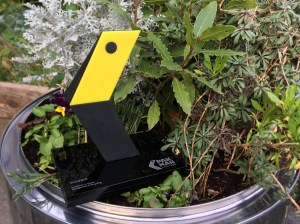
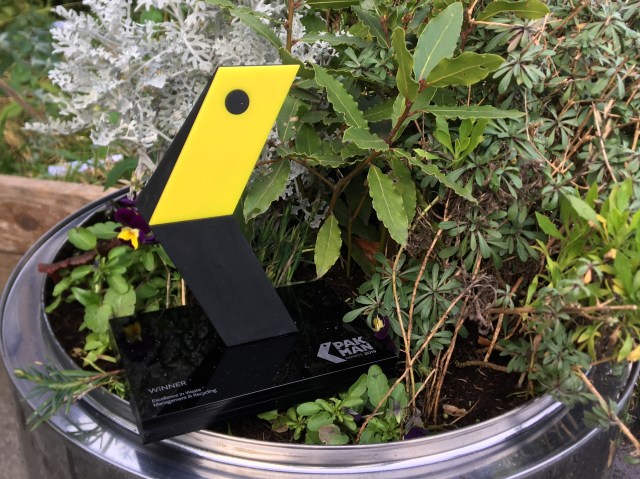
Recycle IT – Repak Award Winner 2019 – WEEE Champion

Waste – Public Consultation Opportunity!

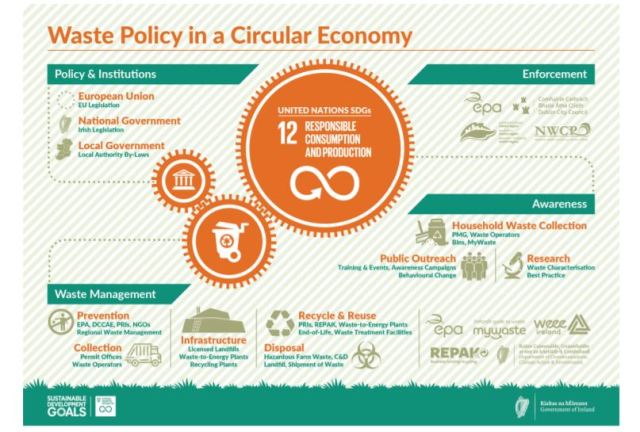
Public Consultation Waste Action Plan for a Circular Economy

The Irish Department of Communications, Climate Action and Environment are seeking views on the development of a new Waste Action Plan for Ireland as part of the move to a more Circular Economy where resources are kept in use for as long as possible and then recycled or reused at the end of their service life.

This consultation will enable Ireland to develop a new waste policy / circular economy plan to meet the emerging challenges and build on the targets set out in the Climate Action Plan.

Waste Policy in a Circular Economy

Making a Submission

To help with making submissions, the waste policy paper is divided into themed areas with a number of questions at the end of each section. Please note you are not required to respond to all sections or questions. You can choose to respond only to the particular questions or sections that matter to you or to respond on issues of concern to you without answering the specific questions.

To access related documents please click here

The Public Consultation will close at 5pm on Friday 21st February 2020. 

Waste Electrical and Electronic Equipment (WEEE)

From the documents issued by the Department of Communications, Climate Action and Environment, WEEE Ireland have extracted information particularly related to Waste Electrical and Electronic Equipment (WEEE) in a Circular Economy.  For further details please click here 

Department of Communications, Climate Action and Environment
Government Department Logo

Explaining Public Consultation

Public consultation is a process that involves the public in providing their views and feedback on this plan. These views and feedback will be considered during the decision-making phase.

Underpinning effective consultation are two key assumptions.

  1. The public is perfectly capable of making sense of complex issues.
  2. Decision-makers are not necessarily expert on the issues for which they are deciding or debating.

The public are often referred to as stakeholders and they are individuals and organisations that are affected directly or indirectly by a plan or a decision. This includes those who have the ability to influence the decision, both positively and negatively. The public also includes people who simply have an interest in the plan and the Circular Economy in Ireland.

About Recycle IT

Recycle IT is an award-winning  social enterprise providing recycling collection and drop off services for all types of waste electrical, electronic equipment (WEEE) and pure metal items.

During 2019 Recycle IT operated drop off and collection services to tens of thousands of homes, schools, charities and businesses across Dublin and surrounding areas collecting a range of WEEE which includes thousands of batteries, computers, cables, monitors, kettles, microwaves and screens.

Recycle IT services are provided in partnership with WEEE Ireland. Recycle IT is supported by the Department of Rural and Community Development, Dormant Accounts Fund, Pobal, South Dublin County Council and authorized by the National Waste Collection Permit Office and the local authorities across Leinster.

For further details about our free and cost-effective services call us on 01 4578321, email info@recycleit.ieor visit the Recycle IT website atwww.recycleit.ie


IMG_0453 (2)
Recycle IT – Repak Award Winner 2019 – WEEE Champion


What Happens to Your Old Stuff?

Householders can bring a wide range of items to there Civic Recycling Facility or local bring to local centres for recycling and disposal. These facilities are generally for domestic use only and commercial waste is not accepted.

Recyclers can dispose of many different types of recyclable materials in just one visit but there may be a charge depending on the items. It’s best to check with your local centre to determine the cost and what will be accepted and recycled. A list of recycling centres in Dublin can be found here.

So what happens to the material once you bring it to your local recycling centre?

Glass Recycling

Glass bottles and jars are transformed into cullet in Ireland The cullet is sold to glass manufacturers as a raw material for new glass product like drinks bottles.

1.1 Glass
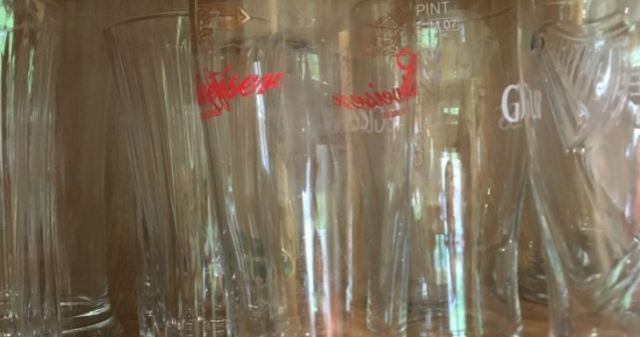
Glass for Recycling

Before this happens, the glass needs to be collected and recycled. Remember, you should empty any liquid from your bottles and jars, remove any lids and caps and leave the labels (lids are mainly metal and can be recycled in the green bin). Please do not place broken plates, cups, saucers, pyrex or drinking containers into your local bottle banks. Just one teacup mixed with glass renders a whole load of mixed glass un-usable!

Did you know? Iron, copper or chromium are added to molten clear glass to produce green glass. Brown glass and green glass can only be recycled into glass products of the same colours. Green glass helps protects its contents from temperature changes and sunlight. Green glass is mostly used for food and drink products.

Plastics, Paper, Cardboard Recycling

Plastics, paper and cardboard are baled and sold to waste brokers on international markets. These balers are shipped to various destinations depending on market condition/price.

1 2020 P IMG_1168
Paper / Cardboard – Recycle IT

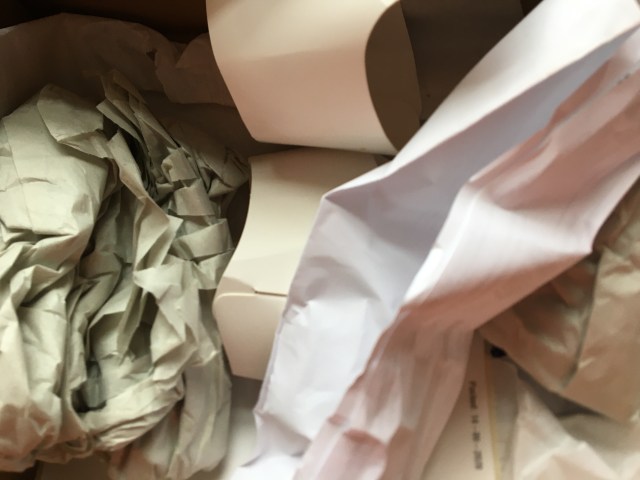
The actual recycling process involves sorting cardboard into different types. Once complete shredding is done to break down the cardboard paper fibres into minute pieces. Once shredded into pieces, it is mixed with water and chemicals to breakdown the paper fibres into pulp. The pulped material is then blended with new pulp, generally from wood chips that ultimately help the resulting substance to solidify after which contaminants like plastics and metals staples are removed. The pulp is de-inked after which it is blended with new production materials and put to dry

Fridges, Freezers Recycling

Fridges and Freezers are shipped to the United Kingdom and other countries in Europe where they are dismantled in a specialist factory which removes the hazardous gases from the fridges and freezers. Usable metals are segregated into ferrous and nonferrous metal fractions.

IMG_0651
Computers for Recycling – Recycle IT

The metal fractions are put on the market for recycling through the smelting process. The ferrous smelting furnaces we use are producing mostly long products i.e. Rebar or reinforced steel. The nonferrous smelters produce anything from car engines to knives and forks!

E-Waste Recycling (WEEE)

Waste Electrical and Electronic Equipment (WEEE) is e-waste equipment that is unused, broken or dated. It is important to dispose responsibly of any appliance that runs on electricity (or that contains electrical parts) in order to avoid causing damage to the environment.

IMG_0613
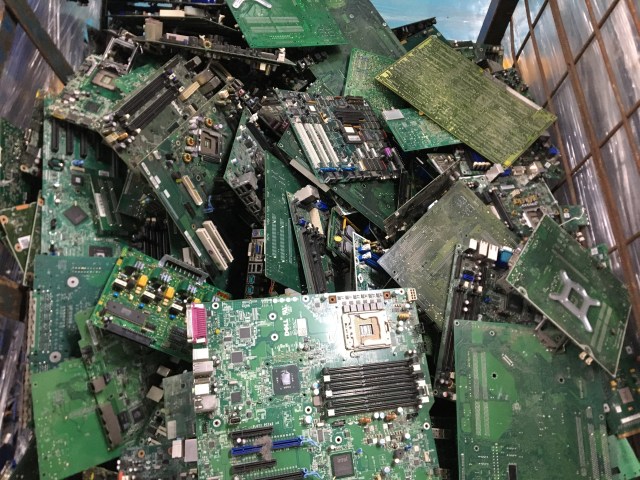
Computer System Board

Recycling e-waste involves transport, logistics, large recycling organisations and smaller specialist recyclers:

  1. Recycling companies in Ireland currently export many items to countries that have more advanced recycling systems or that can extract components and reusable materials from the waste, e.g. fridge recycling.
  2. Recovery facility recover metals and plastics by putting items such as small household appliances through shredders or mills (also known as fragmentizers).
  3. Smaller recycling businesses may specialize for example in, computers and metals for safe recycling or component reuse, repair and refurbishment.

To learn more about e-waste recycling in Ireland you can watch this video

Green Waste Recycling

Green waste is biodegradable waste that can be composed of garden or park waste. It includes things like grass clippings, shrub and yard clippings, branches, woodchips, bark, wood, palm trees, branches, and weeds.

Green Waste is transported and recycled at a number of location across Ireland which is listed here It can be turned into compost or Christmas Trees can be chipped for mulch.

1 2020 IMG_1166
Leaves for Compost – Recycle IT

Paint Waste

Paint is sent to various facilities in Europe where the paint goes for recovery. For example, in one such facility, it is mixed to sawdust and then used as a fuel in industrial processes.


2020 A1 Paint IMG_1147
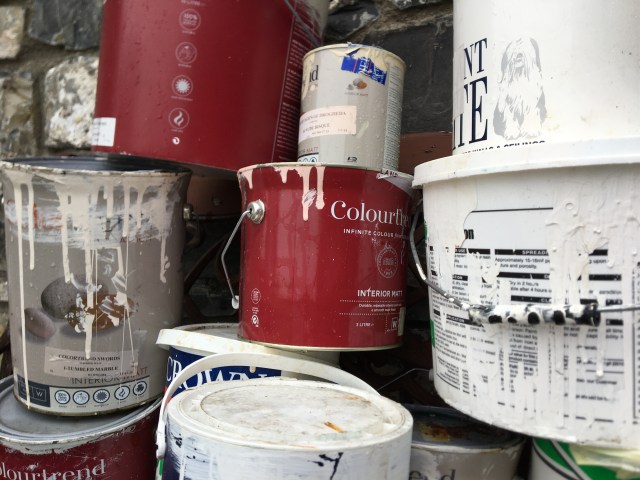
Used Paint Containers

Choose water-based paints where possible as these are less hazardous. Product choices are widening and there are more “Eco-Friendly” paint options now available. But small amounts and use the tin in full.

You might try  purchasing recovered paint for reuse at the rediscovery centre 

Bulky Waste

Bulk waste goes through a shredder that breaks the various elements in the bulky waste. This shredded material then goes through a series of screens and sorting mechanisms where the fractions that can be recycled are removed (wood, metal, aluminium, etc.). The other fraction is shredded further and turned into Refuse Derived Fuel – a combustible material used in cement kilns. A small portion cannot be used and for incineration.

Bulky waste can be domestic waste that is too big for your usual bin collection. Some bulky waste, such as good quality furniture can be donated to charity shops for re-sale or to help residents on low income. Some organisations may be able to come and collect those items for free or at a low cost. Examples of organisations include Age Action. Dublin City Council also operate a bulk waste collection service

About Recycle IT

Recycle IT is an award-winning social enterprise providing recycling collection and drop off services for all types of waste electrical, electronic equipment (WEEE) and pure metal items.

During 2019 Recycle IT operated drop off and collection services to tens of thousands of homes, schools, charities and businesses across Dublin and surrounding areas collecting a range of WEEE which includes thousands of batteries, computers, cables, monitors, kettles, microwaves and screens.

Recycle IT services are provided in partnership with WEEE Ireland. Recycle IT is supported by the Department of Rural and Community Development, Dormant Accounts Fund, Pobal, South Dublin County Council and authorized by the National Waste Collection Permit Office and the local authorities across Leinster.

For further details about our free and cost-effective services call us on 01 4578321, email info@recycleit.ie or visit the Recycle IT website at www.recycleit.ie

IMG_0453 (2)
Recycle IT – Repak Award Winner 2019 – WEEE Champion


Future Jobs & Skills for a Circular Economy

The Change!

Irish professionals will need to re-tool and upskill to meet the demands of Ireland’s transition to a more carbon-efficient and Circular Economy.

A circular economy will require a range of skills including trade and craft skills, such as upholstery, cabinet making, sewing, and general repairs, eco-design, green procurement, supply chain management, and remanufacturing.

2019 EMWR_Future Jobs and Skills for a Circular Economy Facebook
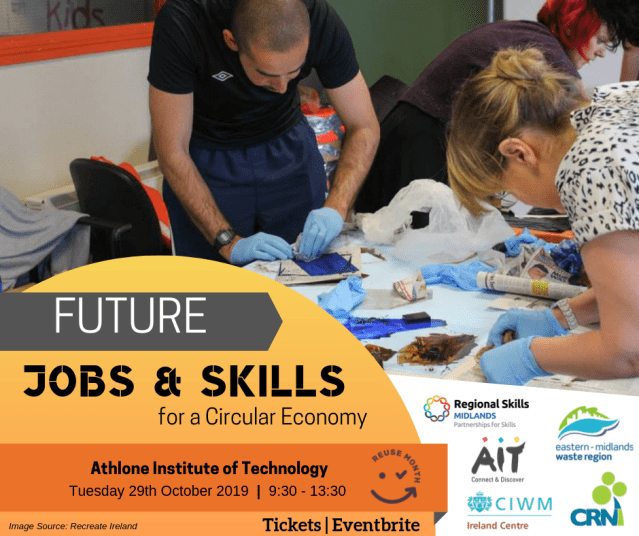
Future Jobs & Skills for a Circular Economy Event Poster

Many of these skills have gone into decline so their return would see the creation of new jobs in communities all over Ireland. The event outlined below has a focus on getting started!

Jobs and Skills for a Circular Economy Event

The event will take place on 29th October held in Athlone Institute of Technology will explore the job opportunities a Circular Economy (with particular focus on reuse and repair) presents for Ireland and the skills base we need to develop in order to make the transition.

Featuring Duncan Stewart, Green Alliance, Department of Communications, Climate Action and Environment, Rediscovery Centre, RecycleIT, CIWM, Nevin Economic Research Institute, Wisetek and more, Future Jobs and Skills promises to be an engaging event to kick off this important conversation.

1 2019 FJI_Spotlight
Irish Goverment Support Job Creation

Circular Economy

“As we move towards a circular economy, it’s not enough to focus on business opportunities and the changes businesses need to make. It is vitally important that we identify the types of jobs that will emerge and that we begin to build the required skills in rural areas and small towns so that the transition to a circular economy is a just transition that benefits communities all over Ireland,” says Joanne Rourke, Regional Resource Efficiency Officer for the Eastern Midlands Waste Management Office.

Claire Downey, Executive for CRNI, says “We can no longer follow this unsustainable ‘take, make and waste’ economic model that makes up the linear economy. At this event, we look forward to initiating the national conversation about the skills and training to build into educational curricula and professional development. This will enable the Irish workforce to deliver on a circular, inclusive and collaborative economy.”

Event Details

This free event will run in Athlone IT from 9.30am to 1.30pm To register please see the Eventbrite link here.

This event is supported by the Eastern Midlands Regional Waste Office, Chartered Institute of Waste Management, Community Reuse Network of Ireland, Athlone IT and Midlands Regional Skills Forum.

For media inquiries or to arrange an interview contact: Christine Costelloe, CRNI’s Funding and Communications Manager, at  Tel: 087 369 0396 or Email: christine@crni.ie

About Recycle IT

Recycle IT is an award-winning social enterprise providing recycling collection and drop off services for all types of waste electrical, electronic equipment (WEEE) and pure metal items.

During 2018 Recycle IT operated drop off and collection services to tens of thousands of homes, schools, charities and businesses across Dublin and surrounding areas collecting a range of WEEE which includes thousands of batteries, computers, cables, monitors, kettles.  microwaves and screens.

Recycle IT services are provided in partnership with WEEE Ireland. Recycle IT is supported by the Department of Rural and Community Development, Dormant Accounts Fund, Pobal, South Dublin County Council and authorized by the National Waste Collection Permit Office and the local authorities across Dublin, Kildare, and Wicklow.

For further details about our free and cost-effective services call us on 01 4578321, email info@recycleit.ie or visit the Recycle IT website at www.recycleit.ie

Recycle IT
Shared by Recycle IT

October 2019 is Reuse Month!

Reuse Month 2019

Reuse Month is a nationwide initiative run throughout the month in October and is packed with events to help you explore what reuse and repair are all about and why they contribute to climate action and social inclusion.

CRNI-Reuse-2-1024x768
Reuse Month 2019 Launch Event

We are delighted to share news on three flagship events being organized by CRNI in partnership with the Regional Waste Authorities.

  • Sustainable style will ‘take-off’ at the Sligo Airport
  • Circular and Social in Cork
  • Future Jobs and Skills for a Circular Economy

You can read and learn more about these three events here. While on the webpage have a look at the reuse toolkits. They are designed to inspire individuals, communities and businesses to take action and reuse more.

More about Reuse Month

National Reuse Month is an annual initiative to raise awareness about the economic and environmental benefits of reusing everyday items and materials that would otherwise go to waste. Throughout October, there will be local and regional events all over Ireland to promote ways for families, businesses and communities to reuse. Donating, refurbishing and repairing items are all forms of reuse and offer people a chance to save or make money, get creative, learn a new skill and do their bit for the environment.

Reuse Banner-Toolkits

For example, you may have already reused by getting shoes resoled rather than replacing them or borrowing books from the library. To cut down on waste and greenhouse gas emissions, we asked everyone to go further in October and beyond by prioritizing repair, buying second hand and upcycled, borrowing, swapping and refilling.

Reuse initiatives reduce the volume of waste being discarded while also conserving natural resources, energy, and water. Reuse also offers significant economic benefits by creating jobs and boosting local economies.

Events and activities taking place during October for National Reuse Month include repair cafes, french polishing workshops, bicycle maintenance workshops, furniture revamping workshop, reuse and recycle displays, declutter workshop plus and many more.

IMG_0260
Reuse Month Display – South Dublin Country Council

For full details of events happening during National Reuse Month, check out your Local Authority’s website or www.crni.ie/events 

About Recycle IT

Recycle IT is an award-winning social enterprise providing a community, personal and business collection service for all types of waste electrical and electronic equipment (WEEE) in Dublin and surrounding counties.

During 2018 Recycle IT offered to drop off and collection services to tens of thousands of homes, schools, charities and businesses across Dublin and surrounding areas collecting a range of WEEE which includes thousands of computers, cables, monitors, microwaves and screens

Recycle IT services are provided in partnership with WEEE Ireland. Recycle IT is supported by Pobal, Dormant Accounts, South Dublin County Council and authorized by the National Waste Collection Permit Office and the local authorities across Dublin, Kildare and Wicklow.

jci-fba-2018-home
Recycle IT – Friendly Business Award Winners 2019