Community Recycling
Every year in Ireland, we support events such as Spring Clean Month, Recycling Week, and Reuse Month. These events help people understand why it is important to recover, reuse, and recycle waste. They give you, your children, family, friends, and coworkers a chance to learn more and take action together in your community to reduce waste.
Recycling helps bring positive change. It encourages people in communities to work together and make a real difference. Recycling is good for the environment, supports community volunteering, and also creates jobs in cities, towns, and villages across Ireland. The more people reuse and recycle, the more benefits everyone gains.
When recyclable items are collected carefully, some of them can be repaired and reused. Others can be taken apart and used as materials to make new products. This process helps create jobs, supports businesses, and strengthens the local economy.
Targets
Ireland is expected to miss its EU recycling targets for 2025. According to the Environmental Protection Agency (EPA), the country is currently recycling about 42% of municipal waste, which is well below the EU target of 55%.
Recycling rates for packaging are also below the required levels. In 2023, Ireland recycled 59% of packaging waste, while the EU target is 65%. Plastic packaging recycling is even lower, at 30%, compared with the 50% target set by the EU.
Key points about Ireland’s recycling performance include:
- Municipal waste recycling: Around 42%, which is far below the 55% EU target.
- Packaging recycling: 59%, compared with the 65% target.
- Plastic packaging recycling: 30%, well short of the 50% target.
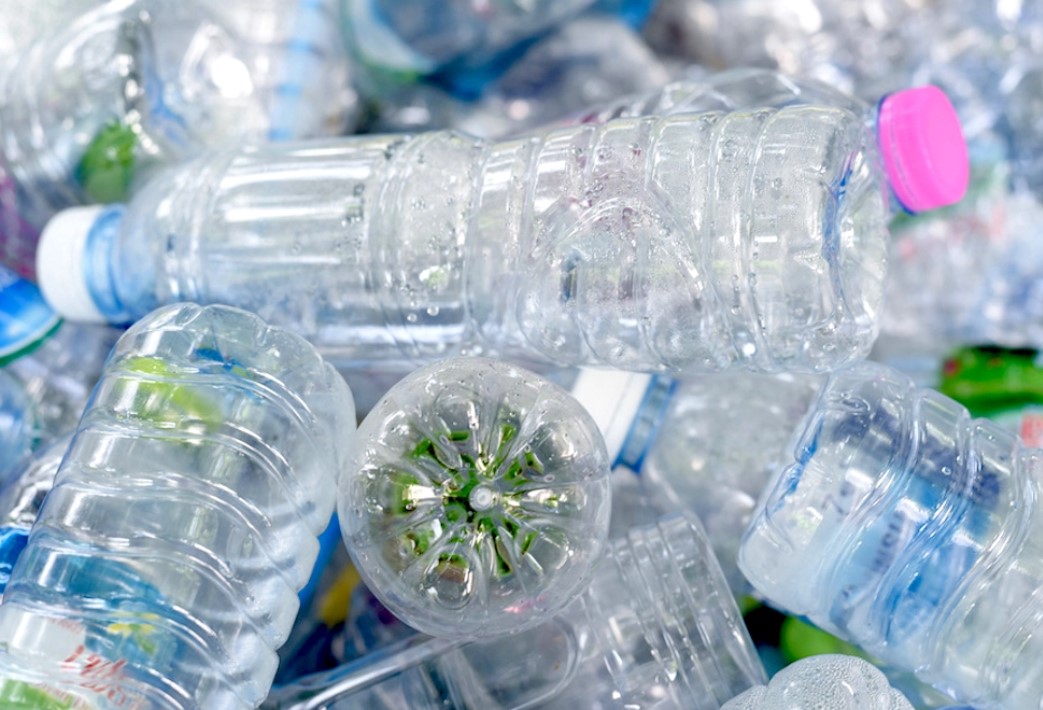
There has been some progress. Ireland introduced the Deposit Return Scheme in 2024, which has helped increase the collection of drink containers such as bottles and cans. Early results show return rates of around 76%, bringing Ireland close to the EU target of 77% for PET bottles.
However, overall recycling levels have not improved significantly in recent years, while the total amount of waste being produced continues to rise.
The EPA estimates that Ireland needs to recycle about 400,000 more tonnes of waste every year to meet EU recycling targets.
Most of these figures are based on 2023 waste data published in 2025, as the full data for 2025 has not yet been finalized.
Electronic and Electrical Recycling
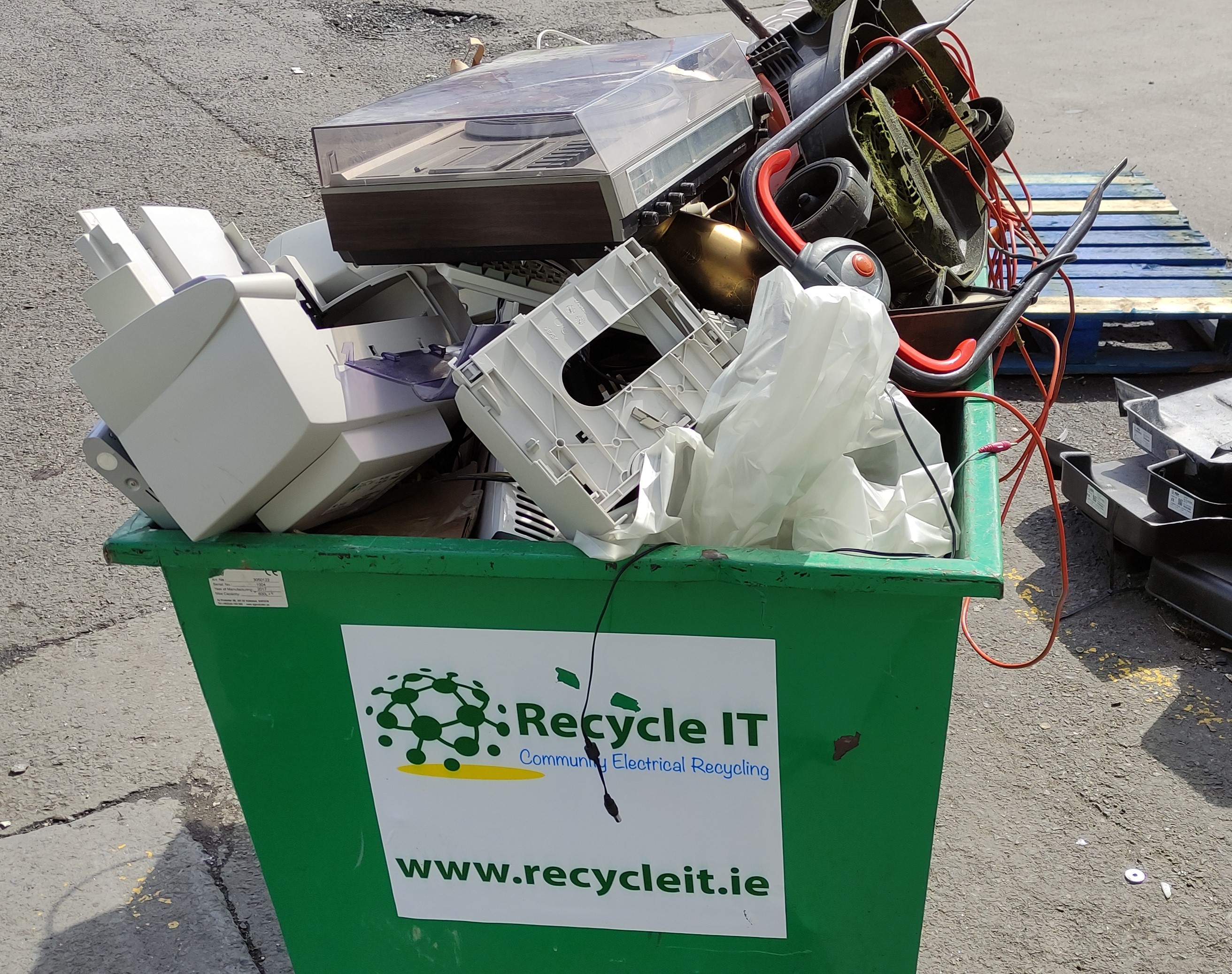
When you think of electronic or electrical waste equipment (WEEE) or e-waste, do you think of items like computers, radios, light bulbs, zip disks, and tapes drives, clock alarms or wall clocks, even cameras, it’s really any items with computerized parts.
These items and similar are adding to an ever-increasing e-waste mountain and the pile usually starts building in people’s homes. We know electrical or electronic items are not recycled as easily or as frequently as other recyclable materials such as paper, glass or plastics. Some of the items are very large and hard to recycle, others are small and have a personal or perceived value so people don’t want to let them go!
Sharing Recycling Facts
- Most laptop owners replace their device after about three years, while many mobile phones are replaced every two years or even sooner. This creates a lot of electronic waste that needs recycling.
- Around 91% of households in Ireland had a computer with internet access in 2019, showing how common digital devices are in everyday life. (Source: Statista Research Department)
- Today, about 90% of people in Ireland have access to a smartphone, making it one of the most widely used electronic devices. (Source: Ipsos MORI)
- In 2017, about three million people in Ireland owned a smartphone, and many checked their phone around 57 times a day.
- Worldwide, an estimated 50 million tonnes of electronic waste were produced in 2018. China produced about 7.2 million tonnes, while the United States generated around 6.3 million tonnes.
- Recycling electrical and electronic equipment allows valuable materials to be recovered and reused, helping to support new jobs and industries.
- Recycling one million laptops saves enough energy to power about 3,657 homes for an entire year. (Source: How to Save Your Planet One Object at a Time)
- Electronic waste can contain more than 1,000 different components, many of which include toxic materials such as lead, mercury, and cadmium.
- Devices such as computers and televisions often contain small amounts of gold, but it can also be found in mobile phones, game consoles, camcorders, and media players.
- According to the US Environmental Protection Agency, a single computer can contain about 3.6 kg of lead, which is a toxic metal.
- A global survey by Nokia found that 74% of people do not think about recycling their old mobile phones, even though 72% believe recycling helps the environment.
- Large household appliances, such as washing machines and refrigerators, made up 48% of all waste electrical items collected in Ireland in 2019. (Source: WEEE Ireland)
- Devices like computers, laptops, and tablets are difficult to recycle mechanically because they contain many mixed materials and complex components that must be carefully taken apart. (Recycle IT)
- In 2018, Ireland collected 36,131 tonnes of electronic waste and 856 tonnes of waste batteries for recycling. (Source: WEEE Ireland)
- Irish households disposed of 3.2 million lamps and lightbulbs, 195,000 televisions and monitors, and 13 million small appliances in one year. (Source: WEEE Ireland)
- Many electronic devices contain valuable metals such as copper, silver, and gold, which can be recovered through recycling.
- Recycling e-waste helps reduce the need for mining new raw materials, which protects natural resources.
- When electronic devices are thrown away instead of recycled, hazardous chemicals can leak into soil and water.
- Proper e-waste recycling ensures that dangerous materials are safely handled and removed.
- Reusing or repairing electronics can extend the life of devices and reduce waste.
- Recycling electronics supports the circular economy, where materials are reused instead of thrown away.
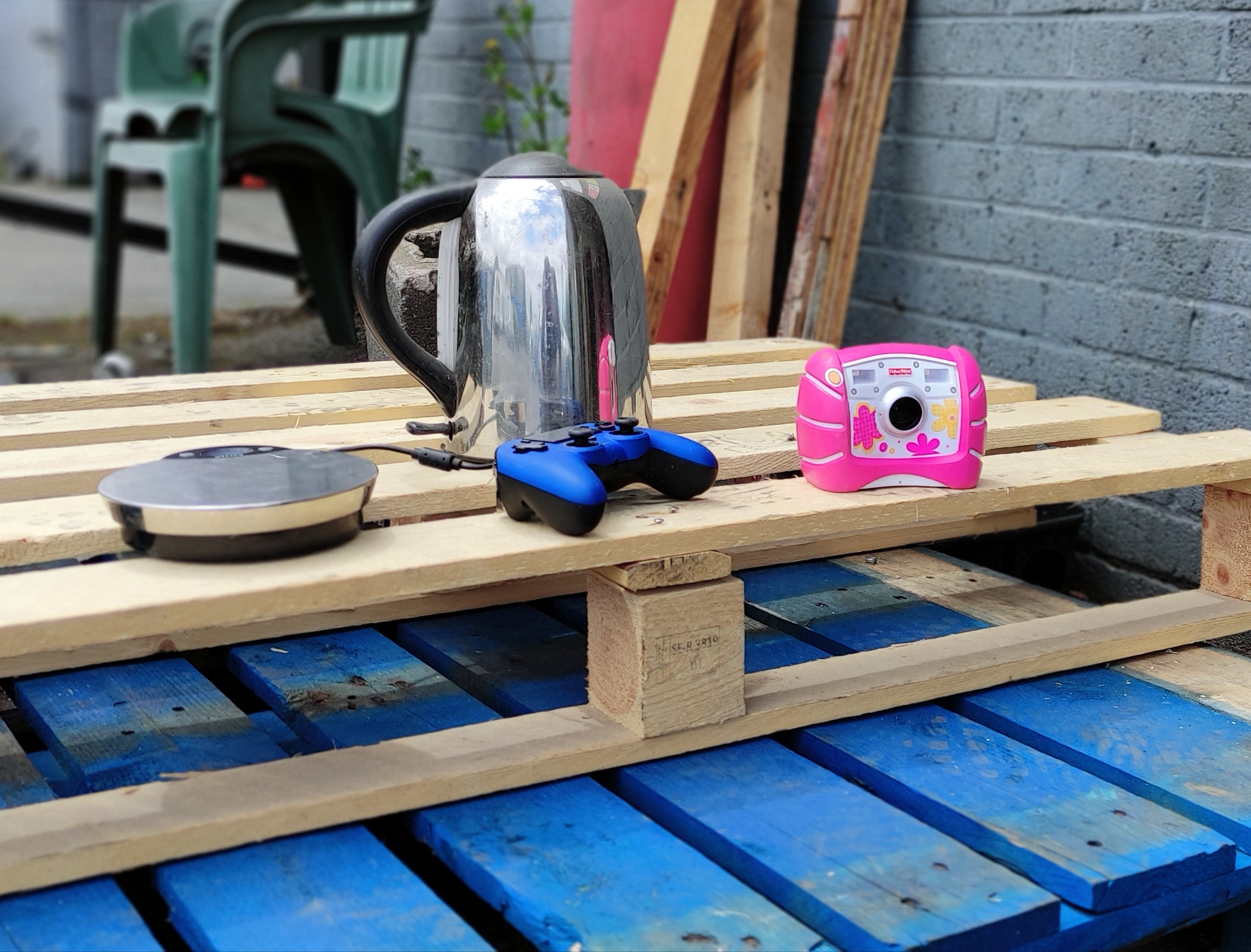
There are many ways that recycling helps our environment. Why not try to remember and introduce these 5 points.
- A reduction in landfill and industrial waste by reuse or recycling.
- Reduced energy usage by reuse or recycling.
- Less pollution through reuse or recycling.
- Increased employment by reuse or recycling.
- Sustainable usage of natural resources by reuse and recycling.
When Irish people wish to make a point, they usually do it well. This needs to be the case with reduce, reuse and recycling
By recycling, your positive actions make you part of the solution rather than part of a global problem. As local communities we must plan and first take steps to reduce the amount of waste and including e-waste that is clogging up our lives .
Making sure that recyclable items such as computers don’t end up in the wrong bin, landfills or illegally dumped is an important step toward green living and environmental conservation for future generation.
About Recycle IT
Recycle IT is an award-winning, not-for-profit social enterprise established to create employment and promote environmental awareness through recycling and reuse. We work in partnership with WEEE Ireland and are authorized by your local authority to provide electrical, electronic and pure metal recycling collections across Dublin since 2007. Recycle IT are fully compliant for WEEE Recycling with permit details available here.
 Recycle IT