We’re absolutely delighted to share that Recycle IT has been selected as a finalist in the Repak Resource Awards 2026! 🎉♻️
Being recognized alongside organisations and initiatives that are driving Ireland’s circular economy forward is a fantastic achievement for our team — and one we’re incredibly proud of.
At Recycle IT, we believe that responsible recycling is about much more than simply collecting waste. It’s about recovering valuable resources, reducing environmental impact, supporting reuse, and keeping materials in the circular economy for as long as possible.
Repak Resource Awards 2026 – Finalist
Recognition
Every day, our team works hard to make responsible recycling more accessible, practical and impactful for businesses, organisations and communities in Dublin and surrounding areas. We’re passionate about giving unwanted electrical and electronic equipment a second life as something new – meaning materials can be responsibly recovered and recycled for reuse.
That’s why being named a finalist means so much to us. It recognizes not just what we do, but why we do it — to help create a more sustainable future and demonstrate that good environmental practices can deliver real, measurable value including the creation of training and employment opportunities to allow people to grow and develop.
Most importantly, this recognition belongs to our great team, our customers, partners and everyone who chooses to recycle responsibly. Your commitment helps make the circular economy a reality.
Repak Resource Awards 2026
A huge thank you to Repak and the Repak Resource Awards for recognizing the work being done across Ireland to improve resource efficiency, recycling and sustainability.
We’re proud to be finalists, proud of the work we do, and excited to celebrate alongside some of the organisations helping shape a more sustainable Ireland.
About Recycle IT
Recycle IT is anaward-winning social enterprise providing recycling collection and drop-off services for all types of waste electrical, electronic equipment (WEEE) and pure metal items.
Recycle IT services are provided in partnership with WEEE Ireland. Recycle IT is supported by the Department of Rural and Community Development, Dormant Accounts Fund, Pobal, South Dublin County Council and authorized by the National Waste Collection Permit Office and the local authorities across Leinster.
For further details about our free and cost-effective services call us on 01 4578321, email info@recycleit.ie or visit the Recycle IT website at www.recycleit.ie
Here’s to keeping resources in use, reducing waste and building a more circular future. 🌍♻️
Why Is It So Important to Recycle Old Tablets Safely?
Have you ever found an old tablet hidden in a drawer? Maybe it’s cracked, doesn’t hold a charge anymore, or has been replaced by a newer device. Many kids and teens have old tablets lying around at home. It might seem easy to throw them in the bin or forget about them, but recycling old tablets safely is actually very important.
So, why does it matter? Let’s find out!
Tablets and Phones – Photo by Gabriel Freytez on Pexels.com
Tablets Contain Valuable Materials
A tablet may look like just a piece of plastic and glass, but inside it are many useful materials. Tablets contain metals like gold, silver, copper, and aluminium. These materials are valuable and can be reused to make new devices.
If old tablets are thrown away, these precious resources are wasted. Mining for new materials takes a lot of energy and can damage the environment. By recycling tablets, we can recover these materials and use them again instead of digging up more from the Earth.
Think of recycling as giving your old tablet a second life!
Electronic Waste Is a Growing Problem
Electronic waste, often called e-waste, is one of the fastest-growing types of rubbish in the world. Every year, millions of phones, tablets, computers, and other gadgets are thrown away.
Electronic Equipment for Recycling
When too much e-waste ends up in landfills, it creates huge environmental problems. The more devices people throw away, the more space is needed for rubbish dumps, and the more natural resources are used to make replacements.
By recycling your old tablet, you become part of the solution. Even one tablet recycled properly can make a positive difference.
Old Tablets Can Contain Harmful Materials
Some parts inside electronic devices contain materials that should not be left in ordinary rubbish bins. If tablets are damaged or broken down in landfills, certain substances can leak into the soil and water.
This pollution can harm plants, animals, and even people. Clean water and healthy soil are important for everyone, and safe recycling helps protect both.
When old tablets are taken to proper recycling centres, experts know how to handle these materials safely and responsibly.
Your Personal Information Needs Protection
Here’s something many people forget: old tablets can still contain personal information.
Even if you stopped using your tablet months or years ago, it may still store:
Photos
Videos
Passwords
Messages
Email accounts
Game information
School projects
Personal notes
Throwing a tablet away without clearing the data can put your privacy at risk. Someone else might be able to access information you thought was deleted.
Safe recycling means taking a few important steps first:
Back up anything you want to keep.
Sign out of your accounts.
Delete your files and photos.
Perform a factory reset.
Take the tablet to a trusted recycling centre.
Protecting your personal information is just as important as protecting the environment.
Recycling Helps Fight Climate Change
Making new electronic devices requires factories, transportation, and mining. All of these activities use energy and produce greenhouse gases that contribute to climate change.
EPA – Climate Change – Click to Enlarge
Recycling old tablets reduces the need to make everything from brand-new materials. Reusing metals and parts saves energy and lowers pollution.
You may think one old tablet won’t make much difference, but imagine millions of people safely recycling their devices. Together, small actions can have a huge impact on our planet.
Recycling Teaches Responsibility
Taking care of old electronics teaches an important lesson: our choices matter.
Being responsible doesn’t only mean cleaning your room or doing homework. It also means thinking about how your actions affect the world around you.
When you recycle your tablet safely, you show that you care about:
The environment
Wildlife
Natural resources
Other people
Your personal information
These are habits that can last a lifetime.
You Can Help Create a Circular Economy
A circular economy is a system where products and materials are reused instead of thrown away.
Imagine if every old tablet was simply dumped in the rubbish. We would constantly need new materials and create more waste. But if tablets are recycled, many of their parts can be reused to create new products.
It’s like turning old Lego pieces or now old plastic bottles into a brand-new creation instead of throwing them away.
Circular Economy – Click to Enlarge
The goal is to keep materials in use for as long as possible. Safe recycling helps make this happen.
What Should You Do With an Old Tablet?
If you find an old tablet at home, here are some smart steps to follow:
Ask a parent or guardian for help.
Save any important files.
Remove personal information.
Reset the device to factory settings.
Take it to an approved electronics recycling centre or trade-in programme.
Never throw tablets into ordinary household bins.
Every Action Counts
You don’t have to be an environmental scientist to make a difference. Small actions from kids and teens can lead to big changes.
Recycling old tablets safely helps protect nature, saves valuable resources, keeps harmful materials out of the environment, reduces pollution, and protects your private information.
The next time you see an old tablet gathering dust in a drawer, remember that it still has value. Instead of treating it like rubbish, give it a chance to be recycled properly.
By making smart choices today, you can help create a cleaner, safer, and greener future for everyone. And that’s something worth tapping into! You can learn more about computer usage and recycling here.
About Recycle IT
Recycle IT is an award-winning not-for-profit social enterprise providing a collection and drop-off service for all types of waste electrical, electronic and metal items. Recycle IT offer drop-off and collection services to both homes and organizations in Dublin and surrounding areas collecting a range of WEEE which includes thousands of printers and we can help recycle yours!
Our electrical community collection service is provided in partnership with WEEE Ireland. Recycle IT is supported by Pobal, South Dublin County Council and authorized by the National Waste Collection Permit Office and the local authorities across Leinster.
To speak with Recycle IT please call 01 4578321 or email us here
Reducing and reusing materials in workplaces like, schools, colleges, shops, offices and warehouses is one of the simplest ways to cut costs, reduce waste, and run a more sustainable operation. Small changes, done consistently, can make a real difference across your daily, repeatable, step-by-step routines you follow to get your work done, from start to finish. Think about how to include reuse and recycling into daily routines.
Reduce and Reuse – Photo by Martina Ignacia on Pexels.com
Recycling and reusing at work shows both staff and customers that your organisation takes responsibility for its impact. It signals that sustainability isn’t just a policy—it’s part of everyday decisions.
When you encourage a culture of awareness, teamwork, and pride in doing things properly, colleagues are more likely to follow good reduce, reuse and recycling practices. Once supported and normalized in the workplace, reuse and recycling efforts will take hold, continue and extend into home life!
For customers, it builds trust. It shows your business is forward-thinking, responsible, and committed to reducing waste—not just talking about it.
Reuse – Photo by Haftohasht Innovation Studio on Pexels.com
Overall, visible recycling and reuse demonstrate leadership, accountability, and a genuine commitment to sustainability.
21 practical reuse tips
Reuse sturdy boxes for internal shipments and storage.
Turn used pallets into shelving or workbenches.
Refill and reuse printer cartridges where possible.
Use both sides of paper before recycling.
Repurpose old folders for internal documents.
Store small parts in cleaned, reused containers.
Reuse bubble wrap and packing materials.
Turn damaged pallets into repair parts.
Share surplus supplies between departments.
Reuse cable ties and fasteners when safe.
With permission use scrap wood for projects at home.
Reassign older equipment to less demanding tasks.
Use refillable water bottles and dispensers.
Repurpose jars or tins for tool storage.
Reuse envelopes for internal mail.
Set up a reuse station for shared materials.
Repair items before replacing them.
Donate usable surplus equipment.
Reuse signage by updating inserts instead of replacing frames.
Building a reuse mindset doesn’t require major investment—just awareness and consistency. Over time, these habits reduce waste, save money, and create a more efficient and environmentally responsible workplace for everyone involved in daily operations.
Consistent reuse is important. When every team member follows the agreed small actions daily, waste is reduced, costs are saved, and the workplace becomes more efficient and environmentally responsible over time while encouraging stronger environmental awareness and teamwork.
For example, Recycle IT are well aware that recycling metal is crucial for sustainability, as it allows materials like aluminum and steel to be reprocessed indefinitely without losing quality. By collecting and sending metal for melting and purifying, we cut CO2 emissions and save significant energy compared to mining virgin ore. It reduces landfill waste, protects resources, and supports a cleaner, more sustainable future for businesses and local communities alike.
About Recycle IT
Recycle IT is a not-for-profit social enterprise providing a community collection service for all types of waste electrical and electronic equipment (WEEE). Yearly Recycle IT collect from thousands of organizations in Dublin and surrounding areas. Services are provided in partnership with WEEE Ireland, with support from South Dublin County Council, South Dublin Country Partnership, Pobal and the Irish Government.
Recycle IT is authorized by the National Waste Collection Permit Office and the local authorities in the Eastern Midlands Waste Region.
Recycle IT as a social enterprise is part-funded through the Community Services Programme operated by Pobal. Any income earned is used to finance operations which include the provision of training and employment opportunities.
Summer is coming, it’s brighter so may be it’s time to declutter and tidy? With that in mind, please find some recycling tips to stay eco-friendly at work this spring and year round!
As we know, office waste mainly consists of electrical, electronic, cardboard, paper, packaging and food waste, all of which can be reused, recycled or composted. The one type of waste which is most commonly hoarded for disposal later is old, unused or damaged electrical/electronic equipment.
Office Waste Separation
Some items just appear event! They might include glass or plastic bottles, cans plastic cups, coffee cups, and food trays and wrappers to name a few. These items can all be segregated and recycled in work or you could encourage staff and suppliers to use reusable items which can be collected and reuse. Disposal items arrival and leave quickly, it’s just to make sure they are recycled for good.
The benefits of introducing a program of reducing, reusing and recycling include;
Big euro savings in time on waste disposal costs.
Boost to staff morale with a focus on reducing, reuse and recycling.
Demonstrates the organisation is commitment to the environment.
Enhanced public perception of your organization as a green organization.
Promotes a green agenda with your trading partners.
Offer time and cost saving opportunities to staff.
Relieves workplace anxiety – when you are organised, clean and tidy, anxiety is reduced.
Office Electrons Clear Out – Old Laptop Parts
Below you will find some tips that can be easily implemented and integrated into the day-to-day running of the office and office building. They may result in reduced office supplies usage, time ordering and money spent.
Tips on How to Reduce Office Waste
Buy supplies in bulk to reduce packaging waste.
Create a clear recycling station with labelled bins for paper, plastic, ink, and electronics.
Your workplace should be encouraged to go paperless.
Use digital signatures to avoid printing documents for signing.
Only print if there is a real need for a hard copy.
Meeting clients or colleagues online to save resources. It’s the norm now!
Use e-mail or instant messages to save paper, time and money.
Share team and event calendars.
Draft documents can be reviewed on-screen before emailing.
Reports and presentation should be electronic only
If paper is required, use FSC–certified paper
Research purchasing printers which print double-sided copies only.
Photocopy and print double-sided.
Scrap paper can be used to make note pads to take phone messages.
Introduce a centralized filing system. This reduces multiple files,
Enable the reuse of paper envelopes by putting a label on top of the old address.
Cut down on excess equipment sitting in the store, going out of date, e.g. electrical and electronic office equipment.
Regularly service equipment, particularly computers, photocopiers, and printers, to prolong their lifespan.
Employees should regularly empty out their desk and return any unwanted office supplies to the stationery cupboard.
Free or fee-based online newspaper subscription can reduce the amount of paper to be recycled.
Cancel any unwanted magazine or newspaper subscriptions to avoid unwanted waste accumulating.
Reuse binders and file folders.
Office announcements can be posted online, sent via email or posted once in a centralized monitor or TV screen.
Consider renting equipment that you use only occasionally rather than having to store it in the workplace.
Encourage colleagues to bring lunch to work in reusable containers.
Encourage management to have reusable silverware, plates and cups and a small coffee station in the office.
Research and purchase products with less packaging or with no packaging at all.
Install filtered water rather than a water cooler.
Give your team a reusable water bottle.
Offer secure bike parking.
Source used desks, chairs and lockers (if required).
Unplug equipment when not in use or overnight.
Work from home when possible.
Offer unused or surplus items to other organisation for reuse.
Think about how you can have a green work party or events during the year.
Set printers to default to black-and-white to reduce ink usage.
Use refillable ink cartridges instead of single-use ones.
Switch to energy-efficient LED lighting in your workplace
Encourage staff to use reusable coffee cups instead of disposable ones.
Choose rechargeable batteries instead of disposable ones.
Donate or sell old furniture instead of throwing it away.
Track waste and set reduction goals to encourage improvement.
General Office Recycling – Recycle IT
About Recycle IT
Recycle IT is anaward-winning social enterprise providing recycling collection and drop off services for all types of waste electrical, electronic equipment (WEEE) and pure metal items.
During 2023 Recycle IT operated drop off and collection services to of thousands of homes, schools, charities and businesses across Dublin and surrounding areas collecting a range of WEEE which includes thousands of batteries, computers, cables, monitors, kettles. microwaves and screens.
Recycle IT services are provided in partnership with WEEE Ireland. Recycle IT is supported by the Department of Rural and Community Development, Dormant Accounts Fund, Pobal, South Dublin County Council and authorized by the National Waste Collection Permit Office and the local authorities across Leinster.
For further details about our free and cost-effective services call us on 01 4578321, email info@recycleit.ie or visit the Recycle IT website at www.recycleit.ie
You will find some highlights below taken from The Irish EPA Circular Economy Programme – The Driving Force for Ireland’s Move to a Circular Economy published by the Environmental Protection Agency, Ireland in December 2024. The EPA is responsible for compiling national statistics on circular economy activities and the generation and management of waste in the Republic of Ireland.
Did you know?
Ireland is generating excessive waste, reaching a total of 15.7 million tonnes in 2022. Addressing this requires system-wide change to accelerate the transition to a circular economy. Stronger regulation, incentives, and enforcement are needed to encourage industry, businesses, and consumers to adopt more sustainable production and consumption practices.
Circular Economy and Waste Statistics Highlight Report
Ireland’s circular economy and waste system is underperforming. Progress in reuse and recycling has stalled, municipal recycling targets are likely to be missed, and a consistent three-bin system has yet to be fully implemented. The country remains largely dependent on a linear economy, with persistently high levels of waste generation.
Packaging waste makes up about one-third of kerbside waste from households and businesses. Since 2016, it has increased by over 20%, while recycling rates have declined by 7%. As a result, there is a significant risk that Ireland will fail to meet recycling targets for both general packaging and plastic packaging waste.
Click to Enlarge – Circular Economy and Waste Data Highlights
The construction sector is another major contributor, generating over 8 million tonnes of waste and accounting for around half of domestic natural resource extraction in 2022. Moving toward a circular economy in the built environment will require prioritizing renovations and retrofits, designing buildings and urban spaces with lower carbon materials, and increasing the reuse of construction resources.
Waste treatment capacity in Ireland is also vulnerable due to heavy reliance on other countries. In 2022, over 1.2 million tonnes of municipal waste were exported, alongside substantial portions of hazardous and municipal waste overall, highlighting the country’s dependence on external processing.
Click to Enlarge – Waste Treatment and E xports
The EPA collects circular economy and waste data from a wide range of sources, including waste operators, collectors, and treatment facilities, as well as local authorities and EPA-licensed facilities.
The full report summarizes all of the EPA’s circular economy and waste statistics data releases published in 2024, covering the 2022 reporting year. For more detailed insights into individual waste streams and the most up-to-date data for Ireland, refer to the Circular Economy and Waste Statistics resources here.
Circular Economy News
In late April 2026, Minister Alan Dillon announces €29 million to support local jobs, reduce waste, and help communities reuse and repair. The funding, provided through the Circular Economy Fund, will support initiatives in every region of the country — from community repair hubs and reuse centres to innovative business projects that cut waste and make better use of materials.
This means more opportunities for people to repair items instead of throwing them away, more affordable second-hand goods, and more local jobs in areas such as repair, refurbishment, and sustainable manufacturing. You will get further details here.
You can learn more about the Whole of Government Circular Economy Strategy 2026-2028 here.
About Recylce IT
Recycle IT is a not-for-profit social enterprise providing a community collection service for all types of waste electrical and electronic equipment (WEEE). Yearly Recycle IT collect from thousands of organizations in Dublin and surrounding areas. Services are provided in partnership with WEEE Ireland, with support from South Dublin County Council, South Dublin Country Partnership, Pobal and the Irish Government.
Recycle IT is authorized by the National Waste Collection Permit Office and the local authorities in the Eastern Midlands Waste Region.
Recycle IT as a social enterprise is part-funded through the Community Services Programme operated by Pobal. Any income earned is used to finance operations which include the provision of training and employment opportunities.
Every year in Ireland, we support events such as Spring Clean Month, Recycling Week, and Reuse Month. These events help people understand why it is important to recover, reuse, and recycle waste. They give you, your children, family, friends, and coworkers a chance to learn more and take action together in your community to reduce waste.
Recycling helps bring positive change. It encourages people in communities to work together and make a real difference. Recycling is good for the environment, supports community volunteering, and also creates jobs in cities, towns, and villages across Ireland. The more people reuse and recycle, the more benefits everyone gains.
When recyclable items are collected carefully, some of them can be repaired and reused. Others can be taken apart and used as materials to make new products. This process helps create jobs, supports businesses, and strengthens the local economy.
Recycling Plastic Parts Safely
Targets
Ireland is expected to miss its EU recycling targets for 2025. According to the Environmental Protection Agency (EPA), the country is currently recycling about 42% of municipal waste, which is well below the EU target of 55%.
Recycling rates for packaging are also below the required levels. In 2023, Ireland recycled 59% of packaging waste, while the EU target is 65%. Plastic packaging recycling is even lower, at 30%, compared with the 50% target set by the EU.
Key points about Ireland’s recycling performance include:
Municipal waste recycling: Around 42%, which is far below the 55% EU target.
Packaging recycling:59%, compared with the 65% target.
Plastic packaging recycling:30%, well short of the 50% target.
There has been some progress. Ireland introduced the Deposit Return Scheme in 2024, which has helped increase the collection of drink containers such as bottles and cans. Early results show return rates of around 76%, bringing Ireland close to the EU target of 77% for PET bottles.
Plastic Bottles
However, overall recycling levels have not improved significantly in recent years, while the total amount of waste being produced continues to rise.
The EPA estimates that Ireland needs to recycle about 400,000 more tonnes of waste every year to meet EU recycling targets.
Most of these figures are based on 2023 waste data published in 2025, as the full data for 2025 has not yet been finalized.
Electronic and Electrical Recycling
When you think of electronic or electrical waste equipment (WEEE) or e-waste, do you think of items like computers, radios, light bulbs, zip disks, and tapes drives, clock alarms or wall clocks, even cameras, it’s really any items with computerized parts.
These items and similar are adding to an ever-increasing e-waste mountain and the pile usually starts building in people’s homes. We know electrical or electronic items are not recycled as easily or as frequently as other recyclable materials such as paper, glass or plastics. Some of the items are very large and hard to recycle, others are small and have a personal or perceived value so people don’t want to let them go!
Recycle IT Free Drop Off
Sharing Recycling Facts
Most laptop owners replace their device after about three years, while many mobile phones are replaced every two years or even sooner. This creates a lot of electronic waste that needs recycling.
Around 91% of households in Ireland had a computer with internet access in 2019, showing how common digital devices are in everyday life. (Source: Statista Research Department)
Today, about 90% of people in Ireland have access to a smartphone, making it one of the most widely used electronic devices. (Source: Ipsos MORI)
Smartphone ownership in Ireland is near-universal, with approximately 93% – 95% of mobile phone users owning a smartphone., and many checked their phone over 50 times a day and up to 200 times.
A record 62 million tonnes (Mt) of e-waste was produced in 2022, Up 82% from 2010; This is on track to rise another 32%, to 82 million tonnes, in 2030;
Recycling electrical and electronic equipment allows valuable materials to be recovered and reused, helping to support new jobs and industries.
Recycling one million laptops saves enough energy to power about 3,657 homes for an entire year. (Source: How to Save Your Planet One Object at a Time)
Electronic waste can contain more than 1,000 different components, many of which include toxic materials such as lead, mercury, and cadmium.
Devices such as computers and televisions often contain small amounts of gold, but it can also be found in mobile phones, game consoles, camcorders, and media players.
According to the US Environmental Protection Agency, a single computer can contain about 3.6 kg of lead, which is a toxic metal.
A global survey by Nokia found that 74% of people do not think about recycling their old mobile phones, even though 72% believe recycling helps the environment. Only about 12.7% to 15% of smartphones are actually recycled globally, despite up to 80% of a phone’s materials being recyclable.
Large household appliances, such as washing machines and refrigerators, made up 48% of all waste electrical items collected in Ireland in 2019. (Source: WEEE Ireland)
Devices like computers, laptops, and tablets are difficult to recycle mechanically because they contain many mixed materials and complex components that must be carefully taken apart. (Recycle IT)
WEEE Ireland collected 38,215 tonnes of e-waste in 2024, achieving a 9.5kg per capita recycling rate and exceeding EU targets with a 96% material recovery rate. . (Source: WEEE Ireland)
Irish households disposed of 3.2 million lamps and lightbulbs, 195,000 televisions and monitors, and 13 million small appliances including toys in one year. (Source: WEEE Ireland)
Many electronic devices contain valuable metals such as copper, silver, and gold, which can be recovered through recycling.
Recycling e-waste helps reduce the need for mining new raw materials, which protects natural resources.
When electronic devices are thrown away instead of recycled, hazardous chemicals can leak into soil and water.
Proper e-waste recycling ensures that dangerous materials are safely handled and removed.
Reusing or repairing electronics can extend the life of devices and reduce waste.
Recycling electronics supports the circular economy, where materials are reused instead of thrown away.
Mixed Small Electricals
There are many ways that recycling helps our environment. Why not try to remember and introduce these 5 points.
A reduction in landfill and industrial waste by reuse or recycling.
Reduced energy usage by reuse or recycling.
Less pollution through reuse or recycling.
Increased employment by reuse or recycling.
Sustainable usage of natural resources by reuse and recycling.
When Irish people wish to make a point, they usually do it well. This needs to be the case with reduce, reuse and recycling
By recycling, your positive actions make you part of the solution rather than part of a global problem. As local communities we must plan and first take steps to reduce the amount of waste and including e-waste that is clogging up our lives .
Making sure that recyclable items such as computers don’t end up in the wrong bin, landfills or illegally dumped is an important step toward green living and environmental conservation for future generation.
About Recycle IT
Recycle IT is an award-winning, not-for-profit social enterprise established to create employment and promote environmental awareness through recycling and reuse. We work in partnership with WEEE Ireland and are authorized by your local authority to provide electrical, electronic and pure metal recycling collections across Dublin since 2007. Recycle IT are fully compliant for WEEE Recycling with permit details available here.
As the Irish weather heats and days get longer our evenings fill up with activities including visits to the beach or park. We have weekend BBQs, games and lots of opportunities for fun. This all adds up to lots of leisure time spent outdoors in our beautiful Irish green environment.
Hot Days – Reusable Water Bottle
So, while we are playing, eating, swimming or sunbathing we can still have a focus on reducing waste, saving resources and keeping the environment green with these summer reduce, reuse and recycling tips:
1. Lawns and Gardens
Don’t let that cut grass end up in a landfill! Used your grass clippings as organic fertilizer. It can be reused to benefit your immediate garden environment. Instead of binning the grass as you cut, leave it on the lawn where it will return valuable nutrients to the soil. Alternatively, you can add your clippings to a compost heap. Either way, grass recycling will make a big impact on the environment and help to reduce landfill burdens.
Lawn Care
2. Summer Travel
Whether travelling in a group or by one’s self consider using public transport, walking or cycling to your preferred location. This can help reduce the environmental impact of Co2 emission and save you money. If you are in a city location like Dublin, you can avail of the Dublin Bike Scheme so plan in advance. If you really need to use a car, you could try sharing a Go Car for once off summer events, might be a real alternative to buying a car which sits at home for long periods unused.
3. Summer Food and Snack
On family trips to the zoo or a visit to the beach try packing homemade sandwiches, fruit and snacks in reusable containers, bring a flask and use reusable water bottles instead of buying bottled water, tea and coffee. Take bags along to collect recyclables and look for recycling bins when you stop for breaks. The average household of four people uses approx. 330 glass bottles and jars each year. Recycling 6 glass bottles per week saves enough energy to boil 2 kettles with enough water in each for five cups of coffee, so please drop off your bottles at the local bottle bank this summer! (Source: Recycling Live)
Summer BBQ and Food
4. Summer Toys
If you have footballs, beach balls or pool toys that are old, try finding other uses for them or patching holes before throwing away. You might even offer them to a charity shop for use by others. These products are usually made of PVC and therefore not recyclable, so think about that before buying new ones. If you are shopping for new summer toys, buy those made from recyclable materials to minimize the environmental impact.
5. Summer BBQs and Picnics
Whether at home, or in a park make recycling easy by taking and using a clearly labelled recycling bin. Recycle cans, glass, plastic, and aluminium foil. Since plastic cutlery usually can’t be recycled, offer reusable knives and forks for your guests. If you really want to work toward zero waste, put out reusable napkins, plates, cups, and cutlery at your next event! Of course, this isn’t always practical so, if you must buy disposable, try to find paper products that are made from biodegradable or compostable materials.
Wood Broken Pallets – Cut Up
If your using a firepit try to source old wood like wood from damaged pallets. Pallets burn well in wood stoves or fire pits, providing warmth and energy while keeping materials out of landfills.
6. Summer Equipment
Do you need to dispose of 10 year old garden furniture, lawnmowers, old BBQs or outdoor grills?. You can recycle all these type items instead of throwing them away! When recycling the equipment, please clean it thoroughly and then take it apart, separating the pieces into piles of metal, glass and plastic. Stainless steel, steel, cast iron, brass and aluminium can all be recycled. Plastic parts should all have a recycling symbol and number that tells you how they should be recycled. Remember you can recycle the electronic and metal components with Recycle IT. Once you have recycled your old equipment and are looking for a replacements try to choose an eco-friendly, long life, easy clean model. Remember when cooking you steak, gas and electric BBQ’s or grills are better for the environment than wood or charcoal.
Summer Recycling – Lawn Mowers
7. Clothes
Try to reuse last year summer clothes. It’s possibly 8 or 9 months since they have been last worn and nobody will remember them. If you have to choose a new range of summer clothes for you or your family remember to recycle any used clothes with a local charity shops. They can be used by other people over and over while raising funds for much needed causes.
Opportunity Knocks
This summer is an opportunity to become a proactive recycler. Involved your kids and teach them about recycling now, so they will practice it throughout their life. It is important to teach our children about the environment and the positive effects of reduce, reuse and recycling. Start your summer with fun activities such as a garage clean out and car boot sale that will promote reuse and recycling, and keep your kids occupied! Tidy towns is another good option!
To learn more about recycling your once loved electrical items give Recycle IT a call on 01 4578321. or visit our website
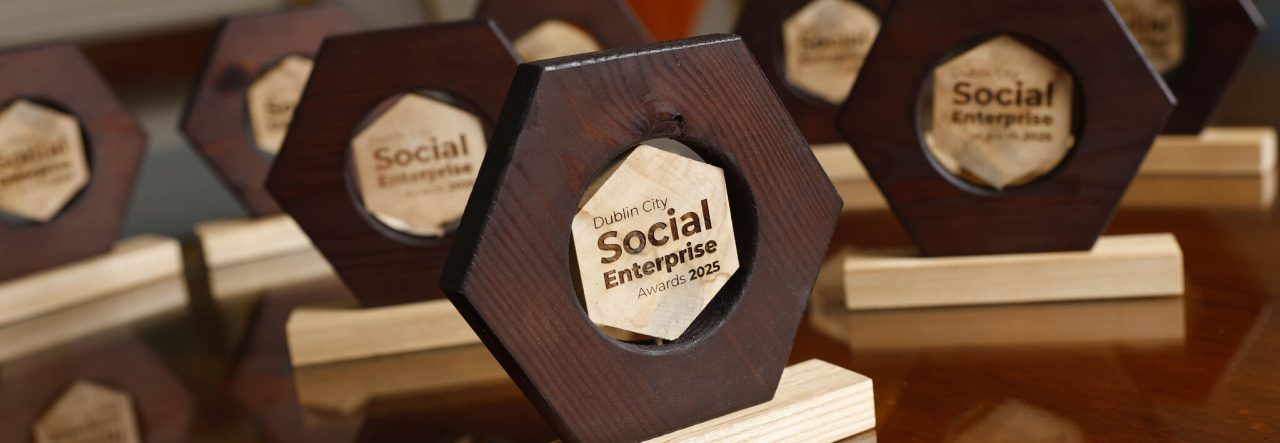
The Dublin City Social Enterprise Awards aim to support social enterprise startup and development in Dublin City. They are like a big celebration for social businesses that try to make the world a better place. These businesses aren’t just focused on making money to move forward; they also want to help people, our communities, and/or the environment.
Dublin City Social Enterprise Awards Logo
Imagine a competition where companies from Dublin show off their amazing ideas and projects that help the community or solve important problems. These could be things like creating jobs for people who might struggle to find work, activities to support young people or coming up with eco-friendly products that reduce waste.
Activities
Think about a coffee shop or cafe that hires people who might find it hard to get a job, like individuals with disabilities, people who are homeless and/or long term unemployed people. Or think about a company that sells eco-friendly services or products and uses its profits to support environmental causes. These are examples of social enterprises.
So, in simple terms, social enterprises in Ireland are businesses that do good while also making a living. They aim to tackle social or environmental issues while running a successful operation. It’s all about balancing profit with a purpose to create positive change in society.
Social Enterprise Loaf Catering – Café in Kilmainham, Dublin
The Dublin City Social Enterprise Awards recognize these social businesses for their vision, hard work and the positive impact they have on society. It’s a way to cheer them on and encourage communities and people to start their own social enterprises based on an identified need. So, it’s a win-win situation – businesses get recognition for their good deeds, and the community benefits from their efforts.
Formally – What is a Social Enterprise in Ireland?
1: A social enterprise is an enterprise whose objective is to achieve a social, societal or environmental impact, rather than maximizing profit for its owners or shareholders.
2: It pursues its objectives by trading on an ongoing basis through the provision of goods and/or services, and by reinvesting surpluses into achieving social objectives.
3: It is governed in a fully accountable and transparent manner and is independent of the public sector. If dissolved, it should transfer its assets to another organisation with a similar mission
To us, a social enterprise is a special kind of business with a big heart. Instead of just focusing on making money, they care a lot about helping people and/or making the world a better place. Really, it’s all about using a business model and people skills to make a positive impact in a specific area of need which is underserved.
The Dublin City Social Enterprise Awards were established by Inner City Enterprise (ICE) and Dublin City Council with the support of the Local Enterprise Office (LEO) Dublin City in 2015. Each year, a fund of approximately €60,000 is distributed among innovative social enterprises.
To learn more please click here. To download the application form click here
In 2022 Recycle IT were delighted to receive a Dublin City Social Enterprise Award. The award showed we make a real difference and it boost our credibility in the eyes of customers, funders, and the community.
Overall, receiving a social enterprise award can help you elevate your social business to the next level, both in terms of impact and sustainability. It opens up new opportunities and resources that can fuel your mission and drive positive change in the world.
Recycle IT, are a social enterprise offering electrical, electronic and metal recycling. Services are provided in partnership with WEEE Ireland. Recycle IT are supported by Pobal, the Dormant Accounts Fund, South Dublin County Council and authorized by the National Waste Collection Permit Office and the local authorities across Leinster.
For further details about our services call us on 01 4578321, email info@recycleit.ie or visit the Recycle IT website at www.recycleit.ie
Recycle IT at theDublin City Social Enterprise Awards2022
Recycling is an easy way to protect our environment and climate while ensuring the wellbeing of our community for the next generation. However, the success of recycling depends on the active participation of every member of the community including kids of all ages.
Homemade Bird Feeder
By everyone doing a little, we all can reduce the amount of waste that is deposited in the landfill or incinerated. Thinking about the reuse of materials made from recycled materials helps maintain the recycling circle and its part in the circular economy.
Reuse fosters creativity and innovation, encouraging individuals and communities to find inventive ways to extend the lifespan of products before finally recycling safely. Reuse promotes a culture of sustainability and responsible consumption, empowering people to make environmentally conscious choices in their daily lives
Eco-Friendly Reuse.
35 reuse and recycling tips
Use both sides of the page when writing or drawing
Give your kids or local schools part used printed paper for drawing
Bring your food to school or work using a reusable tubs
Books can be reused by donating them to libraries, schools, or community centers.
Rent or hire school books and other school supplies (yearly reuse)
Hire gardening tools that you only use occasionally
Reclaim your plastic bottle deposit by recycling for reuse.
Think about getting a sparkling water maker to reduce plastic bottles
Make a bird feeder by reusing any medium size plastic bottles you have at home.
Opt for low-energy light bulbs
Give your unwanted clothes a second life
Reuse and repair as much as possible – shoes, clothes etc.
Offer seasonal kids costumes to clothes to others as your kids grow!
Choose to buy bars of soap
Choose long life or durable products e.g. reusable razors or ink pens
Use rechargeable batteries in home appliances
Avoid unnecessary purchasing of occasion products, e.g. Christmas, Easter
Offer gifts, such as tickets for a show, sports event or concert leading to reduce material content
Choose eco-friendly products – read the labels
Buys product with less packaging
Buy regularly use products in bulk, e.g. canned and jarred products.
Reuse shopping bags
Use refillable products e.g. coffee, loss tea
Drink tap water from a reusable glass, cup or bottle
Prepared food at home for picnics while reusing flasks, tubs, knives, forks, and reusable carry bags
Choose fresh food rather than processed food, healthier and less packaging
Bake cakes and muffins instead of buying!
Limited home and office printing, share files over email or file sharing tools e.g. dropbox
Recycle ink cartridges – where you purchased your ink!
Bring a mug and glass to work to refill coffee, tea or water during the working day
Approach office supply companies about purchasing used office equipment
Cycle to work or college rather than taking the bus or car
Car share where distances are longer and where public transport is not accessible.
Take your uneaten food home from restaurants in a doggy bag.
Composite garden cuttings to create a natural fertilizer
The 4 Rs
In Ireland and across Europe, the focus on the 3 R’s has increased over recent years As recovery of resources through, reduce, reuse, repurposing and recycling has increased it has become increasingly important for consumers to take ownership and steps themselves to ensure products purchases can be reused, repurposed or recycled using accessible and economically sustainable solutions.
Recycle IT offer recycling opportunities to home and business customers for all types of electronics equipment. AT Recycle IT, recycling is available using free, drop-off, free community collections or through a cost-effective personal or business collection. Our team will accept any old household or small office electrical items alongside all types of metal and electrical or rechargeable garden equipment.
Recycle IT as a social enterprise works in partnership with WEEE Ireland. Recycle IT is supported by Pobal, South Dublin County Council and authorized by the National Waste Collection Permit Office.
To learn more about recycling electrical equipment please call Recycle IT on 01 4578321, email us or visit www.recycleit.ie
The Irish Environmental Protection Agency (EPA) recently published its annual Waste Electrical and Electronic Equipment (WEEE) Statistics Report for 2020.
We are delighted to share the news that a record 64,856 tonnes of waste electrical and electronic equipment were collected in Ireland for processing.
Mixed Household Electrical Equipment
This is the highest quantity ever recorded in Ireland. However, for the second year, we did not meet the waste electrical and electronic equipment collection target of 65%. We achieved a 60% collection rate, slightly reduced from the 61% recorded for 2019.
Recycling Trends
The trends identified by the Irish Environmental Protection Agency are listed below.
Ireland collected a record 64,856 tonnes of WEEE for treatment.
Ireland achieved a WEEE collection rate of 60% in 2020 as efforts to increase collection were outpaced by the growth in Electrical and Electronic Equipment placed on the market.
Large household equipment accounted for 56% (by weight). This includes washing machines, tumble dryers, cookers, ovens etc. ‘
Small electrical equipment accounts for 17% (by weight) of electrical items collected. This includes coffee machines, food processors, radios, kettles, toasters and similar items.
Fridges and freezers accounted for 16% (by weight).
Percentage Breakdown of WEEE collected in 2020 by Weight
Buying and Recycling
Generally, the purchase and usage of electronic goods are closely linked to people’s economic wealth. This is reflected in the WEEE data for Ireland for 2008-2020 shown in Figure 2.
Screens and Monitors
It is evident that the economic recession between 2008 and 2011 led to a decrease in the quantity of WEEE collected and recovered, as Irish householders and businesses did not replace electrical and electronic equipment as frequently during this period.
The growth in the Irish economy since 2012 has led to large rises in electrical equipment collected and recovered, which reached record highs in 2020.
This rise matches the reported increases in retail sales of electrical goods in 2020. The trend is likely attributable to changes brought about by the Covid-19 pandemic such as the widespread shift to remote working and a surge in household clear-outs.
Based on data provided by the Producer Register Limited, Ireland’s national register of electrical and electronic equipment (EEE), there was an increase of 11% in overall EEE placed on the market in Ireland in 2020 compared with 2019, while there were considerably larger increases in quantities of ‘small IT and communications equipment, screens and monitors’ which rose by 32% and 31% respectively
Communication Equipment
European Reporting
As part of annual reporting under the EU WEEE Directive, the EPA compiles statistics on WEEE collection and treatment in Ireland. The data are required to be submitted to Eurostat, the statistical office of the European Union, by 30th June of the reference year +2 (i.e. 2020 data were collected and processed in 2021 and reported in 2022). Following validation of the data by Eurostat, official statistics for all Member States are published on the Eurostat website as part of the following dataset here.
About Recycle IT
Recycle IT, is an award-winning Dublin-based, not-for-profit, social enterprise offering electrical, electronic and metal recycling. Services are provided in partnership with WEEE Ireland. Recycle IT is supported by Pobal, the Dormant Accounts Fund, and South Dublin County Council. Recycle IT is authorised by the National Waste Collection Permit Office and the local authorities across Leinster.
For further details about our free and cost-effective services call us on 01 4578321, email info@recycleit.ie or visit the Recycle IT website at www.recycleit.ie
Recycling allows materials to be reused, re-purposed or recycled again and again. This helps in conserving wildlife habitats, avoids further pollution and saves energy. Recycling safely alongside other small simple changes in your life can really make a difference to climate change.
Waste sent to landfill sites costs Irish taxpayers millions of euros every year, much of which could be saved by recovery, reuse or recycling. Waste produces emissions of methane, a powerful greenhouse gas contributing to climate change and after a number of years with severe weather events we can all see the effects of the climate change first hand.
Climate Change is Here
Meeting emissions target is going to be very tough for Ireland. In 2012 the EPA estimated Ireland will exceed its allocated limit by 2017.
Ireland’s apparent inability to meet its obligations for emissions reduction is due to our transport and agriculture sectors but immediate help is available by simply taking one less trip, using a bike, going for a walk locally and by reducing reusing and recycling items around your house, school, warehouse, store or office.
The United Nations reported less than 20% of e-waste (electric or electronic waste) is formally recycled, with 80% either ending up in landfill or being informally recycled – much of it by hand in developing countries, exposing workers to hazardous and carcinogenic substances such as mercury, lead and cadmium. E-waste in landfill contaminates soil and groundwater, putting food supply systems and water sources at risk.
These type of activities and the negative effects are not unique to developing countries and can happen in Ireland if your items are disposed off incorrectly. Sometimes free “junk” collectors can be too good to be real!
Routes to ease Climate Change in 21
Below you will find 12 tips to help reduce the impacts of climate change, tips such as:
1: Switch to a renewable energy supplier in 2021.
2: Replace old kitchen appliances with energy efficient electrical appliances and recycle safely.
3: Use cleaner, greener light bulbs.
4: Unplug devices for climate, safety and money reasons.
5: Think about the way you travel and how often.
6: Insulate your home.
7: Plant a tree or two.
8: Grow your own fruit and veg.
9: Separate household waste.
10: Make and use your own compost bin.
11: Holiday in Ireland.
12: Cycle and include the family.
13: Recycle old paint cans at a recycling centre.
14: Don’t fill the kettle to make a cup of coffee or tea.
Recycling WEEE (Waste Electrical and Electronic Equipment).
If your in Ireland and have electrical, electronic, battery or lighting waste, you can Recycle IT free at authorised collection points. Use the interactive map to find your nearest local recycling centre, public collection day, electrical retailer and bulb exchange store. Even waste portable batteries can be recycled at your local newsagent.
In Dublin, the local authorities in South Dublin, Dublin City and Dún Laoghaire-Rathdown work with Recycle IT to help offer residents collections for electrical and electronic waste as well as pure metal items. This annual service offered across suburbs in Dublin and helps householders dispose of large and small electrical appliances, IT equipment, small house gadgets and powered toys.
Recycle IT help thousands of householders and apartment dwellers yearly with their electrical recycling by providing an authorized, awarding winning, free or cost effective WEEE recycling collections.
The collections are held on week days with residents associations leading the way. Your local residents groups after making arrangements will notified you of your collection day with a flyer delivered to your property or by a text / whatsapp message up to 3 to 4 days before the collection happens in your estate.
Waste – Damaged and Broken Equipment
What’s accepted
Recycle IT accept old, damaged or unused electrical, electronic or pure metal items and all can be collected at the same time using our pre booked residents collection events or via personal recycling collections. Bikes, cookers, ovens, computers, phones, cables, exercise equipment, tools etc. Click here for full PDF lists
Just ask you local residents group to contact us and we can arrange a free collection from the homes in your estate or area. These collections are operated in association with WEEE Ireland.
Some guidelines
When putting items out for collection remember:
Keep the old items tidy, inside you garden, or on the kerb so the footpath or roadway is kept clear
If you think an unofficial collection are taking place, call us and we will arrange a collection from your door
Move items to the ground floor to allow for speedy collection
Let us know if items cannot be easily and safely lifted by two people.
Notify us advance if you have a request.
Do not leave sharp or dangerous objects with your electrical or pure metal items
Items should be secured if severe weather is expected
Old Metal Gates
What next?
Recycle IT are asking resident groups or tidy town groups to contact us in New Year. Give us a call on 01 4578321 to help declutter homes safely and reduce environment harm simply by recycling in an authorised way.
In the Interest of health safely and wellbeing please note – All items need to be accessible, disconnected and ready for collection. We will be following social distancing guidelines. We are happy to collect the item/s from a drive or garden / outside area / accessible & clear external location. Please remain mindful of social distancing and hand hygiene guidelines when recycling.
About Recycle IT
Recycle IT, is a social enterprise offering electrical, electronic and metal recycling services through drop off and collection. Services are provided in partnership with WEEE Ireland and South Dublin County Council. Recycle IT are supported by Pobal and Dormant Accounts and authorized by the National Waste Collection Permit Office and the local authorities across Leinster.
To find out about other items which might be suitable for reuse, repurposing or recycling please click here.
Life cycle….paint, computers, lights, dishwashers…
Ireland and Dublin, in particular, is home to a number of community reuse and waste prevention initiatives aimed at recovering and reusing valuable resources that have been acquired by customers to serve a need or first life use. When that first life use is served many offices, household or leisure products can be reused and enjoyed by our follow consumers!
Reuse Ideas shared by Recycle IT
Reuse is the practice of using an item more than once, extending its useful life. Often reuse involves a change of ownership; reuse can also involve “re-purposing,” or giving an item a second life through a function other than its original purpose. When we think about it, reuse is one of the oldest forms of waste management and was practiced by previous generations. I remember as a child collecting and returning empty glass soft drink bottles to the shops in order to claim the deposit. Lots of people engaged in reuse or recycle long before waste became a business and disposal the norm
Disposable product culture
In the 20th century manufacturing, marketing and advertising practices helped drive a disposable product culture. Many products including cars, or electrical and electronic appliances now build-in technical, design and perceived obsolescence. After a year they lose the latest and greatest tag.
Paint Reuse
Concerns about the environmental, economic and social sustainability of continually manufacturing new stuff, has promoted a resurgence in reuse and re-purposing everyday items. Some citizens and nations have embraced this resurgence while others pay lip service to reuse.
It has to be said, reuse on its own is only one step, but once included as part of the strategy, reuse can play its part in helping keep our world green.
Reuse v Recycling
Reuse does not break items down to their component parts in order to reprocess them into new materials. While recycling reduces the amount of discarded items that are sent to landfills or incinerators, reuse extends the useful life of whole items and creates a local community loop that keeps the items out of the waste stream altogether. Reuse in all its forms needs to be considered with clothes and fabric a fine example of a successful income-generating reuse model which supports charitable projects across the world.
Recycled Washing Machine Drums
There are a number of organizations in Ireland that can help with reuse for items including clothes, furniture, paint, mattress, home appliances or IT equipment.
List of organizations involved with reuse in Dublin, Ireland
It worth noting, a focus on reuse has many benefits including
Reuse plays an important role in diverting waste from landfills and is the second step in the waste management hierarchy of “reduce, reuse, recycle.”
Reusing materials saves money, energy, and natural resources, therefore, improving our environment and reducing the negative effects of climate change.
Reuse has the potential for creating new markets for materials, new product and opportunities for training and employment.
Recycle IT encourage reuse and recycling and can help you with the collection of electrical and electronic equipment, anything with a plug or battery. Our Dublin based colleagues and members of the Community Reuse Network can also help so please do click on the links above to learn more.
For more information on electrical recycling and reuse, call Recycle IT on 01 4578321 or email info@recycleit.ie
Recycle IT were delighted to be awarded an Age Friendly Business Charter in recognition of efforts to support older people in communities all over Dublin with electrical recycling collection and drop off services. Recycle IT are proud of the team’s work in achieving recognition and in also getting shortlisted for an Age Friendly Ireland Business Award.
Age Friendly Ireland
Recycle IT, a social enterprise is honored to be the first Dublin based Community Electrical Recyclerto be recognized in this way. The team views the programme as an opportunity to learn more and offer an ever improving service to older people and all customers.
Una Lavelle, Recycle General Manager, said:
“We want to ensure our services meet the needs of everyone including older people. By signing the Age Friendly Business Charter, we are showing our commitment to providing services that are customer focused and accessible”.
Elaine McGauran Age Friendly Ireland said:
“We are delighted to announce Recycle IT has been designated as ‘age friendly’ by Age Friendly Ireland. The Age Friendly Business Programme is a nationwide initiative with the aim of facilitating local businesses tap into an existing and growing market segment that accounts for 50% of consumer spending, the older customer. The programme seeks to recognise the efforts and improvements made by local businesses to provide more age friendly services”.
Elaine McGauran Age Friendly Ireland and Una Lavelle, Recycle IT General Manager
In initially working to implement an Age Friendly Charter, Recycle IT addressed three main areas
Customer Care – two staff members agreed to become champions to ensure older people experience a friendly and helpful service which address individual needs.
Communication – information on our services is straightforward and our team can be contacted easily.
Accessibility and signage – clear building and van signage and appropriate size text used on our website.
As a result of taking part in the programme, real service enhancements have been made and welcomed by members of the communities we service. These include a dedicated collection team telephone number, clearly recognisable collection vehicles, staff identity badges and building signage. Further enhancements are planned.
The Age Friendly Achievement Award Ceremony happened on Tuesday 24th May 2016 in Fitzpatrick’s Killiney Castle Hotel, Dublin with the Recycle IT team receiving recognition on the night for their efforts in supporting older people in communities across Dublin with recycling services which address individual needs.
Awards Night – Recycle IT team with Councilor Barry Saul
About Recycle IT
Recycle IT is the only Community Electronic Recycling Social Enterprise in Dublin providing a neighbourhood collection and drop off service for all types of waste electrical and electronic equipment (WEEE).
Recycle IT – Age Friendly Champions Mark Graham and George Willis
During 2015 Recycle IT offered collection services to 100,000 homes and businesses across Dublin and surrounding areas collecting a range of WEEE including over 7000 monitors and TV’s. Our services are provided in partnership with WEEE Ireland and with the cooperation of South Dublin County Council. We are authorized by the National Waste Collection Permit Office and South Dublin County Council.
In 2014, the European Commission (EC) put forward an initial Circular Economy proposal to address the issue and help European businesses and consumers make the transition to a circular economy where waste is viewed as a ‘resource’ that can be recycled, re-used or remanufactured.
The plan will be backed by €5.5bn from the European Structural and Investment Fund (ESIF) and €650m from Horizon 2020 (the EU funding programme for research and innovation).
Circular Economy Tree
What is the status with EU waste policy today?
The 2008 Waste Framework Directive sets the overarching legislative framework for EU waste policy. The directive sets binding targets to be achieved by 2020: preparing for reuse and recycling of 50% of certain waste materials from households and similar sources, and preparing for reuse, recycling and other recovery of 70% of construction and demolition waste.
Meanwhile, the 1999 Landfill Directive bans landfilling of untreated waste. The directive sets a goal that the share of biodegradable municipal waste going to landfills may not be greater than 35% in 2016, compared to the baseline year of 1995.
The aims are to protect the environment and to safeguard the functioning of the internal market. It requires Member States to take measures to prevent packaging waste and to develop packaging reuse systems.
When will it happen?
The proposal is currently going through the EU legislative process. Before the Circular Economy proposal is passed into law, all three European institutions (the European Council, European Parliament and the European Commission) must have an agreed stance, which they will then take into a series of discussions.
Both European Parliament and Council of Ministers can amend the legislation but must agree upon the same text before the bills can become law. This means that a final proposal will likely not be established until the second half of 2017. Malta, currently hold the EU Presidency, hope to reach a deal with MEPs before 1 July, as its six-month Presidential term ends.
What does the change mean?
The targets listed under the Circular Economy proposal will be implemented by national governments across the EU Member States (including Ireland) and are targeted at the waste performance of households and businesses.
What are the targets listed under the proposal?
The original Circular Economy proposal intended to increase recycling levels and tighten rules on incineration and landfill. It consists of six individual bills on waste, packaging, landfill, end-of-life vehicles, batteries and accumulators, and waste electrical and electronic equipment (WEEE).
Evolving Circular Economy –
The re-tabled proposal, unveiled in December 2015, included eco-design rules for products to make them easier to recycle. But it also had lower 2030 targets for recycling municipal and packaging waste, and replaced a 2025 aspirational landfill reduction target of 25% with a mandatory 10% goal for 2030.
This target was recently rejected as” watered-down” ambitions. A vote has advocated to reinstate the 70% target for municipal waste recycling, strengthening current proposals by 5%.
Meanwhile, a 2030 target for packaging recycling was voted to be 80% – higher than the 75% previously backed by the Commission. And the waste-to-landfill target has been restricted to 5%, replacing a mandatory target of 10% by 2030. MEPs have also voted for a European Union (EU) food waste reduction target of 30% by 2025 and 50% by 2030, compared to 2014.
The proposal includes a series of additional measures and targets, including:
The promotion of economic incentives to discourage landfilling;
A ban on landfilling of separately collected waste;
Simplified and improved definitions and harmonized calculation methods for recycling rates throughout the EU;
Define measures to promote re-use and stimulate industrial symbiosis – turning one industry’s by-product into another industry’s raw material;
Economic incentives for producers to put greener products on the market and support recovery and recycling schemes (e.g. for packaging, batteries, electric and electronic equipment, vehicles).
Four legislative proposals (included) are legal acts: Waste Framework Directive; Landfilling Directive; Packaging Waste Directive; Directives on end-of-life vehicles, on batteries and accumulators and waste batteries and accumulators, and on waste electrical and electronic equipment (WEEE).
About Recycle IT
Recycle IT is an award-winning not for profit social enterprise providing a collection and drop off service for all types of waste electrical and electronic equipment (WEEE). During 2016 Recycle IT supported drop off and collection services to over 100,000 homes, schools, charities and businesses across Dublin and surrounding areas collecting a range of WEEE which includes thousands of computers, cables, monitors, microwaves and TV’s.
Recycle IT services are provided in partnership with WEEE Ireland. Recycle IT are supported by Pobal, South Dublin County Council and authorized by the National Waste Collection Permit Office and the local authorities across Dublin, Kildare and Wicklow.
To learn more about Recycle IT or to book a collection or drop off please call 01 4578321 or email us here.
This festival is Ireland’s national celebration of creativity as we age. During May 2016 all over the Ireland Bealtaine events are running in clubs, community centres, theatres, libraries, galleries, arts centres, local halls, care setting, cultural spaces and at outdoors locations! so why don’t you, your family and friends make a special effort and attend an event or two. After all 2016 is a special year, the Bealtaine Festival as it is celebrating its 21st birthday.
South Dublin – Bealtaine Festival 2016
Bealtaine Festival organisers expect over 120,000 people to take part in Bealtaine events across Ireland during the month. Planned activities range from dance to cinema, painting to theatre and much more. These events showcase the talents and creativity of both first-time and professional older artists.
It is a chance for people to make new and challenging work, a chance to communicate traditions between the generations. It is a chance for the novice to discover a talent until then unseen and a chance for a long-dormant skill to find a new outlet. Its a chance to volunteer or help your community do something new.
Launch Event
Recycle IT were invited to the South Dublin County Council launch event on May 4th 2016 in the Louis Fitzgerald Hotel. We arrived with our stand and shared information on community recycling with over 100 people attending. We shared lots of WEEE Ireland battery boxes and Recycle IT cards providing information on our electrical recycling collection service. People attending were from all over Dublin including Tallaght and Clondalkin and we were delighted to speak and offer details on our community electrical collection or drop off service which aims to be age friendly and inclusive.
We want to say thanks to Social Inclusion Unit of South Dublin County Council for inviting us along and making us feel very welcome.
Una Lavelle, Recycle IT and Maria FInn. South Dublin County Council
About Bealtaine
Bealtaine is an Age & Opportunity initiative part-funded by the Arts Council and delivered by hundreds of organisations around the country. Dublin City Council is an investment partner. To view the Bealtaine Festival programme of events for Dublin please click here or to download the South Dublin Age Friendly County Newsletter here
Una Lavelle Recycle IT and Councillor Sarah Holland, Mayor of South Dublin
Bealtaine Festival Vintage Electrical Display
Recycle IT have a vintage electrical display in Tallaght Library to celebrate Bealtaine Festival. The display is assembled from everyday household items which have been collected over the years. Please go along with your kids and have a look over the coming weeks and up to the end of May 2016. It really is a blast for the past!
If you have any questions about recycling electrical items using our collection or drop off services please call our team on 01 45789321 or email us
Spring is on it way and so is Easter and to ensure our capital city looks great, the biggest community clean up event ever undertaken in Dublin City is taking shape. Dublin City Council are aiming to invite up to 10,000 volunteers to take part in clean up events across all areas of Dublin City for 2 hours on Easter Saturday, 26th March 2016.
Recycle IT Supporting Team Dublin Cleanup
The Team Dublin Clean-Up is based on the many small community clean ups and adopt the Street schemes across the City and inspired by the success of a similar Team Limerick Clean-Up Event in 2015.
Get involved
It is also based on the premise that a clean Dublin is a Dublin to be proud of and is in fact, a shared responsibility of us all so we are inviting members of the public, businesses etc. to join the TEAM DUBLIN CLEAN -UP 2016 on Easter Saturday to help us make Dublin a litter free City.
Recycle IT Supporting Team Dublin Cleanup 2016
Free collection of waste WEEE
If your residents association or community group need to have old or once loved electrical or electronic items and batteries collected in the weeks leading up to Dublin City Clean Up on March 26th please let us know and we can schedule a WEEE collection. The earlier you book the greater the chance of the Recycle IT Team visiting your area so call 01-4578321 or click here to email our team now!