E-Waste – New Highs in Ireland
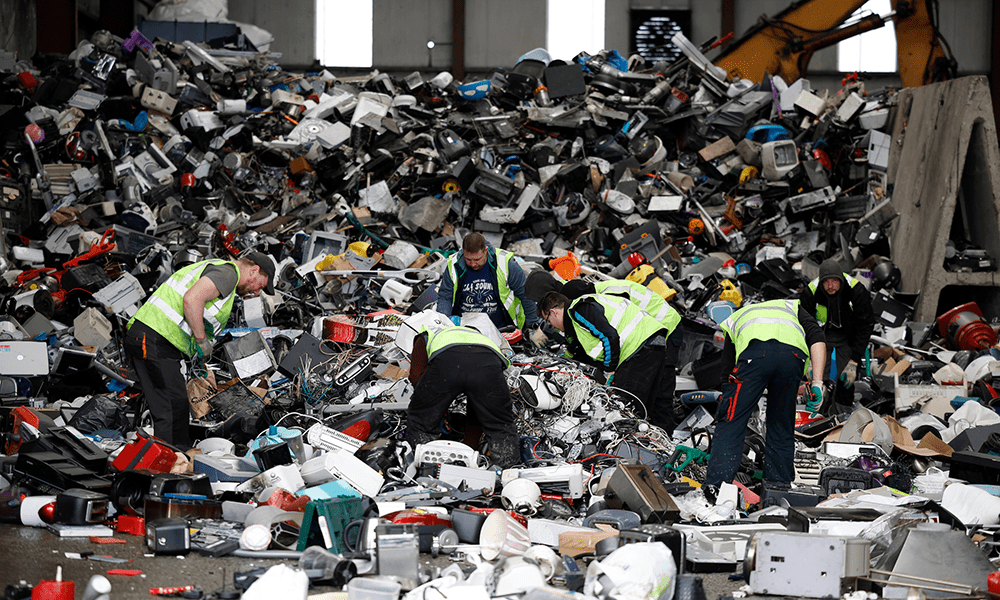
Ireland recycled a record 21.1 million electrical and electronic waste items in 2025, marking another significant increase in the country’s e-waste recycling efforts.
However, despite the record volume of electrical waste collected, Ireland still fell short of the European Union’s 65% e-waste collection target, according to new figures from WEEE Ireland.
The organisation’s latest annual report shows that almost 39,000 tonnes of e-waste were collected across Ireland during 2025 — equivalent to approximately 7,425 truckloads.
The number of items collected also increased substantially from 18.8 million in 2024.
What Electrical Waste Was Recycled in Ireland?
Small electrical appliances accounted for the vast majority of items collected in 2025.
WEEE Ireland reported the recycling of:
- 18.5 million small appliances
- 1.9 million lighting products
- 278,222 TVs and monitors
- 123,060 fridge-freezers
The figures highlight the growing volume of electrical equipment being diverted from general waste and instead entering dedicated recycling systems.
Why Did Ireland Miss the EU E-Waste Collection Target?
Despite achieving record e-waste recycling volumes, Ireland remains below the EU’s 65% collection target.
WEEE Ireland says the issue is partly linked to how the target is calculated.
Under the current European system, a country’s e-waste collection rate is measured against the amount of electrical and electronic equipment placed on the market during the previous three years.
In 2025, Irish producers placed around 25kg of household electrical equipment per person on the market.
The system, WEEE Ireland argues, does not fully reflect the increasingly long lifespan of modern electrical products.
Many products can remain in use for considerably longer than three years before eventually becoming waste.
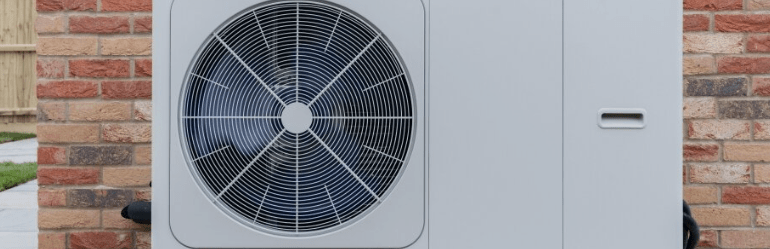
This is particularly relevant for newer technologies such as solar PV systems and heat pumps, which can remain operational for decades.
As a result, equipment sold today can influence future collection targets even though it may not enter the recycling system for many years.

WEEE Ireland Calls for a Modern E-Waste Measurement System
Leo Donovan, CEO of WEEE Ireland, said Irish consumers are recycling more electrical waste than ever, but argued that the EU’s current measurement system was designed for a very different market.
He said current collection targets do not adequately account for modern consumption patterns, longer product lifespans or emerging technologies.
The comments come as the EU WEEE Directive is being re-evaluated, creating an opportunity to reconsider how national e-waste recycling performance is measured.
WEEE Ireland supports a more modern approach that better reflects how electrical products are purchased, used and eventually discarded.
Ireland Exceeds EU E-Waste Recovery Requirement
While Ireland did not meet the EU collection target, the latest figures show strong performance when it comes to recovering materials from collected e-waste.
An average of 82% of materials collected were recovered for reuse in manufacturing, exceeding the EU recovery requirement of 80%.
Meanwhile, 84% of counties increased their WEEE recycling rates year-on-year.
This suggests that the debate around e-waste should not focus solely on the quantity of waste collected.
How effectively valuable materials are recovered and returned to manufacturing is becoming an increasingly important measure of circular economy performance.
Battery Recycling in Ireland Continues to Grow
Ireland also achieved the EU’s 45% collection target for portable waste batteries, with WEEE Ireland collecting 1,284 tonnes during 2025.
Lithium battery collections have more than doubled over the past five years.
That increase reflects the growing number of products powered by rechargeable batteries, from consumer electronics to electric devices and other technologies.
Vape recycling is another emerging issue. More than 1.4 million vape devices were recycled through WEEE Ireland’s national takeback scheme in 2025.
Why Critical Raw Materials Matter
The growing volume of e-waste presents both an environmental challenge and an opportunity to recover valuable resources.
Electrical and electronic products contain critical raw materials including lithium, copper, cobalt and aluminium.
Recovering these materials through effective recycling can help reduce the need for virgin raw materials while supporting Europe’s ambitions to improve resource security and develop a more circular economy.
WEEE Ireland says the focus needs to move beyond simply collecting electrical waste.
The next stage is ensuring that valuable materials are recovered to high standards and kept within the manufacturing cycle for as long as possible.
How Can Consumers Recycle Electrical Waste in Ireland?
Consumers can play an important role in increasing Ireland’s e-waste recycling rate.
Old, broken or unwanted electrical items and waste batteries can be recycled free of charge through a number of collection routes, including:
- Local authority civic amenity centres
- Participating electrical retailers
- WEEE Ireland collection events
- Dedicated battery collection points
Electrical equipment should not be placed in general household waste where dedicated recycling facilities are available.
Ireland’s E-Waste Challenge Is Changing
Ireland’s record 21.1 million recycled electrical items in 2025 demonstrates that consumers are increasingly using dedicated e-waste recycling systems.
Yet the country’s failure to meet the EU collection target raises questions about whether the current measurement system accurately reflects the modern electrical goods market.
With products such as heat pumps, solar PV systems, rechargeable batteries and other technologies becoming increasingly common — and often remaining in service for many years — the way Europe measures e-waste recycling may need to evolve.
The future of Ireland’s e-waste strategy is therefore likely to involve more than simply collecting greater quantities of discarded electrical equipment.
It will also depend on recovering more valuable materials, improving recycling quality and keeping critical resources within the circular economy.
Ireland may have missed the EU’s collection target in 2025, but the record volume of electrical waste recycled shows that significant progress is being made.
Get the full article here
About Recycle IT
Recycle IT is an award-winning social enterprise providing recycling collection and drop-off services for all types of waste electrical, electronic equipment (WEEE) and pure metal items.
Recycle IT services are provided in partnership with WEEE Ireland. Recycle IT is supported by the Department of Rural and Community Development, Dormant Accounts Fund, Pobal, South Dublin County Council and authorized by the National Waste Collection Permit Office and the local authorities across Leinster.
For further details about our free and cost-effective services call us on 01 4578321, email info@recycleit.ie or visit the Recycle IT website at www.recycleit.ie
