Mattress Recycling 2026 – Authorised

Household Mattress Recycling Free Summer 2026

Replacing an old mattress often leaves householders with one important question – what do I do with the old one? From early August through to late September 2026, that question has a simple answer.

Mattresses for Recycling in the Community

Recycle IT, in partnership with South Dublin County Council (SDCC), is delighted to launch a Free Household Mattress Recycling Amnesty, giving residents the opportunity to recycle unwanted household mattresses responsibly and completely free of charge.

The initiative aims to make household mattress recycling more accessible while reducing waste, supporting the circular economy and helping to keep communities across South Dublin clean and free from illegal dumping.

Free Mattress Recycling Drop-Off at Recycle IT

Throughout the amnesty period, householders can bring unwanted mattresses directly to the Recycle IT recycling facility in Clondalkin, where they will be accepted free of charge.

Every mattress received will enter an authorised recycling process where valuable materials such as steel springs, timber, foam, textiles and fibres are separated and recovered for reuse wherever possible. This helps divert bulky waste from landfill while ensuring recyclable materials remain in productive use. Recycle IT operates as a not-for-profit social enterprise in cooperation with South Dublin County Council and other recycling partners to deliver environmental and community benefits.

Directions to Recycle IT

Directions to Recycle IT Recycling Centre:  

  • The recycling facility is located at: Unit 14/2 Crag Terrace, Clondalkin Industrial Estate, Dublin D22 TK37
  • Recycle IT will be open between 9.30am – 3pm, Monday to Friday for mattress drop from Tuesday, August 4th to Friday September 25th, 2026 
  • Call us on 01 4578321

Community Mattress Collection Events

Recognizing that not everyone can transport a mattress to the recycling centre, Recycle IT and South Dublin County Council will also organise a series of Community Mattress Collection Days throughout the amnesty period.

Mattress Recycling Community Events
Mattress Recycling Community Events – Click to Enlarge

These local collection events will take place at authorised drop-off locations across South Dublin, making recycling even easier for residents.

Instead of travelling to Clondalkin, householders will be able to bring their old mattresses to designated community collection points closer to home.

These community events demonstrate how local partnerships can deliver practical environmental solutions while making recycling more convenient for everyone.

Why Recycle a Mattress?

Many people don’t realise that a mattress contains several recyclable materials.

These include:

  • Steel springs
  • Timber
  • Foam
  • Cotton
  • Polyester fibres
  • Fabric coverings

When processed correctly, these materials can be recovered and reused in manufacturing new products.

Without recycling, bulky mattresses occupy valuable landfill space for many years while wasting materials that still have significant value.

Choosing recycling instead helps conserve natural resources while reducing unnecessary waste.

Mattresses for Recycling

Supporting Ireland’s Circular Economy

The Mattress Recycling Amnesty supports Ireland’s move towards a more circular economy, where products and materials are kept in use for as long as possible.

Instead of disposing of useful resources, recycling allows valuable components to be recovered and used again.

This reduces demand for new raw materials, lowers manufacturing impacts and supports more sustainable production.

Every mattress recycled contributes to reducing waste while improving resource efficiency.

Environmental Benefits

Recycling a mattress may seem like a small action, but collectively it makes a significant difference.

The benefits include:

  • Reducing bulky waste entering landfill.
  • Recovering valuable recyclable materials.
  • Conserving natural resources.
  • Lowering greenhouse gas emissions associated with manufacturing new materials.
  • Supporting sustainable waste management.
  • Helping keep neighbourhoods cleaner.

When thousands of householders recycle rather than dispose of mattresses, the environmental impact is substantial.

Benefits for Householders

The Mattress Recycling Amnesty has been designed to make responsible recycling as easy as possible.

Householders will benefit from:

  • Free mattress recycling throughout the campaign.
  • Convenient drop-off at the Recycle IT facility.
  • Additional community collection locations across South Dublin.
  • Confidence that mattresses are recycled through authorised facilities.
  • An easy alternative to costly disposal services.
  • Cost effective personal collection service. (No access to transport / very large mattress / multiple mattress for collection from a home.

Many people store unwanted mattresses for months because they are unsure how to dispose of them responsibly.

This initiative removes that barrier and provides a simple solution.

Working Together for Cleaner Communities

Illegal dumping of mattresses continues to affect many communities throughout Ireland.

Dumped mattresses spoil neighbourhoods, damage green spaces, attract additional waste and increase clean-up costs.

The partnership between Recycle IT and South Dublin County Council aims to encourage responsible disposal by making recycling easy, accessible and free.

By providing both central and community-based collection options, the initiative helps remove barriers that can sometimes lead to illegal dumping while encouraging greater public participation in recycling. Recycle IT has a long-standing relationship with South Dublin County Council in delivering community recycling initiatives and environmental awareness programmes.

Everyone Can Make a Difference

If you have an unwanted mattress in your home, garage, attic or spare room, now is the perfect opportunity to recycle it responsibly.

From Tuesday, August 4th until Friday September 25th, 2026, simply bring your mattress to the Recycle IT recycling centre free of charge or visit one of the authorised community collection events taking place across South Dublin.

Together, Recycle IT, South Dublin County Council and local residents can recover valuable materials, reduce landfill waste, discourage illegal dumping and create cleaner, greener communities for future generations.

For directions to the recycling facility and updates on community collection dates see below

Recycle IT will be open for free drop off between 9.30am and 3pm on Mondays – Friday. (Recycle IT don’t open on Bank Holidays).

You will find telephone, map and address details here

Dublin On-Street Waste Compactors

Something New!

Dublin City Council has introduced new waste compactors on Fownes Street Upper and St Stephen’s Green to help keep our city cleaner and remove rubbish bags from pavements.

These easy-to-use compactors can hold much more waste than regular bin bags, helping to keep streets clean, tidy, and free from litter. They compress loose garbage into dense, uniform blocks, often the size of a small caravan. By replacing plastic rubbish bags left on pavements, the compressor help prevent bags being ripped open by birds or animals and reduce illegal dumping.

‘No More Rubbish Excuses’ campaign by Dublin City Council

Reason!

The compactors are designed for busy city streets and are part of Dublin City Council’s plan to create a cleaner, safer, and more attractive city for everyone.

Residents and businesses in the pilot area are now asked to use these compactors or arrange suitable collection options with their waste provider instead of leaving bags on the street.

The new system will help remove up to 1,000 plastic bags from Dublin streets every day, creating cleaner, safer, and more attractive public spaces for everyone.

Waste Compactor Onsite

No More Rubbish

The compactors are easy to use and are part of Dublin City Council’s wider “No More Rubbish Excuses” campaign to reduce litter and improve waste management across the city.

Please remember:

  • Do not leave rubbish bags on pavements
  • Use the new compactors responsibly
  • Do not place electrical items or batteries in the compactors
  • Help keep the area outside your home or business clean

By working together, we can create a cleaner, greener Dublin for residents, businesses, and visitors alike so please use the compactors responsibly and help keep Dublin clean.

Waste compactor at Fownes Street Upper D2

About Recycle IT

Recycle IT is a not-for-profit social enterprise providing a community collection service for all types of waste electrical and electronic equipment (WEEE). Yearly Recycle IT collect from thousands of organizations in Dublin and surrounding areas. Services are provided in partnership with WEEE Ireland, with support from South Dublin County Council, South Dublin Country Partnership, Pobal and the Irish Government.

Recycle IT is authorized by the National Waste Collection Permit Office and the local authorities in the Eastern Midlands Waste Region.

Recycle IT as a social enterprise is part-funded through the Community Services Programme operated by Pobal. Any income earned is used to finance operations which include the provision of training and employment opportunities.

Recycle IT Social Enterprise Award 2025

Reduce and Reuse Tips for the Workplace – Sustainable Practices

Reduce and Reuse means Change

Reducing and reusing materials in workplaces like, schools, colleges, shops, offices and warehouses is one of the simplest ways to cut costs, reduce waste, and run a more sustainable operation. Small changes, done consistently, can make a real difference across your daily, repeatable, step-by-step routines you follow to get your work done, from start to finish. Think about how to include reuse and recycling into daily routines.

Recycling and reusing at work shows both staff and customers that your organisation takes responsibility for its impact. It signals that sustainability isn’t just a policy—it’s part of everyday decisions.

Source: Born Again Pallets – www.bornagainpallets.com

When you encourage a culture of awareness, teamwork, and pride in doing things properly, colleagues are more likely to follow good reduce, reuse and recycling practices. Once supported and normalized in the workplace, reuse and recycling efforts will take hold, continue and extend into home life!

For customers, it builds trust. It shows your business is forward-thinking, responsible, and committed to reducing waste—not just talking about it.

Overall, visible recycling and reuse demonstrate leadership, accountability, and a genuine commitment to sustainability.

Reusable Cable Tie – www.besbet.co.uk

21 practical reuse tips

  1. Reuse sturdy boxes for internal shipments and storage.
  2. Turn used pallets into shelving or workbenches.
  3. Refill and reuse printer cartridges where possible.
  4. Use both sides of paper before recycling.
  5. Repurpose old folders for internal documents.
  6. Store small parts in cleaned, reused containers.
  7. Reuse bubble wrap and packing materials.
  8. Turn damaged pallets into repair parts.
  9. Share surplus supplies between departments.
  10. Reuse cable ties and fasteners when safe.
  11. With permission use scrap wood for projects at home.
  12. Reassign older equipment to less demanding tasks.
  13. Use refillable water bottles and dispensers.
  14. Repurpose jars or tins for tool storage.
  15. Reuse envelopes for internal mail.
  16. Set up a reuse station for shared materials.
  17. Repair items before replacing them.
  18. Donate usable surplus equipment.
  19. Reuse signage by updating inserts instead of replacing frames.
  20. Use washable cloths instead of disposable wipes.
  21. Encourage staff to suggest new reuse ideas.
Try Green Bubble: Sustainable Packaging Solutions – www.green-bubble.ie

Change Mindset

Building a reuse mindset doesn’t require major investment—just awareness and consistency. Over time, these habits reduce waste, save money, and create a more efficient and environmentally responsible workplace for everyone involved in daily operations.

Consistent reuse is important. When every team member follows the agreed small actions daily, waste is reduced, costs are saved, and the workplace becomes more efficient and environmentally responsible over time while encouraging stronger environmental awareness and teamwork.

For example, Recycle IT are well aware that recycling metal is crucial for sustainability, as it allows materials like aluminum and steel to be reprocessed indefinitely without losing quality. By collecting and sending metal for melting and purifying, we cut CO2 emissions and save significant energy compared to mining virgin ore. It reduces landfill waste, protects resources, and supports a cleaner, more sustainable future for businesses and local communities alike.

About Recycle IT

Recycle IT is a not-for-profit social enterprise providing a community collection service for all types of waste electrical and electronic equipment (WEEE). Yearly Recycle IT collect from thousands of organizations in Dublin and surrounding areas. Services are provided in partnership with WEEE Ireland, with support from South Dublin County Council, South Dublin Country Partnership, Pobal and the Irish Government.

Recycle IT is authorized by the National Waste Collection Permit Office and the local authorities in the Eastern Midlands Waste Region.

Recycle IT as a social enterprise is part-funded through the Community Services Programme operated by Pobal. Any income earned is used to finance operations which include the provision of training and employment opportunities.

Recycle IT – Award Winner

Office Recycling Tips for a Greener Office

Green Office – Home Office – Any Office:

Summer is coming, it’s brighter so may be it’s time to declutter and tidy? With that in mind, please find some recycling tips to stay eco-friendly at work this spring and year round!

As we know, office waste mainly consists of electrical, electronic, cardboard, paper, packaging and food waste, all of which can be reused, recycled or composted. The one type of waste which is most commonly hoarded for disposal later is old, unused or damaged electrical/electronic equipment.

Office Recycling Categories
Office Waste Separation

Some items just appear event! They might include glass or plastic bottles, cans plastic cups, coffee cups, and food trays and wrappers to name a few. These items can all be segregated and recycled in work or you could encourage staff and suppliers to use reusable items which can be collected and reuse. Disposal items arrival and leave quickly, it’s just to make sure they are recycled for good.

The benefits of introducing a program of reducing, reusing and recycling include;

  • Big euro savings in time on waste disposal costs.
  • Boost to staff morale with a focus on reducing, reuse and recycling.
  • Demonstrates the organisation is commitment to the environment.
  • Enhanced public perception of your organization as a green organization.
  • Promotes a green agenda with your trading partners.
  • Offer time and cost saving opportunities to staff.  
  • Relieves workplace anxiety – when you are organised, clean and tidy, anxiety is reduced.
Office Electrons Clear Out – Old Laptop Parts

Below you will find some tips that can be easily implemented and integrated into the day-to-day running of the office and office building. They may result in reduced office supplies usage, time ordering and money spent.

Tips on How to Reduce Office Waste

  1. Buy supplies in bulk to reduce packaging waste.
  2. Create a clear recycling station with labelled bins for paper, plastic, ink, and electronics.
  3. Your workplace should be encouraged to go paperless.
  4. Use digital signatures to avoid printing documents for signing.
  5. Only print if there is a real need for a hard copy.
  6. Meeting clients or colleagues online to save resources. It’s the norm now!
  7. Use e-mail or instant messages to save paper, time and money.
  8. Share team and event calendars.
  9. Draft documents can be reviewed on-screen before emailing.
  10. Reports and presentation should be electronic only
  11. If paper is required, use FSCcertified paper
  12. Research purchasing printers which print double-sided copies only.
  13. Photocopy and print double-sided.
  14. Scrap paper can be used to make note pads to take phone messages.
  15. Introduce a centralized filing system. This reduces multiple files,
  16. Enable the reuse of paper envelopes by putting a label on top of the old address.
  17.  Cut down on excess equipment sitting in the store, going out of date, e.g. electrical and electronic office equipment.
  18. Regularly service equipment, particularly computers, photocopiers, and printers, to prolong their lifespan.
  19. When equipment reaches its end of life use a registered and licensed electrical and electronic recycler to ensure equipment is safely made ready for reuse and recycling.
  20. Employees should regularly empty out their desk and return any unwanted office supplies to the stationery cupboard.
  21. Free or fee-based online newspaper subscription can reduce the amount of paper to be recycled.
  22. Cancel any unwanted magazine or newspaper subscriptions to avoid unwanted waste accumulating.
  23. Reuse binders and file folders.
  24. Office announcements can be posted online, sent via email or posted once in a centralized monitor or TV screen.
  25. Consider renting equipment that you use only occasionally rather than having to store it in the workplace.
  26. Encourage colleagues to bring lunch to work in reusable containers.
  27. Encourage management to have reusable silverware, plates and cups and a small coffee station in the office.
  28. Research and purchase products with less packaging or with no packaging at all.
  29. Install filtered water rather than a water cooler.
  30. Give your team a reusable water bottle.
  31. Offer secure bike parking.
  32. Source used desks, chairs and lockers (if required).
  33. Unplug equipment when not in use or overnight.
  34. Work from home when possible.
  35. Offer unused or surplus items to other organisation for reuse.
  36. Think about how you can have a green work party or events during the year.
  37. Set printers to default to black-and-white to reduce ink usage.
  38. Use refillable ink cartridges instead of single-use ones.
  39. Switch to energy-efficient LED lighting in your workplace
  40. Encourage staff to use reusable coffee cups instead of disposable ones.
  41. Choose rechargeable batteries instead of disposable ones.
  42. Donate or sell old furniture instead of throwing it away.
  43. Track waste and set reduction goals to encourage improvement.
General Office Recycling – Recycle IT 

About Recycle IT

Recycle IT is an award-winning social enterprise providing recycling collection and drop off services for all types of waste electrical, electronic equipment (WEEE) and pure metal items.

During 2023 Recycle IT operated drop off and collection services to of thousands of homes, schools, charities and businesses across Dublin and surrounding areas collecting a range of WEEE which includes thousands of batteries, computers, cables, monitors, kettles.  microwaves and screens.

Recycle IT services are provided in partnership with WEEE Ireland. Recycle IT is supported by the Department of Rural and Community Development, Dormant Accounts Fund, Pobal, South Dublin County Council and authorized by the National Waste Collection Permit Office and the local authorities across Leinster.

For further details about our free and cost-effective services call us on 01 4578321, email info@recycleit.ie or visit the Recycle IT website at www.recycleit.ie

Recycle IT Approved and Verified

Challenges in Ireland’s Circular Economy and Waste System

Overview

You will find some highlights below taken from The Irish EPA Circular Economy Programme – The Driving Force for Ireland’s Move to a Circular Economy published by the Environmental Protection Agency, Ireland in December 2024. The EPA is responsible for compiling national statistics on circular economy activities and the generation and management of waste in
the Republic of Ireland.

Did you know?

Ireland is generating excessive waste, reaching a total of 15.7 million tonnes in 2022. Addressing this requires system-wide change to accelerate the transition to a circular economy. Stronger regulation, incentives, and enforcement are needed to encourage industry, businesses, and consumers to adopt more sustainable production and consumption practices.

Circular Economy Ireland
Circular Economy and Waste Statistics Highlight Report

Ireland’s circular economy and waste system is underperforming. Progress in reuse and recycling has stalled, municipal recycling targets are likely to be missed, and a consistent three-bin system has yet to be fully implemented. The country remains largely dependent on a linear economy, with persistently high levels of waste generation.

Packaging waste makes up about one-third of kerbside waste from households and businesses. Since 2016, it has increased by over 20%, while recycling rates have declined by 7%. As a result, there is a significant risk that Ireland will fail to meet recycling targets for both general packaging and plastic packaging waste.

Click to Enlarge – Circular Economy and Waste Data Highlights

The construction sector is another major contributor, generating over 8 million tonnes of waste and accounting for around half of domestic natural resource extraction in 2022. Moving toward a circular economy in the built environment will require prioritizing renovations and retrofits, designing buildings and urban spaces with lower carbon materials, and increasing the reuse of construction resources.

Waste treatment capacity in Ireland is also vulnerable due to heavy reliance on other countries. In 2022, over 1.2 million tonnes of municipal waste were exported, alongside substantial portions of hazardous and municipal waste overall, highlighting the country’s dependence on external processing.

Click to Enlarge – Waste Treatment and E
xports

The EPA collects circular economy and waste data from a wide range of sources, including waste operators, collectors, and treatment facilities, as well as local authorities and EPA-licensed facilities.

The full report summarizes all of the EPA’s circular economy and waste statistics data releases published in 2024, covering the 2022 reporting year. For more detailed insights into individual waste streams and the most up-to-date data for Ireland, refer to the Circular Economy and Waste Statistics resources here.

Circular Economy News

In late April 2026, Minister Alan Dillon announces €29 million to support local jobs, reduce waste, and help communities reuse and repair. The funding, provided through the Circular Economy Fund, will support initiatives in every region of the country — from community repair hubs and reuse centres to innovative business projects that cut waste and make better use of materials.

This means more opportunities for people to repair items instead of throwing them away, more affordable second-hand goods, and more local jobs in areas such as repair, refurbishment, and sustainable manufacturing. You will get further details here.

You can learn more about the Whole of Government Circular Economy Strategy 2026-2028 here.

About Recylce IT

Recycle IT is a not-for-profit social enterprise providing a community collection service for all types of waste electrical and electronic equipment (WEEE). Yearly Recycle IT collect from thousands of organizations in Dublin and surrounding areas. Services are provided in partnership with WEEE Ireland, with support from South Dublin County Council, South Dublin Country Partnership, Pobal and the Irish Government.

Recycle IT is authorized by the National Waste Collection Permit Office and the local authorities in the Eastern Midlands Waste Region.

Recycle IT as a social enterprise is part-funded through the Community Services Programme operated by Pobal. Any income earned is used to finance operations which include the provision of training and employment opportunities.

Recycle IT – Award Winner

Recycle Metal Now!

Every Day Life:

Metal is part of almost everything we use every day. It is in our food cans, kitchen tools, electronics, cars, bikes, scooters, gardening tools, and buildings. When these items reach the end of their life, the metal inside them is still valuable. Instead of throwing it away, we can recycle it and use it again. Metal is one of the most useful materials to recycle, and doing so makes a real difference for the environment and the economy.

One of the most important things to know is that steel, iron, aluminum, and copper can be recycled again and again without losing its quality. This means it does not weaken or wear out during the recycling process. Materials like aluminium and steel can be melted down and turned into new products over and over. Because of this, metal is one of the most sustainable materials we have.

Metal for Recycling

Office Metal / Storage Metal – Recycle IT

Facts

Recycling steel, iron, aluminum, and copper saves a huge amount of energy. For example, recycling aluminium uses up to 95% less energy than making it from raw materials. Steel recycling can save around 60–70% of the energy compared to producing new steel. These energy savings help reduce greenhouse gas emissions, which are a major cause of climate change. Using recycled metal also means we need less mining, which protects natural landscapes and reduces pollution.

There are many types of metal we can recycle at home and in our communities. Common items include aluminium cans, steel food cans, foil wrap and foil trays (if clean) can all be placed in the Green Bin.

Larger items such as washing machines, ovens, bicycles, and even furniture like steel table legs or office chairs can also be recycled. Electrical items often contain valuable metals like copper, aluminium, and steel, so they should always be taken to proper recycling centres.

Metal for Reuse

Some facts help show just how powerful recycling can be. Recycling one aluminium can saves enough energy to power a television for a few hours. Steel is one of the most recycled materials globally, with high recycling rates in many countries. Aluminium is also widely recycled and can return to shop shelves as a new can in as little as 60 days.

  • The metal recycling industry in the European Union offers 310,000 green, local, and non-outsourceable jobs across all Member States. Source: European Recycling Industries’ Confederation (EuRIC)
  • Ireland achieved a 58% recycling rate for metal packaging in 2021.
  • According to 2023 data, approximately 357,947 tonnes of metal were recycled, largely related to construction and demolition activity.
  • You can identify metal types using a magnet; steel is magnetic, while aluminum is not.
  • Roughly 40% of the world’s copper demand is met using recycled material.
  • Recycling steel reduces related CO2 emissions by 58% compared to primary production.
  • A single computer contains around 1.5 kg of copper, making electronics recycling highly valuable.
  • The automotive industry is the largest consumer of recycled scrap metal.
  • 91% of metals from end-of-life vehicles were recycled.
Mix of Recycling

Best Use

You can learn to identify metallic substance at home. A simple magnet test works well—steel is magnetic, while aluminium is not. This can be a fun and educational activity for children, helping them understand recycling in a hands-on way. Knowing what materials you have makes it easier to sort and recycle correctly.

It is important to remember that metallic materials are limited resource. Metals come from ores in the ground, and mining them takes time, energy, and effort. By recycling, we make better use of what we already have instead of constantly taking more from the earth. This helps protect natural resources for future generations.

Another benefit of metal recycling is reducing landfill waste. Metallic items that end up in landfill can take a very long time to break down. By recycling them instead, we reduce the pressure on landfill sites and prevent harmful substances from affecting soil and water. Clean recycling habits can make a big difference in keeping our environment safe.

Steel Chairs for Recycling

Change

Remember, there are simple changes we can make to improve how we use metal. For example, choosing reusable containers instead of disposable foil trays can reduce waste. When metal items do break or wear out, we should always think about recycling them instead of throwing them away. Many recycling centres accept a wide range of metal items, and some even offer collection services for larger appliances.

Working together as a community can make metallic recycling even more effective. Families, schools, and workplaces can all play a role by collecting and sorting metal waste properly. Small actions, when done by many people, add up to a big impact.

In summary, metal is too valuable to waste. It can be recycled endlessly, saves large amounts of energy, reduces pollution, and supports jobs. By recycling metal items—from small cans to large appliances—we help protect the environment and make better use of our resources. Next time you are about to throw away something made of steel stop and think: can it be recycled instead?

About

Recycle IT is an award-winning, not-for-profit social enterprise established to create employment and promote environmental awareness through recycling and reuse. We work in partnership with WEEE Ireland and are authorized by your local authority to provide electrical, electronic and pure metal recycling collections across Dublin since 2007. Recycle IT are fully compliant for WEEE Recycling with permit details available here.

Aluminum for Recycling

Sustainable Easter Tips for a Greener Celebration

Celebrate Simply:

In Ireland, Easter is a time of joy, family, and celebration, brighter days with summer not far away —but much like other times of celebration, it can also create a lot of unnecessary waste. This year, why not make a few simple changes to celebrate more sustainably?

Try reusing cardboard egg boxes for crafts is fun, creative, and eco-friendly. You can make models, decorations, or toys while reducing waste, saving money, and helping the environment at the same time.

Cut boxes into small cups to make bunnies or chicks, paint them, or turn them into decorated eggs. You can also use them to plant seeds, sort small items, or play colour games. When you’re finished, the cardboard can still go in the green recycling bin.

Change

Start by rethinking Easter packaging. Choose chocolates and treats with minimal or recyclable wrapping or support local producers who use eco-friendly materials. Better yet, consider homemade treats—they’re personal, delicious, reduce packaging waste and everybody in the house can lend a hand.

You can choose to ignore holiday trends. This includes avoiding web shops and high street stores selling decorations. Limit your social media exposure and focus on simplicity, keep spaces functional, and remind yourself decorations are costly, time consuming to buy, display, remove and store. They are not necessary for enjoyment or celebration.

Surplus Eggs

If you’re expecting lots of chocolate eggs as gifts, don’t let them go to waste once you’ve had your fill—incorporate them into desserts or cakes afterward. Leftover chocolate eggs are great for fun treats! Melt them for yummy hot chocolate, bake them into brownies or cookies, or make easy no-bake snacks like cornflakes nests or fridge cakes.

For Easter baskets, swap small chocolate eggs and single-use plastics for shredded paper, fabric scraps, or even reusable cloth and include gifts that last longer, like books, plants, or experiences instead of chocolate and disposable toys.

Finally, remember to recycle properly and compost food waste where possible. Small changes can make a big difference.

This Easter, celebrate thoughtfully—less waste, more meaning. 🌸

About Recycle IT

Recycle IT is an award-winning social enterprise providing recycling collection and drop-off services for all types of waste electrical, electronic equipment (WEEE) and pure metal items.

Recycle IT services are provided in partnership with WEEE Ireland. Recycle IT is supported by the Department of Rural and Community Development, Dormant Accounts Fund, Pobal, South Dublin County Council and authorized by the National Waste Collection Permit Office and the local authorities across Leinster.

For further details about our free and cost-effective services call us on 01 4578321, email info@recycleit.ie or visit the Recycle IT website at www.recycleit.ie

Irelands Circular Economy Strategy

Wasting Less, Reusing More

The Circular Economy Strategy 2026–2028 launched on 24 February 2026 and sets out how Ireland will reduce waste, reuse more materials and support a more sustainable economy.

Ireland’s Circular Economy Strategy 2026–2028 is a plan to help the country waste less and use resources better. Right now, we mostly follow a “take–make–throw away” model.

Circular Economy Strategy 2026–2028

This strategy aims to move Ireland towards a system where materials are reused, repaired, and kept in use for as long as possible.

What the strategy wants to achieve

  • Use more recycled materials: Increase Ireland’s circular material use rate to 12% by 2030.
  • Grow the economy in a smarter way: Use fewer new raw materials and make better use of what we already have.
  • Support businesses and jobs: Help Ireland become a leader in sustainable design, manufacturing, and new circular business ideas.
  • Be fair to everyone: Make sure communities and workers benefit from these changes.
  • Help people make greener choices: Make sustainable living easier and more affordable.
  • Support local councils: Help communities create local reuse and recycling projects.
  • Use digital tools: Encourage businesses to track products and materials better using tools like digital product passports.
Circular Economy Strategy 2026–2028

Why this matters

The Circular Economy and Miscellaneous Provisions Act 2022 supports Ireland’s move towards reducing waste and keeping materials in use longer. European laws also support this shift.

The strategy focuses on key areas like construction, farming, retail, packaging, textiles, and electronics. These sectors will work on reducing waste and increasing repair and reuse.

In 2024, a national study called the Circularity Gap Report Ireland found that only 2.7% of materials used in Ireland come from recycled sources. That means over 97% come from new, raw materials. The report shows that Ireland still relies heavily on a wasteful system — but it also shows that moving to a circular economy could reduce carbon emissions, strengthen the economy, and improve long-term security.

In simple terms, this strategy is about wasting less, reusing more, cutting carbon, and building a stronger, fairer Ireland for the future. Get the report here.

About Recycle IT

Recycle IT is the only Community Electronic Recycling Social Enterprise in Dublin providing a community collection service for all types of waste electrical and electronic equipment (WEEE). Recycle IT offers collection services to homes and organisations across Dublin and surrounding areas each year collecting a range of WEEE including monitors, televisions and much more. If your a school, college, charity or community group based in Dublin or a surrounding area we invite you to contact us about our FREE colleciton service.

Our award-winning services are supported by South Dublin Country Council, and South Dublin Country Partnership and provided in partnership with WEEE Ireland. We are authorized by the National Waste Collection Permit Office and the local authority.

Visit our website for further details or learn more about reuse month here

Recycle IT 2025 – Circular and Social Enterprise Awards

Cleaning Up E-Waste

Process that transforms Hazardous Plastic

For many years, electrical and electronic waste (also known as e-waste) has been building up across Europe and around the world.

A lot of this waste includes plastics that contain chemicals such as flame retardants. While these chemicals are important for fire safety, they have made plastics very difficult to recycle. Because of this, much of this plastic has been treated as hazardous waste and sent for disposal instead of reuse.

PLAST2bCLEANED machinery

© PLAST2bCLEANED

A new project – PLAST2bCLEANED

This helpful project has developed a new recycling method that safely removes these harmful chemicals from plastic. This makes it possible to recover clean, high-quality plastic, as well as valuable materials like bromine and antimony trioxide. This supports Europe’s goal of creating a circular, closed-loop recycling system.

Instead of shredding plastic into lower-quality material, the process uses heat and special solvents to fully dissolve the plastic. The harmful additives are then separated out, leaving behind clean plastic that can be reused again and again in manufacturing.

Based in the Netherlands, the PLAST2bCLEANED project shows real progress in reducing environmental damage and lowering Europe’s reliance on imported raw materials, especially antimony*, which is considered a critical resource.

* Antimony is a metalloid, which means it has properties of both metals and non-metals. Antimony is utilized in various applications, including:

  • Alloys: It is commonly added to lead and tin alloys to improve their properties, making them suitable for use in batteries, solders, and bullets.
  • Flame Retardants: Antimony trioxide is a key component in flame retardants used in textiles and plastics including plastics use in electrical products.
  • Semiconductors: It is used as a dopant in semiconductor devices, enhancing their electrical properties.

New EU Regulation

A new era of EU regulation is changing how products are made and recycled. New rules now require manufacturers to use more recycled materials, including valuable substances like bromine and antimony.

Digital Product Passports will also track how clean and recyclable materials are over a product’s lifetime. At the same time, the EU wants to recycle more of its own critical raw materials to reduce reliance on imports.

Technologies like PLAST2bCLEANED will play a key role in supporting a circular economy.

Digital Product Passport

Read more at: Ecodesign for Sustainable Products Regulation (ESPR), and Critical Raw Materials Act

Original post shared by Directorate-General for Environment: Visit here.

About Recylce IT

Recycle IT is an award-winning, not-for-profit, social enterprise established in 2003 to create employment and promote environmental awareness through recycling and reuse. We work in partnership with WEEE Ireland and are authorized by your local authority to provide electrical, electronic and pure metal recycling collections across Dublin since 2007. Recycle IT are fully compliant with WEEE Recycling Requirements and permit details are available here.

For more information about Recycle IT please click here.

Sustainable Business Impact Award Winner 2025

Recycle IT Recognized for 2025 Sustainability Award

Recycle IT Shortlisted for National Sustainability Award

Chambers Ireland recently (22 August 2025) announced the shortlist for the 2025 Sustainable Business Impact Awards. These awards, sponsored by BAM Ireland and supported by the Department of Rural and Community Development, celebrate businesses making a positive difference in communities, the environment, and society.

This year, Recycle IT has been shortlisted in the “Sustainable Impact by a Medium Business” category for its work on community recycling.

Speaking about the awards, Alasdair Henderson of BAM Ireland said the awards highlight “organisations driving positive change through sustainability and social responsibility.”

Minister Jerry Buttimer added that social enterprises and sustainable businesses “play a vital role in improving lives and protecting the environment.”

Una Lavelle, General Manager at Recycle IT stated “Being shortlisted for the Chambers Ireland Sustainable Business Impact Awards is a great recognition of our team’s commitment to recycling and community engagement. The awards highlight our work, open new partnerships, and encourage us to keep delivering positive environmental impact.”

In total, 60 projects from across Ireland have been shortlisted across 12 categories. The winners will be announced at the awards ceremony on Wednesday, 24th September 2025.

You can learn more about the awards and those shortlisted with a visit to the Chamber Ireland website, just click here.

About Chambers Ireland

Chambers Ireland is the voice of business throughout Ireland, with 36 member chambers across every major city, town and region of the island. Aligning our strategic priorities with the UN’s Sustainable Development Goals, our aim is to make places better to live, work and do business

About Recycle IT

Recycle IT is an award-winning, not-for-profit, social enterprise established to create employment and promote environmental awareness through recycling and reuse. We work in partnership with WEEE Ireland and are authorized by your local authority to provide electrical, electronic, and pure metal recycling collections across Dublin since 2007. Recycle IT are fully compliant with WEEE Recycling Requirements and permit details are available here.

Over the last 20 year Recycle IT have happily offered safe electrical and electronic recycling services to households and small and medium size organisations across a range of sectors. We offer our services all over Dublin and in surrounding areas. We are happy to offer cost effective and safe computer, laptop or tablet data destruction for home users and small offices on request.

For more information about Recycle IT please click here.

Ireland’s Green Tech Revolution: Solar Panels and Vapes

Ireland Sees Surge in Electrical Device Sales

Ireland has experienced a notable uptick in the sale of electrical goods, with devices like vapes and solar panels particularly leading the surge. This trend signals a growing appetite among consumers for both convenience gadgets and sustainable technologies.

Photo by Kelly on Pexels.com

Vapes and solar panels have driven a 75 per cent increase in electrical device sales over the last five years and a total of 93 million household electronic items were purchased in 2024 – almost three times the volume sold in 2006 according to Waste Electrical and Electronic Equipment (WEEE) Ireland, the country’s biggest e-waste recycling scheme.

“Each one of those 93 million devices contains valuable materials like aluminium, copper, lithium, cobalt,” said WEEE Ireland chief executive Leo Donovan. Based on the that fact these items should all be recycled safely.

Electric & Green Tech Boom

Sales of solar panels have jumped significantly, reflecting strong interest in home energy solutions—especially across suburban and rural areas. The popularity of smart home accessories, electric vehicle chargers, and battery storage systems is reinforcing Ireland’s move towards greener lifestyles. For example over 2.5 million solar panels have entered the market in the last five years, but with a life of 15 to 20 years, they won’t reach recycling centres for at least another decade.

Disposable Vapes: Convenience at a Cost

Disposable vapes have also seen sharp sales growth, sparking concern among public health and environmental experts. Containing lithium batteries, plastics, and chemical liquids, they pose serious waste challenges if not processed correctly .

Photo by Markus Winkler on Pexels.com

Action Needed Now:

Research from WEEE Ireland also shows the proportion of households hoarding unused devices rose from 22 per cent in 2023 to 29 per cent in 2025, highlighting a massive untapped opportunity for reuse and repair. “We need to move beyond recycling alone. Extending the life of products through repair and reuse must become the norm,” Mr. Donovan said.

The message is simple – take your old gadgets—especially batteries and plastics—to your nearest WEEE or e-waste recycling drop-off in Dublin. It’s quick, local, and significantly reduces pollution.

Recycle IT is a community-based social enterprise in Dublin that helps households, charities, community groups, schools, and businesses safely recycle thousand’s of electrical and electronic items (e-waste) yearly. Here’s how we can help you:

Recycle IT – Electrical Recycling

Services Recycle IT Offers:

Free Household Collection: Our team offer free door-to-door residents association collection of unwanted electrical items like toasters, kettles, laptops, TVs, and more in many Dublin areas.

Business & Organisations Recycling: Schools, offices, and community groups can book collection services for bulk electrical items—ensuring safe and secure disposal.

Drop-Off Recycling: You can drop off items at their facility in Clondalkin if preferred.

Data Destruction: Secure disposal of hard drives and other data-storing devices for privacy protection.

Community Awareness: We promote awareness of e-waste and provide tips on reducing, reusing, and recycling electronic goods.

Environmentally Friendly Practices: Recycle IT recycling for reuse as much as possible helping reduce landfill waste and conserve resources.

Let’s turn this sales surge into a sustainability win for Dublin and beyond!

Recycle IT – Mixed Electrical Equipment

About Recycle IT

Recycle IT is an award-winning not for profit social enterprise providing a collection and drop off service for all types of waste electrical and electronic equipment (WEEE). During 2018 Recycle IT offer to drop off and collection services to thousands of homes, and businesses across Dublin and surrounding areas collecting a range of WEEE which includes thousands of computers, cables, monitors, microwaves, cookers, dryers and TVs and much more.

Recycle IT services are provided in partnership with WEEE Ireland. Recycle IT are supported by Pobal, South Dublin County Council and authorized by the National Waste Collection Permit Office and the local authorities across Dublin, Kildare and Wicklow.

Recycle IT – Approved and Verified

Reduce, Reuse, Recycle – Tips for Summer

Irish Summer Tips

As the Irish weather heats and days get longer our evenings fill up with activities including visits to the beach or park. We have weekend BBQs, games and lots of opportunities for fun. This all adds up to lots of leisure time spent outdoors in our beautiful Irish green environment.

Hot Days – Reusable Water Bottle

So, while we are playing, eating, swimming or sunbathing we can still have a focus on reducing waste, saving resources and keeping the environment green with these summer reduce, reuse and recycling tips:

1. Lawns and Gardens 

Don’t let that cut grass end up in a landfill!  Used your grass clippings as organic fertilizer. It can be reused to benefit your immediate garden environment. Instead of binning the grass as you cut, leave it on the lawn where it will return valuable nutrients to the soil. Alternatively, you can add your clippings to a compost heap. Either way, grass recycling will make a big impact on the environment and help to reduce landfill burdens.

Lawn Care

2. Summer Travel

Whether travelling in a group or by one’s self consider using public transport, walking or cycling to your preferred location. This can help reduce the environmental impact of Co2 emission and save you money. If you are in a city location like Dublin, you can avail of the Dublin Bike Scheme so plan in advance. If you really need to use a car, you could try sharing a Go Car for once off summer events, might be a real alternative to buying a car which sits at home for long periods unused.

3. Summer Food and Snack

On family trips to the zoo or a visit to the beach try packing homemade sandwiches, fruit and snacks in reusable containers, bring a flask and use reusable water bottles instead of buying bottled water, tea and coffee. Take bags along to collect recyclables and look for recycling bins when you stop for breaks. The average household of four people uses approx. 330 glass bottles and jars each year. Recycling 6 glass bottles per week saves enough energy to boil 2 kettles with enough water in each for five cups of coffee, so please drop off your bottles at the local bottle bank this summer! (Source: Recycling Live)

Summer BBQ and Food
Summer BBQ and Food

4. Summer Toys

If you have footballs, beach balls or pool toys that are old, try finding other uses for them or patching holes before throwing away. You might even offer them to a charity shop for use by others. These products are usually made of PVC and therefore not recyclable, so think about that before buying new ones.  If you are shopping for new summer toys, buy those made from recyclable materials to minimize the environmental impact.

 5. Summer  BBQs and Picnics

Whether at home, or in a park make recycling easy by taking and using a clearly labelled recycling bin. Recycle cans, glass, plastic, and aluminium foil. Since plastic cutlery usually can’t be recycled, offer reusable knives and forks for your guests. If you really want to work toward zero waste, put out reusable napkins, plates, cups, and cutlery at your next event! Of course, this isn’t always practical so, if you must buy disposable, try to find paper products that are made from biodegradable or compostable materials.

Wood Broken Pallets – Cut Up

If your using a firepit try to source old wood like wood from damaged pallets. Pallets burn well in wood stoves or fire pits, providing warmth and energy while keeping materials out of landfills.

6. Summer Equipment

Do you need to dispose of 10 year old garden furniture, lawnmowers, old BBQs or outdoor grills?. You can recycle all these type items instead of throwing them away! When recycling the equipment, please clean it thoroughly and then take it apart, separating the pieces into piles of metal, glass and plastic. Stainless steel, steel, cast iron, brass and aluminium can all be recycled. Plastic parts should all have a recycling symbol and number that tells you how they should be recycled. Remember you can recycle the electronic and metal components with Recycle IT.  Once you have recycled your old equipment and are looking for a replacements try to choose an eco-friendly, long life, easy clean model. Remember when cooking you steak, gas and electric BBQ’s or grills are better for the environment than wood or charcoal.

Summer Recycling - Lawn Mowers
Summer Recycling – Lawn Mowers

7. Clothes

Try to reuse last year summer clothes. It’s possibly 8 or 9 months since they have been last worn and nobody will remember them. If you have to choose a new range of summer clothes for you or your family remember to recycle any used clothes with a local charity shops. They can be used by other people over and over while raising funds for much needed causes.

Opportunity Knocks 

This summer is an opportunity to become a proactive recycler. Involved your kids and teach them about recycling now, so they will practice it throughout their life. It is important to teach our children about the environment and the positive effects of reduce, reuse and recycling. Start your summer with fun activities such as a garage clean out and car boot sale that will promote reuse and recycling, and keep your kids occupied! Tidy towns is another good option!

To learn more about recycling your once loved electrical items give Recycle IT a call on 01 4578321. or visit our website

Recycle IT is Good Market Approved


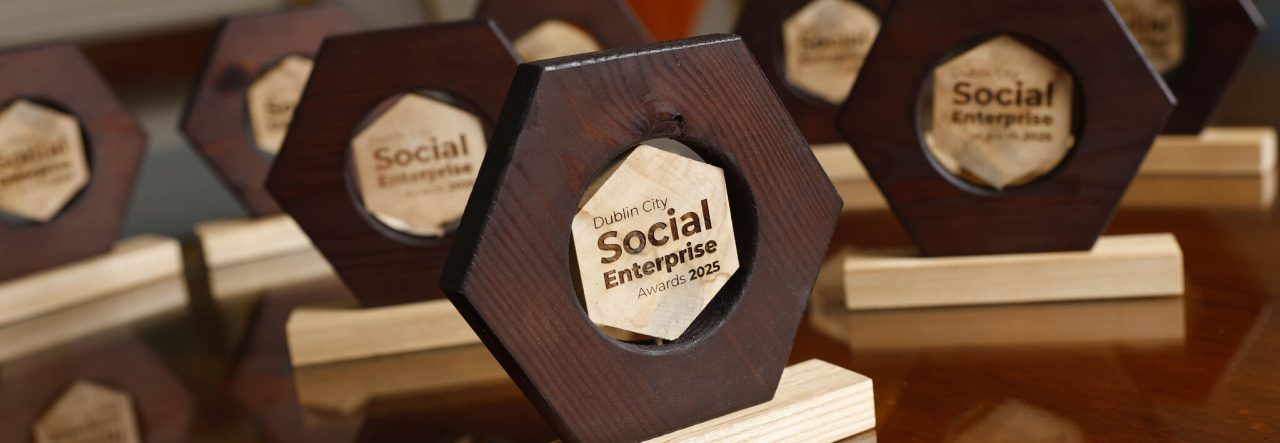
2025 Dublin City Social Enterprise Awards

Social Enterprise Awards:

The 2025 Dublin City Social Enterprise Awards celebrate and support the amazing work done by social enterprises across Dublin. These awards, organised by Dublin City Council and is run by Inner City Enterprise (ICE) with support from Dublin City Council and the Local Enterprise Office (LEO) based in Dublin City. These award really shine a light on the positive impact social enterprises have on communities.

Dublin City Social Enterprise Awards 2025

What is Social Enterprise

A social enterprise is a business that trades for a social or environmental purpose. They reinvest profits to create social change and support local needs. Social enterprises can be involved in anything from education and employment to climate action and health. They play a key role in building stronger, fairer, and more inclusive communities.

The Dublin City Social Enterprise Awards are open to all types of social enterprises based in the Dublin City area or Social Enterprises offering products or services in Dublin City. Whether your enterprise is just starting or has been running for years, applying can be a big step forward. There are many good reasons to enter.

Why Enter?

1. Recognition and Credibility
Winning or even being shortlisted for an award can give your social enterprise a huge boost in reputation. It shows the public, partners, and funders that your work is being recognised and valued by others. It can also make people more confident in supporting or working with your organisation.

2. Funding Support
The award includes financial prizes, which can be a great help. This funding can be used to grow your services, support your team, or try something new. For small and growing social enterprises, this support can make a real difference.

3. Promotion and Visibility
Finalists and winners are promoted through Dublin City Council and partner channels. This means more people will hear about your work. You’ll get the chance to tell your story to a wider audience, attract new supporters, and possibly reach new customers or clients.

4. Motivation and Morale
Awards recognise hard work and dedication. Being part of the awards can lift the spirits of your team and volunteers. It reminds everyone that their efforts are making a difference. This kind of encouragement can go a long way, especially when times are tough.

5. Networking and Opportunities
The awards give you the chance to meet other social enterprises, funders, and supporters. These connections can lead to future collaborations, funding opportunities, or new ideas. Sharing experiences with others in the sector can also help you learn and grow.

Award Winners 2024

The Value of Awards for Social Enterprises

Beyond the prize itself, awards help raise awareness of what social enterprises do. They bring attention to local solutions to social problems. By celebrating social enterprise, we help grow a stronger sector that can tackle issues like poverty, exclusion, and climate change.

Entering awards also helps organisations reflect on their impact. The application process can help you think more clearly about your goals, successes, and how you measure progress. This can be useful even if you don’t win—helping your enterprise improve and grow.

Final Thoughts

If you run a social enterprise in Dublin, the 2025 Dublin City Social Enterprise Awards are a chance to share your story, get support, and be part of a growing movement. These awards are not just about winning—they’re about showing the value of your work and inspiring others to create positive change.

About Recycle IT

Recycle IT is an award-winning social enterprise providing recycling collection and drop-off services for all types of waste electrical, electronic equipment (WEEE) and pure metal items.

During 2024 Recycle IT operated drop-off and collection services to homes, schools, charities and businesses across Dublin and surrounding areas collecting a range of WEEE including thousands of batteries, computers, cables, monitors, kettles, microwaves and screens.

Recycle IT services are provided in partnership with WEEE Ireland. Recycle IT is supported by the Department of Rural and Community Development, Dormant Accounts Fund, Pobal, South Dublin County Council and authorized by the National Waste Collection Permit Office and the local authorities across Leinster.

For further details about our free and cost-effective services call us on 01 4578321, email info@recycleit.ie or visit the Recycle IT website at www.recycleit.ie

Recycle IT – Dublin City Social Enterprise Award Winner 2022