Dublin On-Street Waste Compactors

Something New!

Dublin City Council has introduced new waste compactors on Fownes Street Upper and St Stephen’s Green to help keep our city cleaner and remove rubbish bags from pavements.

These easy-to-use compactors can hold much more waste than regular bin bags, helping to keep streets clean, tidy, and free from litter. They compress loose garbage into dense, uniform blocks, often the size of a small caravan. By replacing plastic rubbish bags left on pavements, the compressor help prevent bags being ripped open by birds or animals and reduce illegal dumping.

‘No More Rubbish Excuses’ campaign by Dublin City Council

Reason!

The compactors are designed for busy city streets and are part of Dublin City Council’s plan to create a cleaner, safer, and more attractive city for everyone.

Residents and businesses in the pilot area are now asked to use these compactors or arrange suitable collection options with their waste provider instead of leaving bags on the street.

The new system will help remove up to 1,000 plastic bags from Dublin streets every day, creating cleaner, safer, and more attractive public spaces for everyone.

Waste Compactor Onsite

No More Rubbish

The compactors are easy to use and are part of Dublin City Council’s wider “No More Rubbish Excuses” campaign to reduce litter and improve waste management across the city.

Please remember:

  • Do not leave rubbish bags on pavements
  • Use the new compactors responsibly
  • Do not place electrical items or batteries in the compactors
  • Help keep the area outside your home or business clean

By working together, we can create a cleaner, greener Dublin for residents, businesses, and visitors alike so please use the compactors responsibly and help keep Dublin clean.

Waste compactor at Fownes Street Upper D2

About Recycle IT

Recycle IT is a not-for-profit social enterprise providing a community collection service for all types of waste electrical and electronic equipment (WEEE). Yearly Recycle IT collect from thousands of organizations in Dublin and surrounding areas. Services are provided in partnership with WEEE Ireland, with support from South Dublin County Council, South Dublin Country Partnership, Pobal and the Irish Government.

Recycle IT is authorized by the National Waste Collection Permit Office and the local authorities in the Eastern Midlands Waste Region.

Recycle IT as a social enterprise is part-funded through the Community Services Programme operated by Pobal. Any income earned is used to finance operations which include the provision of training and employment opportunities.

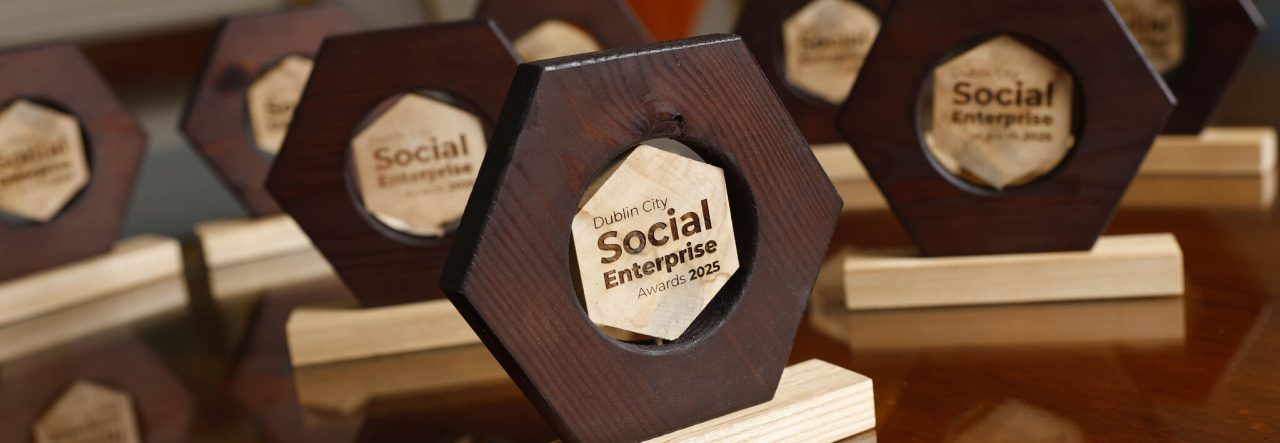
Recycle IT Social Enterprise Award 2025

Reduce and Reuse Tips for the Workplace – Sustainable Practices

Reduce and Reuse means Change

Reducing and reusing materials in workplaces like, schools, colleges, shops, offices and warehouses is one of the simplest ways to cut costs, reduce waste, and run a more sustainable operation. Small changes, done consistently, can make a real difference across your daily, repeatable, step-by-step routines you follow to get your work done, from start to finish. Think about how to include reuse and recycling into daily routines.

Recycling and reusing at work shows both staff and customers that your organisation takes responsibility for its impact. It signals that sustainability isn’t just a policy—it’s part of everyday decisions.

Source: Born Again Pallets – www.bornagainpallets.com

When you encourage a culture of awareness, teamwork, and pride in doing things properly, colleagues are more likely to follow good reduce, reuse and recycling practices. Once supported and normalized in the workplace, reuse and recycling efforts will take hold, continue and extend into home life!

For customers, it builds trust. It shows your business is forward-thinking, responsible, and committed to reducing waste—not just talking about it.

Overall, visible recycling and reuse demonstrate leadership, accountability, and a genuine commitment to sustainability.

Reusable Cable Tie – www.besbet.co.uk

21 practical reuse tips

  1. Reuse sturdy boxes for internal shipments and storage.
  2. Turn used pallets into shelving or workbenches.
  3. Refill and reuse printer cartridges where possible.
  4. Use both sides of paper before recycling.
  5. Repurpose old folders for internal documents.
  6. Store small parts in cleaned, reused containers.
  7. Reuse bubble wrap and packing materials.
  8. Turn damaged pallets into repair parts.
  9. Share surplus supplies between departments.
  10. Reuse cable ties and fasteners when safe.
  11. With permission use scrap wood for projects at home.
  12. Reassign older equipment to less demanding tasks.
  13. Use refillable water bottles and dispensers.
  14. Repurpose jars or tins for tool storage.
  15. Reuse envelopes for internal mail.
  16. Set up a reuse station for shared materials.
  17. Repair items before replacing them.
  18. Donate usable surplus equipment.
  19. Reuse signage by updating inserts instead of replacing frames.
  20. Use washable cloths instead of disposable wipes.
  21. Encourage staff to suggest new reuse ideas.
Try Green Bubble: Sustainable Packaging Solutions – www.green-bubble.ie

Change Mindset

Building a reuse mindset doesn’t require major investment—just awareness and consistency. Over time, these habits reduce waste, save money, and create a more efficient and environmentally responsible workplace for everyone involved in daily operations.

Consistent reuse is important. When every team member follows the agreed small actions daily, waste is reduced, costs are saved, and the workplace becomes more efficient and environmentally responsible over time while encouraging stronger environmental awareness and teamwork.

For example, Recycle IT are well aware that recycling metal is crucial for sustainability, as it allows materials like aluminum and steel to be reprocessed indefinitely without losing quality. By collecting and sending metal for melting and purifying, we cut CO2 emissions and save significant energy compared to mining virgin ore. It reduces landfill waste, protects resources, and supports a cleaner, more sustainable future for businesses and local communities alike.

About Recycle IT

Recycle IT is a not-for-profit social enterprise providing a community collection service for all types of waste electrical and electronic equipment (WEEE). Yearly Recycle IT collect from thousands of organizations in Dublin and surrounding areas. Services are provided in partnership with WEEE Ireland, with support from South Dublin County Council, South Dublin Country Partnership, Pobal and the Irish Government.

Recycle IT is authorized by the National Waste Collection Permit Office and the local authorities in the Eastern Midlands Waste Region.

Recycle IT as a social enterprise is part-funded through the Community Services Programme operated by Pobal. Any income earned is used to finance operations which include the provision of training and employment opportunities.

Recycle IT – Award Winner

Generating Electronic Waste!

The Statistics:

Statista reported in 2025, that every person in the world generates on average around 8 kilograms of electronic waste per year worldwide. However, there are significant regional differences, data from the latest E-Waste Monitor shows: Europe leads the way with around 17 kilograms of electronic waste per inhabitant, while each person in Africa generates only 2.5 kilograms.

At the same time, Europe has the highest recycling rate at 43 per cent. Asia and Africa have the most catching up to do, with e-waste recycling rates of 12 and 1 per cent respectively.

Only just under a fifth of the electronic waste generated worldwide is currently officially collected and recycled. The remaining quantities of electronic waste were collected unofficially, partially recycled or disposed of as residual waste and sent to landfill.

Statista E-waste Statistics shared by Recycle IT
Statista E-Waste Generated

This gap between official and unofficial collection and recycling statistics varies greatly between different regions.

Recycle Safely

If you want or need an official collection of waste IT equipment and your located in Dublin, Ireland, Recycle IT can help. Our team can accept all types of IT equipment from homes, businesses, schools, public bodies, charities and community groups, all for safe and authorised recycling.

This includes old computers, laptops, printers, monitors, phones, cables, chargers and other electronic devices. Instead of throwing these items away, Recycle IT makes sure they are handled in a responsible way that protects the environment.

Many electronic devices contain harmful materials like lead and mercury. If these are not disposed of properly, they can damage soil and water. Recycle IT helps prevent this by using approved recycling methods. Their processes follow strict rules and standards to ensure safety and environmental care.

Mixed IT and Electronic Equipment for Recycling - Recylce IT
Mixed IT and Electronic Equipment for Recycling – Recylce IT

Manage Data

Another important benefit is data protection. Old devices often store personal or business information. Recycle IT ensures that all data is securely destroyed before recycling begins. This gives people peace of mind that their information will not be misused.

Recycle IT also helps reduce waste. By recycling materials like metal, plastic, and glass, fewer raw materials need to be taken from the earth. This saves energy and reduces pollution. It also supports a more sustainable future.

The service is simple and convenient. Individuals and businesses can drop off their equipment or arrange collection. Everything is handled professionally from start to finish.

Mixed IT and Electronic Equipment for Recycling - Recylce IT
Mixed IT and Electronic Equipment for Recycling – Recylce IT

In Summary

Recycle IT provides a safe, authorised, and environmentally friendly way to dispose of IT equipment. It protects both people and the planet while making recycling easy for everyone. Click here to see lists and PDF files of what can be recycled safely.

Our community recycling activities help to provide jobs and training through safe e-waste recycling. People learn useful skills, build experiences, work in teams all while protecting the environment. Our team work supports communities across Dublin and surrounding areas, while helping colleagues to grow and develop.

About

Recycle IT is an award-winning, not-for-profit social enterprise established to create employment and promote environmental awareness through recycling and reuse. We work in partnership with WEEE Ireland and are authorized by your local authority to provide electrical, electronic and pure metal recycling collections across Dublin since 2007. Recycle IT are fully compliant for WEEE Recycling with permit details available here.

Recycle IT Logo
Recycle IT Logo

Irelands Circular Economy Strategy

Wasting Less, Reusing More

The Circular Economy Strategy 2026–2028 launched on 24 February 2026 and sets out how Ireland will reduce waste, reuse more materials and support a more sustainable economy.

Ireland’s Circular Economy Strategy 2026–2028 is a plan to help the country waste less and use resources better. Right now, we mostly follow a “take–make–throw away” model.

Circular Economy Strategy 2026–2028

This strategy aims to move Ireland towards a system where materials are reused, repaired, and kept in use for as long as possible.

What the strategy wants to achieve

  • Use more recycled materials: Increase Ireland’s circular material use rate to 12% by 2030.
  • Grow the economy in a smarter way: Use fewer new raw materials and make better use of what we already have.
  • Support businesses and jobs: Help Ireland become a leader in sustainable design, manufacturing, and new circular business ideas.
  • Be fair to everyone: Make sure communities and workers benefit from these changes.
  • Help people make greener choices: Make sustainable living easier and more affordable.
  • Support local councils: Help communities create local reuse and recycling projects.
  • Use digital tools: Encourage businesses to track products and materials better using tools like digital product passports.
Circular Economy Strategy 2026–2028

Why this matters

The Circular Economy and Miscellaneous Provisions Act 2022 supports Ireland’s move towards reducing waste and keeping materials in use longer. European laws also support this shift.

The strategy focuses on key areas like construction, farming, retail, packaging, textiles, and electronics. These sectors will work on reducing waste and increasing repair and reuse.

In 2024, a national study called the Circularity Gap Report Ireland found that only 2.7% of materials used in Ireland come from recycled sources. That means over 97% come from new, raw materials. The report shows that Ireland still relies heavily on a wasteful system — but it also shows that moving to a circular economy could reduce carbon emissions, strengthen the economy, and improve long-term security.

In simple terms, this strategy is about wasting less, reusing more, cutting carbon, and building a stronger, fairer Ireland for the future. Get the report here.

About Recycle IT

Recycle IT is the only Community Electronic Recycling Social Enterprise in Dublin providing a community collection service for all types of waste electrical and electronic equipment (WEEE). Recycle IT offers collection services to homes and organisations across Dublin and surrounding areas each year collecting a range of WEEE including monitors, televisions and much more. If your a school, college, charity or community group based in Dublin or a surrounding area we invite you to contact us about our FREE colleciton service.

Our award-winning services are supported by South Dublin Country Council, and South Dublin Country Partnership and provided in partnership with WEEE Ireland. We are authorized by the National Waste Collection Permit Office and the local authority.

Visit our website for further details or learn more about reuse month here

Recycle IT 2025 – Circular and Social Enterprise Awards

Cleaning Up E-Waste

Process that transforms Hazardous Plastic

For many years, electrical and electronic waste (also known as e-waste) has been building up across Europe and around the world.

A lot of this waste includes plastics that contain chemicals such as flame retardants. While these chemicals are important for fire safety, they have made plastics very difficult to recycle. Because of this, much of this plastic has been treated as hazardous waste and sent for disposal instead of reuse.

PLAST2bCLEANED machinery

© PLAST2bCLEANED

A new project – PLAST2bCLEANED

This helpful project has developed a new recycling method that safely removes these harmful chemicals from plastic. This makes it possible to recover clean, high-quality plastic, as well as valuable materials like bromine and antimony trioxide. This supports Europe’s goal of creating a circular, closed-loop recycling system.

Instead of shredding plastic into lower-quality material, the process uses heat and special solvents to fully dissolve the plastic. The harmful additives are then separated out, leaving behind clean plastic that can be reused again and again in manufacturing.

Based in the Netherlands, the PLAST2bCLEANED project shows real progress in reducing environmental damage and lowering Europe’s reliance on imported raw materials, especially antimony*, which is considered a critical resource.

* Antimony is a metalloid, which means it has properties of both metals and non-metals. Antimony is utilized in various applications, including:

  • Alloys: It is commonly added to lead and tin alloys to improve their properties, making them suitable for use in batteries, solders, and bullets.
  • Flame Retardants: Antimony trioxide is a key component in flame retardants used in textiles and plastics including plastics use in electrical products.
  • Semiconductors: It is used as a dopant in semiconductor devices, enhancing their electrical properties.

New EU Regulation

A new era of EU regulation is changing how products are made and recycled. New rules now require manufacturers to use more recycled materials, including valuable substances like bromine and antimony.

Digital Product Passports will also track how clean and recyclable materials are over a product’s lifetime. At the same time, the EU wants to recycle more of its own critical raw materials to reduce reliance on imports.

Technologies like PLAST2bCLEANED will play a key role in supporting a circular economy.

Digital Product Passport

Read more at: Ecodesign for Sustainable Products Regulation (ESPR), and Critical Raw Materials Act

Original post shared by Directorate-General for Environment: Visit here.

About Recylce IT

Recycle IT is an award-winning, not-for-profit, social enterprise established in 2003 to create employment and promote environmental awareness through recycling and reuse. We work in partnership with WEEE Ireland and are authorized by your local authority to provide electrical, electronic and pure metal recycling collections across Dublin since 2007. Recycle IT are fully compliant with WEEE Recycling Requirements and permit details are available here.

For more information about Recycle IT please click here.

Sustainable Business Impact Award Winner 2025