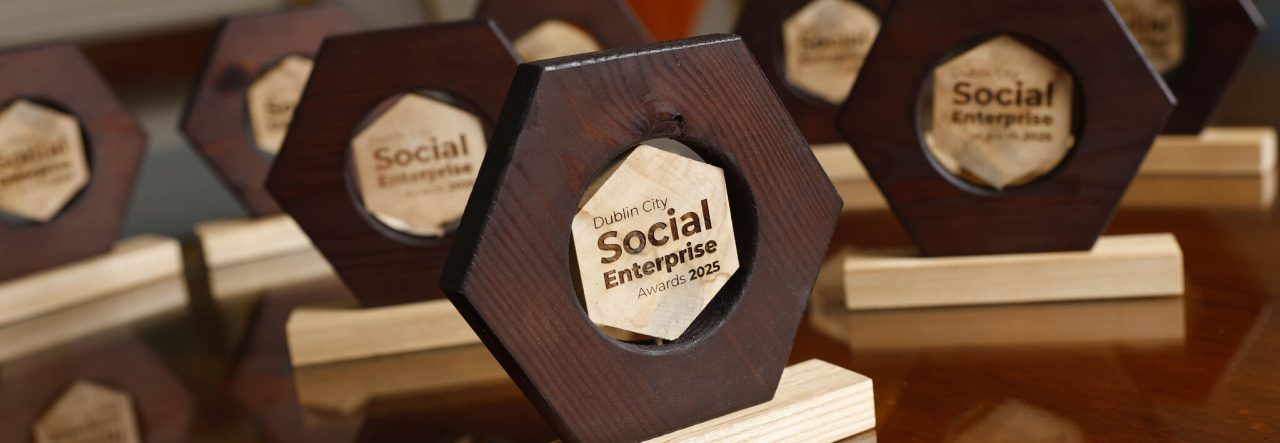
Buying Social in Ireland

Social Enterprises

Did you know that buysocial.ie helps connect you with trading social enterprises in Ireland. Social Enterprises which are set up to do good and sell products and services to achieve that end.

The power of buying social means that every time products and/or services are purchased from a social enterprise, positive social change can occur.

Buying from social enterprises is something that can easily be arranged by government, business, householders and individuals. Just match your need to the social enterprise and away you go on the road to responsible purchasing!
Euro Notes and Coins

A key Feature

Social enterprise is about real enterprise. It is a business model that focuses on delivering social returns using business principles. It reinvests any surplus income earned from sales after costs to achieve its social goals. Profits do not go to any one individual, group of shareholders or board members.

Social Goals

As a social enterprise sells its products and/or services and manages costs it also plans to achieve social goals which can include:

  • hiring more people facing barriers to employment.
  • creating training and skills development opportunities. 
  • advancing diverse culture including different interests, skills, talents and needs.
  • enhancing social inclusion – the terms on which individuals / groups take part in society.
  • contributing to local economies.
  • supporting environmental wellbeing.

When individuals or organisations buy from a social enterprise they are creating a ripple of value in communities. Purchases can have a range of positive effects including positive economic, environmental and social impacts.

Buying Today!

Today in Ireland it’s easier than ever before to Buy Social – social enterprises are operating all over our country in sectors like office services, bike repair, childcare, catering, maintenance, furniture renewal, home repairs, cleaning, recycling, and more, all adding value to the goods and services you need and use.

If you are thinking about buying products and/or service offered by a social enterprise they should be equal or superior to those supplied by others. Quality and customer service are key to success in any organisation and usually feature highly in social enterprise.

Buy Social – Click image to open

Creating Employment

If a social enterprise can find and serve a customer need, demand will follow, orders will be fulfilled and income will increase which leads to greater levels of certainty and sustainability within the enterprise.

This in turn can help create a training position or employment opportunities for persons seeking employment after an absence from the workforce or for younger people entering employment for the first time.

By choosing to buy from a social enterprise you are potentially enabling individuals who may have spent years out of work to get back into employment. A job can be transformational in so many ways for that person and their family.
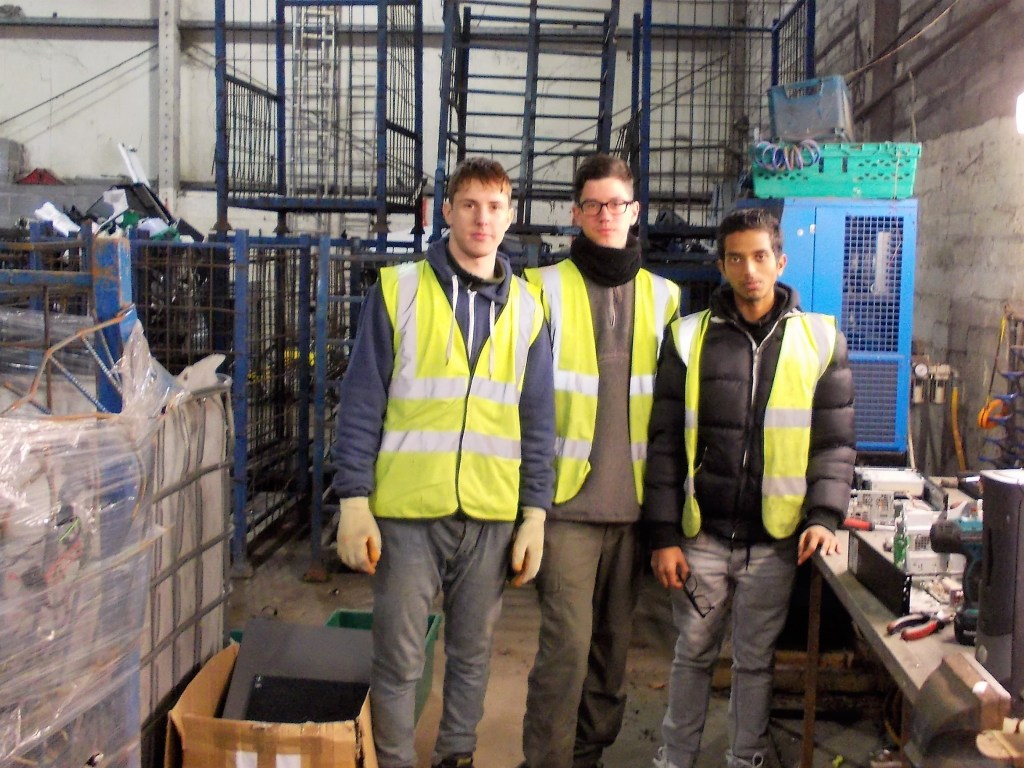
Student Work Experience

Recycle IT

Recycle IT as a social enterprise see work based training and job creation opportunities as a route to:

  • increasing self esteem and confidence.
  • reducing anxiety.
  • increasing exposure to variety of situations.
  • building trust in abilities.
  • creating economic self-sufficiency.
  • learn from colleagues
  • progression within or externally.

Earning an Income

Many people consider making a profit as the main characteristic of a business. But for a social enterprise business is just a mechanism. Business is used to help support or introduce products or services to communities or groups overlooked by governments and private sectors organisations. In a social enterprise these needs are ranked higher than making as much money as possible.

Social Enterprise usually operate in space between the state and private sector organisations. Social Enterprises are generally amenable to testing out new ideas, ideally through a process of planning piloting and assessing product/service delivery in a small area.

The social enterprise team ensure communities are actively involved throughout the pilot process. They remind themselves, that profit is not a core consideration in offering products or services but at the same time costs do have to be covered.

This has the benefit of ensuring ideas respond to real social needs and insights gained from communities can be shared. This process helps demonstrate the passion to address real challenges in society.

Trading

In contrast to charity organisations, social enterprises are driven by business principles including the creation of income which is vital to success. For example, many of the people served by Recycle IT are a paying customers. All paying customers receive the recycling service they order generally on a given day and time. There payment helps us operate but it also helps subsidise further recycling services and opportunities offered by Recycle IT.

The next time you need a product or service look for a social enterprise nearby that may be able to help you!

Learn more about buying for community impact here

About Recycle IT

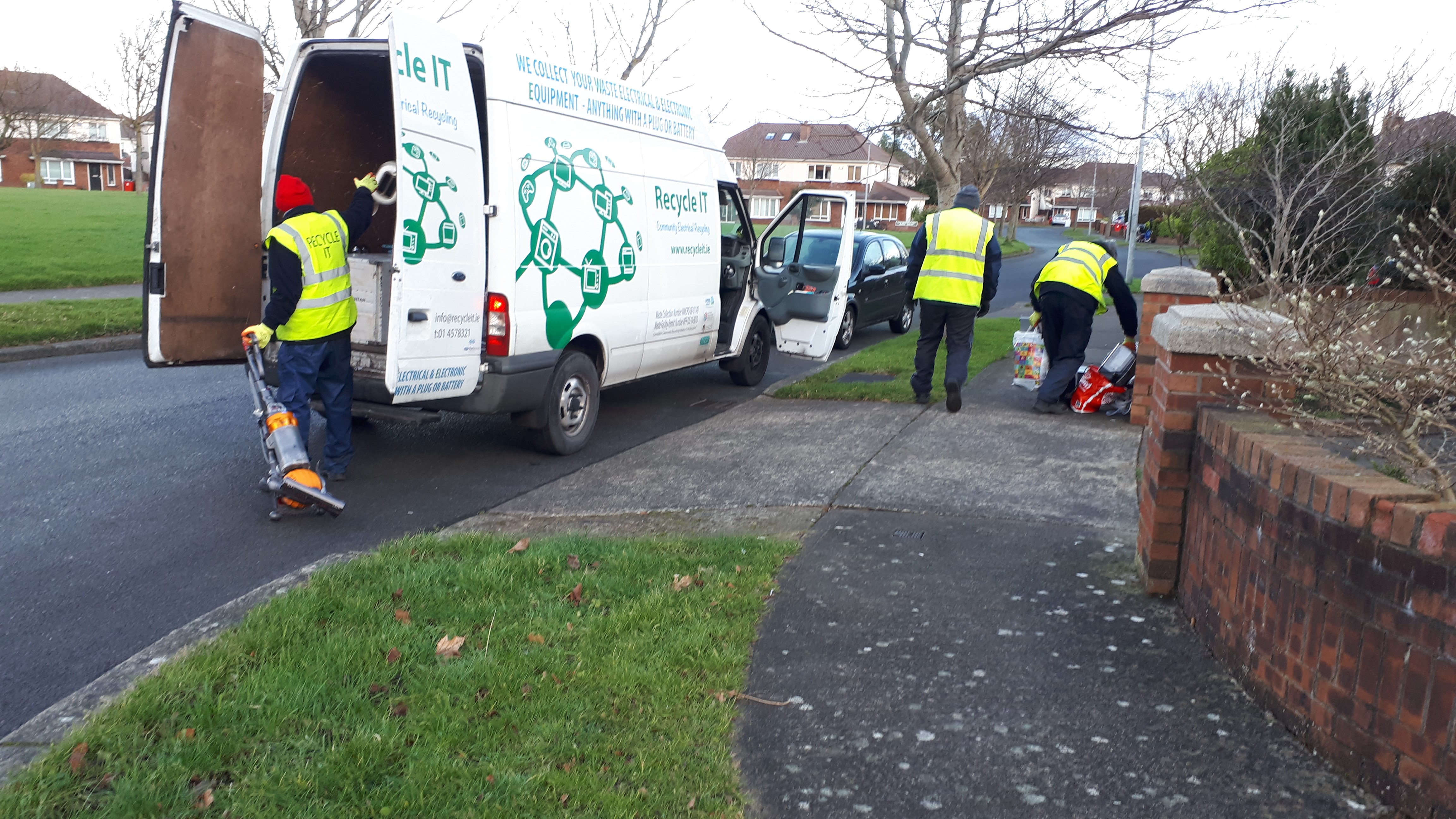
Recycle IT provide recycling opportunities to home and business customers for all types of electronics equipment. Recycle IT offer a range of services including free, drop offfree community collections and cost-effective personal or business collections.

Our team will accept old household electrical items, small office electrical items alongside your garden power tools and pure metal equipment. We can also accept commercial appliances but do call in advance.

Recycle IT as a social enterprise works in partnership with WEEE Ireland. Recycle IT are supported by Pobal, South Dublin County Council and authorized by the National Waste Collection Permit Office.

To learn more about recycling electrical equipment please call Recycle IT on 01 4578321, email us or visit www.recycleit.ie
Recycle IT Recycling

Littering, Laws and Waste Labelling

On May 5th 2021 Minister for the Environment, Climate and Communications, Eamon Ryan TD, announced €5 million in additional funding for litter infrastructure and awareness campaigns to encourage people to dispose of their rubbish carefully.

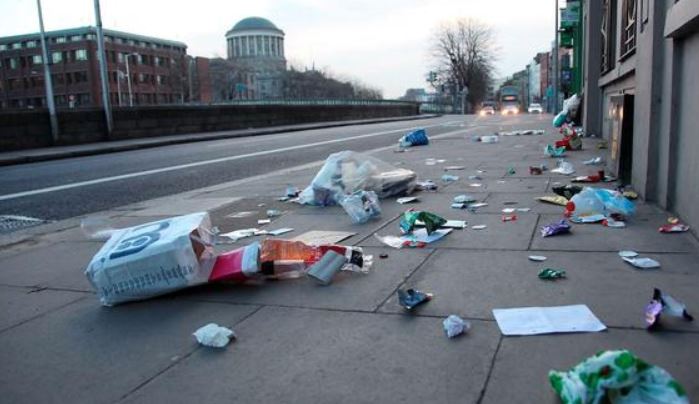
As many more people meet and socialise outdoors, there has been a surge in littering. Councils plan to install more bins and assign additional staff to tackle the problem but we all can do more!

Dublin Litter

If you are out and about this summer please bring your litter home. If the bin is full don’t just leave your packaging, bottles or cans beside the bin. Lead by example and leave no trace.

May 5th 2021 also marks the publication of the 2020 National Litter Pollution Monitoring System (NLPMS) Results. The publication provide important statistical data on the extent, causes and composition of litter in Ireland.

In announcing the publication of the 2020 Results, Minister Ryan acknowledged the role being played by both local authorities and communities in tackling Ireland’s litter challenges and noted new proposals to combat litter.

Waste Laws

Public Places

Leaving or throwing litter in a public place is an offence that can be subject to an on-the-spot fine of €150 and up to a maximum fine of €3000 if you are convicted of a litter offence in the District Court.

Local authorities across Ireland are responsible for keeping public places that they control, including public roads clean and litter free. This includes cleaning programmes and the provision and emptying of litter bins so let them know if you see full bins or ongoing littering in your area. Gardaí also have the power to issue on the spot fines for littering.

Household

Did you know your County Council has adopted waste Segregation, Storage and Presentation of Household and Commercial Waste Bye-Laws which will ensure a consistent approach to managing waste across Ireland.

Did you know failure to comply with any of the requirements of the waste bye-laws may result in a Fixed Penalty Notice (Maximum €75) being issued by a member of your local County or City Council or by a member of An Garda Siochana and may result in a fine of up to €2,500 on conviction?

Waste Bye-Laws

These bye-laws apply to all households, apartments and commercial premises and aim to aid the prevention and control of environmental pollution.

What this really means   

Now the onus is on every individual, household, apartments and commercial premises to provide proof that they have a contract in place with an authorized waste collector or that they regularly use a recycling centre or civic amenity site. (a docket or receipt is can be provided on request at recycling centres).

By correctly managing your waste you will:

  • Help address challenges with climate
  • Improve the quantity and quality of recyclables collected
  • Reduce waste going to landfill and incineration
  • Conserve our planets limited resources

You can start to reduce waste by simply: 

  • Saying no to single-use disposable items like razors, batteries, wipes, coffee cups
  • Make a weekly shopping list for your groceries, and follow it
  • Stop or reduce packaging by buying loose produce and buying in bulk
  • Switch to rechargeable batteries
  • Place a no junk mail sticker on your letterbox
  • Some using plastic and especially single-use plastics
My Waste Ireland – Logo

Small Quantity – share a bin! 

The best and probably most affordable option in this instance is bin sharing with a family member or friend living in close proximity and maybe a less frequent collection. A letter from the bin account holder will be sufficient evidence, this account holder will then be obliged to provide evidence of contact with a permitted waste collection company.

Segregate recyclable

It’s important that you segregate recyclable waste from your residual waste and present these separately.  Please note: If you are living in an urban area, small town or village with a population of over 500 you are required to segregate food waste* Please don’t include metal, electronic or electrical waste with your recyclable or general waste. You can drop it to a recycling centre such as Recycle IT or have it collected by Recycle IT.

Benefits of Bye-Laws 

In our view, the waste bye-laws can encourage and increase formal recycling through drop off or collection for reuse, recycling and other forms of recovery. They will also encourage people to reduce their waste, separate their waste which leads to an increase in the quality of waste for collection.

Labelling

The three labels were launched in 2019. They are for use by producers, manufacturers and retailers on a are voluntary basis. The labels clearly identify whether an item is widely recycled, whether it is not recyclable, and whether more information should be sought before deciding how to dispose. Please look at your packaging for the labelling if unsure.

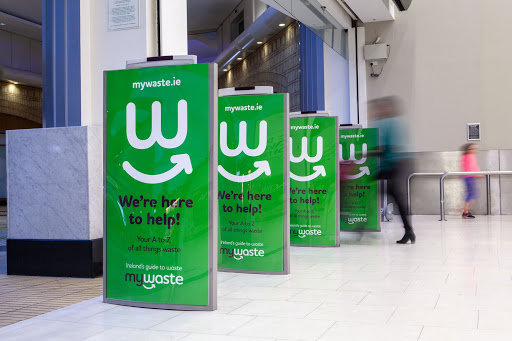
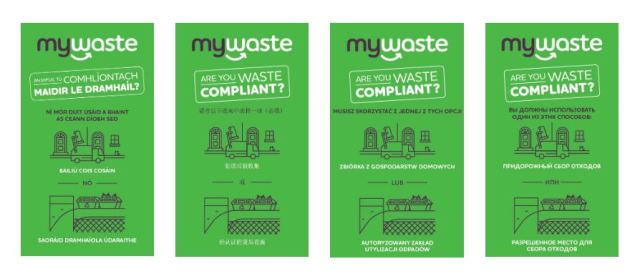
My Waste Posters

These labels were introduced at a time when two thirds of the plastic used by industry in packaging is non-recyclable in Ireland today. They aim to encourage enterprise to reduce their use of non-recyclable materials and use recycled, recyclable packaging.

Please click here to learn more or download information in Irish, Chinese, Polish or Russian on the waste bye-laws. You can read more about the new waste labelling system here

Guides to Waste Bye-Laws – Irish, Chinese, Polish or Russian

About Recycle IT

Recycle IT, are an award-winning Dublin based social enterprise offering electrical, electronic and metal recycling. Services are provided in partnership with WEEE Ireland. Recycle IT are supported by Pobal, the Dormant Accounts Fund, South Dublin County Council and authorized by the National Waste Collection Permit Office and the local authorities across Dublin, Kildare and Wicklow.

For further details about our free and cost-effective services call us on 01 4578321, email info@recycleit.ie or visit the Recycle IT website at www.recycleit.ie

WEEE Ireland News

WEEE Ireland Release March 28, 2021

Older generation leave young peers on scrap-heap over recycling

A WEEE Ireland Study says young men and women are the worst at recycling small electrical items and hoard the most old batteries, a new survey shows.

The study reveals that despite being viewed as an eco-conscious generation, the country’s over-55s are streets ahead of 18 to 24-year-olds.

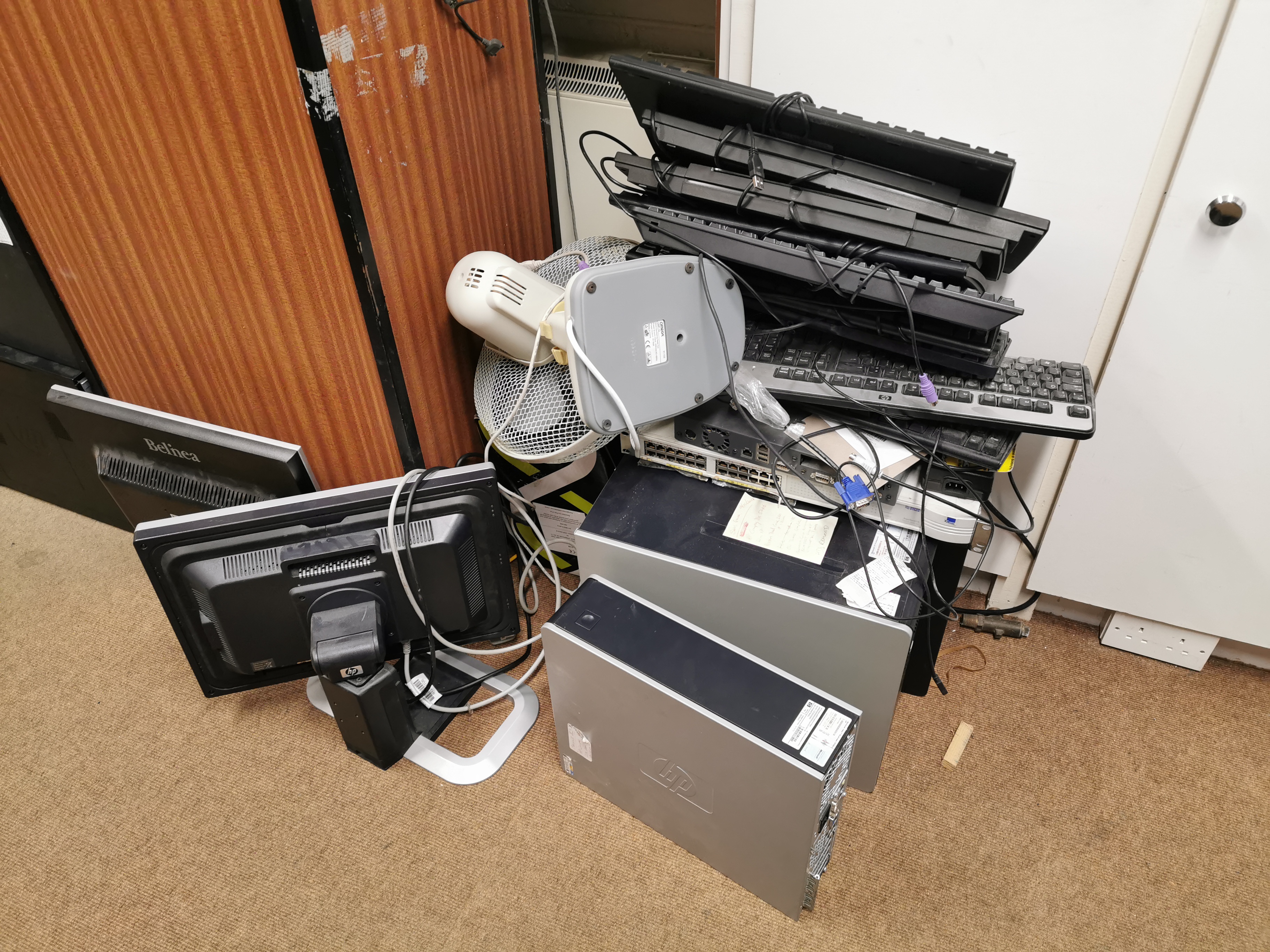
Mixed Electrical and Electronic Equipment

Related data from the organisation shows that electrical sales here grew by 17% in 2020 – but takeback of e-waste through retailers is down 10% in the first two months of this year, making a national take back target of 65% of sales a major challenge.

“The findings on younger people falling behind other age groups on recycling end-of-life electrical goods comes as a surprise,” said CEO of WEEE Ireland, Leo Donovan.

“Environmental activists such as Greta Thunberg strike a chord with the younger generation but this latest research show the e-waste message is still not getting through to many in this cohort.

“We know that younger people are avid consumers of digital devices and early adopters of new technologies, but we are asking them to be more sustainable in how they manage waste electronics and batteries too.”

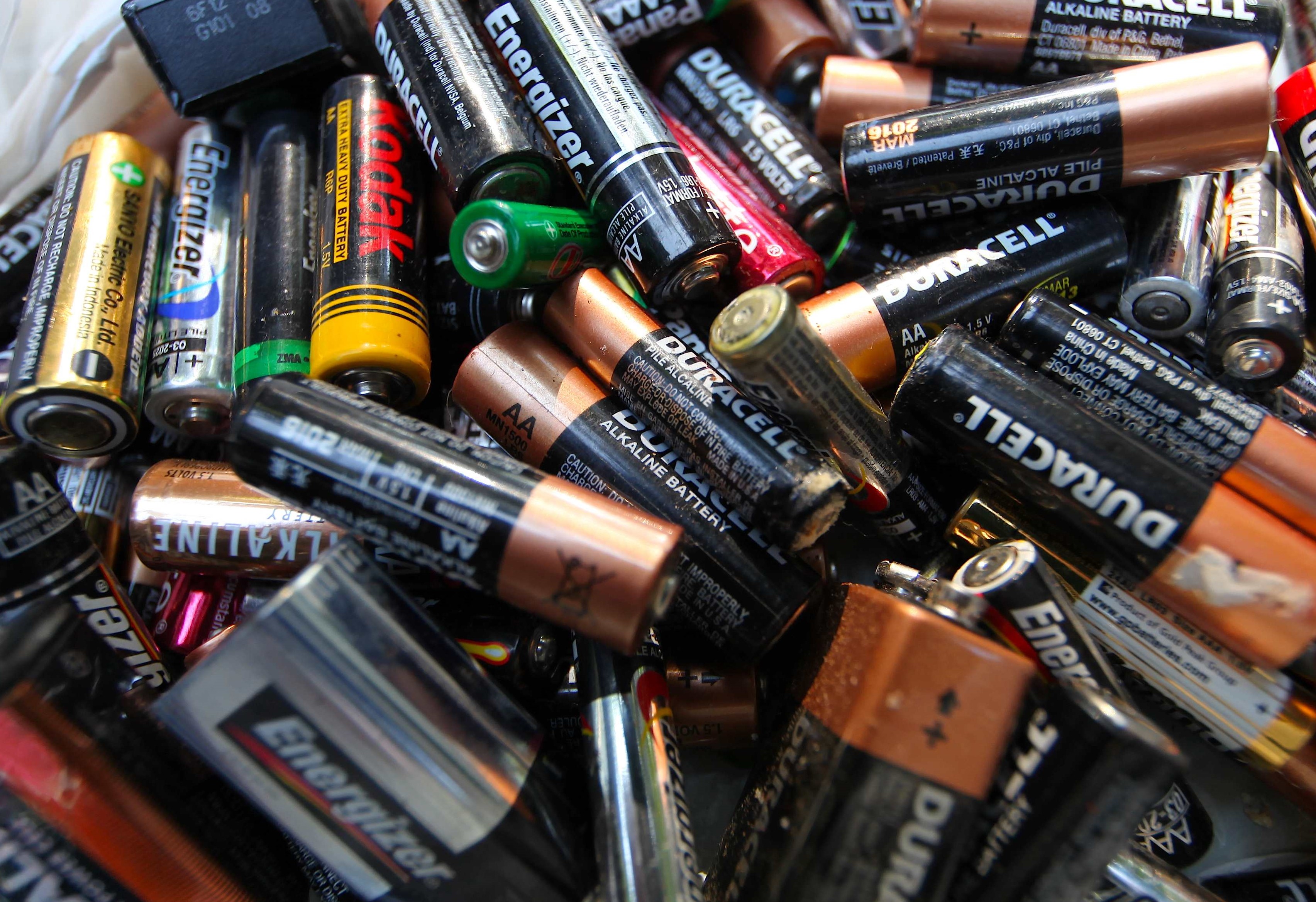
Mixed Batteries

The online survey of 1,000 adults, conducted by Empathy Research, showed that nearly a third (30%) of 18-24-year-olds discarded their broken devices or other small electrical items in general waste bins, where they end up in landfill never to be recycled. 18% brought them to a recycling centre and 13% held onto them.

But the brightest sparks were the over 55s, nearly half of whom (45%) brought the end-of-life electrical goods to recycling centre and just 7% – over four times lower than their younger counterparts – dumped them in general waste.

And the young offenders of recycling also get a dressing down for holding onto waste batteries – 15%, mostly men, keep them, versus 0% of those aged over 55.

On a positive note, young people’s awareness that electrical goods can be recycled for free,
has soared, from a low of 56% in 2019 to 82% this year.

Data across all age groups shows the recycling solution of choice across Ireland is at local civic amenity recycling centres (38%), followed by 20% who hand their goods back to the retailer and 14% to an authorised e-waste collection event.

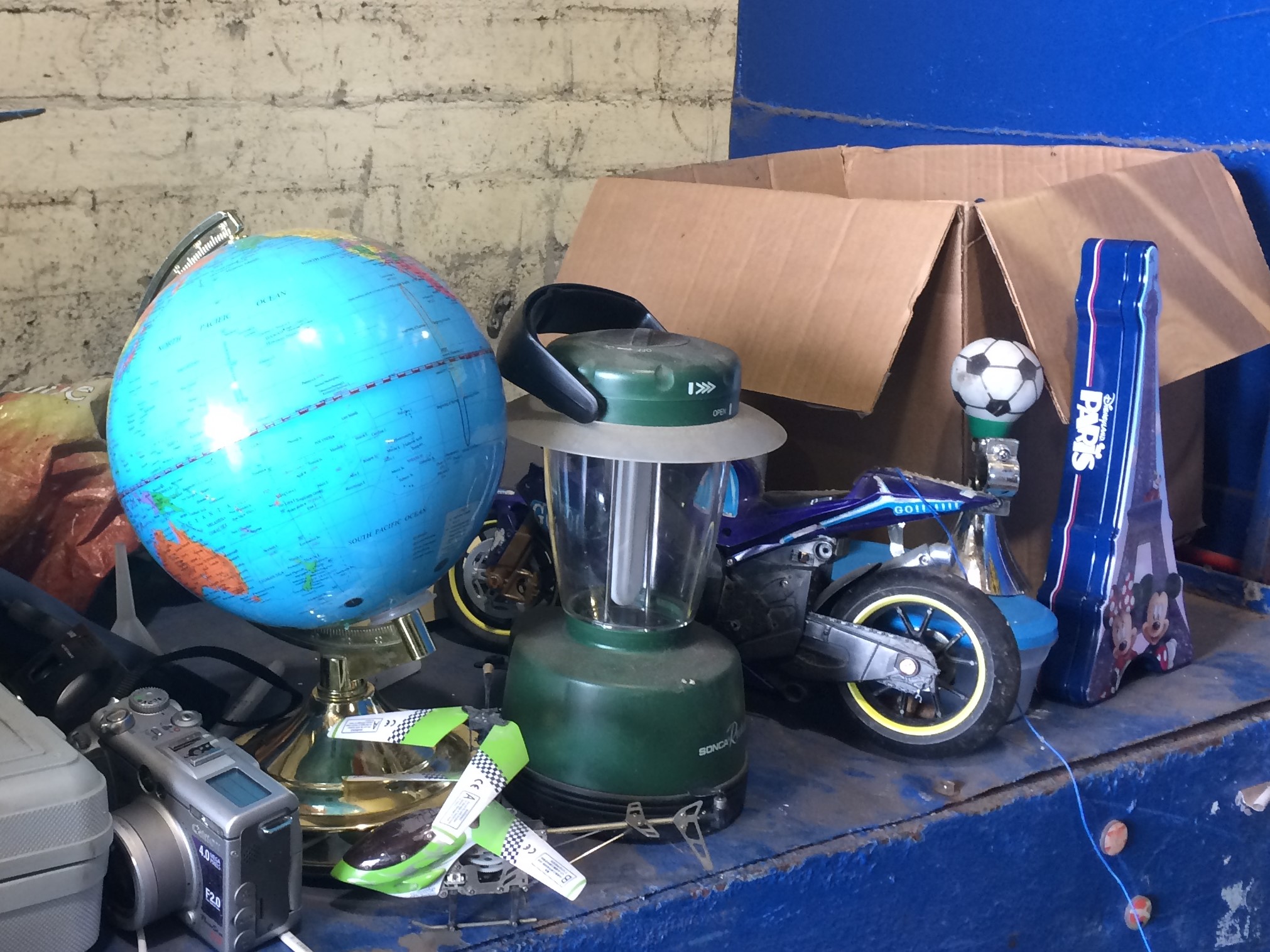
Mixed Small Electrical Appliances and Toys

However, 15% of the population still put kettles, toasters, lamps and other household items in general waste – the highest in the four years analysed.

“This means the valuable materials used in their production end up in landfill or incineration and can never be recovered for use again in the future,” said Mr Donovan.

Asked for a reason why they didn’t recycle used small appliances nearly a fifth,(19%) said they acted as a back-up in case their main one broke, with a similar number claiming they haven’t got around to recycling them as yet (18%).

In addition, 18-24 year-olds are significantly more likely to claim that the items which could be recycled are worth money so they are not going to recycle them yet – 46% versus 4% of over 55s.

About Recycle IT

Recycle IT is an award-winning not for profit social enterprise providing a collection and drop off service for all types of waste electrical, electronic and metal items. During the last 18 months Recycle IT offered drop-off and collection services to homes, charities, schools and business organizations of all types. Our recycling teams operate across Dublin and surrounding areas collecting a range of WEEE which includes thousands of dishwashers, computers, cables, monitors, microwaves, screens, and metal items.

Household – WEEE Recycling Collection

Our electrical community collection service is provided in partnership with WEEE Ireland. Recycle IT are supported by Pobal, South Dublin County Council and authorized by the National Waste Collection Permit Office and the local authorities across Leinster.

Call us on 01 4578321 or email us at here

Visit our website www.recycleit.ie

Smartphones – Beyond Reuse

Smartphones

Most people now have a mobile phone with the majority having a smartphone or tablet. Many children have access to a smartphone daily or have a tablet device of their own to help with school work and calls during Covid 19. Statista report that there will be 3.68 million users of smartphones in Ireland during 2021. Most internet users in Ireland use their smartphone access search engines, check their email, and visit social media sites weekly.

In 2019 Deloitte reported that 19 out of every 20 adults in Ireland owned a smartphone. The analysis noted that cross nearly all questions asked, females use their mobile phones more than males. Females used their phones for more purposes and usage of texting and video calling is well in excess of male usage. You can learn more at the Deloitte Global Mobile Consumer Survey 2019:

Recycle IT – Old Electronic Devices / Smartphones

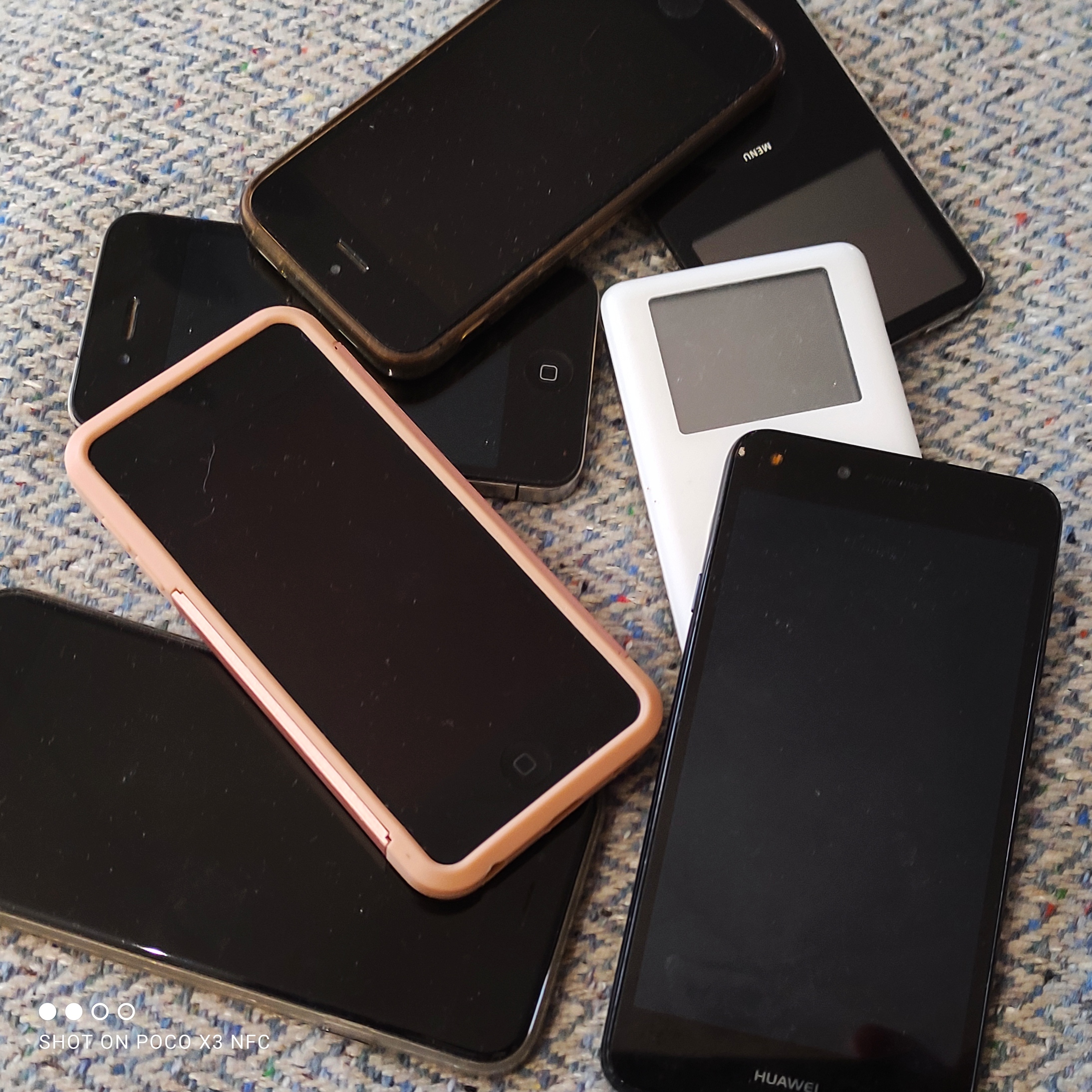
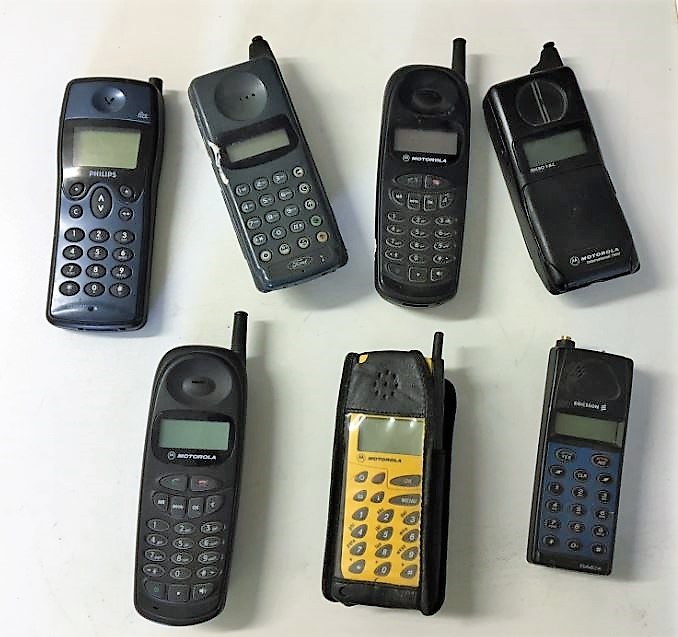
As we all use our phones more, we also replaced our phones regularly with ever-changing upgrades. Older models are safely stored with great intentions to reuse but rarely does reuse really happen? Is it time to clear out, make some space and get old phones reused or safely recycled?

If your considering reuse, your old phones might need a full reset and a software update. Make sure all your data has been wiped from the phone and all your personal accounts deactivated on the device.

The next question, what to do with the old phones or tablets?

Smartphone / Tablet Reuse

Offer your old or unused devices to a family member or friend. This saves clutter in your home or office and a family member or friend gets the benefit of a something they did not have before. It saves money, reduce the need for a new purchase and lessens environmental impacts.

Donate to an Irish Charity.

There are several charities that will accept smartphones as part of their fundraising campaigns. You are best searching the internet for a charity close to your heart and choosing that one as a beneficiary of your old smartphone.

Trade IT / Sell IT:

You may be finished with your smartphone, but chances are it still has more to give. If it is in good condition, it could go to a new owner. There are many choices including trade ins with your mobile phone company, tech stores, repair shops or advert websites. All these options offer reuse potential and can generate value in some form but be sure to delete all data from your phone before selling or trading and remember to get payment in advance of handover if selling!

Recycle IT Old Mobile Phones

Recycle IT

Whether you are an individual or an organisation you may have concerns about selling or offering your smartphones for reuse or resale. If this is the case, phones can be recycled safely – at a WEEE facility such a Recycle IT.

Please do not place the smartphones or tablets in the bin as components used to make the phones including metals, plastic, glass, and particularly lithium-ion batteries, should not be incinerated, or landfilled. It just bad for the environment and our health and wellbeing.

It is free to drop off smartphone, tablets, batteries cables and chargers to Recycle IT in Dublin. Some people post us old phones for safe recycling. If you have a lot of phoned in an office or business, we can arrange cost effective collections in Dublin and surrounding areas. Lastly they can be send via courier to our facility, just let us know in advance.

Recycle IT, is an award-winning social enterprise offering electrical, electronic, and metal recycling services through drop off and collection. Services are provided in partnership with WEEE Ireland and South Dublin County Council.

Recycle IT are supported by Pobal and Dormant Accounts and authorised by the National Waste Collection Permit Office and the local authorities across Dublin, Kildare, and Wicklow.

For more information on Recycle IT please call 01 4578321, email info@recycleit.ie or visit our website www.recycleit.ie

Recycling Truck

Why Should People Recycle?

What Motivates Recycling?

There are many motives for recycling like reducing the need for mining, quarrying and logging trees or refining and processing new raw materials. Recycling already mined and manufactured products saves energy, reduces greenhouse gas emissions, limits air and water pollution and diminishes the negative effects on climate.

The benefits of recycling are sound and positive. They include: 

  • Less waste sent to landfills and incinerators.
  • Saves natural resources such as timber, water and minerals.
  • Supports economic security by tapping a domestic source of materials.
  • Reduces sources of pollution by reducing the need to harvest new raw materials.
  • Saves energy.
  • Creates employment and contributes to economic well being.

Most people are doing a good job at recycling but we can always do more. The Irish Environmental Protection Agency (EPA) says Ireland generated approximately 14 million (M) tonnes of waste in 2018, corresponding to 2.9 tonnes per person.

The makeup of Ireland’s municipal waste has changed considerably over the last ten years. Plastics now makeup one-fifth of the waste in household recycling and residual waste bins.

More residual waste is now used as a fuel (energy recovery) than disposed to landfill in Ireland. In 2020, Ireland had three landfills accepting municipal waste for disposal in Ireland and two municipal waste incinerators accepting municipal waste for energy recovery while three cement kilns are authorised to accept solid recovered fuel (SRF) for co-incineration as an alternative to fossil fuels.

Recycling achievements over 20 years include:

  • 126 landfills in Ireland, reduced to 3.
  • 10 million tonnes of packaging diverted from landfill
  • 8 billion plastic bottles recycled
  • 7 billion glass bottles recycled
  • 6 billion aluminium cans recycled
  • 4 million tonnes of paper and cardboard
  • Separate yearly collection of 8.6KG per person of WEEE from households.

Reward Driven

Human are reward driven by nature and because the reward for recycling is not immediate and the repercussions are in the future many people develop a habit of total waste disposal. They don’t see the effects of climate change, global warming and environmental harm as affecting them in the present.

Barriers to Recycling

We need to look at potential and real barriers to recycling and take action to increase reduce, reuse and recycling participation in our homes and local communities.

Different areas, communities and people will face barriers to recycling with some requiring unique recycling solutions to overcome these barriers

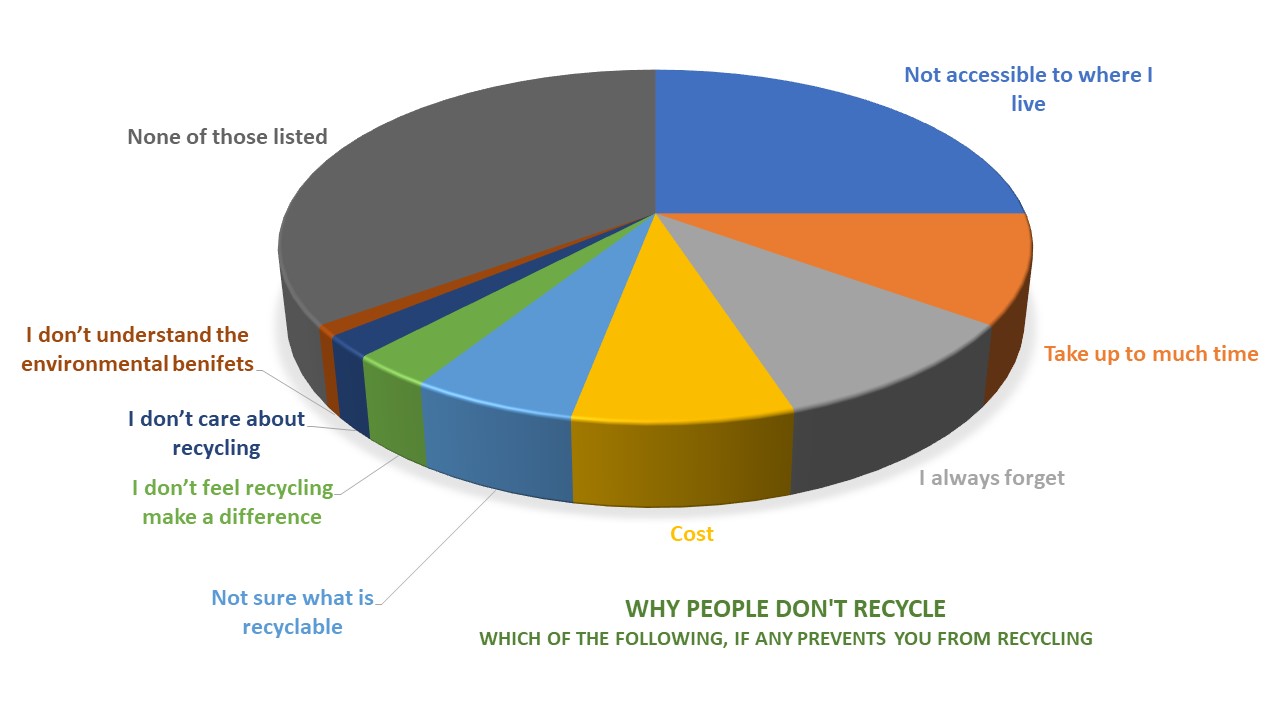
The graph below lists the top reasons people said they don’t recycle more:

Source: Ipsos poll conducted 2011 (Published by the Huffington Post)
Source: Ipsos poll conducted 2011 (Published by the Huffington Post) Reformatted by Recycle IT

Encouraging Change

Practical solutions are important and can increase recycling participation rates, for example if recycling drop off initiatives are inconvenient for your areas could curbside collections be researched and introduced to improve recycling rates. This is a solution Recycle IT introduced a number of years ago for electrical items. Here are some more ideas.

1: Add recycling bins to public areas – work with your area representatives to achieve this goals.

2: Write a column for the local newspapers/newsletters or publish a blog.

3: Ask local schools to teach recycling to students and parents together.

4: Form a local recycling group or establish a tidy town initiative.

5: Use your creativity to repurpose, reuse or recycle and bring others along on the journey.

6: Reduce confusion. Many people are confused about which items can be recycled or can’t be recycled. Thinks about plastic yogurt pots or paper towel tubes? What do you do? Read more in an article by Conor Pope in the Irish Times or view the waste lists for Ireland here and share.

7: Think about the economic benefits of reuse or recycling to you and others. Did you know that organisation such as Recycle IT can create training opportunities and jobs based on recycling old electrical, electronic and pure metal items? What can you do?

Recycle IT – Cables

Latest

In 2018 the EPA reported data which puts Ireland just about in compliance with the Waste Framework Directive’s municipal recycling target of 50% (target for 2020). Current recycling trends indicate that Ireland faces significant challenges in meeting future EU recycling targets for 2025 (55%) to 2035 (65%).

Electrical and Electronic Change

In 2018 according to EPA data Ireland reached the European Union waste electrical and electronic equipment recycling and recovery targets for all ten categories of WEEE. The 2018 collection target was set at 45% of electrical and electronic equipment placed on the market and we achieved collection rate of a 61%. This EU target increased to 65% from 2019. Did you know that 73% of WEEE collected in 2018 pre-treated in Ireland with organisations like Recycle IT and others working to achieve with result

From a everyday perspective electrical and electronic gadgets of all kinds can be incredibly useful and benefit all parts of our lives. The biggest downsides of electronics is the toxic nature of their many components. They are toxic to the environment, and sometimes to life. Some are just thrown away and left to leach into the soil which harms animals plants and water sources. You might consider slowing down the purchase cycle, use gadgets for longer, offer for reuse and lastly recycle safely with an organisation like Recycle IT

We should all care about recycling now, so our children and grandchildren can have cleaner greener futures on the planet which is central to our very existence.

About Recycle IT

Recycle IT is an award-winning not for profit social enterprise providing a collection and drop off service for all types of waste electrical, electronic and metal items. During the last 18 months Recycle IT drop off and collection services to homes and organisations in Dublin and surrounding areas collecting a range of WEEE which includes thousands of kitchen appliances, computers, cables, monitors, laptops, TV’s and pure metal items of all shapes and sizes

Our electrical community collection service is provided in partnership with WEEE Ireland. Recycle IT are supported by Pobal, South Dublin County Council and authorized by the National Waste Collection Permit Office and the local authorities across Leinster, Ireland.

Recycle IT – Award Winners