Climate Action – Take small recycling steps!

What we can do!

Recycling allows materials to be reused, re-purposed, recycled and recovered over and over. Waste sent to landfill sites and incinerators does not drive reuse and costs Irish taxpayers, millions of euros every year. Yet much of this cost and waste could be saved by recycling.

Waste of all types produce emissions of greenhouse gases including methane, a powerful greenhouse gas which contributes to climate change and after the severe weather events and natural disasters over recent years, we can all see the effects of this change first hand.
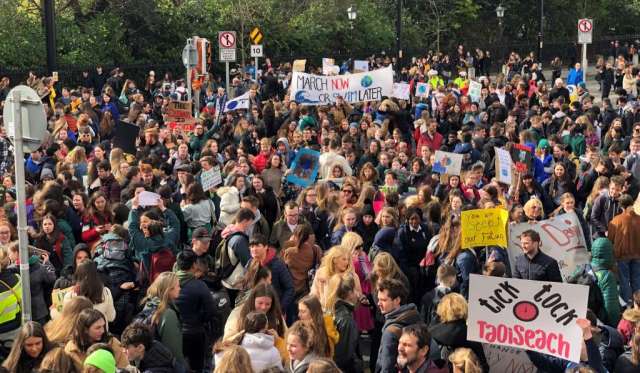
School climate strike, crowd scene, Dublin, 15 March 2019
School Climate Strike – Photo credited to Christian Aid Ireland

Targets

Ireland has committed to a legally-binding EU target. This means reducing greenhouse gas emissions coming from agriculture; transport, residential buildings, commercial activity, “non-energy intensive industry” and waste including incineration.

Ireland is obliged to cut its emissions in total by 80% by 2050 compared to 1990 levels, under its Climate Action and Low Carbon Development Act 2015. In 2017 the Irish Government published a National Mitigation Plan explaining how it intended to meet that goal.

The then Minister for Communications, Climate Action, and Environment have said that it is likely to cost the State up to €150 million to pay for carbon credits to compensate for the fact that Ireland will fail to meet its 2020 greenhouse gas emissions and renewable energy targets.

Energy consumption accounted for 60% of Ireland’s greenhouse gas emissions in 2017. Transport, residential and industry accounted for the highest shares of emissions. (Source SEAI). As our economy grows these emissions are likely to increase further.

Climate Change
Climate Change Ireland

The 2018 report from Climate Action Network (CAN) Europe gives Ireland a total score of 21 % on fighting climate change, making it one of the only three EU countries that scored less than 30% along with Estonia (24%) and Poland (16 %). (Source: Green News Ireland).

Recent Judgment

On July 31st 2020 the Irish Supreme Court ruled that Ireland as a nation needs to strengthen it’s Climate Action Plan (CAP) published in 2019. In a case brought by Friends of the Irish Environment (FIE), they argued that the plan was not “fit for purpose” because it was not designed to achieve substantial emission reductions in either the short or medium-term.

Clodagh Daly, a spokesperson for Climate Case Ireland, described the judgment as “really significant”. “The unanimous ruling by seven supreme court judges has made it crystal clear that the Irish Government cannot set long-term commitments without showing how they will be achieved in the short term,”

Climate Ireland
Climate Action Plan 2019

Eamon Ryan (TD) and current Irish Government’s Minister for Climate Action, Communication Networks and Transport, welcomed the judgment and congratulated FIE for taking the “important” case.

The government now must set real actionable targets. Please click the image above to download a copy of the Climate Action Plan 2019.

Help by Recycling

Ireland’s apparent inability to meet its obligations for emissions reduction is cross-sectoral with some sectors of society simply doing little to help. Fixes such as increased working at home and eco-friendly public transport will happen but immediate action can be taken by simply by reducing, reusing or safely recycling items from around your home, school, warehouse, store or office. (really think about what to do with old stuff and do you need new stuff).

In a number of areas in Dublin, the local authorities work in partnership with Recycle IT to offer residential collections for electrical and electronic waste.

This free collection service is usually an annual service offered too or requested by residents groups in Dublin and surrounding areas. The service really helps people safely dispose of large and small electrical, electronic and metal appliances and equipment.
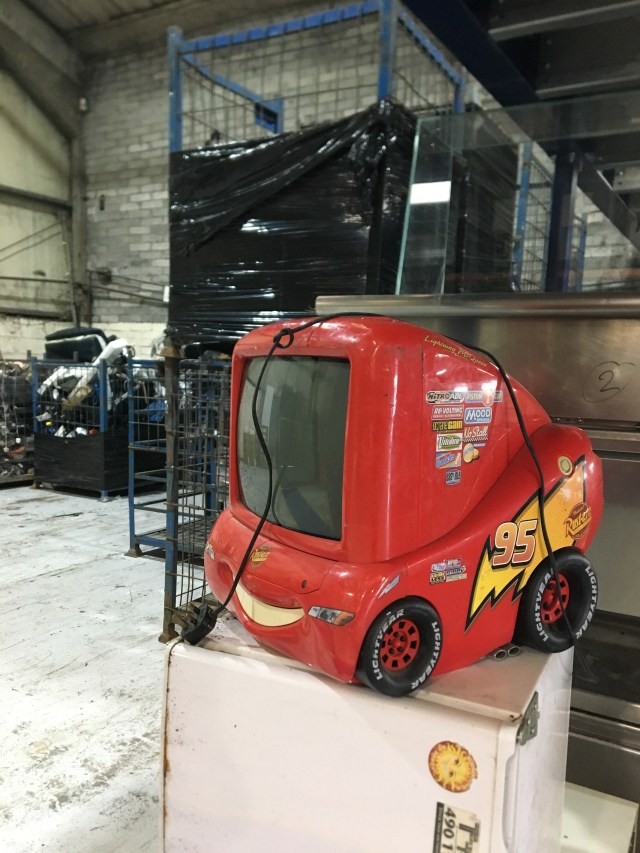
Recycling Helps
Recycle IT – Recycling Helps

Household collections are held on an agreed and specific day or week. Your resident’s association will notify you of your collection day usually 3 – 5 days in advance with a message via whats app or text with further reminders a few days before collection.

You can also contact us if unsure if the item you have for recycling will be accepted as part of collection Just email Recycle IT directly

Some Household Recycling Guidelines

When putting items out for a recycling collection remember:

  • to keep the piles tidy inside your garden, or on the curb so the footpath or roadway is kept clear
  • If you think an unofficial collection is taking place, call us and we will arrange a collection from your door
  • if in an office move items to the ground floor to allow for speedy collection
  • let us know if items can’t be easily and safely lifted by two collection team members?
  • notify us in advance if items need to move out of your home. (we can offer some guidance based on Covid19 best practices).
  • notify us in advance about sharp or dangerous objects.
  • keep items secured if severe weather is expected.

Recycle IT also support business customers with cost-effective recycling options. We collect and recycle all types of office equipment from the office kitchens to electronic items used on the office desk.

About Recycle IT

Recycle IT, is an award-winning nonprofit social enterprise offering electrical, electronic and metal recycling services through drop off and collection. Services are provided in partnership with WEEE Ireland and South Dublin County Council.

Recycle IT are supported by Pobal and Dormant Accounts and authorized by the National Waste Collection Permit Office and the local authorities across Dublin, Kildare, and Wicklow. For more information on Recycle IT please call 01 4578321, email info@recycleit.ie or visit our website www.recycleit.ie
Recycle IT

Reduce, Repair, Reuse or Recycle Computers

Computers – the end-of-life options! 

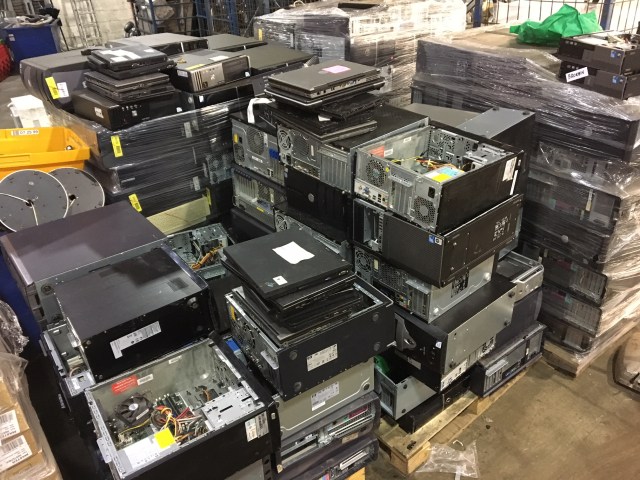
Advanced hardware and software on computers, laptops, tablets, and smartphones help quickly make IT equipment go out of date. The United Nations University (UNU) found that more than 44 million metric tonnes of electronic waste were generated globally in 2016, with just 20% documented as recycled. According to a 2019 UN report, Global ewaste production is on track to reach 120 million tonnes per year by 2050 – Time to act!

Old Computers - Recycle IT
Old Computers – Recycle IT

As technology continues to change it brings us faster and increasingly efficient models of computers. These new models are released replacing existing models. As you keep up with the latest technology, you likely have old computers. Old IT equipment can’t be disposed of with other waste and as they get older reuse gets harder!

If you plan to replace a computer, tablet or phone at home or in the office make sure you keep all the leads, discs and instruction manuals to allow easier reuse. Have a read below to learn more about reducing, repairing, reusing and recycling 

Reduce

  • Use your current computer equipment for as long as possible.
  • Prior to new purchases research, your IT needs. You should really know what you want from your computers, who will use the computer and for what purpose.
  • This makes it easier to buy the right computer or laptop with the correct software installed. meaning the computer can serve your needs over a longer period.
  • Check that your new computer can easily be upgraded without needing to be replaced.

Repair

  • Get support with your IT challenges using online technical support groups.
  • Find a computer shop or repair service close to you. A helpful link – repairmystuff.ie
  • Take your computer or laptop back to the store where you bought it for warranty support.
  • Once informed about choices, ask yourself; Is repair worthwhile?
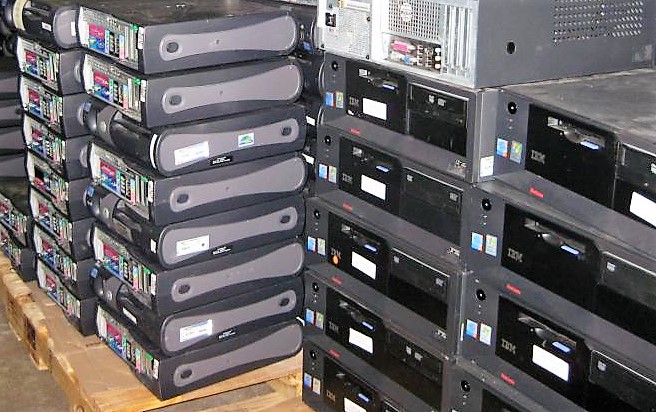
e-recycling-computers-servers-racks(2)
Computers for Recycling

Reuse

  • Approach a local community group, preschool or school and ask if they could benefit from reusing the item.
  • Offer a useful computer to a younger member of the family.
  • Donate to a charity. Call before taking computers to a charity shop as not every shop can accept electrical/electronic equipment.
  • Remove personal data and passwords safely prior to reuse.

Recycle

  • Drop off your old computer to Recycle IT in Dublin for free and safe recycling.
  • Place your laptop or tablet in a box and post it to Recycle IT for safe recycling.
  • Have computers and all related equipment collected for recycling. (free or fee-based collections offered).
  • Recycle your really old IT for component reuse.
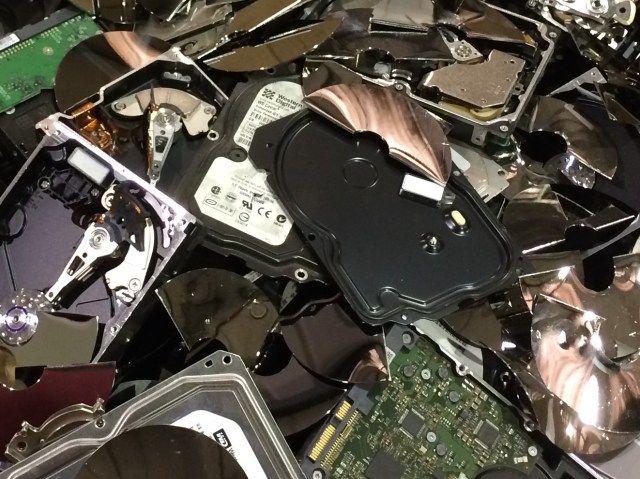
Hard Disk Drives – Dismantled – Recycle IT

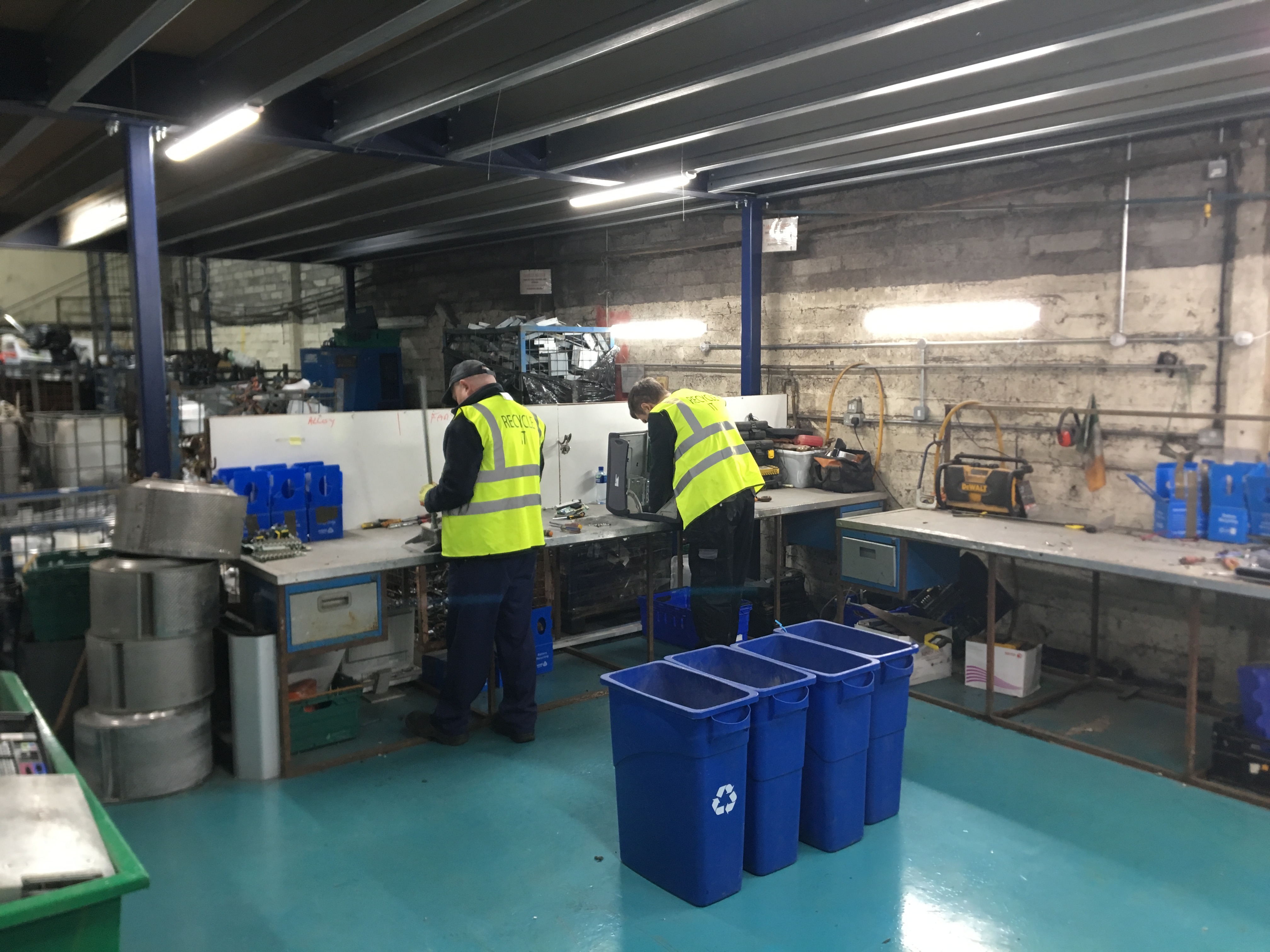
Recycle IT – Creating Training and Jobs

Electronic items including computers which are too old to be refurbished and reused can be sent to Recycle IT at our Dublin-based electronic recycling facility.

IT equipment of all shapes and sizes is broken down for component parts and metal reuse. If more people, follow use this route to recycling our organization can increase its overall sustainability and efforts to recycle. For more information on computer recycling please click here

Choosing IT or computer recycling options through Recycle IT supports real jobs and training opportunities in our community and helps with safe environmentally friendly recycling in partnership with WEEE Ireland.  Please call our team on 01 4578321 to learn more!

IMG_3513
Recycle IT – TeamWork

About Recycle IT

Recycle IT  are an award-winning community enterprise providing recycling collection and drop-off services for all types of waste electrical, electronic equipment (WEEE) and pure metal items.

During 2018 Recycle IT offered to drop off and collection services to tens of thousands of homes, schools, charities and businesses across Dublin and surrounding areas collecting a range of WEEE which includes thousands of computers, cables, monitors, microwaves and screens

Recycle IT services are provided in partnership with WEEE Ireland. Recycle IT is supported by Pobal, South Dublin County Council and authorized by the National Waste Collection Permit Office and the local authorities across Dublin, Kildare and Wicklow.

Recycle IT - Collection Service
Recycle IT – Collection Service

Social Enterprise Policy – News Update

The Policy Launch

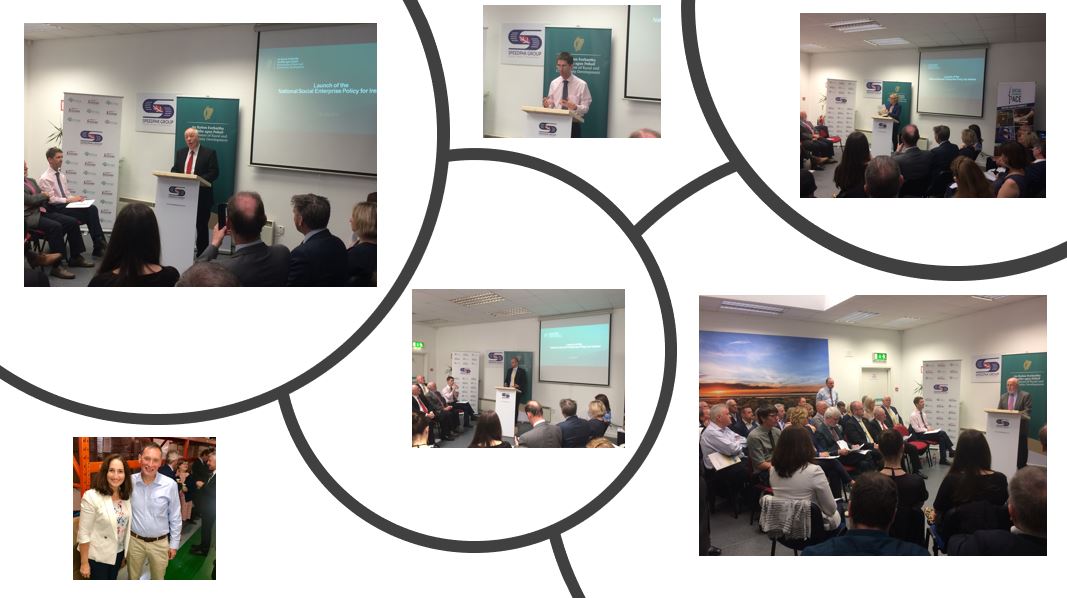
The Minister for Rural and Community Development Michael Ring, T.D.  launched the National Social Enterprise Policy for Ireland 2019-2022 on Thursday 18th July 2019  at 10.30 in the offices of Speedpak Ltd., a social enterprise based at Clonshaugh Business & Technology Park in Coolock, Dublin.

This launch event follows the publication of the draft National Policy on Social Enterprise for public consultation earlier this year. This consultation process sought the views of stakeholders and the public in order to further inform the new policy.

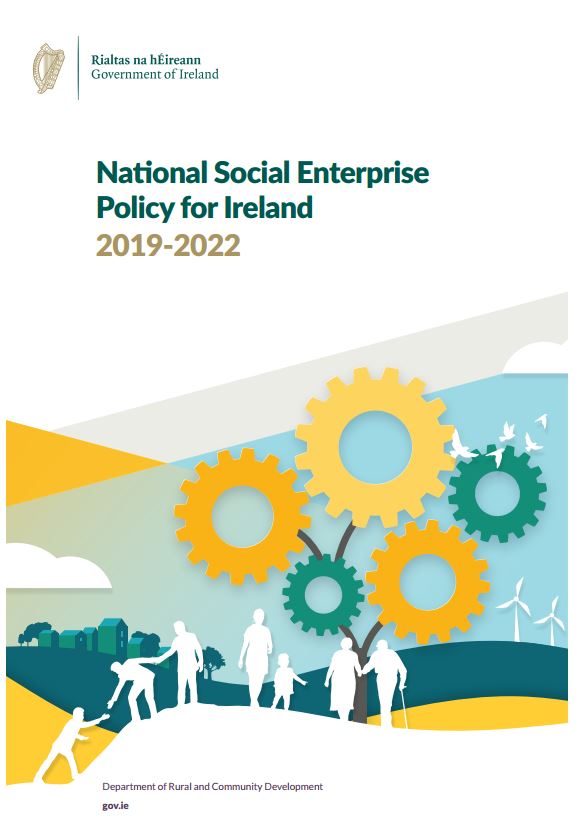
2019 Social Enterprise Policy Cover
National Social Enterprise Policy for Ireland 2019-2022

The policy defines social enterprises as businesses whose core objective is to achieve a social, societal, or environmental impact. Social Enterprises frequently work to support disadvantaged groups such as the long-term unemployed, people with disabilities, travelers, etc., or to address issues such as food poverty, social housing, or environmental matters.

Key Focus

The new National Social Enterprise Policy for Ireland is focused on three key objectives:

  1. Building Awareness of Social Enterprise;
  2. Growing and Strengthening Social Enterprise and
  3. Achieving Better Policy Alignment.

The policy document sets out a series of 26 commitments on the part of Government across these objectives for the development of social enterprise over the period 2019-2022. These commitments will be delivered in partnership with social enterprise stakeholders.

Minster Ring addressed those attending the launch event saying “For many years, social enterprises have provided a flexible and effective model which has delivered a positive response to social and societal issues. Social enterprises deliver a range of services across a wide spectrum of activities through their business model. They are innovative and entrepreneurial and frequently find new ways to address social, societal or environmental challenges in areas such as employment activation, affordable childcare, and the green economy. In doing so, social enterprises contribute significantly to the delivery of many Government policy objectives.”

A copy of the  National Social Enterprise Policy is available here.

19 SE Policy Event1
Event speakers and attendees including Minister Michael Ring, T.D

The National Social Enterprise Policy for Ireland is part of a suite of policy initiatives from the Department of Rural and Community Development to support those who work with communities and disadvantaged groups. Other initiatives include a new Strategy for the Community and Voluntary Sectors and a new National Volunteering Strategy, which will be published later in 2019.

Training Fund

On Sept 2nd, 2019, Mr. Michael Ring TD, Minister for Rural and Community Development, announced €800,000 in funding for the provision of training and mentoring for social enterprises throughout Ireland. The funding will be provided from the Dormant Accounts Fund and will support one of the key policy commitments in the National Social Enterprise Policy for Ireland which is detailed above.

Minister Ring 13 NEWS II Dail 6 TB
Mr. Michael Ring TD, Minister for Rural and Community Development

Pobal recently invited Expressions of Interest on behalf of the Department of Rural and Community Development for the delivery of training and mentoring from national, regional or local organizations or networks that have a demonstrable track record in the delivery of training and mentoring to social enterprises.

Statutory bodies or institutions, including Higher Education Institutions, which have a proven track record in providing direct supports and training to social enterprises, are eligible to apply.

This training initiative delivers on the commitment made in the National Social Enterprise Policy. and up to 300 participants are likely to benefit from the provision of training and mentoring supports over the next 12 months.

Events

As well as training there are a number of events taking place in Dublin and around the country to inform people about social enterprise and illustrate real examples of social enterprise. Information on these events can be found on websites such as Pobal, the Irish Local Development Network,  the Wheel, the Irish Social Enterprise Network, and local economic development or enterprise offices within the county councils across Ireland.

You can also save the date for the National Social Enterprise Conference on 21st November 2019. The conference run by the Department of Rural and Community Development will be taking place in Croke Park. If interested you should keep an eye out for registration which will be live shortly.

About Recycle IT

Recycle IT is an award-winning social enterprise providing recycling collection and drop off services for all types of waste electrical, electronic equipment (WEEE) and pure metal items.

During 2018 Recycle IT operated drop off and collection services to tens of thousands of homes, schools, charities and businesses across Dublin and surrounding areas collecting a range of WEEE which includes thousands of batteries, computers, cables, monitors, kettles.  microwaves and screens.

Recycle IT services are provided in partnership with WEEE Ireland. Recycle IT is supported by the Department of Rural and Community Development, Dormant Accounts Fund, Pobal, South Dublin County Council and authorized by the National Waste Collection Permit Office and the local authorities across Dublin, Kildare, and Wicklow.

For further details about our free and cost-effective services call us on 01 4578321, email info@recycleit.ie or visit the Recycle IT website at www.recycleit.ie

Recycle IT
Recycle IT


Recycle IT – Learning with Communities

Technological University Dublin

The Community Engagement Programme, Students Learning with Communities has worked with over 100 community organizations as partners on real-life projects that benefit the lives of many individuals while also enhancing student learning.

205-CMN_5054 twitter-600x428

Since 2008, over 10,000 students and 170 staff at DIT now Technological University (TU) Dublin have collaborated on over 500 projects in Ireland and internationally. The Community Engagement Programme is managed by the Access and Civic Engagement Office at TU Dublin.

Learning

Learning with Communities allows students to improve their knowledge on a range of subjects in collaboration with community organisations. Student groups engage in a specific project or tasks with a chosen community organization.  The programme is mutually beneficial as it;

  1. Progresses the community organization’s aims and objectives.
  2. Enables community partner to become part of the education process contributing to the academic and professional development of the student.

IMG_2247
Award-Winning TU Business Analytics Students

Many undergraduate programmes at TU Dublin offer students the opportunity to become involved in collaborative projects in the community. Students gain an understanding of the efforts required to generate real and sustaining value and their insight can enable organisations to think about doing things differently.

Benefits

Recycle IT have engaged over a number of years and find the TU Dublin Community Engagement Programme very helpful and worthwhile.  During 2018/ 2019 students learned how Recycle IT, operate as a social enterprise to achieve its social, economic and environmental goals.  The student groups learn about the limitations and constraints faced and got an overview of the services provided which benefit communities, charities, business, and employment.

Recycle IT try to encourage students to become advocates for social enterprise by sharing news on their outputs with other students and academic staff during college and with colleagues when employed.

TU Dublin
TU Dublin Logo

Overall the engagement with TU students in 2019 helped generate new ideas and has identified some advances which once implemented will enhance recycling capabilities, data entry, and reporting.

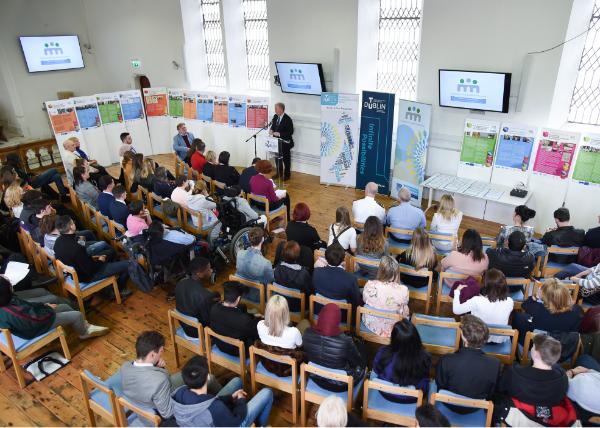
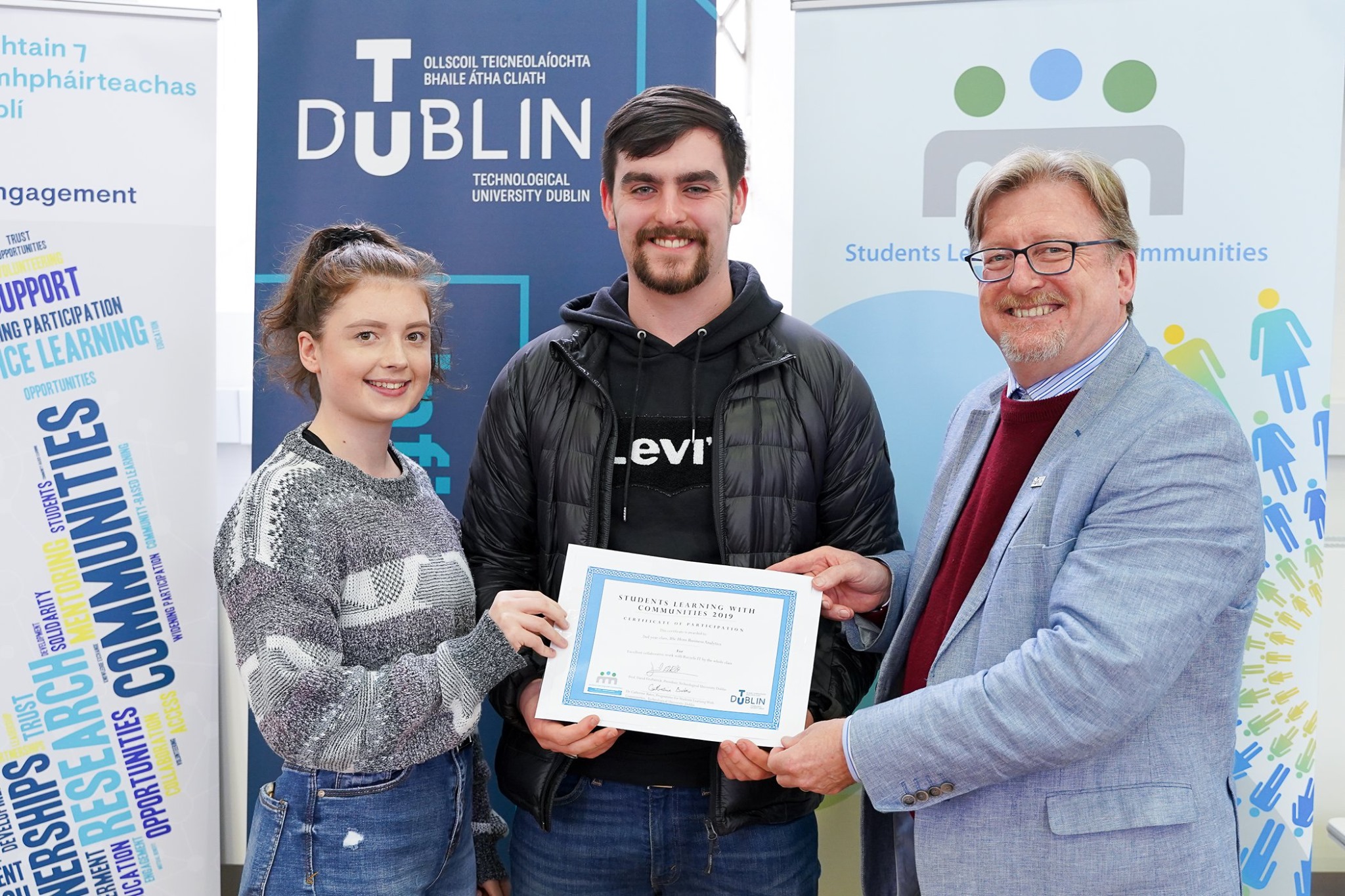
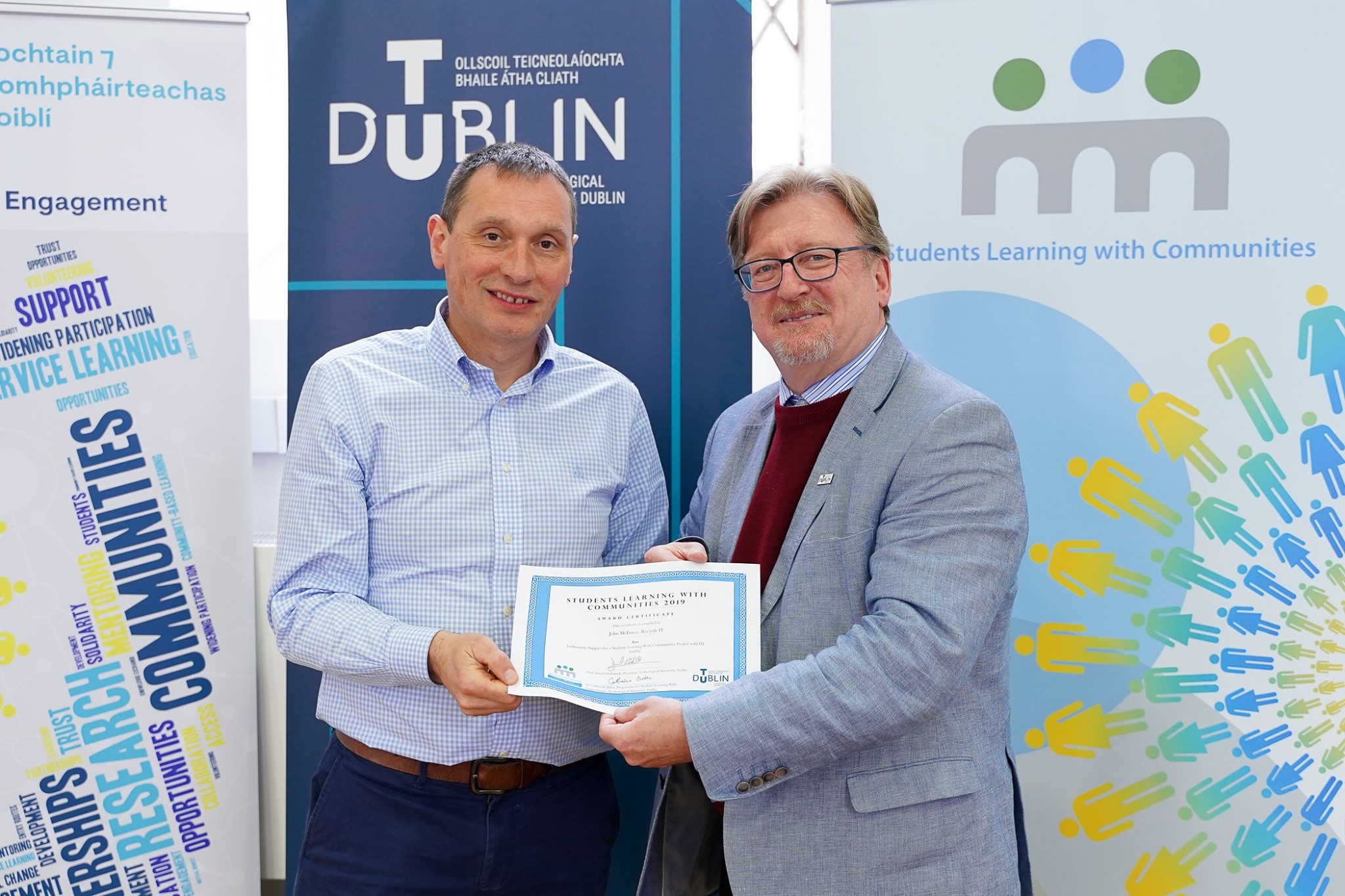
As a result of our engagement Recycle IT was invited to attend the annual TU Dublin City Campus, Students Learning With Communities Awards. The award event happened in St. Laurence’s Church, TU Grangegorman in Dublin 7 on May 7th, 2019 with student and community partner certificates presented by Prof Brian Norton, TU Dublin Principal of TU Dublin City Campus.

60270134_10216823720378144_6025424407130800128_o
Recycle IT – TU Dublin Community Partner

Recycle IT were delighted to be presented with a Learning With Communities Award following our engagement with a group of students from TU Dublin, City Campus, Aungier Street. The students studied Business Analytics and through the engagement,  shared their knowledge and learning with Recycle IT.

Based on our attendance and experience the awards really do celebrate the great work and joint effort of students, academic staff and community partners.

To learn more please click here

About Recycle IT

Recycle IT, are an award-winning Dublin based social enterprise offering electrical, electronic and metal recycling. Services are provided in partnership with WEEE Ireland. Recycle IT are supported by Pobal, the Dormant Accounts Fund, South Dublin County Council and authorized by the National Waste Collection Permit Office and the local authorities across Dublin, Kildare and Wicklow.

For further details about our free and cost-effective services call us on 01 4578321, email info@recycleit.ie or visit the Recycle IT website at www.recycleit.ie

Recycle IT
Recycle IT – Collecting all over Dublin

Waste Reduction Week 2018!

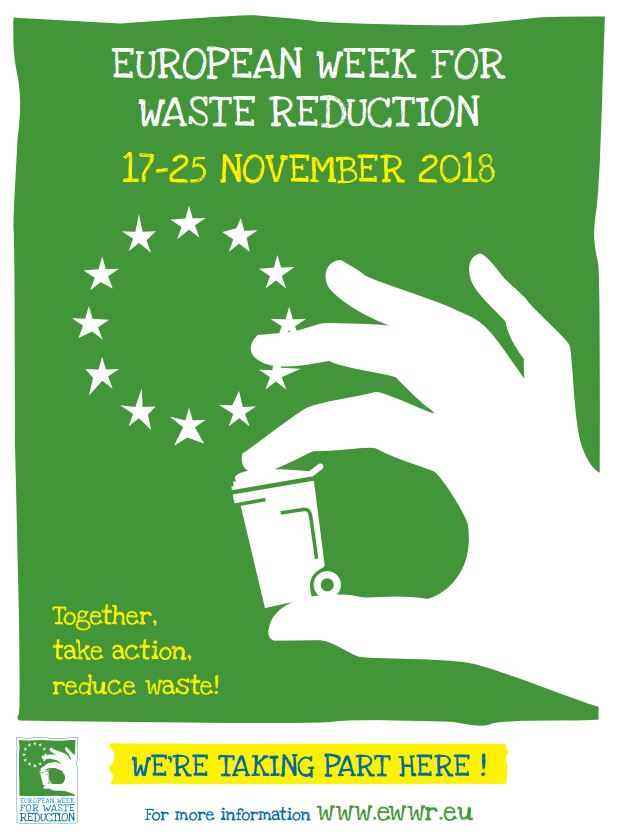
European Waste Reduction Week 2018

European Waste Reduction Week is run yearly and starts November 17th, 2018 running until Nov 25th This year Recycle IT want to encourage small organisations to go green for the week and longer.

What does Recycling mean?

Recycling means any recovery operation taking place after collection and by which waste materials are reprocessed into products, materials or substances whether for the original or other purposes. It includes the reprocessing of organic material but does not include energy recovery and the reprocessing into materials that are to be used as fuels or for back filling operations.

European Waste Reduction Week 2018 Support by Recycle IT

Recycle IT have assembled some easy to use office waste reduction tips and ideas which don’t cost much and will save you money in the long run!

Create a paperless office? – step by step!

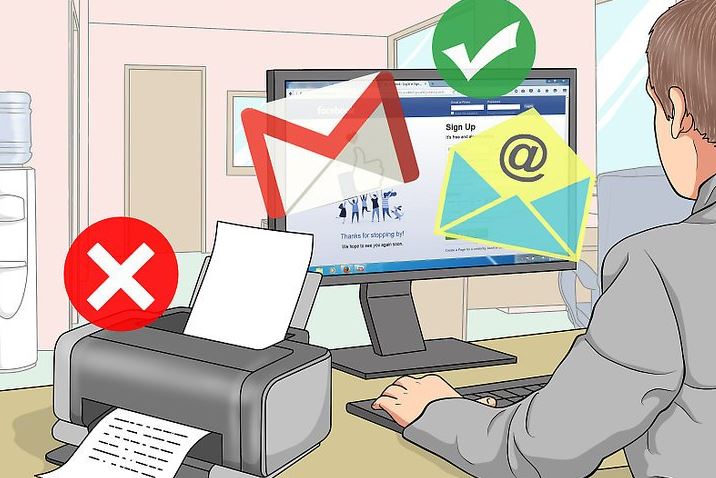
It may be time to consider the idea by simply saying no to paper usage. Firstly, identify for what purposes you must use paper and how you can avoid paper use. Once you make the lists for both, then be sure to clearly announce the policy with timelines for change. then find a champions in the office to offer encouragement. Every office has an environmentally responsible person!

If your organisation must use paper, try to keep paper usage and waste to a minimum by

  • Encouraging everybody in the office to edit documents on computers before printing.
  • Store and share all office files digitally.
  • Use both sides of a paper by setting up computers to automatically print on two-sided.
  • Reuse small paper pieces for short memos.
  • Stop using fax machines.
  • Send report via email and share meeting documents using PowerPoint.
  • Use al lighter weight papers in the office.
  • Reuse envelopes by putting a label over the old address.
  • Make use of electronic and voicemail and avoid paper mail wherever possible.
  • Take actions to decrease unsolicited mail.
  • Get a notice board or large screen to share information with colleagues
  • Reduce spacing and margins when printing documents. (fit more on the page)
  • Reuse, plastic sleeves, files and folders.
  • Edit mailing lists to avoid sending unnecessary letter or post cards.
  • Shredded paper can be recycled / repurposed as packaging filler for delivery boxes.
  • Setup a ‘what’s app’ group to share general office information.

2018 paper waste
Office – Paperless Office

Waste Reduction Tips

  • Although paper waste constitutes the largest portion of office waste, there are other types of waste which builds up over time so here are a few ideas!
  • Purchase products with less packaging or with no packaging at all.
  • Request that your office supplies be supplied in returnable containers and then return the emptied containers to the supplier on their next visit.
  • Ask the suppliers to take packaging back for reuse or to enhance the feasibility for them to recycle large quantities of waste.
  • Manage and reduce the number ink and toner cartridges purchased and used.
  • Rent equipment that you use only occasionally rather than investing and storing in the workplace.
  • Invest in high-quality everyday equipment that is durable, reusable and repairable.
  • Encourage colleagues to have reusable cutlery, plates, and cups at their desks.
  • Encourage staff teams to bring their lunch to work in reusable containers.
  • Where opportunity permits introduce a compost or brown bin recycling at work
  • Introduce waste education sessions to get staff buy in and keep staff updated on progress.
  • Select plant landscaping that requires low maintenance and produces little waste.

Office Equipment Recycling.

Recycle electronic equipment, batteries, plastic, metal cans, and beverage containers. Consider developing a partnership with a local recycler if your office generates electronic or electrical waste.  It might benefit both organisations!

ewaste 2018
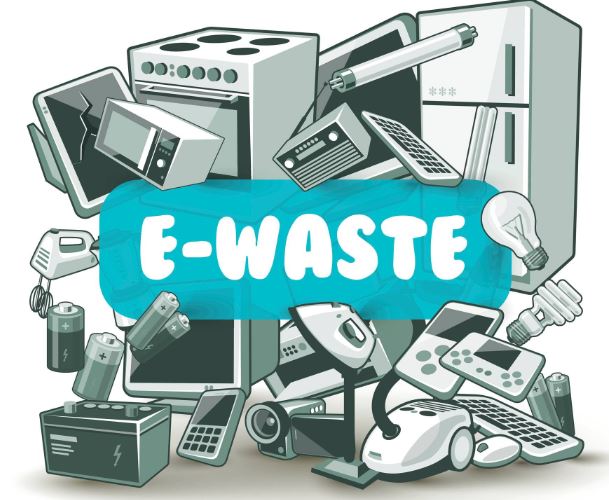
Electronic Office Waste

Don’t allow old or unused electrical or electronic equipment take up space and collect dust. The sooner it is recycled, the quicker that valuable resources will be available for reuse, thus avoiding the mining of virgin raw materials.

Reduce travel, reduce carbon emissions and save money through Skype meetings or video calls. Allow staff work at home to save time, money and the planet.

To define your organisation or office to truly be “Green” you should consider making all the products and services as environmentally friendly as possible. Start small and you will increasingly, recognise the value of environment sustainability in all organisational operations.

For more information please visit the European Waste Reduction Week website 

Good luck with your European Waste Reduction Week.

About Recycle IT

Recycle IT is an award-winning and the only Community Electronic Recycling Social Enterprise providing a community collection service for all types of waste electrical and electronic equipment (WEEE). Recycle IT offered collection services to 90,000 homes, school community organisations and businesses across Dublin and surrounding areas each year collecting a range of WEEE including monitors, TV’s and much more.

Our services are provided in partnership with WEEE Ireland We are authorized by the National Waste Collection Permit Office and the local authority. Visit our website for further details on our work.

Pakman Finalist 2018