Reduce Clutter This Weekend

Stress and Clutter

Clutter is an overabundance of possessions that collectively create chaotic and disorderly living spaces,” said Joseph Ferrari, a professor of psychology at DePaul University in Chicago.

Decluttering your home, office or business maybe one of your wish list activities or just something you have planned to do for a while but it just has not happened!

Clutter makes it hard to find things while also creating the feeling of limited space. Its believed decluttering your apartment, house and work space improves your living space, your homes appearance and your own mental health.
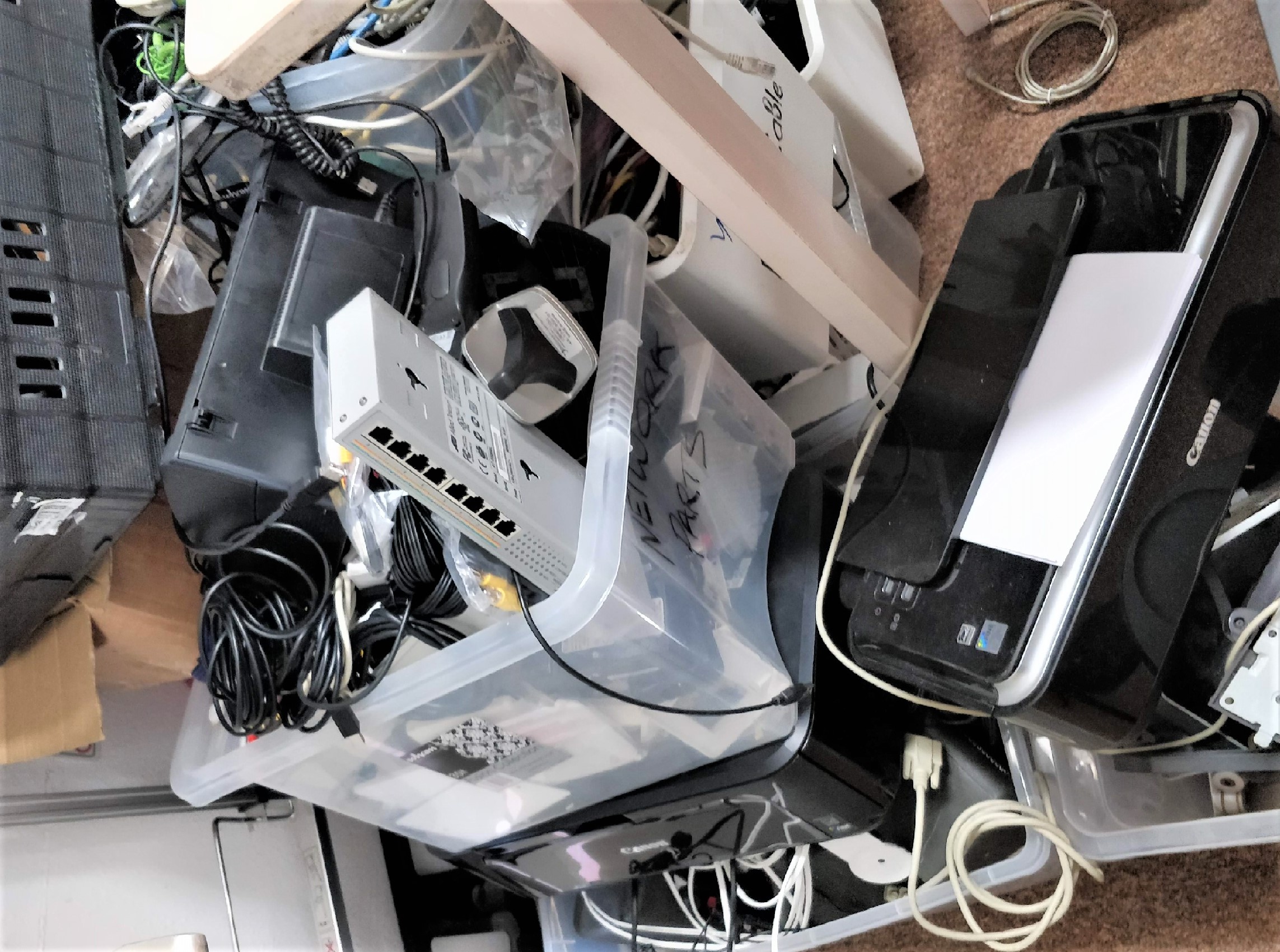
IMG_20190814_102939 (2)
Mixed IT Clutter – Recycle IT

A study, published in Current Psychology found a substantial link between procrastination and clutter challenges in the age groups; college students, young adults in their 20s and 30s and older adults, mainly in their 50s; so lots of people face clutter challenges and frustration with clutter tended to increase with age. (Source: New York Times, Jan 2019)

Research by Dreamtown in the UK found that the average 10-year-old owns 238 toys but plays with just 12 daily (The Telegraph). The build-up of home clutter including toys, clothes, shoes and even gadgets creates a constant need to tidy up which in turn can create a feeling of stress. Do you recognize the feeling?

The Buildup

Over the course of our lifetime, we will spend a total of 3,680 hours or 153 days searching for misplaced items, something we just stuck in a drawer! The research found we lose up to nine items every day—or 198,743 in a lifetime. Phones, keys, sunglasses, and paperwork top the list (The Daily Mail).
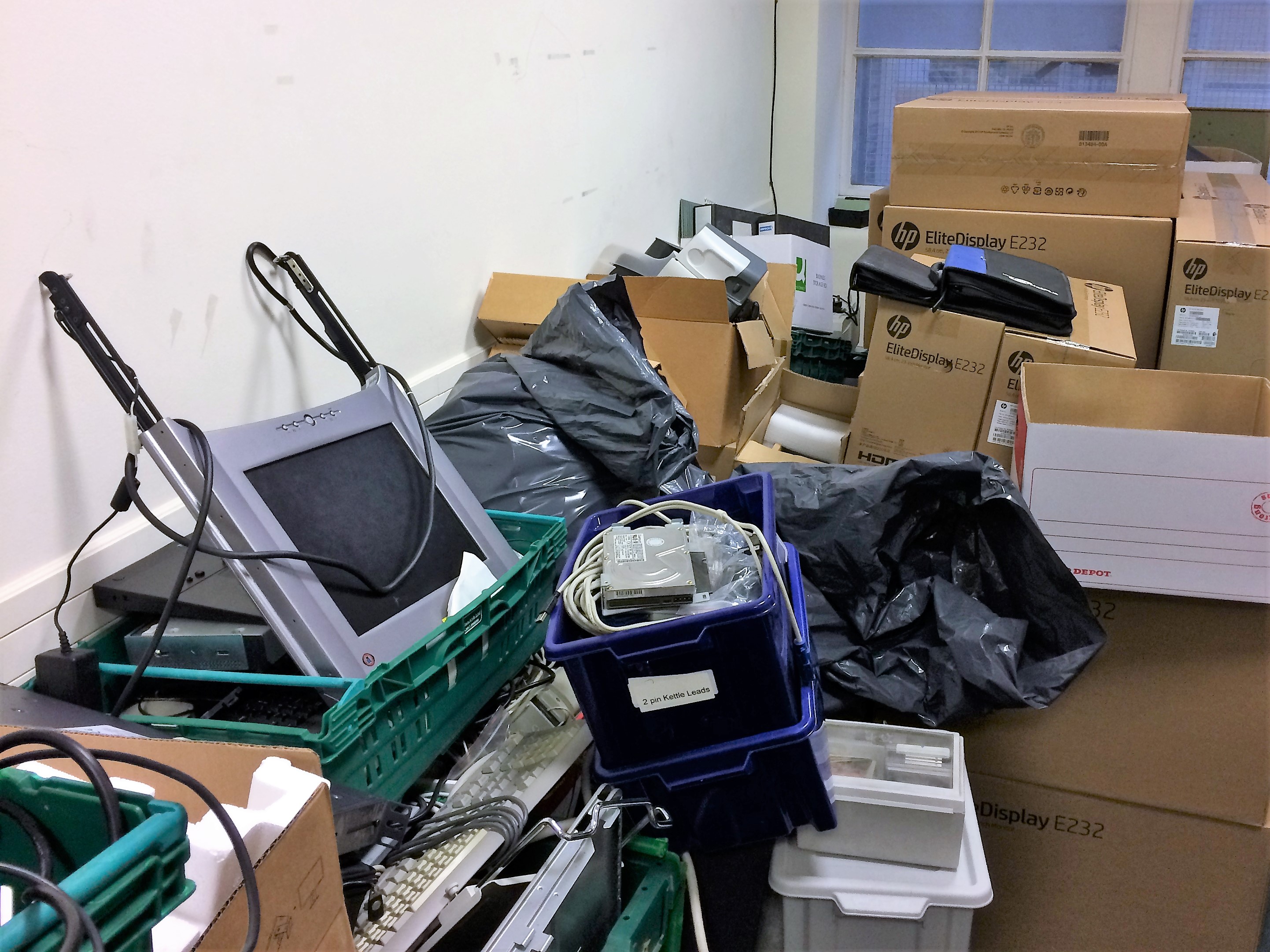
Store Room Clutter
Store Room Clutter – Computers – Monitors – Cables

One of the biggest clutter offenders is mobile phones. Official data from ComReg Ireland published at the end of Q4 2022 shows there were 8.8 million mobile subscriptions in Ireland It’s a fact, that we’re all buying more gadgets with the older or unused items building up in boxes, draws, cabinets, and storerooms.

In Ireland a 2015 study found that on average two in five Irish adults (38%) consider themselves to be hoarders, meaning homes are filling up (Empathy Research)  Further research commissioned by NESTA outlined that 58% of respondents found it hard to get rid of their possessions, meaning they keep them!

The National Association of Professional Organizations shows there is a direct correlation between productivity and clutter. Productivity declines when clutter and chaos rise. Piles of paper, unorganized kitchen space or playrooms, old receipts, bills, and paperwork stuffed in boxes or drawers will take over your home over a period of time.
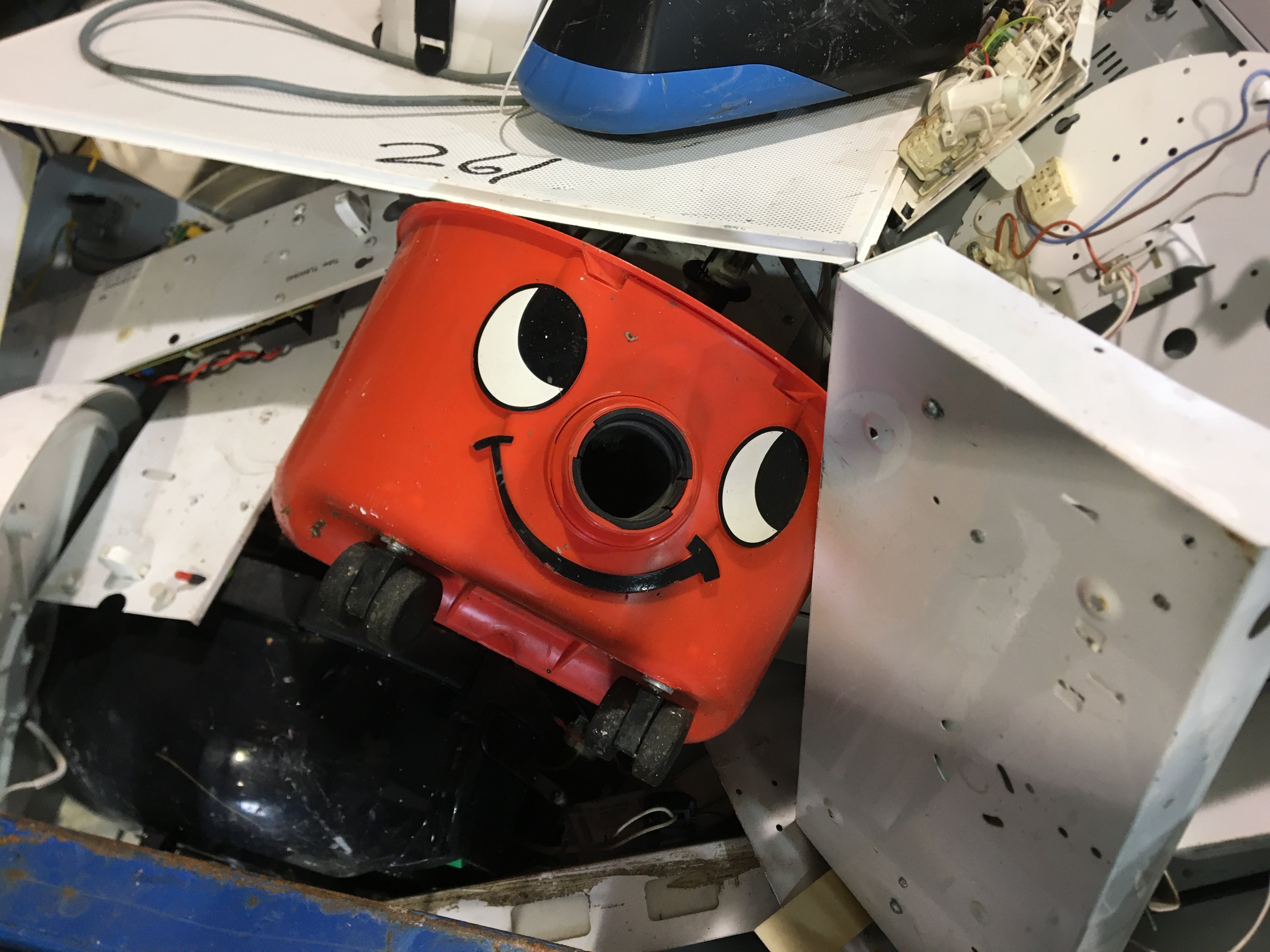
Household Waste

Chris Stiff, a lecturer in psychology at Keele University says “one of the obvious advantages to a tidy house is that being able to easily locate things will cause you less stress,” There is evidence that tidy environments help us think more clearly.

How to?

Clutter can include unread books, old electronic equipment, files which have not been filed, letters and cards, clothes thrown on the floor, and stuff that you no longer need, want or use but still possess. Remember, clutter is not usually confined to one area that can be spread across your home.

Before anything else, make a simple plan with specific and simple goals that will reduce your frustration and stress.

Here are 12 tips to keep in mind as you start de-cluttering your home:

  1. Make a written note of all the areas you need to de-clutter.
  2. Prioritize the areas/zones for decluttering and assign your time.
  3. Do one area at a time.
  4. Set start and finish dates for each area.
  5. Be sure to pick dates that are real so you get the job completed.
  6. Make time and get help to work on specific areas which may take longer like a garden shed or attic.
  7. Use a system to save on time and energy.
  8. Plan how you might lift on move heavy items.
  9. Research and decide how you will have the clutter removed for recycling once assemble.
  10. Check if items still work!
  11. Use the 80/20 rule – we generally use 20%  of the things we own 80% of the time so do we really use or need the rest?
  12. Get over the money you spent on the items you never use. Once you do that it’s easier to offer for reuse or to recycle.

Once the items are ready you can decide what you want to do about removal. We have a list of some solutions which might work for you.

IMG_0692
Toys and Light – Recycle IT

Outlets for your clutter

  • Don’t hold onto items once they have made the box.
  • Sell some items online, e.g. eBay, Done Deal or Adverts.
  • Repurpose old stuff with some DIY and help from friends.
  • Donate to charity shops.
  • Share items with family, friends, or colleagues e.g. kids’ clothes or toys.
  • Gift your items to friends or colleagues with an interest in them.
  • Share items free for reuse. Go online or find an exchange network.
  • Recycle all old electrical, electronic, and battery-operated items.
  • Moving forward, recycle stuff immediately when used or end of life.
  • Consider gifting items based on condition.
  • After the clear-out consider what you buy and recycle one day at a time.
  • Switch to e-bills.
  • Scan old photos and paperwork.
  • Preventing a build-up is a key step in fighting clutter.

Making the decision to get rid of your old items can be the hardest part of de-cluttering. Like many people, you may have trouble getting rid of items you once used or loved. You have also spent your hard-earned money on the items so they do hold value for you. These are real and valid feelings but no matter how challenging the decision, de-cluttering is necessary and helps reduce stress levels and it will create space!
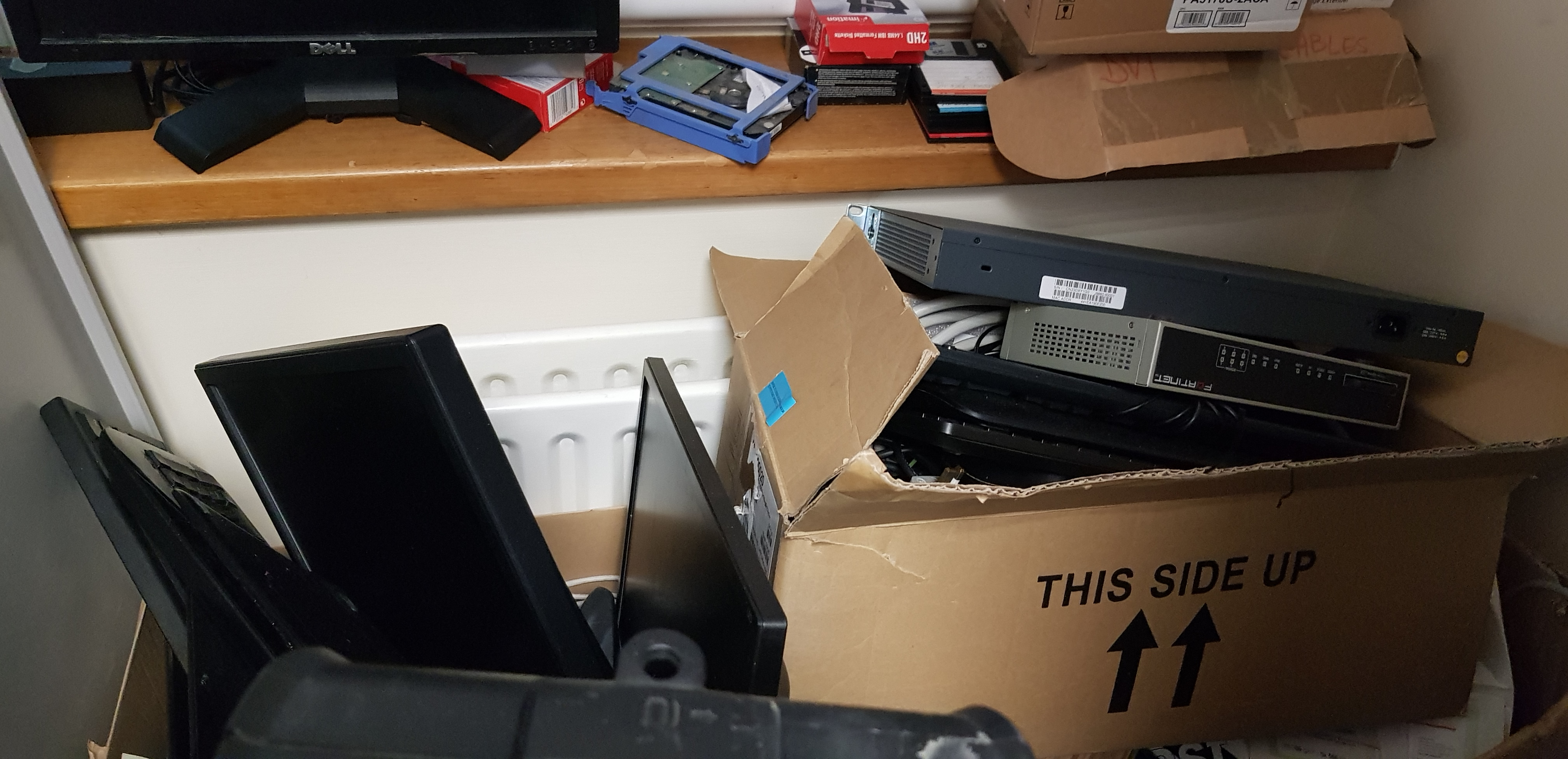
20180717_121039
Office Clutter – Recycle IT

About Recycle IT

Recycle IT, is an award-winning social enterprise offering electrical, electronic and metal recycling services through drop-off and collection. Recycling services are provided in partnership with WEEE Ireland and South Dublin County Council.

Recycle IT is supported by Pobal and Dormant Accounts and authorised by the National Waste Collection Permit Office and the local authorities across the east midlands waste region.

Our goal is to create training and employment opportunities through the provision of waste management services. Surplus earned income is reinvested in operational, and employment-related costs.

For more information on Recycle IT please call 01 4578321, email info@recycleit.ie or visit our website www.recycleit.ie

Recycle IT – Pakman Award Winners 2023

Brown Bins in Ireland

Using Your Brown Bin for Recycling in Ireland

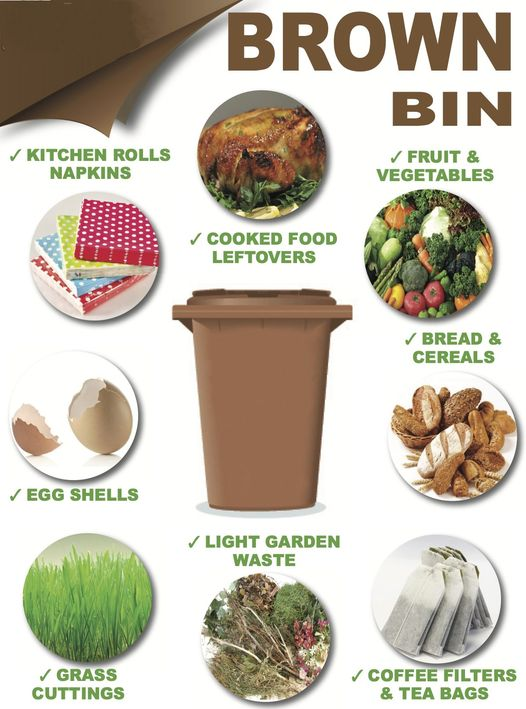
In December 2023, the Minister for the Environment, Climate and Communications, Eamon Ryan, signed new legislation which means that every household in the State will be provided with a brown bin for food waste and light garden waste by their waste collector.

These changes will enable all households with access to a waste collection service to segregate their waste, minimize the amount of waste that goes to landfill, and reuse waste through measures such as recycling, composting or anaerobic digestion, thereby making a positive contribution to our national recycling rates.

Brown Bin Do’s and Don’ts

In Ireland, the brown bin plays a crucial role in recycling organic waste. It’s not just for garden waste but also for food items that can be composted. By using your brown bin effectively, you contribute significantly to reducing waste in landfills and aiding in the creation of compost.

EPA Report

A recently published study by the EPA* showed that 21% of the contents of the household residual waste bins was food and garden waste, which could be placed into the brown bin instead, helping to reduce costs for the householder and ensuring that less emitting waste is sent to our landfills. The added bonus of the brown bin is that the organic waste can also be used to make compost, which in turn can be used to help green our towns and cities naturally.

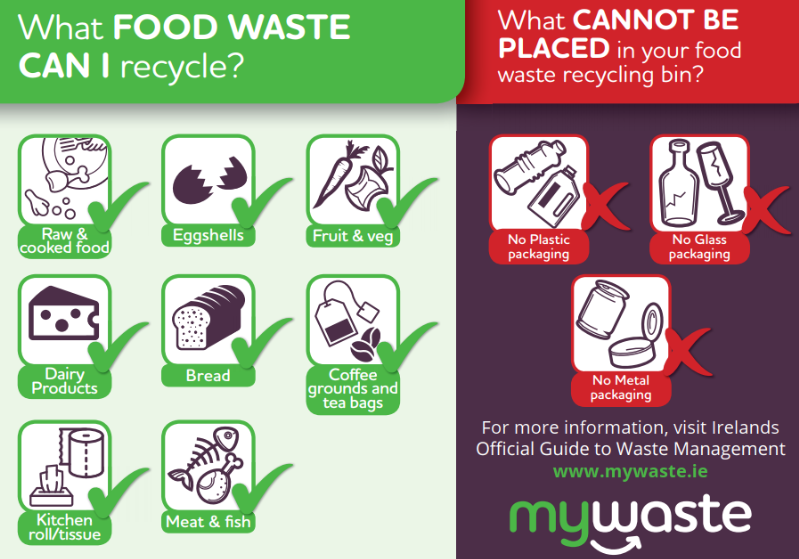
What Goes into the Brown Bin?

  1. Dairy Products: Items like cheese, yogurt, and butter wrappers can be put into the brown bin. These items decompose and contribute to the production of nutrient-rich compost.
  2. Eggs: Eggshells can be placed in the brown bin. They break down easily and add valuable minerals to the compost.
  3. Raw and Cooked Meat/Fish and Bones: Leftover meat, fish scraps, bones, and even cooked food can go into the brown bin. They decompose and help create compost suitable for enriching soil.
  4. Food-Soiled Paper Napkins and Towels: Used paper napkins, paper towels, and even greasy pizza boxes can be added to the brown bin. However, make sure to remove any large chunks of uneaten food before disposing of these items.

Why Use the Brown Bin for These Items?

  1. Reducing Landfill Waste: Organic waste, such as food scraps and soiled paper products, typically ends up in landfills. By using the brown bin, you divert these materials away from landfills, minimizing environmental impact.
  2. Composting Benefits: When organic waste breaks down in the brown bin, it undergoes composting. This process results in nutrient-rich compost, which is fantastic for enriching soil in gardens and agricultural land. It also reduces the need for chemical fertilizers.
  3. Environmental Impact: Recycling food waste and paper products through the brown bin reduces greenhouse gas emissions associated with decomposing organic matter in landfills. Composting creates valuable soil additives without releasing harmful gases into the atmosphere.

How to Properly Use the Brown Bin:

  1. Separate Your Waste: Ensure you’re segregating your organic waste properly. Use a separate container or bag in your kitchen to collect food scraps and soiled paper items before transferring them to the brown bin.
  2. No Plastic Bags: When disposing of organic waste in the brown bin, avoid using plastic bags. They don’t decompose and can contaminate the compost.
  3. Layering Technique: Consider layering food waste with garden waste or cardboard to help aerate the compost pile in the bin. This can aid in the decomposition process.
  4. Regular Collection: Make sure to put your brown bin out for collection on the designated days. Check your local council’s schedule for collection times and guidelines.

Finally

Using the brown bin in Ireland for recycling is an essential step in responsible waste management. By doing so, we all contribute positively to the environment by reducing landfill waste and producing nutrient-rich compost. Remember to follow the guidelines for proper segregation and disposal, helping create a more sustainable future for all.

Start making a difference today by utilizing your brown bin effectively for organic waste recycling!

About Recycle IT

Recycle IT is an award-winning, not-for-profit, social enterprise established to create employment and promote environmental awareness through recycling and reuse. We work in partnership with WEEE Ireland and are authorized by your local authority to provide electrical, electronic and pure metal recycling collections across Dublin and surrounding areas since 2007. Recycle IT are fully compliant with WEEE collection regulations. Our permit details are available here.

2023 Report – Social Enterprises in Ireland

The Report

The report “Social Enterprises in Ireland: A Baseline Data Collection Exercise” provides a comprehensive overview of the social enterprise sector in Ireland, including its size, economic impact, employment and volunteer participation, and governance structures.

The work was commissioned by the Department of Rural and Community Development (DRCD) and carried out by a consortium. Full details of the consortium can be found in the report.

Please read on to view some of the key findings of the report, download a copy and view a video of social enterprise at work!

Size and Distribution of Social Enterprises

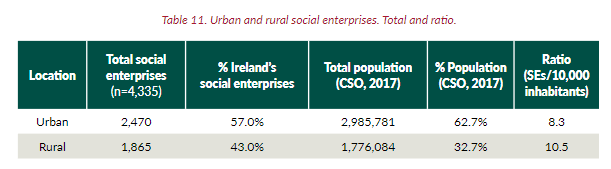
  • There are an estimated 4,335 social enterprises operating in Ireland, with a wide range of activities, including social care, environmental sustainability, community development, and education.
  • Social enterprises are geographically dispersed throughout Ireland, with significant clusters in Dublin, Cork, and Galway.
  • There are approximately 8.5 social enterprises per 10,000 inhabitants. 57% of social enterprises are in urban areas (8.3 per 10,000 inhabitants) while 43% are in rural areas (10.5 per 10,000 inhabitants).

Economic Impact

  • Social enterprises generate an estimated €2.34 billion in annual income, representing 0.63% of Ireland’s GDP.
  • Social enterprises employ 84,382 people, (including full-time, part-time employees and contractors). This represents 3.7% of the total Irish workforce.

Employment and Volunteer Participation

  • Social enterprises provide a significant source of employment for people with disabilities, migrants, and other marginalized groups.
  • An estimated 74,825 volunteers participate in the social enterprise sector, including 30,324 board members.
  • The age of the workforce is predominantly between 31 to 50. Women represent 69% of the workforce across the sector and 47% of the workforce is part-time.
  • Labour Market Programmes are an important feature of the sector with 60% of those with paid staff employing people this way.

Governance Structures

  • Social enterprises are governed by a variety of structures, including limited companies, charities, and community interest companies.
  • Social enterprises are increasingly adopting more formal governance structures, such as limited companies, in order to access new sources of funding and grow their businesses.

Challenges and Opportunities

  • Social enterprises face a number of challenges, including a lack of awareness and understanding of the sector, limited access to finance, and a shortage of skilled staff.
  • Social enterprises also represent a significant opportunity to address social and environmental challenges, promote social inclusion, and create sustainable employment opportunities.

The report concludes by outlining a number of recommendations for policymakers, funders, and support organizations to further develop and support the social enterprise sector in Ireland. These recommendations include:

  • Increasing awareness of the social enterprise sector
  • Providing more funding opportunities for social enterprises
  • Developing skills training and support for social enterprises
  • Strengthening the regulatory framework for social enterprises

Overall, the report provides a valuable resource for understanding the social enterprise sector in Ireland and its potential to contribute to a more socially and economically sustainable society.

To access the full report please click here.

About Recycle IT

Recycle IT is a not-for-profit social enterprise providing collection and drop-off services for all types of waste electrical and electronic equipment (WEEE). Yearly Recycle IT offered to drop-off and collection services to thousands of homes and organizations across Dublin and surrounding areas collecting a range of WEEE which includes thousands of computers, televisions, toasters, cables, lawnmowers, monitors, microwaves and kettles.

Recycle IT services are provided in partnership with WEEE Ireland. Recycle IT is supported by South Dublin County Council and authorized by the National Waste Collection Permit Office and the local authorities across Leinster. Recycle IT receive funding thorough the Community Services Programme (CSP) operated by Pobal on behalf of the Department of Rural and Community Development (DRCD)

Watch the video below to learn more.

Video – Pobal and Recycle IT

Visit our website for further details.

More Toys! Reuse or Recycle this Christmas🎅

Imagination and Creativity

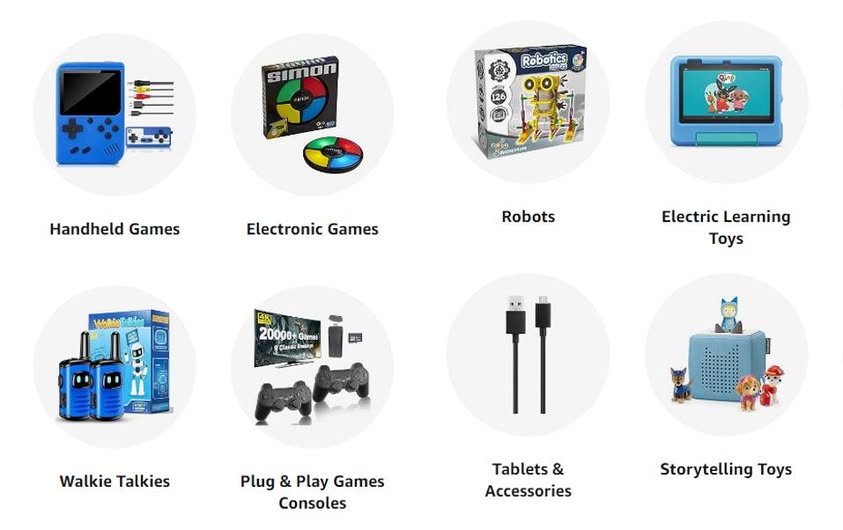
Toys are a traditional gift for children at Christmas and bring a good deal of joy over the following months. Toys also play an important role in childhood, sparking imagination, and fostering creativity. However, as our kids grow, toys often accumulate, gathering dust in forgotten corners or succumbing to wear and tear. But what if I told you that recycling these old, damaged, or unused electronic toys could make a significant impact on our environment?

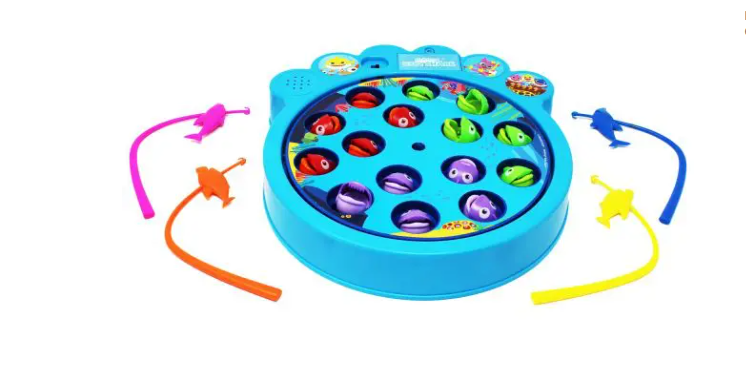
Fun Family Game

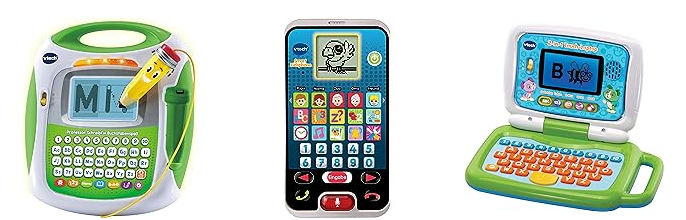
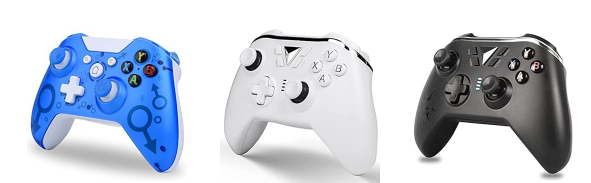
The toy industry in Ireland, like in many other countries, has seen an increasing trend in the popularity of electronic and battery-operated toys. With advancements in technology and the growing interest in interactive and tech-based toys, the sales of electronic toys have been on the rise.

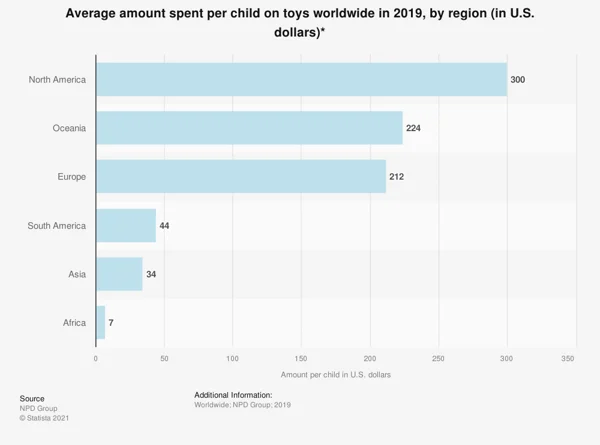
The graphic below demonstrates that in 2019, the annual amount spent on toys per child in the EU was estimated to be $212. The total EU toy market size was estimated to be $24.6 billion. From 2022 to 2025, this value is expected to have a compound annual growth of 15.59%, projecting a volume of $96,537M by 2025. Source: EuroDev BV.

Disposal

With the rise in electronic and battery-operated toys, the issue of electronic waste has become more pressing. Electronics contain various materials that can harm the environment if disposed of improperly. When these toys end up in landfills, they contribute to electronic waste, also known as e-waste. This waste contains hazardous substances such as lead, mercury, and cadmium, posing significant risks to both human health and the environment if not handled correctly.

Tablet

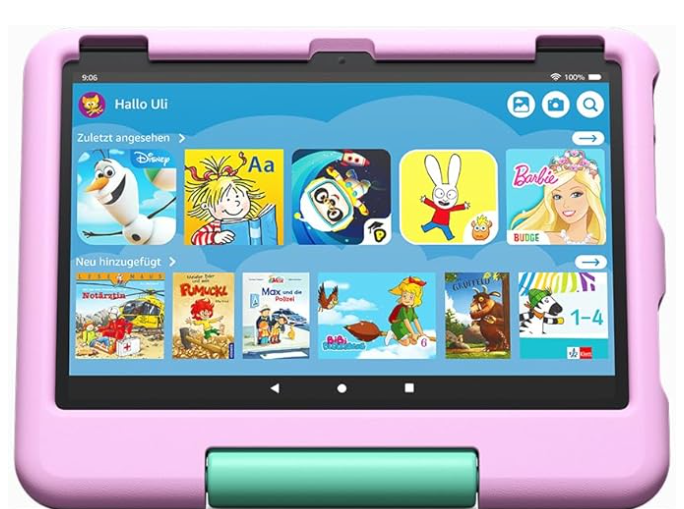
Recycling old, damaged, or unused electronic toys presents a solution to this growing problem. By recycling these toys, we divert electronic waste from landfills, preventing harmful substances from leaching into the soil and water sources. Moreover, recycling helps conserve resources by recovering valuable materials like metals, plastics, and other components that can be reused in manufacturing new products.

Now, let’s consider the adverse effects of tossing toys into the regular black or green rubbish bins. When these toys end up in landfills, they contribute to the growing electronic waste problem. Electronics typically take a long time to decompose, and as they break down, they release harmful chemicals into the environment. These chemicals can contaminate soil, waterways, and even the air we breathe, impacting ecosystems and potentially harming wildlife.

Furthermore, the valuable resources used in manufacturing these toys go to waste when they are discarded. This not only adds to the depletion of natural resources but also increases the energy and raw materials needed for producing new toys from scratch.

Children’s Computers

Eco-friendly

Toy recycling isn’t just an eco-friendly choice; it’s also an opportunity to teach children about sustainability and responsible waste management. Encouraging them to participate in recycling their old toys instills valuable lessons about reducing waste and preserving the planet for future generations.

Here are some fascinating facts about toy recycling:

  1. Resource Conservation: Recycling one ton of electronic devices can recover as much gold as mining almost 20 tons of gold ore.
  2. Material Recovery: Toys contain various materials such as plastics, metals, and electronic components, all of which can be repurposed through recycling. For instance, plastic toys can be shredded and melted down to create new products, reducing the need for raw materials.
  3. Environmental Impact: Improper disposal of electronic toys can lead to toxic substances seeping into the soil and water, posing severe health risks to communities living nearby.

Please consider, recycling old, damaged, or unused electrical, electronic, and battery-operated toys as its holds immense benefits for our planet. It minimizes e-waste, conserves valuable resources, and helps in creating a cleaner, healthier environment for all. By embracing toy recycling as a habit, we can pave the way for a more sustainable future and teach our children the importance of caring for the Earth while they play and grow.

Games Controllers

About Recycle IT

Recycle IT is an award-winning social enterprise providing recycling collection and drop-off services for all types of waste electrical, electronic equipment (WEEE) and pure metal items.

Recycle IT services are provided in partnership with WEEE Ireland. Recycle IT is supported by the Department of Rural and Community Development, Dormant Accounts Fund, Pobal, South Dublin County Council and authorized by the National Waste Collection Permit Office and the local authorities across Leinster.

For further details about our free and cost-effective services call us on 01 4578321, email info@recycleit.ie or visit the Recycle IT website at 

Electronic Toys

National Social Enterprise Conference 2023

5th Annual National Social Enterprise Conference

The Department of Rural and Community Development is delighted to invite you to the 5th Annual National Social Enterprise Conference which will take place on International Social Enterprise Day, Thursday, 16th November, 2023.

This event will be held in the Shearwater Hotel, Ballinasloe. Co. Galway from 9.30am. The conference will also be virtually live-streamed if you can’t be in Ballinasloe on the day.

Event Header

About the day?

Ireland’s National Social Enterprise Policy wisely includes a commitment to hold an annual Social Enterprise Conference as part of its objective to build awareness of Social Enterprise and the services offered to communities across our country. The Conference aims to provide networking opportunities, disseminate information, share experience and inform policy implementation.

What to expect?

  • Key policy updates from the Department of Rural and Community Development including planning for the next Social Enterprise Policy 2024-2027.
  • Panel discussions on trading income, philanthropy, technology, governance and climate action.
  • Networking opportunities with social enterprise practitioners and support organisations.

Just a reminder?

The definition of social enterprise is evolving nationally and internationally and is likely to continue to do so as social enterprises themselves adapt to new societal challenges.

Definition of Social Enterprise – National Social Enterprise Policy for Ireland 2019-2022

The definition will also evolve as national and local governments and wider society understand more fully the nature of social enterprise and their contribution to social and economic development.

How to attend?

Those wishing to attend the event in Ballinasloe are invited to confirm your attendance – either in-person or via live stream – before 30th October at 12pm. Please click here to do so.

The Speakers

Click here to get to know the speakers and panelist for the conference. You can also get an insight into the breakout sessions which you might like to attend on the day.

About Recycle IT

Recycle IT is an award-winning, not-for-profit, social enterprise established to create training, and employment and promote environmental awareness through recycling and reuse. We work in partnership with WEEE Ireland and have been authorized by your local authority to provide electrical, electronic and pure metal recycling collections across Dublin since 2007. Recycle IT is fully compliant with WEEE Recycling Requirements and permit details are available here.

For more information about Recycle IT please click here.

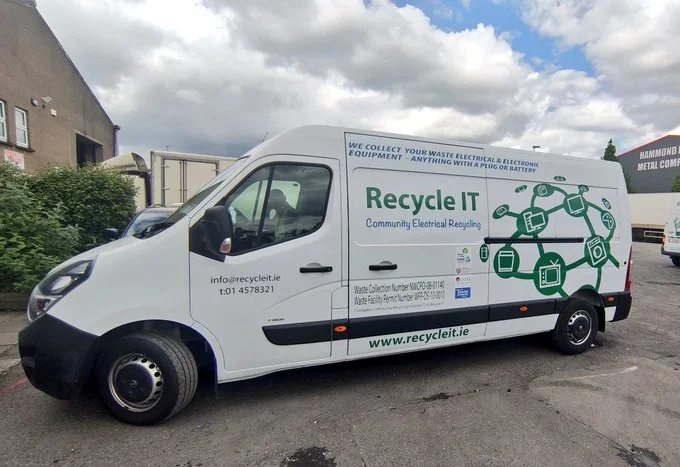
Recycle IT Collection Van