Littering, Laws and Waste Labelling

On May 5th 2021 Minister for the Environment, Climate and Communications, Eamon Ryan TD, announced €5 million in additional funding for litter infrastructure and awareness campaigns to encourage people to dispose of their rubbish carefully.

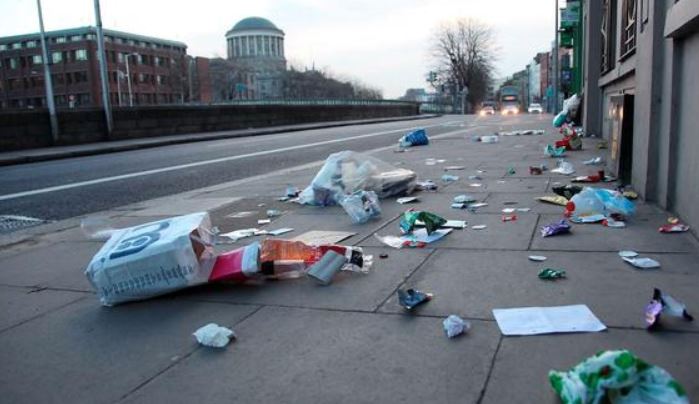
As many more people meet and socialise outdoors, there has been a surge in littering. Councils plan to install more bins and assign additional staff to tackle the problem but we all can do more!
Dublin Litter

If you are out and about this summer please bring your litter home. If the bin is full don’t just leave your packaging, bottles or cans beside the bin. Lead by example and leave no trace.

May 5th 2021 also marks the publication of the 2020 National Litter Pollution Monitoring System (NLPMS) Results. The publication provide important statistical data on the extent, causes and composition of litter in Ireland.

In announcing the publication of the 2020 Results, Minister Ryan acknowledged the role being played by both local authorities and communities in tackling Ireland’s litter challenges and noted new proposals to combat litter.

Waste Laws

Public Places

Leaving or throwing litter in a public place is an offence that can be subject to an on-the-spot fine of €150 and up to a maximum fine of €3000 if you are convicted of a litter offence in the District Court.

Local authorities across Ireland are responsible for keeping public places that they control, including public roads clean and litter free. This includes cleaning programmes and the provision and emptying of litter bins so let them know if you see full bins or ongoing littering in your area. Gardaí also have the power to issue on the spot fines for littering.

Household

Did you know your County Council has adopted waste Segregation, Storage and Presentation of Household and Commercial Waste Bye-Laws which will ensure a consistent approach to managing waste across Ireland.

Did you know failure to comply with any of the requirements of the waste bye-laws may result in a Fixed Penalty Notice (Maximum €75) being issued by a member of your local County or City Council or by a member of An Garda Siochana and may result in a fine of up to €2,500 on conviction?
Waste Bye-Laws

These bye-laws apply to all households, apartments and commercial premises and aim to aid the prevention and control of environmental pollution.

What this really means   

Now the onus is on every individual, household, apartments and commercial premises to provide proof that they have a contract in place with an authorized waste collector or that they regularly use a recycling centre or civic amenity site. (a docket or receipt is can be provided on request at recycling centres).

By correctly managing your waste you will:

  • Help address challenges with climate
  • Improve the quantity and quality of recyclables collected
  • Reduce waste going to landfill and incineration
  • Conserve our planets limited resources

You can start to reduce waste by simply: 

  • Saying no to single-use disposable items like razors, batteries, wipes, coffee cups
  • Make a weekly shopping list for your groceries, and follow it
  • Stop or reduce packaging by buying loose produce and buying in bulk
  • Switch to rechargeable batteries
  • Place a no junk mail sticker on your letterbox
  • Some using plastic and especially single-use plastics
My Waste Ireland – Logo

Small Quantity – share a bin! 

The best and probably most affordable option in this instance is bin sharing with a family member or friend living in close proximity and maybe a less frequent collection. A letter from the bin account holder will be sufficient evidence, this account holder will then be obliged to provide evidence of contact with a permitted waste collection company.

Segregate recyclable

It’s important that you segregate recyclable waste from your residual waste and present these separately.  Please note: If you are living in an urban area, small town or village with a population of over 500 you are required to segregate food waste* Please don’t include metal, electronic or electrical waste with your recyclable or general waste. You can drop it to a recycling centre such as Recycle IT or have it collected by Recycle IT.

Benefits of Bye-Laws 

In our view, the waste bye-laws can encourage and increase formal recycling through drop off or collection for reuse, recycling and other forms of recovery. They will also encourage people to reduce their waste, separate their waste which leads to an increase in the quality of waste for collection.

Labelling

The three labels were launched in 2019. They are for use by producers, manufacturers and retailers on a are voluntary basis. The labels clearly identify whether an item is widely recycled, whether it is not recyclable, and whether more information should be sought before deciding how to dispose. Please look at your packaging for the labelling if unsure.
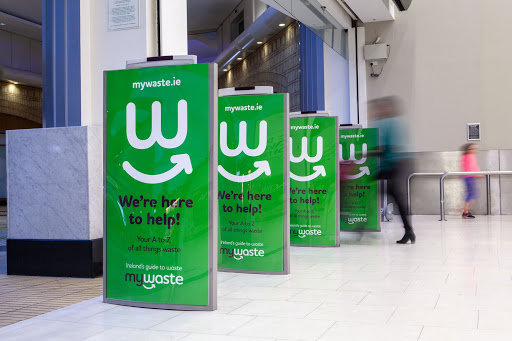
My Waste Posters

These labels were introduced at a time when two thirds of the plastic used by industry in packaging is non-recyclable in Ireland today. They aim to encourage enterprise to reduce their use of non-recyclable materials and use recycled, recyclable packaging.

Please click here to learn more or download information in Irish, Chinese, Polish or Russian on the waste bye-laws. You can read more about the new waste labelling system here
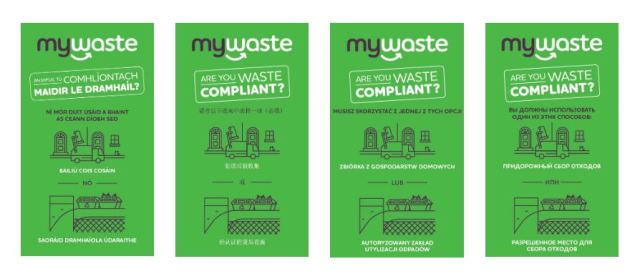
Guides to Waste Bye-Laws – Irish, Chinese, Polish or Russian

About Recycle IT

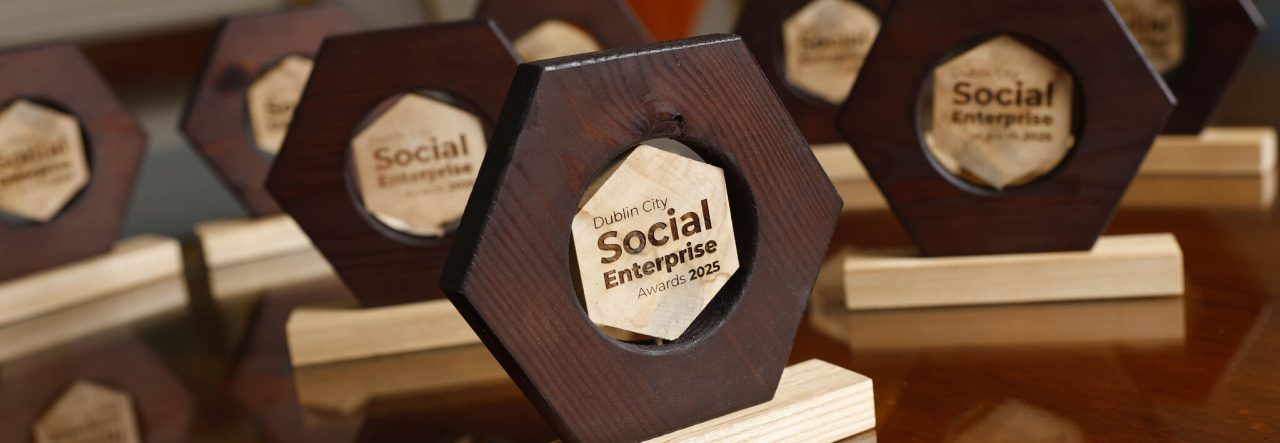
Recycle IT, are an award-winning Dublin based social enterprise offering electrical, electronic and metal recycling. Services are provided in partnership with WEEE Ireland. Recycle IT are supported by Pobal, the Dormant Accounts Fund, South Dublin County Council and authorized by the National Waste Collection Permit Office and the local authorities across Dublin, Kildare and Wicklow.

For further details about our free and cost-effective services call us on 01 4578321, email info@recycleit.ie or visit the Recycle IT website at www.recycleit.ie

E-Waste in the EU: Facts and Figures

We are sharing a news article from the European Parliament, a forum for political debate and decision-making at EU level. This particular article was published on 23 December 2020 and is about electrical and electronic waste and the fact that it growing faster than any other waste stream. Check out the facts and figures in the infographics below.

Did you know that less than 40% of e-waste is recycled. Electronic devices and electrical equipment define our modern life. From washing machines and vacuum cleaners to smartphones and computers, it is hard to imagine life without them. But the waste they generate has become an obstacle in the EU efforts to reduce its overall ecological footprint. This includes Ireland.

What is e-waste?

Electronic and electrical waste, or e-waste, covers a variety of different products that are thrown away after use. From the largest items to the smallest including cables, phones and batteries. Large household appliances, such as washing machines and electric stoves, are the most collected, making up more than half of all collected e-waste.

This is followed by IT and telecommunications equipment (laptops, printers), consumer equipment and photovoltaic panels (video cameras, fluorescent lamps) and small household appliances (vacuum cleaners, toasters, kettles etc.).

All other categories, such as electrical tools and medical devices, together make up just 7.2% of the collected e-waste.

E-waste recycling rate in the EU

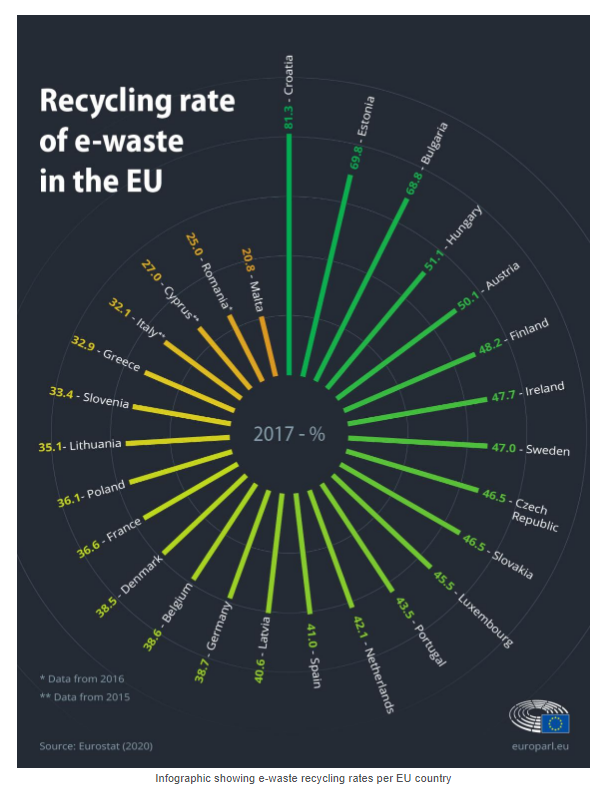
Less than 40% of all e-waste in the EU is recycled, the rest is unsorted. Recycling practices vary among EU countries. In 2017, Croatia recycled 81% of all electronic and electrical waste, while in Malta, the figure was 21%. Ireland recycles 47.7% of all electronic and electrical waste but this figure could be a ;ot higher if we all did more.

Why do we need to recycle electronic and electrical waste?

Discarded electronic and electrical equipment contains potentially harmful materials that pollute the environment and increase the risks for people involved in recycling e-waste. To counter this problem, the EU has passed legislation to prevent the use of certain chemicals, like lead.

Many rare minerals that are needed in modern technology come from countries that do not respect human rights. To avoid inadvertently supporting armed conflict and human rights abuses, MEPs have adopted rules requiring European importers of rare earth minerals to carry out background checks on their suppliers.

What is the EU doing do reduce e-waste?

In March 2020, the European Commission presented a new circular economy action plan that has as one of its priorities the reduction of electronic and electrical waste. The proposal specifically outlines immediate goals like creating the “right to repair” and improving reusability in general, the introduction of a common charger and establishing a rewards system to encourage recycling electronics.

To learn more and read the post from the European Parliament please click here.

If you need to recycle electrical or electronic equipment safely Recycle IT are happy to help. Just send us an email or call 01 4578321 for more details.

Recycle IT is a not for profit, social enterprise based in Clondalkin, Co Dublin, Ireland.

Recycle IT Collection

Climate Action – Take small recycling steps!

What we can do!

Recycling allows materials to be reused, re-purposed, recycled and recovered over and over. Waste sent to landfill sites and incinerators does not drive reuse and costs Irish taxpayers, millions of euros every year. Yet much of this cost and waste could be saved by recycling.

Waste of all types produce emissions of greenhouse gases including methane, a powerful greenhouse gas which contributes to climate change and after the severe weather events and natural disasters over recent years, we can all see the effects of this change first hand.

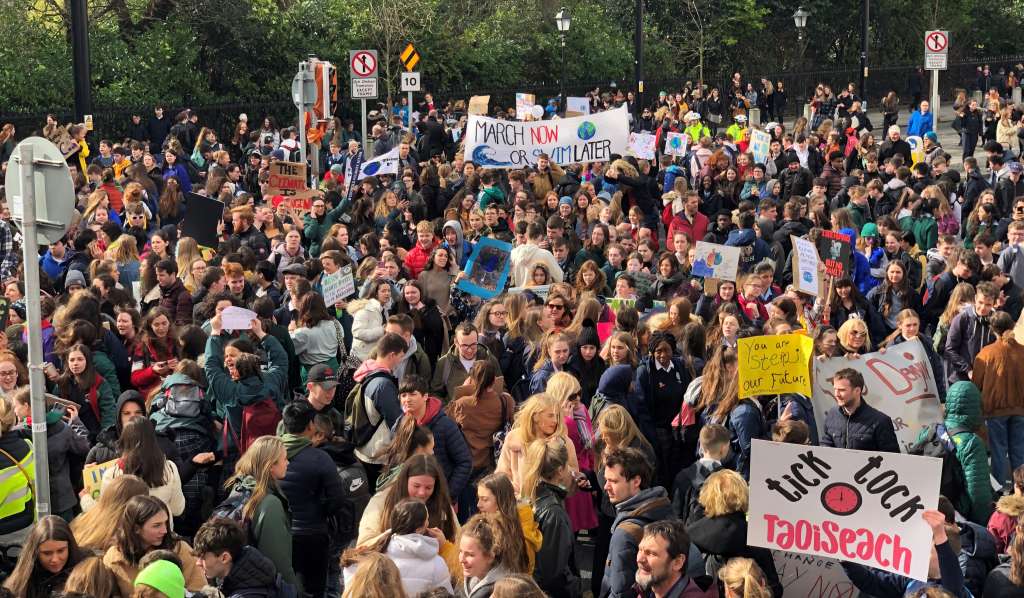
School climate strike, crowd scene, Dublin, 15 March 2019
School Climate Strike – Photo credited to Christian Aid Ireland

Targets

Ireland has committed to a legally-binding EU target. This means reducing greenhouse gas emissions coming from agriculture; transport, residential buildings, commercial activity, “non-energy intensive industry” and waste including incineration.

Ireland is obliged to cut its emissions in total by 80% by 2050 compared to 1990 levels, under its Climate Action and Low Carbon Development Act 2015. In 2017 the Irish Government published a National Mitigation Plan explaining how it intended to meet that goal.

The then Minister for Communications, Climate Action, and Environment have said that it is likely to cost the State up to €150 million to pay for carbon credits to compensate for the fact that Ireland will fail to meet its 2020 greenhouse gas emissions and renewable energy targets.

Energy consumption accounted for 60% of Ireland’s greenhouse gas emissions in 2017. Transport, residential and industry accounted for the highest shares of emissions. (Source SEAI). As our economy grows these emissions are likely to increase further.

Climate Change
Climate Change Ireland

The 2018 report from Climate Action Network (CAN) Europe gives Ireland a total score of 21 % on fighting climate change, making it one of the only three EU countries that scored less than 30% along with Estonia (24%) and Poland (16 %). (Source: Green News Ireland).

Recent Judgment

On July 31st 2020 the Irish Supreme Court ruled that Ireland as a nation needs to strengthen it’s Climate Action Plan (CAP) published in 2019. In a case brought by Friends of the Irish Environment (FIE), they argued that the plan was not “fit for purpose” because it was not designed to achieve substantial emission reductions in either the short or medium-term.

Clodagh Daly, a spokesperson for Climate Case Ireland, described the judgment as “really significant”. “The unanimous ruling by seven supreme court judges has made it crystal clear that the Irish Government cannot set long-term commitments without showing how they will be achieved in the short term,”

Climate Ireland
Climate Action Plan 2019

Eamon Ryan (TD) and current Irish Government’s Minister for Climate Action, Communication Networks and Transport, welcomed the judgment and congratulated FIE for taking the “important” case.

The government now must set real actionable targets. Please click the image above to download a copy of the Climate Action Plan 2019.

Help by Recycling

Ireland’s apparent inability to meet its obligations for emissions reduction is cross-sectoral with some sectors of society simply doing little to help. Fixes such as increased working at home and eco-friendly public transport will happen but immediate action can be taken by simply by reducing, reusing or safely recycling items from around your home, school, warehouse, store or office. (really think about what to do with old stuff and do you need new stuff).

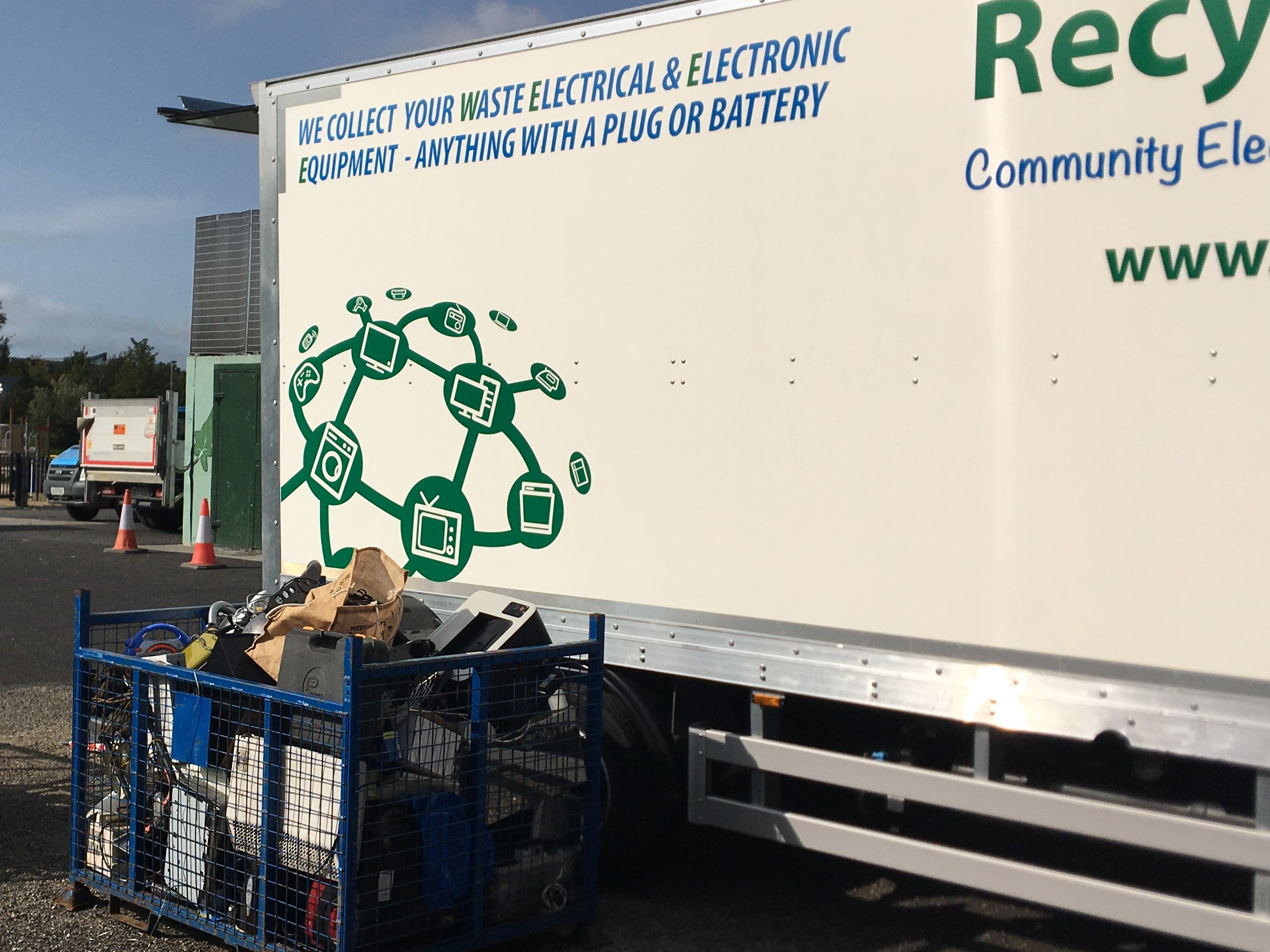
In a number of areas in Dublin, the local authorities work in partnership with Recycle IT to offer residential collections for electrical and electronic waste.

This free collection service is usually an annual service offered too or requested by residents groups in Dublin and surrounding areas. The service really helps people safely dispose of large and small electrical, electronic and metal appliances and equipment.

Recycling Helps
Recycle IT – Recycling Helps

Household collections are held on an agreed and specific day or week. Your resident’s association will notify you of your collection day usually 3 – 5 days in advance with a message via whats app or text with further reminders a few days before collection.

You can also contact us if unsure if the item you have for recycling will be accepted as part of collection Just email Recycle IT directly

Some Household Recycling Guidelines

When putting items out for a recycling collection remember:

  • to keep the piles tidy inside your garden, or on the curb so the footpath or roadway is kept clear
  • If you think an unofficial collection is taking place, call us and we will arrange a collection from your door
  • if in an office move items to the ground floor to allow for speedy collection
  • let us know if items can’t be easily and safely lifted by two collection team members?
  • notify us in advance if items need to move out of your home. (we can offer some guidance based on Covid19 best practices).
  • notify us in advance about sharp or dangerous objects.
  • keep items secured if severe weather is expected.

Recycle IT also support business customers with cost-effective recycling options. We collect and recycle all types of office equipment from the office kitchens to electronic items used on the office desk.

About Recycle IT

Recycle IT, is an award-winning nonprofit social enterprise offering electrical, electronic and metal recycling services through drop off and collection. Services are provided in partnership with WEEE Ireland and South Dublin County Council.

Recycle IT are supported by Pobal and Dormant Accounts and authorized by the National Waste Collection Permit Office and the local authorities across Dublin, Kildare, and Wicklow. For more information on Recycle IT please call 01 4578321, email info@recycleit.ie or visit our website www.recycleit.ie

Recycle IT

Reduce, Repair, Reuse or Recycle Computers

Computers – the end-of-life options! 

Advanced hardware and software on computers, laptops, tablets, and smartphones help quickly make IT equipment go out of date. The United Nations University (UNU) found that more than 44 million metric tonnes of electronic waste were generated globally in 2016, with just 20% documented as recycled. According to a 2019 UN report, Global ewaste production is on track to reach 120 million tonnes per year by 2050 – Time to act!

Old Computers - Recycle IT
Old Computers – Recycle IT

As technology continues to change it brings us faster and increasingly efficient models of computers. These new models are released replacing existing models. As you keep up with the latest technology, you likely have old computers. Old IT equipment can’t be disposed of with other waste and as they get older reuse gets harder!

If you plan to replace a computer, tablet or phone at home or in the office make sure you keep all the leads, discs and instruction manuals to allow easier reuse. Have a read below to learn more about reducing, repairing, reusing and recycling 

Reduce

  • Use your current computer equipment for as long as possible.
  • Prior to new purchases research, your IT needs. You should really know what you want from your computers, who will use the computer and for what purpose.
  • This makes it easier to buy the right computer or laptop with the correct software installed. meaning the computer can serve your needs over a longer period.
  • Check that your new computer can easily be upgraded without needing to be replaced.

Repair

  • Get support with your IT challenges using online technical support groups.
  • Find a computer shop or repair service close to you. A helpful link – repairmystuff.ie
  • Take your computer or laptop back to the store where you bought it for warranty support.
  • Once informed about choices, ask yourself; Is repair worthwhile?
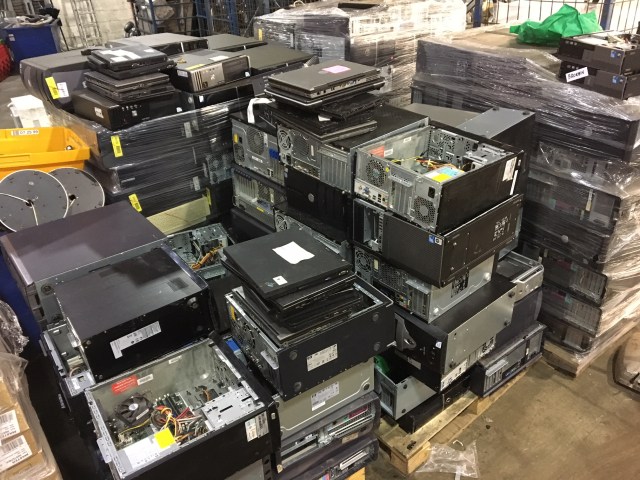
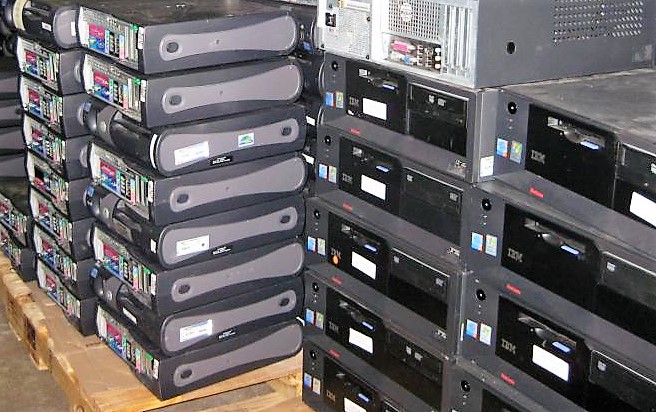
e-recycling-computers-servers-racks(2)
Computers for Recycling

Reuse

  • Approach a local community group, preschool or school and ask if they could benefit from reusing the item.
  • Offer a useful computer to a younger member of the family.
  • Donate to a charity. Call before taking computers to a charity shop as not every shop can accept electrical/electronic equipment.
  • Remove personal data and passwords safely prior to reuse.

Recycle

  • Drop off your old computer to Recycle IT in Dublin for free and safe recycling.
  • Place your laptop or tablet in a box and post it to Recycle IT for safe recycling.
  • Have computers and all related equipment collected for recycling. (free or fee-based collections offered).
  • Recycle your really old IT for component reuse.
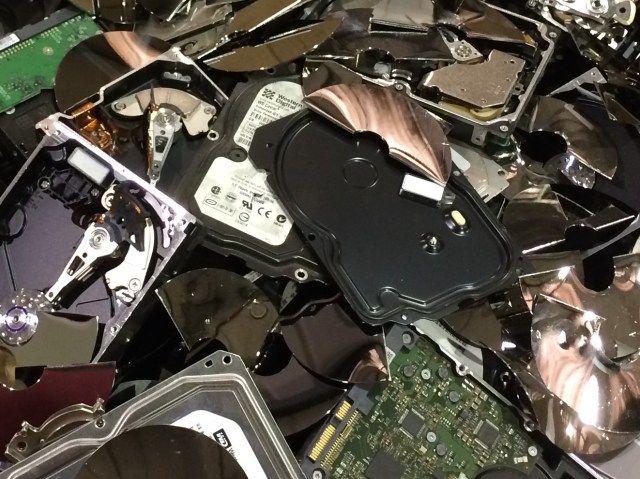
Hard Disk Drives – Dismantled – Recycle IT

Recycle IT – Creating Training and Jobs

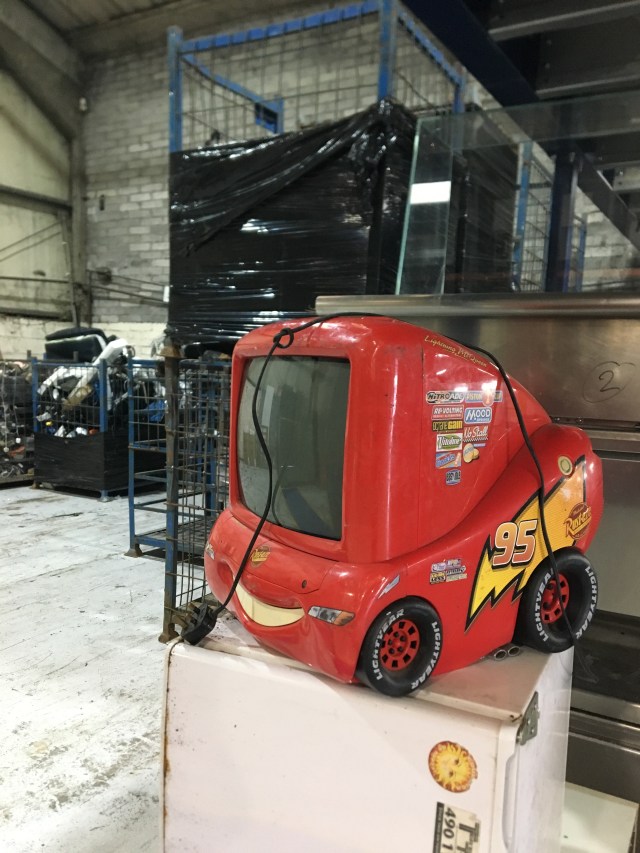
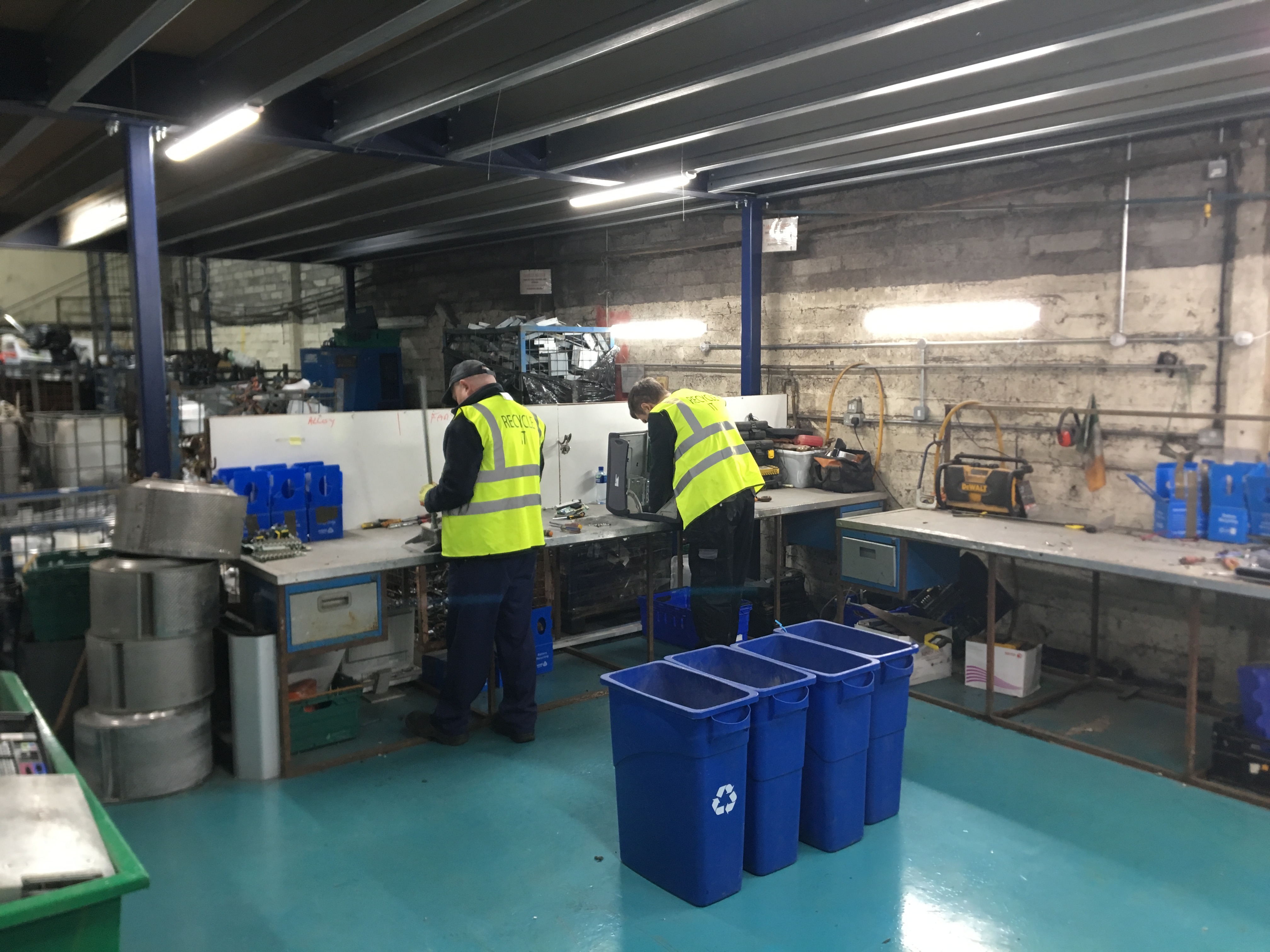
Electronic items including computers which are too old to be refurbished and reused can be sent to Recycle IT at our Dublin-based electronic recycling facility.

IT equipment of all shapes and sizes is broken down for component parts and metal reuse. If more people, follow use this route to recycling our organization can increase its overall sustainability and efforts to recycle. For more information on computer recycling please click here

Choosing IT or computer recycling options through Recycle IT supports real jobs and training opportunities in our community and helps with safe environmentally friendly recycling in partnership with WEEE Ireland.  Please call our team on 01 4578321 to learn more!

IMG_3513
Recycle IT – TeamWork

About Recycle IT

Recycle IT  are an award-winning community enterprise providing recycling collection and drop-off services for all types of waste electrical, electronic equipment (WEEE) and pure metal items.

During 2018 Recycle IT offered to drop off and collection services to tens of thousands of homes, schools, charities and businesses across Dublin and surrounding areas collecting a range of WEEE which includes thousands of computers, cables, monitors, microwaves and screens

Recycle IT services are provided in partnership with WEEE Ireland. Recycle IT is supported by Pobal, South Dublin County Council and authorized by the National Waste Collection Permit Office and the local authorities across Dublin, Kildare and Wicklow.

Recycle IT - Collection Service
Recycle IT – Collection Service

Recycle IT – Learning with Communities

Technological University Dublin

The Community Engagement Programme, Students Learning with Communities has worked with over 100 community organizations as partners on real-life projects that benefit the lives of many individuals while also enhancing student learning.

205-CMN_5054 twitter-600x428

Since 2008, over 10,000 students and 170 staff at DIT now Technological University (TU) Dublin have collaborated on over 500 projects in Ireland and internationally. The Community Engagement Programme is managed by the Access and Civic Engagement Office at TU Dublin.

Learning

Learning with Communities allows students to improve their knowledge on a range of subjects in collaboration with community organisations. Student groups engage in a specific project or tasks with a chosen community organization.  The programme is mutually beneficial as it;

  1. Progresses the community organization’s aims and objectives.
  2. Enables community partner to become part of the education process contributing to the academic and professional development of the student.

IMG_2247
Award-Winning TU Business Analytics Students

Many undergraduate programmes at TU Dublin offer students the opportunity to become involved in collaborative projects in the community. Students gain an understanding of the efforts required to generate real and sustaining value and their insight can enable organisations to think about doing things differently.

Benefits

Recycle IT have engaged over a number of years and find the TU Dublin Community Engagement Programme very helpful and worthwhile.  During 2018/ 2019 students learned how Recycle IT, operate as a social enterprise to achieve its social, economic and environmental goals.  The student groups learn about the limitations and constraints faced and got an overview of the services provided which benefit communities, charities, business, and employment.

Recycle IT try to encourage students to become advocates for social enterprise by sharing news on their outputs with other students and academic staff during college and with colleagues when employed.

TU Dublin
TU Dublin Logo

Overall the engagement with TU students in 2019 helped generate new ideas and has identified some advances which once implemented will enhance recycling capabilities, data entry, and reporting.

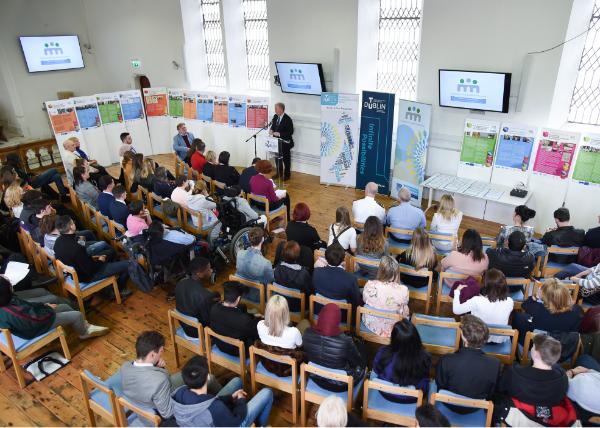
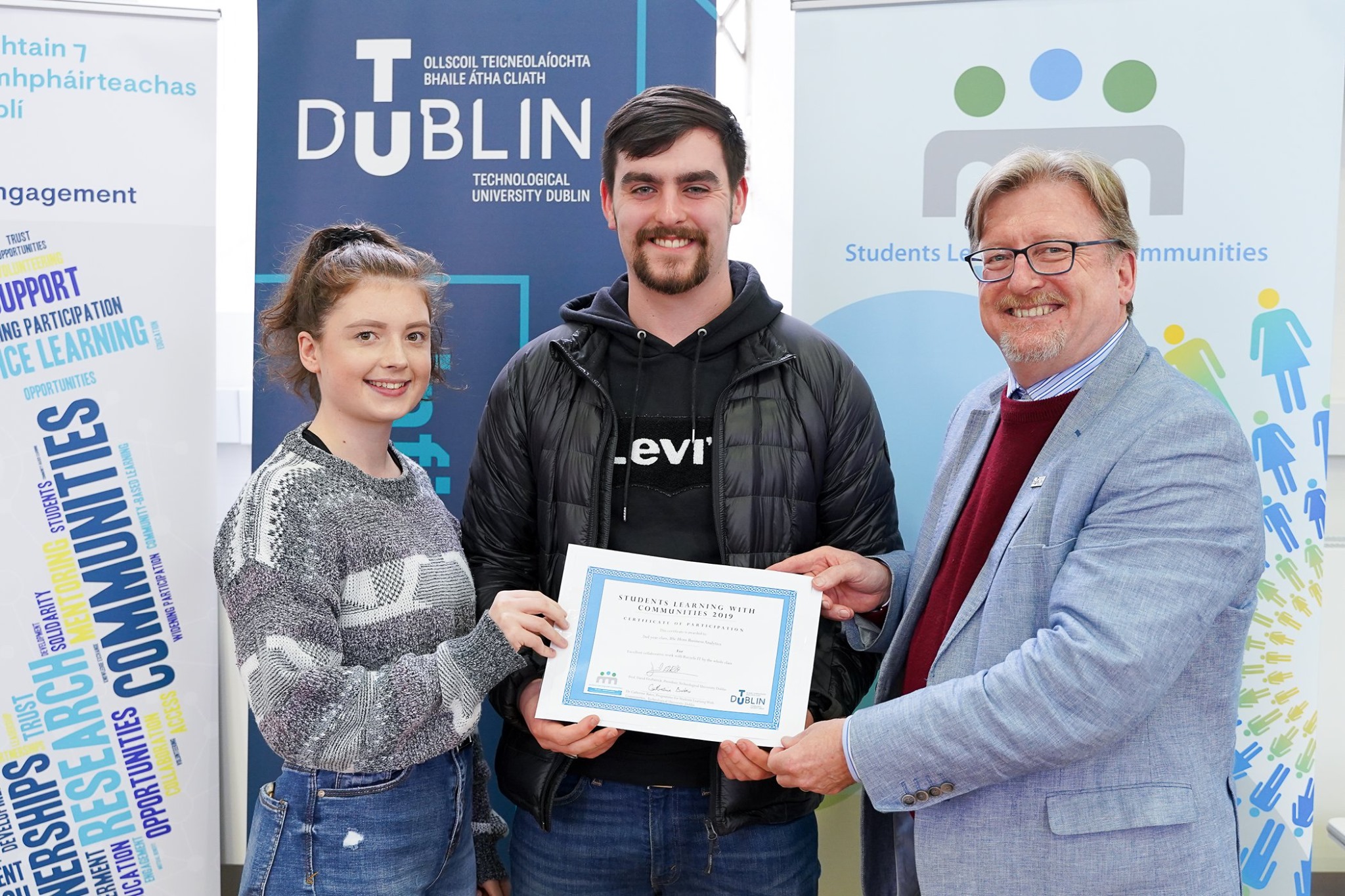
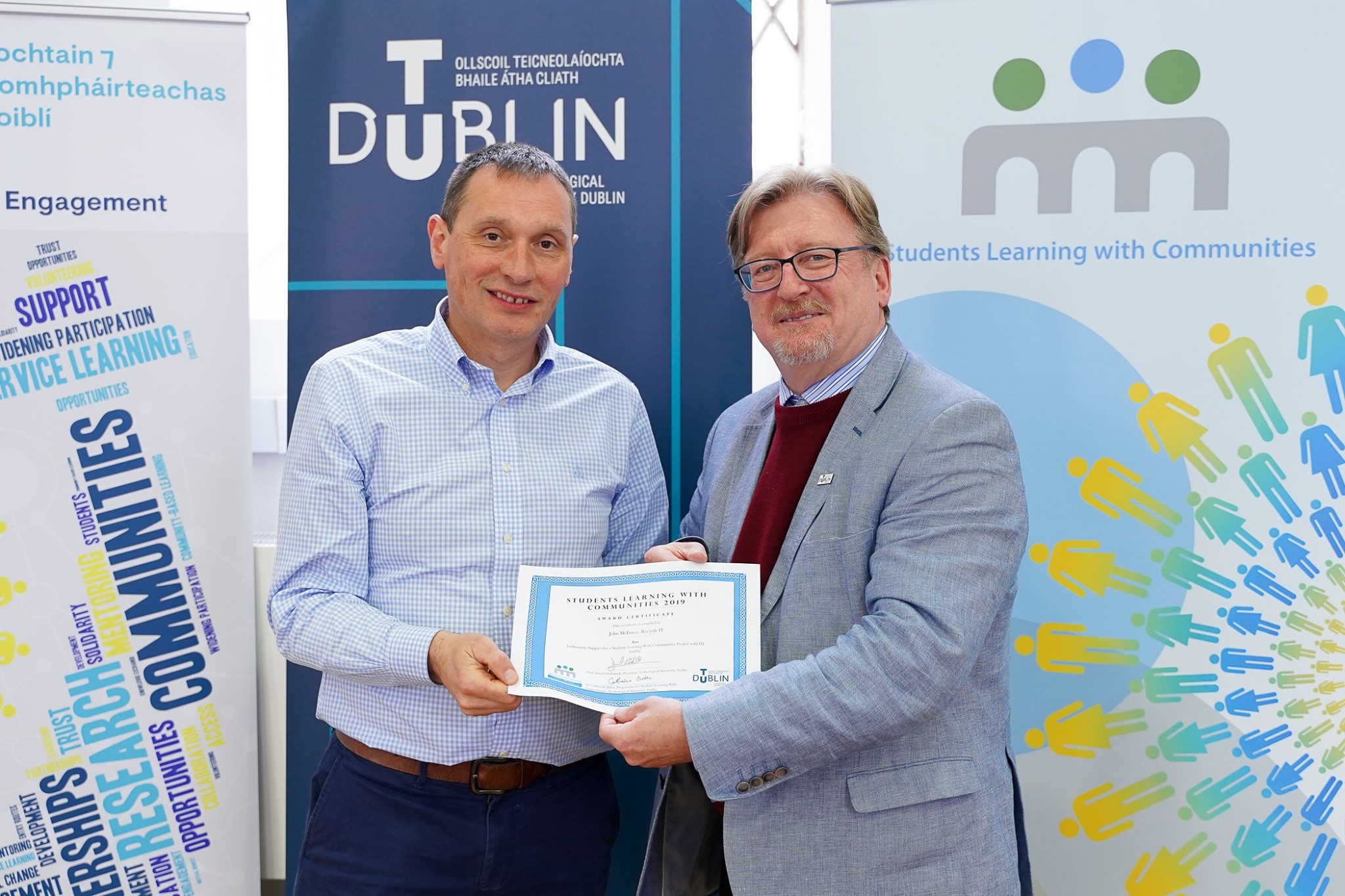
As a result of our engagement Recycle IT was invited to attend the annual TU Dublin City Campus, Students Learning With Communities Awards. The award event happened in St. Laurence’s Church, TU Grangegorman in Dublin 7 on May 7th, 2019 with student and community partner certificates presented by Prof Brian Norton, TU Dublin Principal of TU Dublin City Campus.

60270134_10216823720378144_6025424407130800128_o
Recycle IT – TU Dublin Community Partner

Recycle IT were delighted to be presented with a Learning With Communities Award following our engagement with a group of students from TU Dublin, City Campus, Aungier Street. The students studied Business Analytics and through the engagement,  shared their knowledge and learning with Recycle IT.

Based on our attendance and experience the awards really do celebrate the great work and joint effort of students, academic staff and community partners.

To learn more please click here

About Recycle IT

Recycle IT, are an award-winning Dublin based social enterprise offering electrical, electronic and metal recycling. Services are provided in partnership with WEEE Ireland. Recycle IT are supported by Pobal, the Dormant Accounts Fund, South Dublin County Council and authorized by the National Waste Collection Permit Office and the local authorities across Dublin, Kildare and Wicklow.

For further details about our free and cost-effective services call us on 01 4578321, email info@recycleit.ie or visit the Recycle IT website at www.recycleit.ie
Recycle IT
Recycle IT – Collecting all over Dublin