2023 Report – Social Enterprises in Ireland

The Report

The report “Social Enterprises in Ireland: A Baseline Data Collection Exercise” provides a comprehensive overview of the social enterprise sector in Ireland, including its size, economic impact, employment and volunteer participation, and governance structures.

The work was commissioned by the Department of Rural and Community Development (DRCD) and carried out by a consortium. Full details of the consortium can be found in the report.

Please read on to view some of the key findings of the report, download a copy and view a video of social enterprise at work!

Size and Distribution of Social Enterprises

  • There are an estimated 4,335 social enterprises operating in Ireland, with a wide range of activities, including social care, environmental sustainability, community development, and education.
  • Social enterprises are geographically dispersed throughout Ireland, with significant clusters in Dublin, Cork, and Galway.
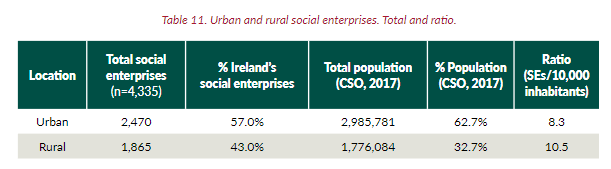
  • There are approximately 8.5 social enterprises per 10,000 inhabitants. 57% of social enterprises are in urban areas (8.3 per 10,000 inhabitants) while 43% are in rural areas (10.5 per 10,000 inhabitants).
Economic Impact

  • Social enterprises generate an estimated €2.34 billion in annual income, representing 0.63% of Ireland’s GDP.
  • Social enterprises employ 84,382 people, (including full-time, part-time employees and contractors). This represents 3.7% of the total Irish workforce.

Employment and Volunteer Participation

  • Social enterprises provide a significant source of employment for people with disabilities, migrants, and other marginalized groups.
  • An estimated 74,825 volunteers participate in the social enterprise sector, including 30,324 board members.
  • The age of the workforce is predominantly between 31 to 50. Women represent 69% of the workforce across the sector and 47% of the workforce is part-time.
  • Labour Market Programmes are an important feature of the sector with 60% of those with paid staff employing people this way.

Governance Structures

  • Social enterprises are governed by a variety of structures, including limited companies, charities, and community interest companies.
  • Social enterprises are increasingly adopting more formal governance structures, such as limited companies, in order to access new sources of funding and grow their businesses.

Challenges and Opportunities

  • Social enterprises face a number of challenges, including a lack of awareness and understanding of the sector, limited access to finance, and a shortage of skilled staff.
  • Social enterprises also represent a significant opportunity to address social and environmental challenges, promote social inclusion, and create sustainable employment opportunities.

The report concludes by outlining a number of recommendations for policymakers, funders, and support organizations to further develop and support the social enterprise sector in Ireland. These recommendations include:

  • Increasing awareness of the social enterprise sector
  • Providing more funding opportunities for social enterprises
  • Developing skills training and support for social enterprises
  • Strengthening the regulatory framework for social enterprises

Overall, the report provides a valuable resource for understanding the social enterprise sector in Ireland and its potential to contribute to a more socially and economically sustainable society.

To access the full report please click here.

About Recycle IT

Recycle IT is a not-for-profit social enterprise providing collection and drop-off services for all types of waste electrical and electronic equipment (WEEE). Yearly Recycle IT offered to drop-off and collection services to thousands of homes and organizations across Dublin and surrounding areas collecting a range of WEEE which includes thousands of computers, televisions, toasters, cables, lawnmowers, monitors, microwaves and kettles.

Recycle IT services are provided in partnership with WEEE Ireland. Recycle IT is supported by South Dublin County Council and authorized by the National Waste Collection Permit Office and the local authorities across Leinster. Recycle IT receive funding thorough the Community Services Programme (CSP) operated by Pobal on behalf of the Department of Rural and Community Development (DRCD)

Watch the video below to learn more.

Video – Pobal and Recycle IT

Visit our website for further details.

National Social Enterprise Conference 2023

5th Annual National Social Enterprise Conference

The Department of Rural and Community Development is delighted to invite you to the 5th Annual National Social Enterprise Conference which will take place on International Social Enterprise Day, Thursday, 16th November, 2023.

This event will be held in the Shearwater Hotel, Ballinasloe. Co. Galway from 9.30am. The conference will also be virtually live-streamed if you can’t be in Ballinasloe on the day.

Event Header

About the day?

Ireland’s National Social Enterprise Policy wisely includes a commitment to hold an annual Social Enterprise Conference as part of its objective to build awareness of Social Enterprise and the services offered to communities across our country. The Conference aims to provide networking opportunities, disseminate information, share experience and inform policy implementation.

What to expect?

  • Key policy updates from the Department of Rural and Community Development including planning for the next Social Enterprise Policy 2024-2027.
  • Panel discussions on trading income, philanthropy, technology, governance and climate action.
  • Networking opportunities with social enterprise practitioners and support organisations.

Just a reminder?

The definition of social enterprise is evolving nationally and internationally and is likely to continue to do so as social enterprises themselves adapt to new societal challenges.

Definition of Social Enterprise – National Social Enterprise Policy for Ireland 2019-2022

The definition will also evolve as national and local governments and wider society understand more fully the nature of social enterprise and their contribution to social and economic development.

How to attend?

Those wishing to attend the event in Ballinasloe are invited to confirm your attendance – either in-person or via live stream – before 30th October at 12pm. Please click here to do so.

The Speakers

Click here to get to know the speakers and panelist for the conference. You can also get an insight into the breakout sessions which you might like to attend on the day.

About Recycle IT

Recycle IT is an award-winning, not-for-profit, social enterprise established to create training, and employment and promote environmental awareness through recycling and reuse. We work in partnership with WEEE Ireland and have been authorized by your local authority to provide electrical, electronic and pure metal recycling collections across Dublin since 2007. Recycle IT is fully compliant with WEEE Recycling Requirements and permit details are available here.

For more information about Recycle IT please click here.

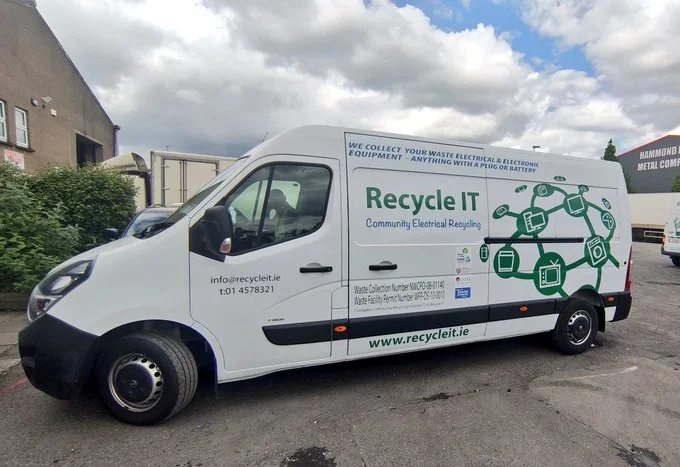
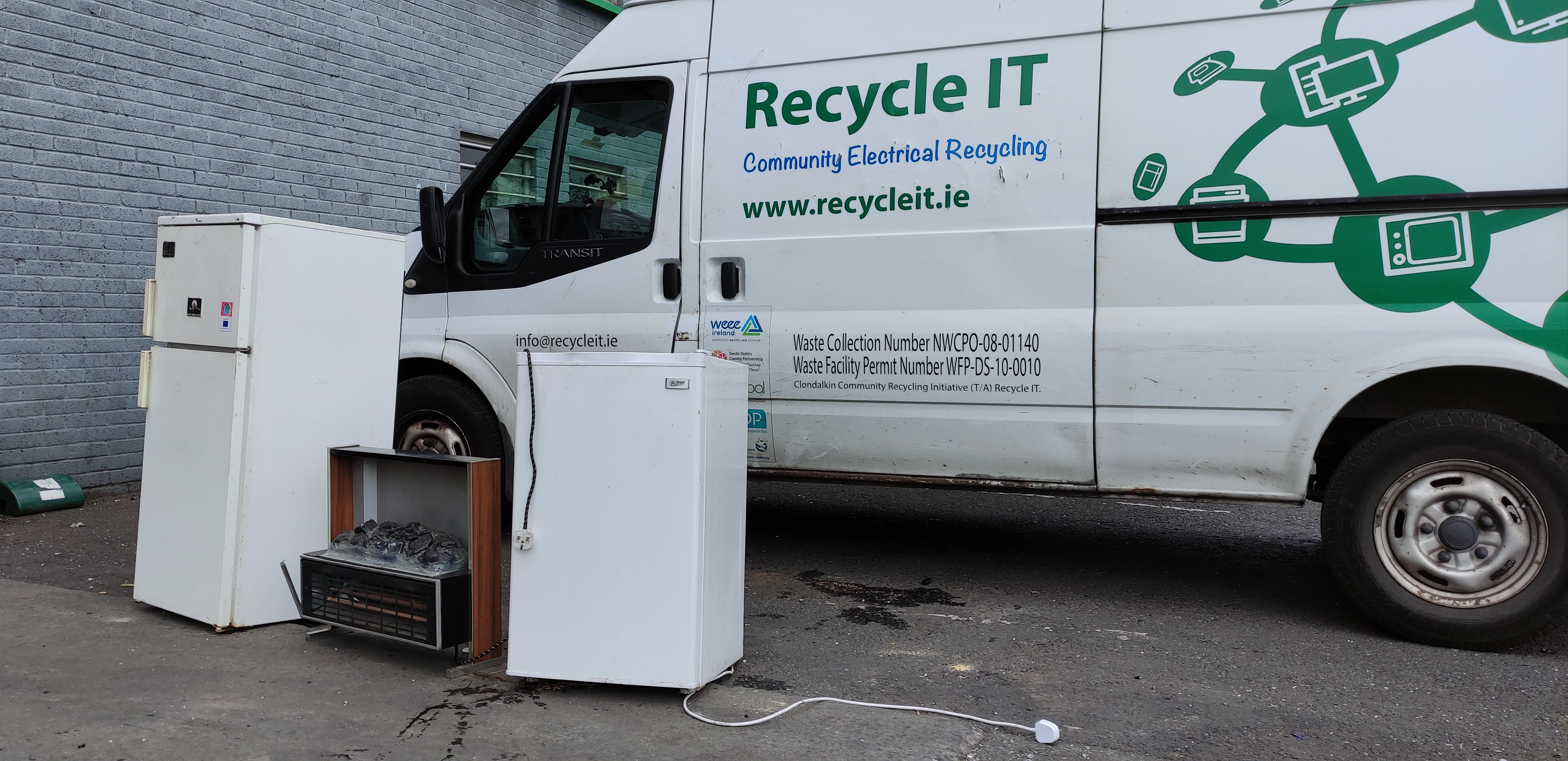
Recycle IT Collection Van

Is Ireland Winning the WEEE Battle?

Report for 2020

The Irish Environmental Protection Agency (EPA) recently published its annual Waste Electrical and Electronic Equipment (WEEE) Statistics Report for 2020.

We are delighted to share the news that a record 64,856 tonnes of waste electrical and electronic equipment were collected in Ireland for processing.

Mixed Household Electrical Equipment

This is the highest quantity ever recorded in Ireland. However, for the second year, we did not meet the waste electrical and electronic equipment collection target of 65%. We achieved a 60% collection rate, slightly reduced from the 61% recorded for 2019.

Recycling Trends

The trends identified by the Irish Environmental Protection Agency are listed below.

  • Ireland collected a record 64,856 tonnes of WEEE for treatment.
  • Ireland achieved a WEEE collection rate of 60% in 2020 as efforts to increase collection were outpaced by the growth in Electrical and Electronic Equipment placed on the market.
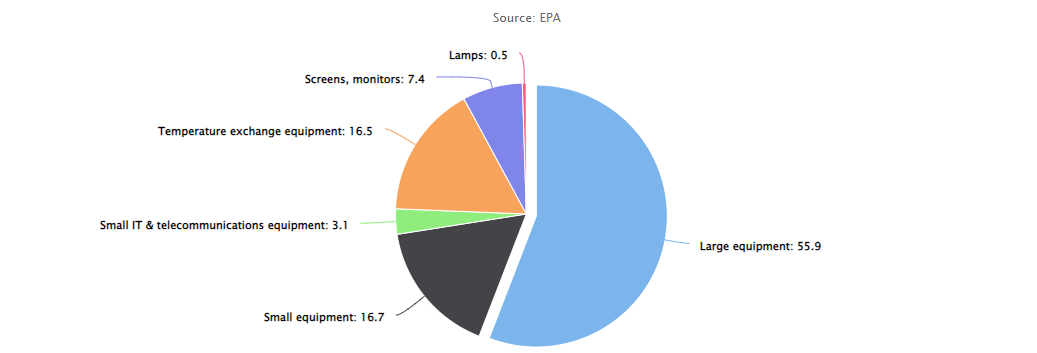
  • Large household equipment accounted for 56% (by weight). This includes washing machines, tumble dryers, cookers, ovens etc. ‘
  • Small electrical equipment accounts for 17% (by weight) of electrical items collected. This includes coffee machines, food processors, radios, kettles, toasters and similar items.
  • Fridges and freezers accounted for 16% (by weight).
Percentage Breakdown of WEEE collected in 2020 by Weight

Buying and Recycling

Generally, the purchase and usage of electronic goods are closely linked to people’s economic wealth. This is reflected in the WEEE data for Ireland for 2008-2020 shown in Figure 2.

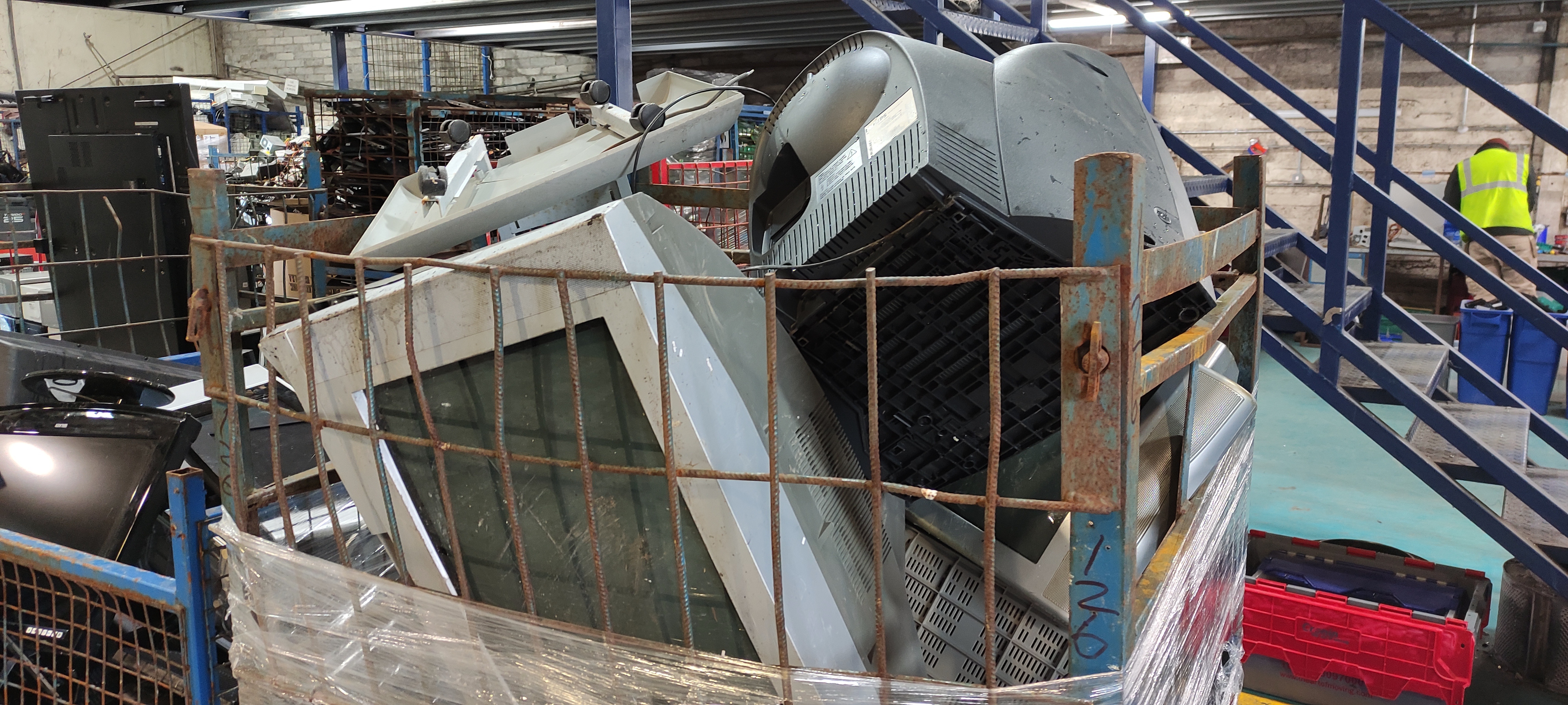
Screens and Monitors

It is evident that the economic recession between 2008 and 2011 led to a decrease in the quantity of WEEE collected and recovered, as Irish householders and businesses did not replace electrical and electronic equipment as frequently during this period.

The growth in the Irish economy since 2012 has led to large rises in electrical equipment collected and recovered, which reached record highs in 2020.

This rise matches the reported increases in retail sales of electrical goods in 2020. The trend is likely attributable to changes brought about by the Covid-19 pandemic such as the widespread shift to remote working and a surge in household clear-outs.

Based on data provided by the Producer Register Limited, Ireland’s national register of electrical and electronic equipment (EEE), there was an increase of 11% in overall EEE placed on the market in Ireland in 2020 compared with 2019, while there were considerably larger increases in quantities of ‘small IT and communications equipment, screens and monitors’ which rose by 32% and 31% respectively

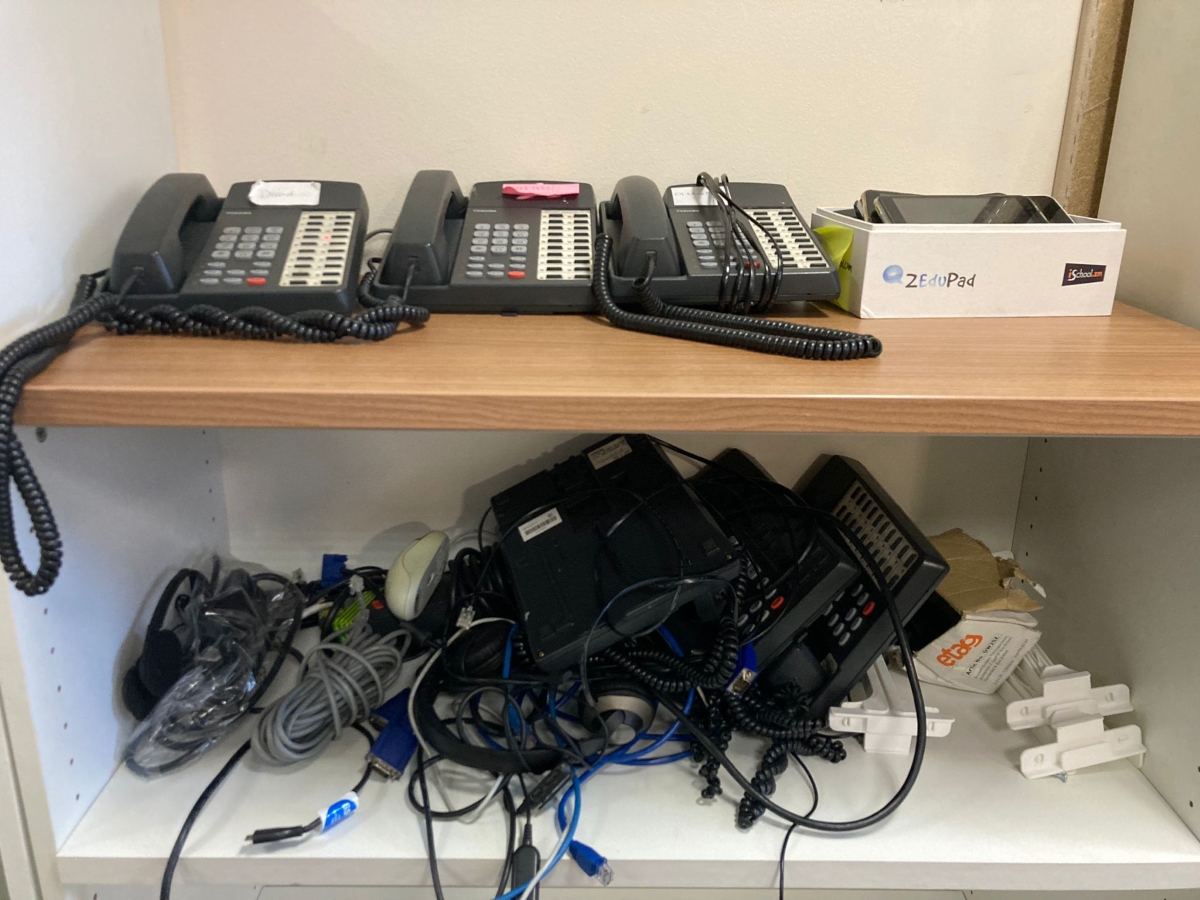
Communication Equipment

European Reporting

As part of annual reporting under the EU WEEE Directive, the EPA compiles statistics on WEEE collection and treatment in Ireland. The data are required to be submitted to Eurostat, the statistical office of the European Union, by 30th June of the reference year +2 (i.e. 2020 data were collected and processed in 2021 and reported in 2022). Following validation of the data by Eurostat, official statistics for all Member States are published on the Eurostat website as part of the following dataset here.

About Recycle IT

Recycle IT, is an award-winning Dublin-based, not-for-profit, social enterprise offering electrical, electronic and metal recycling. Services are provided in partnership with WEEE Ireland. Recycle IT is supported by Pobal, the Dormant Accounts Fund, and South Dublin County Council. Recycle IT is authorised by the National Waste Collection Permit Office and the local authorities across Leinster.

For further details about our free and cost-effective services call us on 01 4578321, email info@recycleit.ie or visit the Recycle IT website at www.recycleit.ie

Electrical items collection for recycling

Climate Change – What to do?

Learn what you can do!

Recycling allows materials to be reused, re-purposed or recycled again and again.  This helps in conserving wildlife habitats, avoids further pollution and saves energy. Recycling safely alongside other small simple changes in your life can really make a difference to climate change.

Waste sent to landfill sites costs Irish taxpayers millions of euros every year, much of which could be saved by recovery, reuse or recycling. Waste produces emissions of methane, a powerful greenhouse gas contributing to climate change and after a number of years with severe weather events we can all see the effects of the climate change first hand.

Climate Change is Here

Meeting emissions target is going to be very tough for Ireland. In 2012 the EPA estimated Ireland will exceed its allocated limit by 2017.

Ireland’s apparent inability to meet its obligations for emissions reduction is due to our transport and agriculture sectors but immediate help is available by simply taking one less trip, using a bike, going for a walk locally and by reducing reusing and recycling items around your house, school, warehouse, store or office.

The United Nations reported less than 20% of e-waste (electric or electronic waste) is formally recycled, with 80% either ending up in landfill or being informally recycled – much of it by hand in developing countries, exposing workers to hazardous and carcinogenic substances such as mercury, lead and cadmium. E-waste in landfill contaminates soil and groundwater, putting food supply systems and water sources at risk.

These type of activities and the negative effects are not unique to developing countries and can happen in Ireland if your items are disposed off incorrectly. Sometimes free “junk” collectors can be too good to be real!

Routes to ease Climate Change in 21

Below you will find 12 tips to help reduce the impacts of climate change, tips such as:

1: Switch to a renewable energy supplier in 2021.

2: Replace old kitchen appliances with energy efficient electrical appliances and recycle safely.

3: Use cleaner, greener light bulbs.

4: Unplug devices for climate, safety and money reasons.

5: Think about the way you travel and how often.

6: Insulate your home.

7: Plant a tree or two.

8: Grow your own fruit and veg.

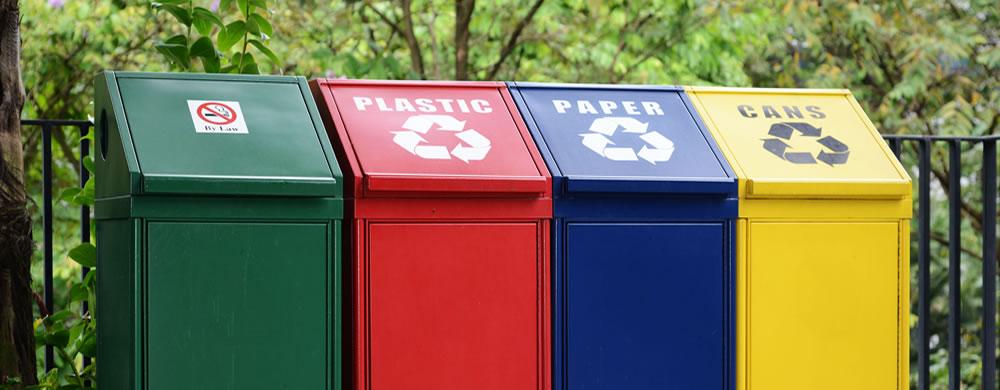
9: Separate household waste.

10: Make and use your own compost bin.

11: Holiday in Ireland.

12: Cycle and include the family.

13: Recycle old paint cans at a recycling centre.

14: Don’t fill the kettle to make a cup of coffee or tea.

Recycling WEEE (Waste Electrical and Electronic Equipment).

If your in Ireland and have electrical, electronic, battery or lighting waste, you can Recycle IT free at authorised collection points. Use the interactive map to find your nearest local recycling centre, public collection day, electrical retailer and bulb exchange store. Even waste portable batteries can be recycled at your local newsagent.

In Dublin, the local authorities in South Dublin, Dublin City and Dún Laoghaire-Rathdown work with Recycle IT to help offer residents collections for electrical and electronic waste as well as pure metal items. This annual service offered across suburbs in Dublin and helps householders dispose of large and small electrical appliances, IT equipment, small house gadgets and powered toys.

Recycle IT help thousands of householders and apartment dwellers yearly with their electrical recycling by providing an authorized, awarding winning, free or cost effective WEEE recycling collections.

The collections are held on week days with residents associations leading the way. Your local residents groups after making arrangements will notified you of your collection day with a flyer delivered to your property or by a text / whatsapp message up to 3 to 4 days before the collection happens in your estate.

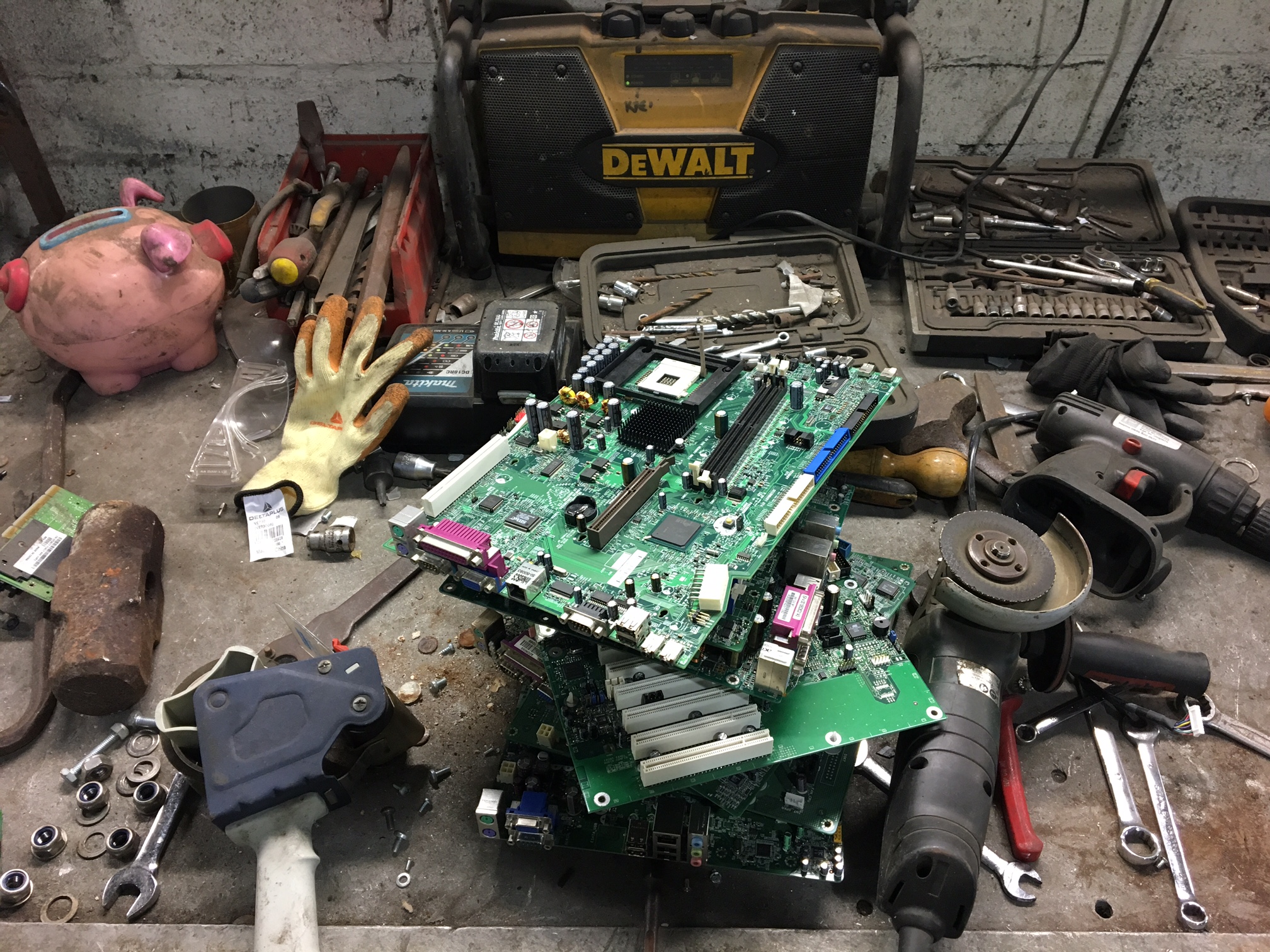
E-Waste System Boards from Computers
Waste – Damaged and Broken Equipment

What’s accepted

Recycle IT accept old, damaged or unused electrical, electronic or pure metal items and all can be collected at the same time using our pre booked residents collection events or via personal recycling collections. Bikes, cookers, ovens, computers, phones, cables, exercise equipment, tools etc. Click here for full PDF lists

Just ask you local residents group to contact us and we can arrange a free collection from the homes in your estate or area. These collections are operated in association with WEEE Ireland.

Some guidelines

When putting items out for collection remember:

  • Keep the old items tidy, inside you garden, or on the kerb so the footpath or roadway is kept clear
  • If you think an unofficial collection are taking place, call us and we will arrange a collection from your door
  • Move items to the ground floor to allow for speedy collection
  • Let us know if items cannot be easily and safely lifted by two people.
  • Notify us advance if you have a request.
  • Do not leave sharp or dangerous objects with your electrical or pure metal items
  • Items should be secured if severe weather is expected
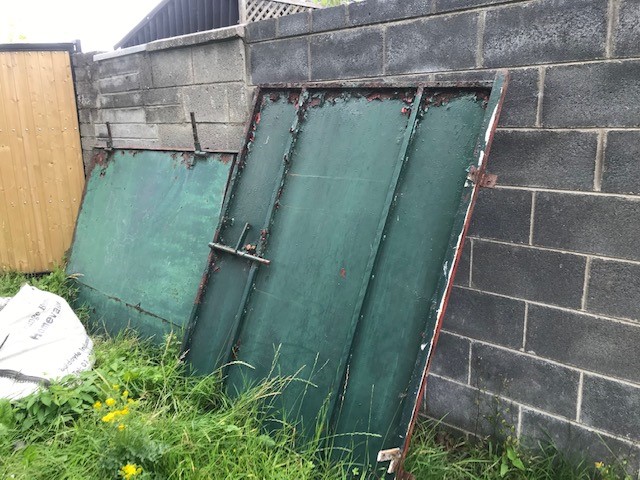
Old Metal Gates

What next?

Recycle IT are asking resident groups or tidy town groups to contact us in New Year. Give us a call on 01 4578321 to help declutter homes safely and reduce environment harm simply by recycling in an authorised way.

In the Interest of health safely and wellbeing please note – All items need to be accessible, disconnected and ready for collection. We will be following social distancing guidelines. We are happy to collect the item/s from a drive or garden / outside area / accessible & clear external location. Please remain mindful of social distancing and hand hygiene guidelines when recycling.

About Recycle IT 

Recycle IT, is a social enterprise offering electrical, electronic and metal recycling services through drop off and collection. Services are provided in partnership with WEEE Ireland and South Dublin County Council. Recycle IT are supported by Pobal and Dormant Accounts and authorized by the National Waste Collection Permit Office and the local authorities across Leinster.

To find out about other items which might be suitable for reuse, repurposing or recycling please click here.

For more information on Recycle IT please call 01 4578321, email info@recycleit.ie or visit our website www.recycleit.ie

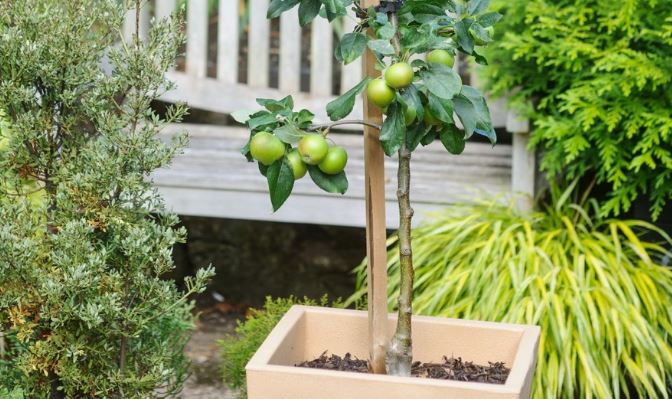
Growing a tree in a pot

Sharing the Question of Plastic Recycling

Overview

For over 50 years, global production and consumption of plastics have continued to rise. An estimated 299 million tons of plastics were produced in 2013, representing a 4% increase over 2012, and confirming and upward trend over the past years. (Source: Worldwatch Institute – January 2015)

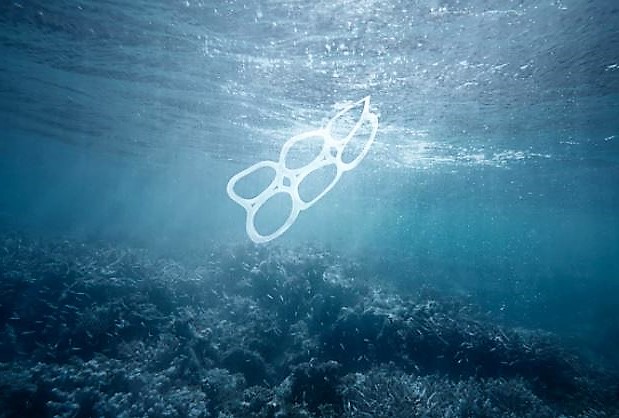
Greenpeace says that “right now an estimated 12.7 million tonnes of plastic, everything from plastic bottles and bags to microbeads – end up in our oceans each year. That’s a truckload of rubbish a minute”

Ocean Waste - Recycle IT
Ocean Waste – Recycle IT

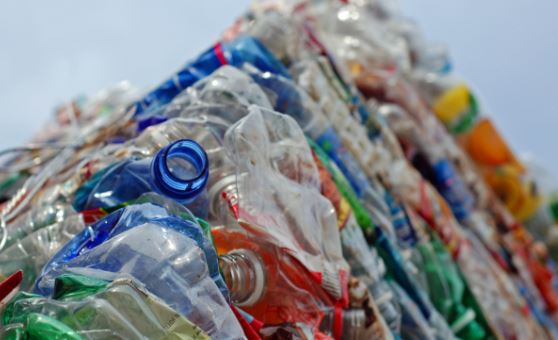
Most plastics used daily have a very low economic reuse value. Think about bread wrapping or banana bags. Another fact is plastics wrappers can contain numerous materials which are hard to separate. Examples include sweet wrappers, take-away food containers, coffee cups, coffee capsules and plastic/foil-lined cartons for soup and milk. Are investments in recycling solutions for these materials profitable? If not, how can this change to benefit the world?

What we do today?

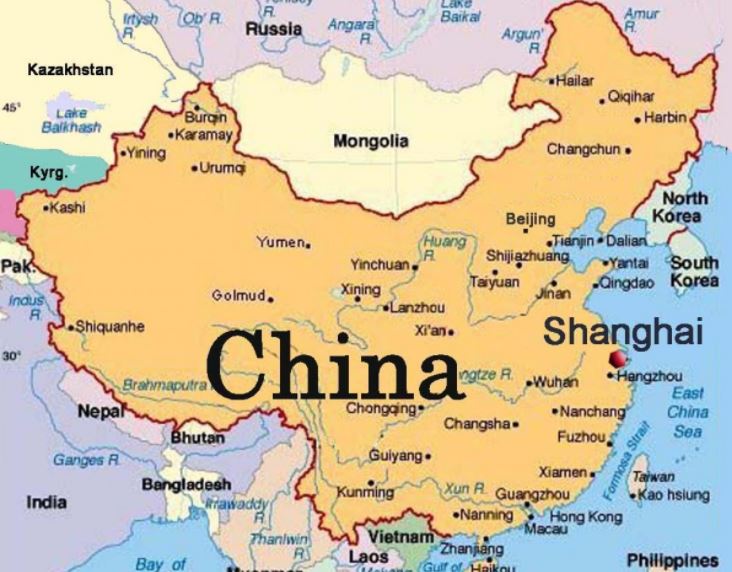
Since the 1980s China has become the world’s largest importer of waste. In 2012, up to 56% of global exported plastic waste ended up in China. Imported plastic waste alone reached a peak of almost 9 million tonnes in 2012 (Source: Greenpeace)

China offered advanced notification to the World Trade Organization (WTO) of its plan to ban the importation of 24 types of waste, including plastics for recycling, waste textile materials and all unsorted mixed waste paper, the sort of paper that accumulates in household bins. It also says cardboard for recycling must be “cleaner” and free of contaminants such as gravel, dust and stones.

According to Industry Week, the biggest quantity of waste comes from the US followed by Europe, Hong Kong, Japan and Southeast Asia all of whom export large amounts of recyclables.

Map of China - Recycle IT
Map of China – Recycle IT

Change now!

On January 11th, 2018 China’s Ministry of Environmental Protection (MEP) finalized a quality standard of 0.5% for certain imported recyclables. (Source; recycling today)

According to various government and trade organisations located across the globe, this action fails to properly consider the negative effects on global recycling efforts, but in our view, we must recognize this change as an opportunity for governments and communities to take responsibility and well as action locally for waste and its possible reuse.

A recent report in the Irish Times suggests Ireland, which has little capacity to recycle plastic has been trying to locate newer recycling markets, but could we do more at home to reduce, reuse and recycle.

Greenpeace urges industries and corporations that manufacture and market plastics and other disposable products to take responsibility for their products through their entire life-cycle, take responsibility for the environmental costs and invest in transformative solutions and alternatives to put an end to the current unmanageable levels of waste produced every year.

Plastic - Recycle IT
Plastic – Recycle IT

What we say

Recycle IT don’t directly offer a plastic recycling service but like lots of organisations and homes, we do accumulate plastic as part of our operations. We would love to see better plastic recycling routes and well as a reduction in overall packaging.

In our opinion, all stakeholders need to come together for the common good and find a range of solutions which meet the needs of different countries, markets and communities. Researching local needs, planning and infrastructure can help all stakeholders handle the plastic waste stream, hopefully with positive outcomes for the environment which we all share.

Recent Progress

The first-ever Europe-wide strategy on plastics was adopted on January 16th 2018. It is a part of the transition towards a more circular economy. It aims to protect the environment from plastic pollution whilst fostering growth and innovation, turning a plastics challenge into a positive for the Future of Europe.

Under the new plans, all plastic packaging on the EU market will be recyclable by 2030, the consumption of single-use plastics will be reduced and the intentional use of microplastics will be restricted.

For further information on recycling packaging includng plastic packaging in Ireland you can call Repak on 01 467 0190 or visit http://www.repak.ie.

About Recycle IT

Recycle IT is an award-winning not for profit social enterprise providing a collection and drop off service for all types of waste electrical, electronic and metal items. During the last 18 months Recycle IT offer drop off and collection services to 140,000 homes and organisations in Dublin and surrounding areas collecting a range of WEEE which includes thousands of dishwashers, computers, cables, monitors, microwaves, TVs and metal items.

Our electrical community collection service is provided in partnership with WEEE Ireland. Recycle IT are supported by Pobal, South Dublin County Council and authorized by the National Waste Collection Permit Office and the local authorities across Dublin, Kildare and Wicklow.

Call us on 01 4578321 or email us at here

Visit our website www.recycleit.ie

IMG_0453 (2)
Recycle IT – Repak Award Winner 2019 – WEEE Champion