21 Recycling Facts – Do more in Spring!

Every year in Ireland, we support events such as Spring Clean Month, Recycling Week, and Reuse Month. These events help people understand why it is important to recover, reuse, and recycle waste. They give you, your children, family, friends, and coworkers a chance to learn more and take action together in your community to reduce waste.

Recycling helps bring positive change. It encourages people in communities to work together and make a real difference. Recycling is good for the environment, supports community volunteering, and also creates jobs in cities, towns, and villages across Ireland. The more people reuse and recycle, the more benefits everyone gains.

When recyclable items are collected carefully, some of them can be repaired and reused. Others can be taken apart and used as materials to make new products. This process helps create jobs, supports businesses, and strengthens the local economy.
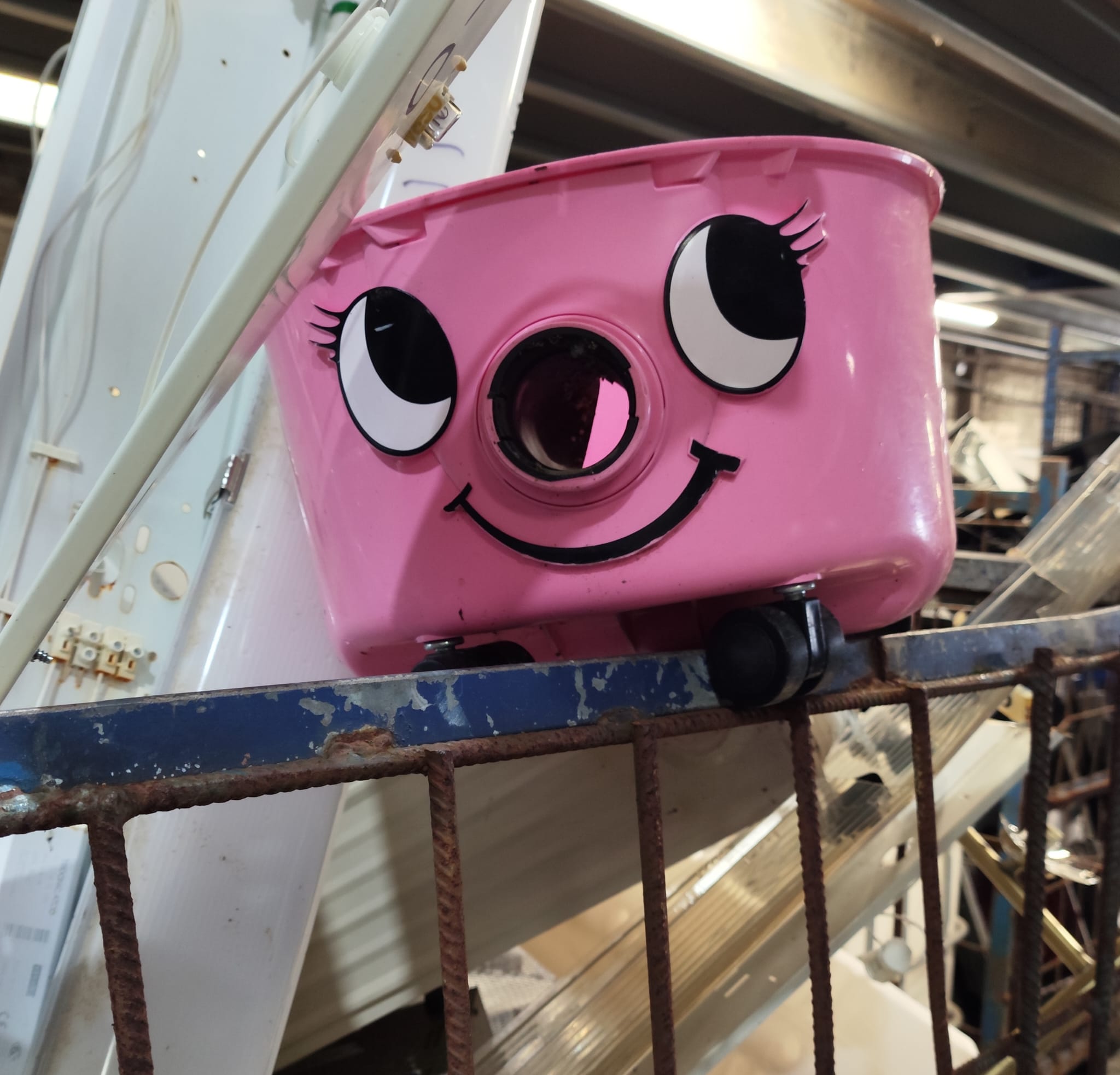
Recycling Plastic Parts Safely

Ireland is expected to miss its EU recycling targets for 2025. According to the Environmental Protection Agency (EPA), the country is currently recycling about 42% of municipal waste, which is well below the EU target of 55%.

Recycling rates for packaging are also below the required levels. In 2023, Ireland recycled 59% of packaging waste, while the EU target is 65%. Plastic packaging recycling is even lower, at 30%, compared with the 50% target set by the EU.

Key points about Ireland’s recycling performance include:

  • Municipal waste recycling: Around 42%, which is far below the 55% EU target.
  • Packaging recycling: 59%, compared with the 65% target.
  • Plastic packaging recycling: 30%, well short of the 50% target.

There has been some progress. Ireland introduced the Deposit Return Scheme in 2024, which has helped increase the collection of drink containers such as bottles and cans. Early results show return rates of around 76%, bringing Ireland close to the EU target of 77% for PET bottles.
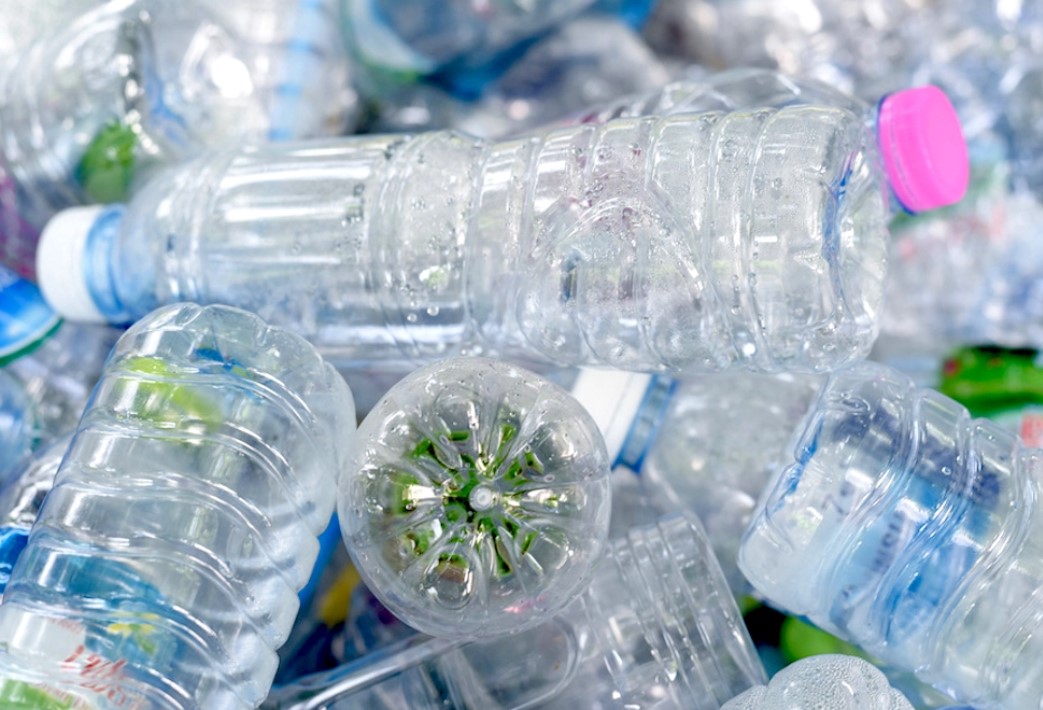
Plastic Bottles

However, overall recycling levels have not improved significantly in recent years, while the total amount of waste being produced continues to rise.

The EPA estimates that Ireland needs to recycle about 400,000 more tonnes of waste every year to meet EU recycling targets.

Most of these figures are based on 2023 waste data published in 2025, as the full data for 2025 has not yet been finalized.

Electronic and Electrical Recycling

When you think of electronic or electrical waste equipment (WEEE) or e-waste, do you think of items like computers, radios, light bulbs, zip disks, and tapes drives, clock alarms or wall clocks, even cameras, it’s really any items with computerized parts.

These items and similar are adding to an ever-increasing e-waste mountain and the pile usually starts building in people’s homes. We know electrical or electronic items are not recycled as easily or as frequently as other recyclable materials such as paper, glass or plastics. Some of the items are very large and hard to recycle, others are small and have a personal or perceived value so people don’t want to let them go!
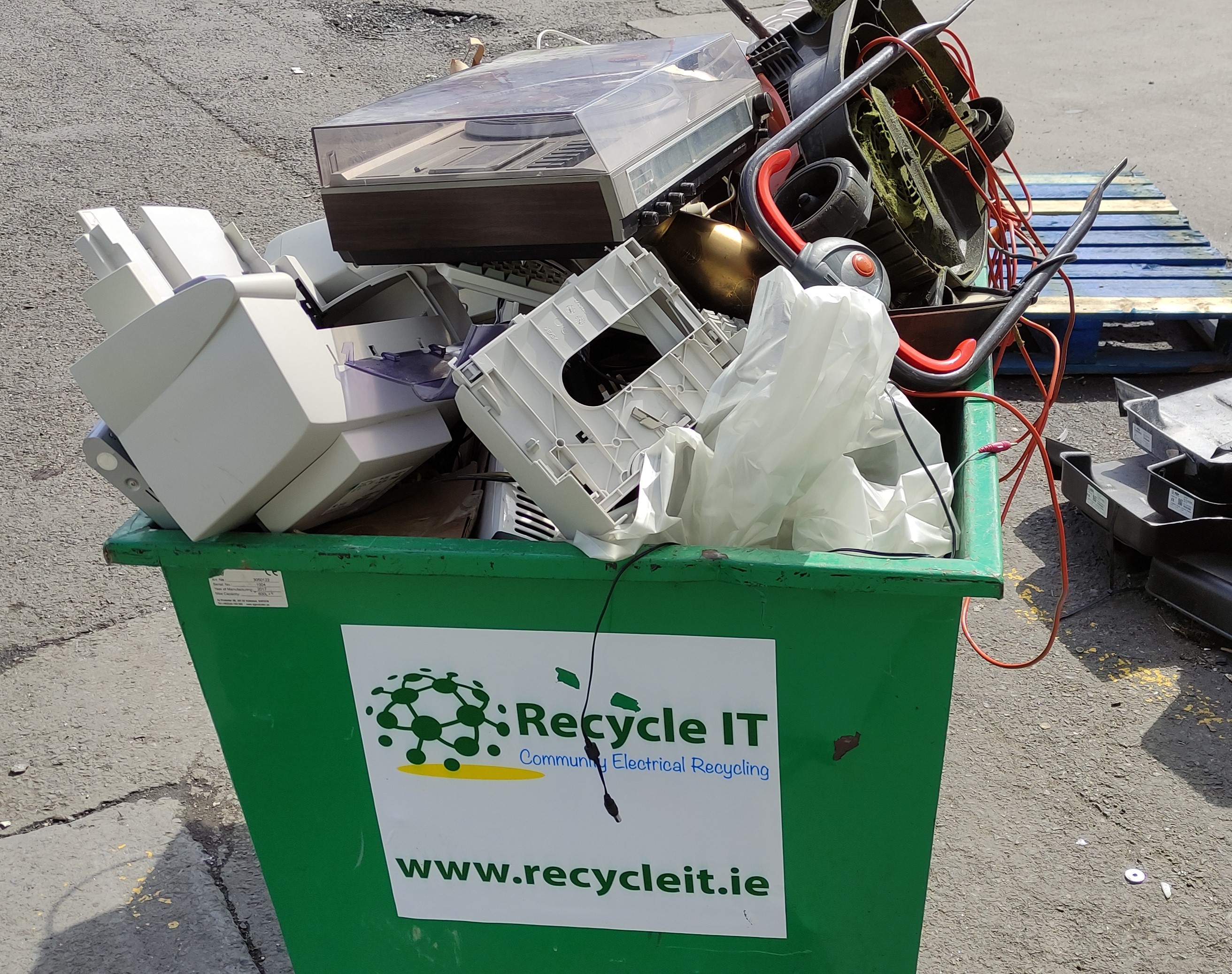
Recycle IT Free Drop Off
  1. Most laptop owners replace their device after about three years, while many mobile phones are replaced every two years or even sooner. This creates a lot of electronic waste that needs recycling.
  2. Around 91% of households in Ireland had a computer with internet access in 2019, showing how common digital devices are in everyday life. (Source: Statista Research Department)
  3. Today, about 90% of people in Ireland have access to a smartphone, making it one of the most widely used electronic devices. (Source: Ipsos MORI)
  4. Smartphone ownership in Ireland is near-universal, with approximately 93% – 95% of mobile phone users owning a smartphone., and many checked their phone over 50 times a day and up to 200 times.
  5. A record 62 million tonnes (Mt) of e-waste was produced in 2022, Up 82% from 2010; This is on track to rise another 32%, to 82 million tonnes, in 2030;
  6. Recycling electrical and electronic equipment allows valuable materials to be recovered and reused, helping to support new jobs and industries.
  7. Recycling one million laptops saves enough energy to power about 3,657 homes for an entire year. (Source: How to Save Your Planet One Object at a Time)
  8. Electronic waste can contain more than 1,000 different components, many of which include toxic materials such as lead, mercury, and cadmium.
  9. Devices such as computers and televisions often contain small amounts of gold, but it can also be found in mobile phones, game consoles, camcorders, and media players.
  10. According to the US Environmental Protection Agency, a single computer can contain about 3.6 kg of lead, which is a toxic metal.
  11. A global survey by Nokia found that 74% of people do not think about recycling their old mobile phones, even though 72% believe recycling helps the environment. Only about 12.7% to 15% of smartphones are actually recycled globally, despite up to 80% of a phone’s materials being recyclable.
  12. Large household appliances, such as washing machines and refrigerators, made up 48% of all waste electrical items collected in Ireland in 2019. (Source: WEEE Ireland)
  13. Devices like computers, laptops, and tablets are difficult to recycle mechanically because they contain many mixed materials and complex components that must be carefully taken apart. (Recycle IT)
  14. WEEE Ireland collected 38,215 tonnes of e-waste in 2024, achieving a 9.5kg per capita recycling rate and exceeding EU targets with a 96% material recovery rate. . (Source: WEEE Ireland)
  15. Irish households disposed of 3.2 million lamps and lightbulbs, 195,000 televisions and monitors, and 13 million small appliances in one year. (Source: WEEE Ireland)
  16. Many electronic devices contain valuable metals such as copper, silver, and gold, which can be recovered through recycling.
  17. Recycling e-waste helps reduce the need for mining new raw materials, which protects natural resources.
  18. When electronic devices are thrown away instead of recycled, hazardous chemicals can leak into soil and water.
  19. Proper e-waste recycling ensures that dangerous materials are safely handled and removed.
  20. Reusing or repairing electronics can extend the life of devices and reduce waste.
  21. Recycling electronics supports the circular economy, where materials are reused instead of thrown away.
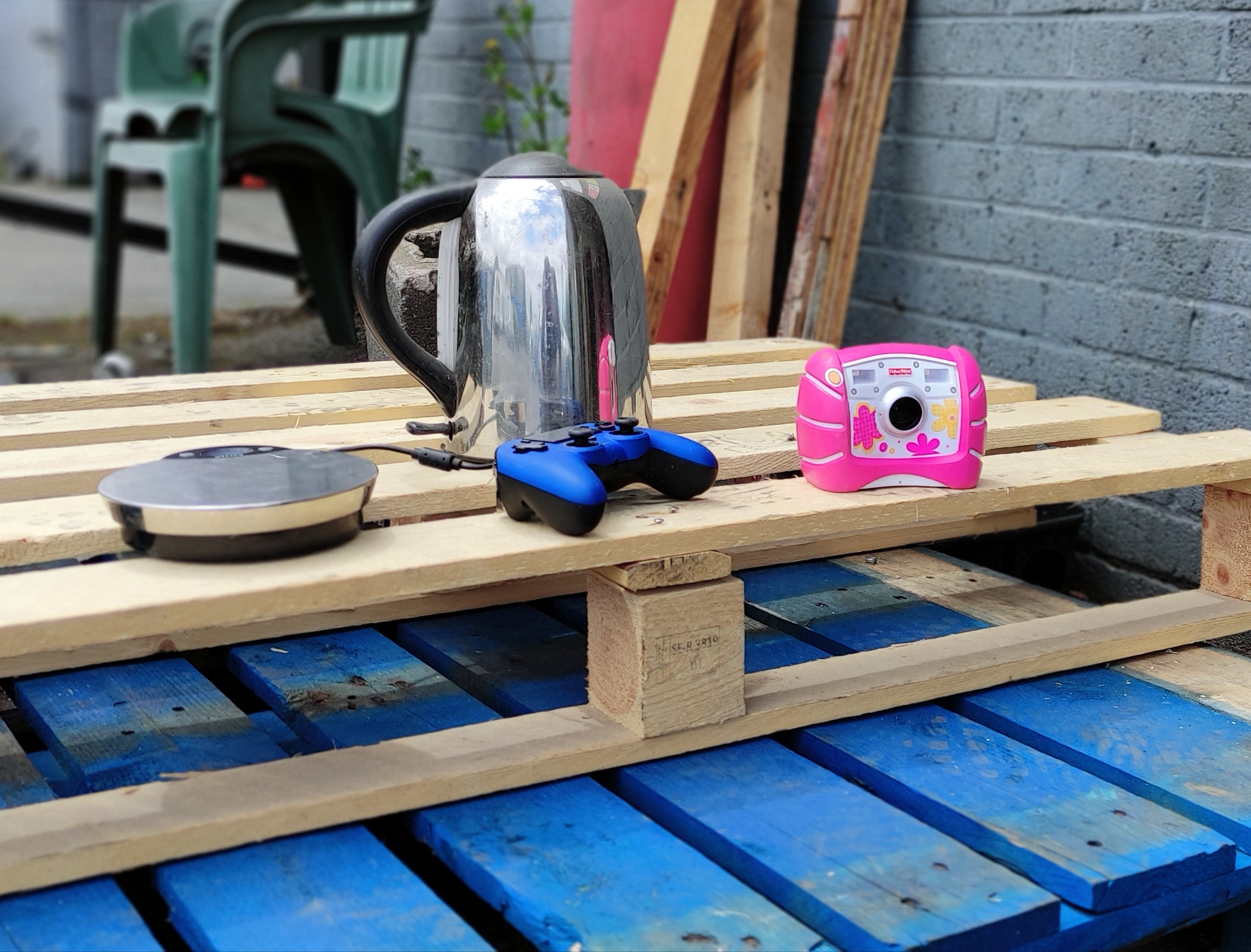
Mixed Small Electricals

There are many ways that recycling helps our environment. Why not try to remember and introduce these 5 points.

  • A reduction in landfill and industrial waste by reuse or recycling.
  • Reduced energy usage by reuse or recycling.
  • Less pollution through reuse or recycling.
  • Increased employment by reuse or recycling.
  • Sustainable usage of natural resources by reuse and recycling.

When Irish people wish to make a point, they usually do it well. This needs to be the case with reduce, reuse and recycling

By recycling, your positive actions make you part of the solution rather than part of a global problem. As local communities we must plan and first take steps to reduce the amount of waste and including e-waste that is clogging up our lives .

Making sure that recyclable items such as computers don’t end up in the wrong bin, landfills or illegally dumped is an important step toward green living and environmental conservation for future generation.

Recycle IT is an award-winning, not-for-profit social enterprise established to create employment and promote environmental awareness through recycling and reuse. We work in partnership with WEEE Ireland and are authorized by your local authority to provide electrical, electronic and pure metal recycling collections across Dublin since 2007. Recycle IT are fully compliant for WEEE Recycling with permit details available here.
Dublin City Social Enterprise Awards 2024

Social Enterprise Awards

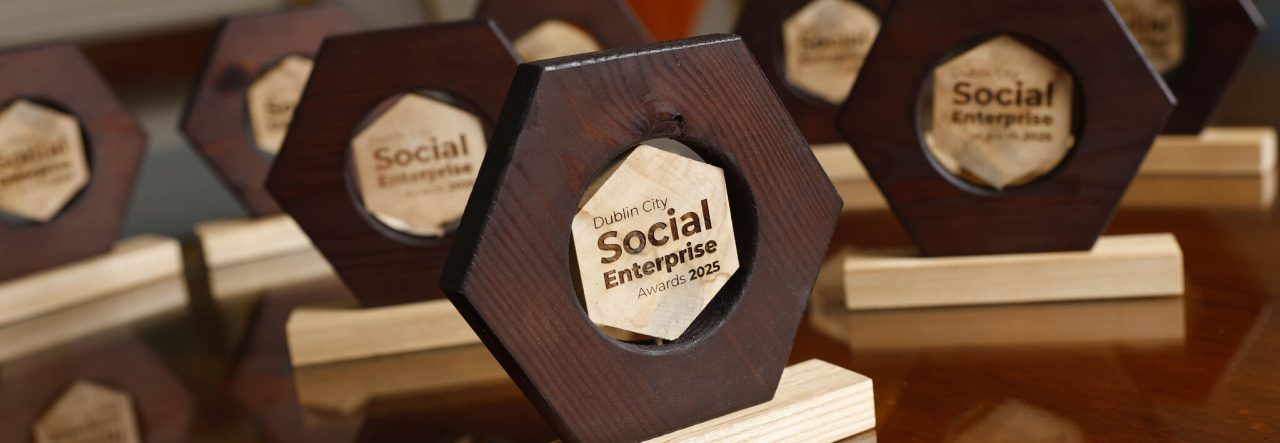
The Dublin City Social Enterprise Awards aim to support social enterprise startup and development in Dublin City. They are like a big celebration for social businesses that try to make the world a better place. These businesses aren’t just focused on making money to move forward; they also want to help people, our communities, and/or the environment.

Dublin City Social Enterprise Awards Logo

Imagine a competition where companies from Dublin show off their amazing ideas and projects that help the community or solve important problems. These could be things like creating jobs for people who might struggle to find work, activities to support young people or coming up with eco-friendly products that reduce waste.

Activities

Think about a coffee shop or cafe that hires people who might find it hard to get a job, like individuals with disabilities, people who are homeless and/or long term unemployed people. Or think about a company that sells eco-friendly services or products and uses its profits to support environmental causes. These are examples of social enterprises.

So, in simple terms, social enterprises in Ireland are businesses that do good while also making a living. They aim to tackle social or environmental issues while running a successful operation. It’s all about balancing profit with a purpose to create positive change in society.

Social Enterprise Loaf Catering – Café in Kilmainham, Dublin

The Dublin City Social Enterprise Awards recognize these social businesses for their vision, hard work and the positive impact they have on society. It’s a way to cheer them on and encourage communities and people to start their own social enterprises based on an identified need. So, it’s a win-win situation – businesses get recognition for their good deeds, and the community benefits from their efforts.

Formally – What is a Social Enterprise in Ireland?

1: A social enterprise is an enterprise whose objective is to achieve a social, societal or environmental impact, rather than maximizing profit for its owners or shareholders.

2: It pursues its objectives by trading on an ongoing basis through the provision of goods and/or services, and by reinvesting surpluses into achieving social objectives.

3: It is governed in a fully accountable and transparent manner and is independent of the public sector. If dissolved, it should transfer its assets to another organisation with a similar mission

To us, a social enterprise is a special kind of business with a big heart. Instead of just focusing on making money, they care a lot about helping people and/or making the world a better place. Really, it’s all about using a business model and people skills to make a positive impact in a specific area of need which is underserved.

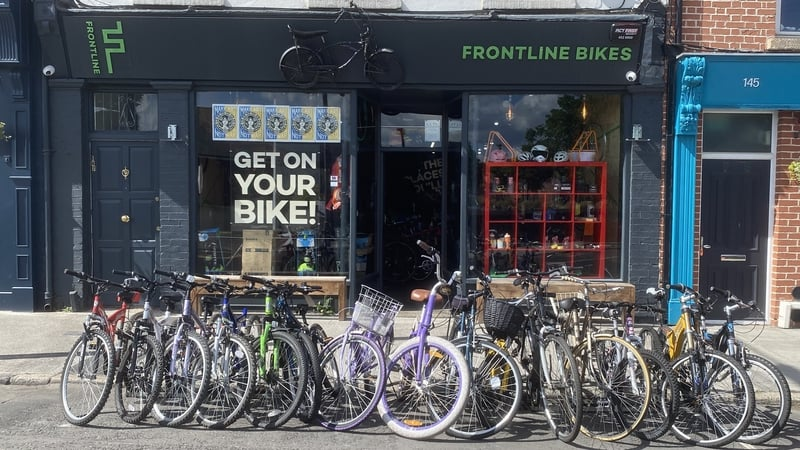
Social Enterprise – Frontline Bikes, Inchicore, Dublin 8

Apply Now

The Dublin City Social Enterprise Awards were established by Inner City Enterprise (ICE) and Dublin City Council with the support of the Local Enterprise Office (LEO) Dublin City in 2015. Each year, a fund of approximately €60,000 is distributed among innovative social enterprises. 

To learn more please click here. To download the application form click here

Once complete you can submit this completed application form along with all supporting documentation to lauradennehy@innercityenterprise.com.

Submission Deadline for Applications: 23:59 – 31st of May 2024.

What the 2023 awards footage here

Recycle IT

In 2022 Recycle IT were delighted to receive a Dublin City Social Enterprise Award. The award showed we make a real difference and it boost our credibility in the eyes of customers, funders, and the community.

Overall, receiving a social enterprise award can help you elevate your social business to the next level, both in terms of impact and sustainability. It opens up new opportunities and resources that can fuel your mission and drive positive change in the world.

Recycle IT, are a social enterprise offering electrical, electronic and metal recycling. Services are provided in partnership with WEEE Ireland. Recycle IT are supported by Pobal, the Dormant Accounts Fund, South Dublin County Council and authorized by the National Waste Collection Permit Office and the local authorities across Leinster.

For further details about our services call us on 01 4578321, email info@recycleit.ie or visit the Recycle IT website at www.recycleit.ie

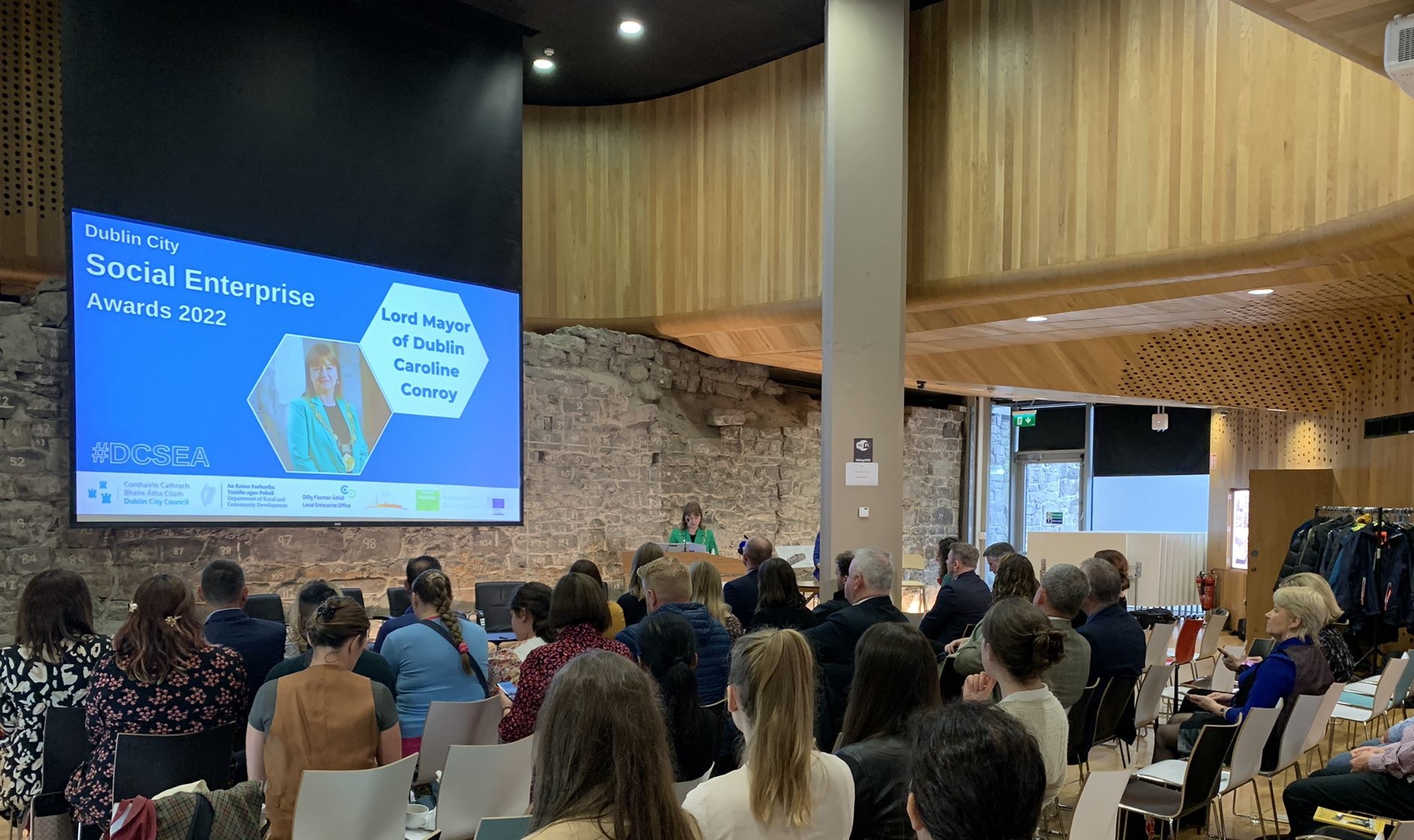
Recycle IT at the Dublin City Social Enterprise Awards 2022

Recognised as Age Friendly

RECYCLE IT – RECOGNISED AS ‘AGE FRIENDLY’

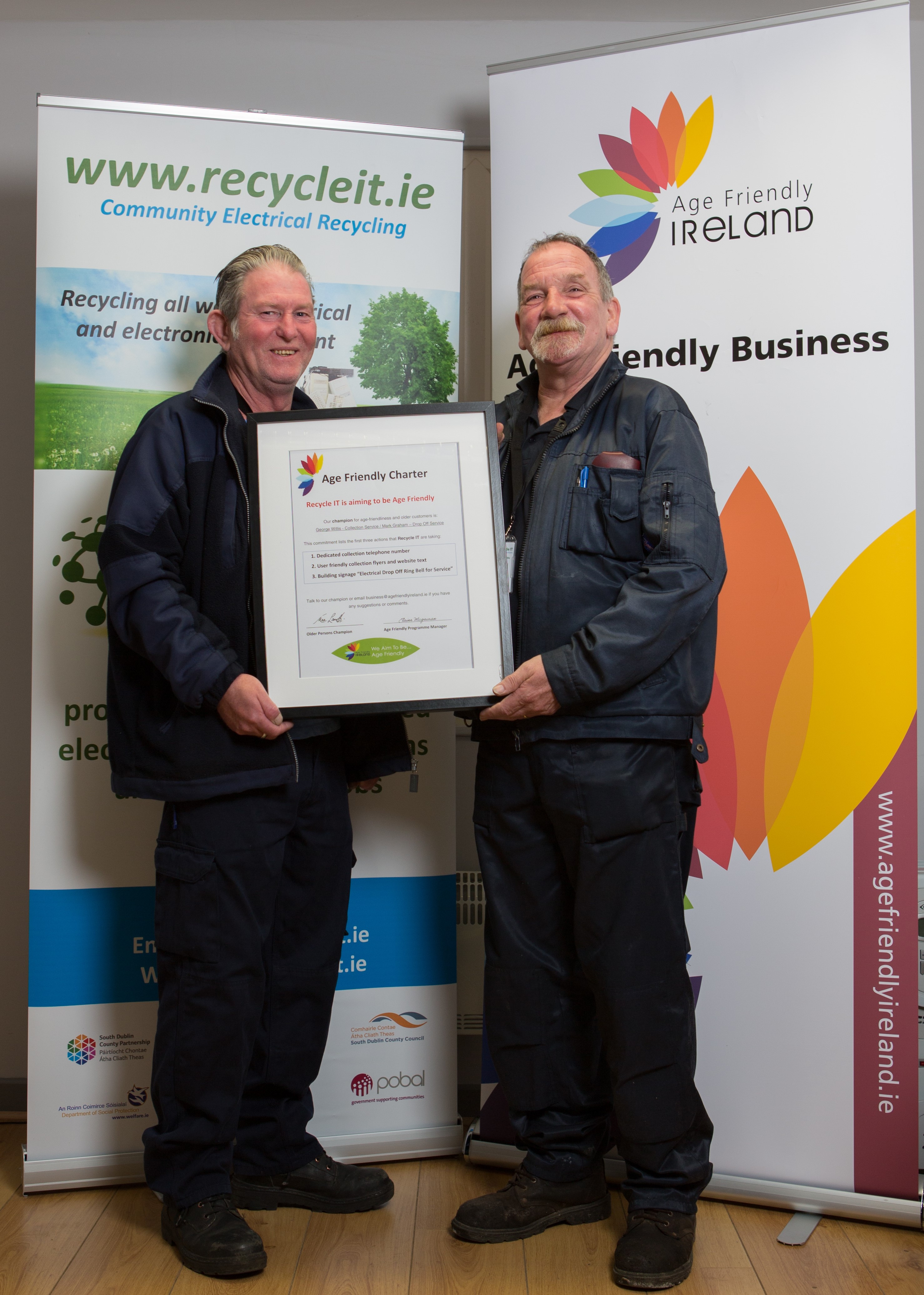
Recycle IT were delighted to be awarded an Age Friendly Business Charter in recognition of efforts to support older people in communities all over Dublin with electrical recycling collection and drop off services. Recycle IT are proud of the team’s work in achieving recognition and in also getting shortlisted for an Age Friendly Ireland Business Award.

Full Agefriendly-Ireland-Sticker_2015.png
Age Friendly Ireland

Recycle IT, a social enterprise is honored to be the first Dublin based Community Electrical Recycler to be recognised in this way.  The team views the programme as an opportunity to learn more and offer an ever improving service to older people and all customers.

Una Lavelle, Recycle General Manager, said:

“We want to ensure our services meet the needs of everyone including older people.  By signing the Age Friendly Business Charter, we are showing our commitment to providing services that are customer focused and accessible”.

Elaine McGauran Age Friendly Ireland said:

“We are delighted to announce Recycle IT has been designated as ‘age friendly’ by Age Friendly Ireland. The Age Friendly Business Programme is a nationwide initiative with the aim of facilitating local businesses tap into an existing and growing market segment that accounts for 50% of consumer spending, the older customer. The programme seeks to recognise the efforts and improvements made by local businesses to provide more age friendly services”.

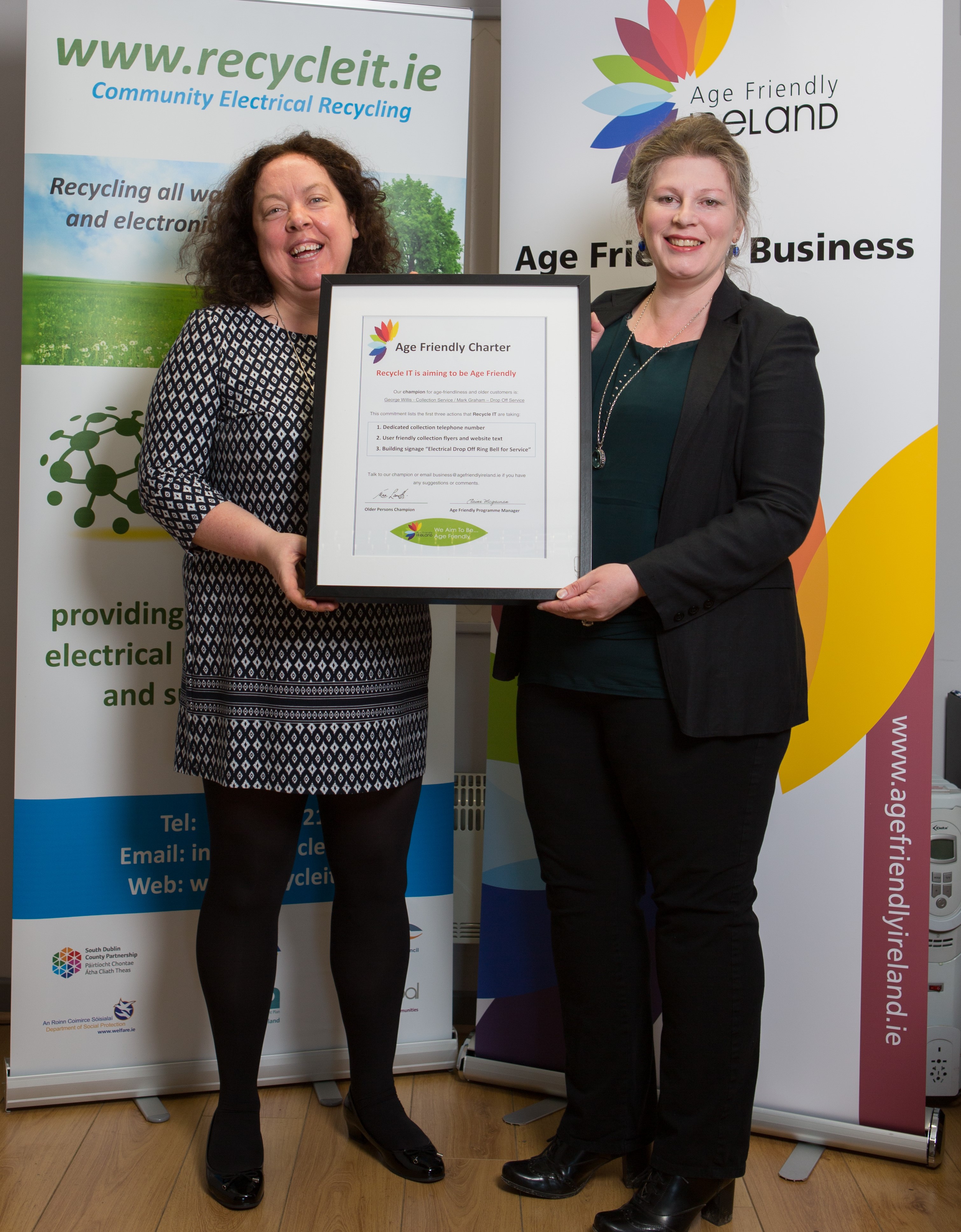
Elaine McGauran Age Friendly Ireland and Una Lavelle, Recycle IT General Manager

In initially working to implement an Age Friendly Charter, Recycle IT addressed three main areas

  1. Customer Care – two staff members agreed to become champions to ensure older people experience a friendly and helpful service which address individual needs.
  2. Communication – information on our services is straightforward and our team can be contacted easily.
  3. Accessibility and signage – clear building and van signage and appropriate size text used on our website.

As a result of taking part in the programme, real service enhancements have been made and welcomed by members of the communities we service.  These include a dedicated collection team telephone number, clearly recognisable collection vehicles, staff identity badges and building signage. Further enhancements are planned.

The Age Friendly Achievement Award Ceremony happened on Tuesday 24th May 2016 in Fitzpatrick’s Killiney Castle Hotel, Dublin with the Recycle IT team receiving recognition on the night for their efforts in supporting older people in communities across Dublin with recycling services which address individual needs.

img_2323-2
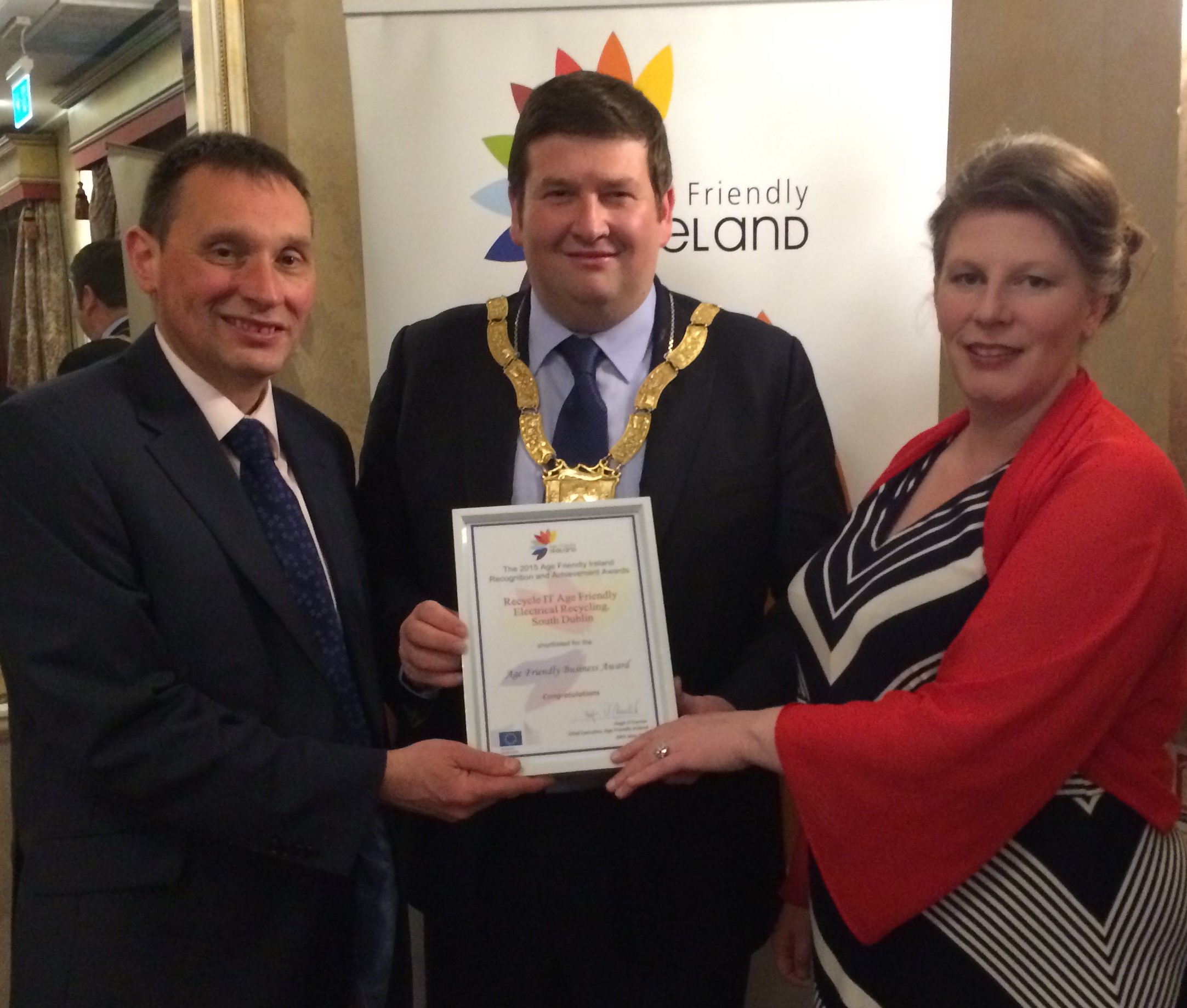
Awards Night – Recycle IT team with Councilor Barry Saul

About Recycle IT

Recycle IT is the only Community Electronic Recycling Social Enterprise in Dublin providing a neighbourhood collection and drop off service for all types of waste electrical and electronic equipment (WEEE).

Age Friendly Champions Mark Graham and George Willis
Recycle IT – Age Friendly Champions Mark Graham and George Willis

During 2015 Recycle IT offered collection services to 100,000 homes and businesses across Dublin and surrounding areas collecting a range of WEEE including over 7000 monitors and TV’s.  Our services are provided in partnership with WEEE Ireland and with the cooperation of South Dublin County Council. We are authorized by the National Waste Collection Permit Office and South Dublin County Council.

For further information, Tel: 01 4578321, email: info@recycleit.ie or visit our website www.recycleit.ie

Circular Economy: Know more

Circular Economy: Learn more

In 2014, the European Commission (EC) put forward an initial Circular Economy proposal to address the issue and help European businesses and consumers make the transition to a circular economy where waste is viewed as a ‘resource’ that can be recycled, re-used or remanufactured.

The plan will be backed by €5.5bn from the European Structural and Investment Fund (ESIF) and €650m from Horizon 2020 (the EU funding programme for research and innovation).

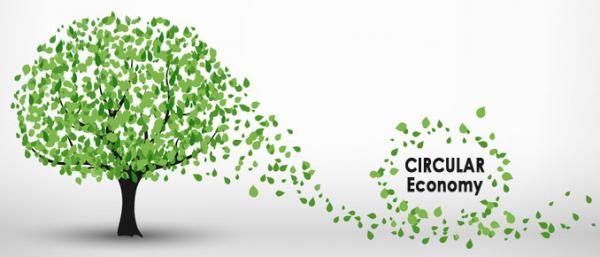
Circular Economy Tree

What is the status with EU waste policy today?

The 2008 Waste Framework Directive sets the overarching legislative framework for EU waste policy. The directive sets binding targets to be achieved by 2020: preparing for reuse and recycling of 50% of certain waste materials from households and similar sources, and preparing for reuse, recycling and other recovery of 70% of construction and demolition waste.

Meanwhile, the 1999 Landfill Directive bans landfilling of untreated waste. The directive sets a goal that the share of biodegradable municipal waste going to landfills may not be greater than 35% in 2016, compared to the baseline year of 1995.

The aims are to protect the environment and to safeguard the functioning of the internal market. It requires Member States to take measures to prevent packaging waste and to develop packaging reuse systems.

When will it happen?

The proposal is currently going through the EU legislative process. Before the Circular Economy proposal is passed into law, all three European institutions (the European Council, European Parliament and the European Commission) must have an agreed stance, which they will then take into a series of discussions.

Both European Parliament and Council of Ministers can amend the legislation but must agree upon the same text before the bills can become law. This means that a final proposal will likely not be established until the second half of 2017. Malta, currently hold the EU Presidency, hope to reach a deal with MEPs before 1 July, as its six-month Presidential term ends.

What does the change mean?

The targets listed under the Circular Economy proposal will be implemented by national governments across the EU Member States (including Ireland) and are targeted at the waste performance of households and businesses.

What are the targets listed under the proposal?

The original Circular Economy proposal intended to increase recycling levels and tighten rules on incineration and landfill. It consists of six individual bills on waste, packaging, landfill, end-of-life vehicles, batteries and accumulators, and waste electrical and electronic equipment (WEEE).

Evolving Circular Economy
Evolving Circular Economy –

The re-tabled proposal, unveiled in December 2015, included eco-design rules for products to make them easier to recycle. But it also had lower 2030 targets for recycling municipal and packaging waste, and replaced a 2025 aspirational landfill reduction target of 25% with a mandatory 10% goal for 2030.

This target was recently rejected as” watered-down” ambitions. A vote has advocated to reinstate the 70% target for municipal waste recycling, strengthening current proposals by 5%.

Meanwhile, a 2030 target for packaging recycling was voted to be 80% – higher than the 75% previously backed by the Commission. And the waste-to-landfill target has been restricted to 5%, replacing a mandatory target of 10% by 2030. MEPs have also voted for a European Union (EU) food waste reduction target of 30% by 2025 and 50% by 2030, compared to 2014.

The proposal includes a series of additional measures and targets, including:

  • The promotion of economic incentives to discourage landfilling;
  • A ban on landfilling of separately collected waste;
  • Simplified and improved definitions and harmonized calculation methods for recycling rates throughout the EU;
  • Define measures to promote re-use and stimulate industrial symbiosis – turning one industry’s by-product into another industry’s raw material;
  • Economic incentives for producers to put greener products on the market and support recovery and recycling schemes (e.g. for packaging, batteries, electric and electronic equipment, vehicles).
  • Four legislative proposals (included) are legal acts: Waste Framework Directive; Landfilling Directive; Packaging Waste Directive; Directives on end-of-life vehicles, on batteries and accumulators and waste batteries and accumulators, and on waste electrical and electronic equipment (WEEE).

About Recycle IT

Recycle IT is an award-winning not for profit social enterprise providing a collection and drop off service for all types of waste electrical and electronic equipment (WEEE). During 2016 Recycle IT supported drop off and collection services to over 100,000 homes, schools, charities and businesses across Dublin and surrounding areas collecting a range of WEEE which includes thousands of computers, cables, monitors, microwaves and TV’s.

Recycle IT services are provided in partnership with WEEE Ireland. Recycle IT are supported by Pobal, South Dublin County Council and authorized by the National Waste Collection Permit Office and the local authorities across Dublin, Kildare and Wicklow.

To learn more about Recycle IT or to book a collection or drop off please call 01 4578321 or email us here.

Recycle IT - Pakman Award Winner 2016
Recycle IT – Pakman Award Winner 2016