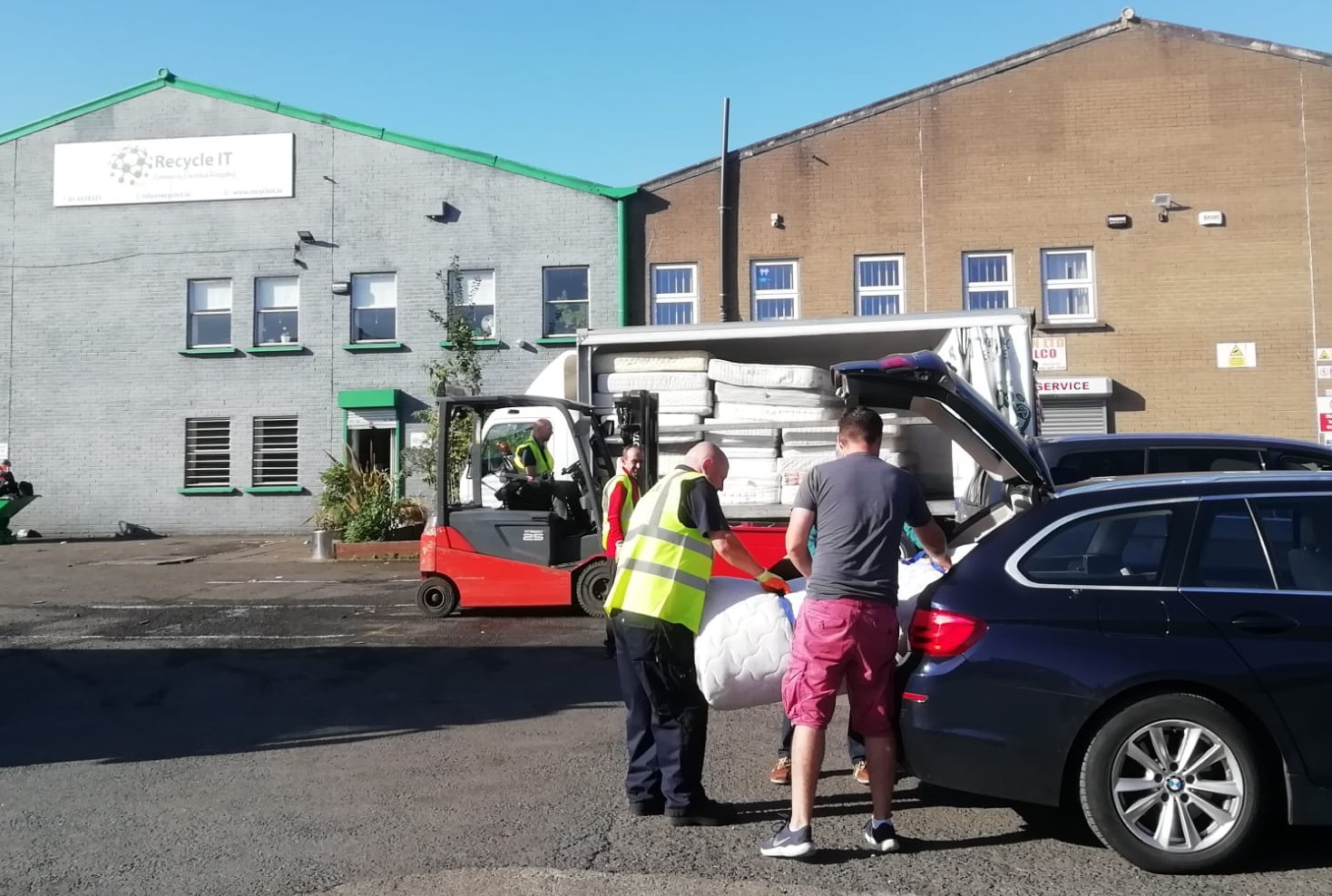
Recycle IT and South Dublin County Council are teaming up to host a special recycling event on Saturday, September 28th, 2024. This drop-off event will take place at the South Dublin County Hall carpark from 10am to 1pm. For directions to the location, please click here.
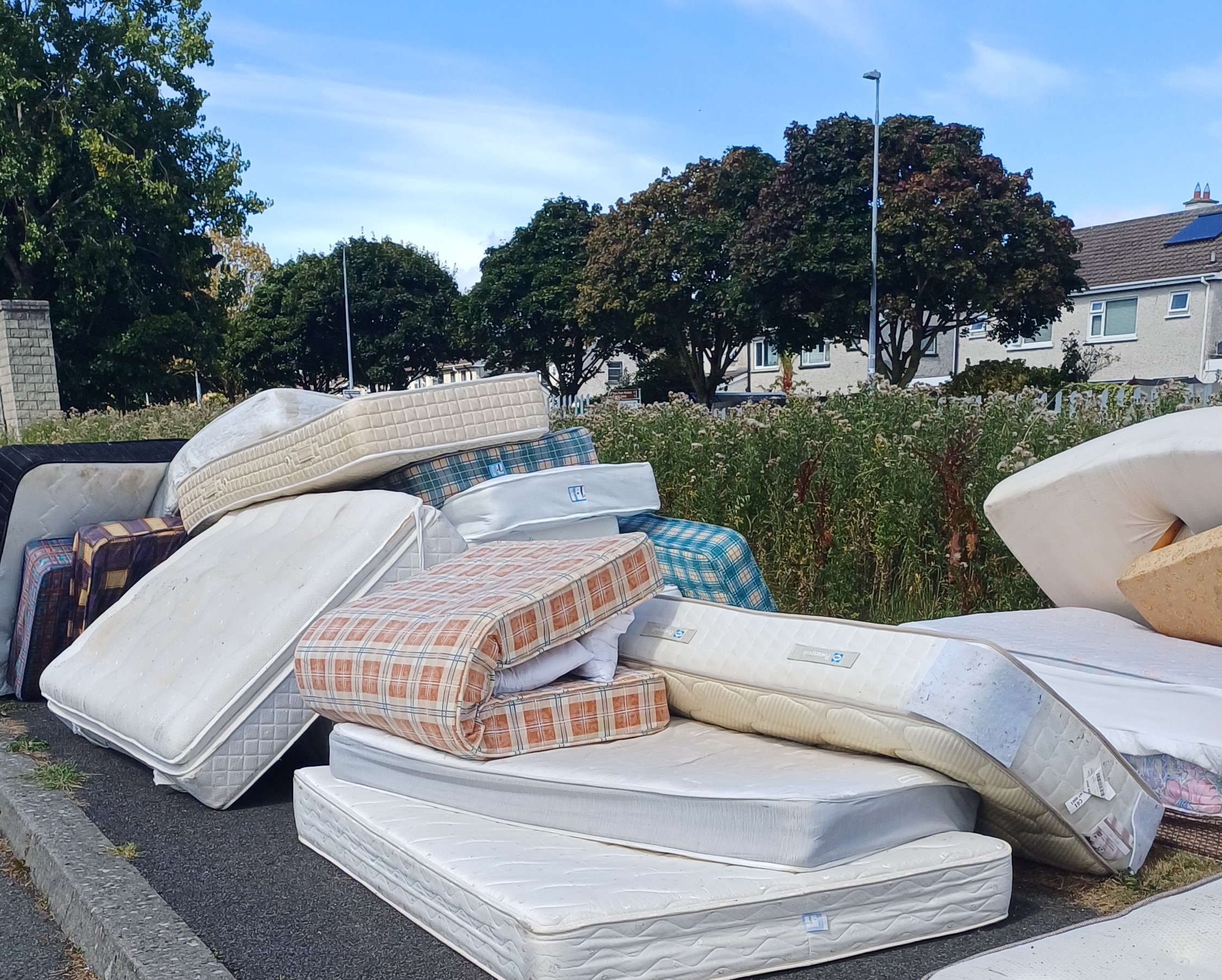
Mattress Recycling 2024
Mattress and Hazardous Liquid
During this event, you’ll have the opportunity to recycle a variety of household items, including old mattresses, electrical appliances (WEEE), and household hazardous liquids. This is a perfect chance to get rid of items that can’t be thrown in your regular waste bin, helping you do your part to protect the environment. Hazardous liquids such as paints, oils, or cleaning products should be handled with care, and this event makes it easy to dispose of them safely.
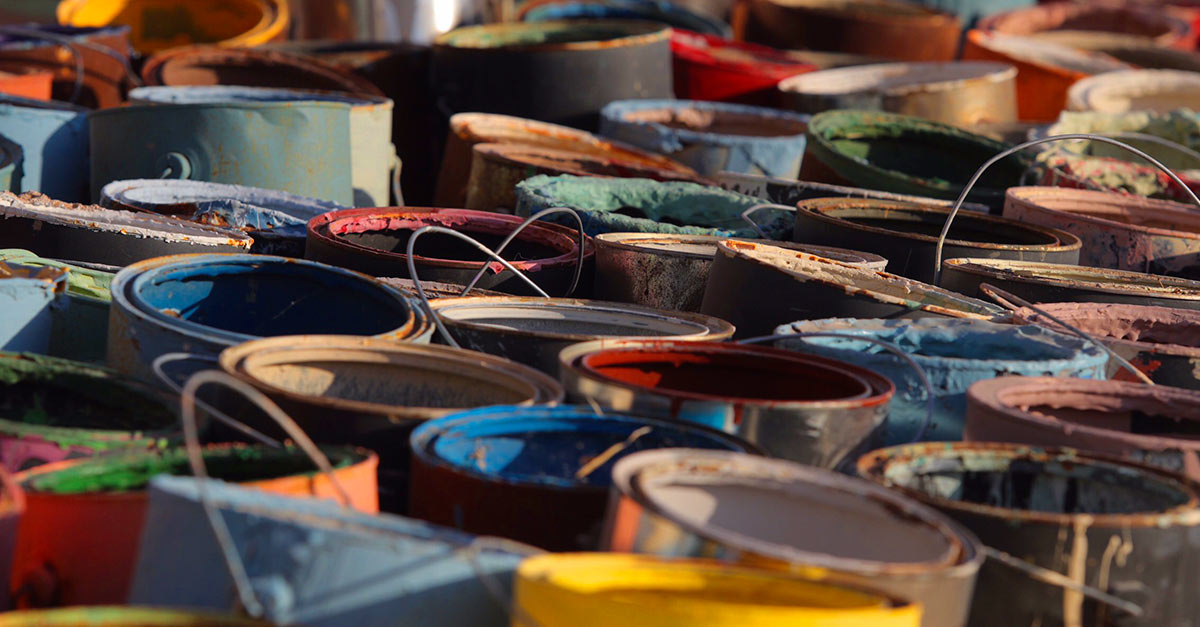
Old Paint Cans
Please note that after this event on Saturday Sept 28th, Recycle IT will no longer accept mattresses for free recycling. This makes the September 28th event a great opportunity to dispose of your old mattress at no extra cost. After the deadline, charges may apply for mattress disposal, so take advantage of this free service while you can.
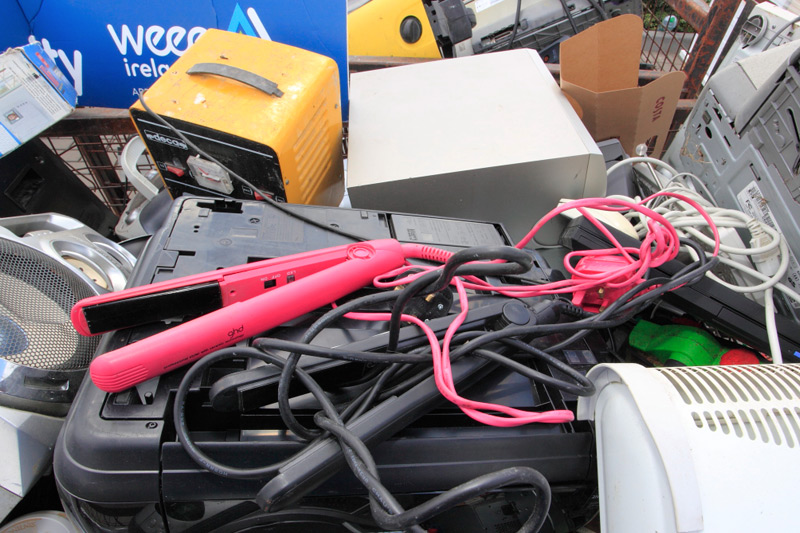
Waste Electrical and Electronic Equipment
Electrical waste, also known as WEEE (Waste Electrical and Electronic Equipment), includes items like old computers, phones, kitchen appliances, and other devices that run on electricity. Recycling these items helps recover valuable materials and reduces harmful waste.
So, mark your calendar for this important recycling event and gather any items you’d like to drop off. It’s a convenient, eco-friendly way to safely dispose of mattresses, hazardous liquids, and electronic waste!
About Recycle IT
Recycle IT, is an award-winning social enterprise offering electrical, electronic and metal recycling services through drop off and collection. Recycling services are provided in partnership with WEEE Ireland and South Dublin County Council.
Recycle IT is supported by Pobal and Dormant Accounts and authorised by the National Waste Collection Permit Office and the local authorities across the east midlands waste region.
Our goal is to create training and employment opportunities through the provision of waste management services. Surplus earned income is reinvested in operational, and employment-related costs.
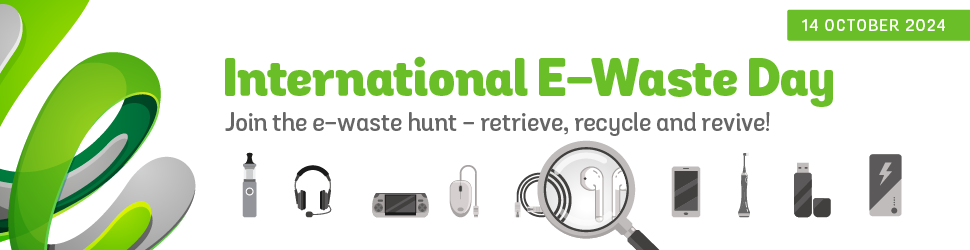
Join the E-Waste Hunt – Retrieve, Recycle, Revive!
Recycle IT is offering free community electrical recycling collections to residents in Dublin housing estates to celebrate International E-Waste Day on October 14, 2024. This year’s slogan is “Join the E-Waste Hunt – Retrieve, Recycle, and Revive!” The aim is to encourage people to search their homes for old or unused electronics and give them a new life through recycling. Many people keep old devices tucked away, not realizing that these items contain valuable materials that could be reused.
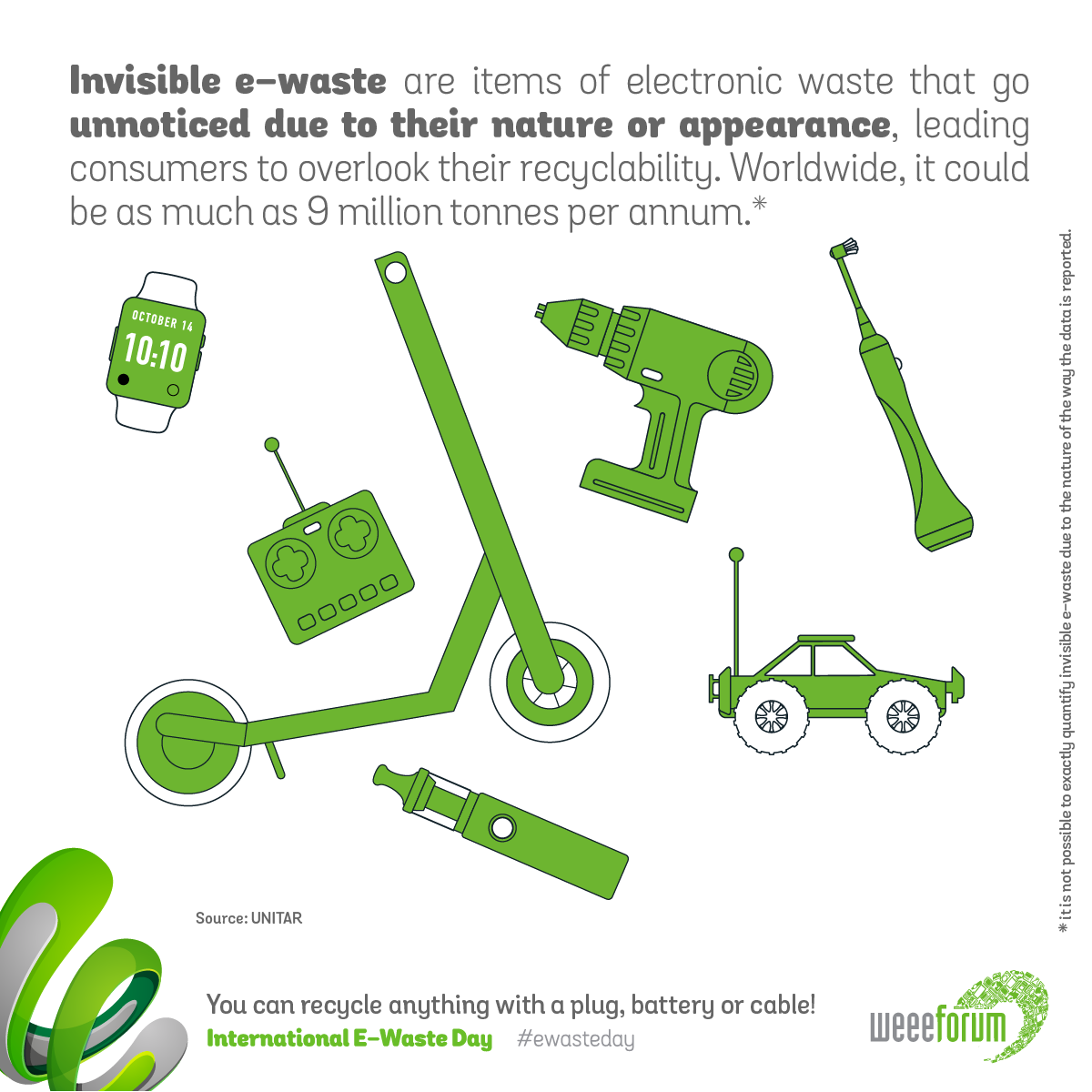
International E-Waste Day is an annual event that raises awareness about the importance of recycling electronic waste, or e-waste. E-waste includes items like old phones, broken computers, unused TVs, and other electronic devices. When not disposed of correctly, these items can harm the environment, but when recycled, they can provide materials like copper, aluminum, and even precious metals like gold. By recycling, these materials can be recovered and reused to create new products, reducing waste and the need for mining more raw materials.
Last year, 195 organizations from 55 countries across six continents took part in International E-Waste Day, with many more participating through activities, news reports, and online campaigns. This year, Recycle IT is doing its part by offering Dublin residents the opportunity to easily and safely dispose of their old electronics. Instead of letting these items gather dust in attics or cupboards, people can now recycle them for free, knowing they will be handled responsibly.
Responsible Electrical Waste Recycling
The slogan “Join the E-Waste Hunt – Retrieve, Recycle, and Revive!” encourages people to actively seek out the unused electronics hiding in their homes. Many of these devices contain valuable parts that can be refurbished, repaired, or recycled to make new products. This reduces the need for new raw materials and helps the environment by cutting down on waste and pollution.
Every year, the world produces millions of tonnes of e-waste, but only a small portion is properly recycled. Most of it ends up in landfills, where it can release harmful chemicals like lead and mercury into the soil and water. By participating in Recycle IT’s free e-waste collection, Dublin residents can help prevent this by ensuring their old electronics are safely recycled.
Collections
Recycle IT’s free collections make it easy for people to do their part in protecting the environment. This initiative supports the idea of a circular economy, where products are reused and recycled rather than thrown away. It’s a simple way to make a big difference, and all it takes is gathering up those unused electronics and dropping them off at a local collection point.
On October 14, 2024, Dublin residents can help “retrieve, recycle, and revive” their old electronics, giving them a new life and helping to make the planet a cleaner place. Recycle IT have collections scheduled from October 14th to October 18th but we are happy to support you with alternative date once you contact us on 01 4578321 and ask about FREE residents association WEEE recycling collections for Dublin.
You can read more International E-Waste Day 2024 here.
About Recycle IT
Recycle IT, is an award-winning social enterprise offering electrical, electronic and metal recycling services through drop off and collection. Recycling services are provided in partnership with WEEE Ireland and South Dublin County Council.
Recycle IT is supported by Pobal and Dormant Accounts and authorised by the National Waste Collection Permit Office and the local authorities across the east midlands waste region.
Our goal is to create training and employment opportunities through the provision of waste management services. Surplus earned income is reinvested in operational, and employment-related costs.
Recycle IT, an Irish not for profit, social enterprise focused on recycling electrical and electronic equipment, has recently received funding from the Irish Government’s Climate Action Fund through South Dublin County Council. This funding will help Recycle IT in their efforts to promote the recycling of electrical and electronic waste (e-waste) by making it easier for people to recycle small items like old phones, kettles, and other devices.
Climate Change Logo
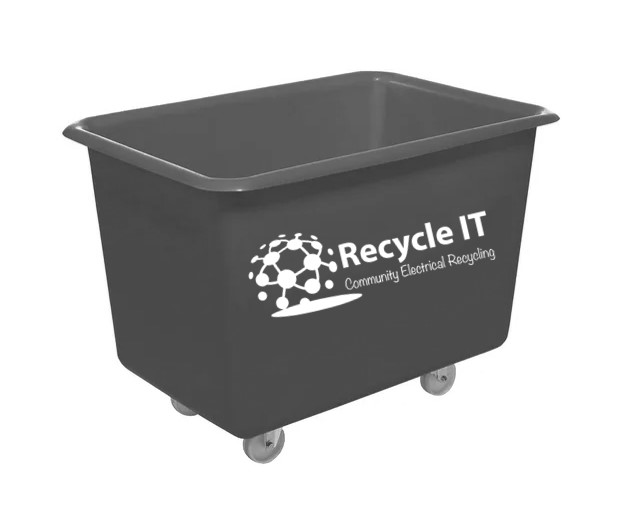
Recycle IT’s new initiative will focus on placing special recycling receptacles in communities across South Dublin. These receptacles are designed specifically for collecting small electrical and electronic items that people no longer use or that are broken. Often, these kinds of items can end up in regular household waste bins, which leads to environmental harm because electronic devices contain materials that can be hazardous if not disposed of properly. By offering these recycling points in local areas, Recycle IT hopes to encourage more people to dispose of their old items safely and responsibly.
Easy Recycling
The new wheeled recycling bins will be placed in public spaces where people already go as part of their daily lives. These locations could include community centres, libraries, and other public places. By choosing spots where people visit regularly, Recycle IT is making it convenient for everyone to recycle their old electronics. For example, someone might visit their local community centre for a class or event, and while they are there, they can quickly drop off any small electronic items they no longer need.
Recycle IT – WEEE Recycling Receptacle Example
Goals
One of the main goals of the project is to make the recycling process as simple as possible. Instead of people having to travel to recycling centres, they can now drop off their items at nearby locations during their usual activities. In real terms this can help reduce carbon emissions, ease traffic and increasing recycling rates. Recycle IT understands that people are more likely to recycle if it is convenient for them. That’s why the organization will work closely with communities in South Dublin to identify the best places to put these recycling bins.
This initiative is part of a broader effort to reduce the amount of waste going to landfills and to promote a more sustainable approach to waste management. When electrical and electronic items are recycled, valuable materials such as metals and plastics can be recovered and reused. This helps to reduce the need for new raw materials, conserving natural resources and cutting down on the energy required to produce new products. Additionally, recycling prevents hazardous substances found in electronics, such as lead and mercury, from being released into the environment.
UN Sustainable Development Goals – Goal 13 Climate Change
General Manager at Recycle IT, Una Lavelle says, “he is funding from the Climate Action Fund is crucial for this project. It allows Recycle IT to purchase and install the new recycling receptacles and helps us raise awareness about the importance of recycling e-waste. The Irish Government’s Climate Action Fund supports projects that can make a real difference in reducing the country’s carbon emissions and protecting the environment and this initiative fits perfectly into these goals. We are delighted”.
Actions in South Dublin
Move forward over the next 18 month, Recycle IT will engage with South Dublin County Council and local community groups to spread the word about the new initiative. Our team plan to work with community groups, schools, colleges and local organisations to make sure that everyone knows about the new service and understands how to use it. By involving the community, Recycle IT hopes to create a strong sense of shared responsibility for reducing e-waste and taking care of the environment.
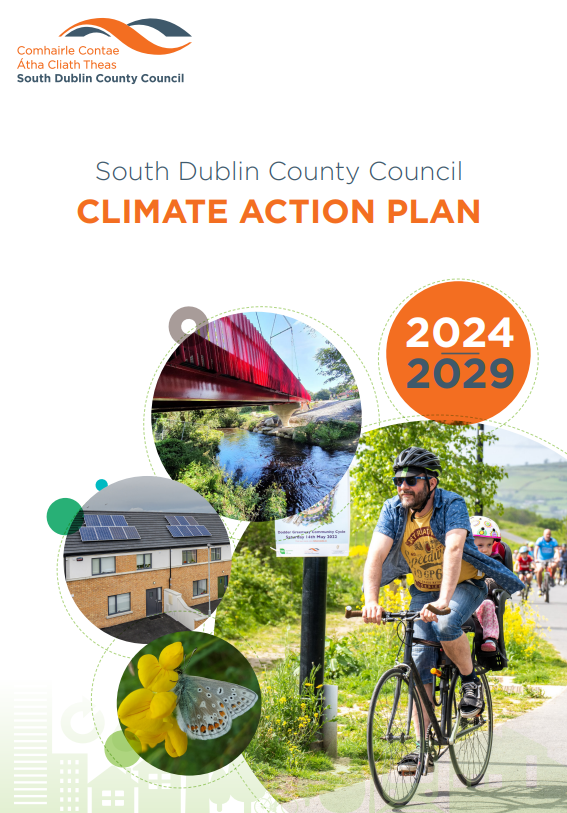
South Dublin Climate Action Plan 2024 – 2029 – Click here to open
One of the first steps in the project will be to consult with local communities to find the best places to install the recycling bins. Locations such as local libraries, community centres, and other public buildings are ideal, as people visit these places regularly for various reasons. The idea is to make recycling as easy as possible, so people can simply bring their old or broken electronics with them the next time they are heading out.
Finally
In conclusion, this new project, funded by the Climate Action Fund and supported by South Dublin County Council is an exciting step towards making e-waste recycling more accessible for people in South Dublin. By placing recycling receptacles in convenient locations and working with the community to promote their use, Recycle IT is helping to protect the environment and reduce the amount of electronic waste that ends up in landfills. Through this initiative, the people of South Dublin will have a simple and effective way to recycle their old or broken electrical items, contributing to a cleaner, greener future for everyone.
In 2023 an EU Impact Assessment Report states mattresses currently have a reuse and recycling rate of 20% across the EU and generate approx. 240,000 tonnes of textile waste per year. The report go’s on to say “discarded mattresses are unlikely to be resold in social enterprises and are more likely to be sent for recycling where their most valuable components (metals and foams) are removed for safe recycling
Support with Mattress Recycling – Recycle IT
In July 2202, the Community Resources Network Ireland released a briefing paper titled “Improving Mattress Recycling”. It states mattresses are complex and bulky products that have traditionally been managed within a linear economy model. This model is also called the “take-make-waste economy, ” meaning we take the world’s resources, make a product, use that product, and make it waste. This waste is mainly handled at the bottom of the waste hierarchy.
The report says the market is starting to shift toward more circularity. Key suppliers, such as the foam industry are beginning to invest in recycling options while manufacturers and retailers are also looking to natural materials such as foams or the overall design to ensure ease of dismantling or include recycled content.
Mattress Recycling Initiative at Recycle IT
The Sleep Foundation suggests replacing your mattress if one or more of the following apply:
It’s 6-8+ years old
It’s negatively affecting your sleep
It’s noticeably saggy or damaged in certain areas
It’s making more noise than usual (noisy springs are common in old innerspring mattresses)
You find that you sleep better at hotels, friends’ houses, etc.
You notice an increase in allergies and/or asthma
You regularly wake up with muscle or joint stiffness
What Can Be Recycled
About 80% of materials in the average mattress can be recycled. That’s because most are made of steel springs, a wood frame, polyurethane foam and fabric. All mattress types are fair game, from traditional innerspring mattresses to latex, hybrid and memory foam options. And yes, you can recycle nontoxic mattresses and organic mattresses. (Source: Green Living – The Readers Digest).
Mattress Recycling 2023
Disposing of Old Mattresses
Many households struggle with how best to dispose of old and unwanted mattresses after spending hundreds or in some cases thousands of euros on a new or specialized mattress. Most people would prefer not to spend much money on the disposal of old mattresses.
One option is to visit your local civic amenity site. They usually accept old mattresses for recycling, but getting the mattress to the location can be a challenge in terms of time and cost. You’ll also need a vehicle big enough to fit a mattress.
If you have a car but your boot is too small to fit the mattress when flat, you might find it fits if you roll it up and fasten it with rope. This effort usually takes 2 people. You might also use a van to get your mattress to the civic amenity site/mattress recycling centre.
Mattress Recycling for Reuse
When you hand over your old mattress for recycling it will make its way to a specialist social enterprise operating as mattress recycling facility in Ireland, Most of the recycling breakdown and separation work is done by hand. You will see the general steps in the table below.
To help, Recycle IT offers a simple, convenient, sustainable and free solution over a number of weeks each year. Householders can drop off Monday to Friday between 8.30am and 3pm
Our facility will open on a number of Saturdays in September between 9.30am and 12.30pm with dates to be confirmed. There will be a number of community collection days in different areas of South Dublin. These areas will be confirmed closer to the confirmed the dates for the 2025 Mattress Recycling Amnesty
This Mattress Recycling Amnesty is for householders only and is not open to business
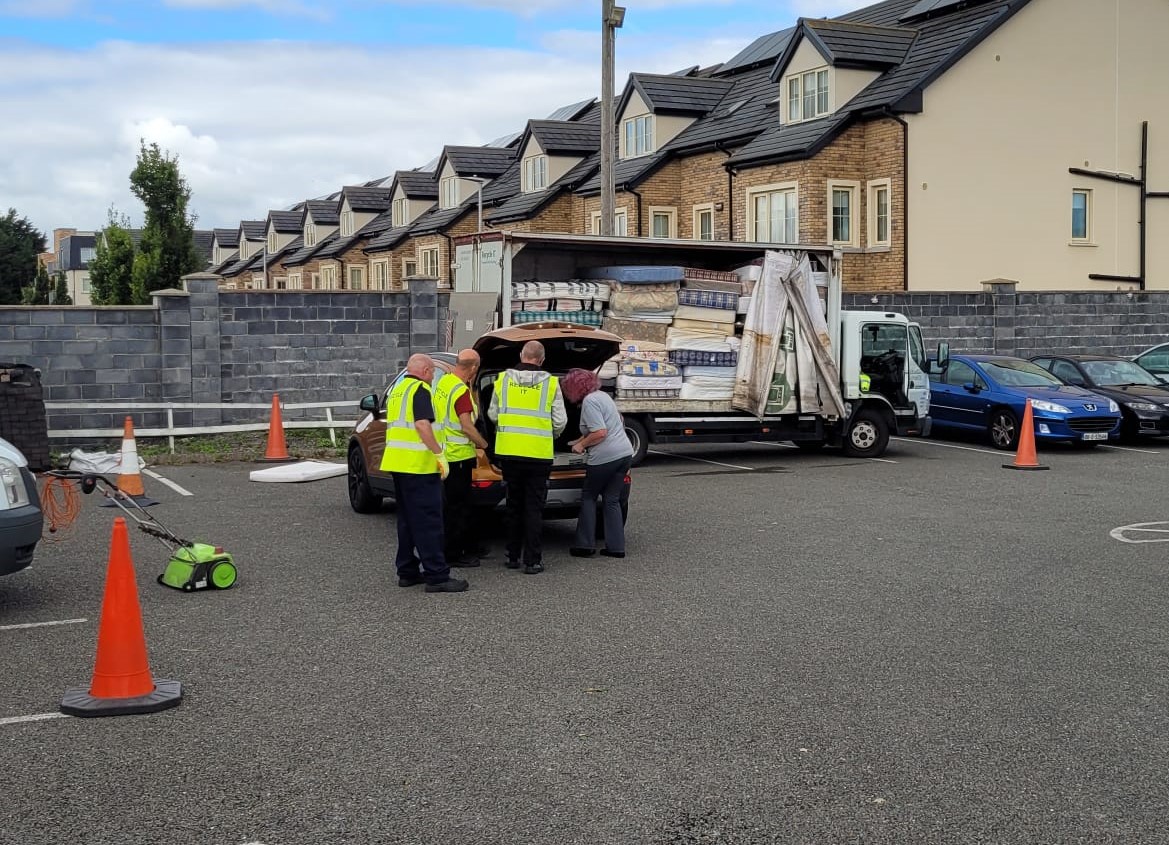
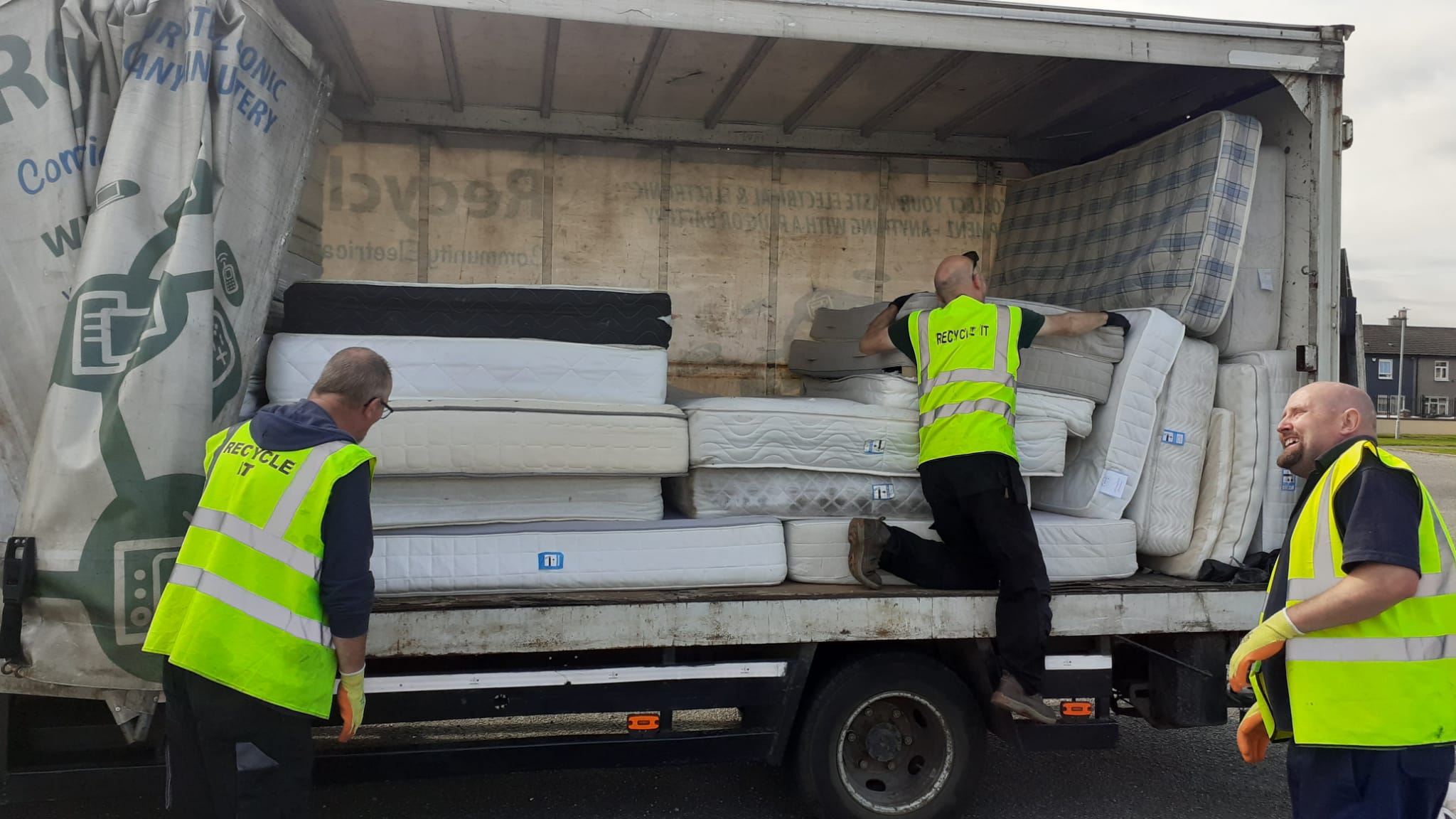
Help will be on hand to lift and move old mattresses from cars and vans to the mattress recycling colleciton point. We will also be open on a number of Saturday mornings (dates to be confirmed).
Recycle IT will accept mattresses. Teams can accept metal bed frames but we are unable to accept wooden bed frames.
During this initiative Recycle IT can offer cost effective personal collections to homes wishing to recycle an old mattress.
You will find the Recycle IT, address, telephone number and a map here.
Listen to Una Lavelle, General Manager at Recycle IT speaking with Sunshine 106.8 FM about mattress and electrical recycling during. Click here.
Please Note: Free Mattress Recycling ended on Saturday 28th September 2024. Recycle IT are no longer accepting mattresses free of charge. We would hope to offer free mattress recycling again in 2025.
Mattress Recycling Event 2022
About Recycle IT
Recycle IT is a not-for-profit, social enterprise working to deliver environmentally friendly recycling solutions and real training and employment opportunities.
Recycle IT operates under the Community Services Programme (CSP). The programme supports community companies and co-operatives to deliver local social, economic, and environmental services that disadvantaged communities. The Community Services Programme is managed for the Department of Rural and Community Development by Pobal, a not-for-profit company tasked with managing programmes on behalf of the Irish Government and the EU. Recycle IT is one of over 400 social enterprises operating with funding support from the programme in Ireland.
This Free Mattress Recycling Initiative is supported by: South Dublin County Council and operated by Recycle IT for a limited period.
The Joint Committee on Environment and Climate Action meet in mid June 2024, to discuss the Circular Economy as it relates to Consumer Durables. Examples of consumer durable goods include vehicles, books, household goods (home electrical appliances, consumer electronics, furniture, musical instruments, tools, gardening tools, furniture, bicycles etc.), sports equipment, jewelry, medical equipment, toys and more.
The Group
Committee Cathaoirleach Deputy Brian Leddin (TD for Limerick City and the Green Party Spokesperson for Transport, Climate Action and Environment) said: “Consumer durables are goods designed to last a long time and are not intended to be bought very often. Development of a circular economy requires shifting Ireland towards a more sustainable pattern of production and consumption, particularly when it comes to consumer durables”.
Circular Economy
“The development of reuse, repair, recycling and sharing schemes, as well as circular design and business models, all have roles to play in reducing waste generated by consumer durables. As part of our examination of how the Circular Economy Act is working since it became law two years ago”, The Committee as part of it work will discuss these issues and related matters with stakeholder groups including social enterprises and organisation representing the community reuse and recycling.
CRNI were joined on the day by two board members, Bernie Connolly (Cork Environmental Forum) and Una Lavelle (Recycle IT, Dublin). The Rediscovery Centre, the National Centre for the Circular Economy in Ireland and CRNI member were also invited to the committee session to present their findings.
Una Lavelle CRNI Director and General Manager – Recycle IT
To learn more about the main points covered please click here or to view the The Joint Committee on Environment and Climate Action session on Oireachtas TV please click here.
About Parliamentary Committees
Parliamentary committees play an important role in the business of the Oireachtas. They can receive submissions and hear evidence from interested parties or groups; discuss and draft proposals for legislative change; print and publish minutes of evidence and related documents; and require attendance of Ministers to discuss current policies and proposals for legislation.
There are four types of committees:
Standing committee
Joint committee
Select committee
Special committee (rare)
About Recycle IT
Recycle IT is an award-winning, not-for-profit social enterprise established to create employment and promote environmental awareness through recycling and reuse. We work in partnership with WEEE Ireland and are authorized by your local authority to provide electrical, electronic and pure metal recycling collections across Dublin since 2007. Recycle IT are fully compliant for WEEE Recycling with permit details available here.






 Recycle IT