Social Enterprise in Ireland

Social Enterprise – it’s moving ahead! 

A first-in-kind research by the Schwab Foundation’s Global Alliance for Social Entrepreneurship finds that there are approximately 10 million social enterprises worldwide, which collectively generate around $2 trillion in annual revenues, creating over 200 million jobs.

Please Buy Social

The social enterprise sector now outranks other mainstream industries by annual revenue, like telecoms and apparel. Moreover, social enterprises align their missions with the Sustainable Development Goals (SDG’s), notably in creating decent work, driving climate action and reducing poverty and inequalities.

Social enterprises, which make up 3% of all businesses globally, stand out from traditional businesses by placing a strong emphasis on creating social and environmental value along with economic value. Unlike conventional nonprofit organizations, social enterprises are self-sustaining through their business activities. They prioritize social impact over financial returns and reinvest their profits back into their mission. Source:  (François Bonnici, Director, Schwab Foundation for Social Entrepreneurship, Head of Social Innovation, World Economic Forum).

As of 2022, Ireland estimated there were 4,335 social enterprises employing 84,342 people, accounting for 3.7% of the workforce. These social businesses generated income estimated at EUR 2.34 billion in 2021 (Amárach/SERI/ILDN, 2023)

EU Social Enterprise

The European Economic and Social Committee (EESC) has been actively involved in the European social enterprise and social economy agenda for more than 10 years and supports social enterprise growth and development as a key element of the European social model.

There are 2.8 million social economy enterprises, representing 10% of all businesses in the EU. Almost 13.6 million people – about 6.2% of the EU’s employees – work for social economy enterprises. On top of the paid workforce, social economy  mobilizes volunteers, equivalent to 5.5 million full-time workers. Characteristics included:

  • Membership – up to 160 million people in Europe are members of social economy enterprises (mostly retail, banking and agricultural cooperatives, as well as mutual societies offering services complementary to social security regimes)
  • Objectives – social economy enterprises contribute to the EU’s employment, social cohesion, regional and rural development, environmental protection, consumer protection, agricultural, third countries development, and social security policies
  • Size – social economy entities are mostly micro, small, and medium-sized enterprises (SMEs)

Today, DG Internal Market, Industry, Entrepreneurship and SMEs is promoting, in particular, the development of social economy enterprises and organisations via the Single Market Programme
It is also particularly focused on supporting the development of social economy by implementing the European action plan on social economy (2021).

Irish Social Enterprise Sector

The estimated 4335 Social Enterprises operate in communities all over Ireland. Like social enterprises in other OECD countries, childcare; community infrastructure and local development; health, youth services, social care, and heritage, festivals, arts and creative industry account for 67.4% of the social enterprise sector.

Social Enterprise – A Growing Sector

Other areas of activity include sport and leisure; training and work integration; consultancy and support services; housing; food, catering and hospitality; environmental services; retailing; transport; financial services; manufacturing; and others.

Almost 77% of social enterprises function in more than one sector of activity. (Source: OECD 2023). In reality Social Enterprises offer essential services and tackle problems in society like food poverty, housing or environmental issues.

A 2012 report from Forfas defines social enterprise in Ireland as “an enterprise that trades for a social/societal purpose, where at least part of its income is earned from its trading activity, is separate from government, and where the surplus is primarily reinvested in the social objective.”

The report also lists the four categories under which social enterprises trade

  • commercial opportunities that are established to create a social return;
  • employment opportunities for marginalized groups;
  • economic and community development organisations;
  • services delivery organisations.

From experience, it can be said that these four categories almost always overlap and are shared objectives for many social enterprises,

Progress in the Sector

In 2016, the top country in the world for social enterprise action was recorded as the Canada, . Ireland ranked in second-last place on the list.

Word Map – Click to Enlarge

Over a 3 year period, Ireland moved from a near bottom ranking in 2016 to 36th place as it reported improvements in almost all categories. Social entrepreneurship gaining momentum, up 16 points to 17th place, while more social entrepreneurs can make a living from their work, up 17 spots to 21st place. Source: (Research by the Thompson Reuters Foundation, 2016 & 2019).

Social enterprise in Ireland is a growing, dynamic and vibrant space and is now supported by a national policy that commits to building awareness, growing and strengthening the sector, and achieving better policy alignment.”   Source: (Sheila Cannon, assistant professor of social entrepreneurship, Trinity College Dublin)

Some of the criteria used to decide if there is a favorable environment for social enterprise include:

National Economic and Social Council (NESC)

The role of social enterprises is growing, both on the island of Ireland and internationally. Social enterprise straddles the space between the national economy and local community, and plays an important role in providing services to marginalized groups and in disadvantaged areas, as well as creating and providing jobs, and contributing to innovative social and environmental initiatives. While much of the activity is at local level, social enterprises also contribute to the national economy. Source: (NESC Report Social Enterprise on the Island of Ireland 2023)

National Social Enterprise Policy for Ireland 

The Department of Rural and Community Development published Ireland’s first-ever Social Enterprise Policy in July 2019. The first National Social Enterprise Policy for Ireland 2019 – 2022  focused on three key objectives:

  • Building Awareness of Social Enterprise;
  •  Growing and Strengthening Social Enterprise and
  • Achieving Better Policy Alignment.

In July 2024, Minister for Rural and Community Development Heather Humphreys TD launched Ireland’s second Social Enterprise Policy ‘Trading for Impact’ the National Social Enterprise Policy 2024 -2027

Trading for Impact – Report Cover

‘Trading for Impact’ the second National Social Enterprise Policy details five key objectives:

  • Building Awareness of Social Enterprise
  • Growing and Sustaining Social Enterprise
  • Supporting the Green Transition
  • National and International Engagement
  • Impact Measurement.

With 57 concrete actions defined under these objectives, which will be implemented between 2024 to 2027. A ‘Stakeholder Engagement Group’ will oversee the delivery of the policy.

The National Social Enterprise Policy for Ireland is part of a suite of policy initiatives from the Department of Rural and Community Development to support those who work with communities and disadvantaged groups.

Social Enterprise at Work

Recycle IT runs an electrical recycling business in the social economy sector with the aim of creating social, economic and environmental value. Our team offers recycling services for communities and the market. Any profits generated are used to support social objectives which include a range of community-focused services, internal training progressions and employment.

Profit is not shared with company directors and the organisations has no commercial stakeholders. Our board is voluntary and any profits are reinvested in recycling operations. Recycle IT is a not-for-profit Social Enterprise.

Our awarding-winning recycling service is friendly and effective, yet not glamorous. Work is hard but offers real opportunities for training and skills development. Teamwork helps support our goals and everyone involved “works to do good” while at the same time helping to allow financial sustainability. There is a focused approach to identifying and managing revenue streams to support the company to cover operating costs and reinvest for the future.

Social enterprise success generally means more social and/or environmental good with profits reinvested to deliver change.

Usually, social enterprises have more inclusive and diverse structures with women and men coming from a wide range of backgrounds to help start-ups, develop and lead organisations. Social enterprises work on a range of challenges using the tools of business to advance ideas and deliver services. Social Enterprise is more innovative and experiment more than traditional businesses as they work to fill gaps in the market that are of little interest to public sector bodies and profits are limited for the private sector companies. Finally, most work collaboratively and bring people on a journey of change.

Click here to learn about the impact on communities when you decide to buy from a social enterprise Below you will find a list of Irish Social Enterprise support organisations and networks.

Social Enterprise Supports

About Recycle IT

Recycle IT is an award-winning social enterprise providing recycling collection and drop-off services for all types of waste electrical, electronic equipment (WEEE) and pure metal items.

Recycle IT services are provided in partnership with WEEE Ireland. Recycle IT is supported by the Department of Rural and Community Development, Dormant Accounts Fund, Pobal, South Dublin County Council and authorized by the National Waste Collection Permit Office and the local authorities across Leinster.

For further details about our free and cost-effective services call us on 01 4578321, email info@recycleit.ie or visit the Recycle IT website at www.recycleit.ie

Read about social enterprise funding here.

Recycle IT – National Award Winners

51 Summer Tips – Reduce, Reuse, Recycle

Summer Tips!

For generations in Ireland and across Europe thrift was one of the main reasons for reuse.  In the developing world, it’s still the case and leads to very high levels of reuse.  In Ireland as in other developed countries rising wages and greater consumer purchasing power have increased the demand for convenience products.

Metal Reuse Bin @ Recycle IT

Some people are still careful about how much money they spend and on what items. Reusing is a feature of their life so as not to waste money. We all could learn something from careful management of our resources whether at home or in the office.

Convenience products have helped us undervalue reuse in favor of disposal or recycling. Recycling is positive and has great benefits but uses resources including time, human capital and natural resources (e.g. fuel) to get the items to locations where they can be recycled effectively. Reuse is preferable!

If you can reuse an item yourself, it can help save money, save time, and the environment. Reuse helps reduce CO2 emissions and the mining of new raw materials.  Reuse can be a matter of thinking a little differently and figuring out how old milk cartons, cans, bags, bicycles, tires, packing or wood may be reused to match your needs. Reuse will truly find a new life for items around your home or workplace.

Reverse the Trend with Reuse

51 Tips 

We’ve listed some reuse tips for summer – Have a read and see what you can do, share with others and do involve any kids in your life.

Here are 51 short and simple reuse tips for the summer months:

  1. Reuse glass jars as drink glasses.
  2. Turn old t-shirts into cleaning cloths.
  3. Save gift bags to use again.
  4. Use containers for beach snacks.
  5. Repurpose ice cream tubs for storage.
  6. Refill water bottles instead of buying new ones.
  7. Reuse wrapping paper for crafts.
  8. Turn cereal boxes into organizers.
  9. Use old towels for pet bedding.
  10. Reuse takeout containers for leftovers.
  11. Make planters from yogurt pots.
  12. Use egg cartons for seed starters.
  13. Repurpose jars for homemade jam.
  14. Use tin cans for desk storage.
  15. Turn worn-out jeans into shorts.
  16. Reuse kids’ school supplies for summer crafts.
  17. Turn shoe boxes into storage bins.
  18. Repurpose plastic bottles as bird feeders.
  19. Use scrap paper for notes or lists.
  20. Reuse broken umbrellas for fabric.
  21. Make toys from cardboard boxes.
  22. Turn wine corks into keychains.
  23. Use old blankets for picnic mats.
  24. Reuse ice cream sticks for plant markers.
  25. Repurpose detergent bottles for watering cans.
  26. Keep ribbons for decorations.
  27. Use both sides of paper.
  28. Reuse straws for crafts.
  29. Turn broken crayons into new crayon blocks.
  30. Make a kite from old plastic bags.
  31. Store tools in old buckets.
  32. Use mason jars as lanterns.
  33. Reuse seasonal decor each year.
  34. Turn magazines into collages.
  35. Repurpose clothing buttons for crafts.
  36. Use old toothbrushes to clean.
  37. Save and reuse shipping boxes.
  38. Store beach gear in reused bags.
  39. Use a basket for berry picking.
  40. Turn jars into candle holders.
  41. Reuse bread bags for snacks.
  42. Make dog toys from old socks.
  43. Refill old spray bottles for gardening.
  44. Decorate old cans as vases.
  45. Turn an old ladder into a plant stand.
  46. Reuse tin foil if clean.
  47. Reuse food jars for DIY gifts.
  48. Use shoe bags to organize travel items.
  49. Repurpose fabric scraps as bookmarks.
  50. Turn paper rolls into binoculars for kids.
  51. Reuse paper bags for crafts or storage.

Soft plastics, along with rigid plastics, paper and card, tins and cans are now accepted in your household recycle bin. Soft plastics like plastic film (wraps, bags, etc.) are now accepted in the household recycling bin. This change is due to advancements in recycling technology and the opening of new markets for processing these materials. To ensure proper recycling, make sure the soft plastics are clean, dry, and loose when placed in the bin. Watch this short video

Waste is a treasure! 

We all know one person’s waste is another person’s treasure. Instead of discarding unwanted tools, clothes, furniture or electrical appliances, try reuse with friends or donating them can reduce waste and help others save money.

Outdoor Reuse of Space

Local community groups, charity shops, schools, and nonprofit organizations may accept a variety of donated items, including used books, paint, working toys, and unneeded furniture. Please click here to learn more

About Recycle IT

Recycle IT, is an award-winning social enterprise offering electrical, electronic and metal recycling services through drop off and collection. Recycling services are provided in partnership with WEEE Ireland and South Dublin County Council.

Recycle IT is supported by Pobal and Dormant Accounts and authorised by the National Waste Collection Permit Office and the local authorities across the east midlands waste region.

Our goal is to create training and employment opportunities through the provision of waste management services. Surplus earned income is reinvested in operational, and employment-related costs.

For more information on Recycle IT please call 01 4578321, email info@recycleit.ie or visit our website www.recycleit.ie

Bikes for Metal Reuse – Recycle IT

Ireland’s Green Tech Revolution: Solar Panels and Vapes

Ireland Sees Surge in Electrical Device Sales

Ireland has experienced a notable uptick in the sale of electrical goods, with devices like vapes and solar panels particularly leading the surge. This trend signals a growing appetite among consumers for both convenience gadgets and sustainable technologies.

Photo by Kelly on Pexels.com

Vapes and solar panels have driven a 75 per cent increase in electrical device sales over the last five years and a total of 93 million household electronic items were purchased in 2024 – almost three times the volume sold in 2006 according to Waste Electrical and Electronic Equipment (WEEE) Ireland, the country’s biggest e-waste recycling scheme.

“Each one of those 93 million devices contains valuable materials like aluminium, copper, lithium, cobalt,” said WEEE Ireland chief executive Leo Donovan. Based on the that fact these items should all be recycled safely.

Electric & Green Tech Boom

Sales of solar panels have jumped significantly, reflecting strong interest in home energy solutions—especially across suburban and rural areas. The popularity of smart home accessories, electric vehicle chargers, and battery storage systems is reinforcing Ireland’s move towards greener lifestyles. For example over 2.5 million solar panels have entered the market in the last five years, but with a life of 15 to 20 years, they won’t reach recycling centres for at least another decade.

Disposable Vapes: Convenience at a Cost

Disposable vapes have also seen sharp sales growth, sparking concern among public health and environmental experts. Containing lithium batteries, plastics, and chemical liquids, they pose serious waste challenges if not processed correctly .

Photo by Markus Winkler on Pexels.com

Action Needed Now:

Research from WEEE Ireland also shows the proportion of households hoarding unused devices rose from 22 per cent in 2023 to 29 per cent in 2025, highlighting a massive untapped opportunity for reuse and repair. “We need to move beyond recycling alone. Extending the life of products through repair and reuse must become the norm,” Mr. Donovan said.

The message is simple – take your old gadgets—especially batteries and plastics—to your nearest WEEE or e-waste recycling drop-off in Dublin. It’s quick, local, and significantly reduces pollution.

Recycle IT is a community-based social enterprise in Dublin that helps households, charities, community groups, schools, and businesses safely recycle thousand’s of electrical and electronic items (e-waste) yearly. Here’s how we can help you:

Recycle IT – Electrical Recycling

Services Recycle IT Offers:

Free Household Collection: Our team offer free door-to-door residents association collection of unwanted electrical items like toasters, kettles, laptops, TVs, and more in many Dublin areas.

Business & Organisations Recycling: Schools, offices, and community groups can book collection services for bulk electrical items—ensuring safe and secure disposal.

Drop-Off Recycling: You can drop off items at their facility in Clondalkin if preferred.

Data Destruction: Secure disposal of hard drives and other data-storing devices for privacy protection.

Community Awareness: We promote awareness of e-waste and provide tips on reducing, reusing, and recycling electronic goods.

Environmentally Friendly Practices: Recycle IT recycling for reuse as much as possible helping reduce landfill waste and conserve resources.

Let’s turn this sales surge into a sustainability win for Dublin and beyond!

Recycle IT – Mixed Electrical Equipment

About Recycle IT

Recycle IT is an award-winning not for profit social enterprise providing a collection and drop off service for all types of waste electrical and electronic equipment (WEEE). During 2018 Recycle IT offer to drop off and collection services to thousands of homes, and businesses across Dublin and surrounding areas collecting a range of WEEE which includes thousands of computers, cables, monitors, microwaves, cookers, dryers and TVs and much more.

Recycle IT services are provided in partnership with WEEE Ireland. Recycle IT are supported by Pobal, South Dublin County Council and authorized by the National Waste Collection Permit Office and the local authorities across Dublin, Kildare and Wicklow.

Recycle IT – Approved and Verified

Reduce, Reuse, Recycle – Tips for Summer

Irish Summer Tips

As the Irish weather heats and days get longer our evenings fill up with activities including visits to the beach or park. We have weekend BBQs, games and lots of opportunities for fun. This all adds up to lots of leisure time spent outdoors in our beautiful Irish green environment.

Hot Days – Reusable Water Bottle

So, while we are playing, eating, swimming or sunbathing we can still have a focus on reducing waste, saving resources and keeping the environment green with these summer reduce, reuse and recycling tips:

1. Lawns and Gardens 

Don’t let that cut grass end up in a landfill!  Used your grass clippings as organic fertilizer. It can be reused to benefit your immediate garden environment. Instead of binning the grass as you cut, leave it on the lawn where it will return valuable nutrients to the soil. Alternatively, you can add your clippings to a compost heap. Either way, grass recycling will make a big impact on the environment and help to reduce landfill burdens.

Lawn Care

2. Summer Travel

Whether travelling in a group or by one’s self consider using public transport, walking or cycling to your preferred location. This can help reduce the environmental impact of Co2 emission and save you money. If you are in a city location like Dublin, you can avail of the Dublin Bike Scheme so plan in advance. If you really need to use a car, you could try sharing a Go Car for once off summer events, might be a real alternative to buying a car which sits at home for long periods unused.

3. Summer Food and Snack

On family trips to the zoo or a visit to the beach try packing homemade sandwiches, fruit and snacks in reusable containers, bring a flask and use reusable water bottles instead of buying bottled water, tea and coffee. Take bags along to collect recyclables and look for recycling bins when you stop for breaks. The average household of four people uses approx. 330 glass bottles and jars each year. Recycling 6 glass bottles per week saves enough energy to boil 2 kettles with enough water in each for five cups of coffee, so please drop off your bottles at the local bottle bank this summer! (Source: Recycling Live)

Summer BBQ and Food
Summer BBQ and Food

4. Summer Toys

If you have footballs, beach balls or pool toys that are old, try finding other uses for them or patching holes before throwing away. You might even offer them to a charity shop for use by others. These products are usually made of PVC and therefore not recyclable, so think about that before buying new ones.  If you are shopping for new summer toys, buy those made from recyclable materials to minimize the environmental impact.

 5. Summer  BBQs and Picnics

Whether at home, or in a park make recycling easy by taking and using a clearly labelled recycling bin. Recycle cans, glass, plastic, and aluminium foil. Since plastic cutlery usually can’t be recycled, offer reusable knives and forks for your guests. If you really want to work toward zero waste, put out reusable napkins, plates, cups, and cutlery at your next event! Of course, this isn’t always practical so, if you must buy disposable, try to find paper products that are made from biodegradable or compostable materials.

Wood Broken Pallets – Cut Up

If your using a firepit try to source old wood like wood from damaged pallets. Pallets burn well in wood stoves or fire pits, providing warmth and energy while keeping materials out of landfills.

6. Summer Equipment

Do you need to dispose of 10 year old garden furniture, lawnmowers, old BBQs or outdoor grills?. You can recycle all these type items instead of throwing them away! When recycling the equipment, please clean it thoroughly and then take it apart, separating the pieces into piles of metal, glass and plastic. Stainless steel, steel, cast iron, brass and aluminium can all be recycled. Plastic parts should all have a recycling symbol and number that tells you how they should be recycled. Remember you can recycle the electronic and metal components with Recycle IT.  Once you have recycled your old equipment and are looking for a replacements try to choose an eco-friendly, long life, easy clean model. Remember when cooking you steak, gas and electric BBQ’s or grills are better for the environment than wood or charcoal.

Summer Recycling - Lawn Mowers
Summer Recycling – Lawn Mowers

7. Clothes

Try to reuse last year summer clothes. It’s possibly 8 or 9 months since they have been last worn and nobody will remember them. If you have to choose a new range of summer clothes for you or your family remember to recycle any used clothes with a local charity shops. They can be used by other people over and over while raising funds for much needed causes.

Opportunity Knocks 

This summer is an opportunity to become a proactive recycler. Involved your kids and teach them about recycling now, so they will practice it throughout their life. It is important to teach our children about the environment and the positive effects of reduce, reuse and recycling. Start your summer with fun activities such as a garage clean out and car boot sale that will promote reuse and recycling, and keep your kids occupied! Tidy towns is another good option!

To learn more about recycling your once loved electrical items give Recycle IT a call on 01 4578321. or visit our website

Recycle IT is Good Market Approved


2025 Dublin City Social Enterprise Awards

Social Enterprise Awards:

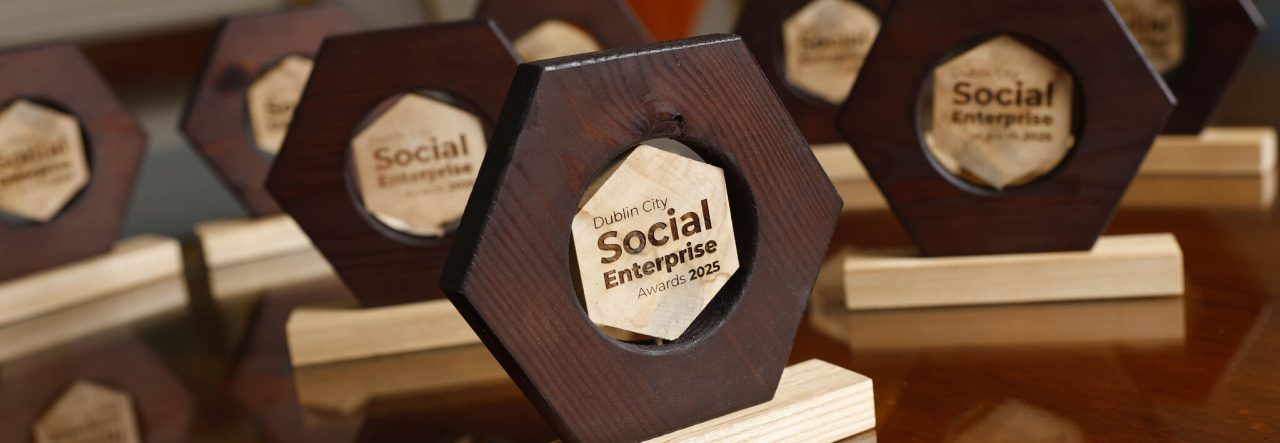
The 2025 Dublin City Social Enterprise Awards celebrate and support the amazing work done by social enterprises across Dublin. These awards, organised by Dublin City Council and is run by Inner City Enterprise (ICE) with support from Dublin City Council and the Local Enterprise Office (LEO) based in Dublin City. These award really shine a light on the positive impact social enterprises have on communities.

Dublin City Social Enterprise Awards 2025

What is Social Enterprise

A social enterprise is a business that trades for a social or environmental purpose. They reinvest profits to create social change and support local needs. Social enterprises can be involved in anything from education and employment to climate action and health. They play a key role in building stronger, fairer, and more inclusive communities.

The Dublin City Social Enterprise Awards are open to all types of social enterprises based in the Dublin City area or Social Enterprises offering products or services in Dublin City. Whether your enterprise is just starting or has been running for years, applying can be a big step forward. There are many good reasons to enter.

Why Enter?

1. Recognition and Credibility
Winning or even being shortlisted for an award can give your social enterprise a huge boost in reputation. It shows the public, partners, and funders that your work is being recognised and valued by others. It can also make people more confident in supporting or working with your organisation.

2. Funding Support
The award includes financial prizes, which can be a great help. This funding can be used to grow your services, support your team, or try something new. For small and growing social enterprises, this support can make a real difference.

3. Promotion and Visibility
Finalists and winners are promoted through Dublin City Council and partner channels. This means more people will hear about your work. You’ll get the chance to tell your story to a wider audience, attract new supporters, and possibly reach new customers or clients.

4. Motivation and Morale
Awards recognise hard work and dedication. Being part of the awards can lift the spirits of your team and volunteers. It reminds everyone that their efforts are making a difference. This kind of encouragement can go a long way, especially when times are tough.

5. Networking and Opportunities
The awards give you the chance to meet other social enterprises, funders, and supporters. These connections can lead to future collaborations, funding opportunities, or new ideas. Sharing experiences with others in the sector can also help you learn and grow.

Award Winners 2024

The Value of Awards for Social Enterprises

Beyond the prize itself, awards help raise awareness of what social enterprises do. They bring attention to local solutions to social problems. By celebrating social enterprise, we help grow a stronger sector that can tackle issues like poverty, exclusion, and climate change.

Entering awards also helps organisations reflect on their impact. The application process can help you think more clearly about your goals, successes, and how you measure progress. This can be useful even if you don’t win—helping your enterprise improve and grow.

Final Thoughts

If you run a social enterprise in Dublin, the 2025 Dublin City Social Enterprise Awards are a chance to share your story, get support, and be part of a growing movement. These awards are not just about winning—they’re about showing the value of your work and inspiring others to create positive change.

About Recycle IT

Recycle IT is an award-winning social enterprise providing recycling collection and drop-off services for all types of waste electrical, electronic equipment (WEEE) and pure metal items.

During 2024 Recycle IT operated drop-off and collection services to homes, schools, charities and businesses across Dublin and surrounding areas collecting a range of WEEE including thousands of batteries, computers, cables, monitors, kettles, microwaves and screens.

Recycle IT services are provided in partnership with WEEE Ireland. Recycle IT is supported by the Department of Rural and Community Development, Dormant Accounts Fund, Pobal, South Dublin County Council and authorized by the National Waste Collection Permit Office and the local authorities across Leinster.

For further details about our free and cost-effective services call us on 01 4578321, email info@recycleit.ie or visit the Recycle IT website at www.recycleit.ie

Recycle IT – Dublin City Social Enterprise Award Winner 2022