More Toys! Reuse or Recycle this Christmas๐ŸŽ…

Imagination and Creativity

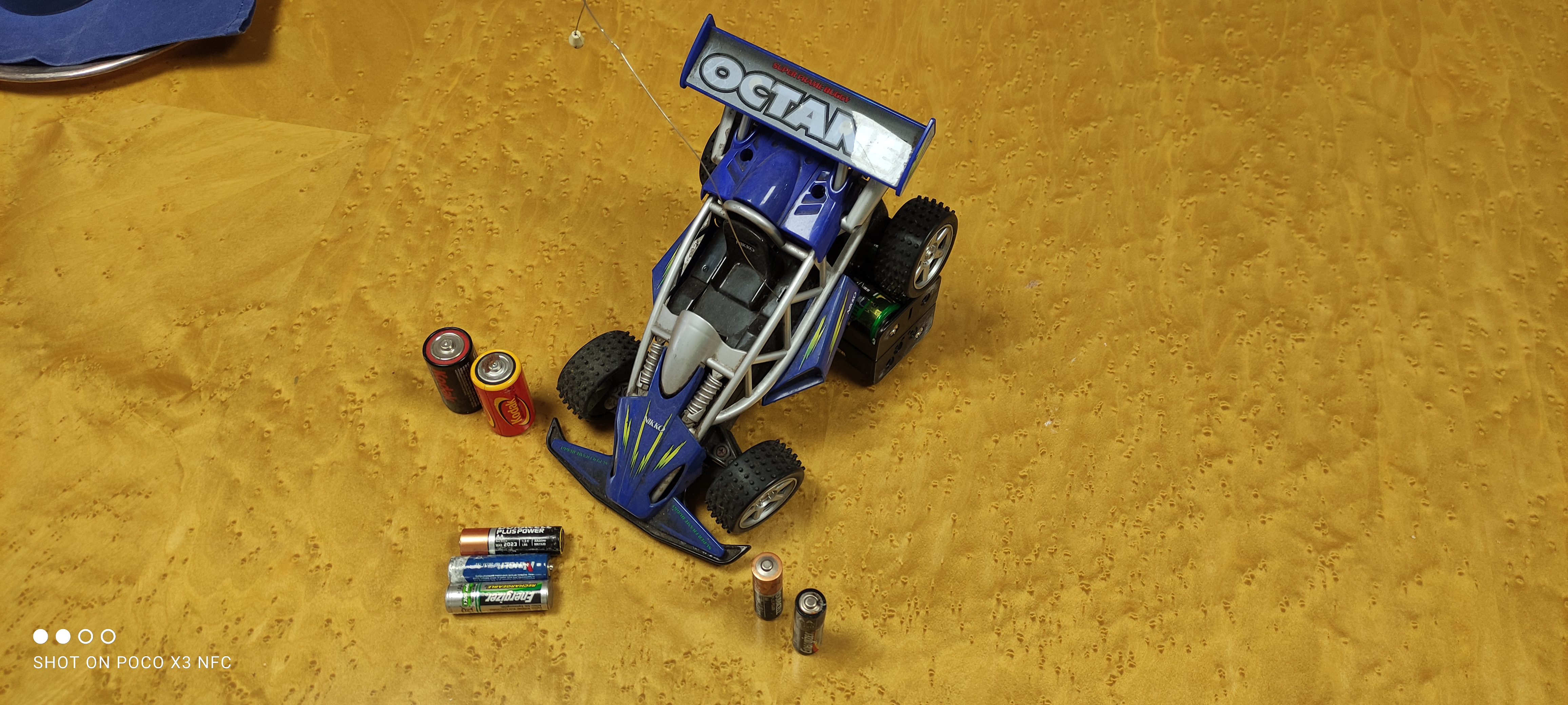
Toys are a traditional gift for children at Christmas and bring a good deal of joy over the following months. Toys also play an important role in childhood, sparking imagination, and fostering creativity. However, as our kids grow, toys often accumulate, gathering dust in forgotten corners or succumbing to wear and tear. But what if I told you that recycling these old, damaged, or unused electronic toys could make a significant impact on our environment?
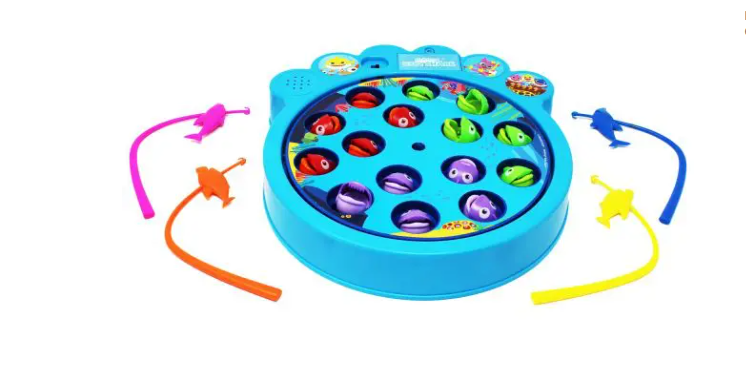
Fun Family Game

The toy industry in Ireland, like in many other countries, has seen an increasing trend in the popularity of electronic and battery-operated toys. With advancements in technology and the growing interest in interactive and tech-based toys, the sales of electronic toys have been on the rise.

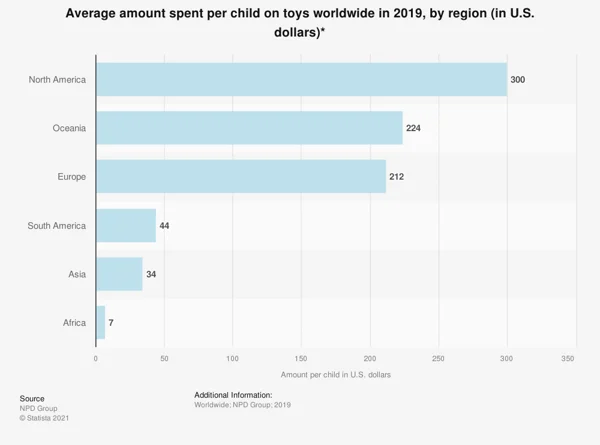
The graphic below demonstrates that in 2019, the annual amount spent on toys per child in the EU was estimated to be $212. The total EU toy market size was estimated to be $24.6 billion. From 2022 to 2025, this value is expected to have a compound annual growth of 15.59%, projecting a volume of $96,537M by 2025. Source: EuroDev BV.
Disposal

With the rise in electronic and battery-operated toys, the issue of electronic waste has become more pressing. Electronics contain various materials that can harm the environment if disposed of improperly. When these toys end up in landfills, they contribute to electronic waste, also known as e-waste. This waste contains hazardous substances such as lead, mercury, and cadmium, posing significant risks to both human health and the environment if not handled correctly.
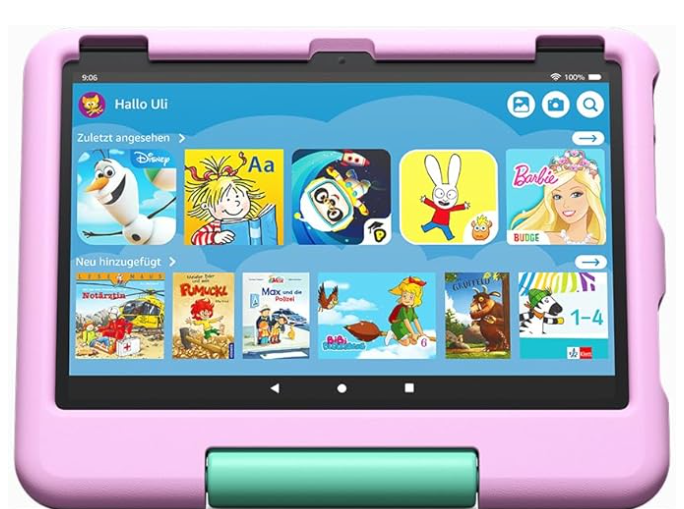
Tablet

Recycling old, damaged, or unused electronic toys presents a solution to this growing problem. By recycling these toys, we divert electronic waste from landfills, preventing harmful substances from leaching into the soil and water sources. Moreover, recycling helps conserve resources by recovering valuable materials like metals, plastics, and other components that can be reused in manufacturing new products.

Now, let’s consider the adverse effects of tossing toys into the regular black or green rubbish bins. When these toys end up in landfills, they contribute to the growing electronic waste problem. Electronics typically take a long time to decompose, and as they break down, they release harmful chemicals into the environment. These chemicals can contaminate soil, waterways, and even the air we breathe, impacting ecosystems and potentially harming wildlife.

Furthermore, the valuable resources used in manufacturing these toys go to waste when they are discarded. This not only adds to the depletion of natural resources but also increases the energy and raw materials needed for producing new toys from scratch.
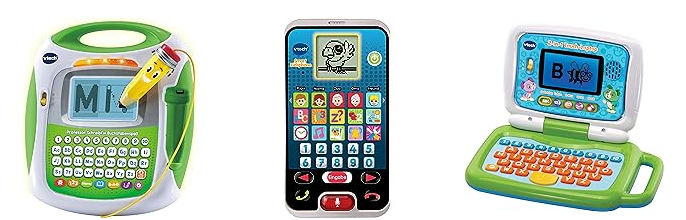
Children’s Computers

Eco-friendly

Toy recycling isn’t just an eco-friendly choice; it’s also an opportunity to teach children about sustainability and responsible waste management. Encouraging them to participate in recycling their old toys instills valuable lessons about reducing waste and preserving the planet for future generations.

Here are some fascinating facts about toy recycling:

  1. Resource Conservation: Recycling one ton of electronic devices can recover as much gold as mining almost 20 tons of gold ore.
  2. Material Recovery: Toys contain various materials such as plastics, metals, and electronic components, all of which can be repurposed through recycling. For instance, plastic toys can be shredded and melted down to create new products, reducing the need for raw materials.
  3. Environmental Impact: Improper disposal of electronic toys can lead to toxic substances seeping into the soil and water, posing severe health risks to communities living nearby.

Please consider, recycling old, damaged, or unused electrical, electronic, and battery-operated toys as its holds immense benefits for our planet. It minimizes e-waste, conserves valuable resources, and helps in creating a cleaner, healthier environment for all. By embracing toy recycling as a habit, we can pave the way for a more sustainable future and teach our children the importance of caring for the Earth while they play and grow.

Games Controllers

About Recycle IT

Recycle IT is an award-winning social enterprise providing recycling collection and drop-off services for all types of waste electrical, electronic equipment (WEEE) and pure metal items.

Recycle IT services are provided in partnership with WEEE Ireland. Recycle IT is supported by the Department of Rural and Community Development, Dormant Accounts Fund, Pobal, South Dublin County Council and authorized by the National Waste Collection Permit Office and the local authorities across Leinster.

For further details about our free and cost-effective services call us on 01 4578321, email info@recycleit.ie or visit the Recycle IT website at 
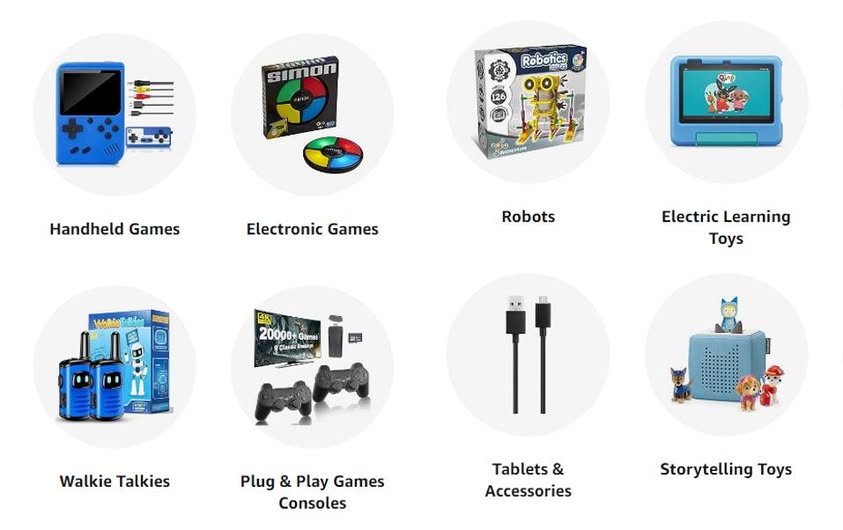
Electronic Toys

Battery Recycling – Anytime is good!

How were doing? 

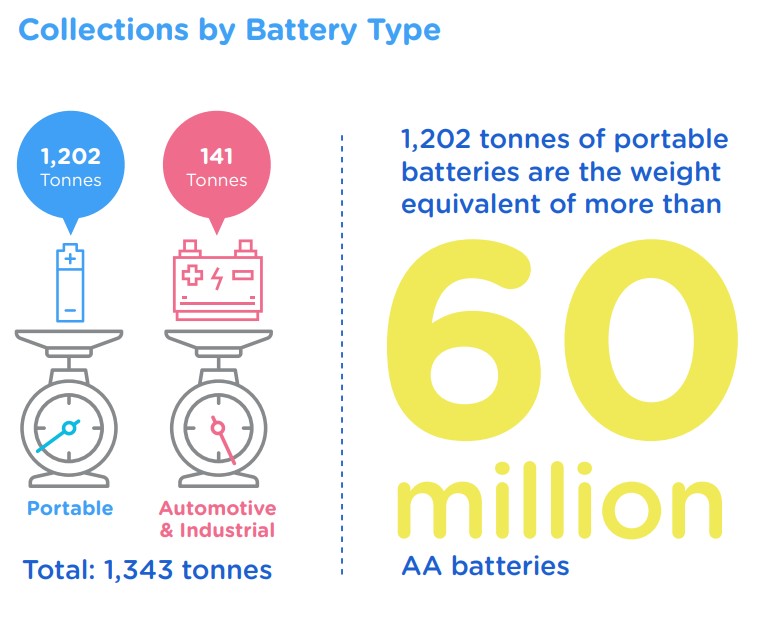
There was an estimated 60 million AA batteries recycled by householders in 2022 through retail drop-off points, civic amenity sites and at recycling center’s including Recycle IT โ€“ that is an average of 12 batteries for everyone in Ireland. (Source WEEE Ireland). This is great but we all can do more in 2023 especially with Christmas coming.

WEEE Ireland Battery Recycling Results 2022

Did you know?

Did you know some waste batteries are classified as hazardous waste and recycling is always the best option? For example

  • Batteries contain Sulfuric acid.
  • Flammable Gases: Hydrogen and oxygen are produced as a part of the operation of the battery.
  • Some batteries can cause electrical shock and burns if not handled safely
  • Don’t forget about the potential physical injury from the weight of the batteries packed together.

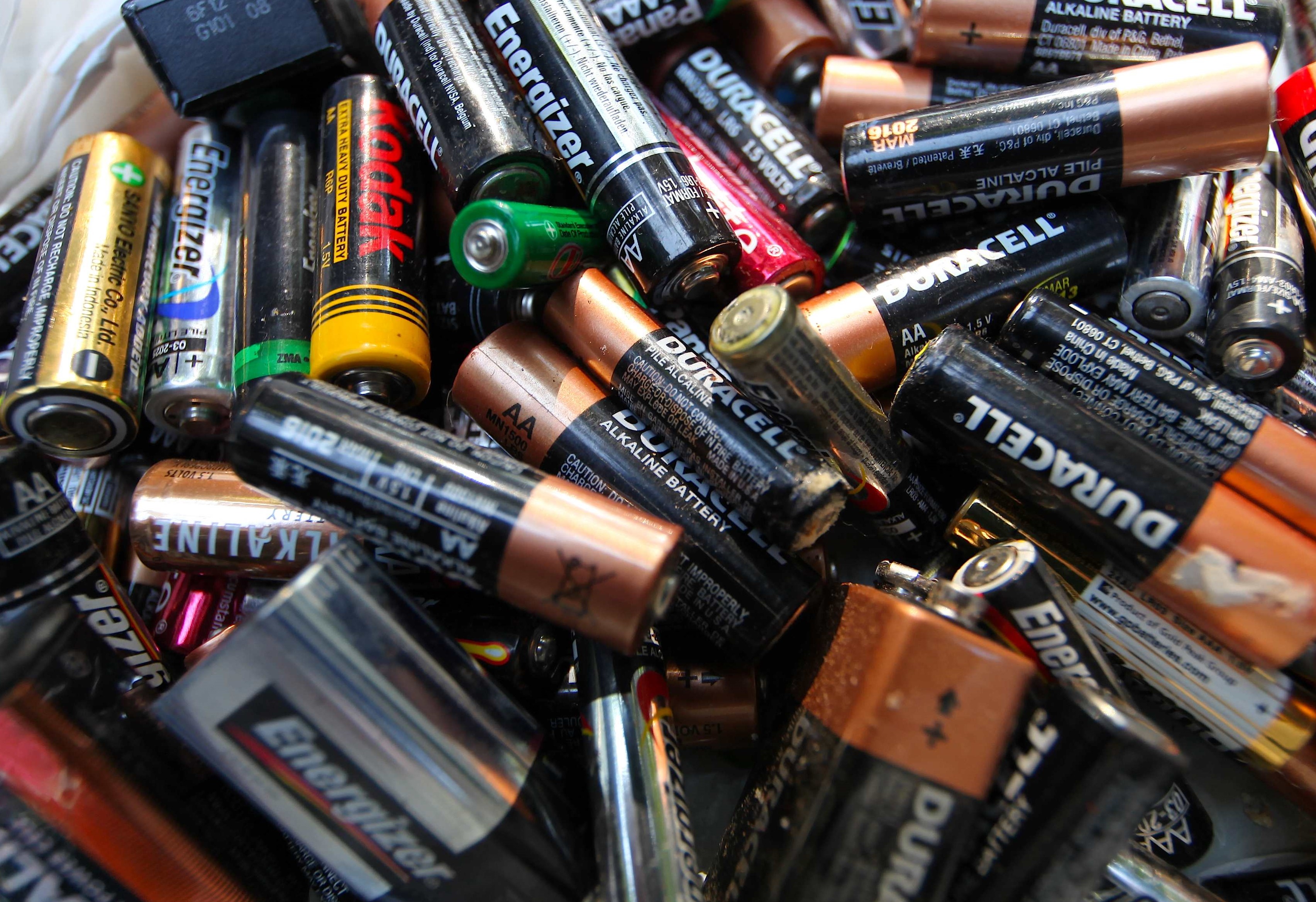
Ordinary household batteries used in a radio, remotes, kids, toys and other gadgets contain some chemicals so ideally should not be thrown in the green or black bin with your other types of waste. The same can be said for rechargeable batteries which also contain harmful materials.

The average alkaline AAA, AA, C, D, 9-volt or button-cell battery is made of steel and a mix of zinc/manganese/potassium/graphite, with the remaining balance made up of paper and plastic. Being non-toxic materials, all of these battery โ€œingredientsโ€ are conveniently recyclable at battery recycling points but not in your bin.

These are non-rechargeable and commonly found in household/offices items:

  1. AA (LR6) โ€“ Used in remotes, toys, flashlights, etc.
  2. AAA (LR03) โ€“ Used in smaller devices like remote controls, wireless mice.
  3. C (LR14) โ€“ Used in larger toys, lanterns, and musical instruments.
  4. D (LR20) โ€“ Used in large flashlights, radios, and some appliances.
  5. 9V (PP3 or 6LR61) โ€“ Used in smoke detectors, clocks, guitar pedals.
  6. CR2032 (coin cell) โ€“ Used in watches, car key fobs, calculators, motherboards.
  7. CR2025 / CR2016 โ€“ Used in similar applications as CR2032 (smaller capacity).

These can be reused hundreds of times:

  1. NiMH AA / AAA โ€“ Rechargeable alternatives to regular AA/AAA batteries.
  2. Li-ion 18650 โ€“ Used in flashlights, laptops, e-bikes (not typical AA-style).
  3. Li-ion 14500 โ€“ Same size as AA but 3.7V; used in high-drain devices.
  4. Li-ion 21700 โ€“ Used in newer flashlights and power tools.
  5. 9V Rechargeable โ€“ NiMH or Li-ion versions of standard 9V batteries.

Why recycle batteries?

Recycling electrical items and batteries helps reduce the number of items entering landfill and ensures any heavy metals and chemicals contained in batteries are managed in an environmentally responsible way.

batteries-photo (2)
Waste Batteries – Recycle IT

Do something new!

It takes lots of energy to manufacture batteries that are simply disposable so why not save energy and other valuable resources including your money by trying rechargeable batteries and/or electricity-operated equipment instead of batteries. Rechargeable batteries are a more environmentally friendly option as they can last for several hundred charging cycles resulting in less waste being produced.

Where to recycle?

Thanks to EU Regulations implemented in 2008 itโ€™s very easy to recycle your old batteries! According to the regulations, all retail outlets that sell batteries are now obliged to take back old batteries of a similar type.

Here are some options for recycling end-of-life batteries.

  • Chains of retail stores and shops where batteries are sold โ€“ Aldi and Lidl Ireland are leading the way!
  • Local recycling center’s accept old and waste batteries.
  • School all over Ireland works in partnership with WEEE Ireland to recycle waste batteries.
  • WEEE Ireland waste electrical and electronic equipment recycling days.
  • Recycle IT recycle batteries from businesses, homes, schools, colleges, and charities daily through our collection and drop-off services.

WEEE Ireland

In Ireland, the WEEE Ireland battery recycling scheme operates on behalf of producers of battery and electrical appliances. It aims to encourage people at home and at work to manage their electrical and battery waste responsibly.  Waste batteries can then be deposited in WEEE Ireland blue boxes at many locations across our country. Please find a list here

Eucobat is the European Association of National Collection Scheme for batteries. They assure that all waste batteries are collected and recycled in an ecologic way, and contribute this way to a better environment. WEEE Ireland promotes European Battery Recycling Week in September each year and has since 2015. Recycle IT support this week and make a great effort to increase batteries recycled. You might like to start planning a battery recycling event in your school, college or workplace!

Battery Recycling Week
Image: Eucobat – European Battery Recycling Week 

Recycle IT

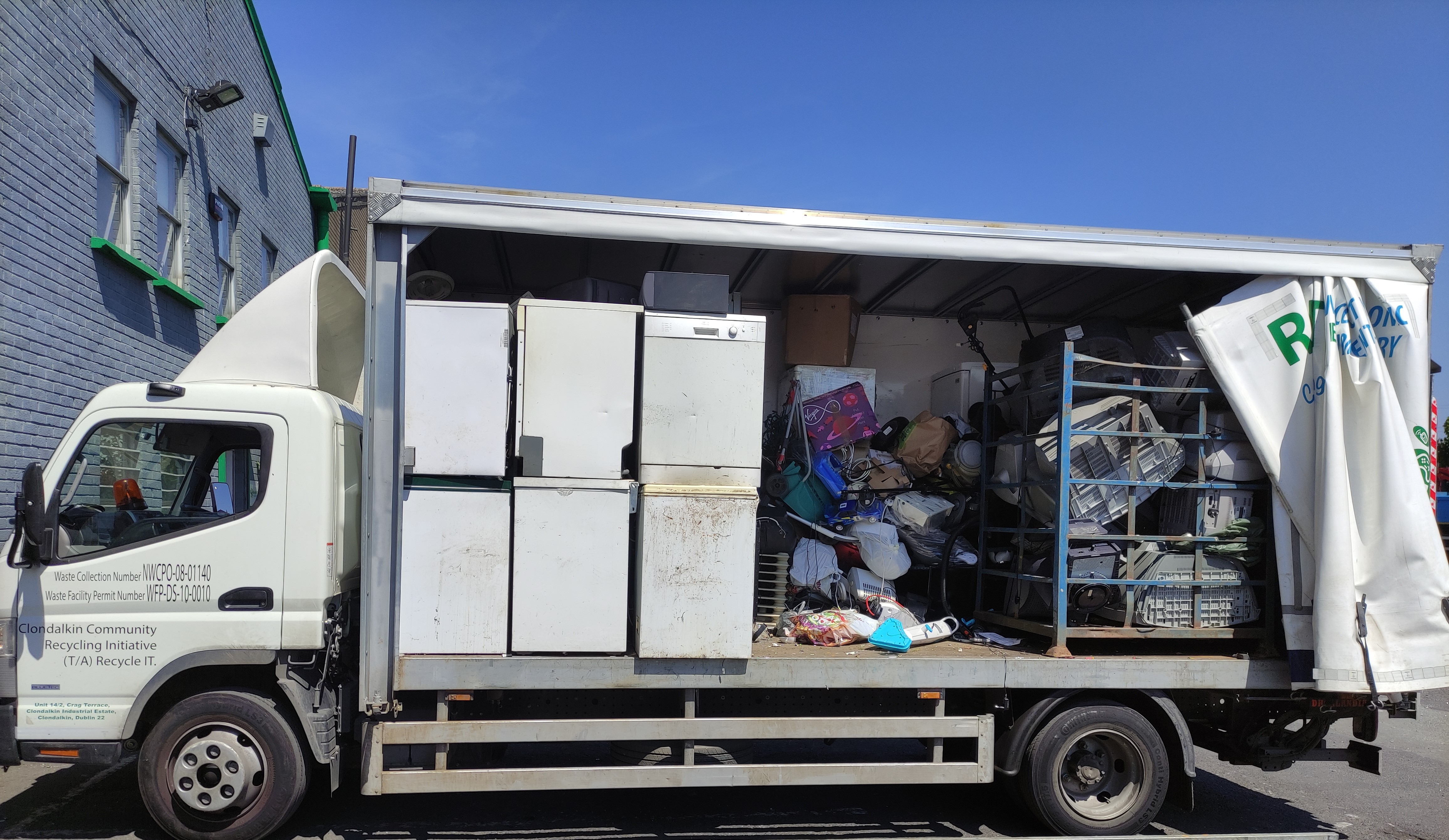
Recycle IT works in partnership with WEEE Ireland to offer collections and drop off recycling services for old electrical, electronic and battery-operated equipment including batteries. The collection service is offered throughout Dublin and the surrounding areas and our teams are delighted to accept waste batteries as part of any recycling collection or simply drop them off at no cost.

To contact us please call 01 4578321, email us here or visit our website

Van 2020
Van with Recycle IT Logo

Climate Change: 4 Changes for All!

Reducing Your Carbon Footprint

The Irish government can make national changes and introduce initiatives which can help reduce the effects of Climate Change but as individuals, living in Ireland we also contribute daily to carbon emissions.

Photo by Pixabay on Pexels.com

Here are some things you can do to reduce your personal impact.

At Home

Insulation is a key step in making your home more comfortable and energy efficient. SEAI grants can help you to insulate your walls and attic to reduce heat loss and your heating bills. Attic insulation, cavity wall insulation, internal Insulation or dry lining and external wall insulation all can help.

Learn more about the different types of insulation for your home. You can also download our homeowner’s guides to insulation. They will give you all the information you need about creating a cosier home.

Photo by Tomu00e1u0161 Malu00edk on Pexels.com

All homeowners, including private landlords, whose homes were built and occupied before 2011 can apply. This is defined as the date your electricity meter was installed.

Otheroptionla for your home includes floor Insulation, insulation of windows and doors, installation of a heat pump, updated heating controls or moving to solar heating or solar electricity panels. This all helps improve your home energy usage and therefore Ireland’s energy usage.

Learn about the grant values and how to apply here

While Travelling

The travel industry is responsible for approx. 8% of total global emissions so every action you take to curb your travel footprint is worthwhile. Here are some tips to consider ahead of your next trip.

Photo by Leah Kelley on Pexels.com

Cars are a major source of carbon emissions so try to eliminate the car from travel plans. It’s one of the best things you can do for reducing your carbon footprint. (You could consider the same for the daily commute or reduce the number of daily commutes).

  • Use green public transport
  • Book electric taxis
  • Don’t fly to nearby destinations or within a small country like Ireland.
  • Fly economy to lower your carbon footprint
  • Pack small and light (all the time).
  • If you going a greater distance book a non-stop flight
  • Visit fewer locations while on a trip – enjoy the location you are in!
  • Limit the use of air conditioning and charging equipment
  • Stay at an Eco- Friendly location – places where people care about the environment.
  • Finally, calculate your own travel carbon footprint here

Wasting Food

In 2022 the Irish EPA said, food waste is a global problem that has environmental, social and economic consequences.

More than one-quarter of the food produced globally is wasted. It is a significant contributor to climate change, as food loss and waste contribute to 8-10% of greenhouse gas emissions. 

Growing, processing and transporting food all use significant amounts of resources such as land, water and energy. 

The EPA estimates that Ireland generated 770,300 tonnes (t) of food waste[2] in 2020.

Source: EPA – Food Supply Chain

What to do?

Stop Food Waste is a national campaign to give you information and tips on how to make the most of your food and avoid food waste. 

Reducing food waste is an easy action you can take to save money, save time, and lessen your impact on the environment.

As a starting point, we can all follow the A-Z of Foods. This is a useful resource with top tips and techniques to best manage food at home in order to prevent food waste.

Have a look at the BBC Climate change food calculator – it’s easy and great – give the kids ago

Fashion – Buy Less – Think More

It takes 3,781 litres of water to make one pair of jeans, according to the UN’s Environment Programme, taking into account cotton production, manufacture, transport and washing.

Photo by Pixabay on Pexels.com

Mass-market fast fashion may soon stop for European shoppers, with the EU saying it plans to implement new regulations to limit the wasteful trend and encourage fashion sustainability.

The proposal by the EU calls for minimum use of recycled fibres by 2030 and a ban on the destruction of many unsold fashion products.

The European Commission regulations also seek to contain the release of microplastics and improve global labour conditions in the garment industry.

But as fashion shoppers what can we do now?

Well, The Guardian Newspaper has come up with a fast fashion fix: 20 ways to stop buying new clothes forever. Click here to have a read and change your ways.

You will find 7 quick tips below

  1. Buy less and more durable clothesโ€”choose slow-fashion
  2. Avoid fast-fashion companies and support small local businesses instead;
  3. Rent clothes youโ€™re only likely to wear once;
  4. Buy pre-owned items;
  5. Swap clothes with friends;
  6. Repair and upcycle your clothes;
  7. Resell or give clothes for free online.

What Next?

Ireland Climate Action and Low Carbon Development (Amendment) Act 2021 requires Ireland to achieve a 51% reduction in emissions by 2030, relative to 2018 levels, and net-zero emissions by 2050. We all must do more and learn more to help. To get up to speed please visit the Department of the Environment, Climate and Communications. Click here.

About Recycle IT

Recycle IT is an award-winning not-for-profit social enterprise providing a collection and drop-off service for all types of waste electrical, electronic and metal items. Recycle IT offer drop-off and collection services to both homes and organizations in Dublin and surrounding areas collecting a range of WEEE which includes thousands of printers and we can help recycle yours!

Our electrical community collection service is provided in partnership with WEEE Ireland. Recycle IT is supported by Pobal, South Dublin County Council and authorized by the National Waste Collection Permit Office and the local authorities across Leinster.

To speak with Recycle IT please call 01 4578321 or email us here

Visit our website www.recycleit.ie

Recycle IT at Work

District Heating – Launched in Tallaght

One of Ireland’s first district heating programmes has started operating in Tallaght, south Dublin.

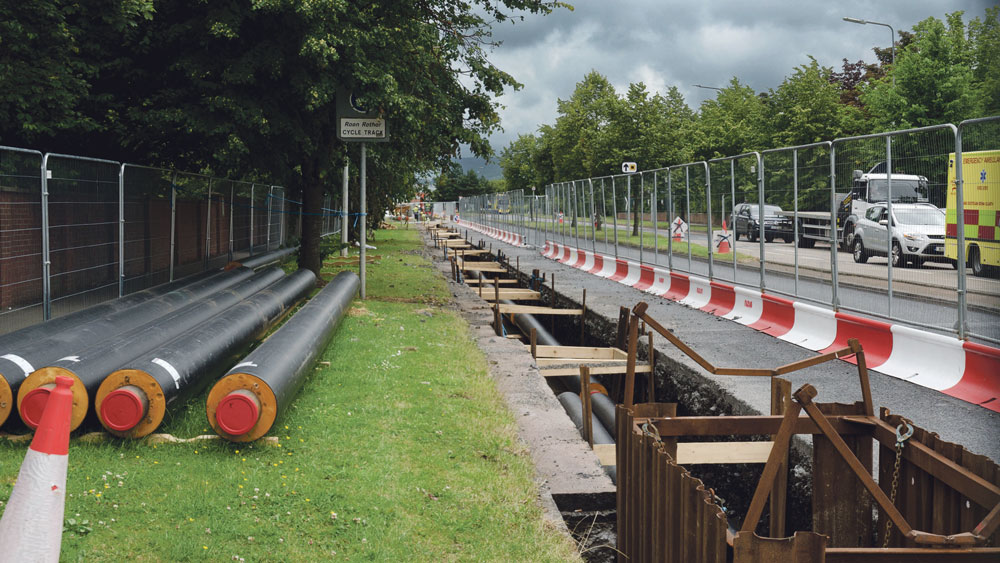
The Tallaght District Heating Scheme takes waste heat from an Amazon data centre and uses it to heat South Dublin County Council offices and the local library. This environmentally friendly initiative provides low-carbon heat to nearby public buildings.

The Scheme, which is the first of its kind not-for-profit, publicly owned District Heating Scheme in Ireland, will reduce carbon dioxide (CO2) emissions in the South Dublin County area by approximately 1,500 tonnes per year in its first phase.

Tallaght District Heating Scheme Works are now completed. Source: Echo Newspaper

How it Works

The heat is carried by hot water pumped through a network of insulated pipes. The scheme will also serve 133 affordable apartments to be built on public land in Tallaght and a 3,500 sq/m innovation centre hosting tech start-ups on the same site.

The council says that over the lifetime of the scheme, it could also heat 2,000 to 3,000 apartments.

The objective of the scheme is to decrease greenhouse gas emissions associated with the use of fossil fuels for heating in the area in order to contribute to national-level renewable energy, energy efficiency and CO2 targets and establish Tallaght as a leader in innovation in the area of climate change.

District Heating Scheme, which officially opened by Minister for the Environment and Climate,ย Eamon Ryan TD

Launch Event

The Minister for the Environment and Climate described the Tallaght scheme as “an example of the future being delivered today”.

Speaking at the launch of the project Eamon Ryan TD said the Government will soon publish a heat policy as part of its Climate Action Plan commitments.

“The delivery of heat is probably one of the most important in Climate, you don’t tend to see it, itโ€™s not as visible or as high profile as transport or agriculture, as electricity generation but actually managing how we use to heat and how we keep heat in is probably the biggest change we need to make to keep our climate targets,” Minister Ryan says.

Video of Launch – RTE News

Donated

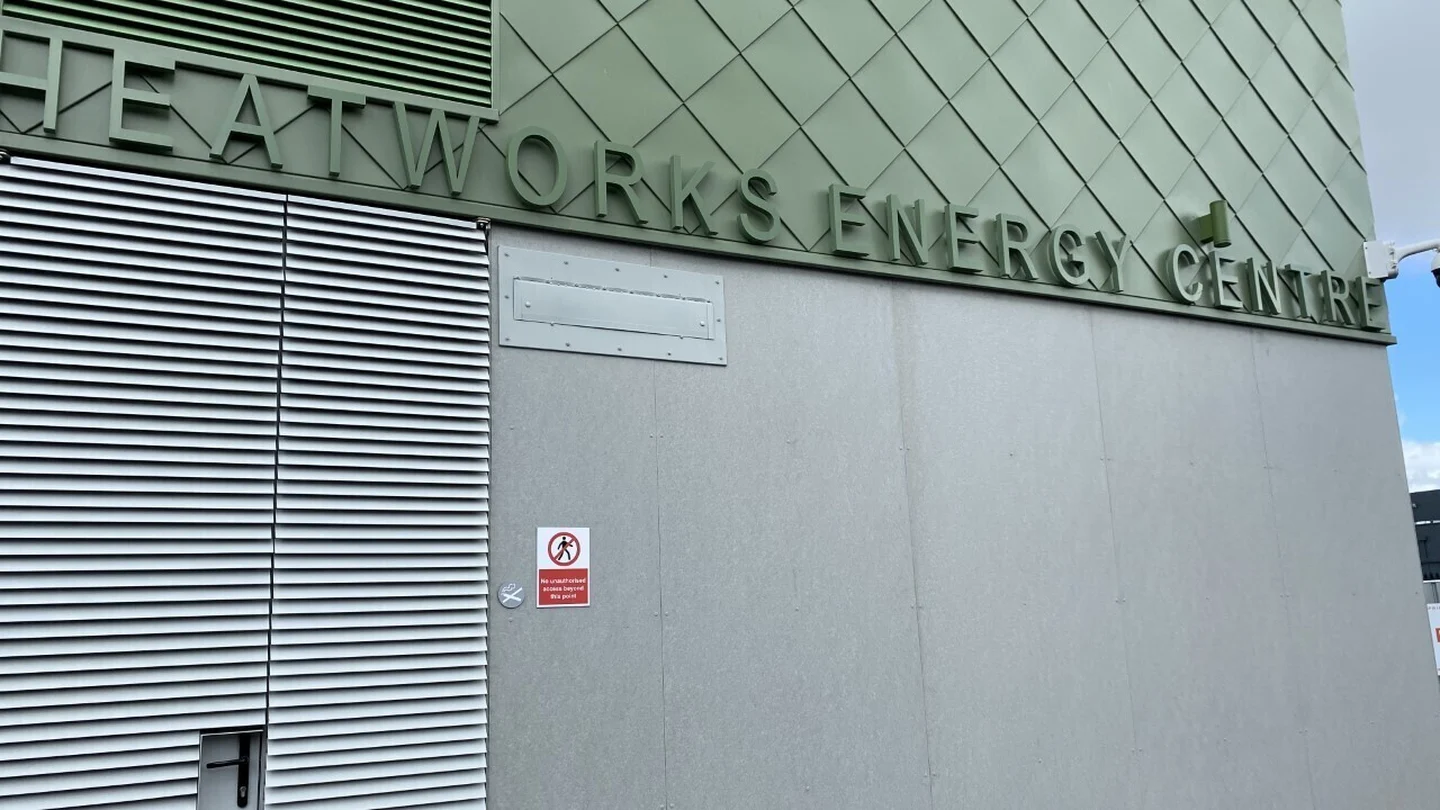
For the Tallaght project, Amazon Web Services (AWS) Ireland donates the waste heat from its data centre which is used to pipe water into the Heatworks Energy Centre next door.

Amazon Web Services, Ireland Country Manager Mike Beary says the company is very happy to be involved.

“We’ve been investing in Tallaght for 15 years. Amazon Web Services has been part of this community, and we’re very proud of our relationships with this community here. This is also a part of the drive to help Ireland meet its climate change targets for 2030.”

Future

Codema, the energy agency for Dublin, says most homes in the capital could be served by district heating systems by 2050.

Codema is the project partner withย South Dublin County Councilย to develop the Tallaght District Heating Scheme (TDHS), which is the first large-scale district heating network of its kind in Ireland.ย 

Waste heat from data centres, power stations and other industrial facilities will be one source but there is also a significant geothermal resource.

What are the Benefits?

  •  Lower emissions and greater use of renewable energy
  •  Hot water on demand 24/7 – very reliable system, no more worrying about leaving the immersion on!
  •  No boiler in your home – more space, less maintenance
  •  Improved air quality
  •  Better Building Energy Ratings
  •  Flexible system – future-proofed to provide heat from multiple renewable sources
  • ย Cost – The heat price will be competitive with alternative heating technologies
Energy Centre Tallaght, South Dublin

Funding

The scheme is funded by the European Union’s NWE Interreg HeatNet programme, a multi-million-euro fund for schemes that reduce CO2 emissions in Europe’s north-west, by โ‚ฌ4.5 million from the Project Ireland 2040 Climate Action Fund and through direct funding from South Dublin County Council.

Phase one of the Tallaght District Heating Scheme will provide heat to over 32,800msq of public buildings including South Dublin County Councilโ€™s office headquarters and the TU Dublin Tallaght campus. During normal operation, the connected buildings will be warmed by heat generated at the data centre.

The subsequent phases of the project will facilitate the connection of other public, private, and residential customers in the Tallaght area including the proposed 133 affordable rental apartments in Tallaght, as well as further buildings within TU Dublinโ€™s Tallaght Campus currently under construction.

About Recycle IT

Recycle IT is an award-winning not-for-profit social enterprise providing a collection and drop-off service for all types of waste electrical and electronic equipment (WEEE). Recycle IT provide drop off and collection services to thousands of homes and businesses across Dublin and surrounding areas collecting a range of WEEE which includes thousands of laptops, computers, cookers, cables, monitors, microwaves and TVs.

Recycle IT services are provided in partnership with WEEE Ireland. Recycle IT is supported by Pobal, South Dublin County Council and authorized by the National Waste Collection Permit Office and the local authorities in the Eastern-Midlands Waste Management Region.

Recycle IT Collection

Visit our website for further details

Recycle IT – Business Electronic Recycling

Calling Business

Waste Electrical and Electronic Equipment (WEEE) recycling is an important consideration for every business, including small and medium-sized companies and especially those with a lot of electronics, such as computers, laptops, phones, networking equipment, printers, batteries and other office devices. Watch our video below!

Recycle IT – Community Electrical Recycling

Some of these old and unused items may be stored in desk drawers or stationary rooms and years out of use. The safe disposal of old, damaged, or unused equipment is essential to good environmental practice.

Some Background

According to the United Nationโ€™s Global E-Waste Monitor, e-waste is the worldโ€™s fastest-growing domestic waste stream. Its disposal contributes to climate change due to the chemicals released when it gets burned. Furthermore, 10 % of all electricity consumption and 4 % of all carbon emissions worldwide stem from the ICT industry.

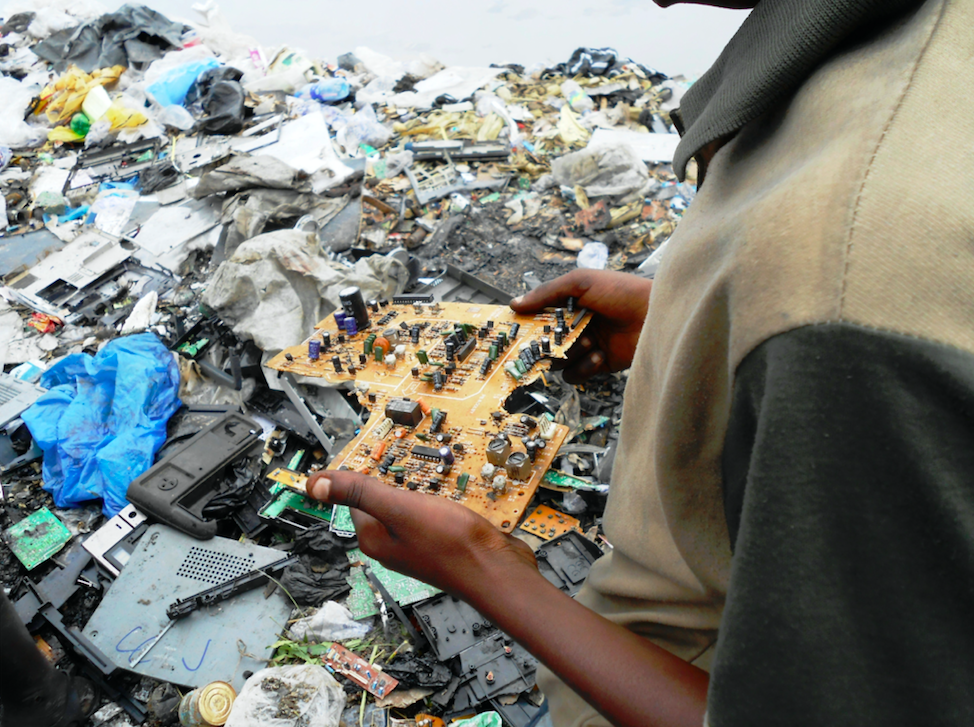
E-waste is hazardous because the components used to make devices contain metals and chemicals known to harm human health. Adults and children in developing countries often work, live, and play in or near e-waste recycling centres and are therefore especially vulnerable.

Unauthorised Disposal of Electronic Equipment

Why We Do

Recycle IT safely recycle Waste Electrical and Electronic Equipment Recycling for business. We offer a collection service for all types of electronic equipment. Many items are broken down into their component parts and salvaged components that can be reused including the metal from outer casings. This is a much more practical solution for the growing challenge of e-waste. Simply dumping the equipment in the bin is not the right thing to do.

Before the safe disposal of computer equipment, Recycle IT can on request offer data destruction to ensure that sensitive information is not stolen and used for fraud โ€“ an important and often legal consideration for many companies. Just ask in advance of drop off or the collection and the service can be arranged.

Computers including Hard Disk Drives

Recycle IT aims to support the Circular Economy which favours designing products for durability, reuse, remanufacturing, and recycling. It aims to keep materials circulating for as long as possible. Itโ€™s an economy that encourages many different uses for materials instead of just using them up and throwing them in a landfill or an incinerator.

Our recycling initiatives have led to positive recognition from several sources, including Repak Ireland, Dublin City Council, Rethink Ireland, and others.  Please click here to learn more.

If your business needs to free up space, declutter and safely recycle old electronic equipment or pure metal items please do contact Recycle IT via email or telephone at 01 4578321

About Recycle IT

Recycle IT, is an award-winning Dublin-based, not-for-profit, social enterprise offering electrical, electronic and metal recycling. Services are provided in partnership with WEEE Ireland. Recycle IT is supported by Pobal, the Dormant Accounts Fund, and South Dublin County Council. Recycle IT is authorised by the National Waste Collection Permit Office and the local authorities across Leinster.

For further details about our free and cost-effective services call us on 01 4578321, email info@recycleit.ie or visit the Recycle IT website at www.recycleit.ie
Recycle IT – 2022 Award Winner