Protect Data and the Planet: Recycle Your Memory Chips

The Importance of Removing and Recycling Computer Memory Chips Safely

Computer memory chips, like RAM (Random Access Memory) and flash storage, play a crucial role in modern computing by enabling fast data access and system performance. Yet, as technology advances, older computers and memory chips become obsolete, leading to electronic waste (e-waste). Properly removing and recycling these components is essential for environmental protection, resource conservation, and data security.
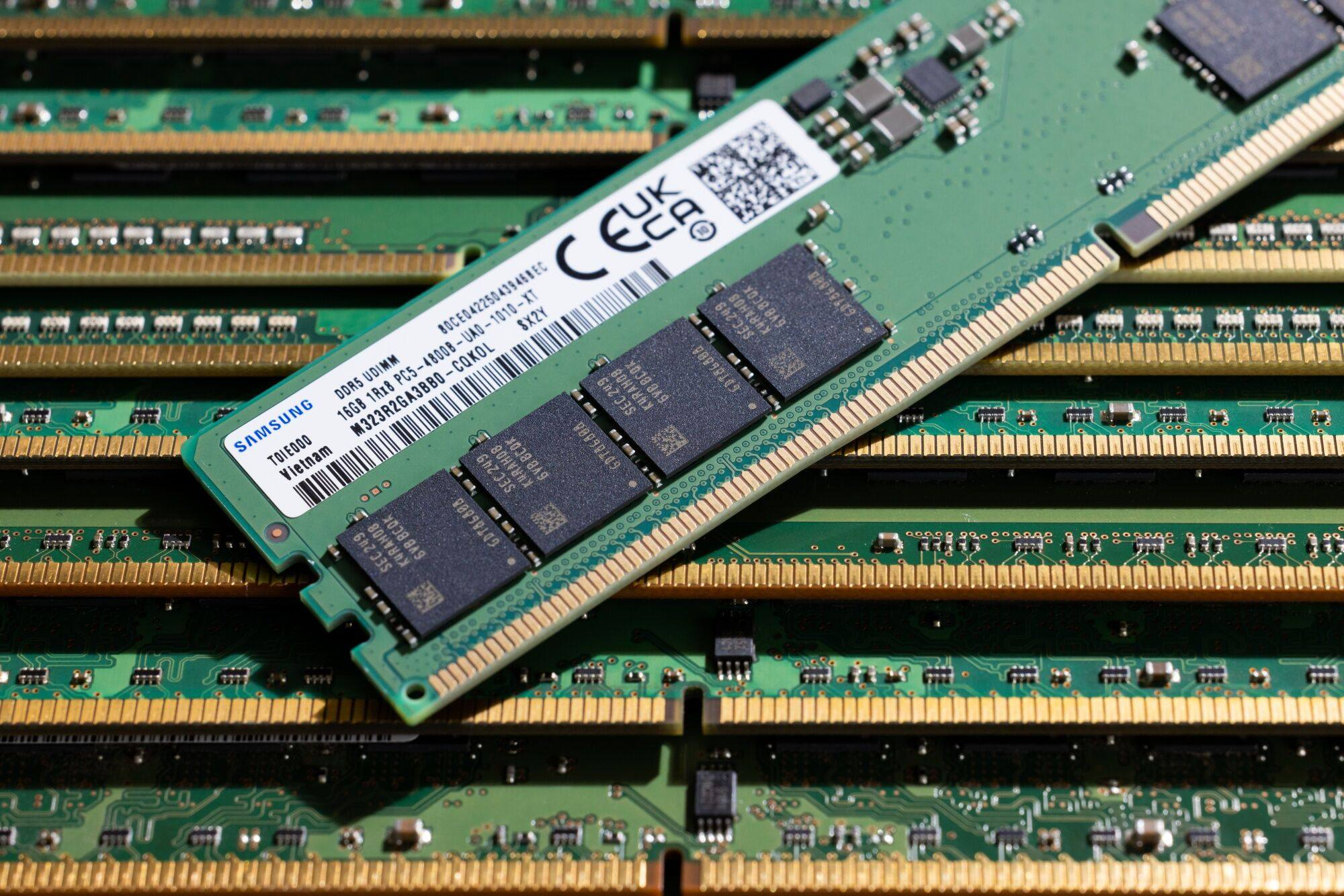
Internal Computer Memory Chip

In 2021, the global semiconductor industry achieved record sales, totaling $555.9 billion, with approximately 1.15 trillion semiconductor units shipped. Memory chips, including DRAM and NAND flash, are significant contributors to these figures. Source: www.semiconductors.org

1. Environmental Impact of E-Waste

E-waste is one of the fastest-growing waste streams in the world, with millions of discarded computers contributing to pollution. Memory chips contain hazardous substances, for example, lead, mercury, and brominated flame retardants, which can leach into soil and water if improperly disposed of in landfills. Additionally, electronic waste incineration releases toxic fumes, contributing to air pollution and harming both human health and ecosystems. Recycling memory chips prevents these hazardous materials from polluting the environment and ensures responsible waste management.

2. Recovering Valuable Materials

Memory chips contain precious and rare materials, such as gold, silver, copper, and palladium. These metals are highly conductive and essential for electronic manufacturing, but they are also finite resources that need extensive mining. Extracting these metals through traditional mining causes deforestation, water contamination, and high carbon emissions. By recycling memory chips, manufacturers can recover these valuable materials and reduce the need for new mining operations, leading to a more sustainable supply chain.
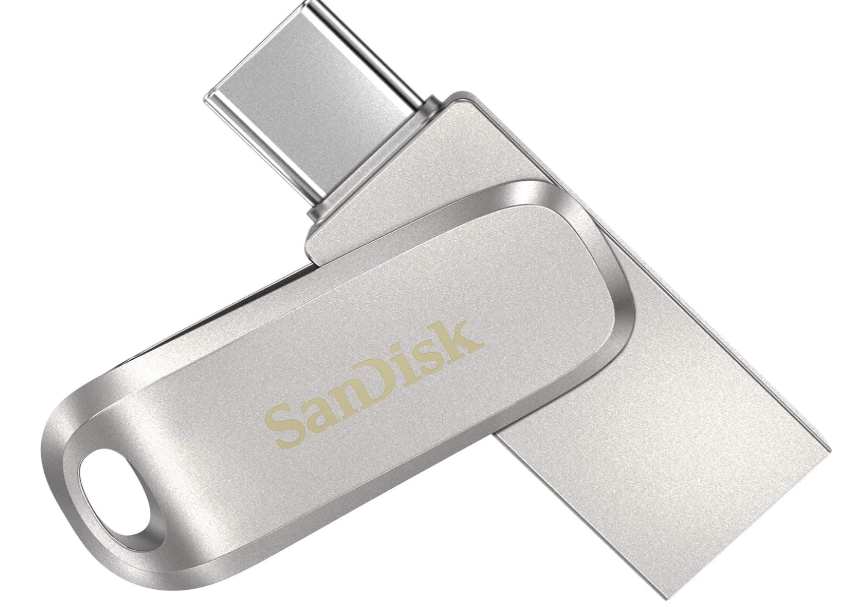
Portable Memory

3. Reducing Electronic Waste and Landfill Overflow

Discarded electronics take up significant space in landfills, where they do not decompose easily. Memory chips and other computer components contribute to this growing problem. Safe removal and recycling help minimize landfill overflow and promote a circular economy where materials are reused rather than discarded. Recycling programs help extend the lifespan of electronic components and reduce the overall waste burden on the planet.

4. Data Security Considerations

Different types of Computer memory store sensitive data, including passwords, personal information, and financial records. If a memory chip is improperly discarded, unauthorized individuals can retrieve and exploit the data. Secure removal and recycling of memory chips make sure that stored information is permanently erased before disposal. Certified e-waste recyclers use specialized techniques, like data wiping and physical destruction, to prevent data breaches and safeguard user privacy.
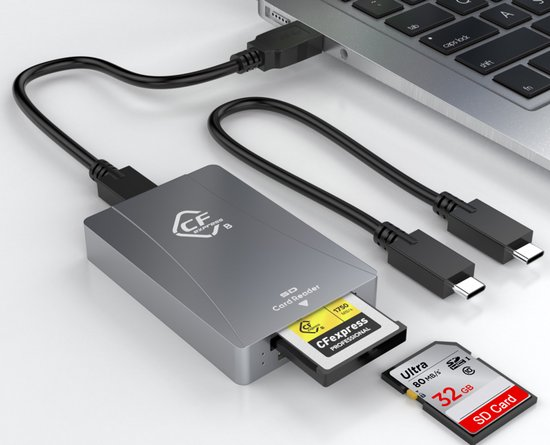
Memory Cards

5. Economic and Job Creation Benefits

Recycling memory chips and other electronic components contributes to the growing e-waste management industry, creating jobs in recycling centers, refurbishment facilities, and material recovery plants as a Recycle IT.

Some companies refurbish and resell working memory chips, making affordable technology accessible to low-income communities while reducing waste.

Other like Recycle IT operated within a closed loop circular supply chain. As a part funded social enterprise established to offer training and employment opportunities we apply for funds to invest in e-waste recycling projects, further boosting community engagement, economic opportunities and sustainable development.
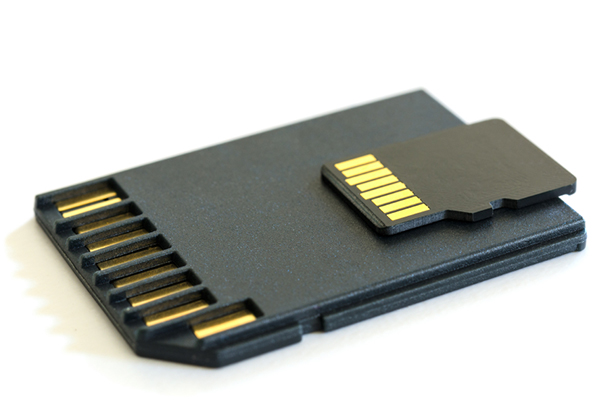
Memory Card

Finally

Computer memory chips are vital components that should not be discarded carelessly. Safe removal and recycling help protect the environment, recover valuable materials, reduce landfill waste, ensure data security, and promote economic growth. By adopting responsible recycling practices, individuals and businesses can contribute to a greener, more sustainable future. Recycling initiatives and awareness campaigns are essential in encouraging the proper disposal of electronic waste, making the technology industry more eco-friendly and resource-efficient so please share this blog post with others!

About Recycle IT

Recycle IT, are a social enterprise offering electrical, electronic and metal recycling. Services are provided in partnership with WEEE Ireland. Recycle IT are supported by Pobal, the Dormant Accounts Fund, South Dublin County Council and authorized by the National Waste Collection Permit Office and the local authorities across Leinster.

For further details about our services call us on 01 4578321, email info@recycleit.ie or visit the Recycle IT website at www.recycleit.ie

Recycle IT – Irish Social Enterprise Network Members 2025
Electrical Recycling – Do more this year!

Research from WEEE Ireland

WEEE Ireland, Ireland’s large waste electrical compliance scheme says over 15 million small appliances such as coffee makers, calculators, kettles and keyboards were handed back for safe recycling. This is alongside with the equivalent of 66 million used AA batteries which made there back to into the circular economy.

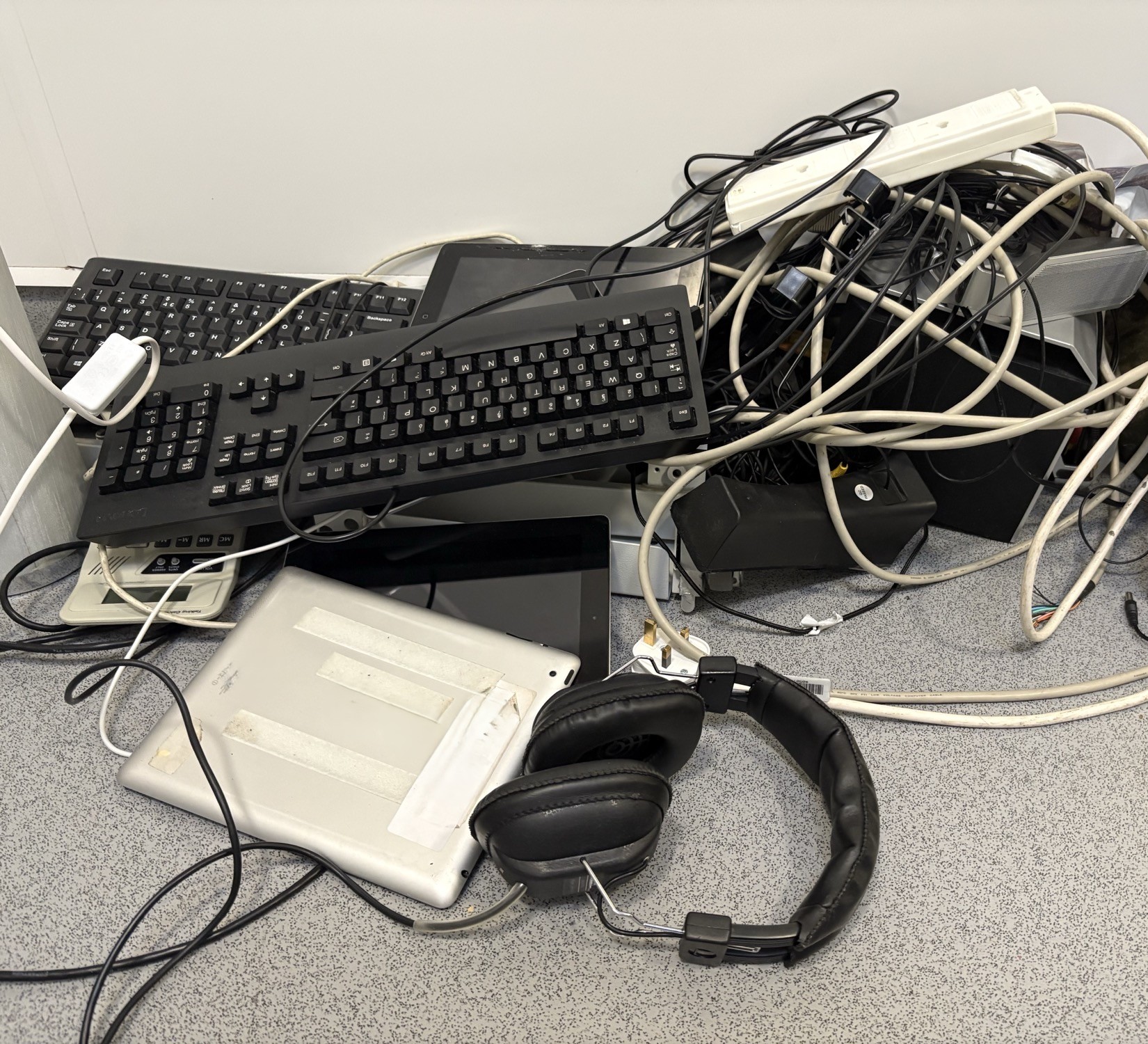
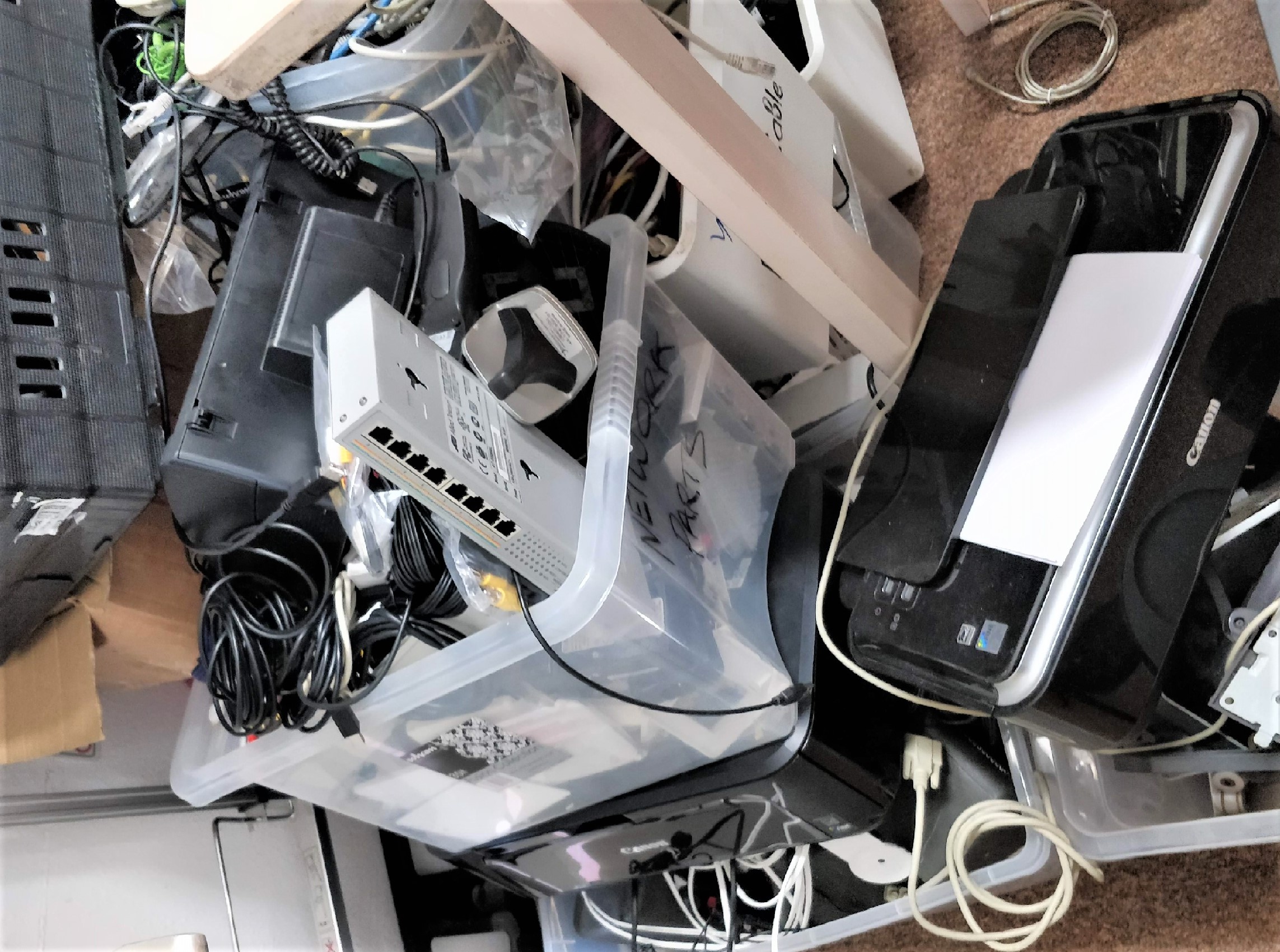
Mixed Cables and Chargers

WEEE figures also reveal that, for every 10 new tech products sold in Ireland, only 4 are eventually coming back for recycling when they become obsolete. Did you know, one in four 18-24-year-olds and one in five aged 35-44 get rid of common household electrical items such as smart watches, earbuds and blue tooth speakers in general waste bins. 

Almost half of Ireland’s small electronics are bought in November and December each year – but data from WEEE Ireland shows only one in three are coming back for recycling.

Mixed Electronic Equipment

The Waste Electrical and Electronic Equipment (WEEE) Ireland figures reveal more than 11 million small electronic items from personal grooming to tech were bought here last year, 4.4 million of them across Black Friday and Christmas.

People’s concerns about personal data are stopping one in five (21%) adults from recycling their unused tech items – while a further 22% of adults keep old technology equipment as backups, new research reveals.

The Empathy Research survey for WEEE Ireland, the largest Irish not-for-profit compliance scheme also found that 12% of people still put small electronic waste items in general household bins. This is truly unbelievable!

Mixed Electronic Equipment

Storing and hoarding

Digital hoarding, e-hoarding, e-clutter, data hoarding, or cyber hoarding are all terms used to describe keeping IT equipment beyond a reasonable time for use.

In Time Magazine Pascal Leroy, director general of the WEEE Forum, a Brussels-based association of global e-waste management organizations, says “It’s really an issue of great concern, this hoarding, and it’s difficult to address because it’s about consumer behaviour—why do people behave the way they do?” says “There is something in us that prevents us from properly disposing of it or properly recycling it.”

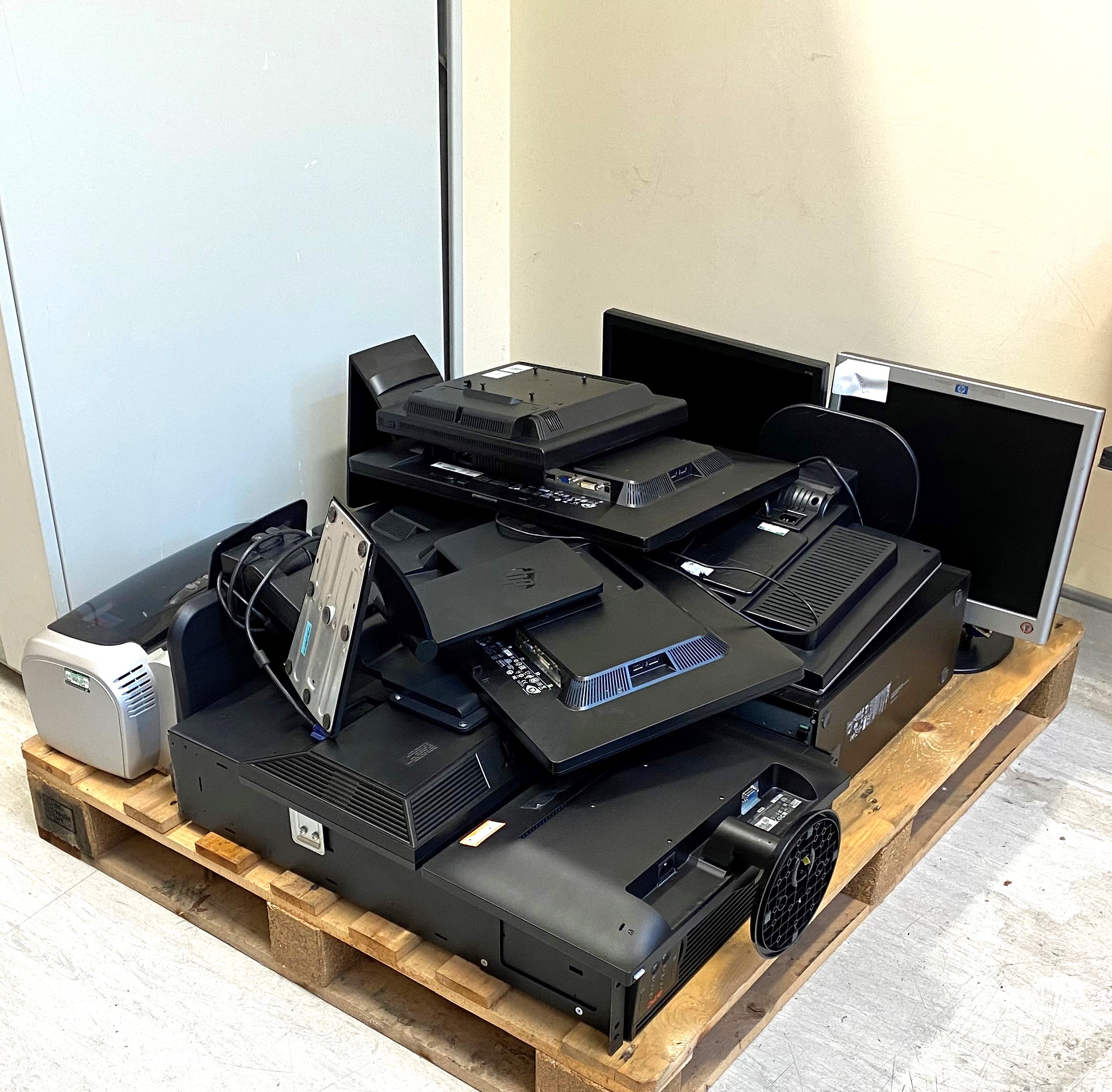
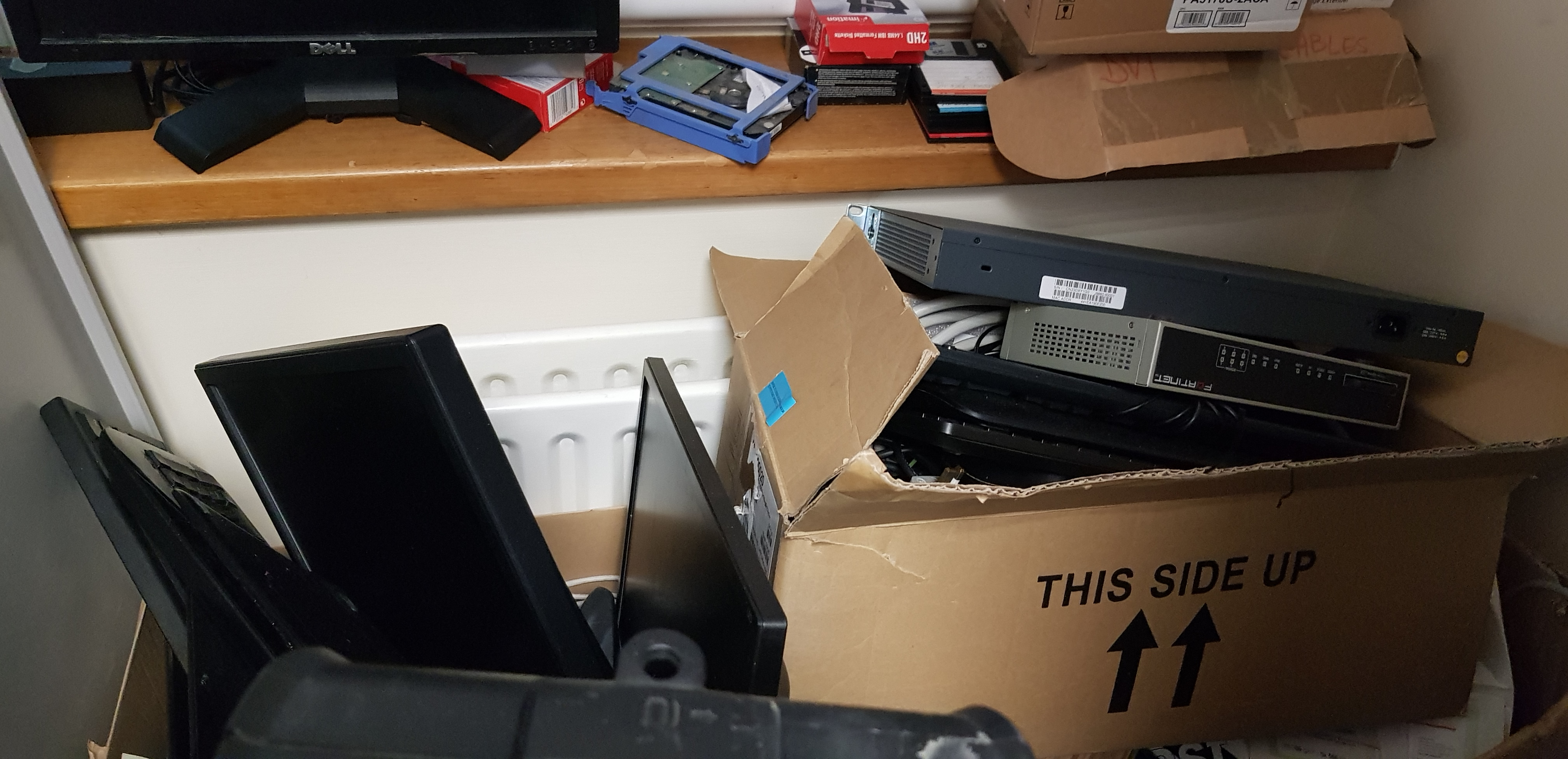
Old Electronic Equipment – Home or Office

When you choose to store or hoard older items (no longer used) you are limiting the number of reusable resources available to produce new electronic items. There are lots of components in older equipment that can be reused in the manufacturing of new mobile phones, tablets, or laptops.

For example, the plastic and glass from screens/monitors can be reused, therefore limiting the amount of glass and plastic that is required to create new monitors.

Recycling your old phones, tablets, and laptops with Recycle IT also helps create work experience opportunities and local jobs which is beneficial to the local community.

You can read more about this topic here.

Doing more!

CEO of WEEE Ireland, Leo Donovan, is now urging consumers to dig out old and broken tech and their accessories for recycling, emphasising the straightforward nature of backing up and wiping old devices.

“Most phone and laptop manufacturers have user-friendly instructions on their websites for backing up and deleting data, ensuring that valuable information is not lost or exposed.

Mixed Electronic and Electrical Equipment

“If recycled correctly, these old and broken devices, along with their integrated batteries, chargers and cables, provide a significant source of critical and strategic secondary raw materials,” said Mr Donovan.

Recycling laptop, mobile phones and other household and personal electronic devices help reduce the use of new natural resources.

About Recycle IT

Recycle IT is an award-winning not-for-profit social enterprise providing a collection and drop-off service for all types of waste electrical, electronic and metal items.

Recycle IT offer drop-off and collection services to both homes and organizations in Dublin and surrounding areas collecting a range of WEEE which includes thousands of printers and we can help recycle yours!

If you require data destruction we can offer a cost-effective service to households and organisations. Just email us to find out more.

Our electrical community collection service is provided in partnership with WEEE Ireland. Recycle IT is supported by Pobal, South Dublin County Council and authorized by the National Waste Collection Permit Office and the local authorities across Leinster.

To speak with Recycle IT please call 01 4578321 or email us here

Visit our website www.recycleit.ie

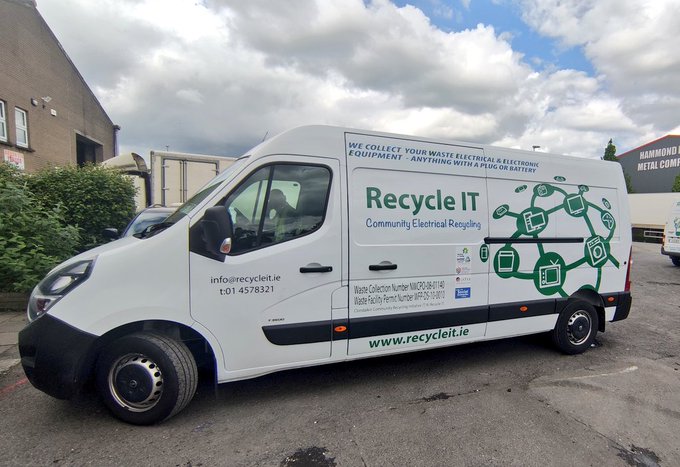
Recycle IT Van 2025

Reduce Clutter This Weekend

Stress and Clutter

Clutter is an overabundance of possessions that collectively create chaotic and disorderly living spaces,” said Joseph Ferrari, a professor of psychology at DePaul University in Chicago.

Decluttering your home, office or business maybe one of your wish list activities or just something you have planned to do for a while but it just has not happened!

Clutter makes it hard to find things while also creating the feeling of limited space. Its believed decluttering your apartment, house and work space improves your living space, your homes appearance and your own mental health.

IMG_20190814_102939 (2)
Mixed IT Clutter – Recycle IT

A study, published in Current Psychology found a substantial link between procrastination and clutter challenges in the age groups; college students, young adults in their 20s and 30s and older adults, mainly in their 50s; so lots of people face clutter challenges and frustration with clutter tended to increase with age. (Source: New York Times, Jan 2019)

Research by Dreamtown in the UK found that the average 10-year-old owns 238 toys but plays with just 12 daily (The Telegraph). The build-up of home clutter including toys, clothes, shoes and even gadgets creates a constant need to tidy up which in turn can create a feeling of stress. Do you recognize the feeling?

The Buildup

Over the course of our lifetime, we will spend a total of 3,680 hours or 153 days searching for misplaced items, something we just stuck in a drawer! The research found we lose up to nine items every day—or 198,743 in a lifetime. Phones, keys, sunglasses, and paperwork top the list (The Daily Mail).

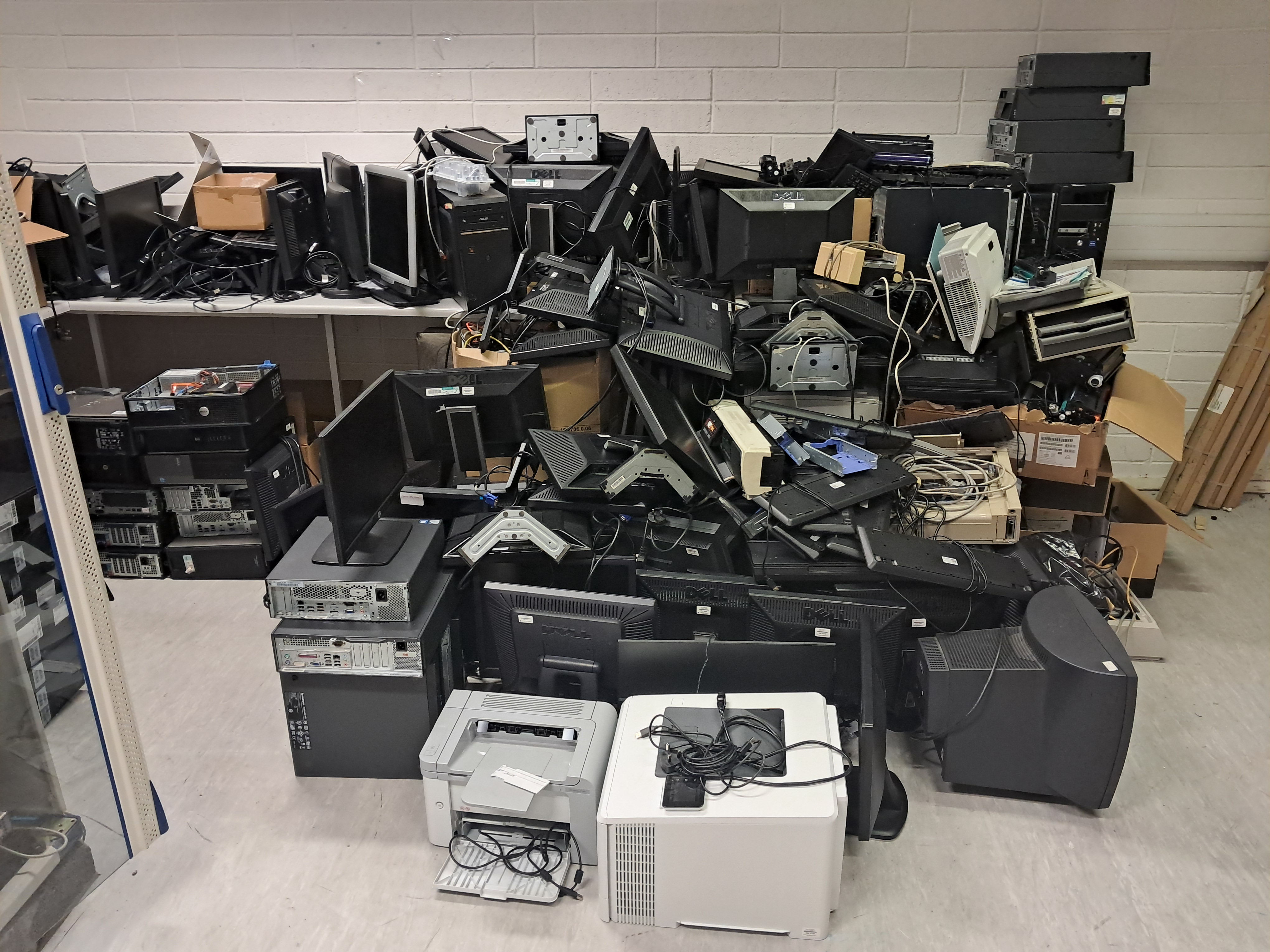
Store Room Clutter
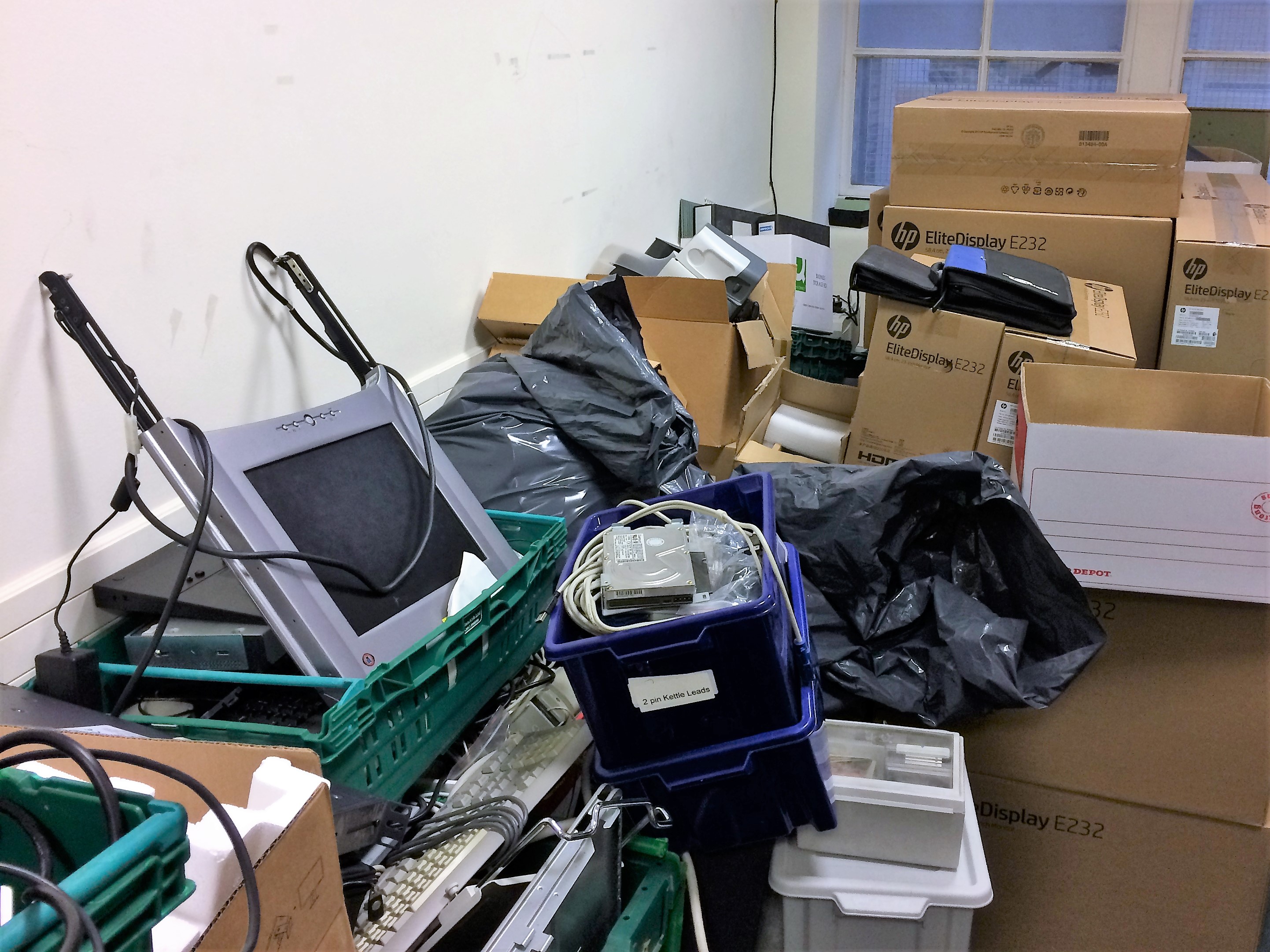
Store Room Clutter – Computers – Monitors – Cables

One of the biggest clutter offenders is mobile phones. Official data from ComReg Ireland published at the end of Q4 2022 shows there were 8.8 million mobile subscriptions in Ireland It’s a fact, that we’re all buying more gadgets with the older or unused items building up in boxes, draws, cabinets, and storerooms.

In Ireland a 2015 study found that on average two in five Irish adults (38%) consider themselves to be hoarders, meaning homes are filling up (Empathy Research)  Further research commissioned by NESTA outlined that 58% of respondents found it hard to get rid of their possessions, meaning they keep them!

The National Association of Professional Organizations shows there is a direct correlation between productivity and clutter. Productivity declines when clutter and chaos rise. Piles of paper, unorganized kitchen space or playrooms, old receipts, bills, and paperwork stuffed in boxes or drawers will take over your home over a period of time.

Household Waste

Chris Stiff, a lecturer in psychology at Keele University says “one of the obvious advantages to a tidy house is that being able to easily locate things will cause you less stress,” There is evidence that tidy environments help us think more clearly.

How to?

Clutter can include unread books, old electronic equipment, files which have not been filed, letters and cards, clothes thrown on the floor, and stuff that you no longer need, want or use but still possess. Remember, clutter is not usually confined to one area that can be spread across your home.

Before anything else, make a simple plan with specific and simple goals that will reduce your frustration and stress.

Here are 12 tips to keep in mind as you start de-cluttering your home:

  1. Make a written note of all the areas you need to de-clutter.
  2. Prioritize the areas/zones for decluttering and assign your time.
  3. Do one area at a time.
  4. Set start and finish dates for each area.
  5. Be sure to pick dates that are real so you get the job completed.
  6. Make time and get help to work on specific areas which may take longer like a garden shed or attic.
  7. Use a system to save on time and energy.
  8. Plan how you might lift on move heavy items.
  9. Research and decide how you will have the clutter removed for recycling once assemble.
  10. Check if items still work!
  11. Use the 80/20 rule – we generally use 20%  of the things we own 80% of the time so do we really use or need the rest?
  12. Get over the money you spent on the items you never use. Once you do that it’s easier to offer for reuse or to recycle.

Once the items are ready you can decide what you want to do about removal. We have a list of some solutions which might work for you.

IMG_0692
Toys and Light – Recycle IT

Outlets for your clutter

  • Don’t hold onto items once they have made the box.
  • Sell some items online, e.g. eBay, Done Deal or Adverts.
  • Repurpose old stuff with some DIY and help from friends.
  • Donate to charity shops.
  • Share items with family, friends, or colleagues e.g. kids’ clothes or toys.
  • Gift your items to friends or colleagues with an interest in them.
  • Share items free for reuse. Go online or find an exchange network.
  • Recycle all old electrical, electronic, and battery-operated items.
  • Moving forward, recycle stuff immediately when used or end of life.
  • Consider gifting items based on condition.
  • After the clear-out consider what you buy and recycle one day at a time.
  • Switch to e-bills.
  • Scan old photos and paperwork.
  • Preventing a build-up is a key step in fighting clutter.

Making the decision to get rid of your old items can be the hardest part of de-cluttering. Like many people, you may have trouble getting rid of items you once used or loved. You have also spent your hard-earned money on the items so they do hold value for you. These are real and valid feelings but no matter how challenging the decision, de-cluttering is necessary and helps reduce stress levels and it will create space!

20180717_121039
Office Clutter – Recycle IT

About Recycle IT

Recycle IT, is an award-winning social enterprise offering electrical, electronic and metal recycling services through drop-off and collection. Recycling services are provided in partnership with WEEE Ireland and South Dublin County Council.

Recycle IT is supported by Pobal and Dormant Accounts and authorised by the National Waste Collection Permit Office and the local authorities across the east midlands waste region.

Our goal is to create training and employment opportunities through the provision of waste management services. Surplus earned income is reinvested in operational, and employment-related costs.

For more information on Recycle IT please call 01 4578321, email info@recycleit.ie or visit our website www.recycleit.ie

Recycle IT – Pakman Award Winners 2023

Free Summer Electrical Recycling in the Community

Here’s an opportunity 

Schools, charities, community groups, and small businesses are invited to recycle or host an electrical recycling collection at their location over the summer starting May 8th 2023.

This initiative aims to divert waste electrical and electronic equipment (WEEE) from offices and staff homes for recycling and is an opportunity to have a free WEEE from Work collection.

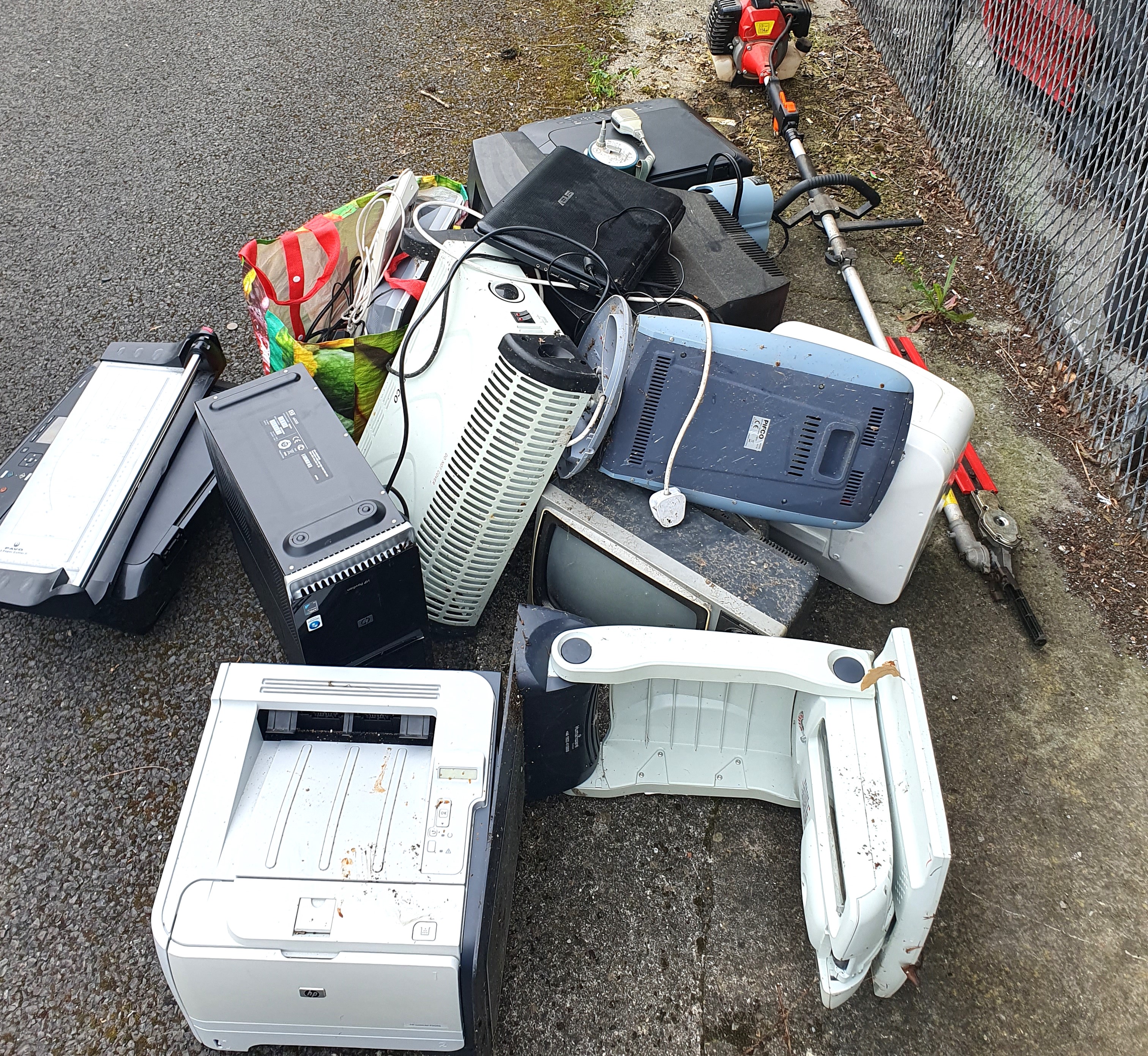
Mixed Electrical Equipment

Recycle IT – Recycling Electrical, Electronic, and Metal Items

The idea is to set up a temporary small WEEE collection point or containers in a central area of each school, community group or business to encourage recyclers to get into the habit of diverting more office and domestic electrical items away from the general waste bin.

Your colleagues, volunteers, students or project participants can easily take part. All you need to do is make people aware and reinforce the WEEE recycling message at every opportunity, then watch the container or box fill up.

Recycle IT will accept all types of electrical and pure metal equipment including older items once used and loved in the office, school classroom or canteen.

Close the Loop - Recycle IT
Close the Loop – Recycle IT

How it works

Our team can recycle all the old or unused small waste electrical and electronic equipment collected at your office in Dublin for “free” with Recycle IT. Once you let us know, our team will pick up full containers or boxes of old, damaged or unused electrical, electronic or pure metal items. Just email us quoting FREEMAYRIT

From experience, items will be small and medium size and found at home or in small offices. Click here to see a list.

Recycle IT Arrow - Recylcing Electrical Equipment in Dublin
Recycle IT – Recycling Electrical Equipment in Dublin

Success this Year!

Recycle IT want to say a huge well done to over 200 schools, charities and community groups who have already participated in WEEE recycling collections so far in 2023. We really enjoy working with you and ask that you spread the word to others!

School and community recyclers in 2023 include:

  • St.Decalns College, Dublin 7.
  • St. Christopher’s Primary School, Dublin 4.
  • Sophia Housing Association, Dublin 8.
  • Terenure College, Dublin, D6W.
  • FIT, Dublin 11.
  • Tuath Housing, Dublin 12.
  • Dublin Simon Community Dublin 20.

About Recycle IT

Recycle IT is an award-winning not-for-profit social enterprise providing a collection and drop-off service for all types of waste electrical, electronic and metal items. Recycle IT offer drop-off and collection services to both homes and organizations in Dublin and surrounding areas collecting a range of WEEE which includes thousands of printers and we can help recycle yours!

Our electrical community collection service is provided in partnership with WEEE Ireland. Recycle IT is supported by Pobal, South Dublin County Council and authorized by the National Waste Collection Permit Office and the local authorities across Leinster.

To speak with Recycle IT please call 01 4578321 or email us here

Visit our website www.recycleit.ie

Recycle IT are Awardees for 2023

Computer Recycling Dublin

Recycle More!

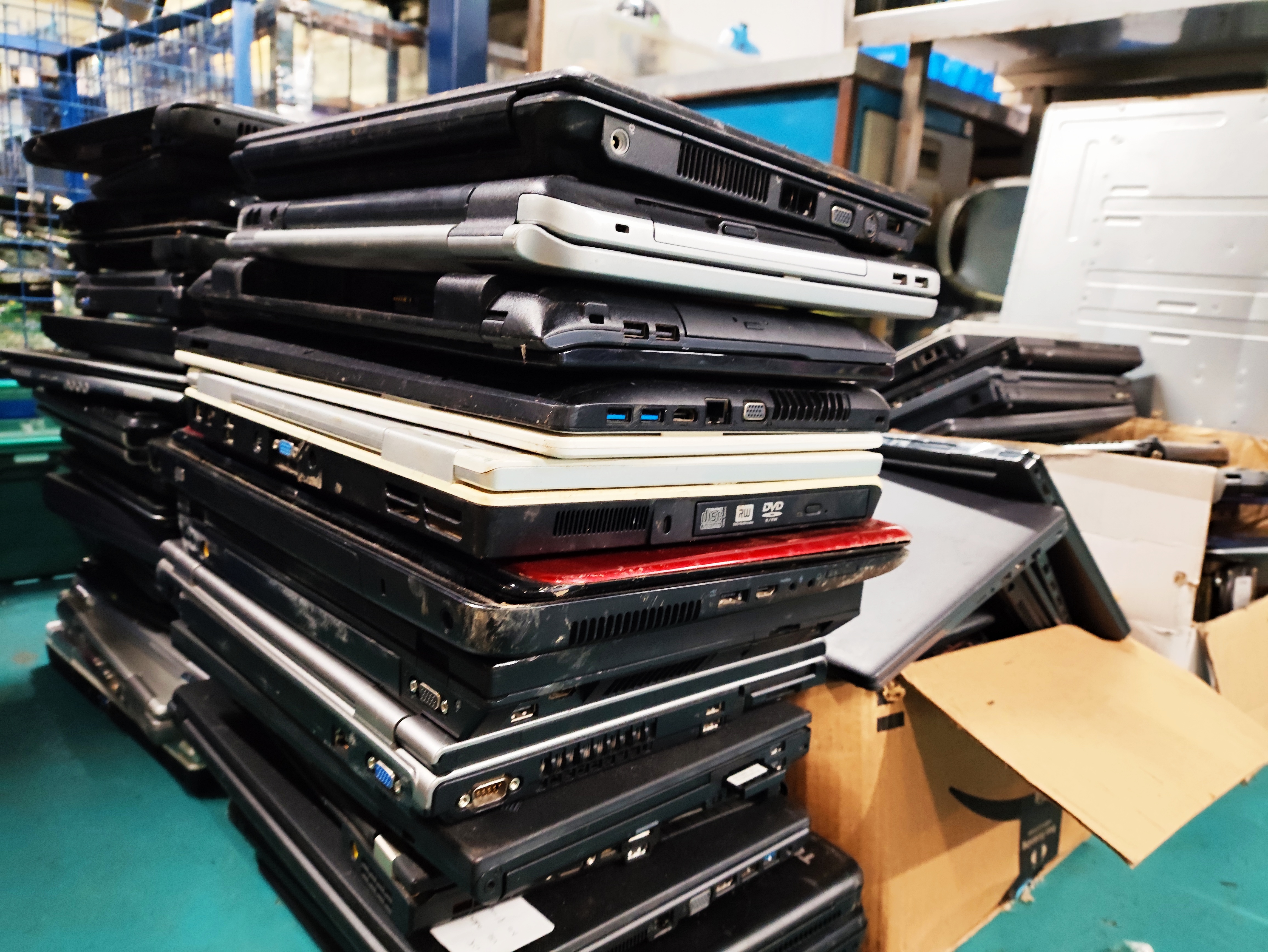
The reality is nearly everything in a laptop computer can be recycled yet only 13% of people in the EU recycled old desktop computers and and figure drops to 10% for old laptops or tablets. 33% of people living in the EU keep once oved laptops and tablets, at home after use rather than recycling.

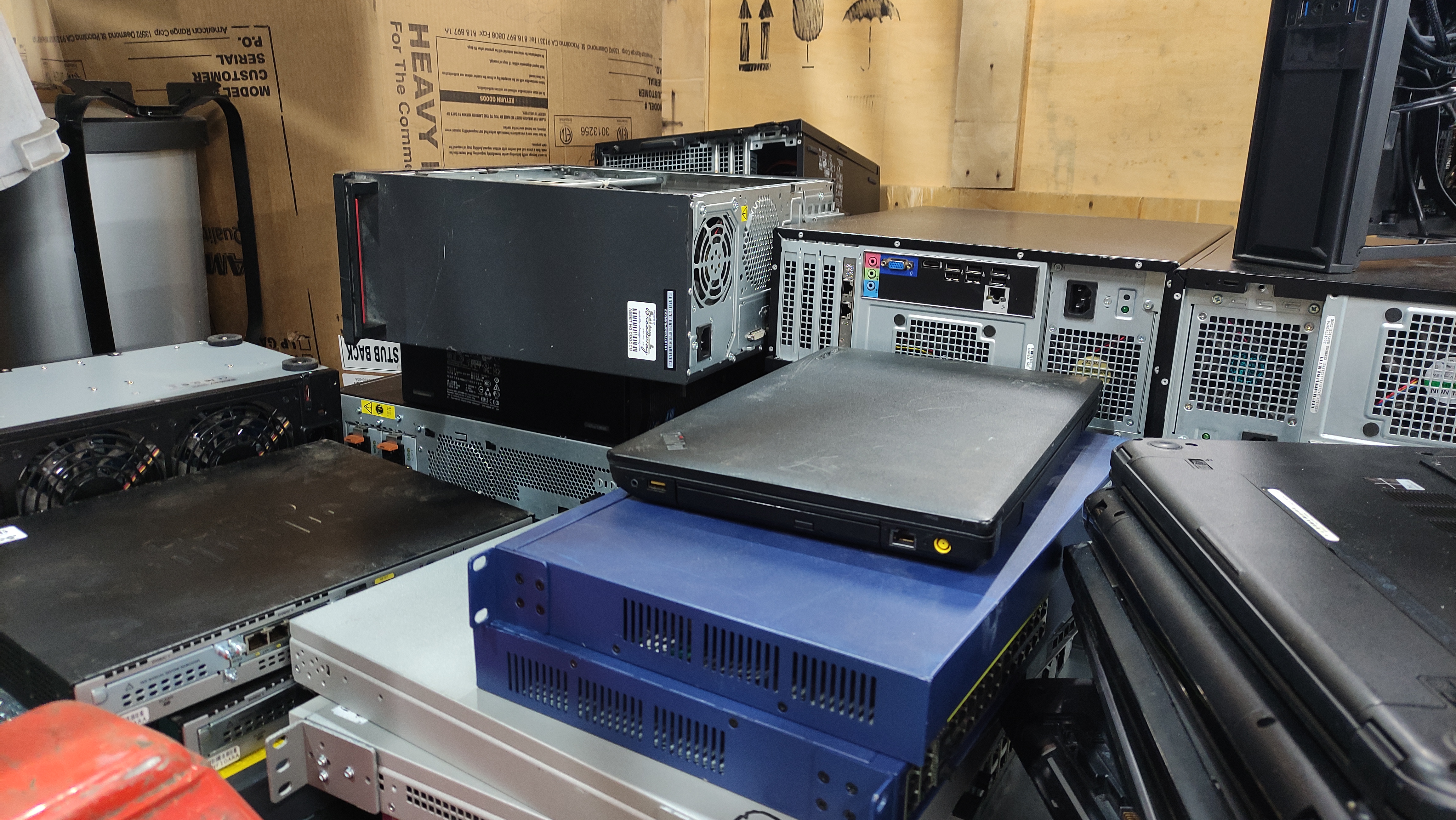
With our recycling initiative, we try to promote reuse first, but most of the computers, laptops servers and communication equipment we deal with are years out of date and beyond repair and reuse. Many have been sitting at home or in offices for years, some have had parts removed or are damaged beyond recovery on arrival but all the equipment can be safely recycled.

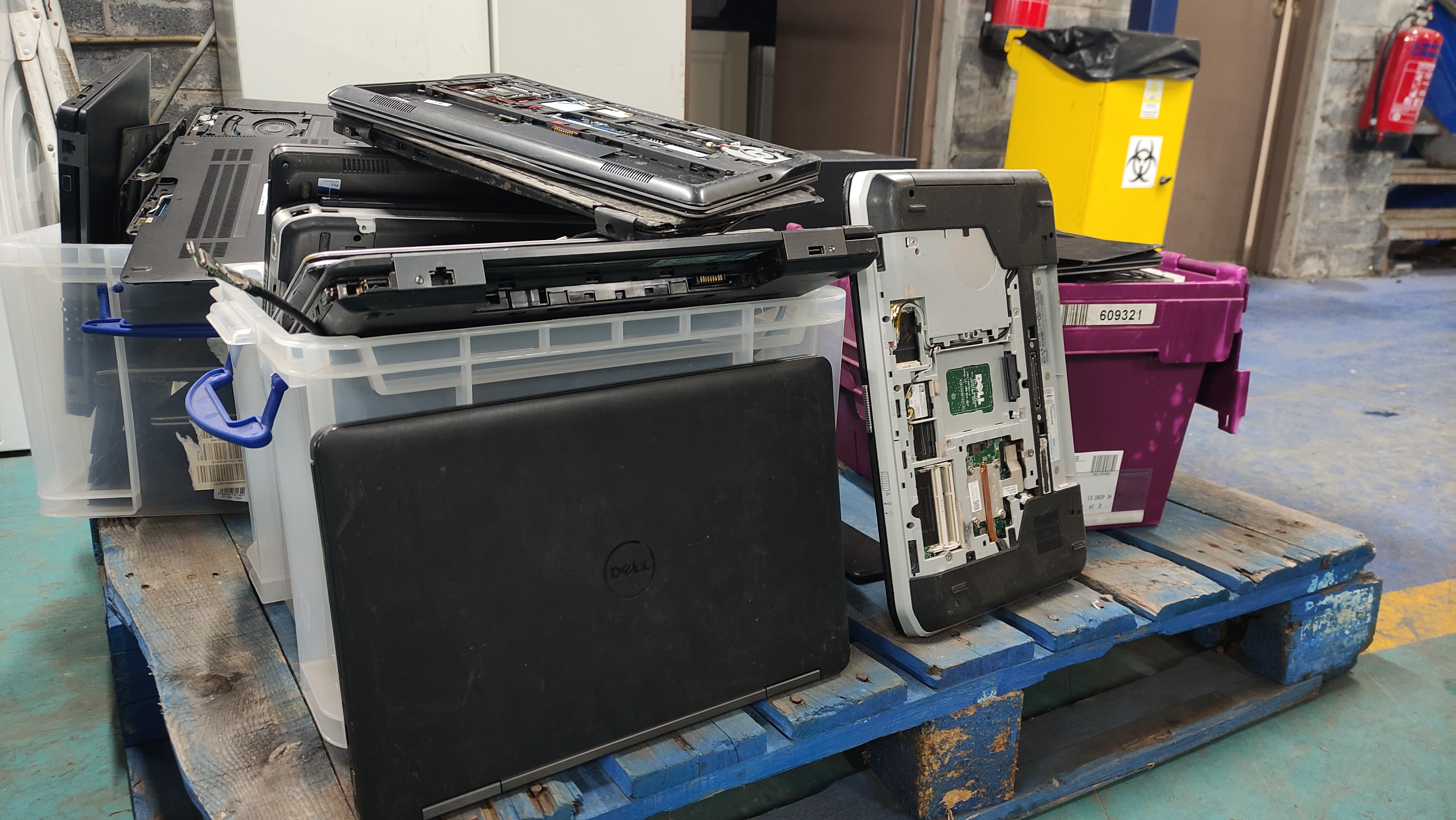
Laptops for Recycling

How a standard PC can be recycled:

Keyboards, mice, and other computer accessories are usually made of plastic and are recyclable. The plastic goes through a shredding process and is then sold on the commodities market as mixed plastic scrap.

Some recyclers use optical sorters that create a very clean stream of plastic, with minimal metal contamination. Usually, the plastic is further purified and compounded with virgin plastics and pelletized. This pelletized resin can then be used as a recycled-content plastic.

For example, Recycle IT operates in a supply chain where plastic is processed for reused – to make new parts – a process that has a smaller carbon footprint, lighter environmental footprint and can deliver a cost saving over manufacturing from new materials.

Computer and Laptops

Chassis/Base – these materials are primarily made of metal (PC Chassis) or what’s known as PC/ABS plastics, which are recyclable. Some laptops also feature carbon fibre mixed with polycarbonate plastics to keep the base cool to the touch. This material is not currently widely recycled, but it can be used in waste-to-energy processes.

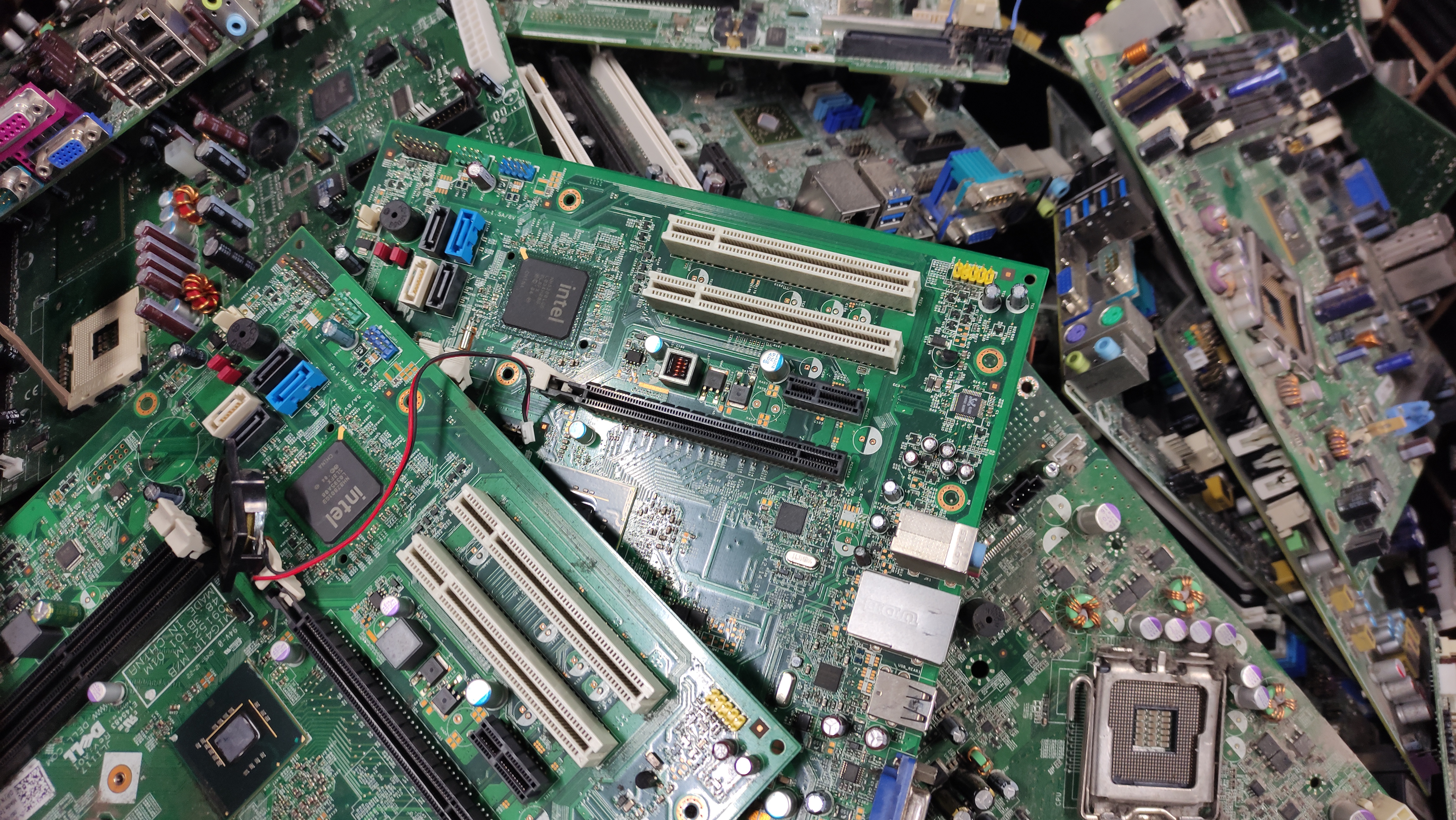
Printed Circuit Boards (PCBs), processors, and memory – these are made of multiple types of plastics, fibreglass and precious metals that can be recycled. Scrap copper, precious metals like gold, and some other non-ferrous metals are commonly recovered from computer circuit boards and other components.

Personal Computer System Boards

Once these materials have been sorted out they go through more specialized processes, e.g., circuit boards first into copper recovery, followed by specialized refining of the residues to recover other metals. These processes are usually accomplished through smelting or sometimes through hydro-metallurgical processing via acids or cyanide compounds in order to recover gold and other precious metals.

Batteries – when computers and laptops come into our facilities, the battery is removed from the system manually. Once removed, batteries are separated, packaged safely, and sent for recycling.  Once they reach their destination, the plastic casing is manually separated while the rest of the material is refined through a thermochemical process at high temperatures to separate various materials). The result is a metal alloy and a stony waste material separated from metals during the smelting: the metal alloys are further treated to recover cobalt, nickel, copper, and iron; lithium is typically concentrated in the stony waste material and is often recovered.

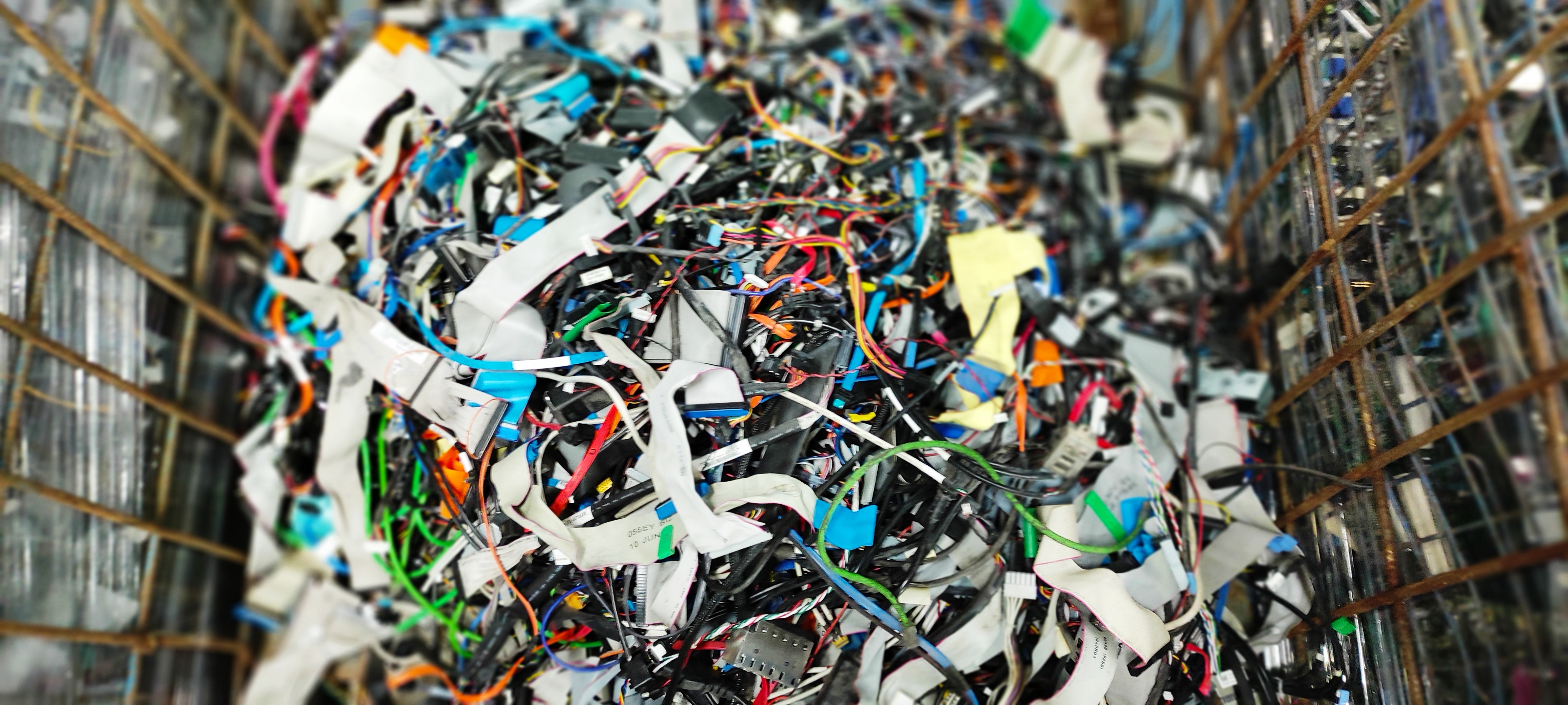
Computer cables

Cables – wire and cable that is not damaged can be reused directly. The high-grade copper can also be recovered by manually removing insulation with simple tools or by chopping wire into small pieces. After arriving at a specialised facility they undergo a hydrological process in which the small pieces of insulation float while the copper sinks. Unfortunately, the plastic insulation from the wire-chopping process is very hard to recycle and is usually sent to a waste-to-energy facility.

Screens – many manufacturers have stopped using mercury and arsenic in flat panel monitors making it easier to recycle display panels at their end-of-life. The recycling approach for LCD panels involves the separation of the glass substrate, polarizer foils, and the elements indium and copper into individual outputs. This process is carried out in Ireland, and we are delighted to be able to supply screens for safe recycling,

IT Equipment

Fans – made of plastics and metals, which can be separated and recycled.

Other parts – there are other things that go into your computer, like screws, springs, small plastic parts, etc. and they are generally made from the materials above, making them mostly recyclable. They typically make up only a small portion of the overall product.

Packaging – As part of recycling we receive a lot of corrugated cardboard, as well as other materials like plastic bags and creates. We try to reuse these items; we bale cardboard for reuse but some of the materials can’t be reused at present and are sent for heat recovery through incineration.

In support of Recycle IT – please recycle old, unused electronics. It helps the environment with reuse, reduces the mining of new raw materials and creates training and employment for people returning to work after an absence.

About Recycle IT 

Recycle IT, is a social enterprise offering electrical, electronic and metal recycling services through drop-off and collection. Services are provided in partnership with WEEE Ireland and South Dublin County Council. Recycle IT is supported by Pobal and Dormant Accounts and authorized by the National Waste Collection Permit Office and the local authorities across Leinster.

For more information on Recycle IT please call 01 4578321, email info@recycleit.ie or visit our website www.recycleit.ie

Click here to learn more about recycling metal with Recycle IT.

Further information on ICT equipment reuse and recycling in the EU can be found here.

Dormant Accounts Fund Logo
Recycle IT is Part Funded through the Dormant Accounts Fund