Brown Bins in Ireland

Using Your Brown Bin for Recycling in Ireland

In December 2023, the Minister for the Environment, Climate and Communications, Eamon Ryan, signed new legislation which means that every household in the State will be provided with a brown bin for food waste and light garden waste by their waste collector.

These changes will enable all households with access to a waste collection service to segregate their waste, minimize the amount of waste that goes to landfill, and reuse waste through measures such as recycling, composting or anaerobic digestion, thereby making a positive contribution to our national recycling rates.
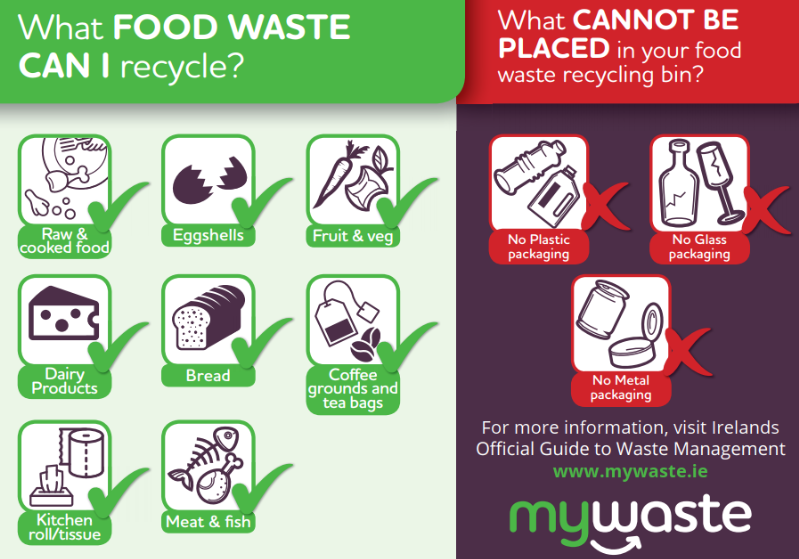
Brown Bin Do’s and Don’ts

In Ireland, the brown bin plays a crucial role in recycling organic waste. It’s not just for garden waste but also for food items that can be composted. By using your brown bin effectively, you contribute significantly to reducing waste in landfills and aiding in the creation of compost.

EPA Report

A recently published study by the EPA* showed that 21% of the contents of the household residual waste bins was food and garden waste, which could be placed into the brown bin instead, helping to reduce costs for the householder and ensuring that less emitting waste is sent to our landfills. The added bonus of the brown bin is that the organic waste can also be used to make compost, which in turn can be used to help green our towns and cities naturally.

What Goes into the Brown Bin?

  1. Dairy Products: Items like cheese, yogurt, and butter wrappers can be put into the brown bin. These items decompose and contribute to the production of nutrient-rich compost.
  2. Eggs: Eggshells can be placed in the brown bin. They break down easily and add valuable minerals to the compost.
  3. Raw and Cooked Meat/Fish and Bones: Leftover meat, fish scraps, bones, and even cooked food can go into the brown bin. They decompose and help create compost suitable for enriching soil.
  4. Food-Soiled Paper Napkins and Towels: Used paper napkins, paper towels, and even greasy pizza boxes can be added to the brown bin. However, make sure to remove any large chunks of uneaten food before disposing of these items.
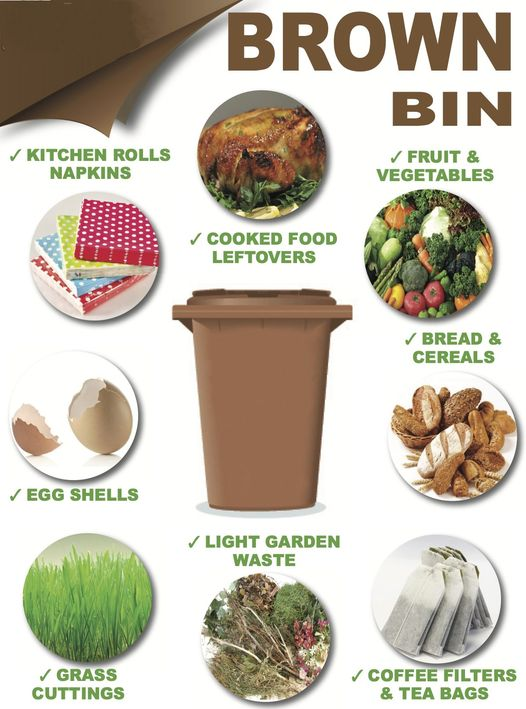
Why Use the Brown Bin for These Items?

  1. Reducing Landfill Waste: Organic waste, such as food scraps and soiled paper products, typically ends up in landfills. By using the brown bin, you divert these materials away from landfills, minimizing environmental impact.
  2. Composting Benefits: When organic waste breaks down in the brown bin, it undergoes composting. This process results in nutrient-rich compost, which is fantastic for enriching soil in gardens and agricultural land. It also reduces the need for chemical fertilizers.
  3. Environmental Impact: Recycling food waste and paper products through the brown bin reduces greenhouse gas emissions associated with decomposing organic matter in landfills. Composting creates valuable soil additives without releasing harmful gases into the atmosphere.

How to Properly Use the Brown Bin:

  1. Separate Your Waste: Ensure you’re segregating your organic waste properly. Use a separate container or bag in your kitchen to collect food scraps and soiled paper items before transferring them to the brown bin.
  2. No Plastic Bags: When disposing of organic waste in the brown bin, avoid using plastic bags. They don’t decompose and can contaminate the compost.
  3. Layering Technique: Consider layering food waste with garden waste or cardboard to help aerate the compost pile in the bin. This can aid in the decomposition process.
  4. Regular Collection: Make sure to put your brown bin out for collection on the designated days. Check your local council’s schedule for collection times and guidelines.

Finally

Using the brown bin in Ireland for recycling is an essential step in responsible waste management. By doing so, we all contribute positively to the environment by reducing landfill waste and producing nutrient-rich compost. Remember to follow the guidelines for proper segregation and disposal, helping create a more sustainable future for all.

Start making a difference today by utilizing your brown bin effectively for organic waste recycling!

About Recycle IT

Recycle IT is anย award-winning, not-for-profit, social enterprise established to create employment and promote environmental awareness through recycling and reuse. We work in partnership with WEEE Ireland and are authorized by your local authority to provide electrical, electronic and pure metal recycling collections across Dublin and surrounding areas since 2007. Recycle IT are fully compliant with WEEE collection regulations. Our permit details are availableย here.

TV and Monitor Recycling

Monitors and Visual Display Units

Display technology is commonly associated with screens that present information in visual form. Most displays are used in television sets (TVs), computer monitors and mobile phones/smartphones.

In 2024 Recycle IT contributed to the 205,000 TVs and monitors recovered and safely recycled through the WEEE Ireland electrical recycling compliance scheme.

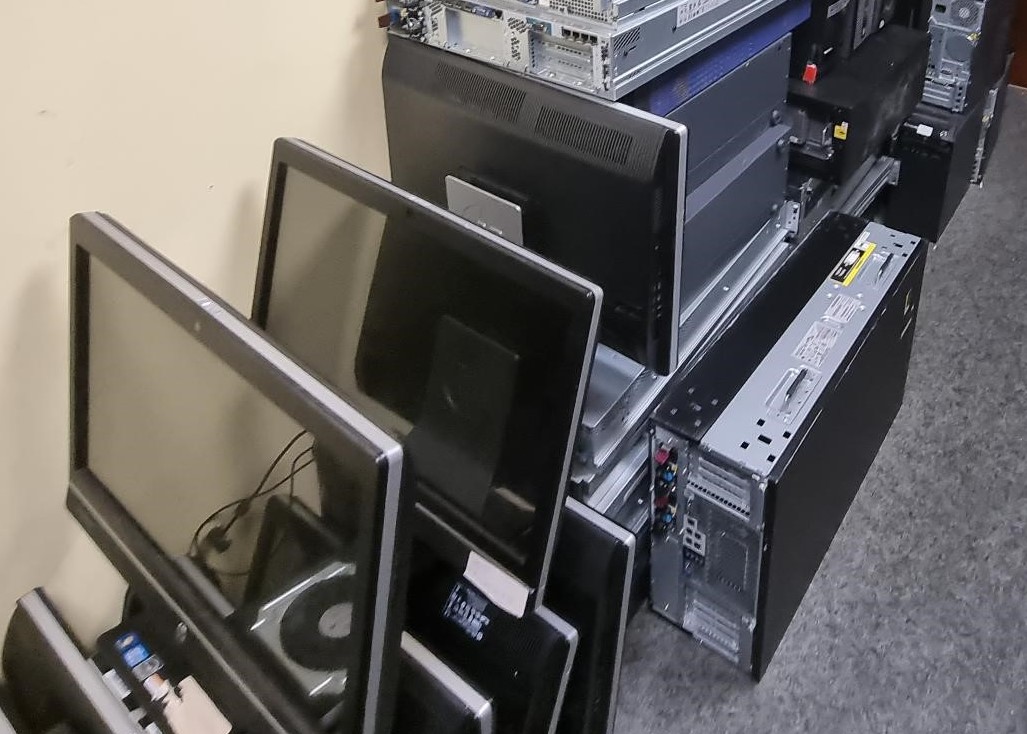
4 Aged Screens for Recycling

While data on the global television market vary there is an estimated 1.7 billion TV sets globally, (or roughly 1 per 4 people) exist globally, with projections showing overย 1.1 billion TVs by the end of 2026 (Source: scoop.market.us)

The presence of smart TVs has seen substantial growth across various countries. For example, in theย United Kingdom, smart TV ownership increased from 11% of households in 2014 to nearly 67% by 2022. (Source: scoop.market.us)

Other types of displays used daily include military displays, head-mounted displays, broadcast reference displays, public area displays and medical monitors.(Source: The Statistics Portal).

In Ireland, 96.5% of householders have a TV with 80.8% having a computer leading us to believe, that most people in Ireland are likely to have a screen of some sort at home (Irish Stats Source: CSO)

Monitors for Recycling

The Facts 

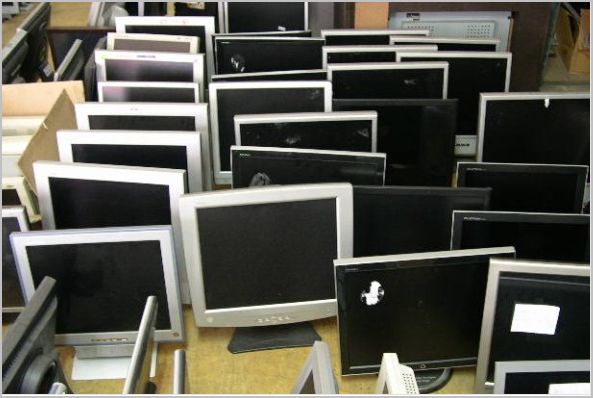
Flat Panel Display shipments are only expected to amount to 3.2 billion units worldwide in 2020. This is due to the pandemic (Source: The Statistics Portal)  In recent times curved monitor demand has been on the rise which means a greater number of flat-panel screens will be replaced in homes and offices leaving the old ones unused!

Irish adults living in households with a television set watched an average of 2 hours and 30 minutes (150 minutes) of television per day in 2024, according to official TAM Ireland/Nielsen figures.

The Broadcasting Authority of Ireland says the percentage of young people citing TV as their main source of news has almost doubled in 2021. That is just one of the findings in the Reuters Digital News Report (Ireland) 2021,

What is in a TV / Screen

TVs, Visual Display Units (VDU) and Monitors are made up of 8 different core elements including glass 40%, zinc / Mazak 1%, plastic 21%, circuit boards 11%, iron/steel 15%, cable 3%, and transformers 2%. To allow recycling each element must be separated without leaving any cross-contamination i.e. clean plastic, clean glass, clean copper, etc.

Monitors for Recycling

What’s New

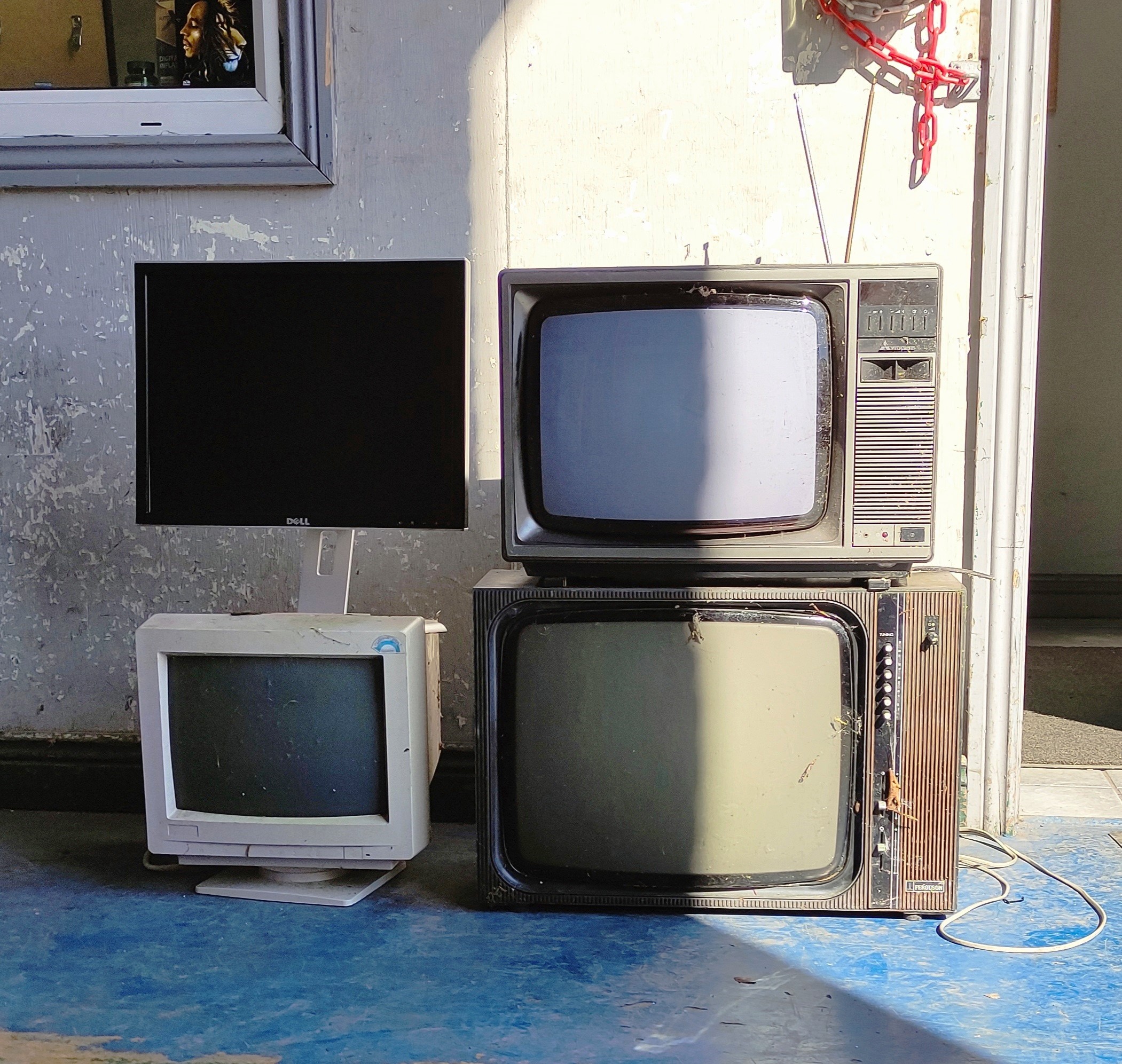
A CRT monitor is a computer monitor based on a device called a Cathode Ray Tube and has been around for decades. The size and shape of the tube have determined the dimensions of computer monitors.

In recent times CRT technology has been replaced by LCD and TFT screens but some people and companies are still using older CRT monitors. We estimate there are still thousands of tons of CRT monitors hoarded away in peopleโ€™s homes and offices. These types of monitors need to be extracted and safely recycled and Recycle IT can help.

TV Recycling

Recycling 

According to manufacturers, the lifespan of an LED TV varies between 4 and 10 years (between 40,000 and 100,000 hours), depending on usage and maintenance. So where do the old TV go?

Recycle IT want to encourage people in Dublin and the surrounding areas to support our social enterprise and the environment by giving up old yet functional monitors and recycling broken or damaged monitor. Choosing to give up your used electronics rather than placing them in the bin reduces the need to process new raw materials for new products and helps the earth stay green for longer!

Recycle IT offer a recycling service for all types of TVs, VDUs, and Monitors which guarantees safe recycling for your end-of-life screen.

CRT Computer Monitors

About Recycle IT

Recycle IT offer recycling opportunities to home and business customers for all types of electronics equipment. With Recycle IT, TV and monitor recycling is available using free, drop-off, free community collections or through a cost-effective personal or business collection and disposal. We will accept your old electrical items alongside your old TVs and monitors.

Recycle IT services are provided in partnership with WEEE Ireland. Recycle IT is supported by Pobal, South Dublin County Council and authorized by the National Waste Collection Permit Office.

To learn more about recycling electrical equipment please call Recycle IT at 01 4578321, email us or visit www.recycleit.ie

Recycle IT – Truck

Battery Recycling – Anytime is good!

How were doing? 

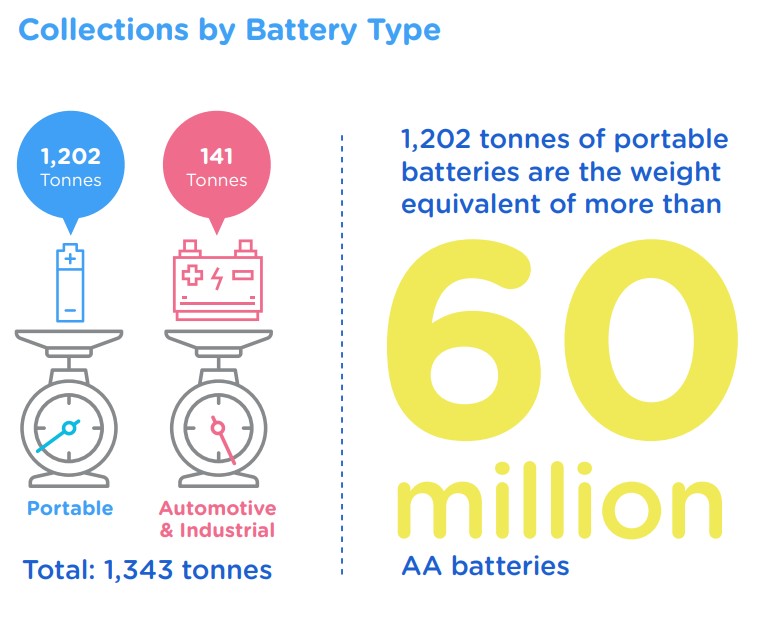
There was an estimated 60 million AA batteries recycled by householders in 2022 through retail drop-off points, civic amenity sites and at recycling center’s including Recycle IT โ€“ that is an average of 12 batteries for everyone in Ireland. (Source WEEE Ireland). This is great but we all can do more in 2023 especially with Christmas coming.

WEEE Ireland Battery Recycling Results 2022

Did you know?

Did you know some waste batteries are classified as hazardous waste and recycling is always the best option? For example

  • Batteries contain Sulfuric acid.
  • Flammable Gases: Hydrogen and oxygen are produced as a part of the operation of the battery.
  • Some batteries can cause electrical shock and burns if not handled safely
  • Don’t forget about the potential physical injury from the weight of the batteries packed together.

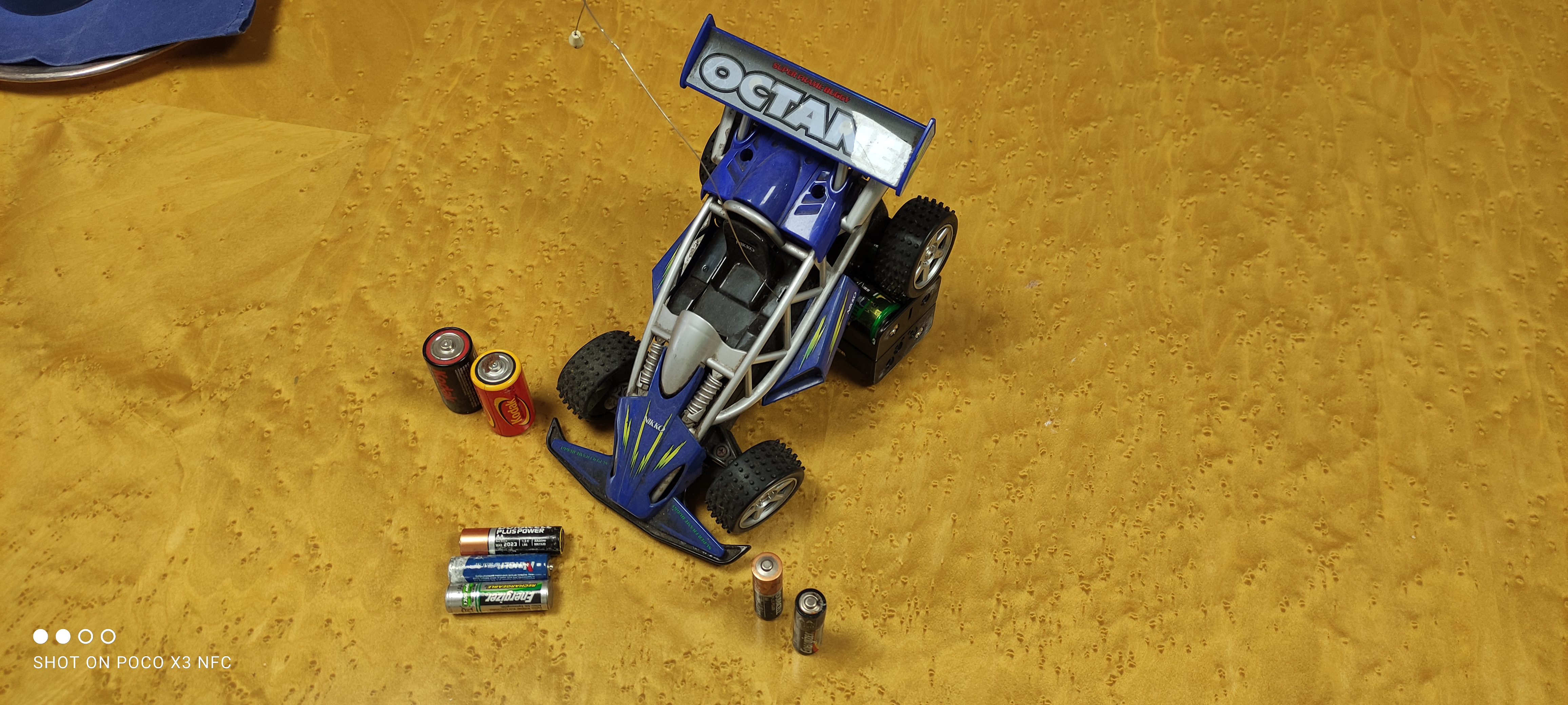
Ordinary household batteries used in a radio, remotes, kids, toys and other gadgets contain some chemicals so ideally should not be thrown in the green or black bin with your other types of waste. The same can be said for rechargeable batteries which also contain harmful materials.

The average alkaline AAA, AA, C, D, 9-volt or button-cell battery is made of steel and a mix of zinc/manganese/potassium/graphite, with the remaining balance made up of paper and plastic. Being non-toxic materials, all of these battery โ€œingredientsโ€ are conveniently recyclable at battery recycling points but not in your bin.

These are non-rechargeable and commonly found in household/offices items:

  1. AA (LR6) โ€“ Used in remotes, toys, flashlights, etc.
  2. AAA (LR03) โ€“ Used in smaller devices like remote controls, wireless mice.
  3. C (LR14) โ€“ Used in larger toys, lanterns, and musical instruments.
  4. D (LR20) โ€“ Used in large flashlights, radios, and some appliances.
  5. 9V (PP3 or 6LR61) โ€“ Used in smoke detectors, clocks, guitar pedals.
  6. CR2032 (coin cell) โ€“ Used in watches, car key fobs, calculators, motherboards.
  7. CR2025 / CR2016 โ€“ Used in similar applications as CR2032 (smaller capacity).

These can be reused hundreds of times:

  1. NiMH AA / AAA โ€“ Rechargeable alternatives to regular AA/AAA batteries.
  2. Li-ion 18650 โ€“ Used in flashlights, laptops, e-bikes (not typical AA-style).
  3. Li-ion 14500 โ€“ Same size as AA but 3.7V; used in high-drain devices.
  4. Li-ion 21700 โ€“ Used in newer flashlights and power tools.
  5. 9V Rechargeable โ€“ NiMH or Li-ion versions of standard 9V batteries.

Why recycle batteries?

Recycling electrical items and batteries helps reduce the number of items entering landfill and ensures any heavy metals and chemicals contained in batteries are managed in an environmentally responsible way.

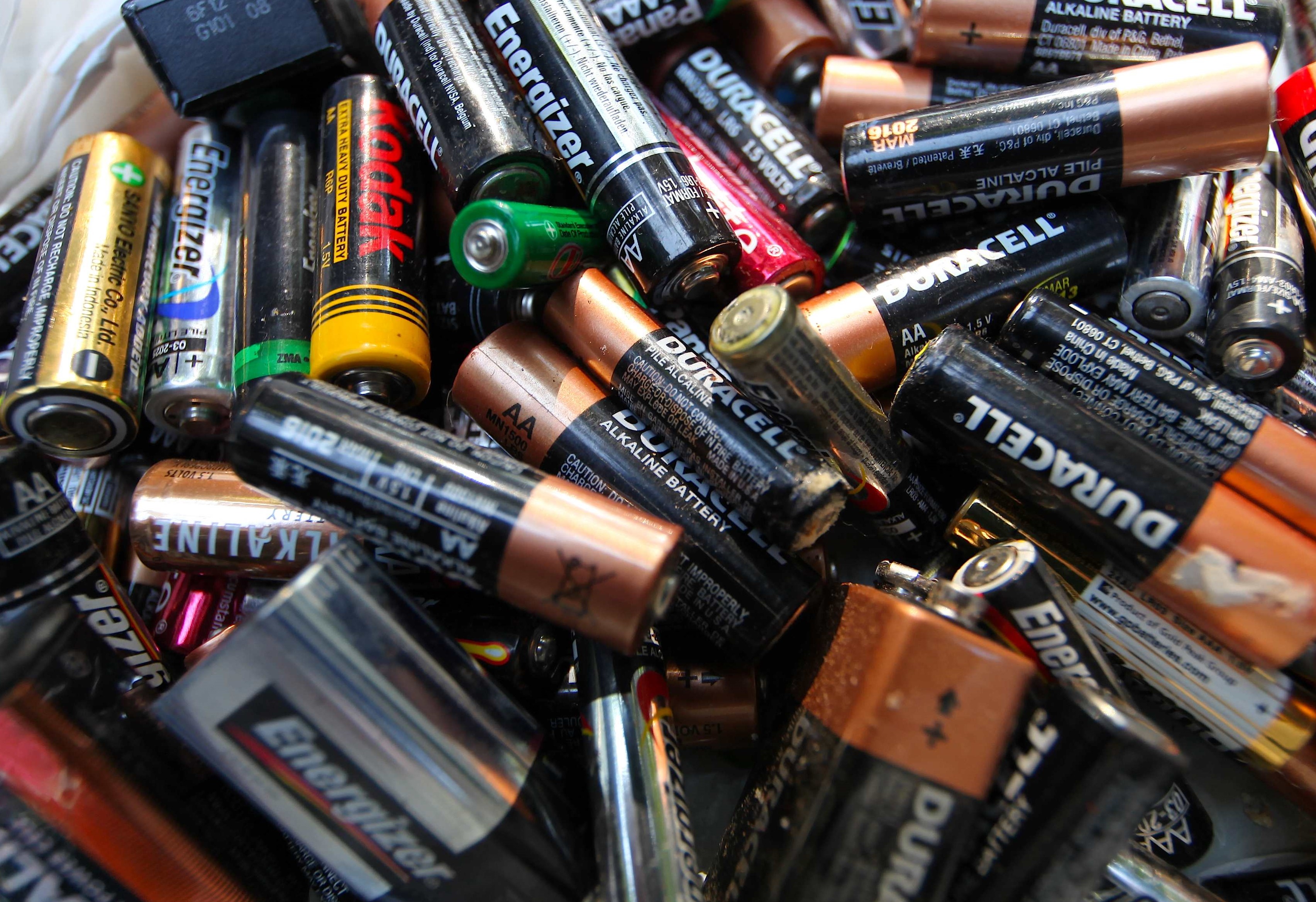
batteries-photo (2)
Waste Batteries – Recycle IT

Do something new!

It takes lots of energy to manufacture batteries that are simply disposable so why not save energy and other valuable resources including your money by trying rechargeable batteries and/or electricity-operated equipment instead of batteries. Rechargeable batteries are a more environmentally friendly option as they can last for several hundred charging cycles resulting in less waste being produced.

Where to recycle?

Thanks to EU Regulations implemented in 2008 itโ€™s very easy to recycle your old batteries! According to the regulations, all retail outlets that sell batteries are now obliged to take back old batteries of a similar type.

Here are some options for recycling end-of-life batteries.

  • Chains of retail stores and shops where batteries are sold โ€“ Aldi and Lidl Ireland are leading the way!
  • Local recycling center’s accept old and waste batteries.
  • School all over Ireland works in partnership with WEEE Ireland to recycle waste batteries.
  • WEEE Ireland waste electrical and electronic equipment recycling days.
  • Recycle IT recycle batteries from businesses, homes, schools, colleges, and charities daily through our collection and drop-off services.

WEEE Ireland

In Ireland, the WEEE Ireland battery recycling scheme operates on behalf of producers of battery and electrical appliances. It aims to encourage people at home and at work to manage their electrical and battery waste responsibly.  Waste batteries can then be deposited in WEEE Ireland blue boxes at many locations across our country. Please find a list here

Eucobat is the European Association of National Collection Scheme for batteries. They assure that all waste batteries are collected and recycled in an ecologic way, and contribute this way to a better environment. WEEE Ireland promotes European Battery Recycling Week in September each year and has since 2015. Recycle IT support this week and make a great effort to increase batteries recycled. You might like to start planning a battery recycling event in your school, college or workplace!

Battery Recycling Week
Image: Eucobat – European Battery Recycling Week 

Recycle IT

Recycle IT works in partnership with WEEE Ireland to offer collections and drop off recycling services for old electrical, electronic and battery-operated equipment including batteries. The collection service is offered throughout Dublin and the surrounding areas and our teams are delighted to accept waste batteries as part of any recycling collection or simply drop them off at no cost.

To contact us please call 01 4578321, email us here or visit our website

Van 2020
Van with Recycle IT Logo

Rowing Machine Recycling

Exercise at Home?

Rowing machines and all exercise equipment should be well looked after so it can be used to improve your health and well-being. This type of equipment is generally designed to help improve fitness levels while also saving time and money on trips to the gym.

After a lot of use over several years, exercise equipment can wear out or simply break down. Machines end up unused and the result is a large rowing machine taking up space in your home. Some people end up using home exercise equipment as clothes dryers.

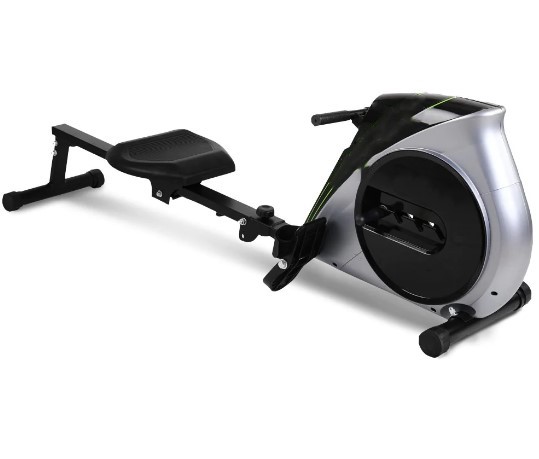
Rowing machine

If this is your situation, please donโ€™t assume that your old rowing machine is worthless. If itโ€™s in good condition, you may be able to sell it or donate it to a charity or community group in your area.

For some households, the removal of a rowing machine that doesnโ€™t work anymore is the hard part. Most manufacturers donโ€™t have a scheme that collects old or damaged equipment for recycling.

Electronic or powered exercise equipment can be described as household appliances. They are larger appliances that have valuable materials, including metal and electronics which when handled correctly can be recycled to extract the material for reuse. This is an opportunity to reduce, reuse, and recycle while supporting the environment.

Reusing Exercise Equipment

If youโ€™ve still got an operational rowing machine, exercise bike, cross trainer, or other fitness equipment, you can try to sell or donate. If your rowing machine is under 8 – 10 years old and was not overused it may suit someone else, If the rowing machine has any mechanical or electronic damage recycling might be best.

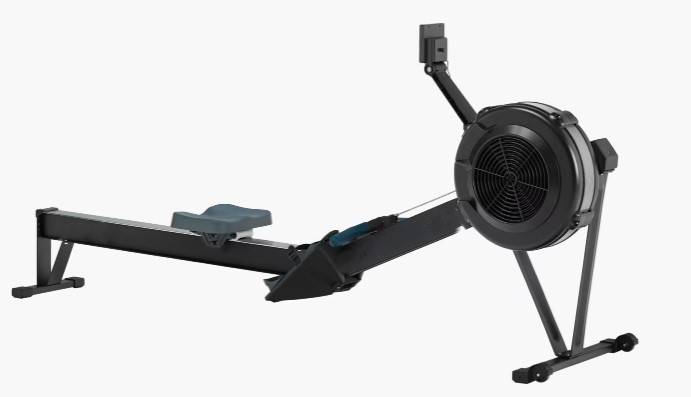
Rowing Machine

Anyone buying a used machine should think about how to transport it, do a visual inspection, and get advice on the mechanical and electronic components. Maybe bring someone along who has knowledge of testing exercise equipment. 

Recycling Exercise Equipment

If the equipment really is no longer functional, contact the manufacturer to check the warranty or service options and ask about any take-back scheme.

In Europe, some countries have started to require manufacturers to have the plan to take back and recycle equipment at the end of its life. This type of scheme is known as extended producer responsibility It started to apply to exercise equipment in France in 2022. You will find details on Ireland’s extended producer responsibility schemes here, last updated on September 5th, 2022.

If the above options donโ€™t work for you, you can always safely recycle your old rowing equipment and more (treadmills, cross trainers, exercise bikes, etc) with a collection from Recycle IT

Recycle IT currently accepts dozens of old treadmills and bikes each year for safe recycling, some are damaged, parts are missing, or their owners are moving country or downsizing home and canโ€™t take a rowing machine or treadmill along.

No matter, what your reason, if you wish to dispose of old or unused exercise equipment recycling is worthwhile. The metal, plastic and electronic components will be dismantled, separated, and broken down for future reuse in new products.

Recycle IT offers cost-effective collections in Dublin and surrounding areas so send us an email including your location and we will get back to you.

You can read more about recycling treadmills here.

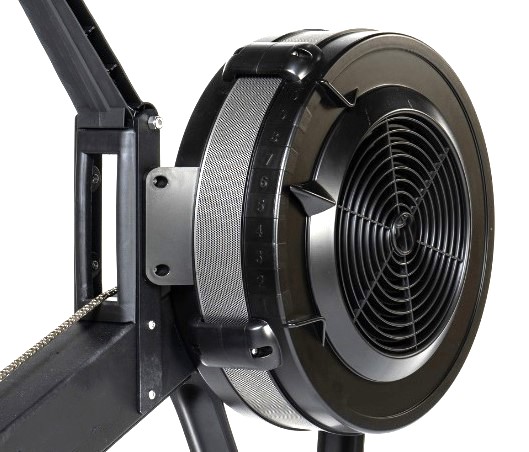
Part of a Rowing Machine

About Recycle IT

Recycle IT is an award-winning not-for-profit social enterprise providing a collection and drop-off service for all types of waste electrical, electronic and metal items.

Our electrical community collection service is provided in partnership with WEEE Ireland. Recycle IT is supported by Pobal, South Dublin County Council and authorized by the National Waste Collection Permit Office and the local authorities across Leinster.

To speak with Recycle IT please call 01 4578321 or email us here

Visit our website www.recycleit.ie

All Electrical Items can be Recycled?

Todays Electrical Equipment

In 2021 WEEE Ireland helped support the electrical recycling needs across 75% of Ireland with 120,000 fridges and 200,000 screens and many more items safely recycled.

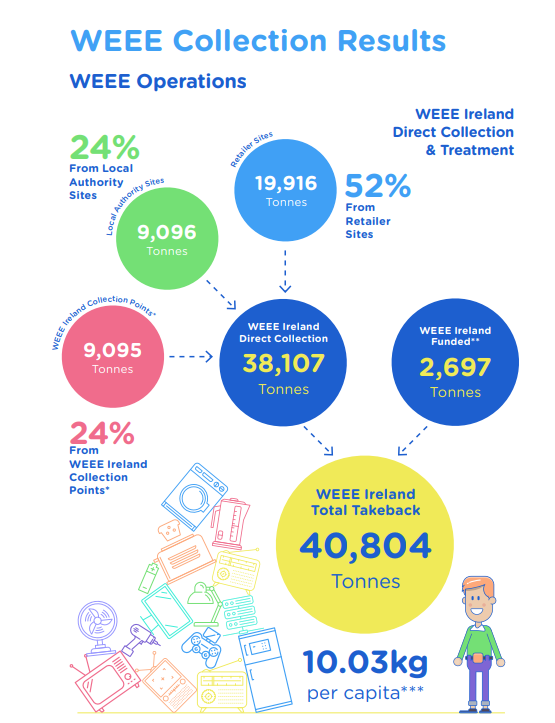
The results for 2022 are listed in the infographic directly below and you can view the full WEEE Ireland Annual Report for 2022 here. Recycle IT are delighted to say we happily contributed to these achievements in partnership with WEEE Ireland.

WEEE Ireland Results 2022

Using Electrical and Electronic Equipment

Today adults and children at home, in school or at work find themselves using a range of electronic consumer items which all contain a variety of electrical or electronic components.

Think about the school whiteboard, the office safe, speakers, networking equipment, radios, TVs, power tools, cameras, fire alarms, printers, scanners, earbuds, cables, and plugs.

Think about home kitchens, you have cookers, toasters, kettles, coffee makers, washing machines, tumble dryers, slow cookers, fryers, smoothie makers and lots more.

These types of items are replaced and renewed regularly and the old stuff should be recycled. Last year WEEE Ireland helped us recycle 10.03 kg per head of population in Ireland.

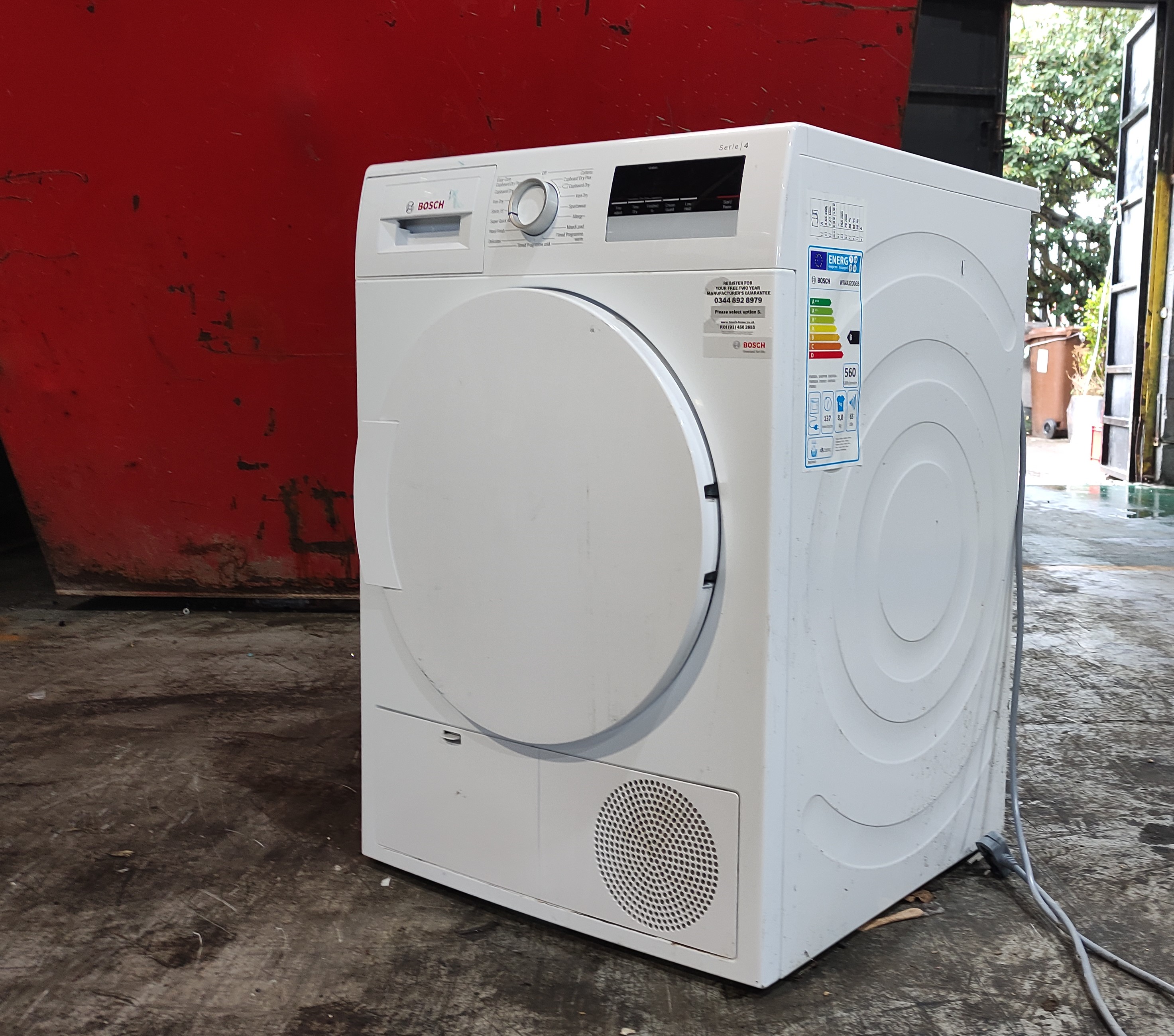
Tumble Dryer at Recycle IT

What is WEEE?

WEEE is defined as waste electrical and electronic equipment. WEEE is really electrical items of all types which have reached the end of their useful life. Items might be damaged, outdated, unused with a charger missing. Equipment which is out of sight and out of mind.

Electrical and electronic equipment is any item with a plug or battery. It can be classed as both domestic and business with some electrical items used at home and in the workplace, for example, a kettle for making tea or coffee.  To download a list of things, click here

Recycling WEEE

Any appliance or equipment that operates on electricity or batteries has the potential to cause damage to our environment if it is not disposed of in a safe and responsible manner.

The average product life-cycle of electronic goods is becoming shorter and the amount of outdated, damaged or broken equipment that is being thrown away is increasing all the time. Dealing with the electrical and electronic waste which households and organisations create is a specialist role and one which if carried out well can improve our environment and create training and employment opportunities.

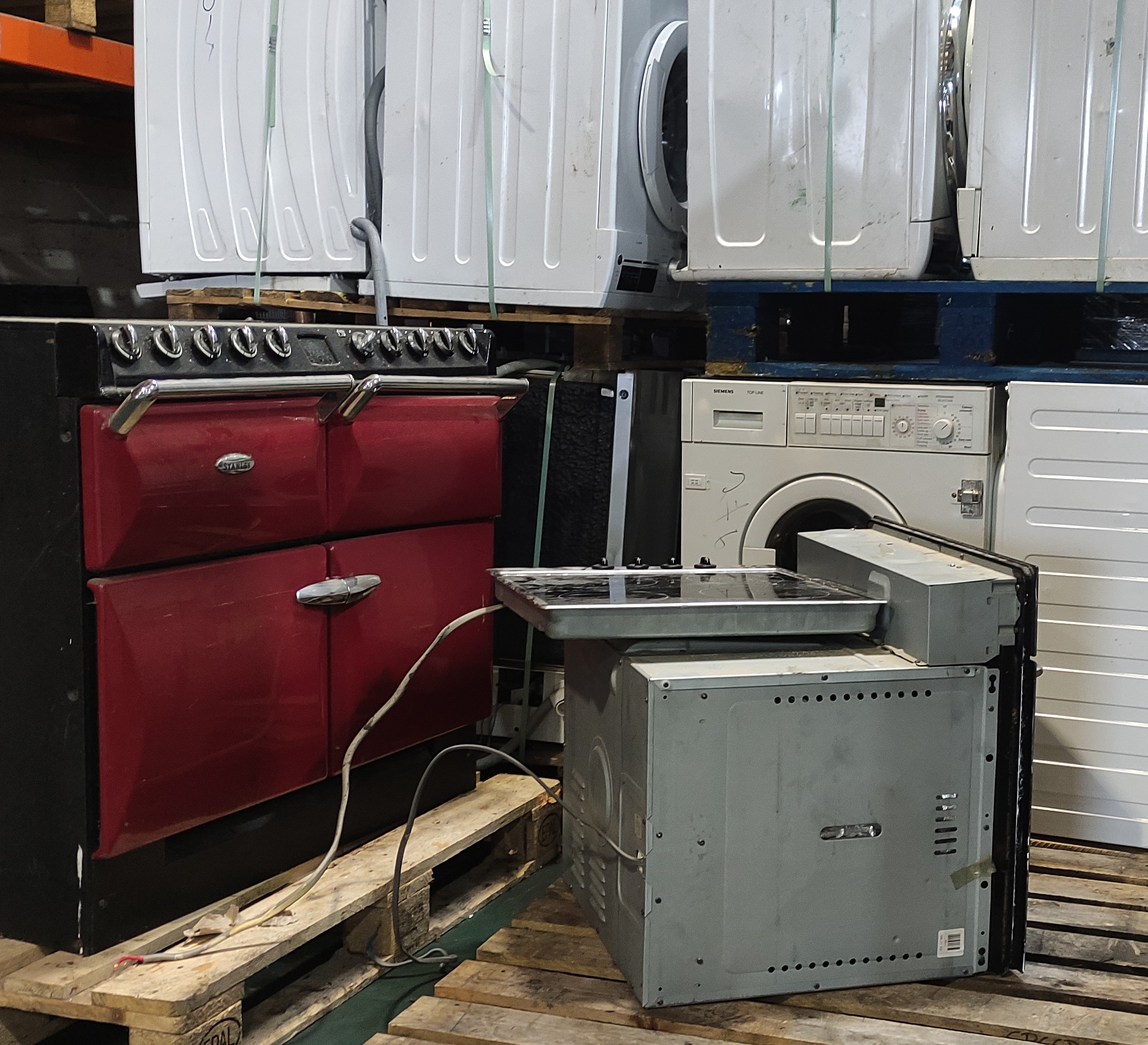
Cooker and Oven at Recycle IT

Everyday electrical and electronic waste items include:

  • Large household appliances (refrigerators/freezers, washing machines, dishwashers)
  • Small household appliances (toasters, coffee makers, irons, hair dryers)
  • Information technology (IT) and telecommunications equipment (personal computers, telephones, mobile phones, laptops, printers, scanners, photocopiers)
  • Consumer electronics (televisions, stereo equipment, electric toothbrushes, transistor radios)
  • Lighting equipment (fluorescent lamps and LED bulbs)
  • Electrical and electronic tools (handheld drills, saws, screwdrivers)
  • Toys (PlayStation, Xbox, Wii)
  • Medical equipment systems (excluding implanted and infected products)
  • Monitoring and control instruments (security and alarm equipment)
  • Automatic dispensers.
  • Cables and wire.

Recycle IT has assembled a comprehensive list of electrical equipment you can recycle. The list can be viewed or downloaded in PDF format by clicking here and scrolling to the bottom of the webpage

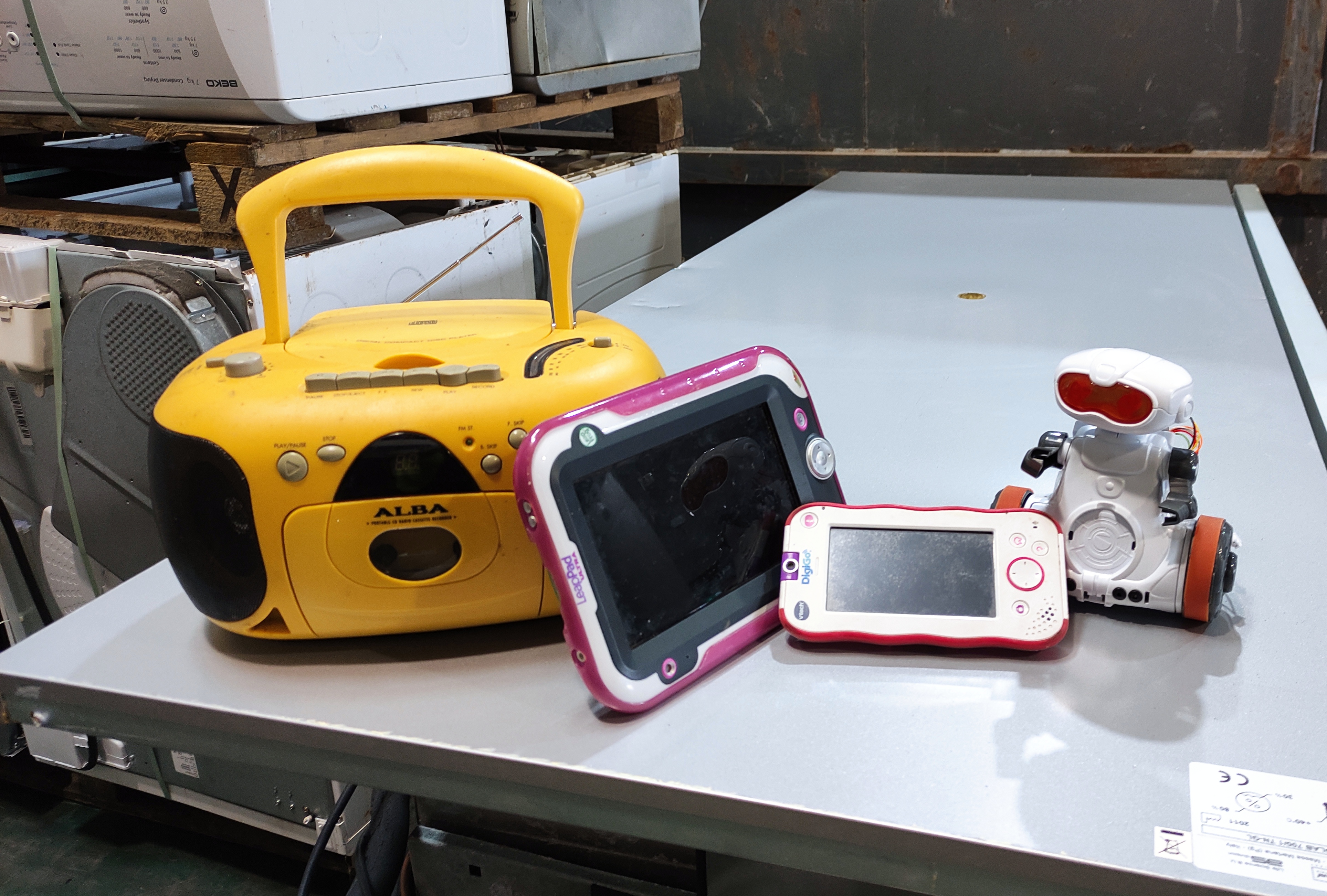
Small Electrical Items at Recycle IT

What to do?

Humans, as consumers of electrical equipment, have to ensure items are safely recycled at an authorised waste facility (permitted by the Local Authority or Licensed by the EPA). These include Authority Civic Amenity Facilities or a local retailer on behalf of a compliance scheme (for example WEEE Ireland)

Recycle IT have a recycling facility in Dublin where we offer a free drop-off service for home and small office electrical equipment which is beyond reuse. You may also have your WEEE collected cost-effectively in Dublin and the surrounding areas, just email or call our team.

About Recycle IT

Recycle IT is an award-winning not-for-profit social enterprise providing a collection and drop-off service for all types of waste electrical, electronic and metal items.

Our electrical community collection service is provided in partnership with WEEE Ireland. Recycle IT is supported by Pobal, South Dublin County Council and authorized by the National Waste Collection Permit Office and the local authorities across Leinster.

To speak with Recycle IT please call 01 4578321 or email us here

Visit our website www.recycleit.ie

Recycle IT – Winner – Dublin City Social Enterprise Award 2022