Easter Packaging Control – We can do it!

Easter 2024

For the many families that celebrate Easter and for those who don’t we wish you all the best over the coming days. Easter is usually a time when families come together and enjoy good food, mark the end of Lent or simply make the most of a day or two off work with some gardening or rest.

One of the key message this Easter is “Reduce Packaging Waste” Choose Easter Eggs with little packaging or better still, consider alternative Easter gifts with less or repurposed packaging.

One simple alternative are homemade Easter bunny biscuits, you can test out. They would be valued gift for family and friends. Here is an easy Ballymaloe recipe you can try at home. Enjoy!

Easter bunny biscuits

The Occasion

Inevitably lots of food, drinks and snacks are bought some of which go to waste. Ireland produces over one million tonnes of food waste yearly, with approx. one-third collected from households. That is a lot of money wasted, and waste created.

The Irish EPA say Irish households threw away an estimated 218,000 tonnes of food (29% of the total) in 2021. This includes food waste collected in kerbside collections, brought to civic amenity sites and disposed of in home composters. Food waste costs the average Irish household about €60 per month or €700 per year. That’s an annual national cost of €1.29 billion. Would you burn €60.00 every month?
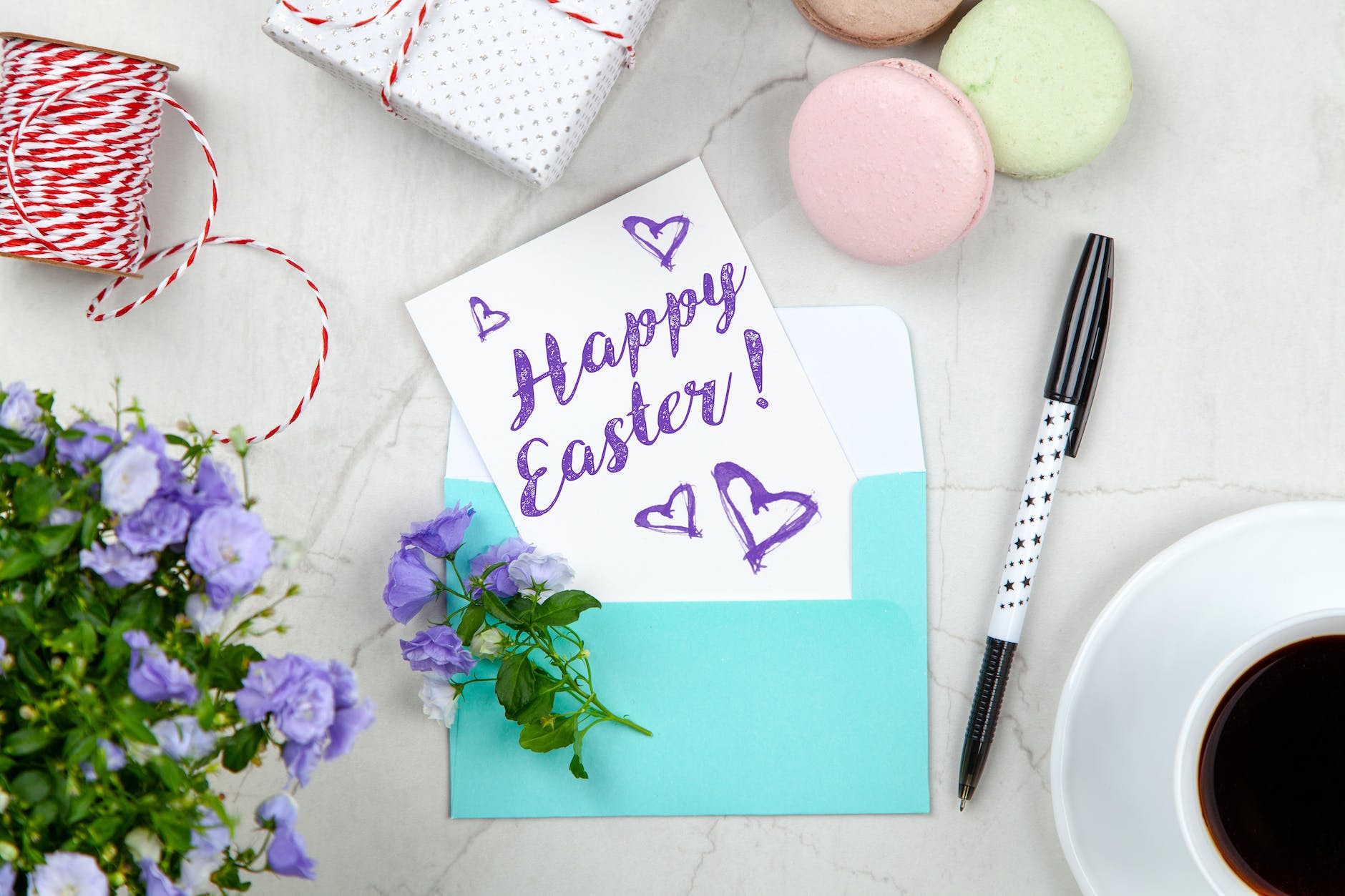
Photo by George Dolgikh on Pexels.com

While it’s important that we all eat well and stay healthy we can also take some steps to help reduce waste and save money starting with the introduction of mindfulness into our shopping!

The Steps

1: Think

As much as you can, think about what you buy this Easter. Consider reuse, repurposing or make your own food and gifts. Start with easter baskets full of chocolate-filled hot cross buns and mini homemade bunny biscuits .

2: Reduce

When buying Easter food, try to reduce the amount of packaging. You’re paying a premium for fancy packaging and cardboard boxes for the chocolate eggs.

Plans your Easter Sunday meal in advance, get portion sizes right and make use of the leftovers on Easter Monday. This can all reduce waste and save you money.

Photo by Ksenia Chernaya on Pexels.com

3: Reuse

Look for products and packaging made from recycled paper and cardboard. Buy second-hand from charity op shops. Going for reusable alternatives over disposable single-use products can greatly reduce your waste footprint. (Real glass over paper cups).

4: Repurpose

Repurpose leftover boxes, containers or fruit punnets into kids’ art supplies or handy containers to hold pens or pencils. Get the family involved.

5: Recycle

Despite our best efforts, most of us will still end up with waste which should be separated and recycled safely. Holidays may be a great time to sit back and unwind, but recycling rules don’t change over a long weekend. Do your best and others will follow!

About Recycle IT

Recycle IT is an award-winning not-for-profit social enterprise providing a collection and drop-off service for all types of waste electrical and electronic equipment (WEEE). Recycle IT provide drop off and collection services to thousands of homes and businesses across Dublin and surrounding areas collecting a range of WEEE which includes thousands of laptops, computers, cookers, cables, monitors, microwaves and TVs.

Recycle IT services are provided in partnership with WEEE Ireland. Recycle IT is supported by Pobal, South Dublin County Council and authorized by the National Waste Collection Permit Office and the local authorities in the Eastern-Midlands Waste Management Region.

Recycle IT – Truck

Visit our website for further details.

Circular Economy and My Social Enterprise Event – March 5th

Local Enterprise Week 2024 Event

The event is being hosted as part of Dublin’s involvement in the European Commission’s: European Social Economy Regions – Project & Network and Dublin’s support of the implementation of the Transition Pathway for Proximity and Social Economy. The objective of the ESER project is to build networks of Social Economy actors, encourage collaboration and to raise awareness about the social economy at regional and local level. 

The event will focus on embedding the Circular Economy, the practical steps, examples and resources available for enterprises and social enterprises. There will be networking, panel discussion, presentation, Q&A and a fireside chat so a varied evening.

Focus on the social economy and circular economy.

The event will:

  • Highlight the overarching context (Social and circular economy trends, policies, updates), feature examples from social enterprises, circular economy enterprises and regular enterprises that have adopted sustainability / circular economy practices.
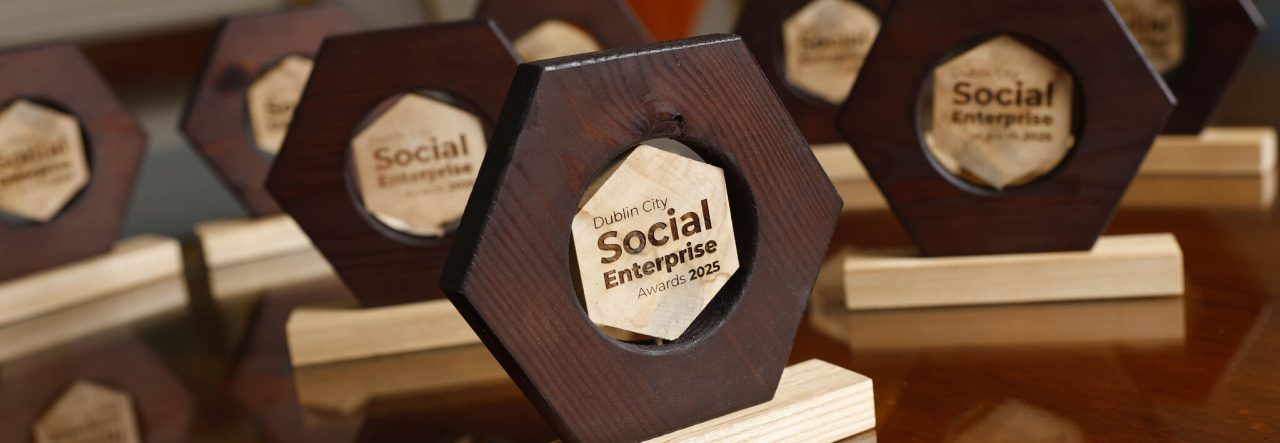
  • Promote resources and supports that can help enterprises and social enterprises to learn about, embed, enhance sustainability and circular economy practices in their operations etc. as well as key social enterprise resources including the Dublin City Social Enterprise Awards 2024.

The event will take place in the Guinness Enterprise Centre, Taylor’s Ln, The Liberties, Dublin 8 on Tuesday March 5th 2024 between 6pm and 9am. To learn more and book please click here.

Supporters

This event is taking place in partnership with CIRCULÉIRE as part of their focus on Circular Economy development in Local Enterprise week 2024.

The event is collaboratively hosted by Dublin City Council, LEO Dublin City, CIRCULÉIRE, Irish Manufacturing Research and the Dublin City Social Enterprise Committee with support from Guinness Enterprise Centre, EMWR Office, CRNI, Social Enterprise Dublin, Irish Social Enterprise Network, Dublin Place Brand, Dublin Regional Enterprise Plan to 2024 and MODOS.

For information on local social and circular enterprises that you, your organisation or company can buy from and support, please see the SoCircular Brochure 

About Recycle IT

Recycle IT is an award-winning, not-for-profit, social enterprise established to create employment and promote environmental awareness through recycling and reuse. We work in partnership with WEEE Ireland and are authorized by your local authority to provide electrical, electronic, and pure metal recycling collections across Dublin since 2007. Recycle IT are fully compliant with WEEE Recycling Requirements and permit details are available here.

Over the last 20 year Recycle IT have happily offered safe electrical and electronic recycling services to households and small and medium size organisations across a range of sectors. We offer our services all over Dublin and in surrounding areas

For more information about Recycle IT please click here.

Recycle IT Pakman Award Winner 2023

35 Easy Tips to Reduce and Save!

Going Greener – Making it Easy!

Recycling is an easy way to protect our environment and climate while ensuring the wellbeing of our community for the next generation. However, the success of recycling depends on the active participation of every member of the community including kids of all ages.

By everyone doing a little, we all can reduce the amount of waste that is deposited in the landfill or incinerated. Thinking about the reuse of items made from recycled materials helps maintain the recycling circle and its part in the circular economy.

Photo by Burak The Weekender on Pexels.com

We have listed 35 reuse and recycling tips – You might adapt some!

  • Use both sides of the page when writing or drawing.
  • Give your kids or local schools part used printed paper for drawing.
  • Bring your food to school or work using a reusable tub.
  • Rent or hire schoolbooks and supplies (reuse).
  • Hire gardening tools that you only use occasionally.
  • Make a bird feeder by reusing a medium size plastic bottle. 
  • Choose low-energy light bulbs at home and in the office.
  • Give your unwanted clothes a second life.
  • Reuse and repair as much as possible – shoes, clothes etc.
  • Offer seasonal kids costumes to clothes to others as your kids grow!  
  • Choose to buy bars of soap.
  • Choose long life or durable products e.g. reusable razors or ink pens.
  • Use rechargeable batteries in home appliances.
  • Avoid unnecessary purchasing of occasion products, e.g. Christmas, Easter
  • Offer gifts, such as tickets for a show, sports event or concert leading to reduce material content.
  • Choose eco-friendly products – read the labels.
  • Buys product with less or no packaging.
  • Buy regularly household products in bulk, e.g. canned and jarred products.
  • Reuse shopping bags.
  • Use refillable products e.g. pasta, rise, coffee, loss tea.
  • Drink taps water from reusable bottles.
  • Bring lunch to school, college, or work.
  • Prepared food at home for picnics while reusing flasks, tubs, knives, forks, and reusable carry bags.
  • Choose fresh food rather than processed food, healthier and less packaging.
  • Bake cakes and muffins instead of buying! 
  • Limited home and office printing, share files over email or file sharing tools e.g. Dropbox.
  • Recycle ink cartridges – where you purchased your ink! 
  • Bring a mug and glass to work to refill coffee, tea or water during the working day.
  • Approach office supply companies about purchasing used office equipment.
  • Cycle to work or college rather than taking the bus or car.
  • Car share where distances are longer and where public transport is not accessible.
  • Take your uneaten food home from restaurants in a doggy bag.
  • Composite garden cuttings and waste plant-based food to create a natural fertilizer.
  • Reuse school uniforms and junior football club kits – Kids grown fast!
  • Sort waste like plastics for reuse or safe recycling.
Photo by Krizjohn Rosales on Pexels.com

Reduce, Reuse, Repurposing and Recycling

In Ireland and across Europe, the focus on the 3 R’s has increased over recent years as recovery of resources through, reduce, reuse, repurposing and recycling has increased it has become increasingly important for consumers to take ownership and steps themselves to ensure products purchases can be reused, repurposed, or recycled using accessible and economically sustainable solutions.

Recycle IT – What we are doing?

Recycle IT offer electrical, electronic, and pure metal recycling services directly to people’s homes. We work with local area reps and residents associations to offer free residents recycling in estates in many areas of Dublin.

We encourage people to take advantage of this free drop off and cost-effective personal and business collections. We do offer and safely manage services to community groups, charity organisations, schools, and colleges so rest assured we have a service to match your needs.

Photo by Mike Bird on Pexels.com

By recycling your waste electrical and electronic equipment you help the environment and our organisation create training and employment opportunities that otherwise would not exist.

If you have questions or would like to arrange a personal collection from your home or business, please call 01 4578321 or email: info@recycleit.ie.  You can also visit our website to learn more about our work and our recent awards.

You can click here to read 15 recycling facts.

About Recycle IT

Recycle IT is an award-winning, not-for-profit, social enterprise established to create employment and promote environmental awareness through recycling and reuse. We work in partnership with WEEE Ireland and are authorized by your local authority to provide electrical, electronic, and pure metal recycling collections across Dublin since 2007. Recycle IT are fully compliant with WEEE Recycling Requirements and permit details are available here.

Over the last 20 year Recycle IT have happily offered safe electrical and electronic recycling services to households and small and medium size organisations across a range of sectors. We offer our services all over Dublin and in surrounding areas

For more information about Recycle IT please click here.

Recycle IT Pakman Award Winner 2023

The Benefits of Metal Recycling

In the bustling city of Dublin, where progress meets tradition, there is a silent hero working towards a greener future – Recycle IT. This innovative recycling and collection service not only aids in environmental preservation through electrical, electronic, and metal recycling but also plays a pivotal role in creating valuable training and employment opportunities for the community.

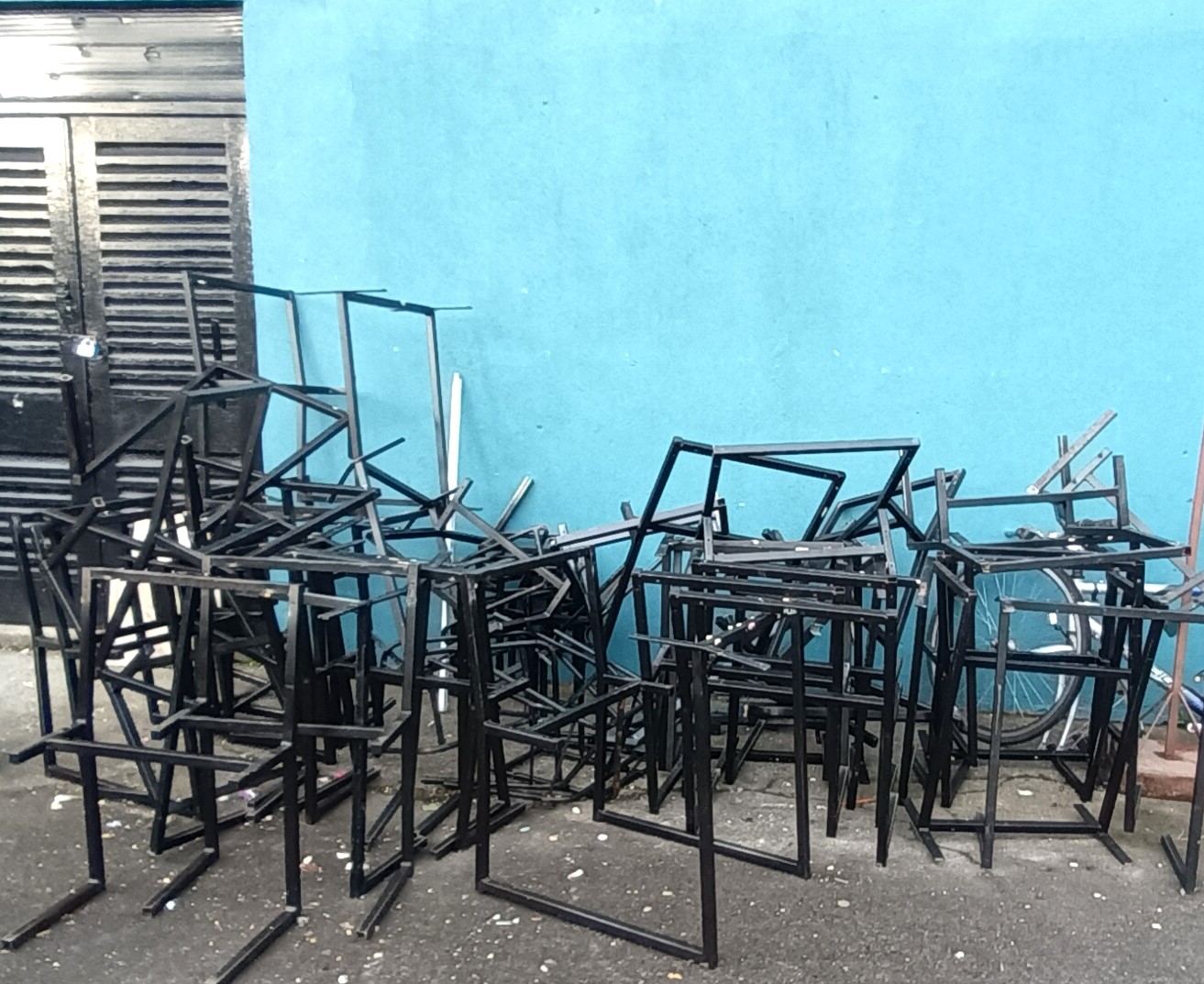
Metal Table Frames

Change

Over the years, Ireland has witnessed the transformative power of recycling. The shift towards recycling metals safely has gained momentum as awareness grows about the environmental impact of mining and manufacturing raw materials. Recycling metal not only conserves natural resources but also significantly reduces energy consumption and greenhouse gas emissions.

In communities across Ireland, recycling has become more than just an environmental responsibility; it has evolved into a symbol of community strength and unity with people coming together to do more during their spare time. Recycle IT is trying to support this movement and contribute to the social fabric of Dublin by not only promoting sustainability but also fostering employment and skills development.

Metal Office Storage Units

Creating value

Recycle IT understands the importance of providing worthwhile training and employment opportunities to people distanced from the employment market. By incorporating real work opportunities into their recycling and collection service, the team have effectively turned a routine activity into a source of community empowerment. On the job training offered by Recycle IT equips individuals with the skills needed for various aspects of the recycling process, from customer service and collection to sorting and processing.

The value of metal recycling in Ireland goes beyond environmental conservation. It is a catalyst for positive change within communities, offering a chance for individuals to learn, grow, and contribute to a sustainable future. Recycle IT’s commitment to creating employment positions aligns with the broader vision of building resilient communities that can thrive in an eco-conscious world.


Metal Gate

Some facts

  • Worldwide steel is the most recycled metal, with an estimated 600 million tonnes re-cycled yearly.
  • Recycling metal is estimated to create 36 times more jobs than extracting new metal ores.
  • All scrap metal recycling is more environmentally friendly than extracting and processing new ore.
  • Recycling metal generates 97% LESS mining waste and uses 40% LESS water.
  • China is making over 1,000 million tonnes of steel a year with 25% made from recycled scrap steel.
  • Aluminium can be infinitely recycled, but 7 million tonnes of it is still wasted yearly.
  • Recycling aluminium uses 95% less energy than primary production and each recycled tonne of aluminium saves 14,000 kWh of energy, the energy needs of an average home for approx. three years.

Using income generated

One distinctive feature of Recycle IT is the decision not to offer payment for metals received. While some may initially question this approach, it stems from a strategic commitment to community development. Instead of focusing on monetary compensation, Recycle IT channels its resources into training programs and job creation, maximizing the positive impact on the environment and community.

Metal Radiators for Recycling

By not offering payment for metals, Recycle IT is able to invest more in its social initiatives, creating a ripple effect of benefits. The money saved from avoiding direct payments is redirected towards expanding training programs, improving infrastructure, and supporting community outreach efforts. This approach transforms the recycling process from a mere transaction to a dynamic force for positive change in Dublin.

In conclusion

The story of metal recycling in Ireland, particularly in Dublin, is a tale of environmental responsibility and community empowerment. Recycle IT wants to encourage sustainable practices, not only contributing to a greener future through metal recycling but also uplifting the community through training and employment opportunities.

The decision to forgo making payments for metals received for safe recycling reflects a strategic commitment to investing in people and the community. Recycle IT as a social enterprise is always striving for a more sustainable and socially conscious Dublin, achieved by working and acting together to make a real difference.

Metal Trampoline

About Recycle IT

Recycle IT is an award-winning, not-for-profit, social enterprise established to create employment and promote environmental awareness through recycling and reuse. We work in partnership with WEEE Ireland and are authorized by your local authority to provide electrical, electronic, and pure metal recycling collections across Dublin since 2007. Recycle IT are fully compliant with WEEE Recycling Requirements and permit details are available here.

Over the last 20 year Recycle IT have happily offered safe electrical and electronic recycling services to households and small and medium size organisations across a range of sectors. We offer our services all over Dublin and in surrounding areas

For more information about Recycle IT please click here.

Recycle IT Pakman Award Winner 2023

Reduce Clutter This Weekend

Stress and Clutter

Clutter is an overabundance of possessions that collectively create chaotic and disorderly living spaces,” said Joseph Ferrari, a professor of psychology at DePaul University in Chicago.

Decluttering your home, office or business maybe one of your wish list activities or just something you have planned to do for a while but it just has not happened!

Clutter makes it hard to find things while also creating the feeling of limited space. Its believed decluttering your apartment, house and work space improves your living space, your homes appearance and your own mental health.

IMG_20190814_102939 (2)
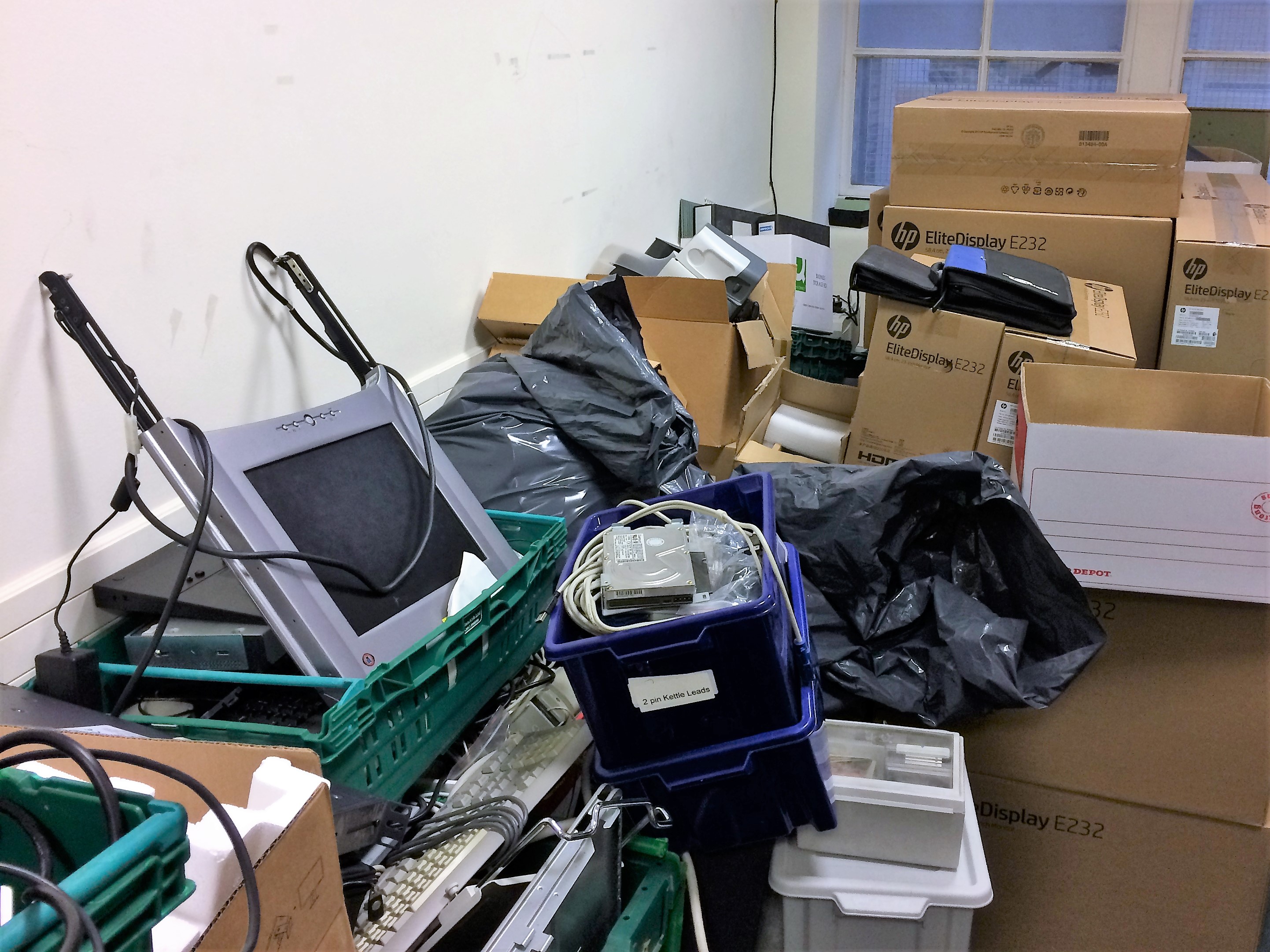
Mixed IT Clutter – Recycle IT

A study, published in Current Psychology found a substantial link between procrastination and clutter challenges in the age groups; college students, young adults in their 20s and 30s and older adults, mainly in their 50s; so lots of people face clutter challenges and frustration with clutter tended to increase with age. (Source: New York Times, Jan 2019)

Research by Dreamtown in the UK found that the average 10-year-old owns 238 toys but plays with just 12 daily (The Telegraph). The build-up of home clutter including toys, clothes, shoes and even gadgets creates a constant need to tidy up which in turn can create a feeling of stress. Do you recognize the feeling?

The Buildup

Over the course of our lifetime, we will spend a total of 3,680 hours or 153 days searching for misplaced items, something we just stuck in a drawer! The research found we lose up to nine items every day—or 198,743 in a lifetime. Phones, keys, sunglasses, and paperwork top the list (The Daily Mail).

Store Room Clutter
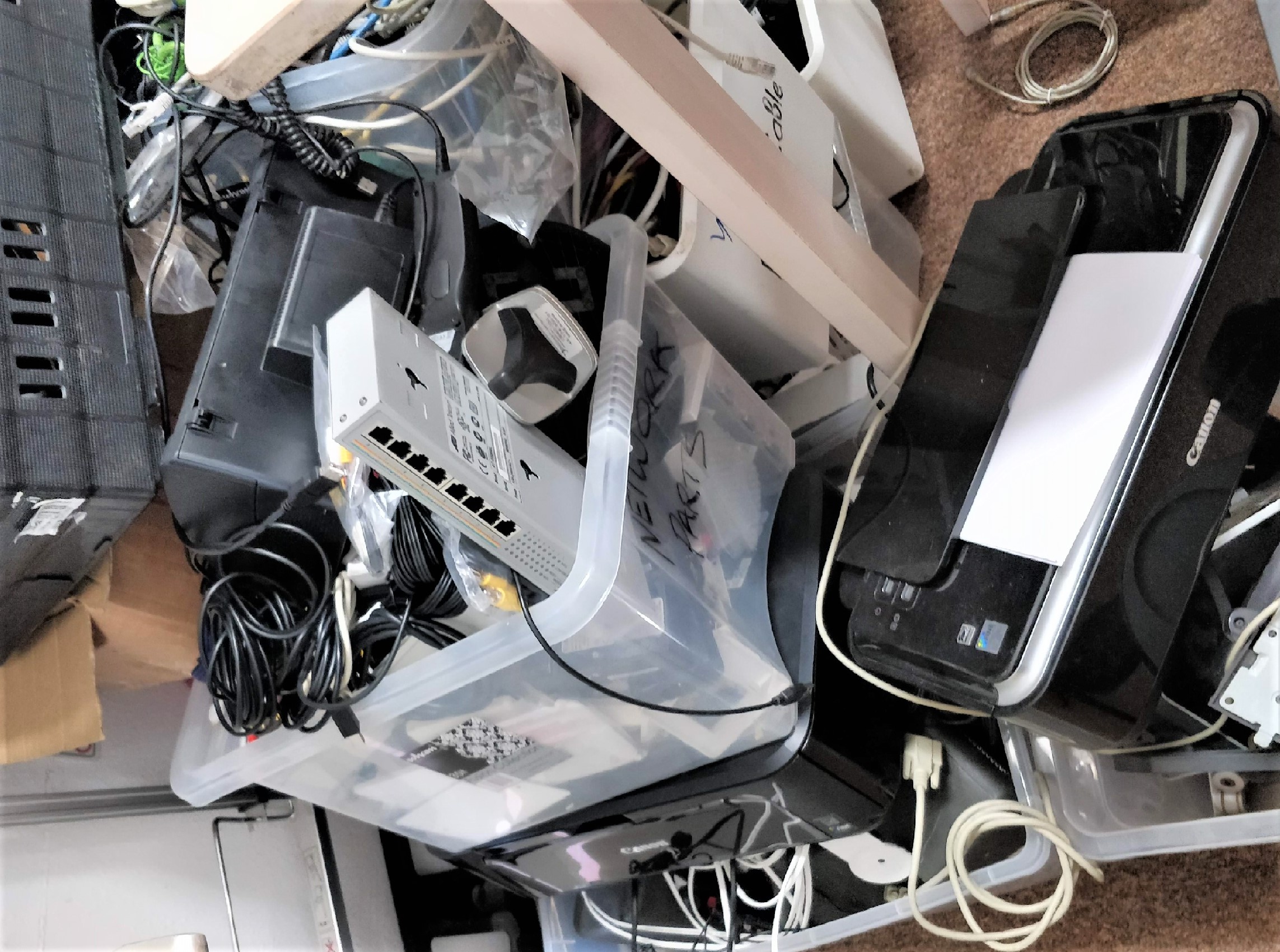
Store Room Clutter – Computers – Monitors – Cables

One of the biggest clutter offenders is mobile phones. Official data from ComReg Ireland published at the end of Q4 2022 shows there were 8.8 million mobile subscriptions in Ireland It’s a fact, that we’re all buying more gadgets with the older or unused items building up in boxes, draws, cabinets, and storerooms.

In Ireland a 2015 study found that on average two in five Irish adults (38%) consider themselves to be hoarders, meaning homes are filling up (Empathy Research)  Further research commissioned by NESTA outlined that 58% of respondents found it hard to get rid of their possessions, meaning they keep them!

The National Association of Professional Organizations shows there is a direct correlation between productivity and clutter. Productivity declines when clutter and chaos rise. Piles of paper, unorganized kitchen space or playrooms, old receipts, bills, and paperwork stuffed in boxes or drawers will take over your home over a period of time.

Household Waste

Chris Stiff, a lecturer in psychology at Keele University says “one of the obvious advantages to a tidy house is that being able to easily locate things will cause you less stress,” There is evidence that tidy environments help us think more clearly.

How to?

Clutter can include unread books, old electronic equipment, files which have not been filed, letters and cards, clothes thrown on the floor, and stuff that you no longer need, want or use but still possess. Remember, clutter is not usually confined to one area that can be spread across your home.

Before anything else, make a simple plan with specific and simple goals that will reduce your frustration and stress.

Here are 12 tips to keep in mind as you start de-cluttering your home:

  1. Make a written note of all the areas you need to de-clutter.
  2. Prioritize the areas/zones for decluttering and assign your time.
  3. Do one area at a time.
  4. Set start and finish dates for each area.
  5. Be sure to pick dates that are real so you get the job completed.
  6. Make time and get help to work on specific areas which may take longer like a garden shed or attic.
  7. Use a system to save on time and energy.
  8. Plan how you might lift on move heavy items.
  9. Research and decide how you will have the clutter removed for recycling once assemble.
  10. Check if items still work!
  11. Use the 80/20 rule – we generally use 20%  of the things we own 80% of the time so do we really use or need the rest?
  12. Get over the money you spent on the items you never use. Once you do that it’s easier to offer for reuse or to recycle.

Once the items are ready you can decide what you want to do about removal. We have a list of some solutions which might work for you.

IMG_0692
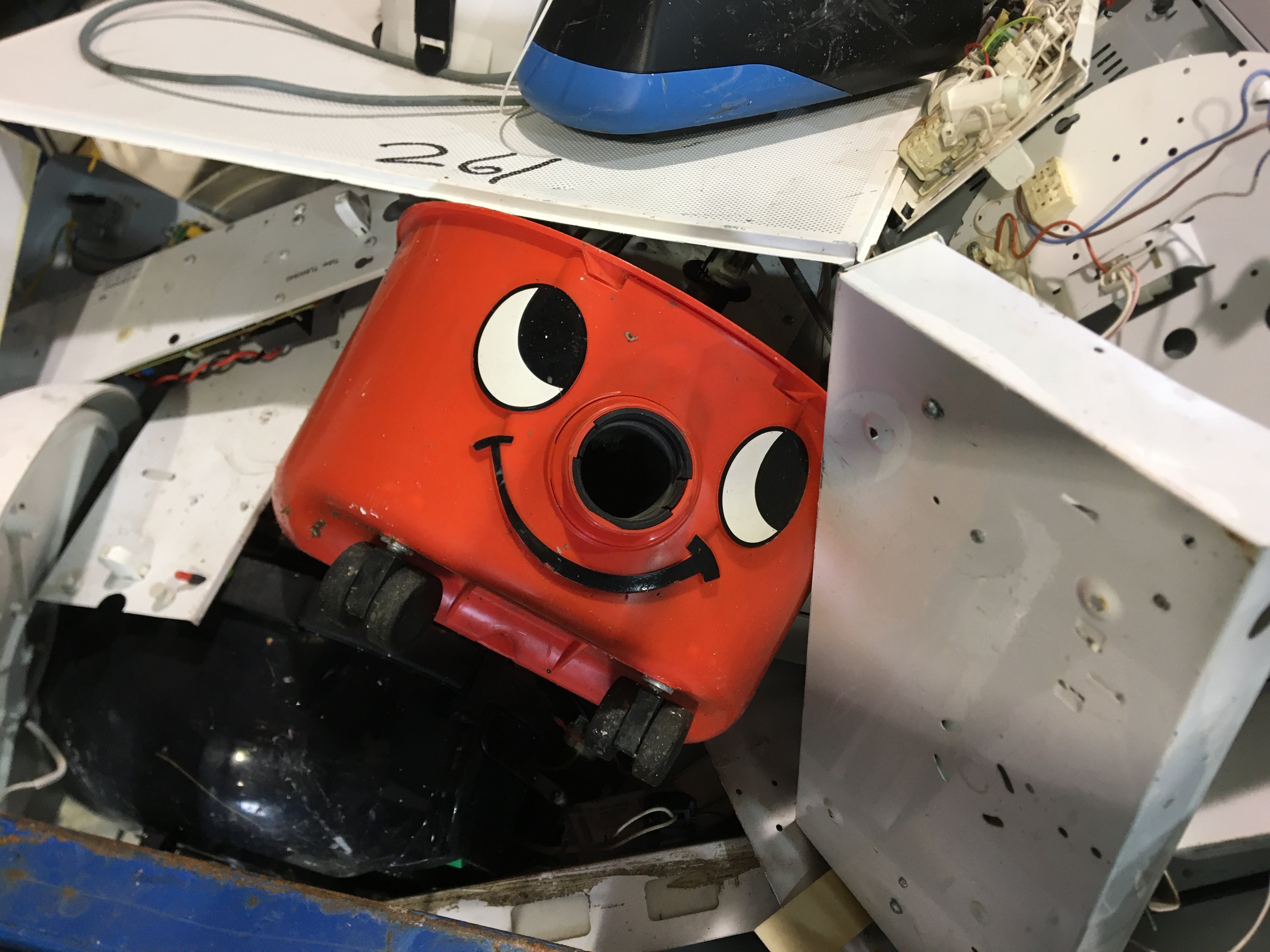
Toys and Light – Recycle IT

Outlets for your clutter

  • Don’t hold onto items once they have made the box.
  • Sell some items online, e.g. eBay, Done Deal or Adverts.
  • Repurpose old stuff with some DIY and help from friends.
  • Donate to charity shops.
  • Share items with family, friends, or colleagues e.g. kids’ clothes or toys.
  • Gift your items to friends or colleagues with an interest in them.
  • Share items free for reuse. Go online or find an exchange network.
  • Recycle all old electrical, electronic, and battery-operated items.
  • Moving forward, recycle stuff immediately when used or end of life.
  • Consider gifting items based on condition.
  • After the clear-out consider what you buy and recycle one day at a time.
  • Switch to e-bills.
  • Scan old photos and paperwork.
  • Preventing a build-up is a key step in fighting clutter.

Making the decision to get rid of your old items can be the hardest part of de-cluttering. Like many people, you may have trouble getting rid of items you once used or loved. You have also spent your hard-earned money on the items so they do hold value for you. These are real and valid feelings but no matter how challenging the decision, de-cluttering is necessary and helps reduce stress levels and it will create space!

20180717_121039
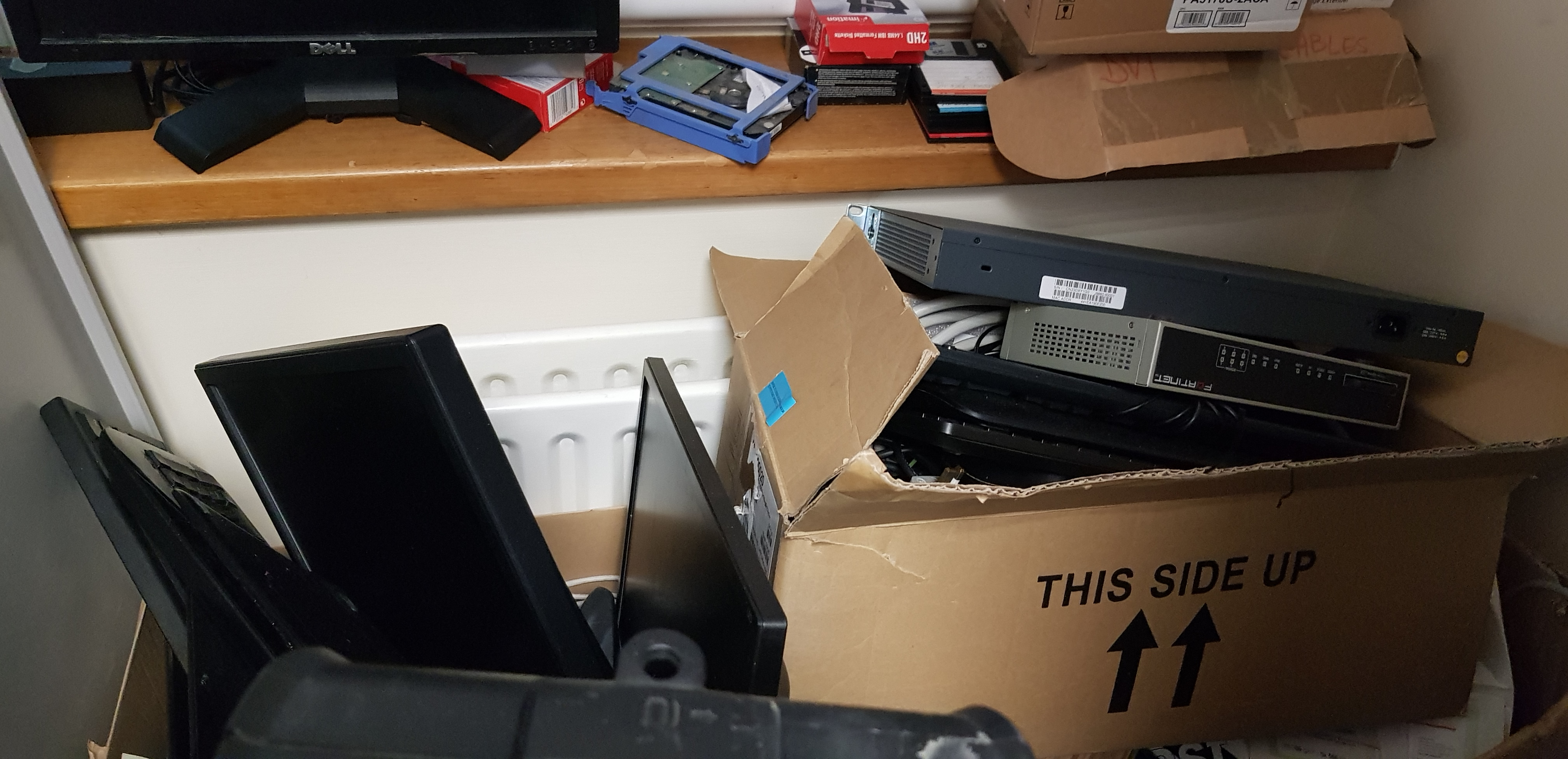
Office Clutter – Recycle IT

About Recycle IT

Recycle IT, is an award-winning social enterprise offering electrical, electronic and metal recycling services through drop-off and collection. Recycling services are provided in partnership with WEEE Ireland and South Dublin County Council.

Recycle IT is supported by Pobal and Dormant Accounts and authorised by the National Waste Collection Permit Office and the local authorities across the east midlands waste region.

Our goal is to create training and employment opportunities through the provision of waste management services. Surplus earned income is reinvested in operational, and employment-related costs.

For more information on Recycle IT please call 01 4578321, email info@recycleit.ie or visit our website www.recycleit.ie

Recycle IT – Pakman Award Winners 2023