Social Enterprise Conference Dublin – May 2023

Oakfield Trust presents an international conference entitled ‘Social Enterprise. Achieving Real Social Impact and Developing the Space’ in the warm surroundings of the wonderful Wood Quay Venue in Dublin City.

About the Organiser

Oakfield Trust based in Clondalkin provides a range of property-based services and related support for community and local projects. These supports offer projects a chance to develop and succeed – thereby benefitting the whole community.
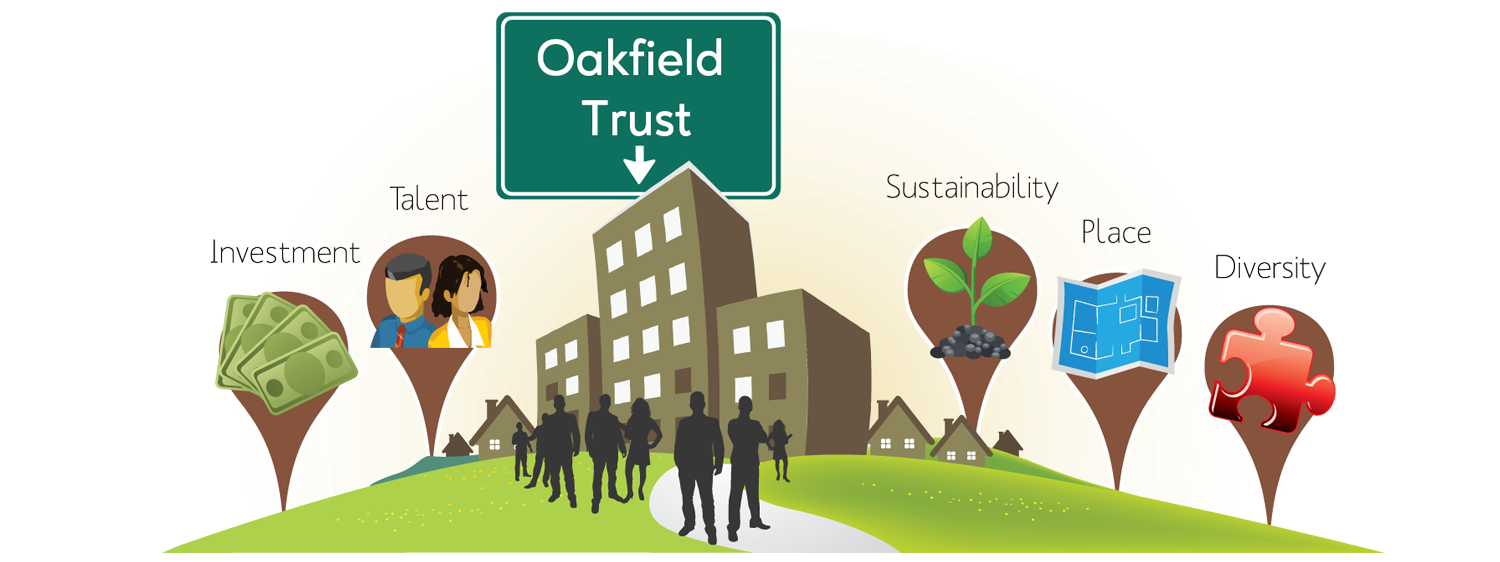
The primary activity is Property Management & Development involving the acquisition, customisation and management of properties that are leased to organisations working with marginalised groups in socially excluded communities.

Oakfield Trust also provided assistance to local organisations in the form of Project Development Loans and Grants as well as New Build Project Management.

The Conference

The team at Oakfield Trust are looking forward to an open, thought-provoking event with contributions and discussion from highly regarded figures from the sector and many opportunities for audience participation.

The conference will run from 9.45am to 13.30pm on May 24th 2023, at The Wood Quay Venue, Fishamble Street, Wood Quay, D08 RF3F.
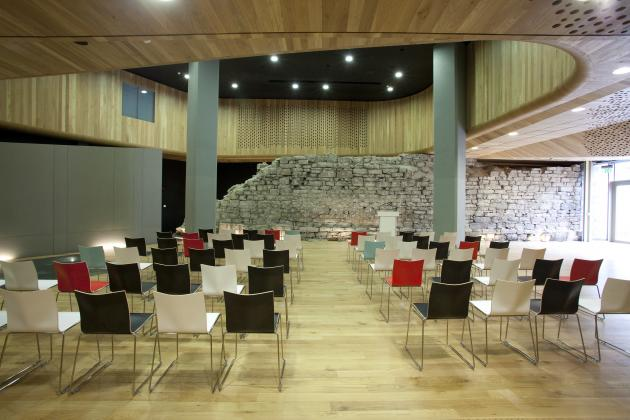
Dublin City Council – Wood Quay Venue, D8

The event will feature:

MC / Moderator – Susan Hayes Culleton

Main Speakers:

  • Joyce Murray (Founder and CEO, Grace Chocolates in Scotland)
  • Karen Leigh (Founder and CEO, Sensational Kids in Ireland).

Panel Discussion 1: ‘Achieving Real Social Impact’ – featuring:

  • Siobhán Cafferty (Social Enterprise Project Manager, Working to Change)
  • Emma Connors (CEO, Recreate)
  • Ivan Cooper (CEO, The Wheel)
  • John Lonergan (Former Governor, of Mountjoy Prison)
  • Joyce Murray (Founder and CEO, Grace Chocolates, Scotland)

Panel Discussion 2: ‘Developing the Social Enterprise Space’ – featuring:

  • Lorraine Corcoran (Director, SERI)
  • John Kearns (CEO, Partas)
  • Una Lavelle (General Manager, Recycle IT)
  • Karen Leigh (CEO, Sensational Kids)
  • Donal Traynor (Group CEO, Community Finance)

Video contributions from sector figures at home and abroad.

To book your place, learn more, get directions, parking information and view the frequently asked question section please click here.

About Recycle IT

Recycle IT is an award-winning not-for-profit social enterprise providing a collection and drop-off service for all types of waste electrical, electronic and metal items. Recycle IT offer drop-off and collection services to both homes and organizations in Dublin and surrounding areas collecting a range of WEEE which includes thousands of printers and we can help recycle yours!

Our electrical community collection service is provided in partnership with WEEE Ireland. Recycle IT is supported by Pobal, South Dublin County Council and authorized by the National Waste Collection Permit Office and the local authorities across Leinster.

To speak with Recycle IT please call 01 4578321 or email us here

Visit our website www.recycleit.ie
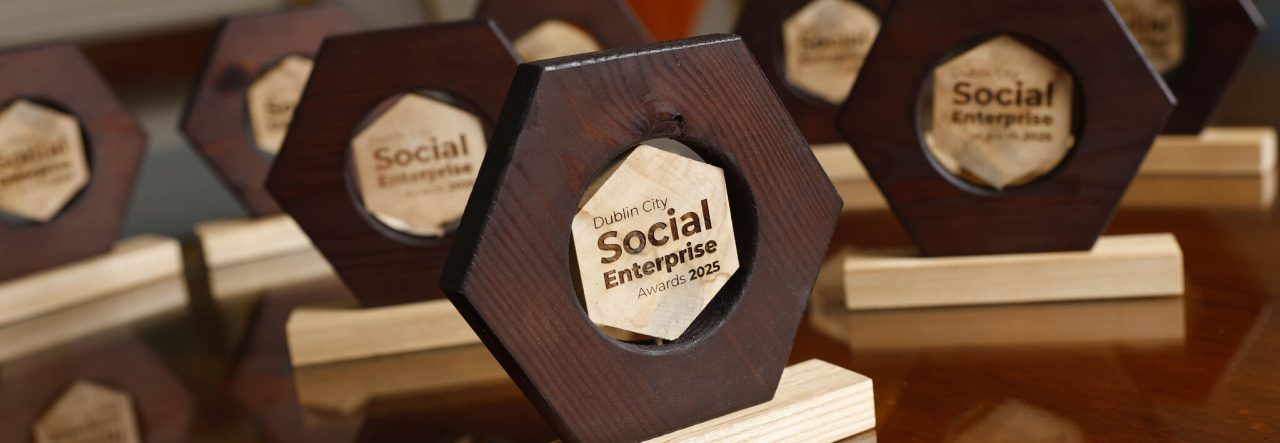
Recycle IT are Awardees for 2023

Free Summer Electrical Recycling in the Community

Here’s an opportunity 

Schools, charities, community groups, and small businesses are invited to recycle or host an electrical recycling collection at their location over the summer starting May 8th 2023.

This initiative aims to divert waste electrical and electronic equipment (WEEE) from offices and staff homes for recycling and is an opportunity to have a free WEEE from Work collection.

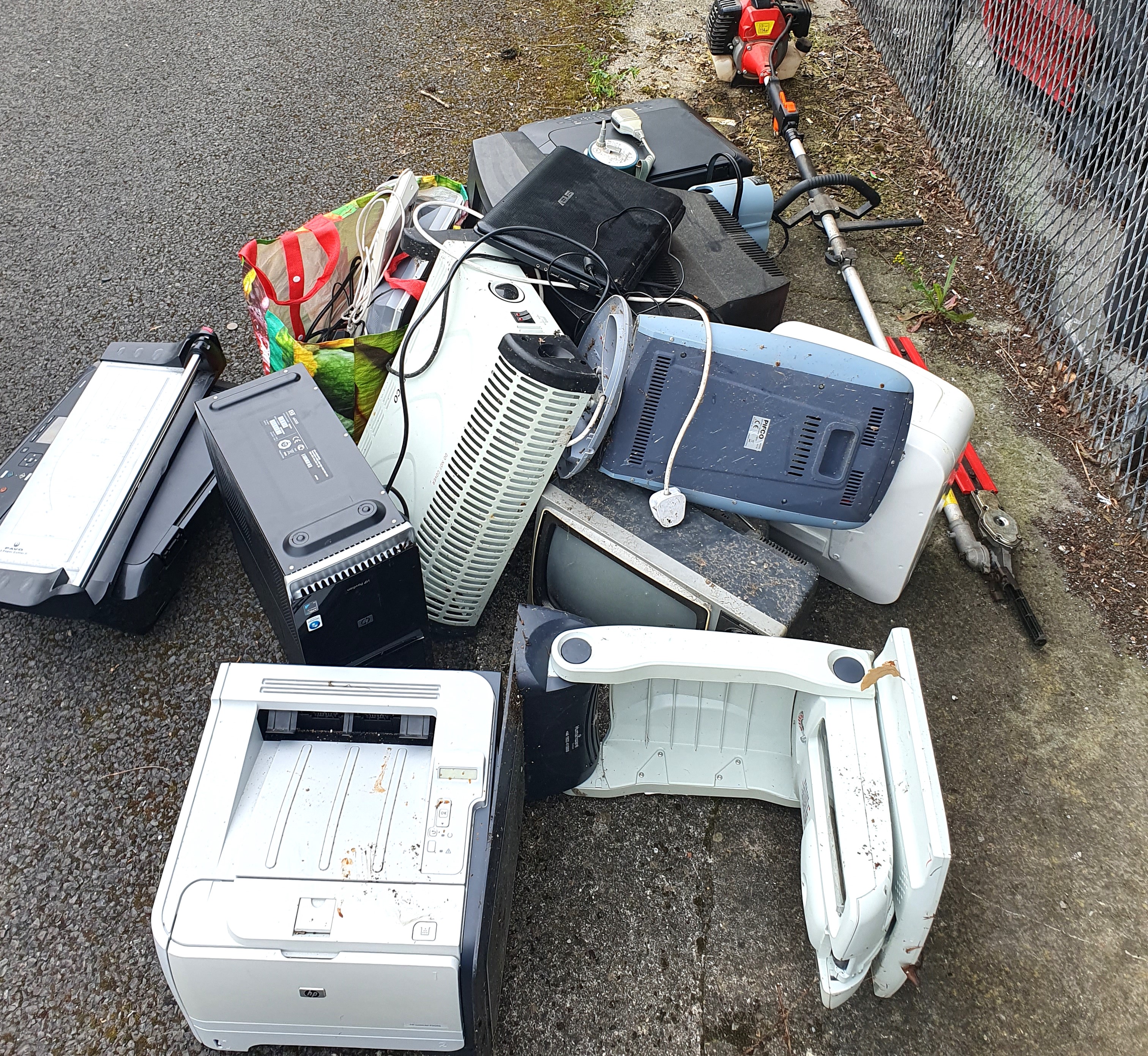
Mixed Electrical Equipment

Recycle IT – Recycling Electrical, Electronic, and Metal Items

The idea is to set up a temporary small WEEE collection point or containers in a central area of each school, community group or business to encourage recyclers to get into the habit of diverting more office and domestic electrical items away from the general waste bin.

Your colleagues, volunteers, students or project participants can easily take part. All you need to do is make people aware and reinforce the WEEE recycling message at every opportunity, then watch the container or box fill up.

Recycle IT will accept all types of electrical and pure metal equipment including older items once used and loved in the office, school classroom or canteen.

Close the Loop - Recycle IT
Close the Loop – Recycle IT

How it works

Our team can recycle all the old or unused small waste electrical and electronic equipment collected at your office in Dublin for “free” with Recycle IT. Once you let us know, our team will pick up full containers or boxes of old, damaged or unused electrical, electronic or pure metal items. Just email us quoting FREEMAYRIT

From experience, items will be small and medium size and found at home or in small offices. Click here to see a list.

Recycle IT Arrow - Recylcing Electrical Equipment in Dublin
Recycle IT – Recycling Electrical Equipment in Dublin

Success this Year!

Recycle IT want to say a huge well done to over 200 schools, charities and community groups who have already participated in WEEE recycling collections so far in 2023. We really enjoy working with you and ask that you spread the word to others!

School and community recyclers in 2023 include:

  • St.Decalns College, Dublin 7.
  • St. Christopher’s Primary School, Dublin 4.
  • Sophia Housing Association, Dublin 8.
  • Terenure College, Dublin, D6W.
  • FIT, Dublin 11.
  • Tuath Housing, Dublin 12.
  • Dublin Simon Community Dublin 20.

About Recycle IT

Recycle IT is an award-winning not-for-profit social enterprise providing a collection and drop-off service for all types of waste electrical, electronic and metal items. Recycle IT offer drop-off and collection services to both homes and organizations in Dublin and surrounding areas collecting a range of WEEE which includes thousands of printers and we can help recycle yours!

Our electrical community collection service is provided in partnership with WEEE Ireland. Recycle IT is supported by Pobal, South Dublin County Council and authorized by the National Waste Collection Permit Office and the local authorities across Leinster.

To speak with Recycle IT please call 01 4578321 or email us here

Visit our website www.recycleit.ie
Recycle IT are Awardees for 2023

Climate Change: 4 Changes for All!

Reducing Your Carbon Footprint

The Irish government can make national changes and introduce initiatives which can help reduce the effects of Climate Change but as individuals, living in Ireland we also contribute daily to carbon emissions.

Photo by Pixabay on Pexels.com

Here are some things you can do to reduce your personal impact.

At Home

Insulation is a key step in making your home more comfortable and energy efficient. SEAI grants can help you to insulate your walls and attic to reduce heat loss and your heating bills. Attic insulation, cavity wall insulation, internal Insulation or dry lining and external wall insulation all can help.

Learn more about the different types of insulation for your home. You can also download our homeowner’s guides to insulation. They will give you all the information you need about creating a cosier home.

Photo by Tomu00e1u0161 Malu00edk on Pexels.com

All homeowners, including private landlords, whose homes were built and occupied before 2011 can apply. This is defined as the date your electricity meter was installed.

Otheroptionla for your home includes floor Insulation, insulation of windows and doors, installation of a heat pump, updated heating controls or moving to solar heating or solar electricity panels. This all helps improve your home energy usage and therefore Ireland’s energy usage.

Learn about the grant values and how to apply here

While Travelling

The travel industry is responsible for approx. 8% of total global emissions so every action you take to curb your travel footprint is worthwhile. Here are some tips to consider ahead of your next trip.

Photo by Leah Kelley on Pexels.com

Cars are a major source of carbon emissions so try to eliminate the car from travel plans. It’s one of the best things you can do for reducing your carbon footprint. (You could consider the same for the daily commute or reduce the number of daily commutes).

  • Use green public transport
  • Book electric taxis
  • Don’t fly to nearby destinations or within a small country like Ireland.
  • Fly economy to lower your carbon footprint
  • Pack small and light (all the time).
  • If you going a greater distance book a non-stop flight
  • Visit fewer locations while on a trip – enjoy the location you are in!
  • Limit the use of air conditioning and charging equipment
  • Stay at an Eco- Friendly location – places where people care about the environment.
  • Finally, calculate your own travel carbon footprint here

Wasting Food

In 2022 the Irish EPA said, food waste is a global problem that has environmental, social and economic consequences.

More than one-quarter of the food produced globally is wasted. It is a significant contributor to climate change, as food loss and waste contribute to 8-10% of greenhouse gas emissions. 

Growing, processing and transporting food all use significant amounts of resources such as land, water and energy. 

The EPA estimates that Ireland generated 770,300 tonnes (t) of food waste[2] in 2020.

Source: EPA – Food Supply Chain

What to do?

Stop Food Waste is a national campaign to give you information and tips on how to make the most of your food and avoid food waste. 

Reducing food waste is an easy action you can take to save money, save time, and lessen your impact on the environment.

As a starting point, we can all follow the A-Z of Foods. This is a useful resource with top tips and techniques to best manage food at home in order to prevent food waste.

Have a look at the BBC Climate change food calculator – it’s easy and great – give the kids ago

Fashion – Buy Less – Think More

It takes 3,781 litres of water to make one pair of jeans, according to the UN’s Environment Programme, taking into account cotton production, manufacture, transport and washing.

Photo by Pixabay on Pexels.com

Mass-market fast fashion may soon stop for European shoppers, with the EU saying it plans to implement new regulations to limit the wasteful trend and encourage fashion sustainability.

The proposal by the EU calls for minimum use of recycled fibres by 2030 and a ban on the destruction of many unsold fashion products.

The European Commission regulations also seek to contain the release of microplastics and improve global labour conditions in the garment industry.

But as fashion shoppers what can we do now?

Well, The Guardian Newspaper has come up with a fast fashion fix: 20 ways to stop buying new clothes forever. Click here to have a read and change your ways.

You will find 7 quick tips below

  1. Buy less and more durable clothes—choose slow-fashion
  2. Avoid fast-fashion companies and support small local businesses instead;
  3. Rent clothes you’re only likely to wear once;
  4. Buy pre-owned items;
  5. Swap clothes with friends;
  6. Repair and upcycle your clothes;
  7. Resell or give clothes for free online.

What Next?

Ireland Climate Action and Low Carbon Development (Amendment) Act 2021 requires Ireland to achieve a 51% reduction in emissions by 2030, relative to 2018 levels, and net-zero emissions by 2050. We all must do more and learn more to help. To get up to speed please visit the Department of the Environment, Climate and Communications. Click here.

About Recycle IT

Recycle IT is an award-winning not-for-profit social enterprise providing a collection and drop-off service for all types of waste electrical, electronic and metal items. Recycle IT offer drop-off and collection services to both homes and organizations in Dublin and surrounding areas collecting a range of WEEE which includes thousands of printers and we can help recycle yours!

Our electrical community collection service is provided in partnership with WEEE Ireland. Recycle IT is supported by Pobal, South Dublin County Council and authorized by the National Waste Collection Permit Office and the local authorities across Leinster.

To speak with Recycle IT please call 01 4578321 or email us here

Visit our website www.recycleit.ie
Recycle IT at Work

Irish Environmental Protection Agency Calls for Action

Municipal Waste Recycling

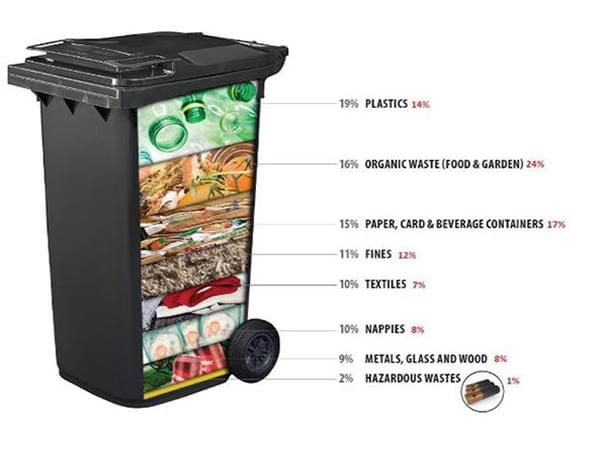
Irelands Environmental Protection Agency (EPA) released our National Waste Statistics Summary Report for 2020 in December 2022. The National Waste Statistics report is the most recent official data on waste generation and management in Ireland. The report reveals a number of worrying trends.

Trends

It appears Ireland and the population of Ireland generates too much waste which is a concern for waste management in our country.

There are wider issues such as climate and environmental impacts caused by increasing amounts of waste. Issues such as land use, resources, chemicals and the energy involved in creating products that become waste.

Household General Waste Characterisation – EPA – What’s in Our Bins

In 2020 key waste streams were also impacted by Covid restrictions:

  • Municipal waste increased from 3.1 million in 2019 to 3.2 million.
  • Packaging waste remained high at 1.1 million tonnes, the fourth year in which total packaging waste generated exceeded 1 million tonnes.
  • Construction waste decreased by 600,000 tonnes to 8.2 million tonnes
  • Overall waste generation increased to 16.2 million tonnes, up from 12.7 million tonnes in 2012.

Ireland’s waste generation continues to increase in line with our economic growth, indicating that we have not succeeded in moving from the linear economic model of “take, make, use, and create waste”.

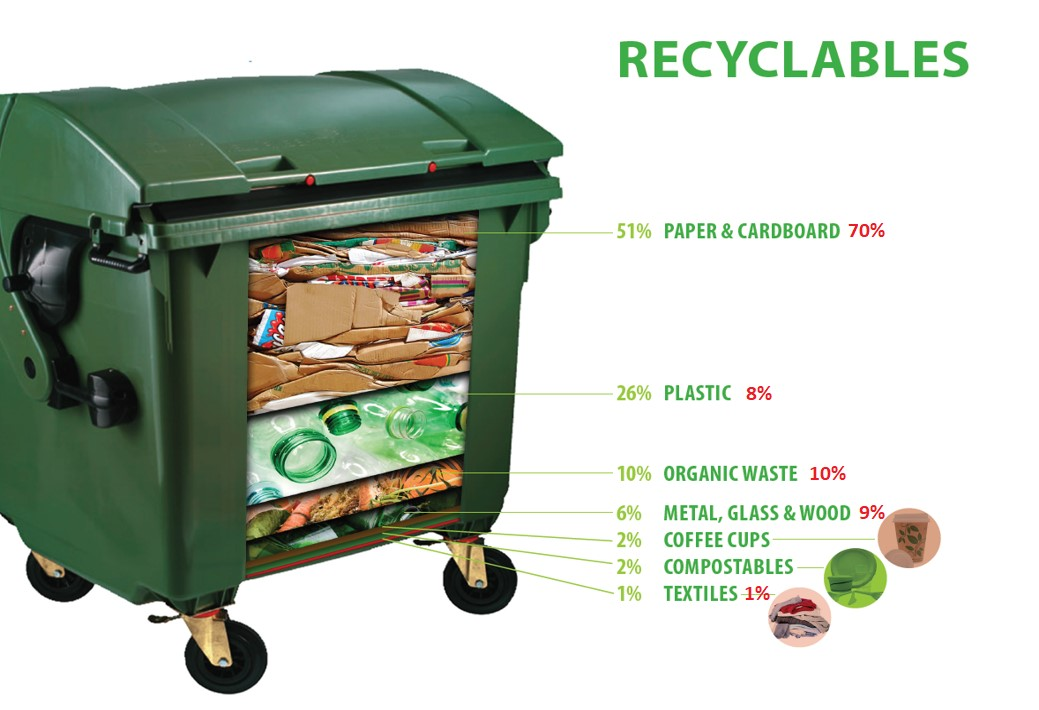
Business Recyclable Waste Characterisation – EPA – What’s in Our Bins

Circular Economy

A recent OECD study found that Ireland has a circular material use rate of 1.8 per cent, relative to an EU average of 12.8%. We need to move to a circular economy where resources are reused, repaired or recycled as much as possible, and the generation of waste is minimised.

Sharon Finegan, Director of the EPA’s Office of Environmental Sustainability noted,

“A circular economy is one that is based on less waste and more reuse of materials; these trends show Ireland is going in the wrong direction. Our rising levels of waste are unsustainable and immediate steps must be taken to address these trends. Systemic change is needed across all economic sectors to shift the focus to designing out and reducing waste and promoting reuse and recycling.”

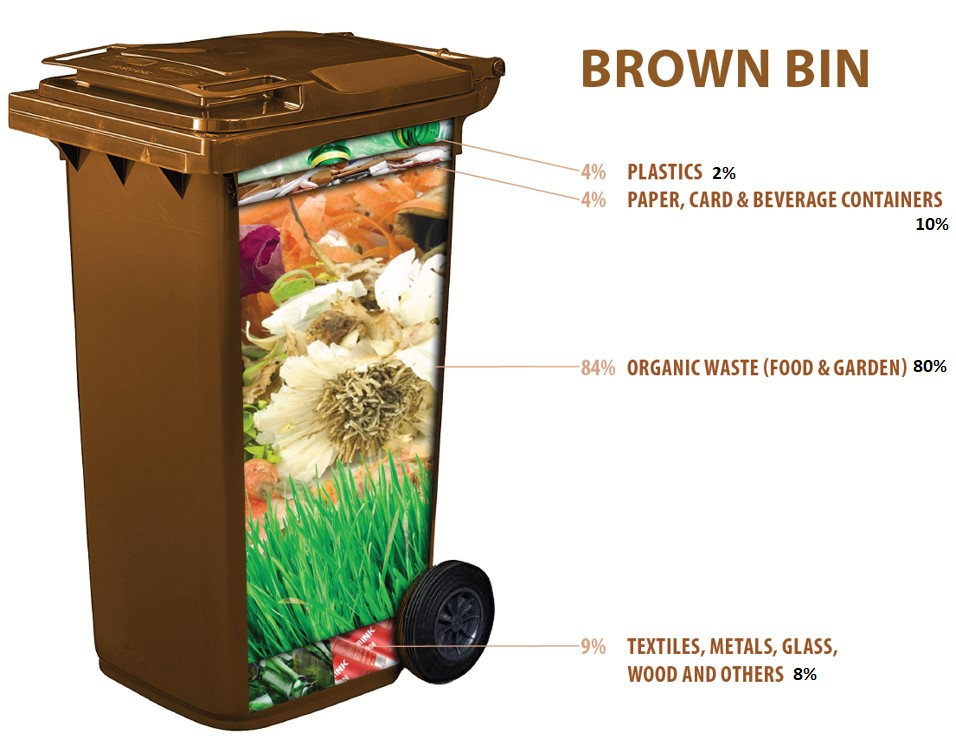
Household Brown Bin Waste Characterisation – EPA – What’s in Our Bins

Ireland is continuing to meet many of its current EU targets. However, targets for 2025 and beyond are extremely challenging. Our increasing levels of waste are undoing our efforts to recycle more, and our rate of recycling has stagnated. For example:

  • The municipal waste recycling rate was 41 per cent in 2020, however, it must reach 55 per cent by 2025.
  • The plastic packaging recycling rate was 29 per cent in 2020, however, it must reach 50 per cent in 2025.

Swapped Landfill for Incineration

Disposal to landfill has fallen sharply in Ireland over the past decade; a welcome development since this is the least desirable option in the waste management hierarchy. The municipal waste landfill rate in 2020 was 16 per cent, down from 58 per cent in 2010. The share of municipal waste sent for energy recovery increased from four per cent in 2010, to 42 per cent in 2020.

Exported Waste

Ireland remains heavily reliant on export for the treatment of a number of key waste streams, pointing to some significant waste infrastructure deficits and missed opportunities to foster a circular economy. Exported waste for treatment in 2020 included:

  • 27 per cent of biodegradable waste;
  • 39 per cent of municipal waste;
  • 55 per cent of hazardous waste;
  • 50 per cent of packaging waste; and
  • almost all WEEE was exported for the final treatment step.
WEEE Waste – Broken Down for Component Recovery @ Recycle IT

Comments

Commenting on the recycling trends Warren Phelan, Programme Manager of the EPA’s Circular Economy Programme said:

“Our rising levels of waste are unsustainable and are threatening Ireland’s achievement of EU recycling targets. We urgently need mandatory incentivised charging for the collection of non-household (commercial) municipal waste. We need to increase the rollout of brown bins, collect more food waste separately and increase the capture of plastic packaging for recycling at collection and processing stages.”

Further Information

The National Waste Statistics Summary Report for 2020 is available on the EPA website.

National waste statistics for individual waste streams are published on the EPA website.

About Recycle IT

Recycle IT is an award-winning social enterprise providing community, personal and business recycling services for all types of waste electrical and electronic equipment (WEEE) in Dublin and surrounding counties.

During 2022 Recycle IT provided drop-off and collection services to thousands of homes, schools, charities and businesses across Dublin and surrounding areas collecting a range of WEEE which included thousands of computers, cables, monitors, microwaves, TVs, and computer screens.

Recycling services offered by Recycle IT are provided in partnership with WEEE Ireland. Recycle IT is supported by the Pobal-managed, Community Services Programme, Dormant Accounts and by South Dublin County Council. Recycling services are authorized by the National Waste Collection Permit Office and the local authorities across Leinster.

For more information about Recycle IT please visit www.recycleit.ie or call 01 4578321.

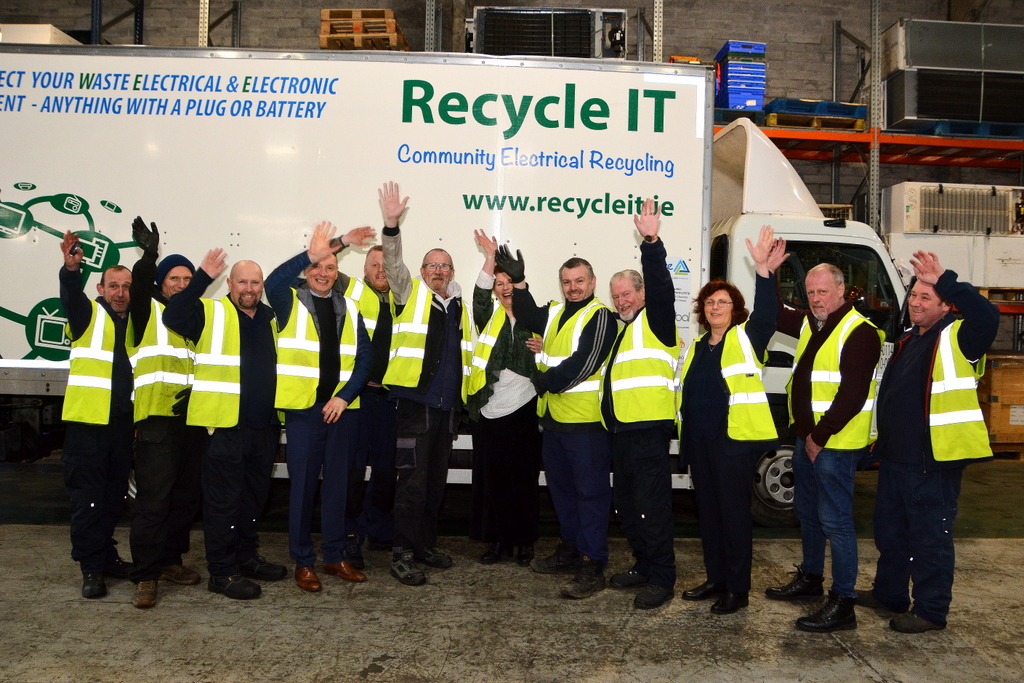
Team Recycle IT

Computer Recycling Dublin

Recycle More!

The reality is nearly everything in a laptop computer can be recycled yet only 13% of people in the EU recycled old desktop computers and and figure drops to 10% for old laptops or tablets. 33% of people living in the EU keep once oved laptops and tablets, at home after use rather than recycling.

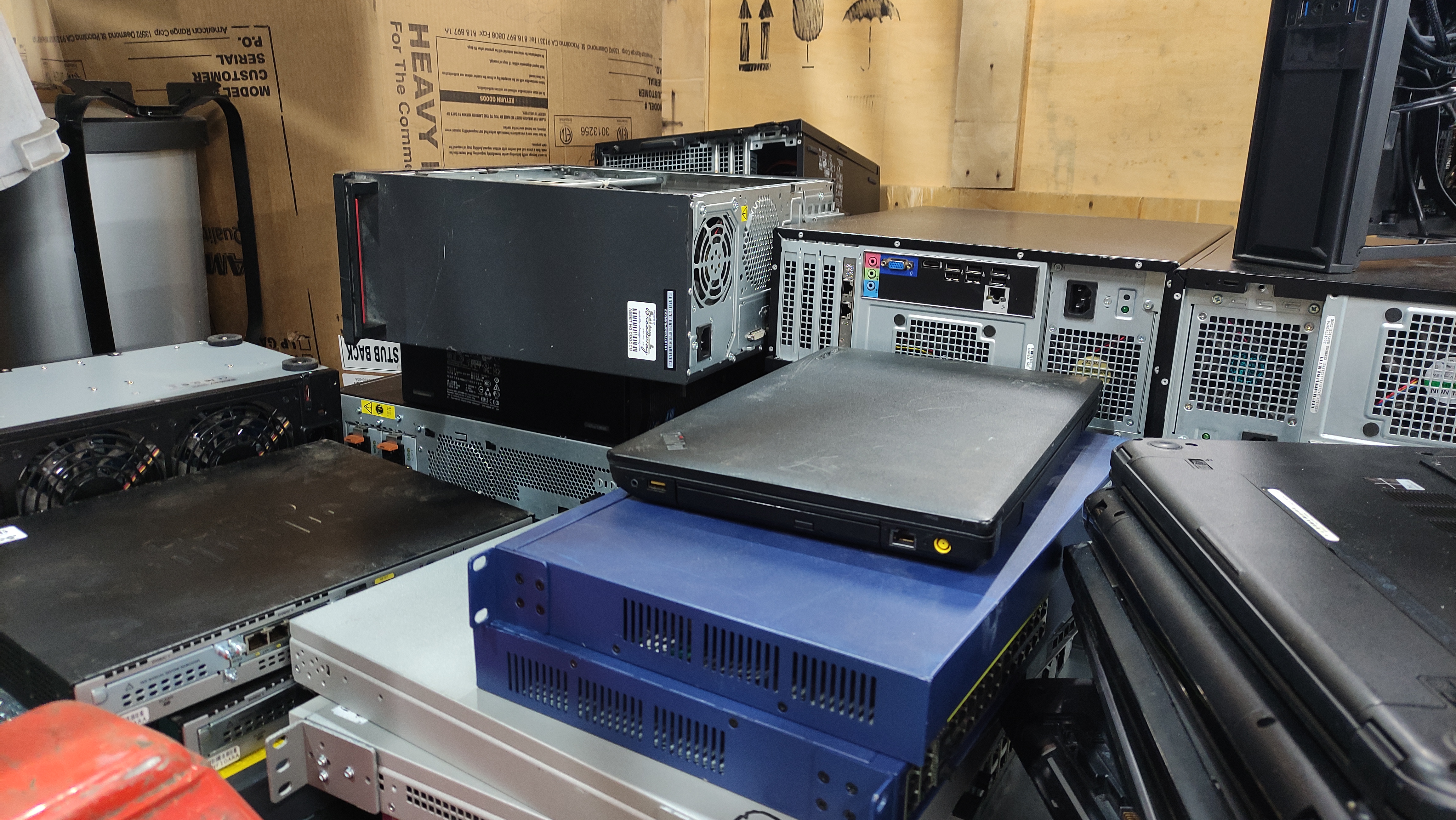
With our recycling initiative, we try to promote reuse first, but most of the computers, laptops servers and communication equipment we deal with are years out of date and beyond repair and reuse. Many have been sitting at home or in offices for years, some have had parts removed or are damaged beyond recovery on arrival but all the equipment can be safely recycled.

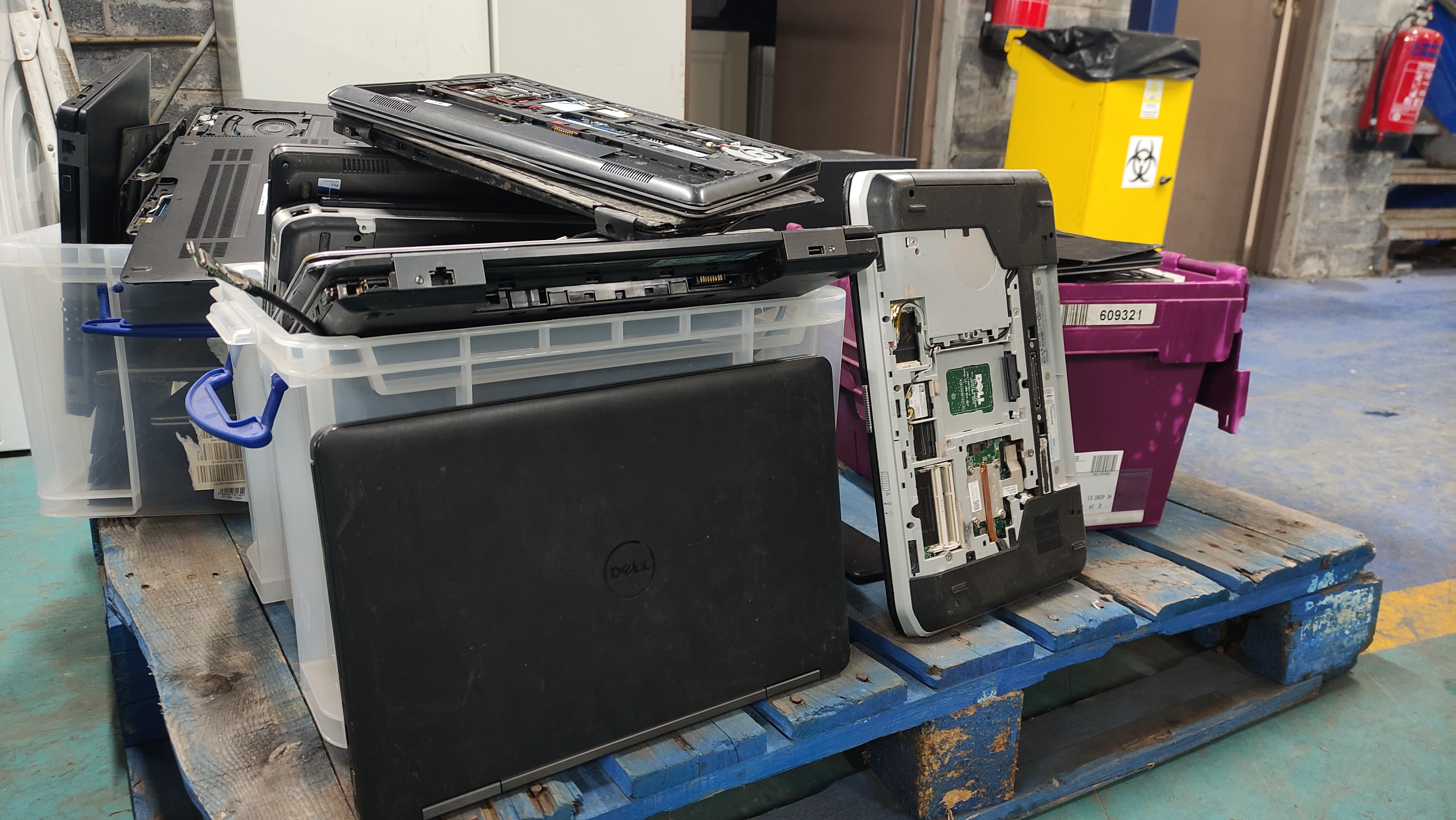
Laptops for Recycling

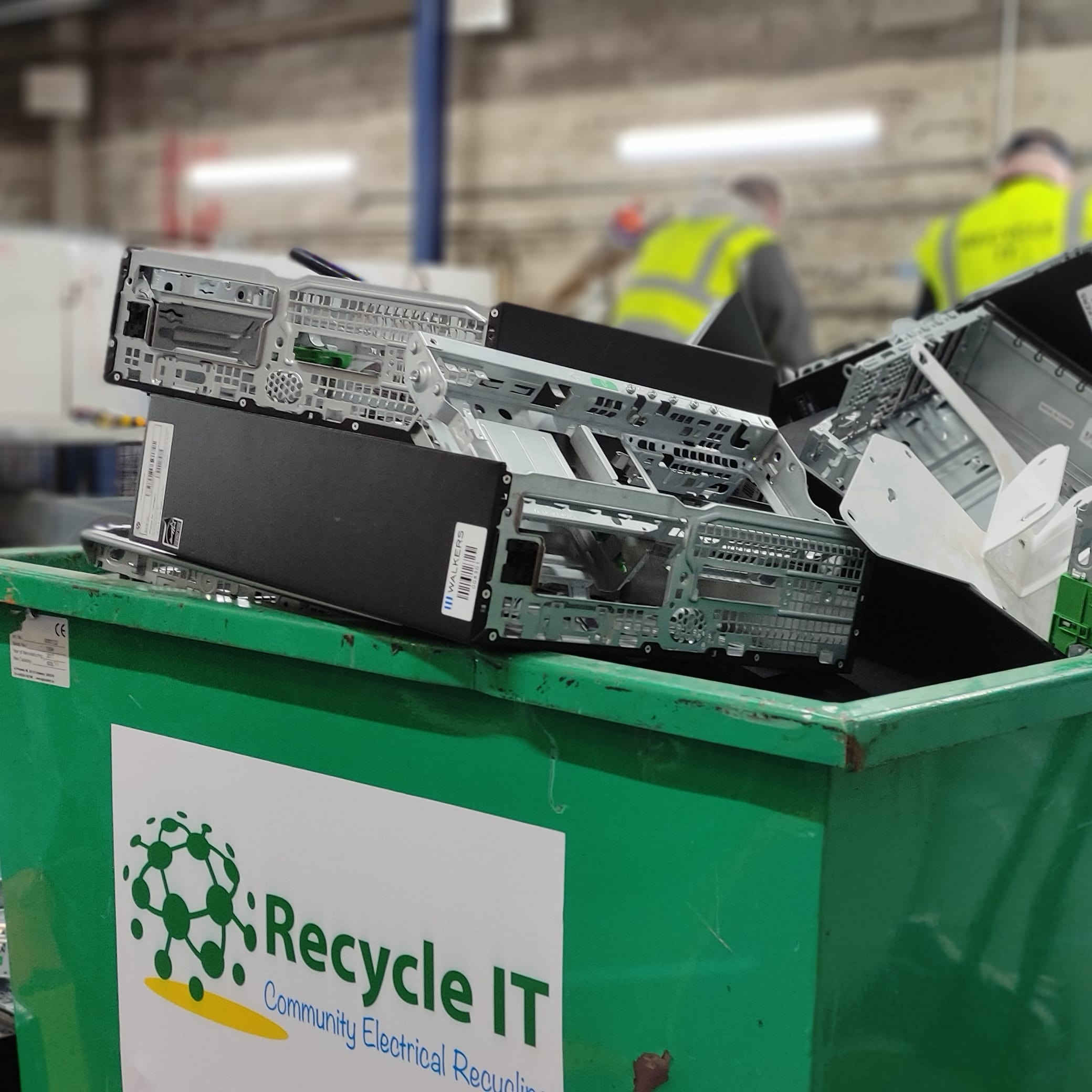
How a standard PC can be recycled:

Keyboards, mice, and other computer accessories are usually made of plastic and are recyclable. The plastic goes through a shredding process and is then sold on the commodities market as mixed plastic scrap.

Some recyclers use optical sorters that create a very clean stream of plastic, with minimal metal contamination. Usually, the plastic is further purified and compounded with virgin plastics and pelletized. This pelletized resin can then be used as a recycled-content plastic.

For example, Recycle IT operates in a supply chain where plastic is processed for reused – to make new parts – a process that has a smaller carbon footprint, lighter environmental footprint and can deliver a cost saving over manufacturing from new materials.

Computer and Laptops

Chassis/Base – these materials are primarily made of metal (PC Chassis) or what’s known as PC/ABS plastics, which are recyclable. Some laptops also feature carbon fibre mixed with polycarbonate plastics to keep the base cool to the touch. This material is not currently widely recycled, but it can be used in waste-to-energy processes.

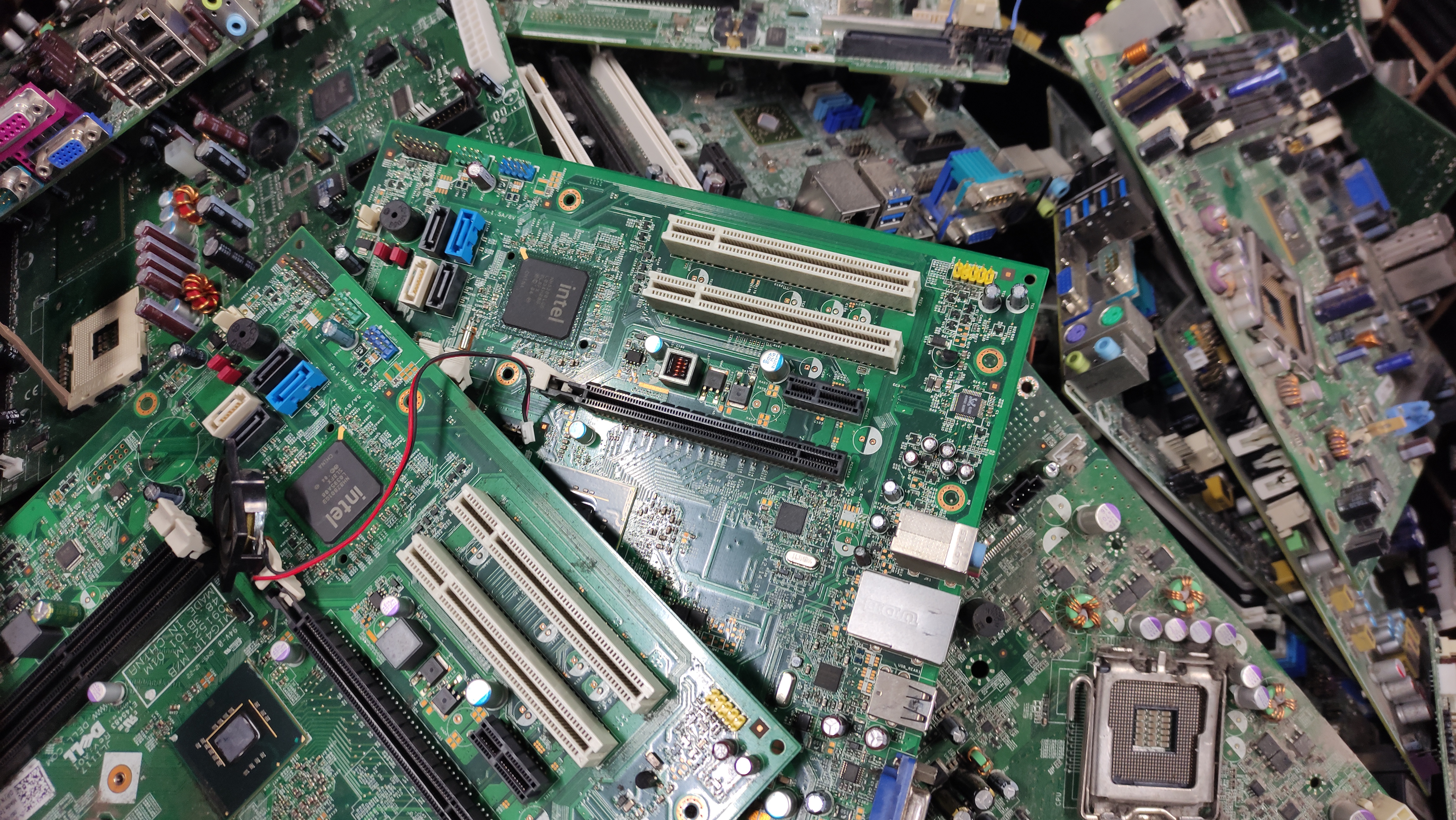
Printed Circuit Boards (PCBs), processors, and memory – these are made of multiple types of plastics, fibreglass and precious metals that can be recycled. Scrap copper, precious metals like gold, and some other non-ferrous metals are commonly recovered from computer circuit boards and other components.

Personal Computer System Boards

Once these materials have been sorted out they go through more specialized processes, e.g., circuit boards first into copper recovery, followed by specialized refining of the residues to recover other metals. These processes are usually accomplished through smelting or sometimes through hydro-metallurgical processing via acids or cyanide compounds in order to recover gold and other precious metals.

Batteries – when computers and laptops come into our facilities, the battery is removed from the system manually. Once removed, batteries are separated, packaged safely, and sent for recycling.  Once they reach their destination, the plastic casing is manually separated while the rest of the material is refined through a thermochemical process at high temperatures to separate various materials). The result is a metal alloy and a stony waste material separated from metals during the smelting: the metal alloys are further treated to recover cobalt, nickel, copper, and iron; lithium is typically concentrated in the stony waste material and is often recovered.

Computer cables

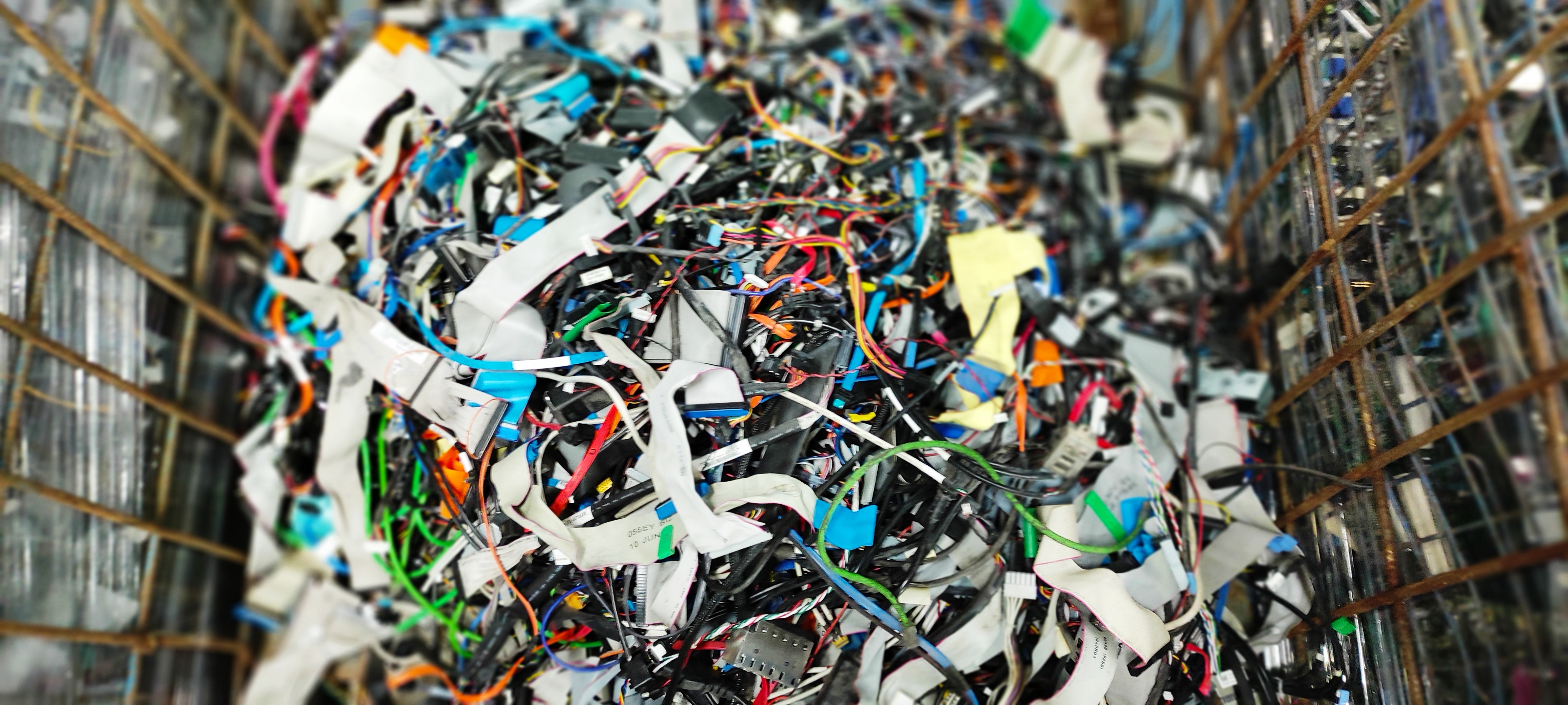
Cables – wire and cable that is not damaged can be reused directly. The high-grade copper can also be recovered by manually removing insulation with simple tools or by chopping wire into small pieces. After arriving at a specialised facility they undergo a hydrological process in which the small pieces of insulation float while the copper sinks. Unfortunately, the plastic insulation from the wire-chopping process is very hard to recycle and is usually sent to a waste-to-energy facility.

Screens – many manufacturers have stopped using mercury and arsenic in flat panel monitors making it easier to recycle display panels at their end-of-life. The recycling approach for LCD panels involves the separation of the glass substrate, polarizer foils, and the elements indium and copper into individual outputs. This process is carried out in Ireland, and we are delighted to be able to supply screens for safe recycling,

IT Equipment

Fans – made of plastics and metals, which can be separated and recycled.

Other parts – there are other things that go into your computer, like screws, springs, small plastic parts, etc. and they are generally made from the materials above, making them mostly recyclable. They typically make up only a small portion of the overall product.

Packaging – As part of recycling we receive a lot of corrugated cardboard, as well as other materials like plastic bags and creates. We try to reuse these items; we bale cardboard for reuse but some of the materials can’t be reused at present and are sent for heat recovery through incineration.

In support of Recycle IT – please recycle old, unused electronics. It helps the environment with reuse, reduces the mining of new raw materials and creates training and employment for people returning to work after an absence.

About Recycle IT 

Recycle IT, is a social enterprise offering electrical, electronic and metal recycling services through drop-off and collection. Services are provided in partnership with WEEE Ireland and South Dublin County Council. Recycle IT is supported by Pobal and Dormant Accounts and authorized by the National Waste Collection Permit Office and the local authorities across Leinster.

For more information on Recycle IT please call 01 4578321, email info@recycleit.ie or visit our website www.recycleit.ie

Click here to learn more about recycling metal with Recycle IT.

Further information on ICT equipment reuse and recycling in the EU can be found here.

Dormant Accounts Fund Logo
Recycle IT is Part Funded through the Dormant Accounts Fund