UPS Battery Recycling

About Uninterruptible Power Supplies (UPS)

An uninterruptible power supply (UPS), provides backup power when your regular power source fails or voltage drops to an unacceptable level. A UPS is also known as a battery backup. Although UPSs are not truly IT equipment they play an important part in ensuring reliability. UPSs ensure a flow of high-quality power to critical IT equipment.
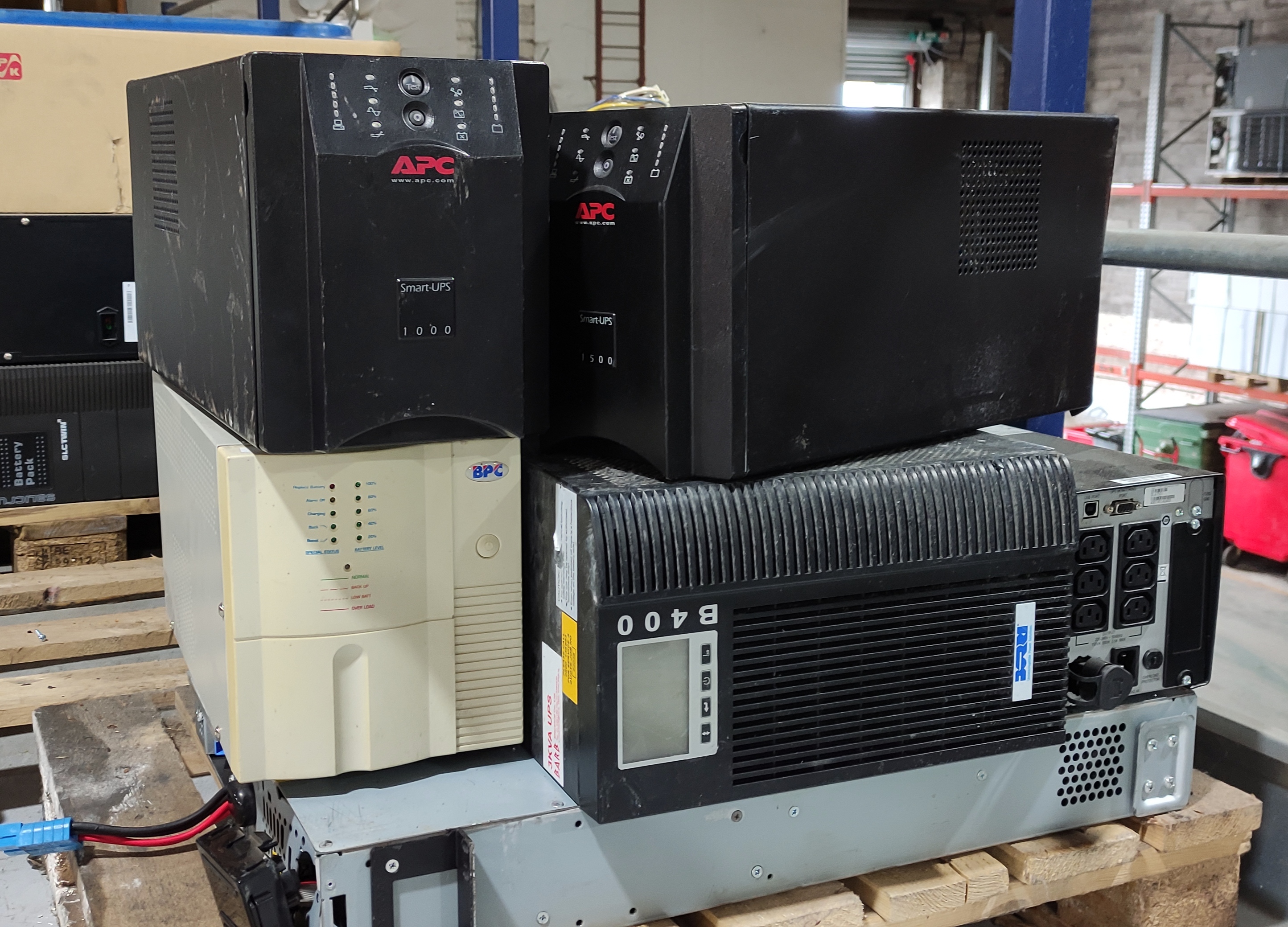
Old UPS Devices for Recycling

Using UPS Equipment

A UPS is not intended to provide long-term backup or extended use of connected devices for periods without power; UPS units are not designed to offer a battery-operated solution for continuing to work, use the internet, or operate your business.

Multiple devices can be plugged into a UPS similar to a power bar, and the UPS generally provides such functions as power surge protection. When a drop in voltage occurs, the UPS detects it and switches over to battery backup. Components plugged into the UPS can then receive power for a limited amount of time (often ranging from 10 to 45 minutes), until normal power is restored or the system can shut down properly.

UPS equipment can be found in offices and now homes as many more people work from home. It with noting, that over time UPS devices and internal batteries need to be replaced while older UPS units should go for safe recycling.

Your IT team or IT contractor should be able to offer guidance on when you need to replace batteries or the complete UPS device.

Different Types of Power Supply Batteries

There are three main types of batteries used in power supplies: Nickel-CadmiumLead-Acid, and Lithium-Ion. There isn’t a single “best” UPS battery technology – the choice should be made on a your requirements for a project. All can be recycled safely.

Recycling UPS Equipment

Alongside all type of IT equipment Recycle IT manage the safe collection, breakdown and disposal of UPS equipment, batteries and replacement UPS batteries in line with waste regulations.
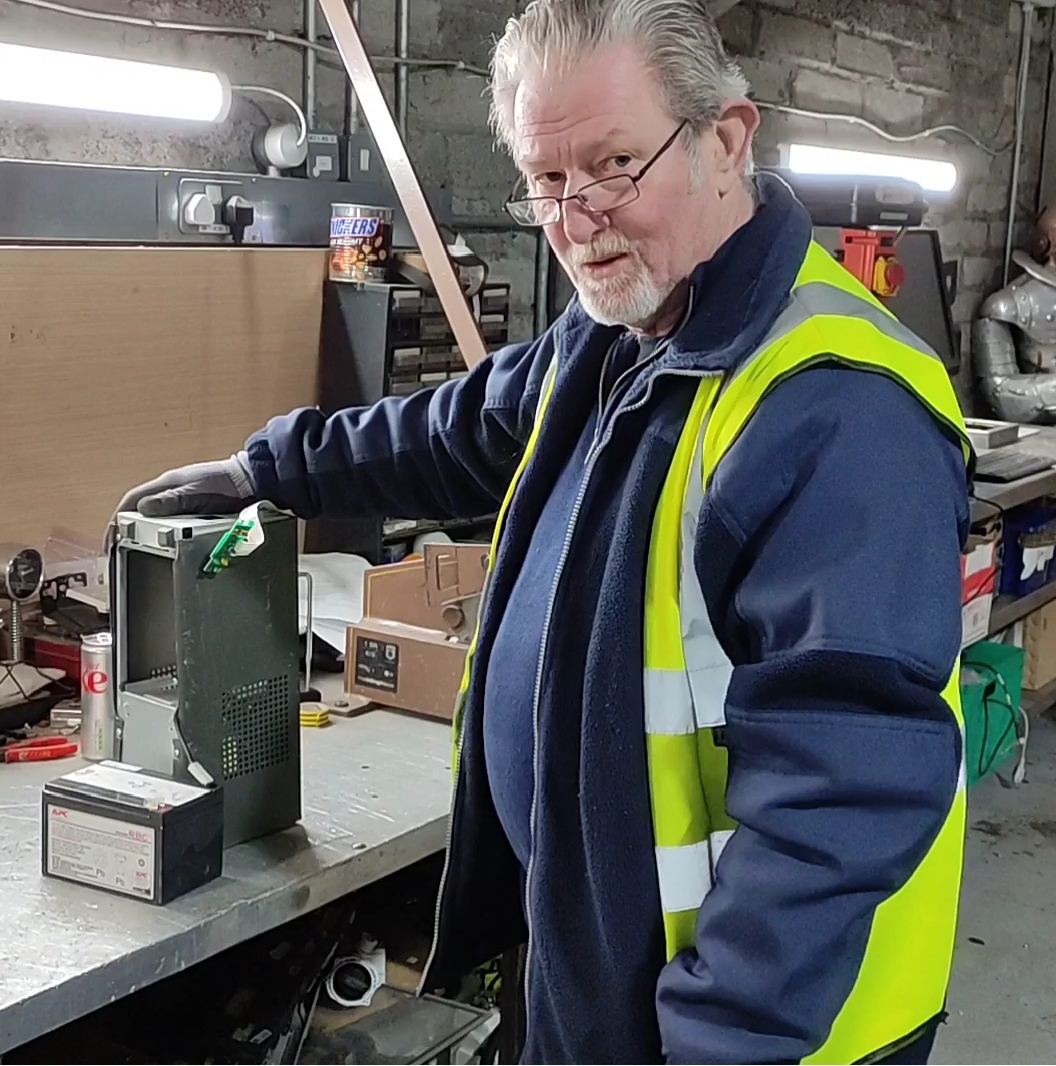
UPS Breakdown

As a registered waste collector and permit waste facility our service helps ensure that all the legal requirements associated with the collection, transportation and disposal of waste batteries and electronic components are fully complied with.

The majority of UPS systems for recycling are older systems with at least ten years of usage. Those sent for recycling are replaced by higher efficiency and more compact systems. Uninterruptible power supplies are generally stripped down within our facility into their subassembly parts. Metals and plastics are recycled, including electrical cabling, capacitors and fans. PCBs and components are recycled safely and in accordance with national guidelines covering WEEE and RoHS.
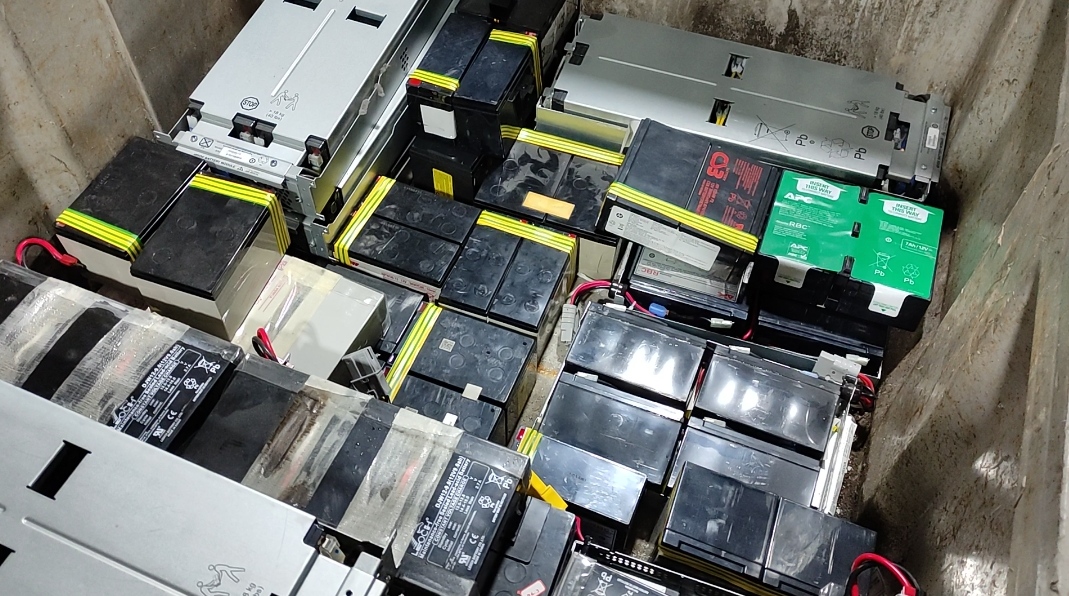
Batteries from UPS equipment

For more information about our ups battery recycling service, please contact a member of our team @ info@recycleit.ie

More About Recylce IT

Recycle IT is a Social Enterprise providing employment and training through recycling opportunities. We offer recycling drop off and collection services in Dublin and surrounding areas.

In 2021 our team help recycle 652 tons of waste electrical, electronic equipment and metal. This includes business IT equipment, commercial equipment and domestic household appliances.

Recycle IT worked with individuals, resident associations, charities, schools, government organisations, community groups and businesses to provide safe electrical recycling services to those with differing needs and budgets.

Read our annual overview here.

Read more about social enterprise in Ireland here.
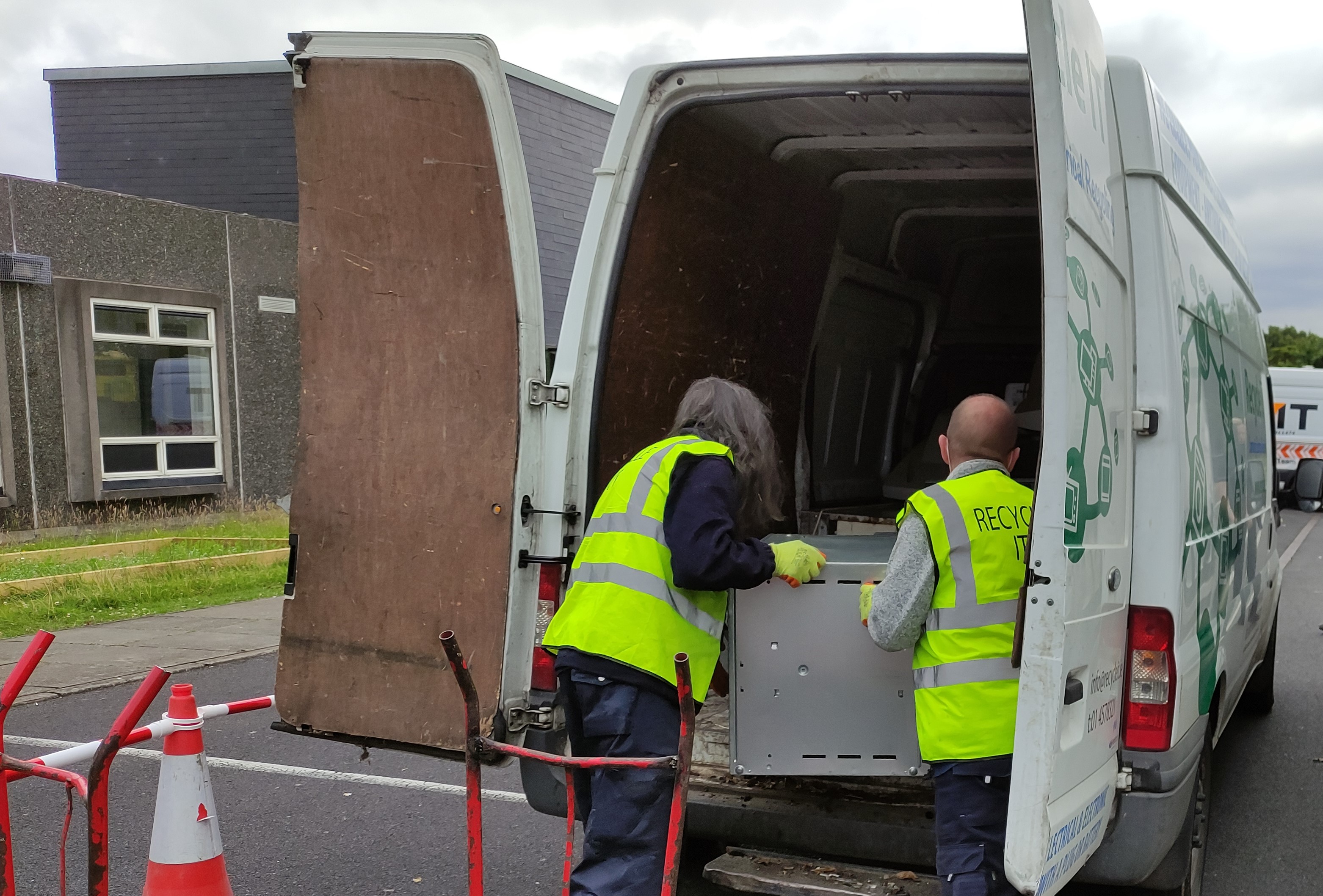
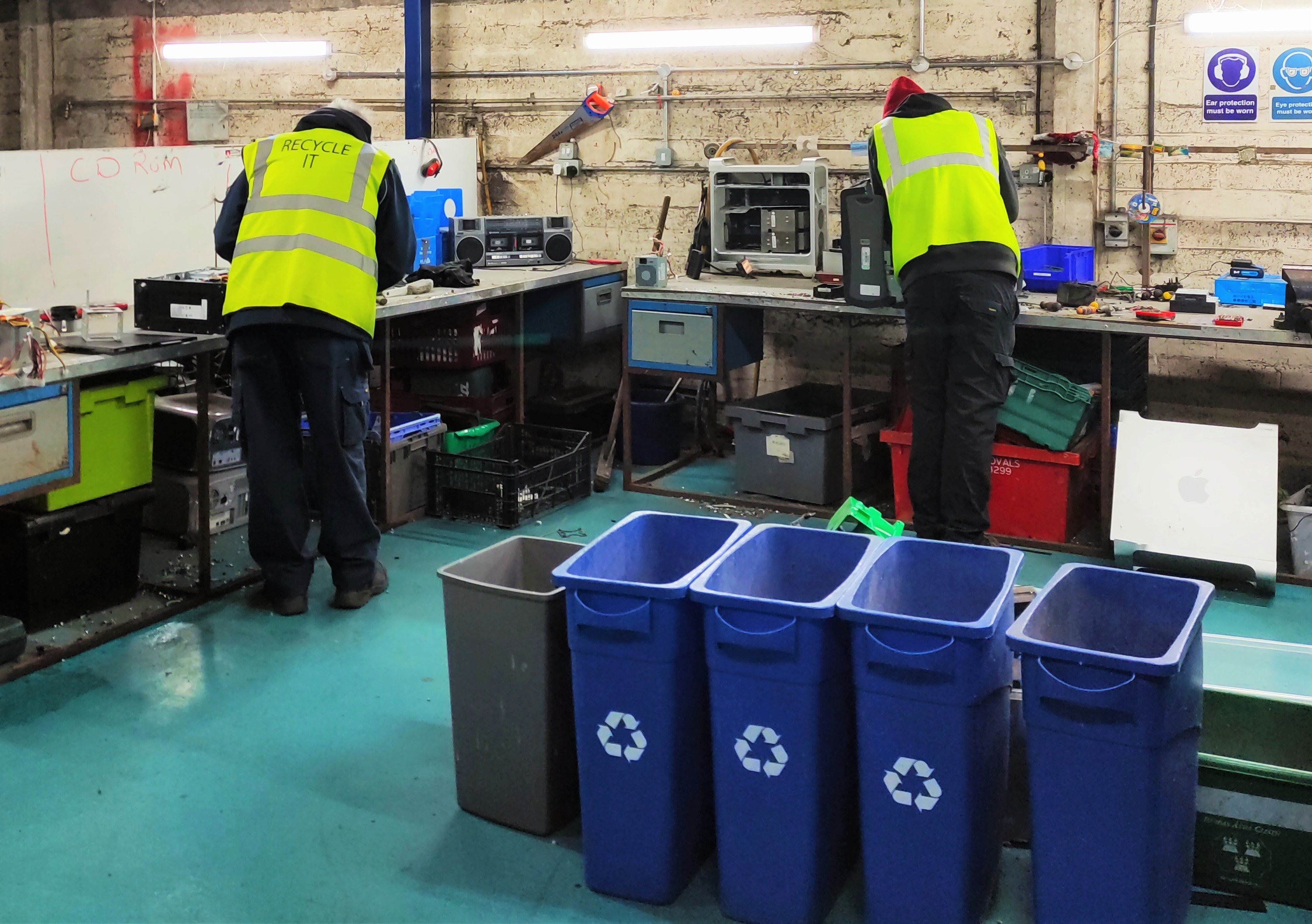
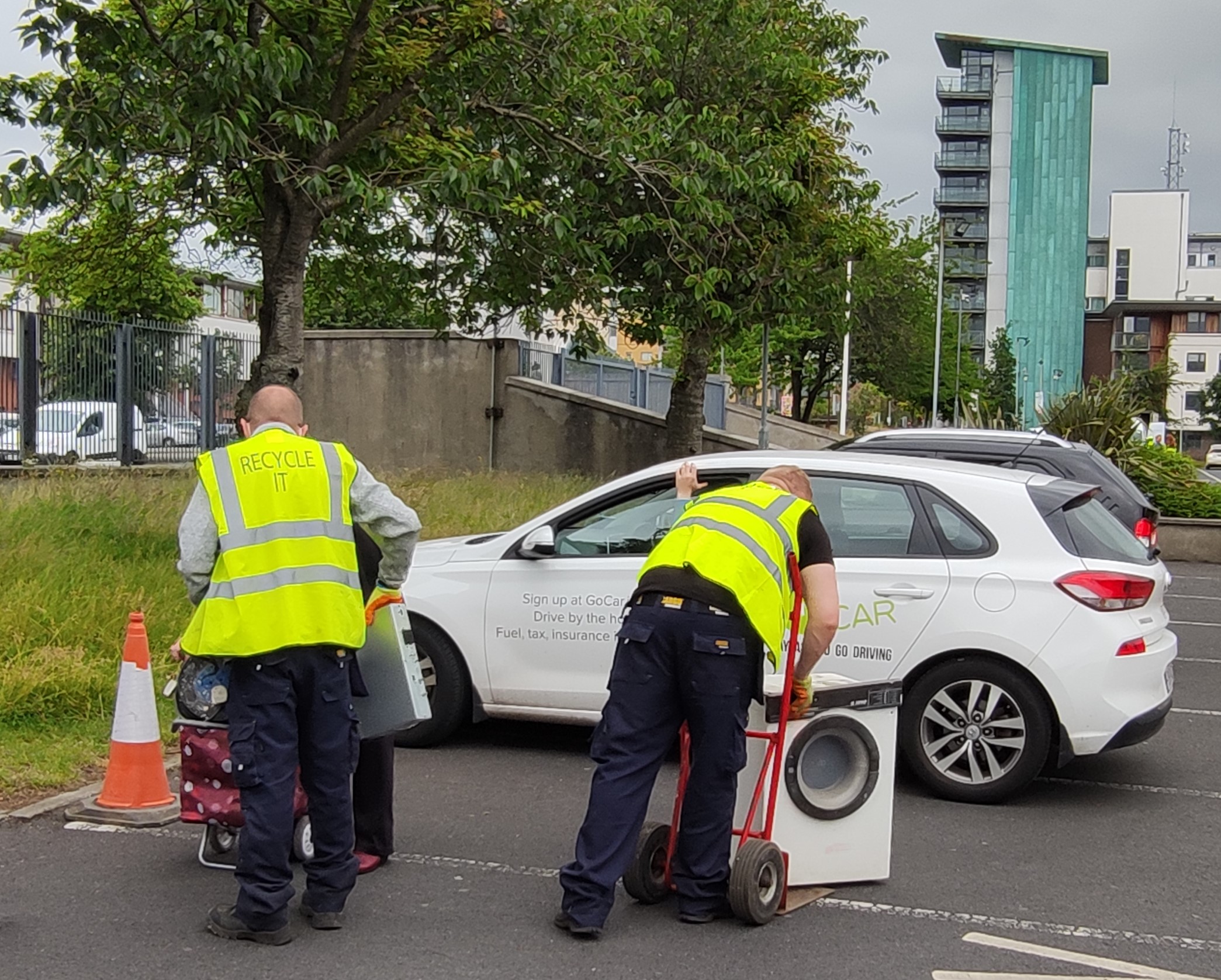
Team Recycle IT at Work

Recycling Gas Cookers Safely

Gas Cooker, Hob, Barbecues

The kitchen cooker or hob is often considered one of the most essential home appliances that many individuals and families across Ireland. They are used daily. In summer you can add the Barbecue (BBQ) and out door gas heaters to this list of gas appliances. They come in different colors and sizes but gas cookers, stoves and BBQs have long been the first choice of professional chefs and home cooks. Bakers seem to prefer electric ovens!

Old Barbecue 

Choice

In Ireland, approximately 21% of households use gas cookers, reflecting a significant reliance on this appliance for daily cooking needs. Source: irishtimes.com

Gas cookers are also popular choice for commercial kitchens due to their efficiency, cost-effectiveness, and precise temperature control. In 2023, global sales of gas cookers were estimated to reach 20 million units, with demand highest in regions like Asia and Europe. Their affordability and compatibility with natural gas and LPG make them a preferred option for many consumers.

However, old gas cookers must be recycled safely to prevent environmental hazards. These appliances contain metals, plastics, and sometimes hazardous components like mercury switches or hazardous insulation, which can contaminate our environment if not disposed of correctly.

Recycling ensures valuable materials like stainless steel, copper, and aluminum are recovered and reused, reducing waste and the need for raw materials. Safe disposal also prevents gas leaks and fire hazards from improperly discarded units. Many manufacturers and recycling programs now offer collection services to ensure responsible disposal and sustainability.

If you’re buying a new summer barbecue, gas cooker, oven or hob, we can help you safely recycle your old gas appliances 

Why Recycle?

Unwanted appliances including items used in kitchens are one of Ireland’s fastest-growing types of waste. As you know many items can be repaired or reused while others simply need to be recycled. All options save natural resources and the environment so please do what is best for you.

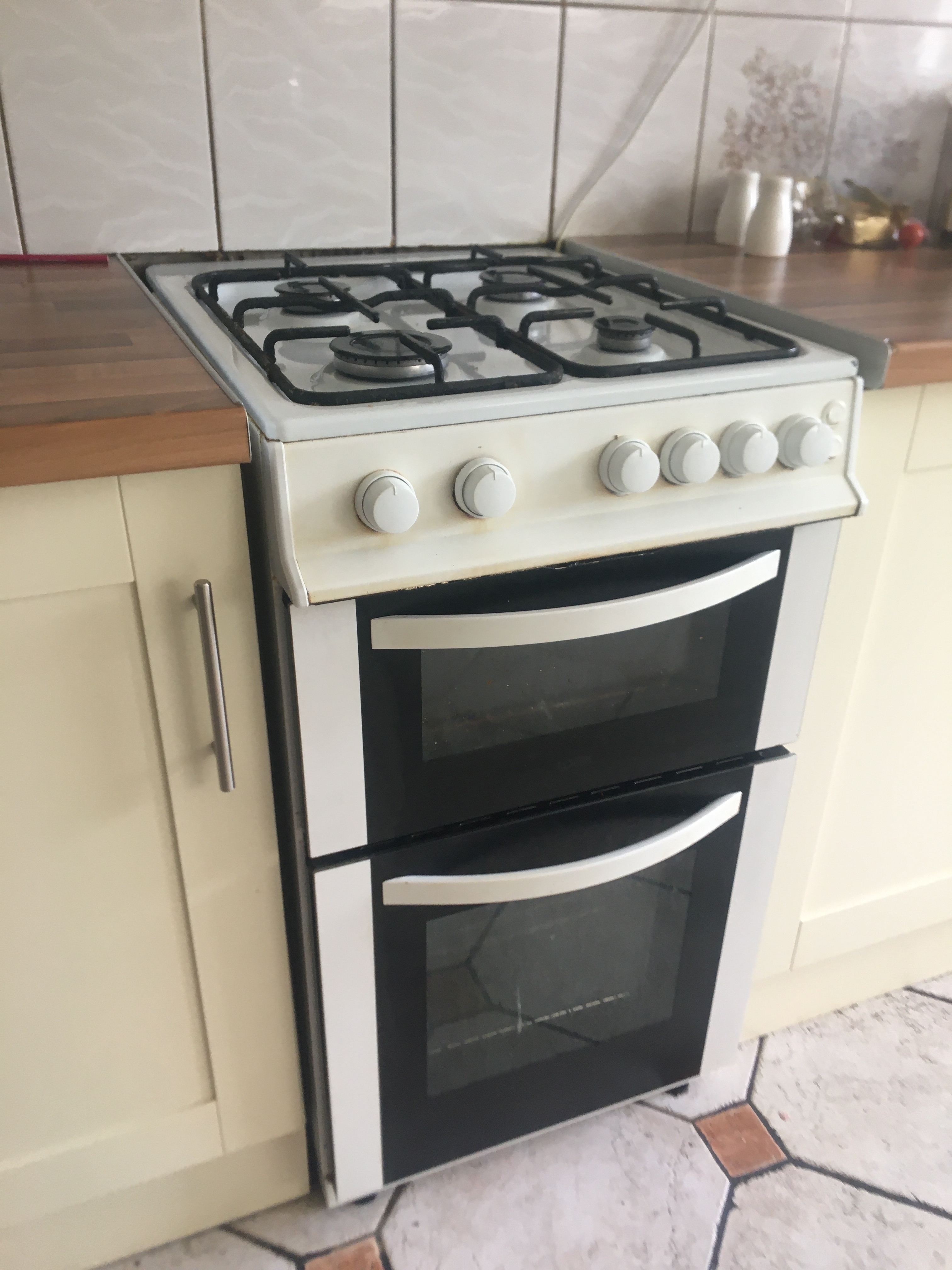
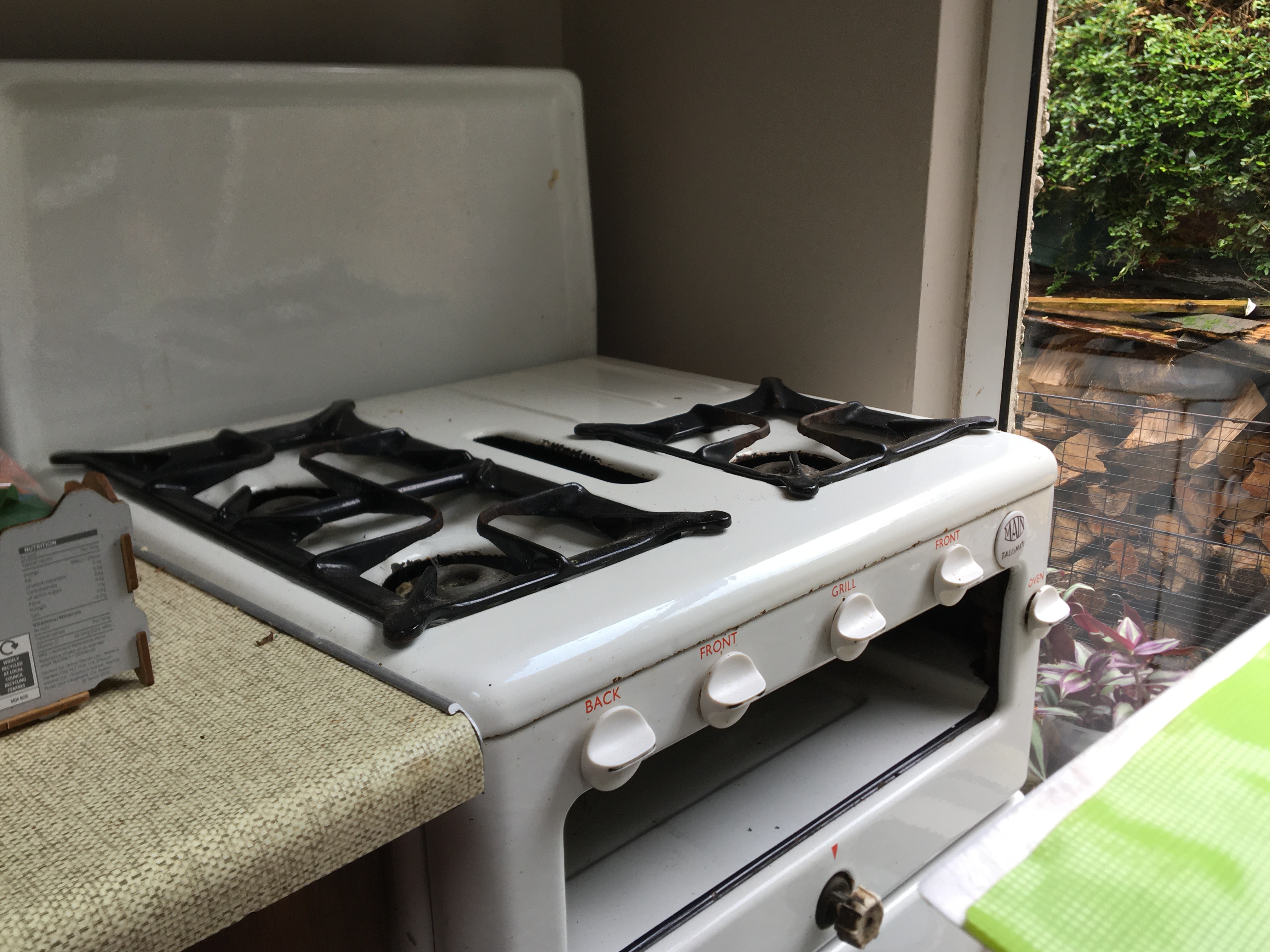
Household Gas Cooker

If you do not recycle your appliance properly they tend to end up in landfills or illegally dumped where hazardous substances can leak out and cause soil and water contamination – harming wildlife, plant life and human health. If you are removing a gas cooker remember to do so safely.

Recycle IT can Help?

In accordance with the Waste Electrical and Electronic Equipment (WEEE) Regulations, cookers, ovens, hobs and all types of electrical or electronic household items can be recycled by Recycle IT.

Did you know most gas cookers, hobs and even BBQs have a starter button either powered by mains electricity or battery which means Recycle IT can accept these type of appliances alongside all types of electrical items used in homes, gardens and small offices.

Unused or old household gas items including decommissioned boilers, gas-powered water heaters and BBQs will be accepted for free. If they don’t have electric components, don’t worry, they are generally manufactured from metal which is accepted by Recycle IT. Household appliances can be dropped off at no cost or collected cost-effectively in Dublin and surrounding counties.

About Recycle IT

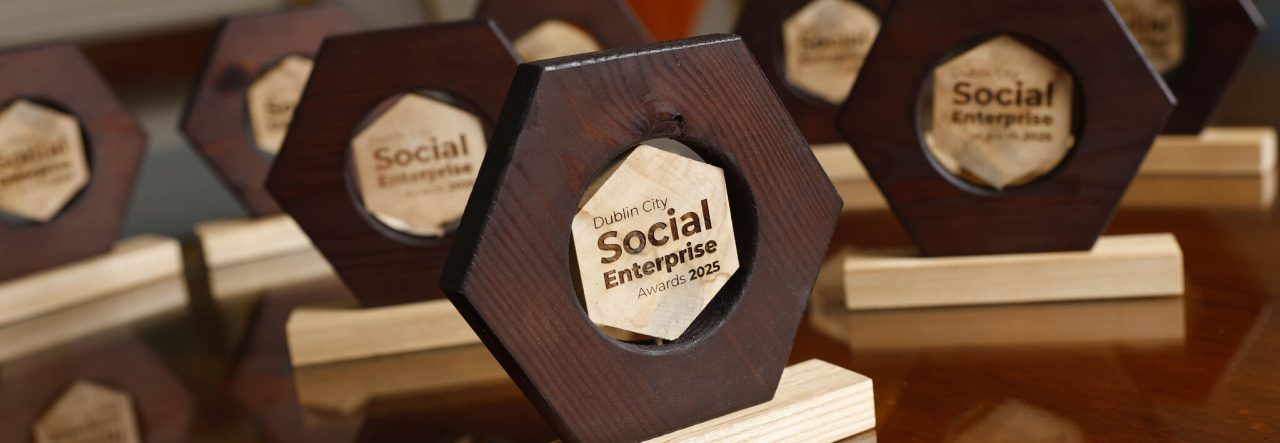
Recycle IT is an award-winning not-for-profit social enterprise providing a collection and drop-off service for all types of waste electrical, electronic and metal items. During the last 18 months Recycle IT offered drop-off and collection services to homes, charities, schools and business organizations of all types. Our recycling teams operate across Dublin and surrounding areas collecting a range of WEEE which includes thousands of dishwashers, computers, cables, monitors, microwaves, screens, and metal items.

Our electrical community collection service is provided in partnership with WEEE Ireland. Recycle IT is supported by Pobal, South Dublin County Council and authorized by the National Waste Collection Permit Office and the local authorities across Leinster.

Household Gas Cooker
Household Gas Cooker and Oven

Call us on 01 4578321 or email us here

Visit our website www.recycleit.ie

Waste Electrical and Electronic Equipment – Statistics for Ireland

EPA Waste Data: Latest reference year 2019 (Data subject to Eurostat validation)

Environmental Protection Agency, Ireland

Waste electrical and electronic equipment (WEEE) is one of the fastest-growing waste streams worldwide, and one of the most hazardous if not managed properly. It includes everything from discarded household appliances (such as fridges) to electronic devices (such as computers and mobile phones). The WEEE Directive (2012/19/EC) aims to ensure that WEEE is collected and managed in an environmentally friendly way. In 2019 Ireland fail to reach the collection rate but did surpass all EU targets for recycling and recovery of WEEE.

This is good news for recycling and recovery in 2019 but not for colleciton. Moving forward so we all need to do more to recycle old, damaged or unused electrical items safely at the right locations or using an authorised recycler.

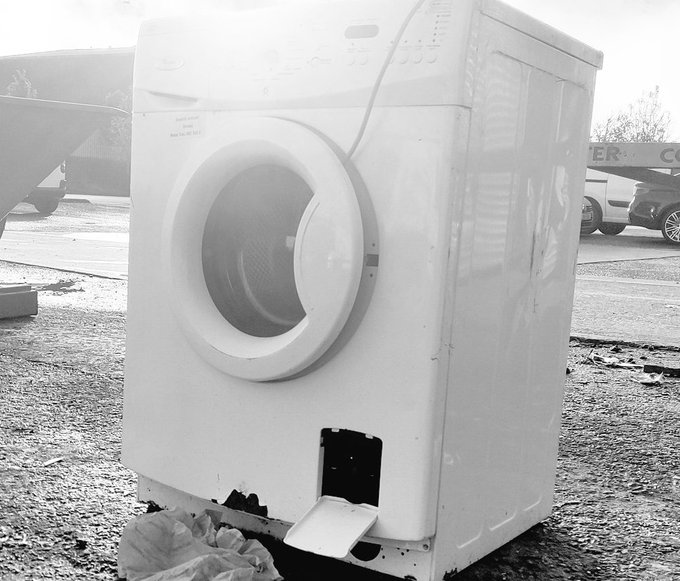
Washing Machne for Recycling

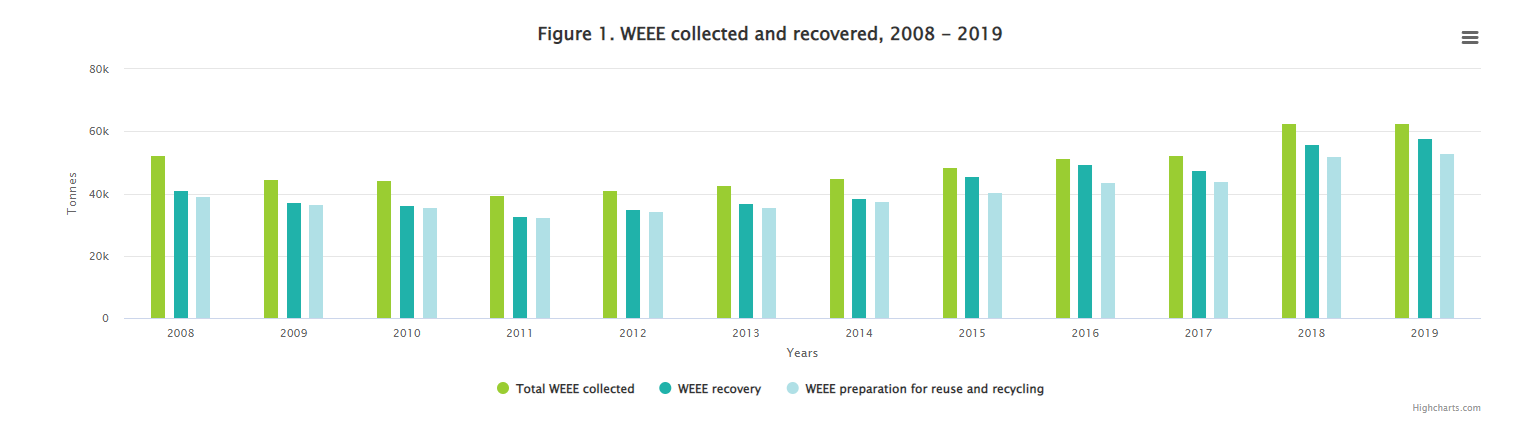
Figure 1 shows the trends in WEEE collected and recovered in Ireland over time. It is evident that the economic recession that occurred between 2008 and 2011 led to a decrease in the quantity of WEEE collected, as householders and businesses did not replace electrical and electronic equipment as frequently as before. The recovering economy since 2012 coincided with a large rise in WEEE collected, underscoring the link between economic wealth and consumption of electronic goods. 

WEEE Data – Click to Enlarge
  • The WEEE Directive (2012/19/EC) sets an overall WEEE collection target (which increased from 45% to 65% in 2019) and also sets individual targets for the reuse, recovery and recycling of six different categories of WEEE.
  • The data for 2019 shows that 62,600 tonnes of WEEE was collected in Ireland for treatment in 2019, almost identical to the quantity collected in 2018 (62,700 tonnes). In 2019, Ireland achieved a WEEE collection rate of 61% and therefore failed to meet the new 65% target. 
  • Some 57,897 tonnes of WEEE were recovered and 53,162 tonnes were prepared for reuse or recycling in 2019; increases of 4% and 2%, respectively, on the 2018 quantities.
  • The data show that Ireland surpassed the the WEEE Directive recovery and recycling/reuse targets for all six categories of WEEE in 2019.
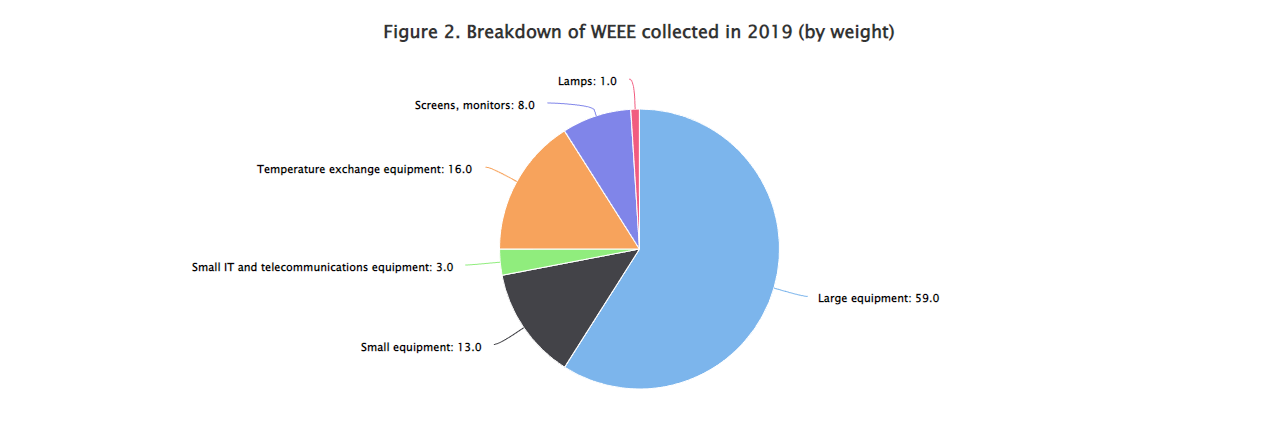
  • Large Equipment’ accounted for 59% (by weight) of all WEEE collected in Ireland in 2019. This category includes cookers, washing machines etc.

Recycling discarded electrical items is not only good for the environment and human health, but it also makes sense. Many of these devices contain precious metals and valuable components such as glass that can be reused and recycled into new products if the waste is effectively managed. Improving the collection, treatment and recycling of WEEE can increase resource efficiency and contribute to the circular economy.

WEEE Data – Click to Enlarge

The EPA’s most recent waste characterisation study carried out in 2017-2018 found that substantial amounts of WEEE were still present in the household bins, accounting for 0.9% of waste in the residual bin and 0.7% of waste in the recycling bin. These results indicate that there is further room for improvement in terms of ensuring this material is separately collected through the available channels, to allow the maximum value to be extracted from these valuable materials. 

Table 1: Ireland’s WEEE recycling and recovery rates in 2019, compared with EU targets.

CategoriesEU recovery targetIreland’s recovery percentage EU preparation for reuse and recycling targetIreland’s preparation for reuse and recycling percentage
Temperature exchange equipment85%97%80%86% 
 2Screens, monitors, and equipment containing screens having a surface greater than 100 cm280%94%70%84% 
 3Lampsn.a.88%80%82% 
 4Large equipment (*) (any external dimension more than 50 cm)85%93%80%87% 
5Small equipment (no external dimension more than 50 cm)75%84%55%74%
 6Small IT and telecommunications equipment (no external dimension more than 50 cm)75%88%55%81% 

Open in Excel: Table 1 WEEE recovery rates 2018-2019

European reporting

As part of annual reporting under the WEEE Directive, the EPA submits WEEE waste statistics for Ireland to the Department of Environment, Climate and Communications for transmission to Eurostat, the statistical office of the European Union. The data are required to be submitted by 30th June of the reference year +2 (i.e. 2019 data were collected and processed in 2020 and submitted to Eurostat by 30th June 2021). Following validation by Eurostat, official statistics for Ireland and all Member States are published on the Eurostat website as part of the following dataset:

  •  Waste electrical and electronic equipment (WEEE) by waste management operations. Click here.
  • EPA national statistics assessment of WEEE: Data release date: 7 July 2021: Click here.

More About Recylce IT

Recycle IT is a Social Enterprise providing employment and training through recycling opportunities. We offer recycling drop off and collection services in Dublin and surrounding areas.

In 2021 our team help recycle 652 tons of waste electrical, electronic equipment and metal. This includes business IT equipment, commercial equipment and domestic household appliances.

Recycle IT worked with individuals, resident associations, charities, schools, government organisations, community groups and businesses to provide safe electrical recycling services to those with differing needs and budgets.

Read our annual overview here.

Read more about social enterprise in Ireland here.

Team Recycle IT at Work

Social Enterprise Funding

Calling Fellow Social Enterprises!

Rethink Ireland’s Social Enterprise Funds are currently open for applications, which will provide support to social enterprises across Ireland at all stages in their development.

Rethink Ireland

Learn More

The objective of the SED Fund is to find and back social enterprises that add to the social and economic fabric of their community and make a positive social impact. The SED Fund provides critical support to the most innovative and impactful social enterprises across Ireland, helping to bolster their social impact, increase their traded income, create more jobs and develop long-term, effective and sustainable solutions.

The SED Fund offers cash grants, designated business supports, as well as a place on Ireland’s only National Accelerator Programme specifically designed for social enterprises. The Accelerator Programme is designed to equip social enterprises with the tools and techniques they need to expand their business skills and deepen their impact

Rethink Ireland

Experience

Recycle IT was part of the Social Enterprise Development Fund in 2021 and it was just what our team needed to move forward with our development. Our social enterprise wouldn’t be at a new stage of business development today if it wasn’t for Rethink Ireland’s support and consultancy assistance.

Rethink Ireland helped source specialist advice by finding the right person with the right skills to help our social enterprise think differently and addresses challenges such as strategic planning. Rethink Ireland can support your social enterprise with grants and assistance by sourcing a specialist to address your area of interest.

Apply Today!

To date, Rethink Ireland has provided €9 million in cash grants and business support to over 100 social enterprises in every county of Ireland. The team at Rethink Ireland believe social enterprises can lead the transition to a more inclusive, sustainable and green economy.

You can apply on Rethink Ireland’s website and you too could join the over 100 social enterprises like ours that have benefitted from the funding, Accelerator Programme and consultancy support.

More About Recylce IT

Recycle IT is a Social Enterprise providing employment and training through recycling opportunities. We offer recycling drop off and collection services in Dublin and surrounding areas.

In 2021 our team help recycle 652 tons of waste electrical, electronic equipment and metal. This includes business IT equipment, commercial equipment and domestic household appliances.

Recycle IT worked with individuals, resident associations, charities, schools, government organisations, community groups and businesses to provide safe electrical recycling services to those with differing needs and budgets.

Read our annual overview here.

Read more about social enterprise in Ireland here.
Recycle IT – Team at Work

Buying Secondhand and Circular?

Change for 2022

Before buying anything, take a new look into buying secondhand, reusing or upcycling. When it comes to looking for things like clothes, toys, furniture, electronics, bikes, cars and more, many people, unfortunately, tend to buy new. 

We can’t say secondhand buying is new. Second-hand buying has existed for hundreds of years across the world and we really need to get back to liking secondhand as it helps with saving money, improving environmental wellbeing, reducing transport and packaging, supporting local businesses, jobs and charities. Choosing reuse or secondhand also allows you access to unique items which may express something special about you!

When you buy new, you are usually choosing from mass-produced products; for instance, the rails and racks full of the same clothes that members of your family and community may already have! 

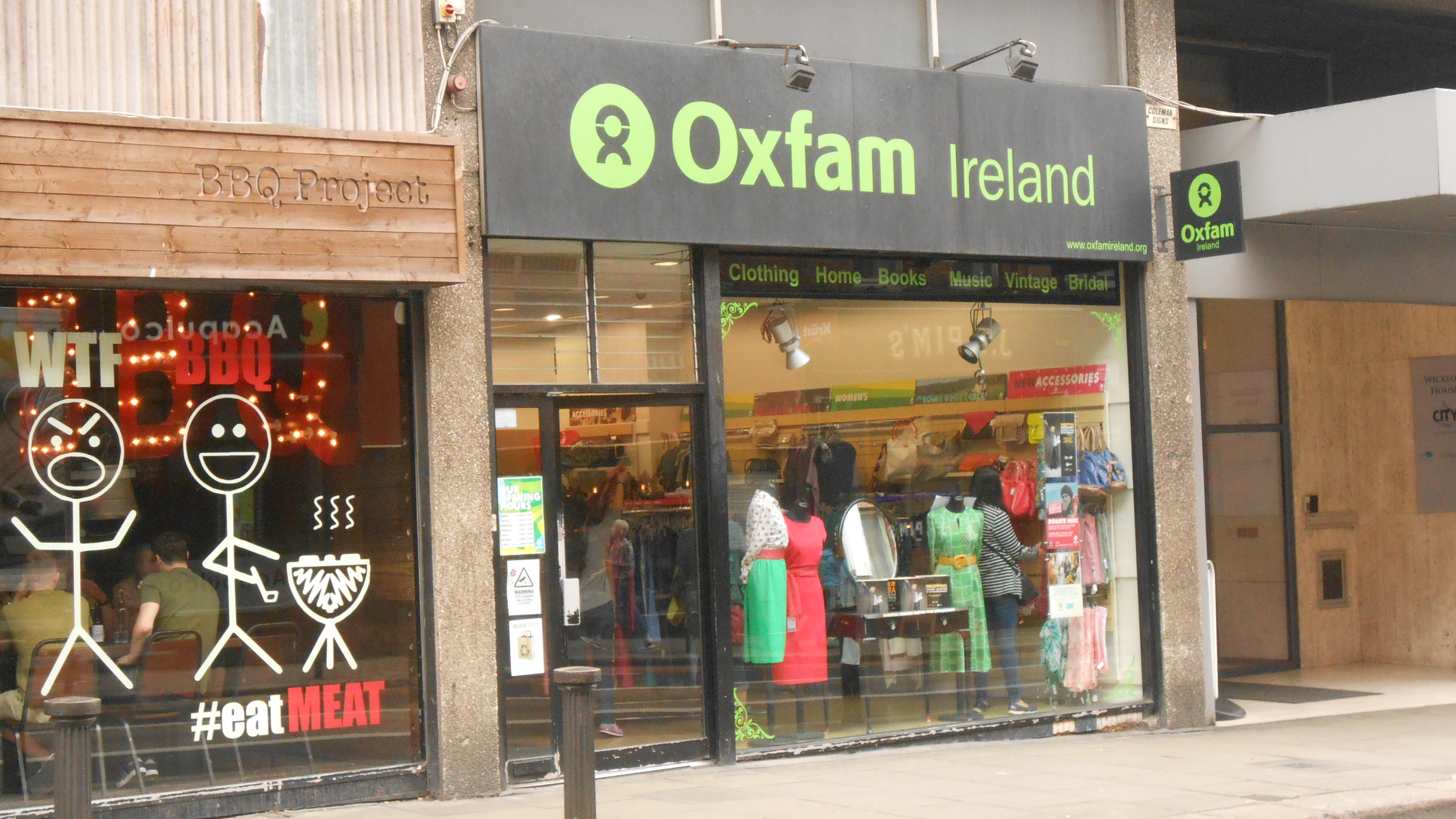
File:Oxfam shop, Dublin.jpg - Wikimedia Commons
Oxfam Shop – Dublin

Why People Choose New?

Buying secondhand can be more work. Finding the right size, model, colour or size make take more time compared to knowing where to find new things easily. So secondhand can take a little hunting.

There is also the quality expectation with reuse or secondhand. You have to check items work correctly and match your needs.

Used items are not necessarily a better value just because they cost less, just as new items are not always better just because they cost more.

Some consumers are considered insecure about reuse or like to manage their image. They like to buy new products to reduce anxiety, stress or match life expectations.

Secondhand Studies

A number of studies over recent years found that more people are moving to secondhand products when they have a need.

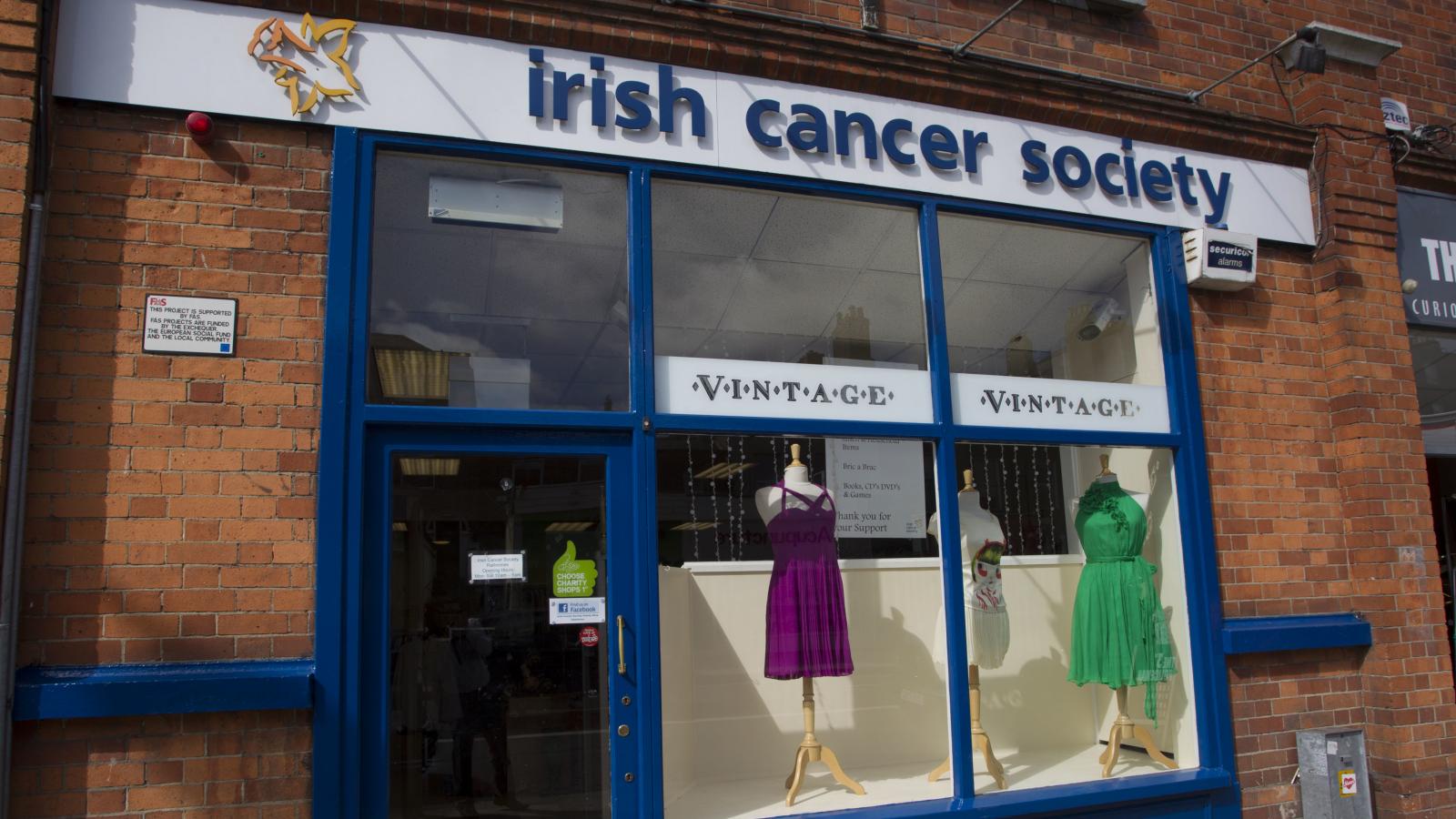
Irish Cancer Society Charity Shops | Irish Cancer Society
Irish Cancer Society Shop

Research from CCS Insight reveals the refurbished mobile phone market is poised for further growth. The findings showed that 60 per cent of respondents in the UK confirmed they would consider buying refurbished phones and 56 per cent in the US. This is good news!

Research from Refurbed, an online marketplace for refurbished electronic devices in Europe, found 73% of Irish shoppers are willing to buy a refurbished or second-hand laptop, phone or tablet to reduce their environmental impact. Source: Irish Times May 2021.

The Irish Times also reported in Aug 2021 on the unprecedented’ spike in charity shop sales since reopening after the Covid lockdown period. Dermot McGilloway, retail development manager with the Society of Saint Vincent de Paul, said a “much wider” range of consumers are visiting stores including a greater number of male customers.

Reason to Consider Second Hand / Reuse

  • Better for the environment
  • Unique personal and gift items
  • Usually the purchase supports the work of a charity
  • Older items often offer higher quality and longer life
  • Cost effective
  • Wide selection of items in one place.
  • Access to brands at lower prices
  • Promotes a circular ecomony
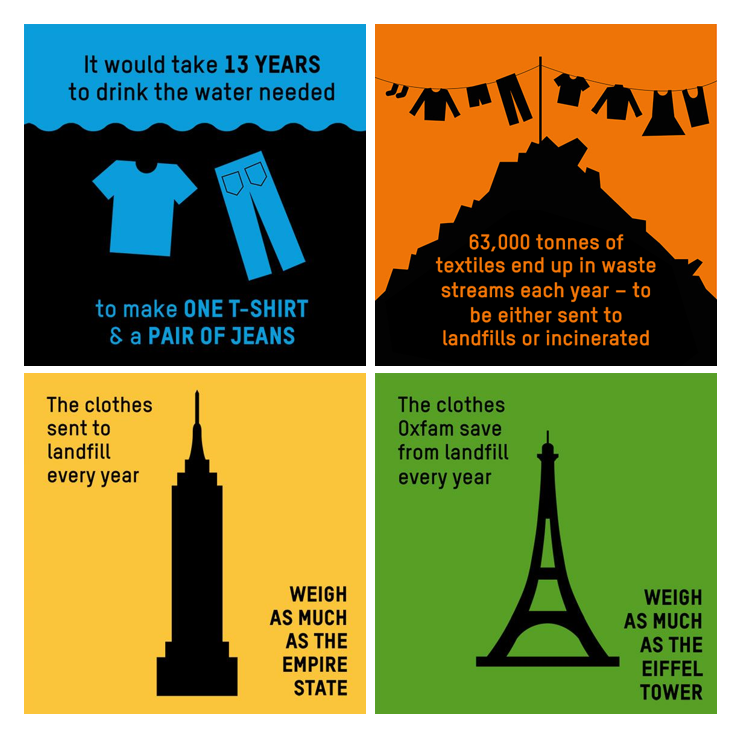
Oxfam Informational Infographics

Consumer Advice

The Consumers’ Association of Ireland is an independent, non-profit, non-governmental organisation, registered with charitable status working on behalf of Irish consumers. They offer the below advice on buying second hand.

When you buy a second-hand good from a business, it must be fit for the purpose for which it was sold and as described to you.  In addition, the quality must be of an expected standard according to the price you paid for it.   Second-hand goods cannot be expected to be of the same standard as new ones and they may have imperfections or show signs of wear and tear.  As a result, they need to be examined carefully before purchase and consumers should ask the retailer to point out any damage.  The item should do what it is expected to do and, if it does not, you have the right to return it and request a replacement, repair or refund.

In contrast, when you buy an item from another consumer – either new or second-hand – then you have no consumer rights, as consumer legislation only applies when you are buying from a business.  In a private sale, conducted either in person or online, the item merely has to be owned by the seller and fit its description.   In this instance, it is a case of buyer beware and it is up to the consumer to check out the item before buying.

Challenges

Buying second hand personal electronic equipment like phones, tablets, laptops and games consoles is a good way to save money and help reduce waste created by upgrades and new product releases. There are plenty of second-hand electronic product available particularly online, but take care in identifying a fully functional device with a good battery life. Ensure items selected are sold through well know, secure website and can be easy return if they don’t match your expectation.

As you may know, many general second-hand shops/charity shops don’t trade in second hand household electrical or electronic items today. There are a number of reasons including a need to test the electrical appliances before resale, insurance costs and consumer safety. If we want to have a circular economy for electrical and electronic equipment in Ireland these challenges and others will need to be addressed.

Learn more about product safety here.

About Recycle IT

Recycle IT is an award-winning, not for profit social enterprise established to create employment and promote environmental awareness through recycling and reuse. We work in partnership with WEEE Ireland and are authorized by your local authority to provide electrical, electronic and pure metal recycling collections across Dublin and surrounding areas since 2007. Recycle IT are fully compliant with WEEE Recycling regulations. You will find permit details available here.

Recycle IT