Easter Packaging Control – We can do it!

Easter 2024

For the many families that celebrate Easter and for those who don’t we wish you all the best over the coming days. Easter is usually a time when families come together and enjoy good food, mark the end of Lent or simply make the most of a day or two off work with some gardening or rest.

One of the key message this Easter is “Reduce Packaging Waste” Choose Easter Eggs with little packaging or better still, consider alternative Easter gifts with less or repurposed packaging.

One simple alternative are homemade Easter bunny biscuits, you can test out. They would be valued gift for family and friends. Here is an easy Ballymaloe recipe you can try at home. Enjoy!

Easter bunny biscuits

The Occasion

Inevitably lots of food, drinks and snacks are bought some of which go to waste. Ireland produces over one million tonnes of food waste yearly, with approx. one-third collected from households. That is a lot of money wasted, and waste created.

The Irish EPA say Irish households threw away an estimated 218,000 tonnes of food (29% of the total) in 2021. This includes food waste collected in kerbside collections, brought to civic amenity sites and disposed of in home composters. Food waste costs the average Irish household about €60 per month or €700 per year. That’s an annual national cost of €1.29 billion. Would you burn €60.00 every month?
Photo by George Dolgikh on Pexels.com

While it’s important that we all eat well and stay healthy we can also take some steps to help reduce waste and save money starting with the introduction of mindfulness into our shopping!

The Steps

1: Think

As much as you can, think about what you buy this Easter. Consider reuse, repurposing or make your own food and gifts. Start with easter baskets full of chocolate-filled hot cross buns and mini homemade bunny biscuits .

2: Reduce

When buying Easter food, try to reduce the amount of packaging. You’re paying a premium for fancy packaging and cardboard boxes for the chocolate eggs.

Plans your Easter Sunday meal in advance, get portion sizes right and make use of the leftovers on Easter Monday. This can all reduce waste and save you money.
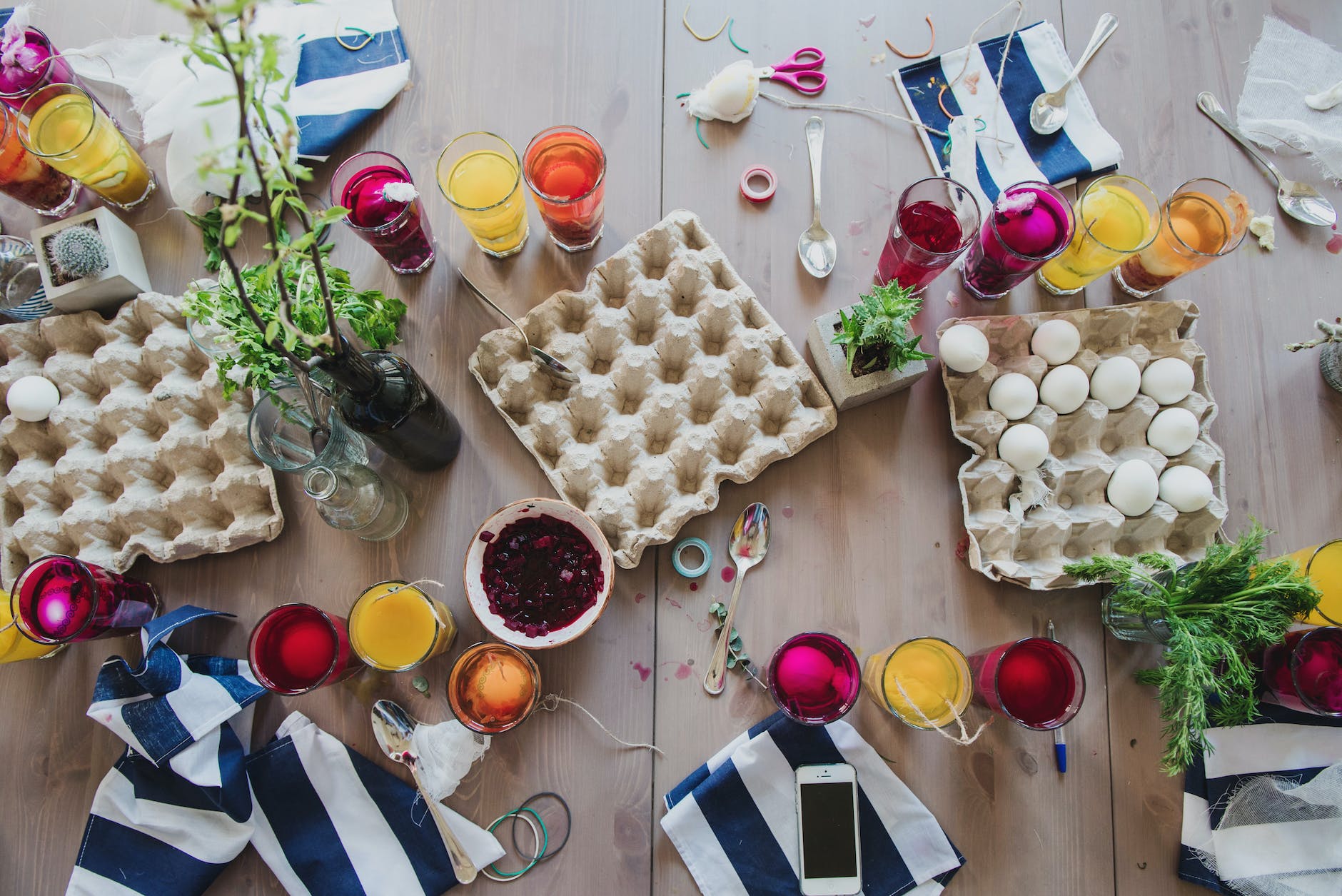
Photo by Ksenia Chernaya on Pexels.com

3: Reuse

Look for products and packaging made from recycled paper and cardboard. Buy second-hand from charity op shops. Going for reusable alternatives over disposable single-use products can greatly reduce your waste footprint. (Real glass over paper cups).

4: Repurpose

Repurpose leftover boxes, containers or fruit punnets into kids’ art supplies or handy containers to hold pens or pencils. Get the family involved.

5: Recycle

Despite our best efforts, most of us will still end up with waste which should be separated and recycled safely. Holidays may be a great time to sit back and unwind, but recycling rules don’t change over a long weekend. Do your best and others will follow!

About Recycle IT

Recycle IT is an award-winning not-for-profit social enterprise providing a collection and drop-off service for all types of waste electrical and electronic equipment (WEEE). Recycle IT provide drop off and collection services to thousands of homes and businesses across Dublin and surrounding areas collecting a range of WEEE which includes thousands of laptops, computers, cookers, cables, monitors, microwaves and TVs.

Recycle IT services are provided in partnership with WEEE Ireland. Recycle IT is supported by Pobal, South Dublin County Council and authorized by the National Waste Collection Permit Office and the local authorities in the Eastern-Midlands Waste Management Region.

Recycle IT – Truck

Visit our website for further details.

35 Easy Tips to Reduce and Save!

Going Greener – Making it Easy!

Recycling is an easy way to protect our environment and climate while ensuring the wellbeing of our community for the next generation. However, the success of recycling depends on the active participation of every member of the community including kids of all ages.

By everyone doing a little, we all can reduce the amount of waste that is deposited in the landfill or incinerated. Thinking about the reuse of items made from recycled materials helps maintain the recycling circle and its part in the circular economy.

Photo by Burak The Weekender on Pexels.com

We have listed 35 reuse and recycling tips – You might adapt some!

  • Use both sides of the page when writing or drawing.
  • Give your kids or local schools part used printed paper for drawing.
  • Bring your food to school or work using a reusable tub.
  • Rent or hire schoolbooks and supplies (reuse).
  • Hire gardening tools that you only use occasionally.
  • Make a bird feeder by reusing a medium size plastic bottle. 
  • Choose low-energy light bulbs at home and in the office.
  • Give your unwanted clothes a second life.
  • Reuse and repair as much as possible – shoes, clothes etc.
  • Offer seasonal kids costumes to clothes to others as your kids grow!  
  • Choose to buy bars of soap.
  • Choose long life or durable products e.g. reusable razors or ink pens.
  • Use rechargeable batteries in home appliances.
  • Avoid unnecessary purchasing of occasion products, e.g. Christmas, Easter
  • Offer gifts, such as tickets for a show, sports event or concert leading to reduce material content.
  • Choose eco-friendly products – read the labels.
  • Buys product with less or no packaging.
  • Buy regularly household products in bulk, e.g. canned and jarred products.
  • Reuse shopping bags.
  • Use refillable products e.g. pasta, rise, coffee, loss tea.
  • Drink taps water from reusable bottles.
  • Bring lunch to school, college, or work.
  • Prepared food at home for picnics while reusing flasks, tubs, knives, forks, and reusable carry bags.
  • Choose fresh food rather than processed food, healthier and less packaging.
  • Bake cakes and muffins instead of buying! 
  • Limited home and office printing, share files over email or file sharing tools e.g. Dropbox.
  • Recycle ink cartridges – where you purchased your ink! 
  • Bring a mug and glass to work to refill coffee, tea or water during the working day.
  • Approach office supply companies about purchasing used office equipment.
  • Cycle to work or college rather than taking the bus or car.
  • Car share where distances are longer and where public transport is not accessible.
  • Take your uneaten food home from restaurants in a doggy bag.
  • Composite garden cuttings and waste plant-based food to create a natural fertilizer.
  • Reuse school uniforms and junior football club kits – Kids grown fast!
  • Sort waste like plastics for reuse or safe recycling.
Photo by Krizjohn Rosales on Pexels.com

Reduce, Reuse, Repurposing and Recycling

In Ireland and across Europe, the focus on the 3 R’s has increased over recent years as recovery of resources through, reduce, reuse, repurposing and recycling has increased it has become increasingly important for consumers to take ownership and steps themselves to ensure products purchases can be reused, repurposed, or recycled using accessible and economically sustainable solutions.

Recycle IT – What we are doing?

Recycle IT offer electrical, electronic, and pure metal recycling services directly to people’s homes. We work with local area reps and residents associations to offer free residents recycling in estates in many areas of Dublin.

We encourage people to take advantage of this free drop off and cost-effective personal and business collections. We do offer and safely manage services to community groups, charity organisations, schools, and colleges so rest assured we have a service to match your needs.

Photo by Mike Bird on Pexels.com

By recycling your waste electrical and electronic equipment you help the environment and our organisation create training and employment opportunities that otherwise would not exist.

If you have questions or would like to arrange a personal collection from your home or business, please call 01 4578321 or email: info@recycleit.ie.  You can also visit our website to learn more about our work and our recent awards.

You can click here to read 15 recycling facts.

About Recycle IT

Recycle IT is an award-winning, not-for-profit, social enterprise established to create employment and promote environmental awareness through recycling and reuse. We work in partnership with WEEE Ireland and are authorized by your local authority to provide electrical, electronic, and pure metal recycling collections across Dublin since 2007. Recycle IT are fully compliant with WEEE Recycling Requirements and permit details are available here.

Over the last 20 year Recycle IT have happily offered safe electrical and electronic recycling services to households and small and medium size organisations across a range of sectors. We offer our services all over Dublin and in surrounding areas

For more information about Recycle IT please click here.

Recycle IT Pakman Award Winner 2023

Reduce Clutter This Weekend

Stress and Clutter

Clutter is an overabundance of possessions that collectively create chaotic and disorderly living spaces,” said Joseph Ferrari, a professor of psychology at DePaul University in Chicago.

Decluttering your home, office or business maybe one of your wish list activities or just something you have planned to do for a while but it just has not happened!

Clutter makes it hard to find things while also creating the feeling of limited space. Its believed decluttering your apartment, house and work space improves your living space, your homes appearance and your own mental health.

IMG_20190814_102939 (2)
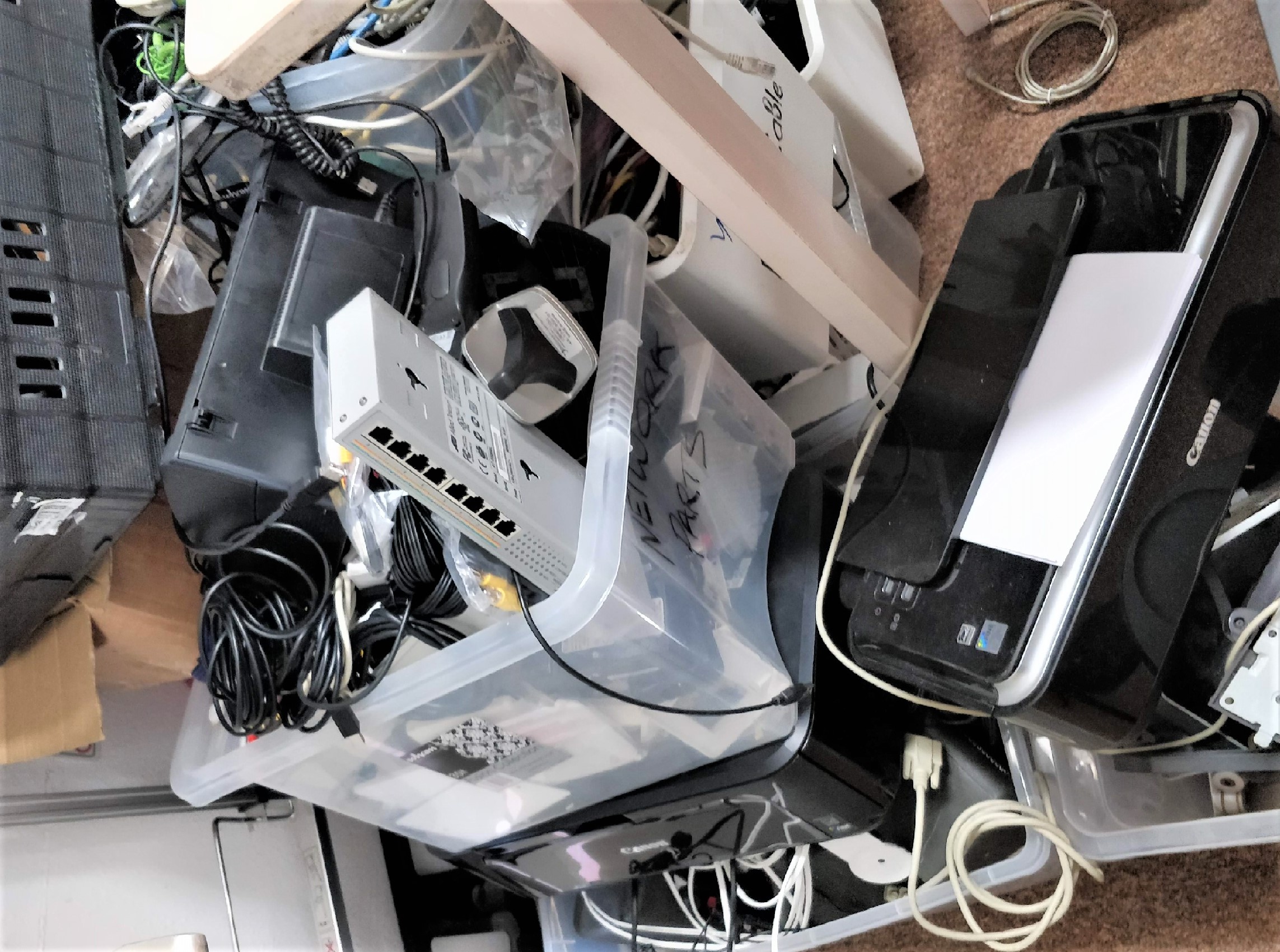
Mixed IT Clutter – Recycle IT

A study, published in Current Psychology found a substantial link between procrastination and clutter challenges in the age groups; college students, young adults in their 20s and 30s and older adults, mainly in their 50s; so lots of people face clutter challenges and frustration with clutter tended to increase with age. (Source: New York Times, Jan 2019)

Research by Dreamtown in the UK found that the average 10-year-old owns 238 toys but plays with just 12 daily (The Telegraph). The build-up of home clutter including toys, clothes, shoes and even gadgets creates a constant need to tidy up which in turn can create a feeling of stress. Do you recognize the feeling?

The Buildup

Over the course of our lifetime, we will spend a total of 3,680 hours or 153 days searching for misplaced items, something we just stuck in a drawer! The research found we lose up to nine items every day—or 198,743 in a lifetime. Phones, keys, sunglasses, and paperwork top the list (The Daily Mail).

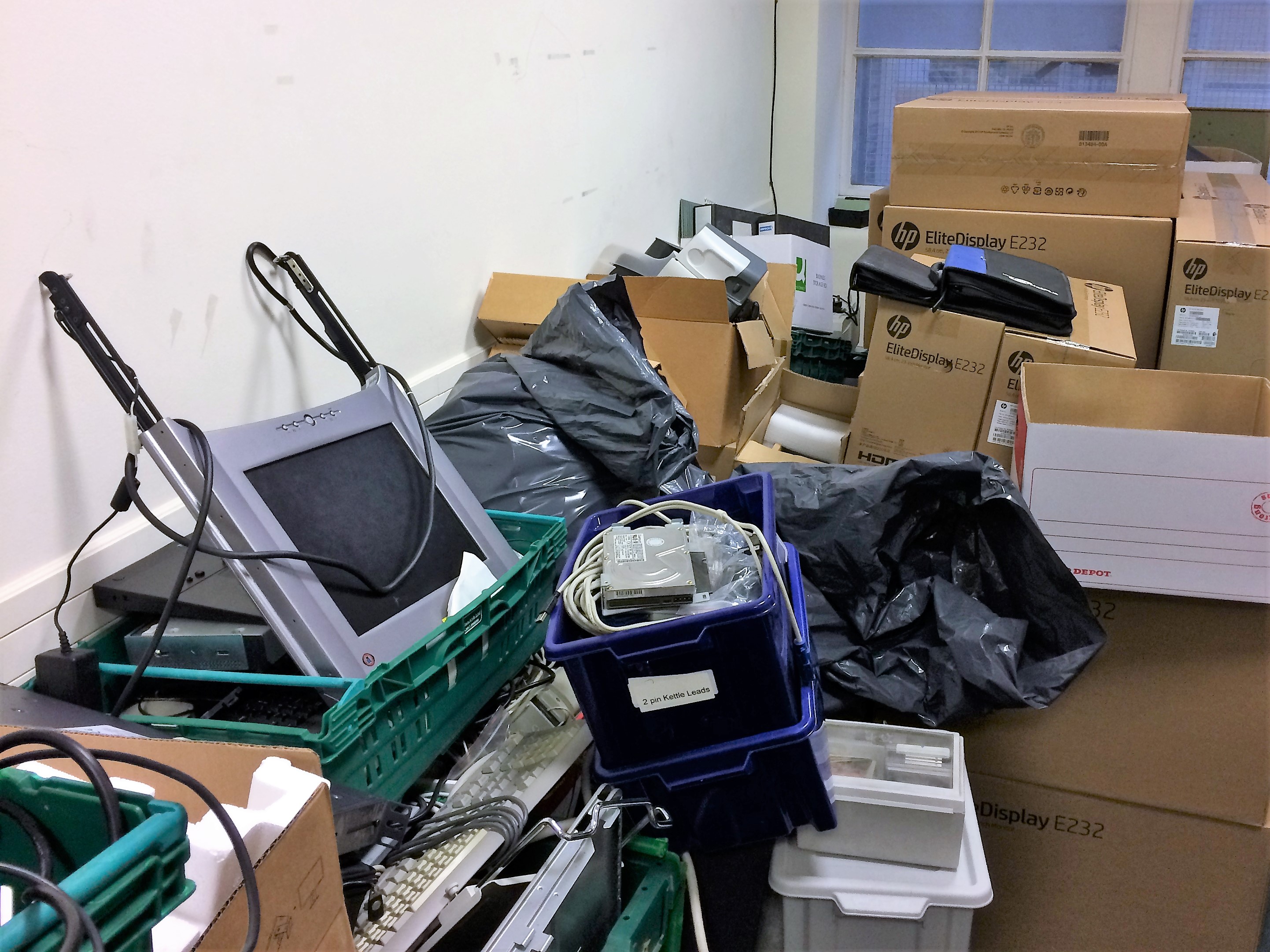
Store Room Clutter
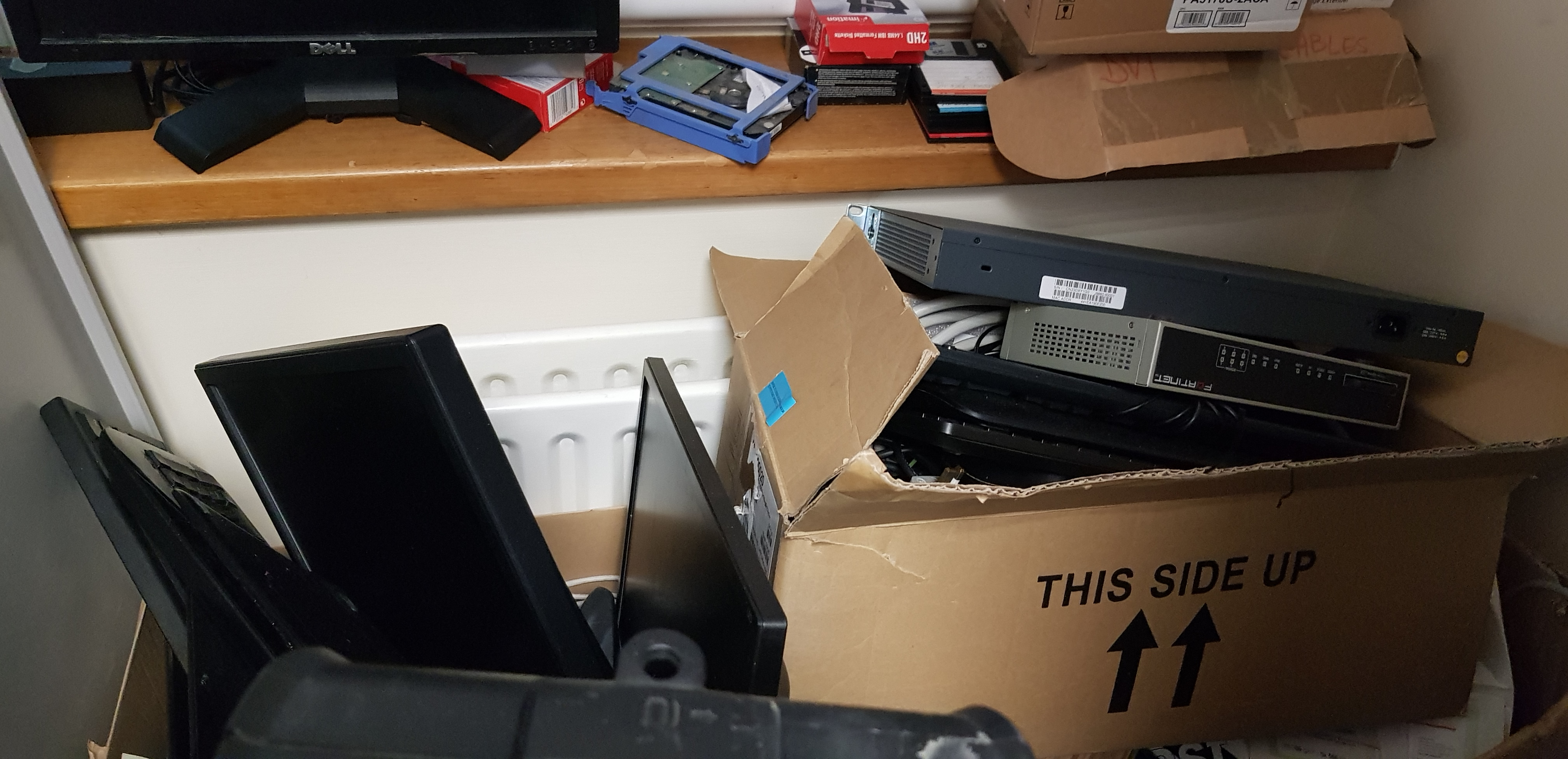
Store Room Clutter – Computers – Monitors – Cables

One of the biggest clutter offenders is mobile phones. Official data from ComReg Ireland published at the end of Q4 2022 shows there were 8.8 million mobile subscriptions in Ireland It’s a fact, that we’re all buying more gadgets with the older or unused items building up in boxes, draws, cabinets, and storerooms.

In Ireland a 2015 study found that on average two in five Irish adults (38%) consider themselves to be hoarders, meaning homes are filling up (Empathy Research)  Further research commissioned by NESTA outlined that 58% of respondents found it hard to get rid of their possessions, meaning they keep them!

The National Association of Professional Organizations shows there is a direct correlation between productivity and clutter. Productivity declines when clutter and chaos rise. Piles of paper, unorganized kitchen space or playrooms, old receipts, bills, and paperwork stuffed in boxes or drawers will take over your home over a period of time.

Household Waste

Chris Stiff, a lecturer in psychology at Keele University says “one of the obvious advantages to a tidy house is that being able to easily locate things will cause you less stress,” There is evidence that tidy environments help us think more clearly.

How to?

Clutter can include unread books, old electronic equipment, files which have not been filed, letters and cards, clothes thrown on the floor, and stuff that you no longer need, want or use but still possess. Remember, clutter is not usually confined to one area that can be spread across your home.

Before anything else, make a simple plan with specific and simple goals that will reduce your frustration and stress.

Here are 12 tips to keep in mind as you start de-cluttering your home:

  1. Make a written note of all the areas you need to de-clutter.
  2. Prioritize the areas/zones for decluttering and assign your time.
  3. Do one area at a time.
  4. Set start and finish dates for each area.
  5. Be sure to pick dates that are real so you get the job completed.
  6. Make time and get help to work on specific areas which may take longer like a garden shed or attic.
  7. Use a system to save on time and energy.
  8. Plan how you might lift on move heavy items.
  9. Research and decide how you will have the clutter removed for recycling once assemble.
  10. Check if items still work!
  11. Use the 80/20 rule – we generally use 20%  of the things we own 80% of the time so do we really use or need the rest?
  12. Get over the money you spent on the items you never use. Once you do that it’s easier to offer for reuse or to recycle.

Once the items are ready you can decide what you want to do about removal. We have a list of some solutions which might work for you.

IMG_0692
Toys and Light – Recycle IT

Outlets for your clutter

  • Don’t hold onto items once they have made the box.
  • Sell some items online, e.g. eBay, Done Deal or Adverts.
  • Repurpose old stuff with some DIY and help from friends.
  • Donate to charity shops.
  • Share items with family, friends, or colleagues e.g. kids’ clothes or toys.
  • Gift your items to friends or colleagues with an interest in them.
  • Share items free for reuse. Go online or find an exchange network.
  • Recycle all old electrical, electronic, and battery-operated items.
  • Moving forward, recycle stuff immediately when used or end of life.
  • Consider gifting items based on condition.
  • After the clear-out consider what you buy and recycle one day at a time.
  • Switch to e-bills.
  • Scan old photos and paperwork.
  • Preventing a build-up is a key step in fighting clutter.

Making the decision to get rid of your old items can be the hardest part of de-cluttering. Like many people, you may have trouble getting rid of items you once used or loved. You have also spent your hard-earned money on the items so they do hold value for you. These are real and valid feelings but no matter how challenging the decision, de-cluttering is necessary and helps reduce stress levels and it will create space!

20180717_121039
Office Clutter – Recycle IT

About Recycle IT

Recycle IT, is an award-winning social enterprise offering electrical, electronic and metal recycling services through drop-off and collection. Recycling services are provided in partnership with WEEE Ireland and South Dublin County Council.

Recycle IT is supported by Pobal and Dormant Accounts and authorised by the National Waste Collection Permit Office and the local authorities across the east midlands waste region.

Our goal is to create training and employment opportunities through the provision of waste management services. Surplus earned income is reinvested in operational, and employment-related costs.

For more information on Recycle IT please call 01 4578321, email info@recycleit.ie or visit our website www.recycleit.ie

Recycle IT – Pakman Award Winners 2023

Brown Bins in Ireland

Using Your Brown Bin for Recycling in Ireland

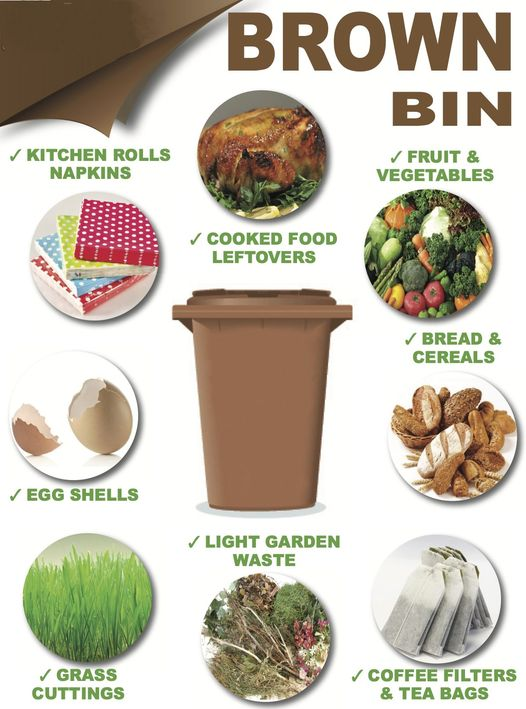
In December 2023, the Minister for the Environment, Climate and Communications, Eamon Ryan, signed new legislation which means that every household in the State will be provided with a brown bin for food waste and light garden waste by their waste collector.

These changes will enable all households with access to a waste collection service to segregate their waste, minimize the amount of waste that goes to landfill, and reuse waste through measures such as recycling, composting or anaerobic digestion, thereby making a positive contribution to our national recycling rates.

Brown Bin Do’s and Don’ts

In Ireland, the brown bin plays a crucial role in recycling organic waste. It’s not just for garden waste but also for food items that can be composted. By using your brown bin effectively, you contribute significantly to reducing waste in landfills and aiding in the creation of compost.

EPA Report

A recently published study by the EPA* showed that 21% of the contents of the household residual waste bins was food and garden waste, which could be placed into the brown bin instead, helping to reduce costs for the householder and ensuring that less emitting waste is sent to our landfills. The added bonus of the brown bin is that the organic waste can also be used to make compost, which in turn can be used to help green our towns and cities naturally.

What Goes into the Brown Bin?

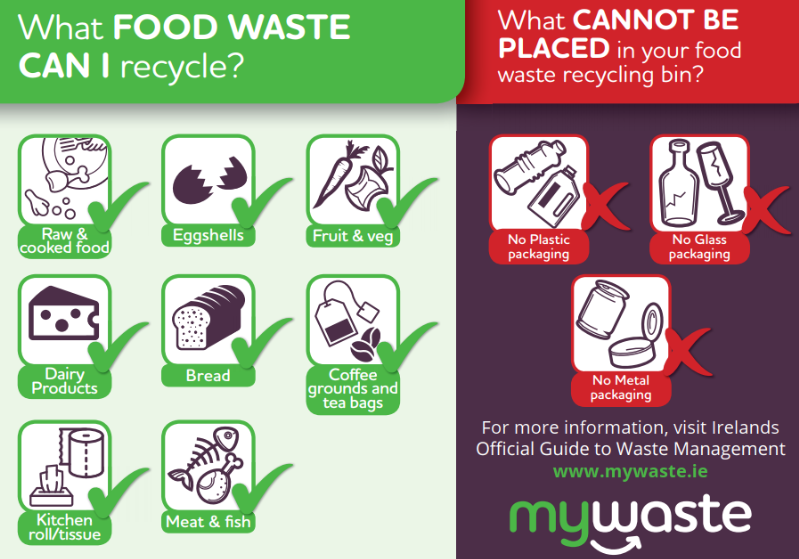
  1. Dairy Products: Items like cheese, yogurt, and butter wrappers can be put into the brown bin. These items decompose and contribute to the production of nutrient-rich compost.
  2. Eggs: Eggshells can be placed in the brown bin. They break down easily and add valuable minerals to the compost.
  3. Raw and Cooked Meat/Fish and Bones: Leftover meat, fish scraps, bones, and even cooked food can go into the brown bin. They decompose and help create compost suitable for enriching soil.
  4. Food-Soiled Paper Napkins and Towels: Used paper napkins, paper towels, and even greasy pizza boxes can be added to the brown bin. However, make sure to remove any large chunks of uneaten food before disposing of these items.

Why Use the Brown Bin for These Items?

  1. Reducing Landfill Waste: Organic waste, such as food scraps and soiled paper products, typically ends up in landfills. By using the brown bin, you divert these materials away from landfills, minimizing environmental impact.
  2. Composting Benefits: When organic waste breaks down in the brown bin, it undergoes composting. This process results in nutrient-rich compost, which is fantastic for enriching soil in gardens and agricultural land. It also reduces the need for chemical fertilizers.
  3. Environmental Impact: Recycling food waste and paper products through the brown bin reduces greenhouse gas emissions associated with decomposing organic matter in landfills. Composting creates valuable soil additives without releasing harmful gases into the atmosphere.

How to Properly Use the Brown Bin:

  1. Separate Your Waste: Ensure you’re segregating your organic waste properly. Use a separate container or bag in your kitchen to collect food scraps and soiled paper items before transferring them to the brown bin.
  2. No Plastic Bags: When disposing of organic waste in the brown bin, avoid using plastic bags. They don’t decompose and can contaminate the compost.
  3. Layering Technique: Consider layering food waste with garden waste or cardboard to help aerate the compost pile in the bin. This can aid in the decomposition process.
  4. Regular Collection: Make sure to put your brown bin out for collection on the designated days. Check your local council’s schedule for collection times and guidelines.

Finally

Using the brown bin in Ireland for recycling is an essential step in responsible waste management. By doing so, we all contribute positively to the environment by reducing landfill waste and producing nutrient-rich compost. Remember to follow the guidelines for proper segregation and disposal, helping create a more sustainable future for all.

Start making a difference today by utilizing your brown bin effectively for organic waste recycling!

About Recycle IT

Recycle IT is an award-winning, not-for-profit, social enterprise established to create employment and promote environmental awareness through recycling and reuse. We work in partnership with WEEE Ireland and are authorized by your local authority to provide electrical, electronic and pure metal recycling collections across Dublin and surrounding areas since 2007. Recycle IT are fully compliant with WEEE collection regulations. Our permit details are available here.

Treadmills Recycling and More!

Recycling Exercise Equipment

Workouts from the comfort of home are great, they get you the exercise you need, and save you time travelling to and from the gym as well as the membership fee. Treadmills, rowing machines and exercise bikes also record the amount of energy you use and the time it takes to complete your workout.

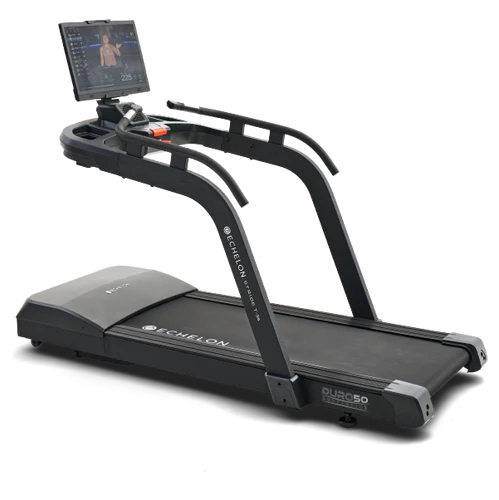
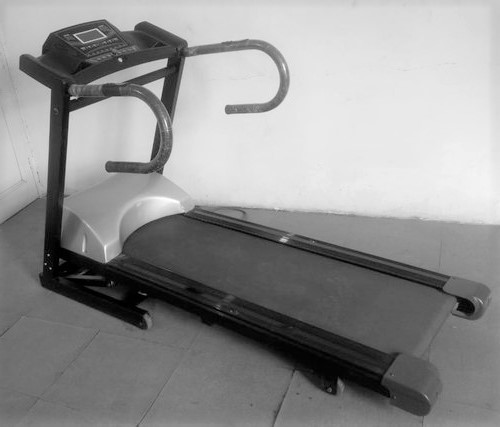
Treadmill Exercise Equipment

As with many electrical and electronic items treadmills and other types of electronic gym equipment, do wear out or get damaged after years of usage. Sometimes old equipment just ends up taking up space that is needed for a new or different priority.

Old or unused exercise equipment like a treadmill, steppers and exercise bikes really should be recycled if no longer in use. Removing these items from homes, apartments and even offices frees up valuable space, especially when the exercise equipment is no longer needed.

Exercise Equipment

There are a number of options to consider including reuse, resale or recycling!

Many people are looking for second-hand treadmills to buy. New models are costly and people might only be starting out on a home exercise plan. Instead of allowing your old treadmill to become out of date why not sell it at an affordable price.

Recycling Treadmills

Consider reuse by donating your old treadmill, exercise bike or stepper to a friend, a local community group or a charity. Remember any exercise equipment for reuse or donation should be in good condition and fully operational.

Ask a local gym to place a notice on the gym notice board or online asking if a member might be interested in taking your treadmill either free or for a small fee. Again the equipment should be in good condition and fully operational before handing it over for reuse.

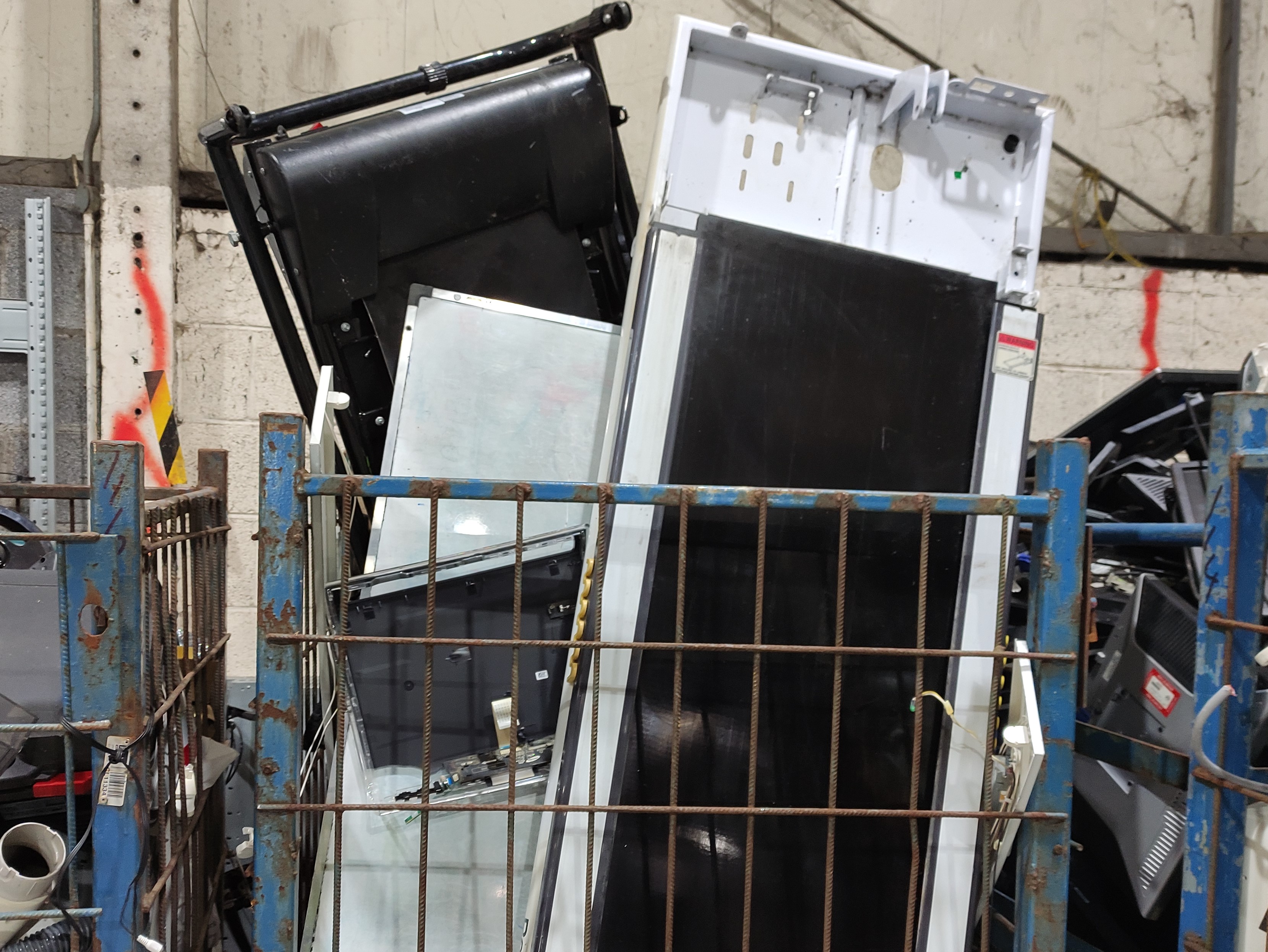
Treadmill for Recycling at Recycle IT

Before making your final decision, try asking work colleagues, family members, or neighbours, whether they would use your treadmill. Someone in your network may be interested in your old exercise equipment.

Recycling Gym Equipment

If these options don’t work, you can always safely recycle your old metal gym equipment, treadmills, steppers, or any electrical or metal home exercise equipment. Recycle IT accepts dozens of treadmills and bikes each year for safe recycling, some are damaged, parts are missing or their owners are moving house or apartment and can’t take a treadmill or other types of exercise equipment along.

No matter why you wish to dispose of old or unused items recycling is worthwhile. The metal, plastic and electronic components will be dismantled, separated and broken down for future reuse in new products.

Electronic Exercise Bike – Recycle IT

Encourage Recycling

Recycle IT want to inspire all users of electrical items to safely recycle their unwanted, damaged, broken or outdated equipment. Recycle IT offer pre-arranged resident collections, cost-effective personal collections and free drop-off Monday – Friday for households from across the Dublin region and surrounding areas. We like to see an increase in the amount of equipment received for safe recycling rather than an accumulation at home

Please don’t horde items in the hope of future repair for reuse. You should get them repaired quickly and if not recycle them!

About Recycle IT

Recycle IT is an award-winning social enterprise providing a community, personal and business collection service for all types of waste electrical and electronic equipment (WEEE) in Dublin and surrounding counties.

During 2019 Recycle IT offered to drop off and collection services to tens of thousands of homes, schools, charities and businesses across Dublin and surrounding areas collecting a range of WEEE which includes thousands of computers, cables, monitors, microwaves and screens

Recycle IT services are provided in partnership with WEEE Ireland. Recycle IT is supported by Pobal, Dormant Accounts, South Dublin County Council and authorized by the National Waste Collection Permit Office and the local authorities across Leinster.

Recycle IT Logo