Gaming Consoles – Recycle Safely

Best Selling

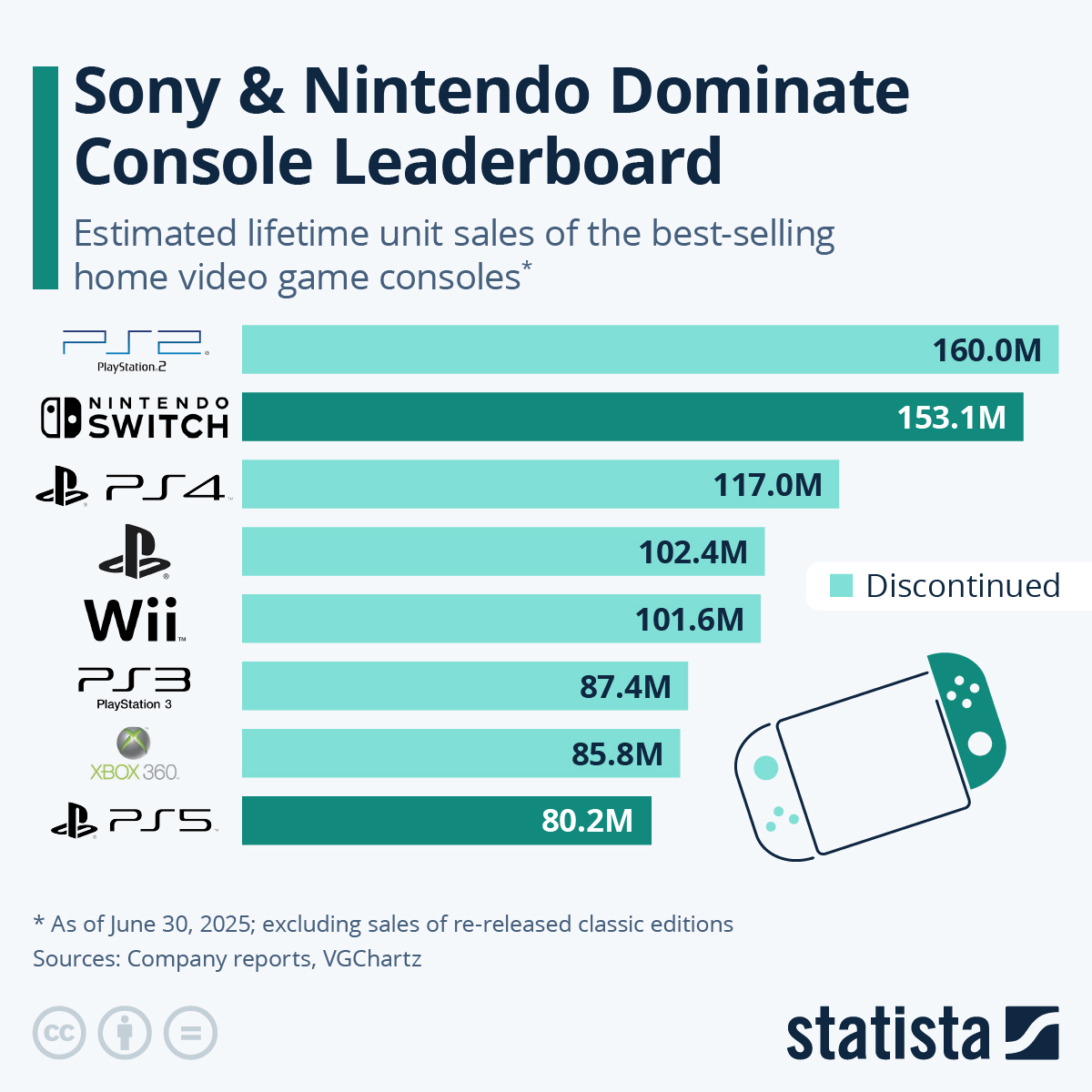
30 years ago, on September 9, 1995, the original PlayStation made its debut in North America, ringing in an era of gaming success for Sony. The chart below from Statista shows, the original PlayStation is the fourth best-selling home console of all time, beaten only by the PlayStation 4, the Nintendo Switch and its own successor, the PlayStation 2, which sold 160 million units over its lifetime. Source: Statista Research Department.
Benefits

Did you know there are benefits to playing videogames? A National Institutes of Health study of nearly 2,000 children found that those who reported playing video games for three hours per day or more performed better on cognitive skills tests involving impulse control and working memory compared to children who had never played video games. Other reported benefits include improved problem-solving skills and logic, increased hand-to-eye coordination, greater multi-tasking ability and faster and more accurate decision-making.

Photo by JESHOOTS.com on Pexels.com

Generally games consoles are devices designed for the sole purpose of playing video games usually at home. A games console is really a computer used to play video or virtual games, on a TV or monitor. Some devices are very portable and are handheld with screens.

Some Facts

Ireland’s total video games revenue was €397m in 2024 and it is expected to reach €503m by 2029. Social and casual gaming (online gaming) totaled €180m in 2024 and will rise to €240m in 2029 with a 5.9% CAGR. A paradigm shift in Ireland’s video games market will come in 2029, when social/casual gaming revenue will overtake traditional gaming (physical gaming on PCs and games consoles)

There are nine console generations, with the current leading providers being Sony, Microsoft, and Nintendo with the Xbox, PlayStation and Nintendo Switch used to play games like FIFA 22, Farming Simulator 22 and Minecraft. You can also watch Netflix, Amazon Prime and Disney Plus on your games console.
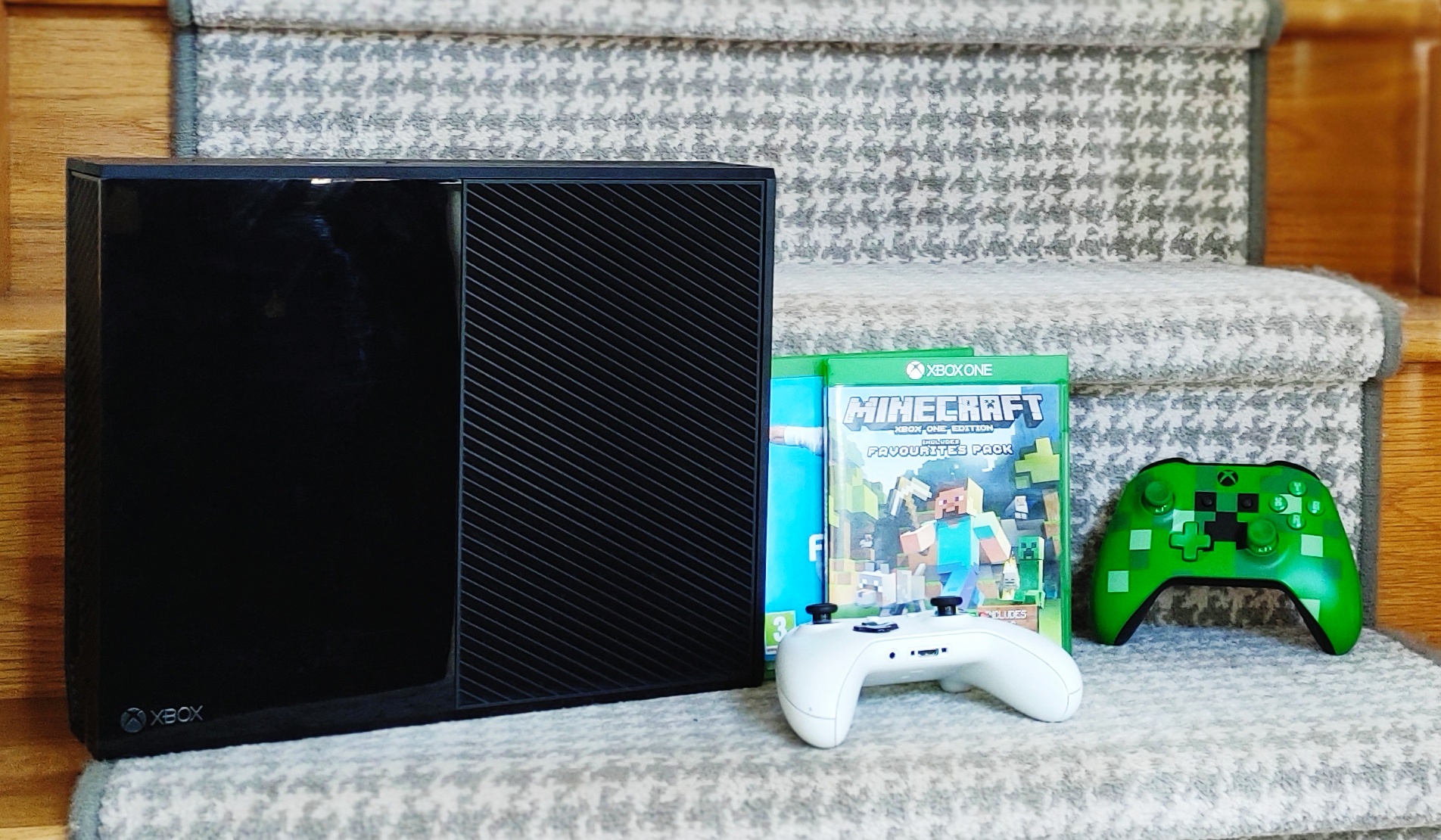
Games Console, Controllers and Games – Recycle IT

Games are either downloaded directly onto the device via the internet online store or inserted into the device as a disc or card.

Many game consoles and games are aimed at children There is no official or recommended age for a child to have or use a games console. Video games are given age ratings similar to movies.

In general, using a game console with your children is fun. Adults can refamiliarise themselves with gaming, how new games work and how children are likely to use them. This can be a great way to show responsible and positive use of technology and show your child you are interested in what they do!

Reuse and Repair

After many years of fun, your game’s console may need to be updated with new software or hardware (if possible) or if damaged it can be repaired for reuse. There are several repair options available and they should be considered before saying goodbye to your console.

Saying goodbye isn’t always easy. After all, you likely spent many in-game hours together playing a starring role for your favourite sports team. Your console has likely brought you, your family and friends, many moments of joy and frustration.

However, the time will come to move on to a new console. With new console releases never far away you might consider a replacement. But before you do that, there are some important things that you need to do to stay cyber-safe (and keep your information and payment details safe).

Here are some steps to take before you sell, donate, or recycle your old console:
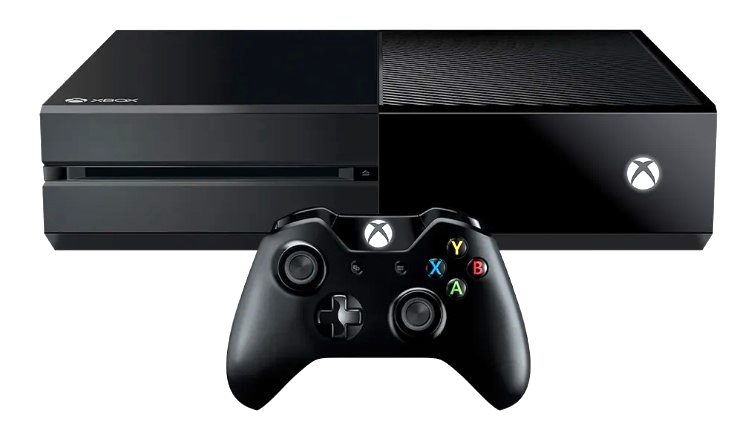
Games Console and Controller

Today many consoles are backwards compatible. This means that some, or most of the games from your old consoles should work with the new device To save your old games you can back your data up by:

  • Saving your data to an external hard drive.
  • Transferring your data from the old console to the new console by linking via a network.
  • Saving your data to a cloud service for your system.

Your gaming console can have personal information stored. Anything from email addresses to multiple credit card numbers to social media and cloud streaming accounts. If in the wrong hands, this can cause you lots of problems.

You can remove all your accounts from your console. In the setting menu, you can usually delete your credit card information, email addresses, social media links, or linked accounts. For purchased apps, you can sign out and manage your account information in your app settings.

A further option involves resetting the console back to when you first removed it from the box as new. Doing this reset will also make all of the information that was saved inaccessible through the user interface. You can usually do a reset in the settings menu.

Safe Recycling

Now that you have backed up your files and reset your console back to factory settings you may wish to dispose of the device in the waste or recycling bin. Please Don’t

Proper disposal including disposal of cables and chargers is important particularly if you didn’t try the above. Remember is also bad for the environment if you don’t recycle carefully
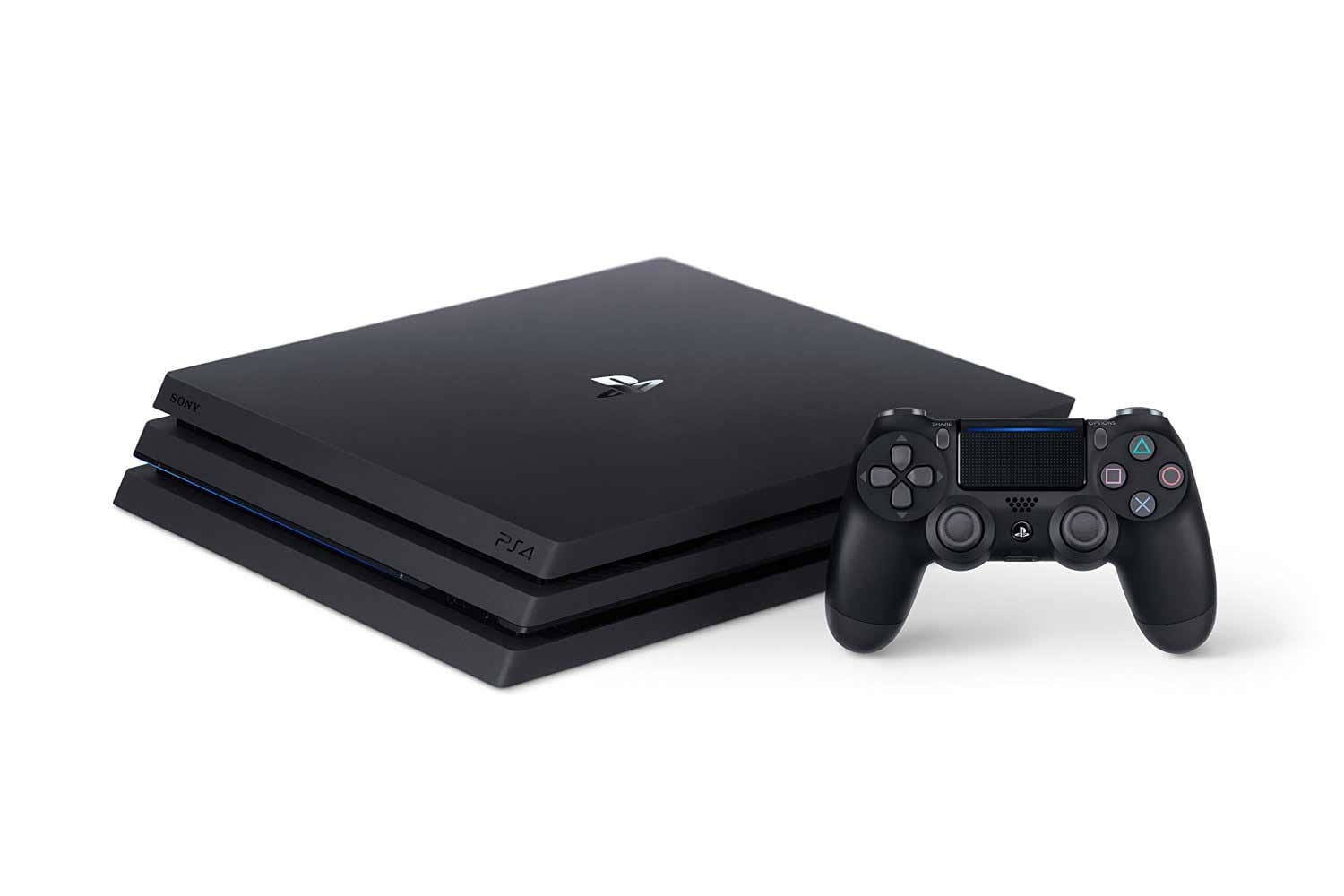
Games Console

Try the following

  • Reuse your console by gifting it to someone you know.
  • Donate your console to a local youth or community organisation,
  • Resell your device after wiping or destroying the hard disk drive / returning to factory settings.
  • Recycle your console instead of throwing it into the bin.
  • Recycle your console cables and related equipment at the same time!

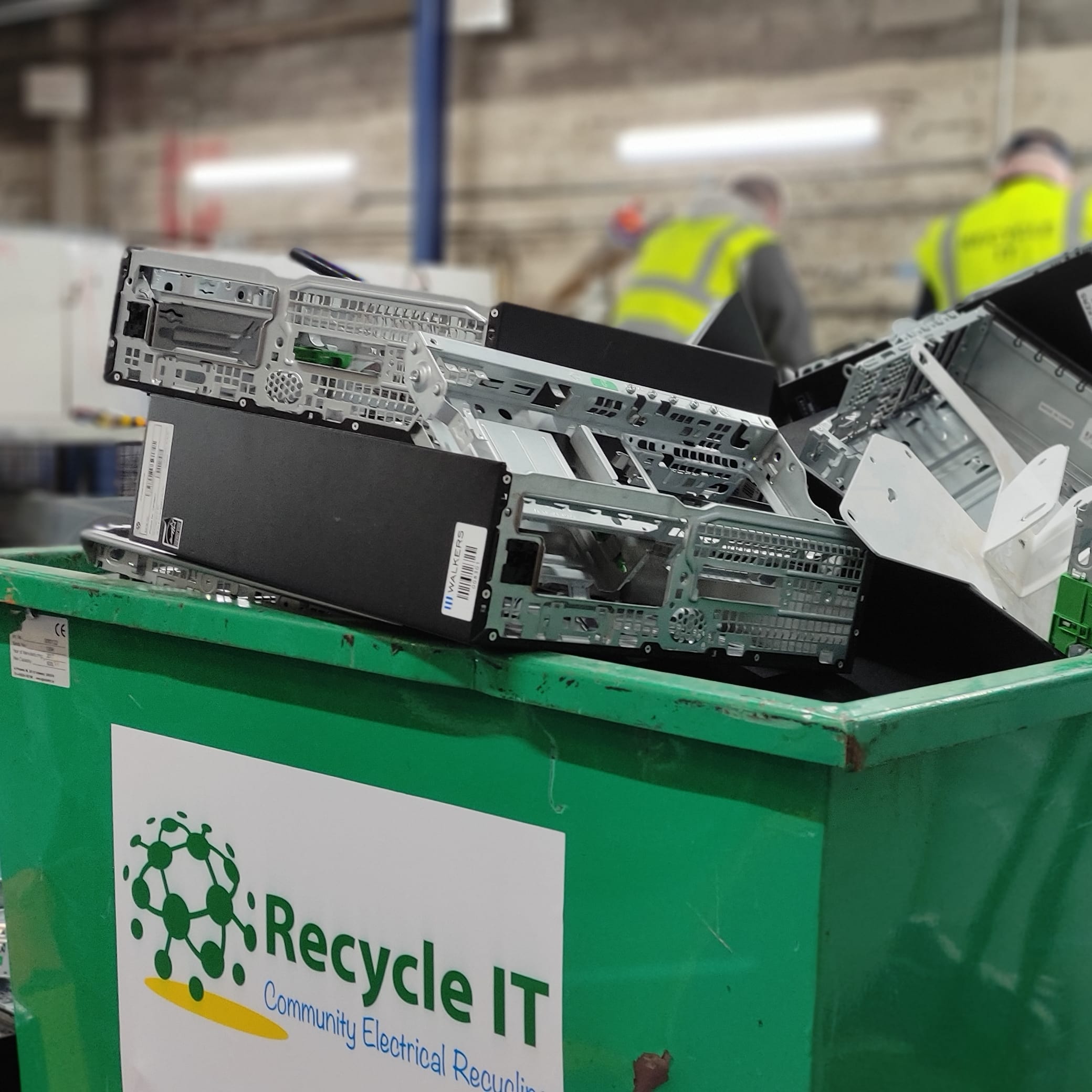
Because electronics contain many damaging chemicals and reusable parts you should recycle safely at a dedicated e-recycling centre like Recycle IT. If you can’t or don’t wish to wipe the hard disk drive within the console before recycling, Recycle IT can help.

About Recycle IT

Recycle IT, is an award-winning social enterprise offering electrical, electronic and metal recycling services through drop-off and collection. Recycling services are provided in partnership with WEEE Ireland and South Dublin County Council.

Recycle IT is supported by Pobal and Dormant Accounts and authorised by the National Waste Collection Permit Office and the local authorities across the east midlands waste region.

Our goal is to create training and employment opportunities through the provision of waste management services. Surplus earned income is reinvested in operational, and employment-related costs.

For more information on Recycle IT please call 01 4578321, email info@recycleit.ie or visit our website www.recycleit.ie
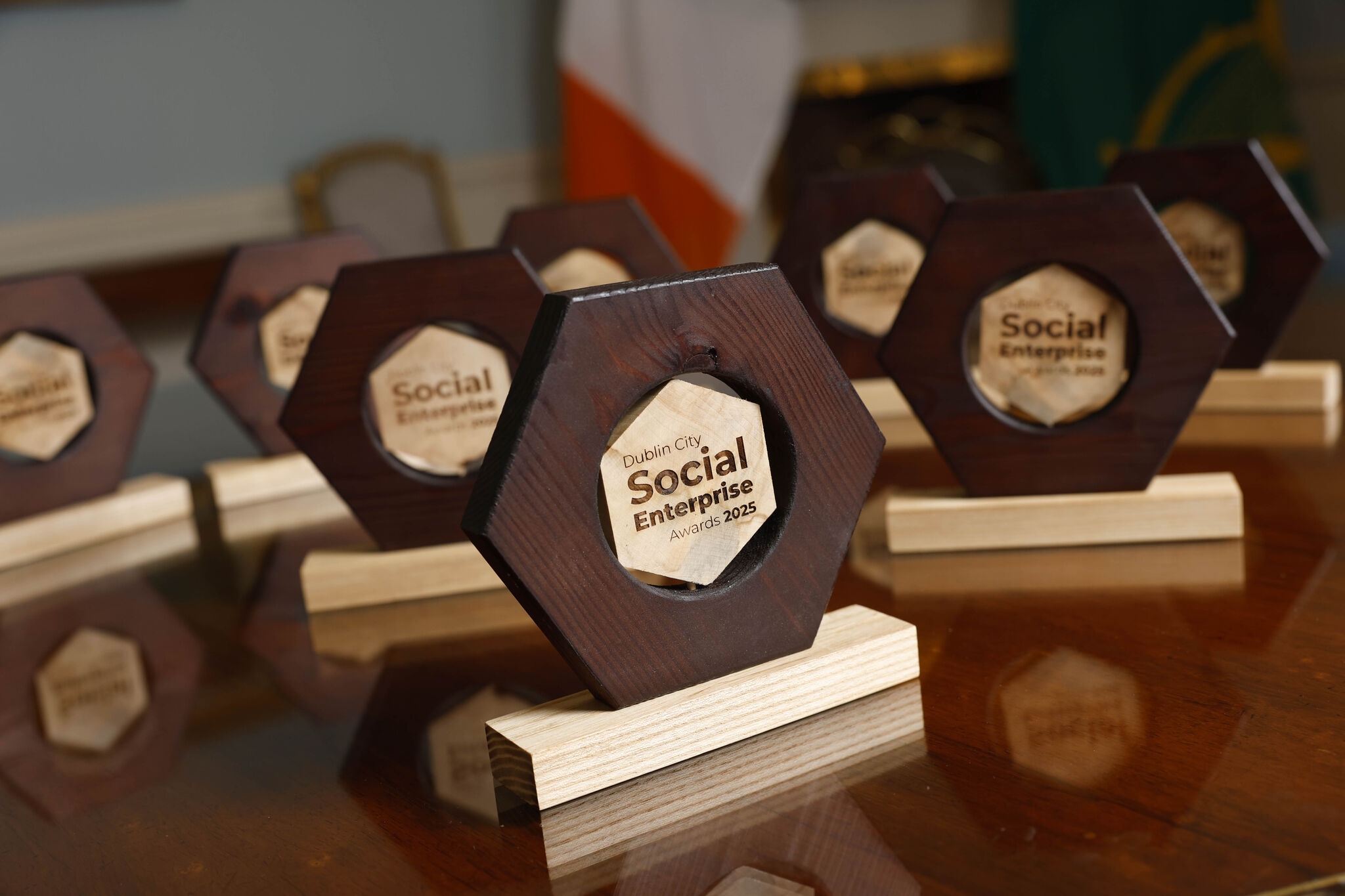
Recycle IT – Dublin City Social Enterprise Awardee 2025

Pure Metal Recycling with Recycle IT

Metal Recycling

Metal is just one of many materials we use daily in our lives and it is really worth recycling when it has served its purpose.

Here are 5 simple facts about metal recycling for reuse:

  1. Metal can be recycled endlessly without losing quality, making it highly sustainable.
  2. Recycling metal saves up to 95% of the energy used to produce new metal from raw materials.
  3. Aluminium and steel are among the most commonly recycled metals worldwide.
  4. Reused metals are vital for making new products like electronics, cars, and building materials.
  5. Recycling reduces mining, conserves natural resources, and cuts greenhouse gas emissions.
Household Metal for Recycling

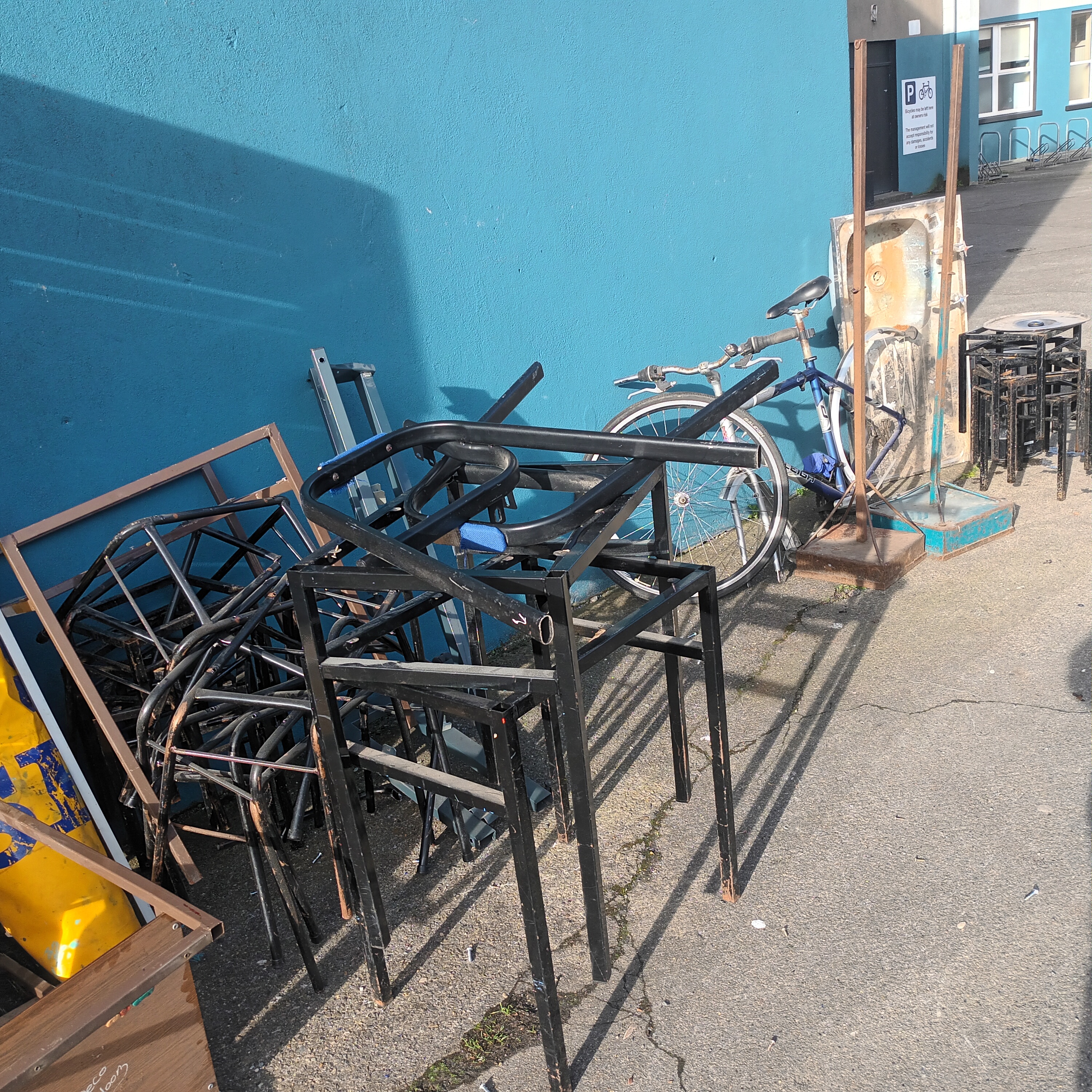
The type of objects that can be recycled includes aluminium and steel cans, electrical appliances, silverware, legs from office desks and chairs, old household pots and pans, cooking and baking equipment, school, office or sports lockers, gates, step ladders or zippers, the list is endless.

We recently learned that recycling one aluminium food/drinks cansavees enough energy to run a TV for 3 hours and if that’s not enough, the amount of aluminium thrown away annually in the U.S. would rebuild their commercial air fleet four times per year.

There are interesting facts below which we hope will encourage you to think about metal as a scarce resource and not just scrap. Without metal to manufacture, our daily trips to school by car or bus or our annual holidays by train, ferry or plane might not be as easy or affordable.

Interesting metal recycling facts

  1. Metal recycling is good for the national economy and the environment, e.g., increased local employment and reduced emissions.
  2. Recycling one tonne of steel saves 1,136 kg of iron ore, 454 kg of coal and 18 kg of limestone
  3. You can test which metal is in your bin by using a magnet. Aluminium metal is non-magnetic whereas steel is magnetic. (Great learning for kids)
  4. Drinks cans are made from aluminium while food cans are usually made from steel.
  5. Metal recycling helps create new products once the original items have reached the end of their useful life.
  6. Recycling scrap metals including iron and aluminium can benefit local construction projects such as roads and bridges.
  7. Scrap metals are refashioned for use in creating bikes, cars, aircraft and other modes of transportation.
  8. The United States of America annually recycles enough ferrous scrap, by weight, to build more than 900 of San Francisco’s Golden Gate Bridges.
  9. Scrap metals aid in the storage and transportation of goods across the world with many shipping containers created from recycled metal.
  10. Reusing scrap metal has supported many industries to reduce their environmental impact e.g. reduced mining of natural and scarce resources.
  11. Recycled aluminium can be melted at a much lower temperature than new aluminium, therefore, saving on energy.
  12. Scrap metal recycling helps reduce Co2 emissions created through mining, transport, and smelting.
  13. Recycled, reused or re-purposed metals can be used to make beautiful and durable home furnishing and decorations. Think about the festive season!
  14. Recycling scrap metal reduces the need for landfill sites and leads to a positive effect on water supply, soil, and land usage.
  15. A computer contains around 1.5 kg of copper, a typical home about 100 kg and a wind turbine 5 tons.
  16. In 2014, 2.1 million tons of copper were reused in Europe, coming from end-of-life products and directly recycled factory waste.
  17. China is the world’s second-largest user of steel scrap after the EU.
  18. Steel products can be recycled repeatedly without loss of strength.
  19. One scrapped car produces more than four steel street light posts.
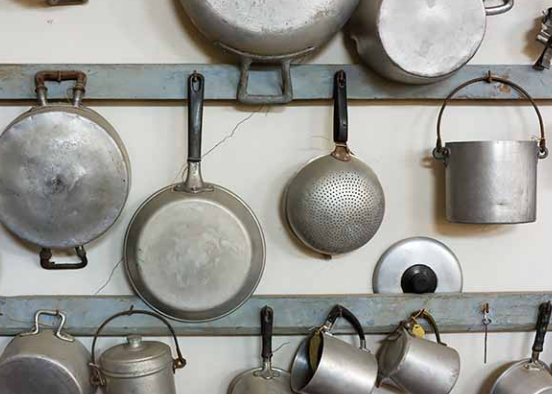
Metal Pots and Pans

Did you know?

Aluminium is made from a mined ore called Bauxite, which is converted into alumina, a fine white powder. This powder is then smelted at over 700°C, to become aluminium. The process is expensive and uses lots of resources including energy and fuel.

Many aluminium items used daily are recycled but those used in packaging like ready-to-cook foil trays are difficult to collect since it is very light and usually encrusted with food after baking. These types of items are discarded in many homes, schools, offices, pubs and restaurants without much thought for the environment or metal recycling. Maybe it’s time to try a reusable alternative to foil cooking trays and foil food wrap!

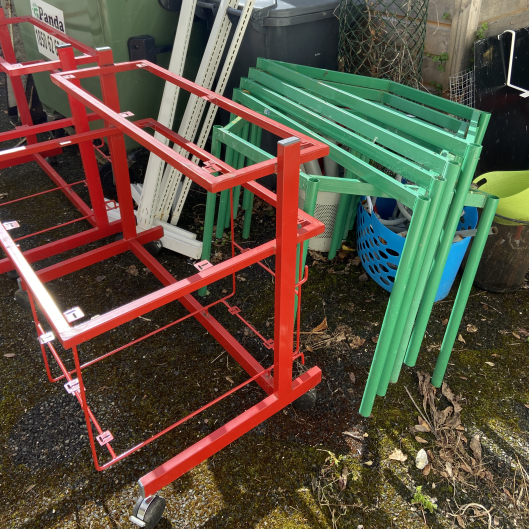
Metal Stands

Finally

Did you know manufacturing recycled metal items requires an estimated 17 times less energy than manufacturing the same items from newly mined metal? Keep this in mind when replacing washing machines, cookers, ovens or hobs. They all contain metal that can be recycled. Recycle IT breakdown and recycle large household appliances daily. These include washing machines, dishwashers, and tumble dryers. Click here to view our list.

Metal Table Legs

About Recycle IT 

Recycle IT, is a social enterprise offering electrical, electronic and metal recycling services through drop-off and collection. Services are provided in partnership with WEEE Ireland and South Dublin County Council. Recycle IT is supported by Pobal and Dormant Accounts and authorized by the National Waste Collection Permit Office and the local authorities across Leinster.

For more information on Recycle IT please call 01 4578321, email info@recycleit.ie or visit our website www.recycleit.ie
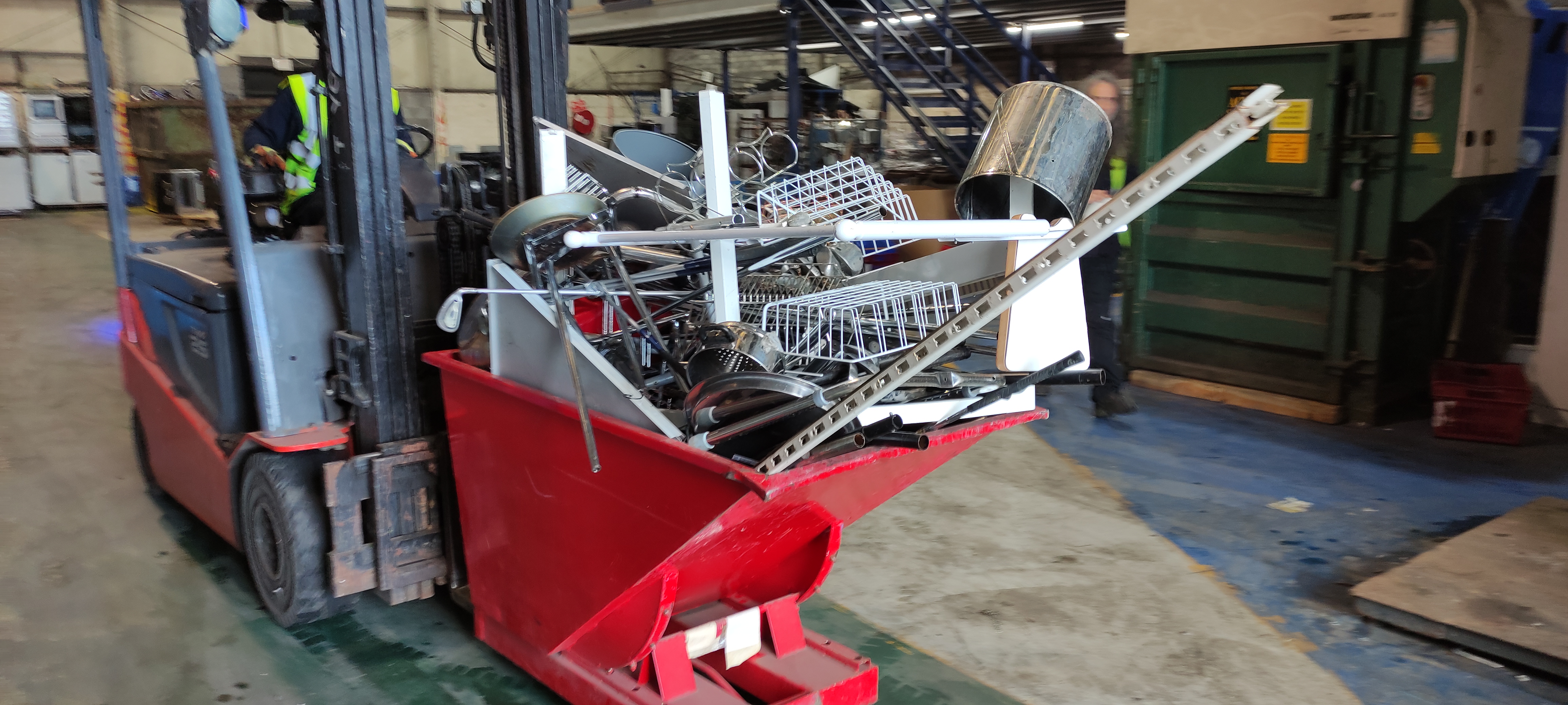
Click here to learn more about recycling metal with Recycle IT.

Dormant Accounts Fund Logo
Recycle IT is supported through the Dormant Account Fund

Eco-Friendly Recycling for Schools and Colleges

Recycling Benefits

Educational institutions in Dublin and surrounding areas now have the opportunity to safely recycle outdated electrical, electronic, and metal equipment. Our initiative provides a secure and responsible way to declutter facilities while creating valuable space for educational purposes.”

“It is important for schoolchildren, teenagers and adults to witness electronic recycling, as it helps them understand the value of protecting the environment by reducing electronic waste. Recycling also educates all age groups on conserving resources, preventing pollution, and taking responsibility for the proper disposal of old electronics—contributing to a healthier planet for everyone. This may be the perfect time to involve your students in some positive recycling activities.”

Reducing old electronics keeps harmful materials out of landfills, protecting the environment. When handled by authorised professionals, these materials are safely dismantled and processed using eco-friendly methods.

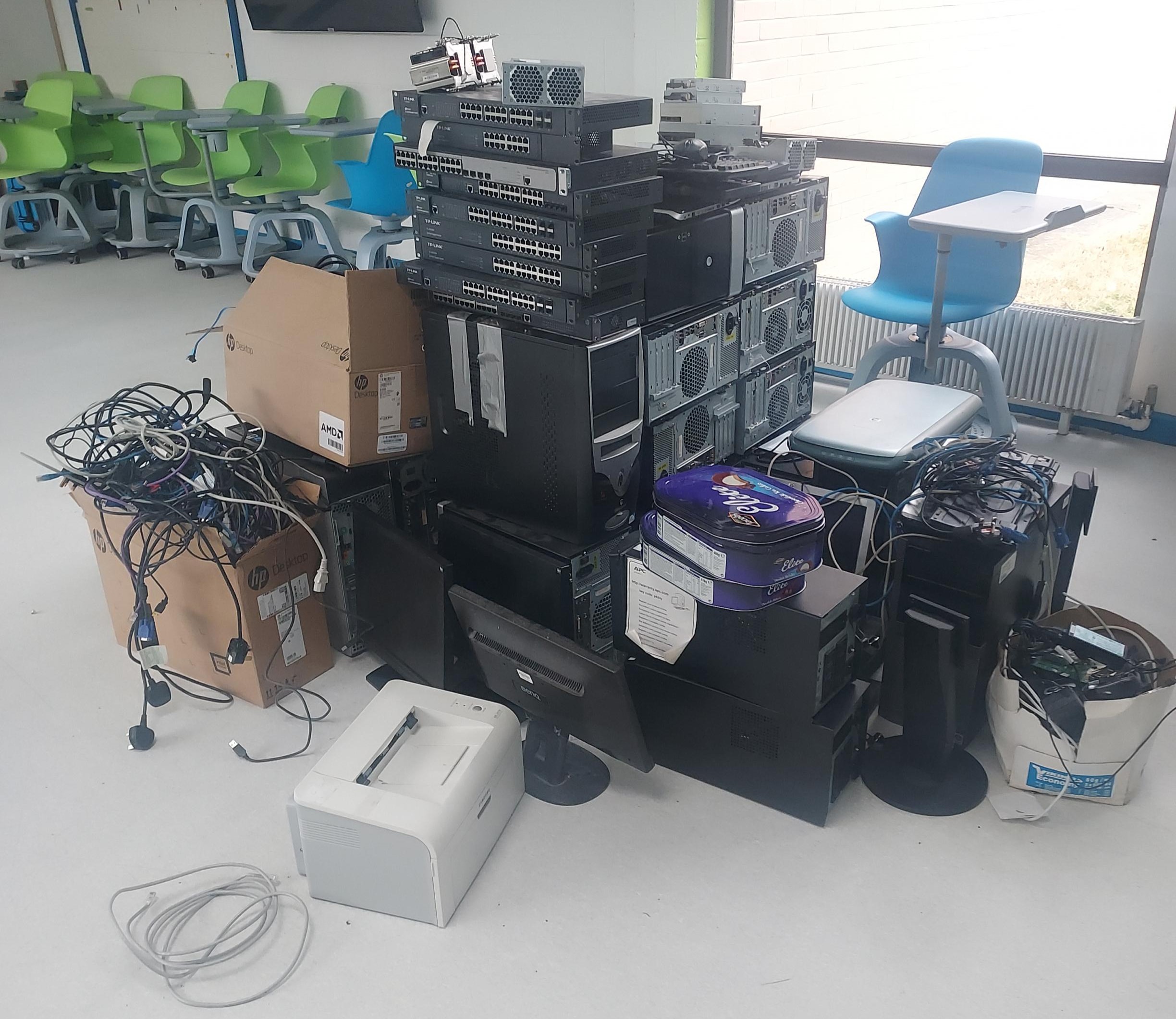
Mixed IT Equipment

Free Collection Service

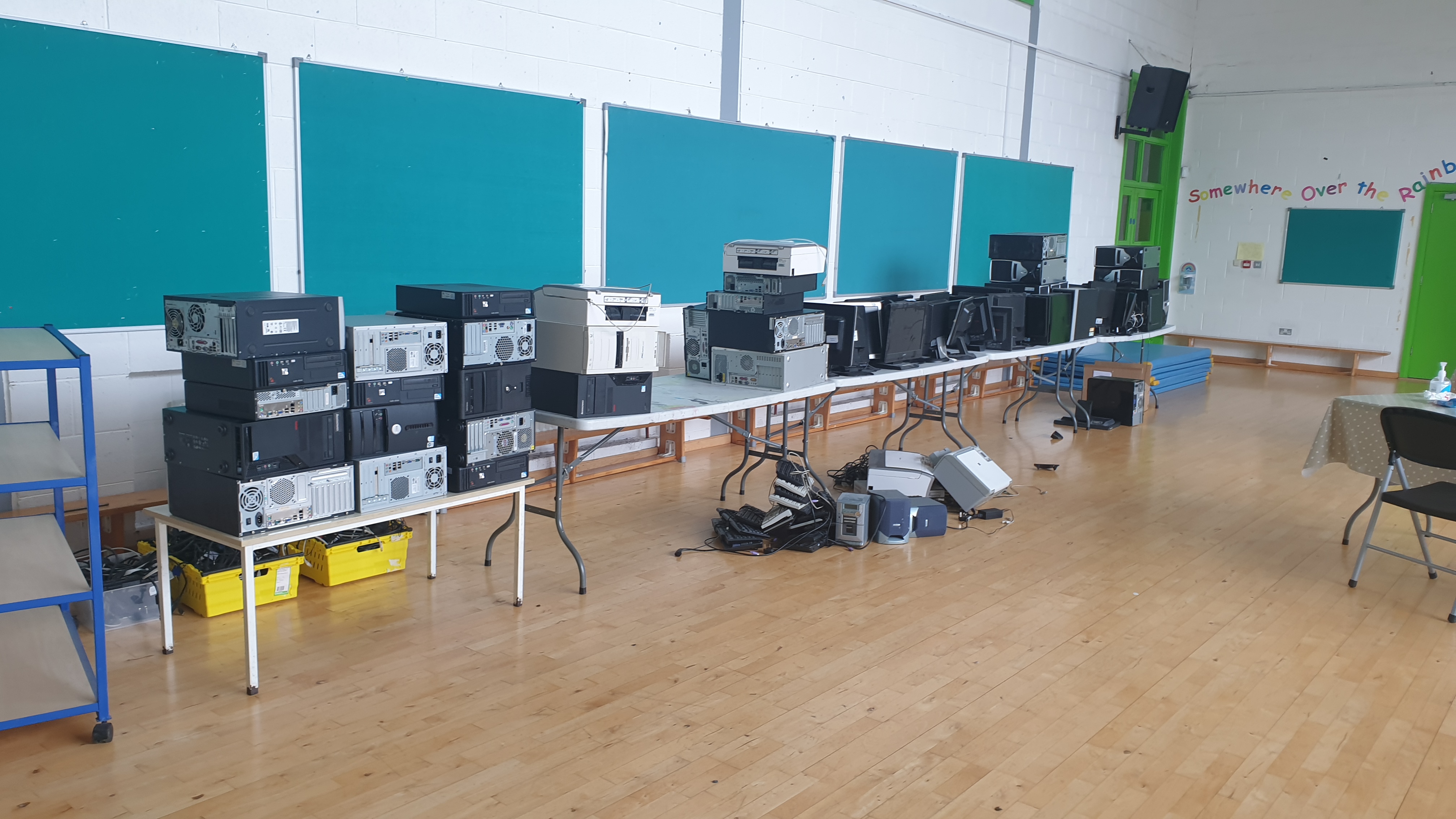
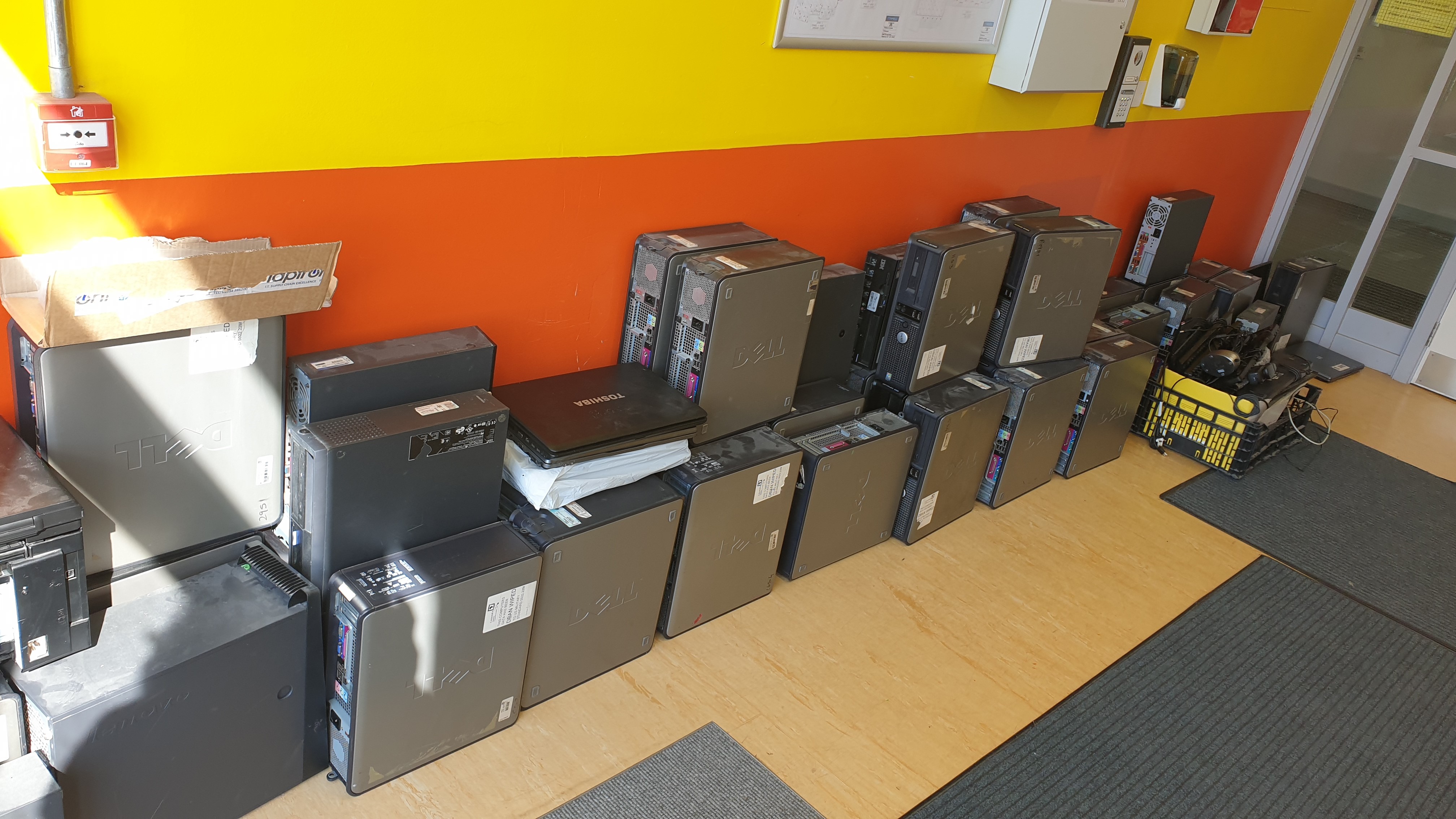
Our service is offered free and is dedicated to reducing large amounts of waste electrical and electronic equipment (WEEE) which accumulates in classrooms, canteens, stores, and labs over time.

Recycle IT, is a community-based social enterprise, offering a simple and efficient route to recycle unused electrical and electronic items. After collection, items are broken down and recovered materials are processed for use in the manufacture of a new product. Your recycling helps sustain our organization and create employment and training opportunities.

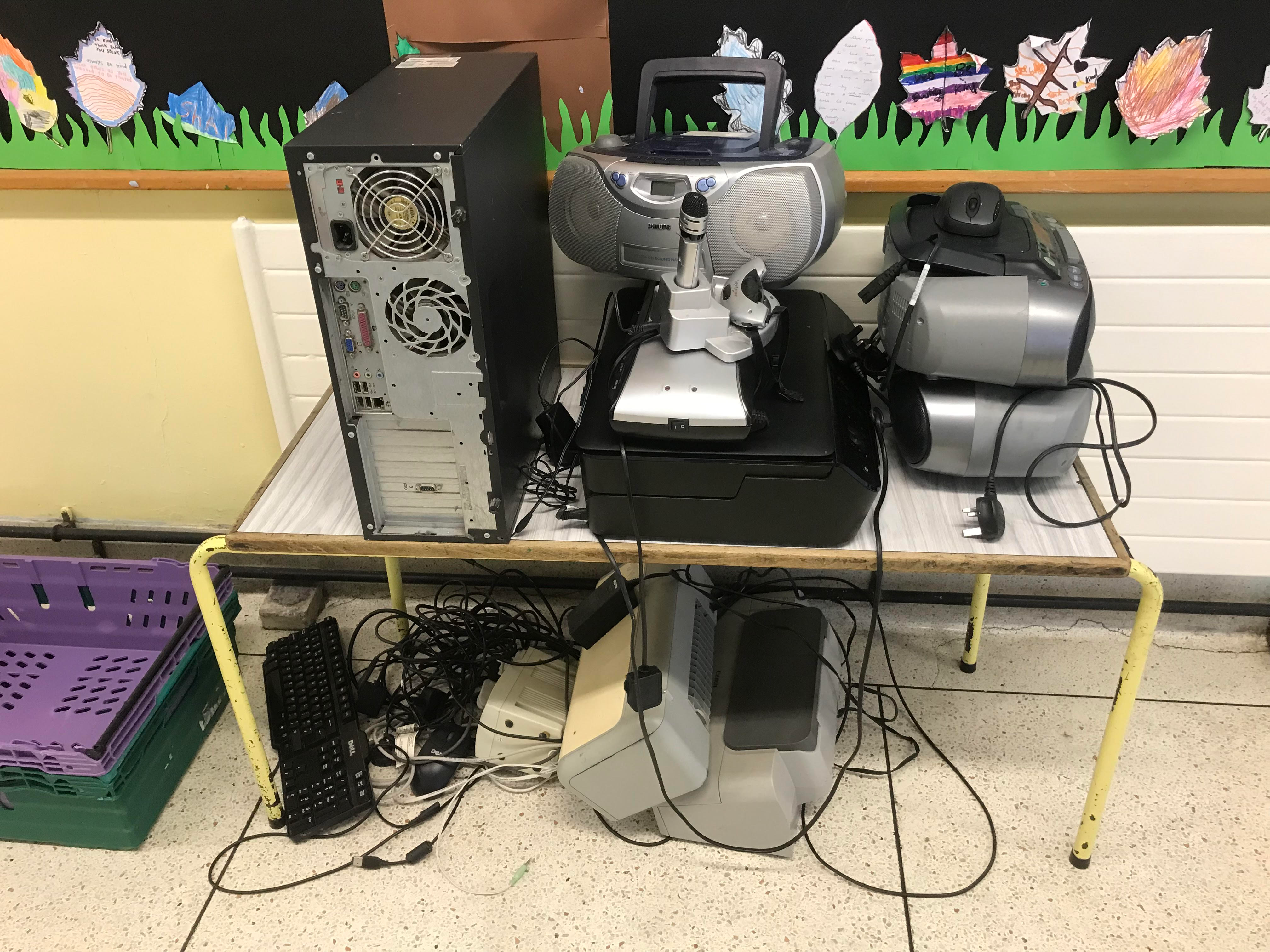
The free collection service helps safely divert e-waste from landfills and makes use of old items that may have been thrown away. The types of items usually collected include computers, kitchen equipment, phone systems, mobile phones, laptops, tablets, monitors, projectors, printers, battery-operated toys, televisions, and radios. Please click here for a full list 

Our team can offer a cost-effective collection to a school further away. The fee charged covers operational costs related to the collection.

Our learning sector collection service is organised as part of our free community collection service. Recycle IT also support WEEE Ireland with collections of batteries from schools around Dublin which in turn supports the work of LauraLynn Children’s Hospice.

During the last 18 months, our teams have worked with hundreds of schools, colleges, and youth training organisations all over Dublin to achieve an overall increase in electrical equipment collected for recycling with a similar trend in 2024.

We are delighted to be in a position to help your staff, students and organisation safely recycle all types of electrical, electronic and pure metal equipment so do email us. Recycling with us directly creates real training opportunities and maintains employment levels within our social enterprise.

Register an interest

Schools, colleges, and trainers of all types in Dublin and the surrounding area are welcome to register an interest: Simply complete a registration form by clicking here or call our team on 01 4578321 Monday – Friday. Once you call or email we can help you plan and schedule your e-waste collection which will help:

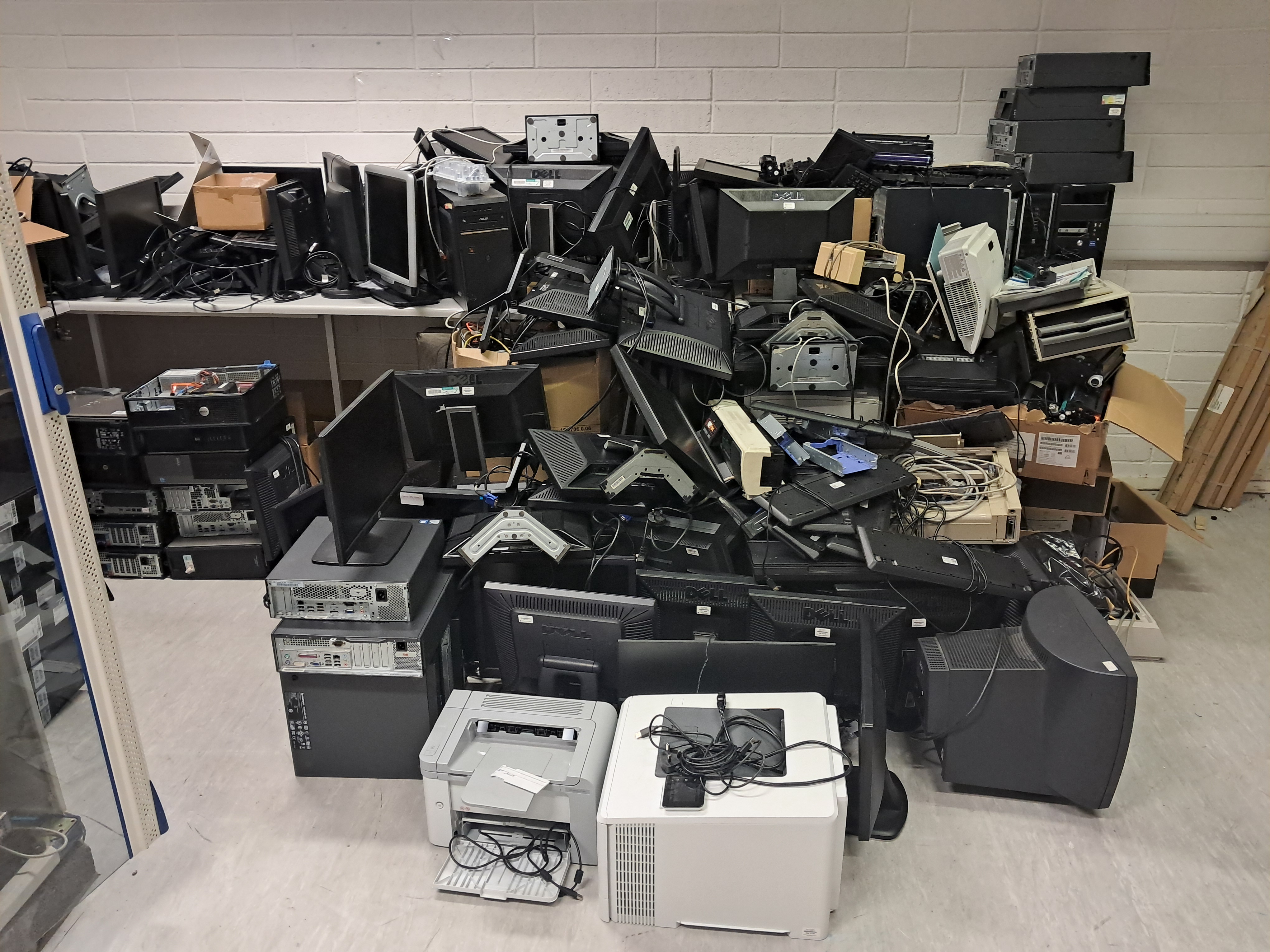
School Electronics for Recycling
  • Reduces the amount of waste sent to landfills and incinerators.
  • Conserves natural resources such as water and minerals.
  • Increases economic well-being and creates local training and employment opportunities.
  • Prevents pollution by reducing the need to collect new raw materials.
  • Saves energy.
School Collections Supported by WEEE Ireland

About Recycle IT

Recycle IT is an award-winning, not-for-profit, social enterprise established to create employment and promote environmental awareness through recycling and reuse. We work in partnership with WEEE Ireland and are authorized by your local authority to provide electrical, electronic and pure metal recycling collections across Dublin since 2007. Recycle IT are fully compliant with WEEE Recycling Requirements and permit details are available here.

For more information about Recycle IT please click here.

Mixed Metal Equipment

Photocopier and Printer Recycling

Today

According to Transparency Market Research the global photocopier market was valued at US$ 727.2 million in 2023. The market is projected to reach US $1.2 billion by 2034 through the increasing demand for multifunctional devices and the expansion serval end-use industries. People working from home and rising disposable income are other reasons for increased demand for smaller printers & copiers across the globe.

Some History

The photocopier has come a long way since the first model’s produced in the early 20th century with models found in homes and offices across the world!

In 1937 Chester Carlson, a patent attorney in New York invented a process called electrophotography. In 1938, this was renamed Xerography and the first known photocopied document was the “10-22-38 Astoria”.

OLYMPUS DIGITAL CAMERA
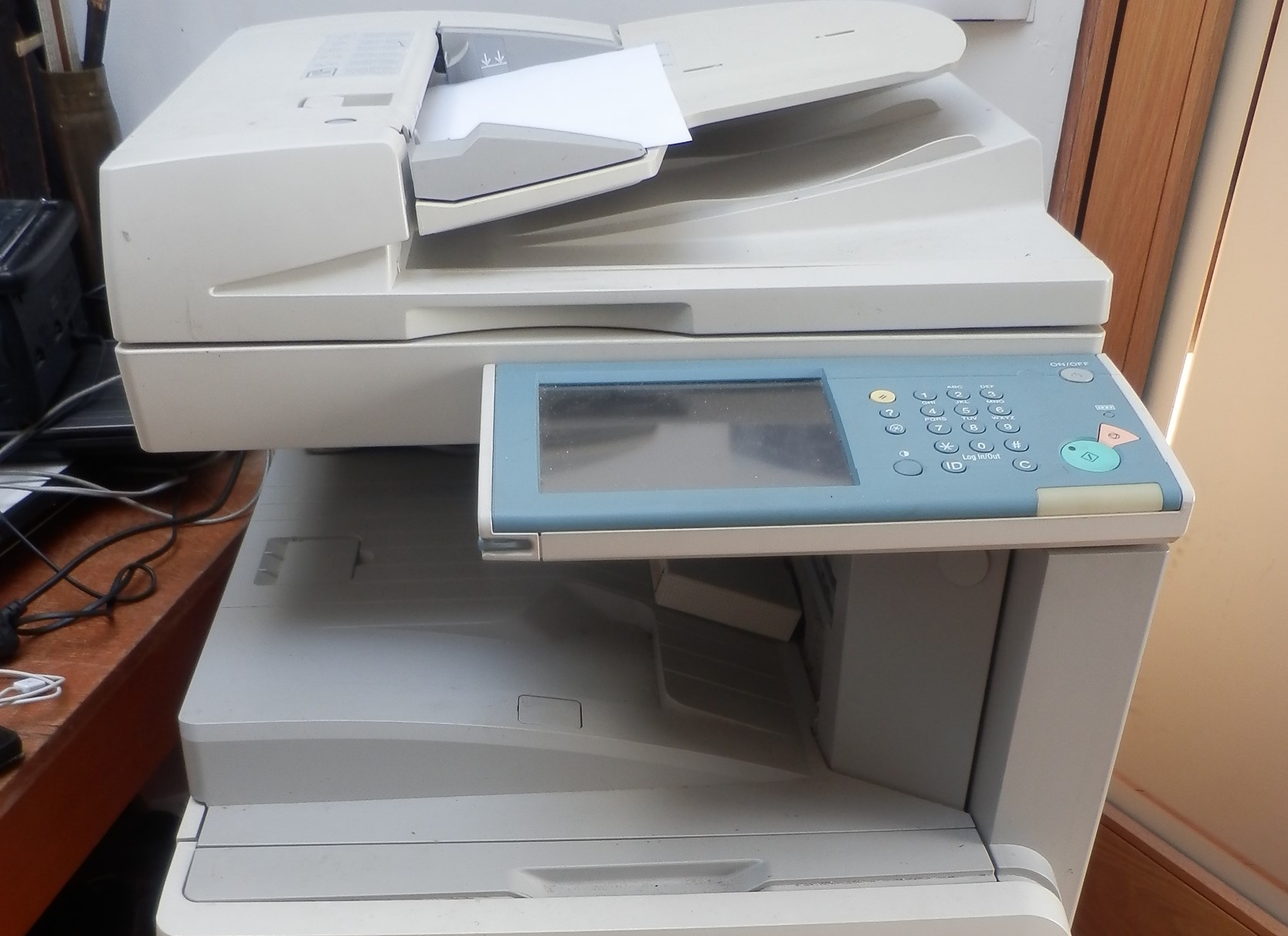
Office Photocopier – Recycle IT

The Xerography copying process went on to become one of the most well-known inventions of the 20th century and it’s estimated that Carlson gave away almost $100 million to charity and foundations before his death in 1968. Well done Chester.

Developments

In 1955, Haloid – by then Haloid Xerox – produced Copyflo, the first automated xerographic machine and many other companies followed Xerox into the market over the next 50 years.

Companies that manufacture photocopier cartridges and printers began offering recycling services in the early 1990s. Over the years many businesses developed photocopiers and cartridge recycling services as part of their customer sales, returning an environmental policy.  It may take decades to figure out if these policies are good for the environment, but one thing we can say is it’s best to reduce, reuse and recycle!

1626873387795
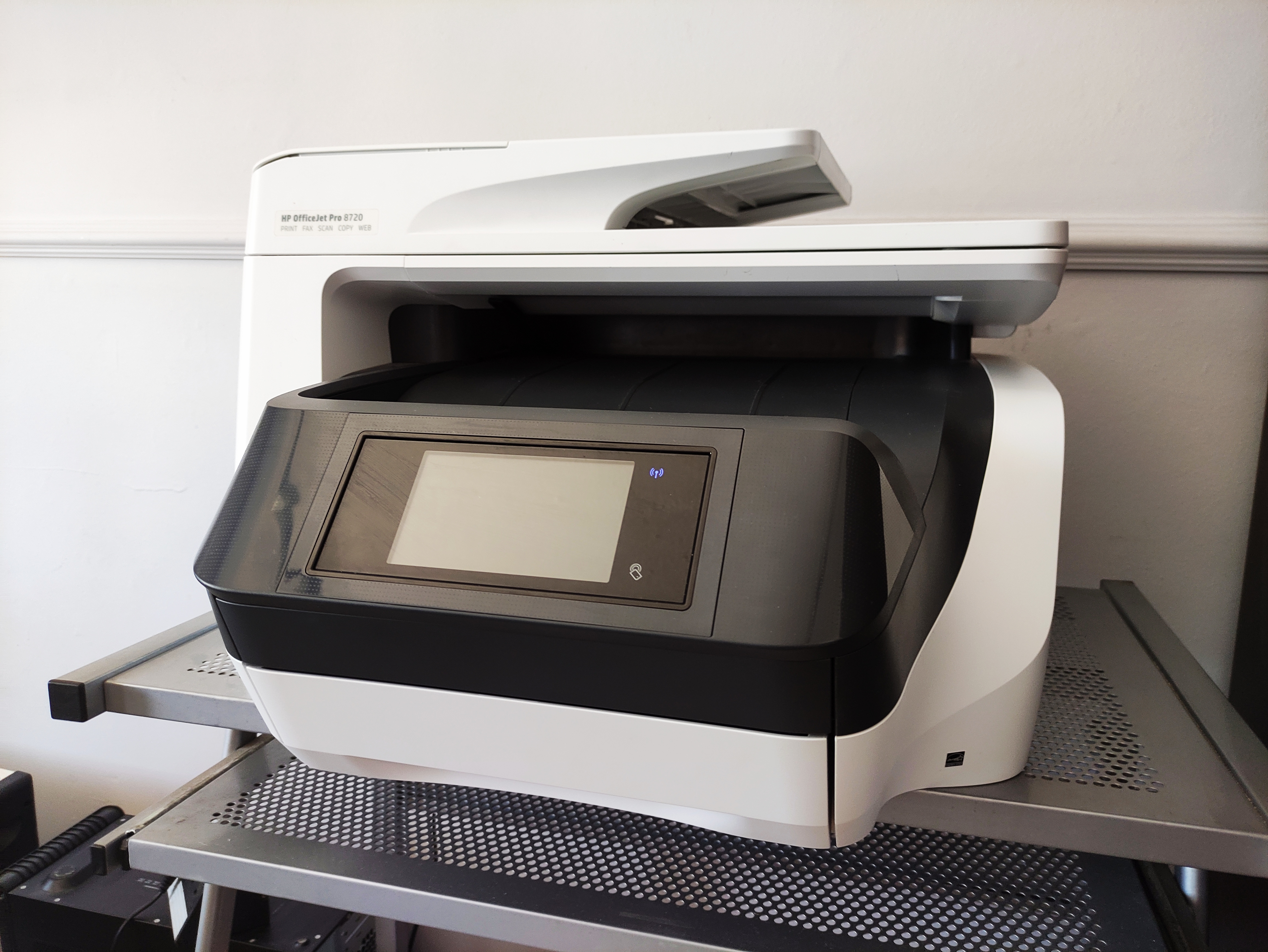
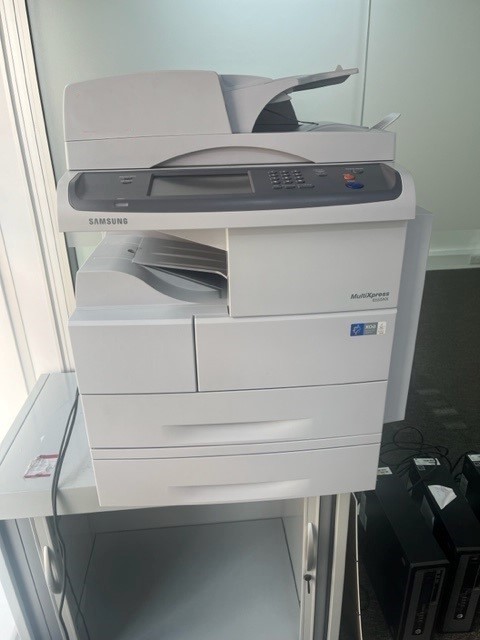
Office Copier, Printer, Scanner – Recycle IT

Safety 

Over the years photocopiers have developed into a computer with scanners and printers attached. As with other computers and servers, photocopies have a hard disk drive. This hard drive allows scans of documents and images to be stored on that drive.

As photocopiers and printers are replaced or upgraded the older model which has been in your office for years may have a hard disk drive filled with pages that have been copied over those years. Some of those pages will contain all sorts of business and personal information.

Think about what you or your office colleagues might have copied – bank account details, birth certificates, passports, tax forms – As old photocopiers are replaced think about any potential risks which the disposal of the old machine might create for your business and staff.

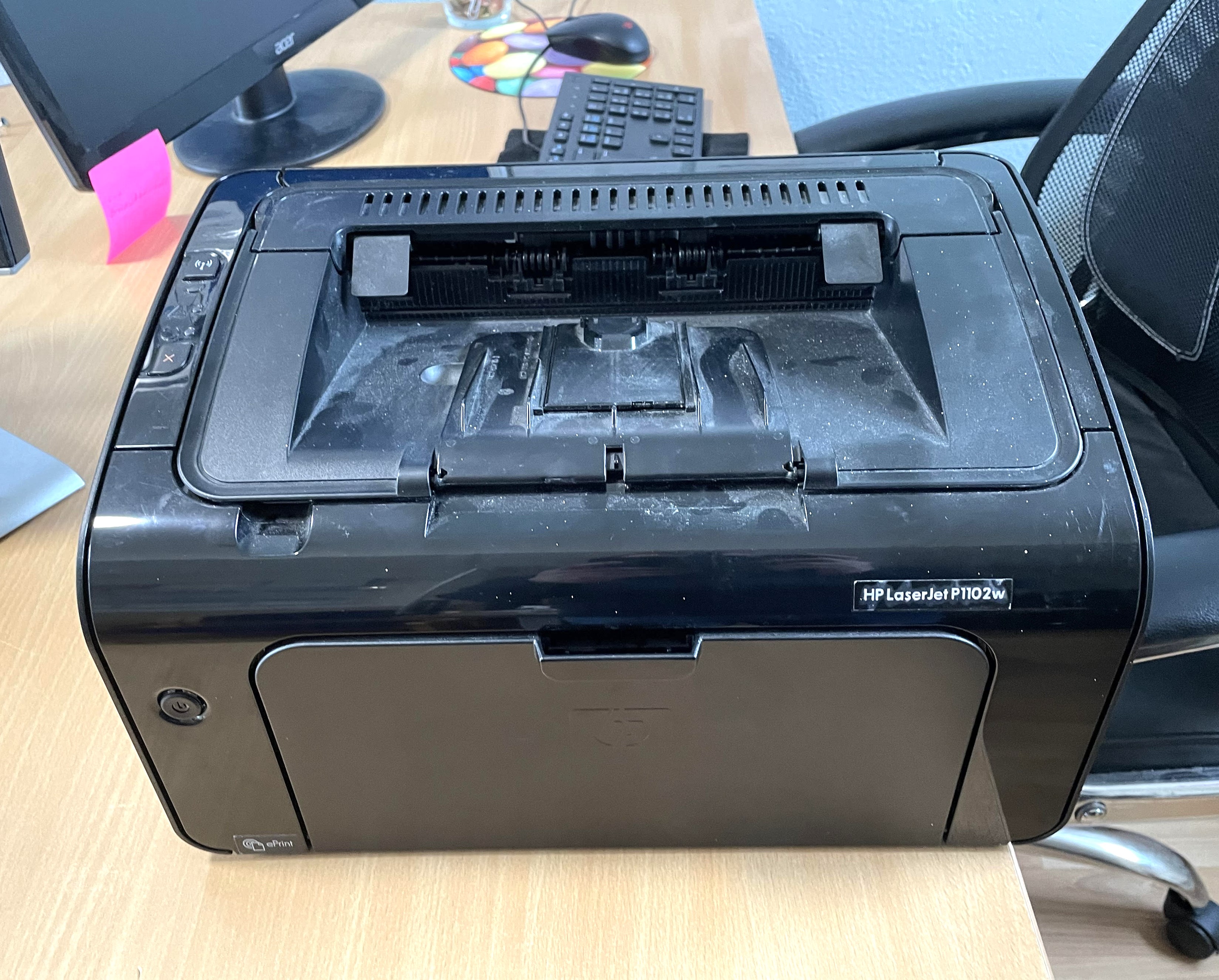
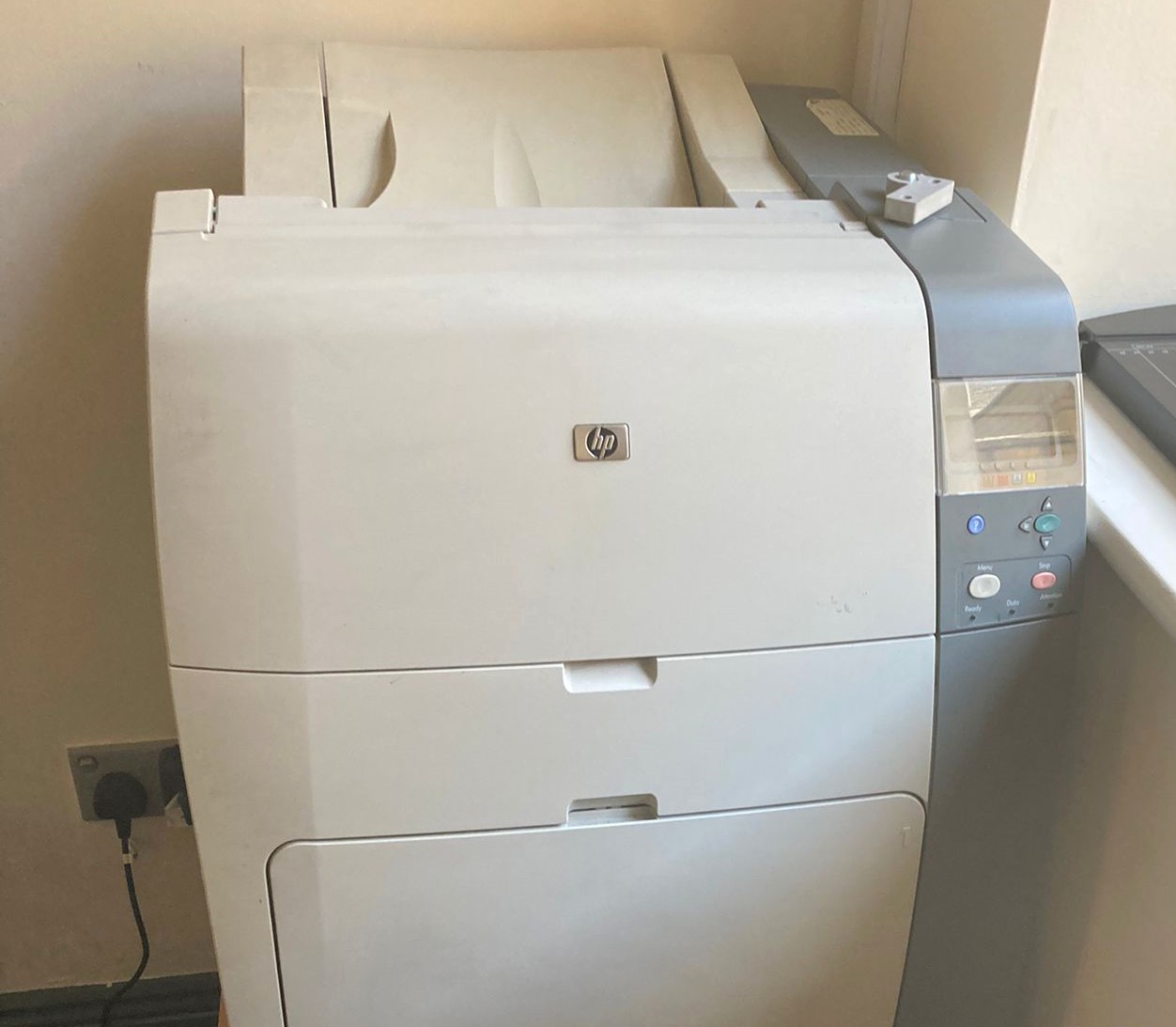
Desktop Printer

Recycling

Today technology for printing and copying comes in a variety of sizes, from lightweight and budget-friendly printers to larger standalone multifunction machines. Printers, copiers, scanners, and fax machines are among the most common office equipment in work environments that need to be recycled.

When you dispose of your printer, please do so responsibly to ensure no toxic materials or e-waste go’s to landfills or is dumped in a remote location.

Recycle IT can remove large standalone photocopiers from office buildings and work spaces with lift access or no lifted access. Our trained team and specialised equipment can help clear old heavy equipment from second or third, floor buildings letting you take back the space. Just let us know the manufacturer name and model number of the photocopier or multi-function printer and we can check the specifications prior to removal.

If you need to safely and cost-effectively recycle copier and printing equipment, please call 01 4578321 or email Recycle IT.

Larger Photocopier and Stand

About Recycle IT

Recycle IT is an award-winning not-for-profit social enterprise providing a collection and drop-off service for all types of waste electrical, electronic and metal items. Recycle IT offer drop-off and collection services to both homes and organizations in Dublin and surrounding areas collecting a range of WEEE which includes thousands of printers and we can help recycle yours!

Our electrical community collection service is provided in partnership with WEEE Ireland. Recycle IT is supported by Pobal, South Dublin County Council and authorized by the National Waste Collection Permit Office and the local authorities across Leinster.

To speak with Recycle IT please call 01 4578321 or email us here

Visit our website www.recycleit.ie
Printer / Copier /Scanner

About Recycle IT

Recycle IT is an award-winning, not-for-profit, social enterprise established to create employment and promote environmental awareness through recycling and reuse. We work in partnership with WEEE Ireland and are authorized by your local authority to provide electrical, electronic and pure metal recycling collections across Dublin since 2007. Recycle IT are fully compliant with WEEE collection regulations. Our permit details are available here.

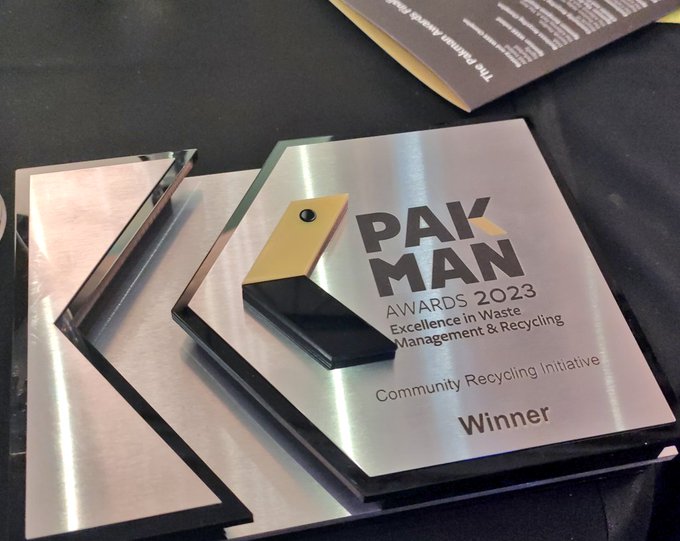
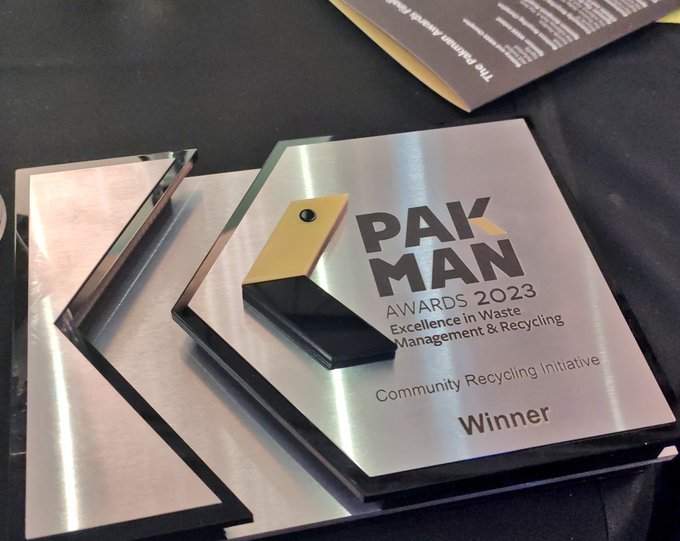
Recycle IT – Community Recycling Initiative of the Year 2023

Social Enterprise in Ireland

Social Enterprise – it’s moving ahead! 

A first-in-kind research by the Schwab Foundation’s Global Alliance for Social Entrepreneurship finds that there are approximately 10 million social enterprises worldwide, which collectively generate around $2 trillion in annual revenues, creating over 200 million jobs.

Please Buy Social

The social enterprise sector now outranks other mainstream industries by annual revenue, like telecoms and apparel. Moreover, social enterprises align their missions with the Sustainable Development Goals (SDG’s), notably in creating decent work, driving climate action and reducing poverty and inequalities.

Social enterprises, which make up 3% of all businesses globally, stand out from traditional businesses by placing a strong emphasis on creating social and environmental value along with economic value. Unlike conventional nonprofit organizations, social enterprises are self-sustaining through their business activities. They prioritize social impact over financial returns and reinvest their profits back into their mission. Source:  (François Bonnici, Director, Schwab Foundation for Social Entrepreneurship, Head of Social Innovation, World Economic Forum).

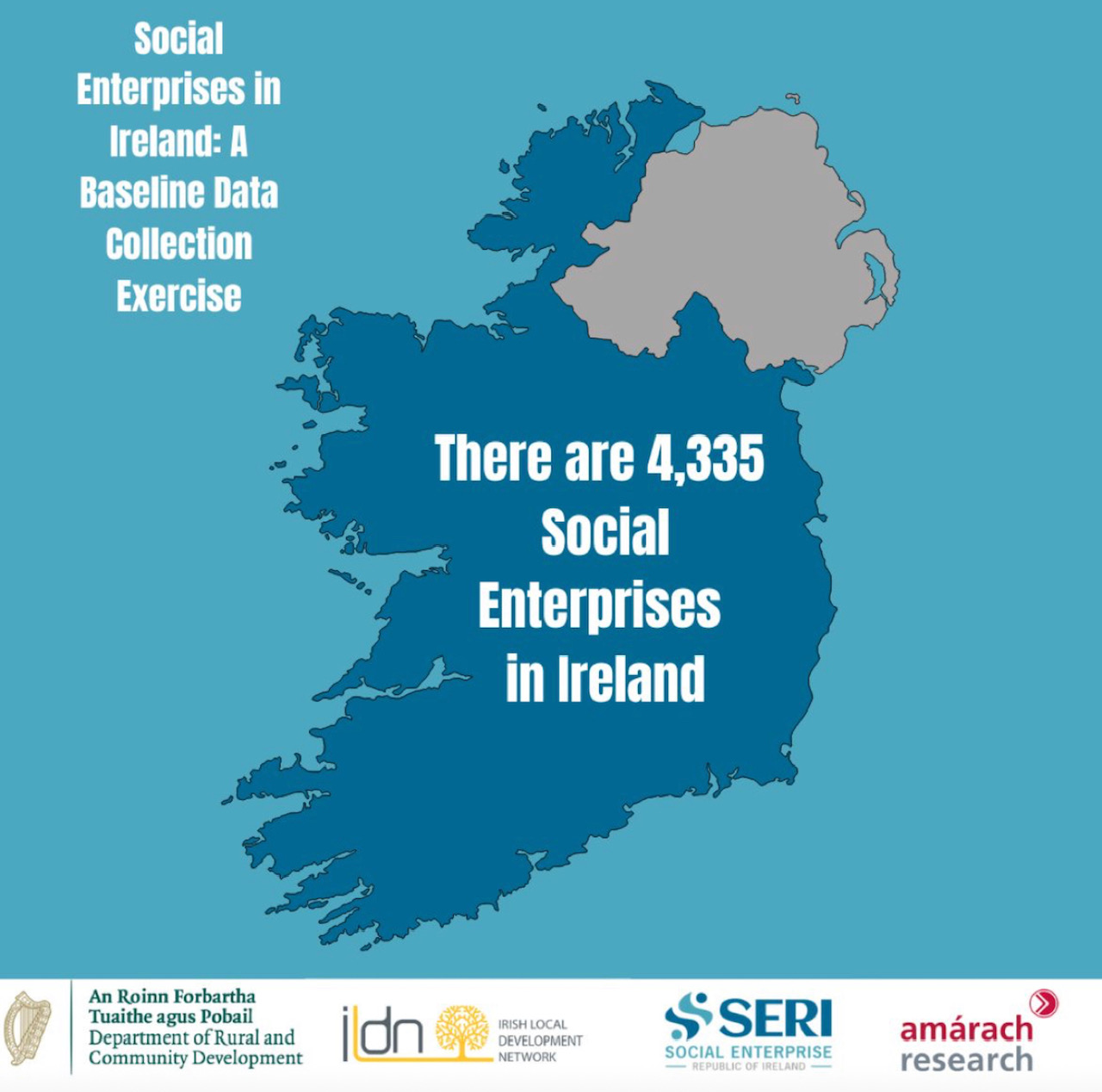
As of 2022, Ireland estimated there were 4,335 social enterprises employing 84,342 people, accounting for 3.7% of the workforce. These social businesses generated income estimated at EUR 2.34 billion in 2021 (Amárach/SERI/ILDN, 2023)

EU Social Enterprise

The European Economic and Social Committee (EESC) has been actively involved in the European social enterprise and social economy agenda for more than 10 years and supports social enterprise growth and development as a key element of the European social model.

There are 2.8 million social economy enterprises, representing 10% of all businesses in the EU. Almost 13.6 million people – about 6.2% of the EU’s employees – work for social economy enterprises. On top of the paid workforce, social economy  mobilizes volunteers, equivalent to 5.5 million full-time workers. Characteristics included:

  • Membership – up to 160 million people in Europe are members of social economy enterprises (mostly retail, banking and agricultural cooperatives, as well as mutual societies offering services complementary to social security regimes)
  • Objectives – social economy enterprises contribute to the EU’s employment, social cohesion, regional and rural development, environmental protection, consumer protection, agricultural, third countries development, and social security policies
  • Size – social economy entities are mostly micro, small, and medium-sized enterprises (SMEs)

Today, DG Internal Market, Industry, Entrepreneurship and SMEs is promoting, in particular, the development of social economy enterprises and organisations via the Single Market Programme
It is also particularly focused on supporting the development of social economy by implementing the European action plan on social economy (2021).

Irish Social Enterprise Sector

The estimated 4335 Social Enterprises operate in communities all over Ireland. Like social enterprises in other OECD countries, childcare; community infrastructure and local development; health, youth services, social care, and heritage, festivals, arts and creative industry account for 67.4% of the social enterprise sector.

Social Enterprise – A Growing Sector

Other areas of activity include sport and leisure; training and work integration; consultancy and support services; housing; food, catering and hospitality; environmental services; retailing; transport; financial services; manufacturing; and others.

Almost 77% of social enterprises function in more than one sector of activity. (Source: OECD 2023). In reality Social Enterprises offer essential services and tackle problems in society like food poverty, housing or environmental issues.

A 2012 report from Forfas defines social enterprise in Ireland as “an enterprise that trades for a social/societal purpose, where at least part of its income is earned from its trading activity, is separate from government, and where the surplus is primarily reinvested in the social objective.”

The report also lists the four categories under which social enterprises trade

  • commercial opportunities that are established to create a social return;
  • employment opportunities for marginalized groups;
  • economic and community development organisations;
  • services delivery organisations.

From experience, it can be said that these four categories almost always overlap and are shared objectives for many social enterprises,

Progress in the Sector

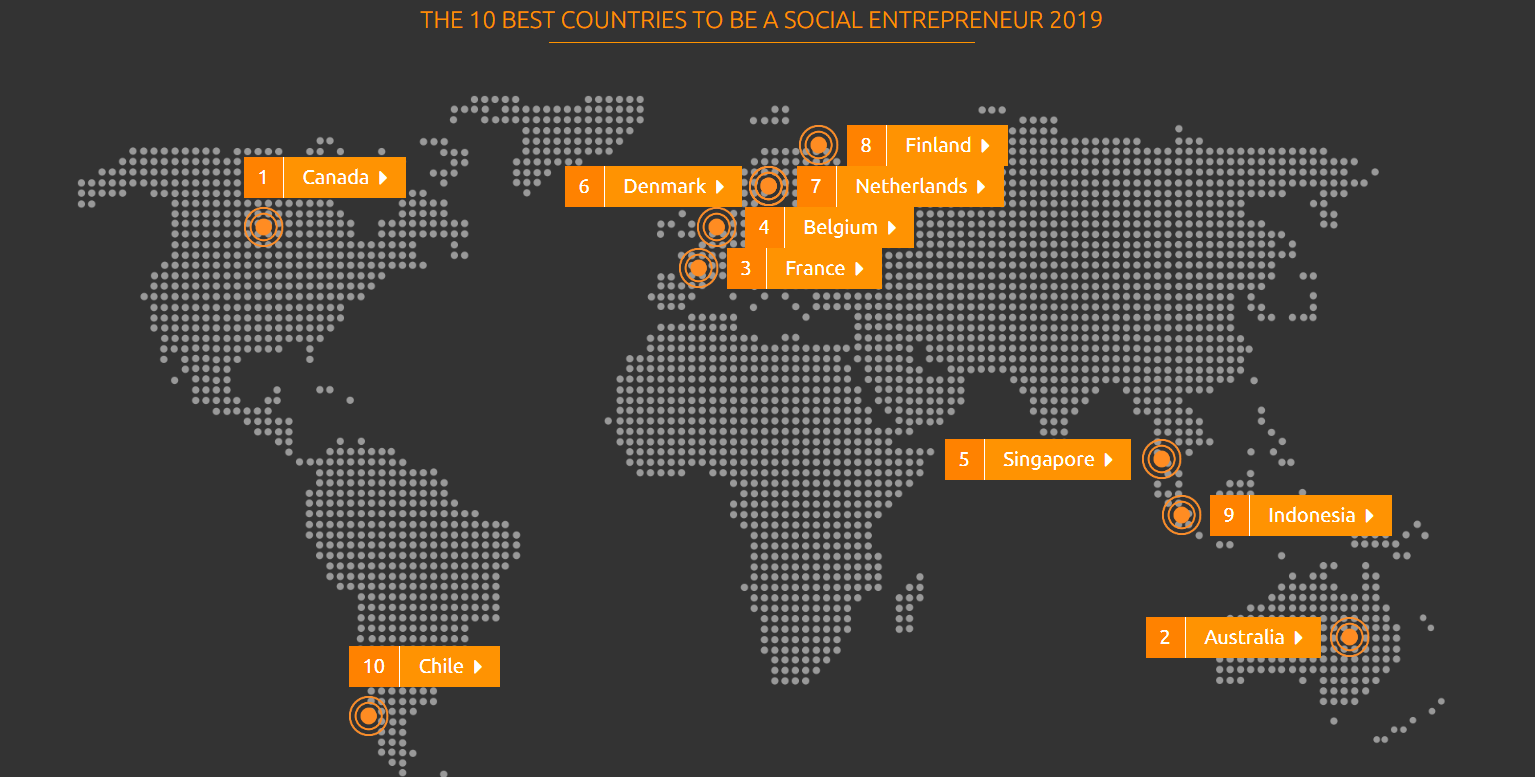
In 2016, the top country in the world for social enterprise action was recorded as the Canada, . Ireland ranked in second-last place on the list.

Word Map – Click to Enlarge

Over a 3 year period, Ireland moved from a near bottom ranking in 2016 to 36th place as it reported improvements in almost all categories. Social entrepreneurship gaining momentum, up 16 points to 17th place, while more social entrepreneurs can make a living from their work, up 17 spots to 21st place. Source: (Research by the Thompson Reuters Foundation, 2016 & 2019).

Social enterprise in Ireland is a growing, dynamic and vibrant space and is now supported by a national policy that commits to building awareness, growing and strengthening the sector, and achieving better policy alignment.”   Source: (Sheila Cannon, assistant professor of social entrepreneurship, Trinity College Dublin)

Some of the criteria used to decide if there is a favorable environment for social enterprise include:

National Economic and Social Council (NESC)

The role of social enterprises is growing, both on the island of Ireland and internationally. Social enterprise straddles the space between the national economy and local community, and plays an important role in providing services to marginalized groups and in disadvantaged areas, as well as creating and providing jobs, and contributing to innovative social and environmental initiatives. While much of the activity is at local level, social enterprises also contribute to the national economy. Source: (NESC Report Social Enterprise on the Island of Ireland 2023)

National Social Enterprise Policy for Ireland 

The Department of Rural and Community Development published Ireland’s first-ever Social Enterprise Policy in July 2019. The first National Social Enterprise Policy for Ireland 2019 – 2022  focused on three key objectives:

  • Building Awareness of Social Enterprise;
  •  Growing and Strengthening Social Enterprise and
  • Achieving Better Policy Alignment.

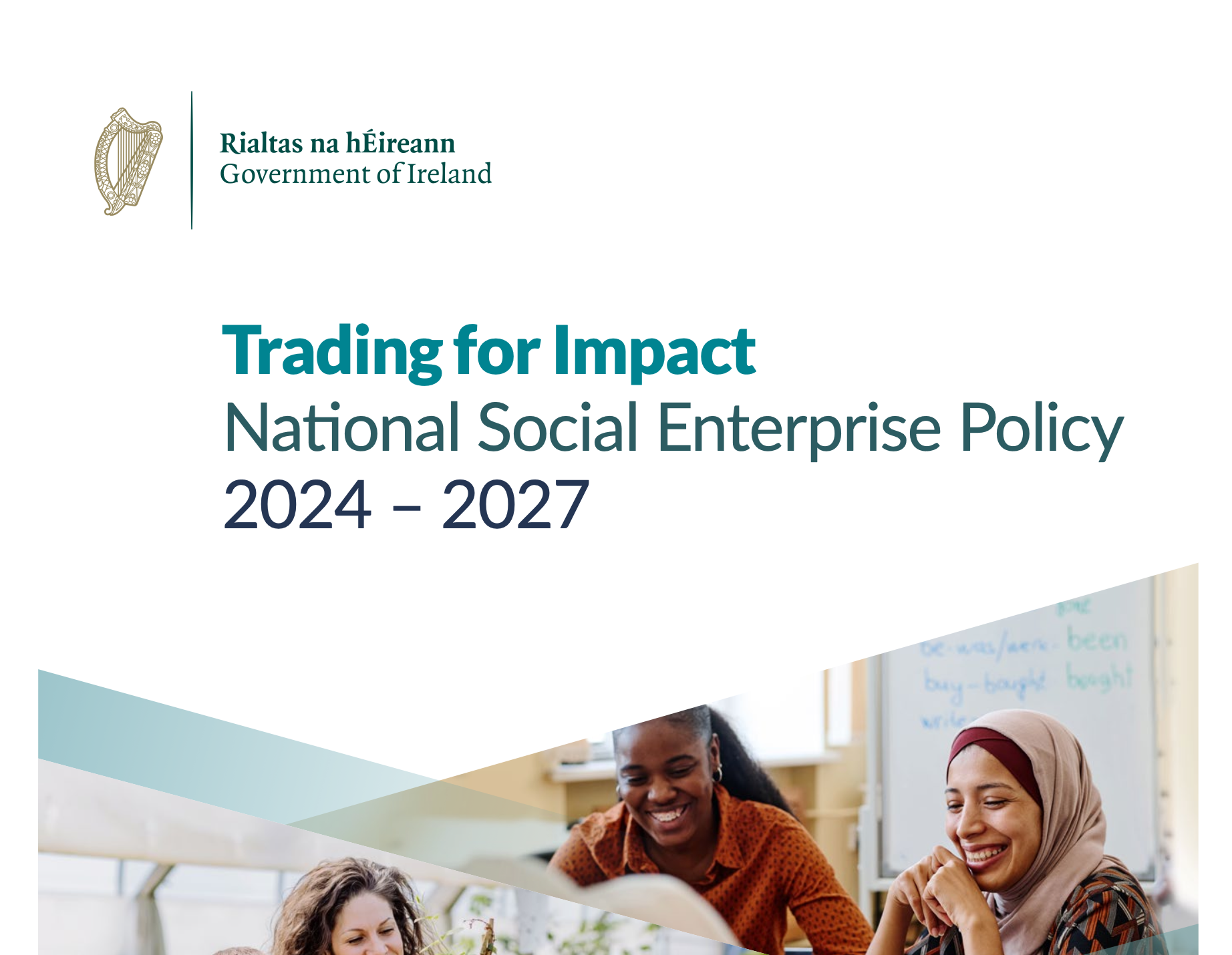
In July 2024, Minister for Rural and Community Development Heather Humphreys TD launched Ireland’s second Social Enterprise Policy ‘Trading for Impact’ the National Social Enterprise Policy 2024 -2027

Trading for Impact – Report Cover

‘Trading for Impact’ the second National Social Enterprise Policy details five key objectives:

  • Building Awareness of Social Enterprise
  • Growing and Sustaining Social Enterprise
  • Supporting the Green Transition
  • National and International Engagement
  • Impact Measurement.

With 57 concrete actions defined under these objectives, which will be implemented between 2024 to 2027. A ‘Stakeholder Engagement Group’ will oversee the delivery of the policy.

The National Social Enterprise Policy for Ireland is part of a suite of policy initiatives from the Department of Rural and Community Development to support those who work with communities and disadvantaged groups.

Social Enterprise at Work

Recycle IT runs an electrical recycling business in the social economy sector with the aim of creating social, economic and environmental value. Our team offers recycling services for communities and the market. Any profits generated are used to support social objectives which include a range of community-focused services, internal training progressions and employment.

Profit is not shared with company directors and the organisations has no commercial stakeholders. Our board is voluntary and any profits are reinvested in recycling operations. Recycle IT is a not-for-profit Social Enterprise.

Our awarding-winning recycling service is friendly and effective, yet not glamorous. Work is hard but offers real opportunities for training and skills development. Teamwork helps support our goals and everyone involved “works to do good” while at the same time helping to allow financial sustainability. There is a focused approach to identifying and managing revenue streams to support the company to cover operating costs and reinvest for the future.

Social enterprise success generally means more social and/or environmental good with profits reinvested to deliver change.

Usually, social enterprises have more inclusive and diverse structures with women and men coming from a wide range of backgrounds to help start-ups, develop and lead organisations. Social enterprises work on a range of challenges using the tools of business to advance ideas and deliver services. Social Enterprise is more innovative and experiment more than traditional businesses as they work to fill gaps in the market that are of little interest to public sector bodies and profits are limited for the private sector companies. Finally, most work collaboratively and bring people on a journey of change.

Click here to learn about the impact on communities when you decide to buy from a social enterprise Below you will find a list of Irish Social Enterprise support organisations and networks.

Social Enterprise Supports

About Recycle IT

Recycle IT is an award-winning social enterprise providing recycling collection and drop-off services for all types of waste electrical, electronic equipment (WEEE) and pure metal items.

Recycle IT services are provided in partnership with WEEE Ireland. Recycle IT is supported by the Department of Rural and Community Development, Dormant Accounts Fund, Pobal, South Dublin County Council and authorized by the National Waste Collection Permit Office and the local authorities across Leinster.

For further details about our free and cost-effective services call us on 01 4578321, email info@recycleit.ie or visit the Recycle IT website at www.recycleit.ie
Read about social enterprise funding here.

Recycle IT – National Award Winners