Electrical Recycling Updates!

Technology is now part of our everyday live. From home to offices, buses to boats, school and colleges, computers tablets, PCs severs, and related software are an indispensable part of our modern life. Add personal items like smart watches, mobile phones, virtual assistants, and robot vacuums and mowers and we are all are touched by helpful or essential tech.

The downside is the lifespan with some items breaking sooner than they should or people always wanting the latest and greatest meaning items become waste or e-waste which is a major concern for the planet we live on!

What is e-waste?

According to the European Union (EU), electronic and electrical waste, or e-waste, covers a variety of different products that are thrown away after use.

These include:

  • Large household appliances, such as washing machines and electric stoves
  • IT and telecommunications equipment (laptops, printers)
  • Consumer equipment (video cameras, fluorescent lamps) and photovoltaic panels
  • Small household appliances (vacuum cleaners, toasters)
  • Other categories, such as electrical tools and medical devices

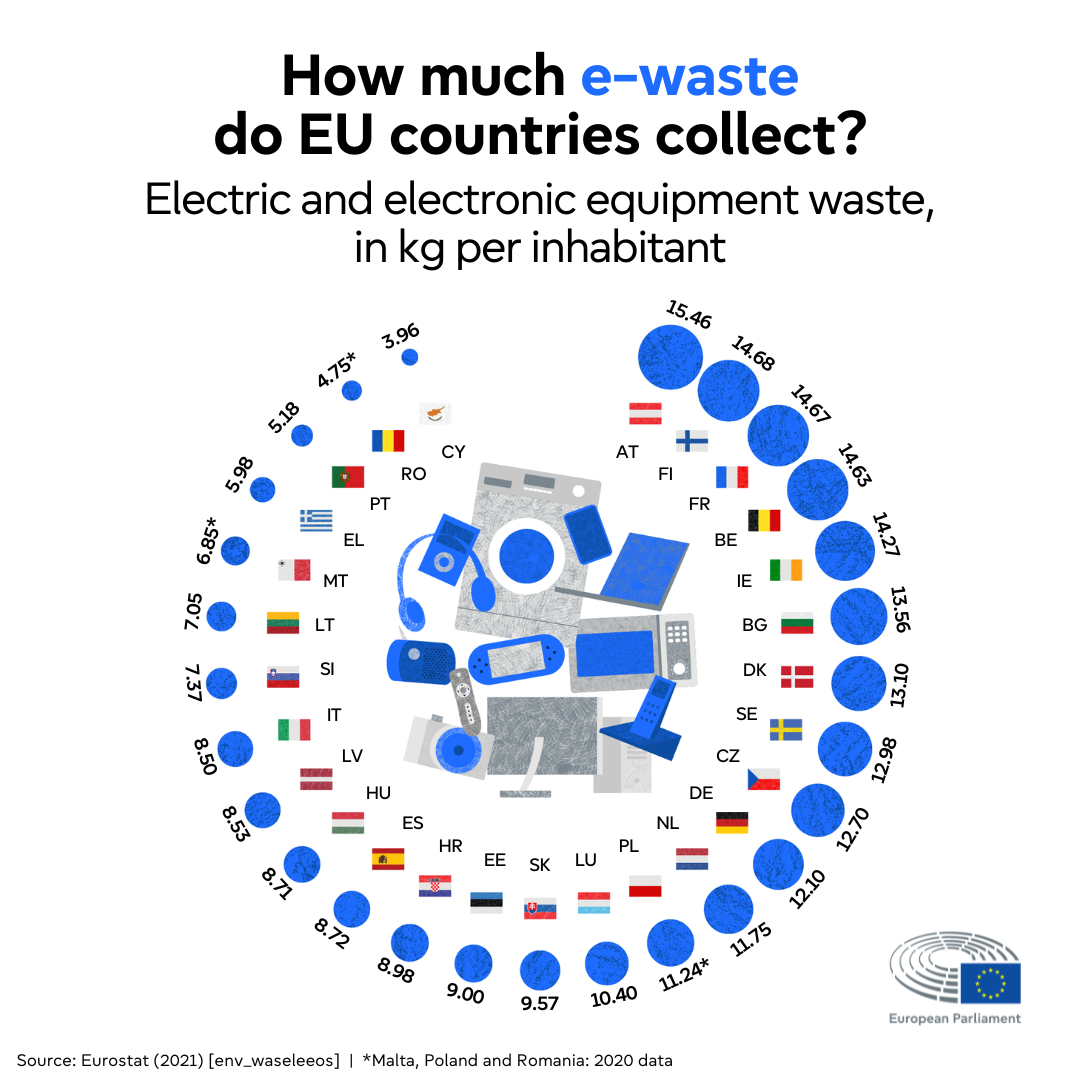
The EU also say e-waste is one of the fastest growing waste streams in the Europe and less than 40% is recycled. You can view the facts and figures in the infographic below.

You can use the infographic to find out how many kilos of electronic equipment have been collected per inhabitant in Ireland and other EU countries.

Recycling practices vary among EU countries. In 2021, Austria topped the EU countries in electronic waste collection, with an average of 15.46 kilos per inhabitant. In 2021, 11 kilos of electrical and electronic equipment waste were collected per inhabitant in the EU on average.

Why recycle electronic and electrical waste?

Cast off electronic and electrical equipment contains potentially harmful materials that pollute the environment and increase the risks for people involved in recycling e-waste. To counter this problem, the EU has passed legislation to prevent the use of certain chemicals, like lead.

The EU say, many rare minerals that are needed in modern technology come from countries that do not respect human rights. To avoid inadvertently supporting armed conflict and human rights abuses, MEPs have adopted rules requiring European importers of rare earth minerals to carry out background checks on their suppliers.

USB Type-C

Changes for Us

The European Commission presented a new circular economy action plan in 2020 that has as one of its priorities the reduction of electronic and electrical waste. The proposal specifically outlined immediate goals like creating the right to repair and improving reusability in general, the introduction of a common charger and establishing a rewards system to encourage recycling electronics.

  • USB Type-C will become the common charger for most electronic devices in the EU by the end of 2024. Laptops will have to be equipped with a USB Type-C port by 28 April 2026.
  • The Commission presented a new proposal to promote repairing and reusing goods. Within the legal guarantee It would require sellers to repair products unless it is cheaper to replace them. Beyond the guarantee, it would provide rights to make repairs easier and cheaper.
  • The EU has adopted rules on the collection, treatment and recycling of electrical and electronic equipment to tackle the issue of the growing amount of electronic waste.
  • The Commission put forward a proposal for an update of the directive on waste electrical and electronic equipment to implement a ruling of the European Court of Justice concerning the scope of obligations of producers of photovoltaic panels (solar panels).

The EU council has now adopted these amendments into the EU law on waste from electrical and electronic equipment (WEEE). Read more here.

Further updates will follow over the coming months. To reads more now please click here.

Repair and Reuse

Irish Statistics

The Irish Environmental Protection Agency (EPA) released 2022 statistics data related to the waste electrical and electronic equipment (WEEE) statistics for the whole of Ireland which documents household dual use B2C and commercial, professional B2B WEEE takeback.

The following key trends can be highlighted:

  1. 66,018 tonnes of WEEE were collected for treatment in Ireland in 2022, a decrease of 8% from the quantity collected in 2021.
  2. 61,806 tonnes of WEEE were recovered and 54,245 tonnes were prepared for reuse or recycling in 2022, a decrease of 8% and 9% respectively from the quantities in 2021.
  3. Large equipment (e.g. Cookers, washing machines) accounted for 53.2% (by weight) and small equipment (e.g. Kettles, toasters) represented the next largest category accounting for 19.9% of WEEE collected.
  4. Ireland met the EU recovery, recycling and reuse targets for all six categories of WEEE in 2022, they are temperature exchange equipment, screens, monitors, and equipment containing screens, lamp, large appliances, small appliances, and small IT.

The Irish national statistics show Ireland is in line with many European Member States but WEEE recycling volumes are not achieving 65% collection target.

Ireland 2023

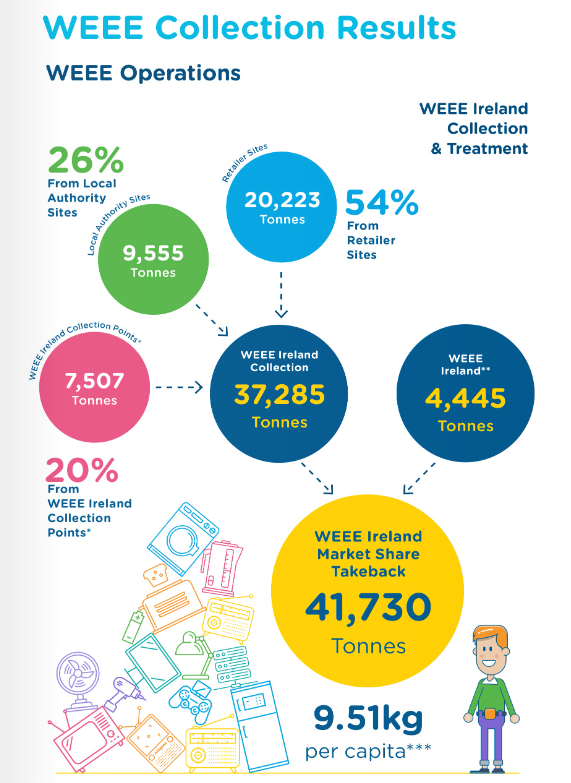
WEEE Ireland Collection Results 2023

Recent figures in WEEE Irelands annual environmental report reveal consumers recycled a record-breaking 41,730 tonnes of electronic and electrical waste in 2023 – the equivalent of almost 200 forty-foot containers more than the previous year. Great News!

You all help by recycling over 15 million small appliances such as coffee makers, calculators, kettles and keyboards, along with the equivalent of 66 million used AA batteries were also handed back to make their way into the circular economy.

To view the full WEEE Ireland Annual Environmental Report for 2023 please click here.

About Recycle IT

Recycle IT is an award-winning, not-for-profit, social enterprise established to create employment and promote environmental awareness through recycling and reuse. We work in partnership with WEEE Ireland and are authorized by your local authority to provide electrical, electronic and pure metal recycling collections across Dublin since 2007. Recycle IT are fully compliant with WEEE collection regulations. Our permit details are available here.

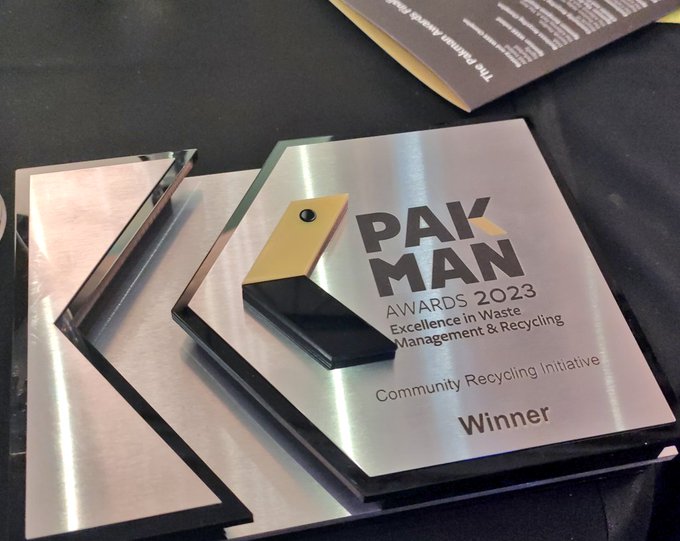
Recycle IT – Community Recycling Initiative of the Year 2023

35 Easy Tips to Reduce and Save!

Going Greener – Making it Easy!

Recycling is an easy way to protect our environment and climate while ensuring the wellbeing of our community for the next generation. However, the success of recycling depends on the active participation of every member of the community including kids of all ages.

By everyone doing a little, we all can reduce the amount of waste that is deposited in the landfill or incinerated. Thinking about the reuse of items made from recycled materials helps maintain the recycling circle and its part in the circular economy.

Photo by Burak The Weekender on Pexels.com

We have listed 35 reuse and recycling tips – You might adapt some!

  • Use both sides of the page when writing or drawing.
  • Give your kids or local schools part used printed paper for drawing.
  • Bring your food to school or work using a reusable tub.
  • Rent or hire schoolbooks and supplies (reuse).
  • Hire gardening tools that you only use occasionally.
  • Make a bird feeder by reusing a medium size plastic bottle. 
  • Choose low-energy light bulbs at home and in the office.
  • Give your unwanted clothes a second life.
  • Reuse and repair as much as possible – shoes, clothes etc.
  • Offer seasonal kids costumes to clothes to others as your kids grow!  
  • Choose to buy bars of soap.
  • Choose long life or durable products e.g. reusable razors or ink pens.
  • Use rechargeable batteries in home appliances.
  • Avoid unnecessary purchasing of occasion products, e.g. Christmas, Easter
  • Offer gifts, such as tickets for a show, sports event or concert leading to reduce material content.
  • Choose eco-friendly products – read the labels.
  • Buys product with less or no packaging.
  • Buy regularly household products in bulk, e.g. canned and jarred products.
  • Reuse shopping bags.
  • Use refillable products e.g. pasta, rise, coffee, loss tea.
  • Drink taps water from reusable bottles.
  • Bring lunch to school, college, or work.
  • Prepared food at home for picnics while reusing flasks, tubs, knives, forks, and reusable carry bags.
  • Choose fresh food rather than processed food, healthier and less packaging.
  • Bake cakes and muffins instead of buying! 
  • Limited home and office printing, share files over email or file sharing tools e.g. Dropbox.
  • Recycle ink cartridges – where you purchased your ink! 
  • Bring a mug and glass to work to refill coffee, tea or water during the working day.
  • Approach office supply companies about purchasing used office equipment.
  • Cycle to work or college rather than taking the bus or car.
  • Car share where distances are longer and where public transport is not accessible.
  • Take your uneaten food home from restaurants in a doggy bag.
  • Composite garden cuttings and waste plant-based food to create a natural fertilizer.
  • Reuse school uniforms and junior football club kits – Kids grown fast!
  • Sort waste like plastics for reuse or safe recycling.
Photo by Krizjohn Rosales on Pexels.com

Reduce, Reuse, Repurposing and Recycling

In Ireland and across Europe, the focus on the 3 R’s has increased over recent years as recovery of resources through, reduce, reuse, repurposing and recycling has increased it has become increasingly important for consumers to take ownership and steps themselves to ensure products purchases can be reused, repurposed, or recycled using accessible and economically sustainable solutions.

Recycle IT – What we are doing?

Recycle IT offer electrical, electronic, and pure metal recycling services directly to people’s homes. We work with local area reps and residents associations to offer free residents recycling in estates in many areas of Dublin.

We encourage people to take advantage of this free drop off and cost-effective personal and business collections. We do offer and safely manage services to community groups, charity organisations, schools, and colleges so rest assured we have a service to match your needs.

Photo by Mike Bird on Pexels.com

By recycling your waste electrical and electronic equipment you help the environment and our organisation create training and employment opportunities that otherwise would not exist.

If you have questions or would like to arrange a personal collection from your home or business, please call 01 4578321 or email: info@recycleit.ie.  You can also visit our website to learn more about our work and our recent awards.

You can click here to read 15 recycling facts.

About Recycle IT

Recycle IT is an award-winning, not-for-profit, social enterprise established to create employment and promote environmental awareness through recycling and reuse. We work in partnership with WEEE Ireland and are authorized by your local authority to provide electrical, electronic, and pure metal recycling collections across Dublin since 2007. Recycle IT are fully compliant with WEEE Recycling Requirements and permit details are available here.

Over the last 20 year Recycle IT have happily offered safe electrical and electronic recycling services to households and small and medium size organisations across a range of sectors. We offer our services all over Dublin and in surrounding areas

For more information about Recycle IT please click here.

Recycle IT Pakman Award Winner 2023

More Toys! Reuse or Recycle this Christmas🎅

Imagination and Creativity

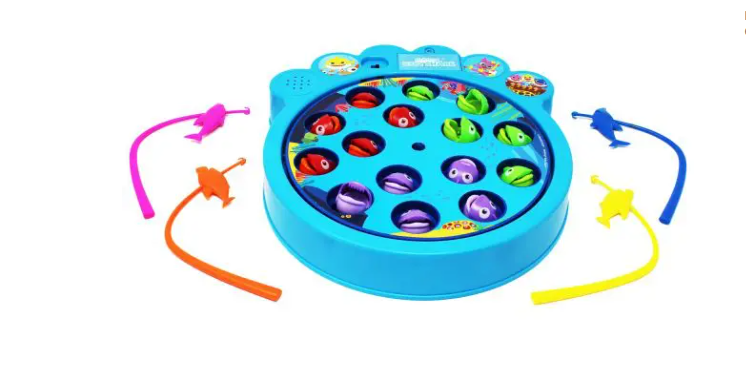
Toys are a traditional gift for children at Christmas and bring a good deal of joy over the following months. Toys also play an important role in childhood, sparking imagination, and fostering creativity. However, as our kids grow, toys often accumulate, gathering dust in forgotten corners or succumbing to wear and tear. But what if I told you that recycling these old, damaged, or unused electronic toys could make a significant impact on our environment?

Fun Family Game

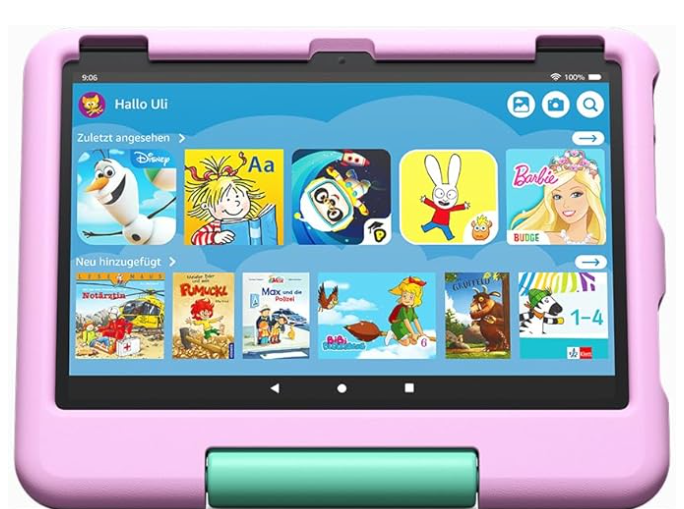
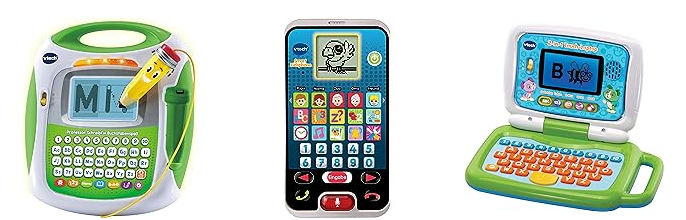
The toy industry in Ireland, like in many other countries, has seen an increasing trend in the popularity of electronic and battery-operated toys. With advancements in technology and the growing interest in interactive and tech-based toys, the sales of electronic toys have been on the rise.

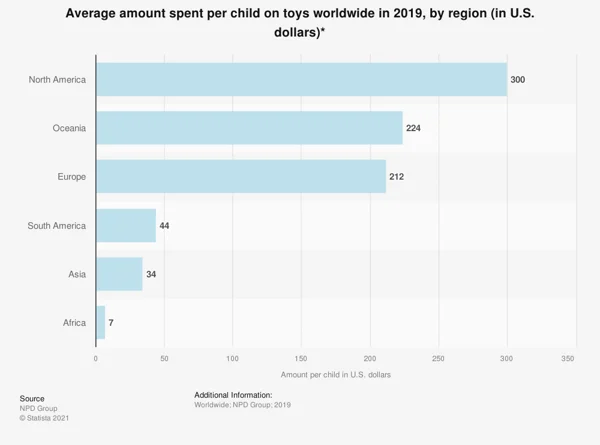
The graphic below demonstrates that in 2019, the annual amount spent on toys per child in the EU was estimated to be $212. The total EU toy market size was estimated to be $24.6 billion. From 2022 to 2025, this value is expected to have a compound annual growth of 15.59%, projecting a volume of $96,537M by 2025. Source: EuroDev BV.

Disposal

With the rise in electronic and battery-operated toys, the issue of electronic waste has become more pressing. Electronics contain various materials that can harm the environment if disposed of improperly. When these toys end up in landfills, they contribute to electronic waste, also known as e-waste. This waste contains hazardous substances such as lead, mercury, and cadmium, posing significant risks to both human health and the environment if not handled correctly.

Tablet

Recycling old, damaged, or unused electronic toys presents a solution to this growing problem. By recycling these toys, we divert electronic waste from landfills, preventing harmful substances from leaching into the soil and water sources. Moreover, recycling helps conserve resources by recovering valuable materials like metals, plastics, and other components that can be reused in manufacturing new products.

Now, let’s consider the adverse effects of tossing toys into the regular black or green rubbish bins. When these toys end up in landfills, they contribute to the growing electronic waste problem. Electronics typically take a long time to decompose, and as they break down, they release harmful chemicals into the environment. These chemicals can contaminate soil, waterways, and even the air we breathe, impacting ecosystems and potentially harming wildlife.

Furthermore, the valuable resources used in manufacturing these toys go to waste when they are discarded. This not only adds to the depletion of natural resources but also increases the energy and raw materials needed for producing new toys from scratch.

Children’s Computers

Eco-friendly

Toy recycling isn’t just an eco-friendly choice; it’s also an opportunity to teach children about sustainability and responsible waste management. Encouraging them to participate in recycling their old toys instills valuable lessons about reducing waste and preserving the planet for future generations.

Here are some fascinating facts about toy recycling:

  1. Resource Conservation: Recycling one ton of electronic devices can recover as much gold as mining almost 20 tons of gold ore.
  2. Material Recovery: Toys contain various materials such as plastics, metals, and electronic components, all of which can be repurposed through recycling. For instance, plastic toys can be shredded and melted down to create new products, reducing the need for raw materials.
  3. Environmental Impact: Improper disposal of electronic toys can lead to toxic substances seeping into the soil and water, posing severe health risks to communities living nearby.

Please consider, recycling old, damaged, or unused electrical, electronic, and battery-operated toys as its holds immense benefits for our planet. It minimizes e-waste, conserves valuable resources, and helps in creating a cleaner, healthier environment for all. By embracing toy recycling as a habit, we can pave the way for a more sustainable future and teach our children the importance of caring for the Earth while they play and grow.

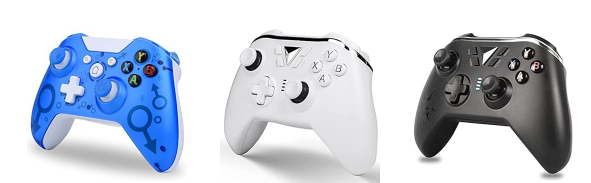
Games Controllers

About Recycle IT

Recycle IT is an award-winning social enterprise providing recycling collection and drop-off services for all types of waste electrical, electronic equipment (WEEE) and pure metal items.

Recycle IT services are provided in partnership with WEEE Ireland. Recycle IT is supported by the Department of Rural and Community Development, Dormant Accounts Fund, Pobal, South Dublin County Council and authorized by the National Waste Collection Permit Office and the local authorities across Leinster.

For further details about our free and cost-effective services call us on 01 4578321, email info@recycleit.ie or visit the Recycle IT website at 

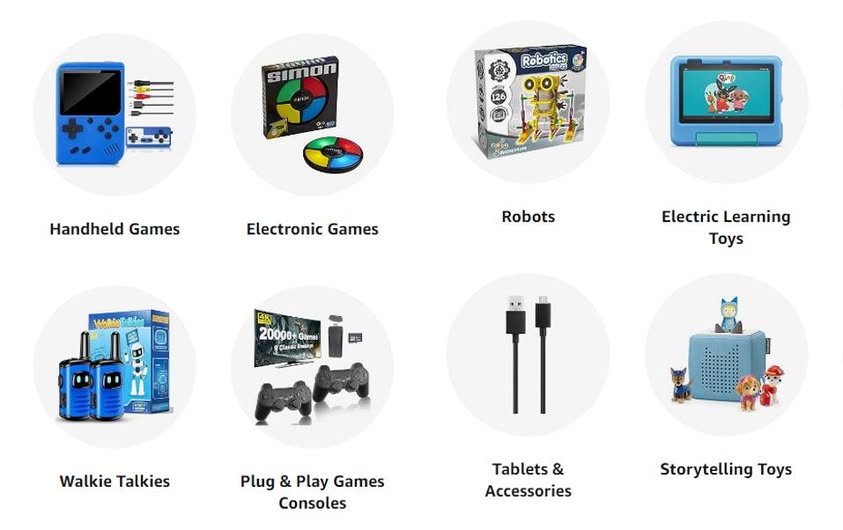
Electronic Toys

National Social Enterprise Conference 2023

5th Annual National Social Enterprise Conference

The Department of Rural and Community Development is delighted to invite you to the 5th Annual National Social Enterprise Conference which will take place on International Social Enterprise Day, Thursday, 16th November, 2023.

This event will be held in the Shearwater Hotel, Ballinasloe. Co. Galway from 9.30am. The conference will also be virtually live-streamed if you can’t be in Ballinasloe on the day.

Event Header

About the day?

Ireland’s National Social Enterprise Policy wisely includes a commitment to hold an annual Social Enterprise Conference as part of its objective to build awareness of Social Enterprise and the services offered to communities across our country. The Conference aims to provide networking opportunities, disseminate information, share experience and inform policy implementation.

What to expect?

  • Key policy updates from the Department of Rural and Community Development including planning for the next Social Enterprise Policy 2024-2027.
  • Panel discussions on trading income, philanthropy, technology, governance and climate action.
  • Networking opportunities with social enterprise practitioners and support organisations.

Just a reminder?

The definition of social enterprise is evolving nationally and internationally and is likely to continue to do so as social enterprises themselves adapt to new societal challenges.

Definition of Social Enterprise – National Social Enterprise Policy for Ireland 2019-2022

The definition will also evolve as national and local governments and wider society understand more fully the nature of social enterprise and their contribution to social and economic development.

How to attend?

Those wishing to attend the event in Ballinasloe are invited to confirm your attendance – either in-person or via live stream – before 30th October at 12pm. Please click here to do so.

The Speakers

Click here to get to know the speakers and panelist for the conference. You can also get an insight into the breakout sessions which you might like to attend on the day.

About Recycle IT

Recycle IT is an award-winning, not-for-profit, social enterprise established to create training, and employment and promote environmental awareness through recycling and reuse. We work in partnership with WEEE Ireland and have been authorized by your local authority to provide electrical, electronic and pure metal recycling collections across Dublin since 2007. Recycle IT is fully compliant with WEEE Recycling Requirements and permit details are available here.

For more information about Recycle IT please click here.

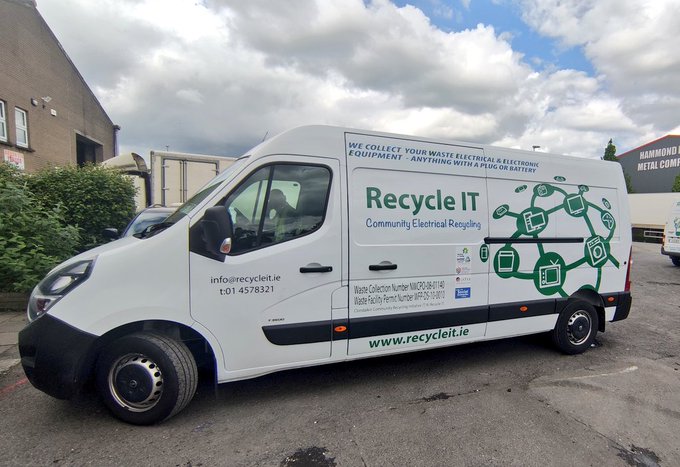
Recycle IT Collection Van

TV and Monitor Recycling

Monitors and Visual Display Units

Display technology is commonly associated with screens that present information in visual form. Most displays are used in television sets (TVs), computer monitors and mobile phones/smartphones.

In 2024 Recycle IT contributed to the 205,000 TVs and monitors recovered and safely recycled through the WEEE Ireland electrical recycling compliance scheme.

4 Aged Screens for Recycling

While data on the global television market vary there is an estimated 1.7 billion TV sets globally, (or roughly 1 per 4 people) exist globally, with projections showing over 1.1 billion TVs by the end of 2026 (Source: scoop.market.us)

The presence of smart TVs has seen substantial growth across various countries. For example, in the United Kingdom, smart TV ownership increased from 11% of households in 2014 to nearly 67% by 2022. (Source: scoop.market.us)

Other types of displays used daily include military displays, head-mounted displays, broadcast reference displays, public area displays and medical monitors.(Source: The Statistics Portal).

In Ireland, 96.5% of householders have a TV with 80.8% having a computer leading us to believe, that most people in Ireland are likely to have a screen of some sort at home (Irish Stats Source: CSO)

Monitors for Recycling

The Facts 

Flat Panel Display shipments are only expected to amount to 3.2 billion units worldwide in 2020. This is due to the pandemic (Source: The Statistics Portal)  In recent times curved monitor demand has been on the rise which means a greater number of flat-panel screens will be replaced in homes and offices leaving the old ones unused!

Irish adults living in households with a television set watched an average of 2 hours and 30 minutes (150 minutes) of television per day in 2024, according to official TAM Ireland/Nielsen figures.

The Broadcasting Authority of Ireland says the percentage of young people citing TV as their main source of news has almost doubled in 2021. That is just one of the findings in the Reuters Digital News Report (Ireland) 2021,

What is in a TV / Screen

TVs, Visual Display Units (VDU) and Monitors are made up of 8 different core elements including glass 40%, zinc / Mazak 1%, plastic 21%, circuit boards 11%, iron/steel 15%, cable 3%, and transformers 2%. To allow recycling each element must be separated without leaving any cross-contamination i.e. clean plastic, clean glass, clean copper, etc.

Monitors for Recycling

What’s New

A CRT monitor is a computer monitor based on a device called a Cathode Ray Tube and has been around for decades. The size and shape of the tube have determined the dimensions of computer monitors.

In recent times CRT technology has been replaced by LCD and TFT screens but some people and companies are still using older CRT monitors. We estimate there are still thousands of tons of CRT monitors hoarded away in people’s homes and offices. These types of monitors need to be extracted and safely recycled and Recycle IT can help.

TV Recycling

Recycling 

According to manufacturers, the lifespan of an LED TV varies between 4 and 10 years (between 40,000 and 100,000 hours), depending on usage and maintenance. So where do the old TV go?

Recycle IT want to encourage people in Dublin and the surrounding areas to support our social enterprise and the environment by giving up old yet functional monitors and recycling broken or damaged monitor. Choosing to give up your used electronics rather than placing them in the bin reduces the need to process new raw materials for new products and helps the earth stay green for longer!

Recycle IT offer a recycling service for all types of TVs, VDUs, and Monitors which guarantees safe recycling for your end-of-life screen.

CRT Computer Monitors

About Recycle IT

Recycle IT offer recycling opportunities to home and business customers for all types of electronics equipment. With Recycle IT, TV and monitor recycling is available using free, drop-off, free community collections or through a cost-effective personal or business collection and disposal. We will accept your old electrical items alongside your old TVs and monitors.

Recycle IT services are provided in partnership with WEEE Ireland. Recycle IT is supported by Pobal, South Dublin County Council and authorized by the National Waste Collection Permit Office.

To learn more about recycling electrical equipment please call Recycle IT at 01 4578321, email us or visit www.recycleit.ie

Recycle IT – Truck