How were doing?
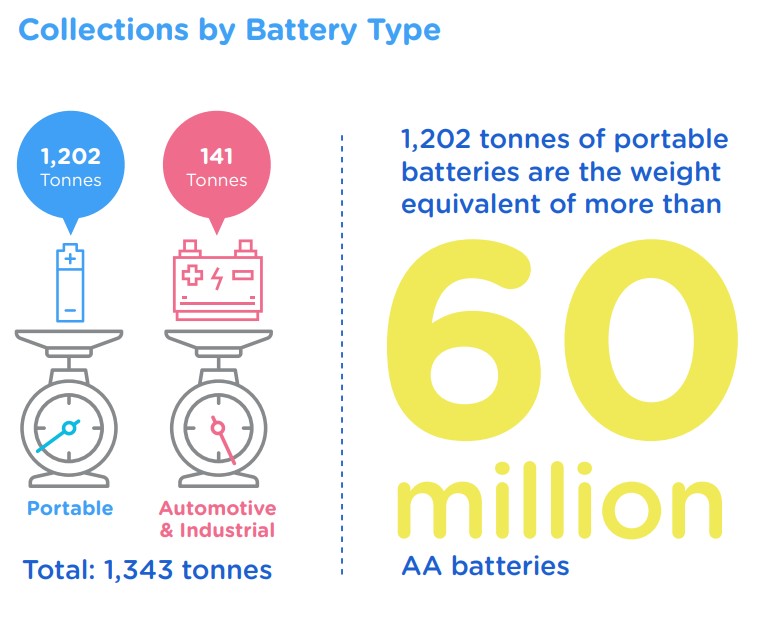
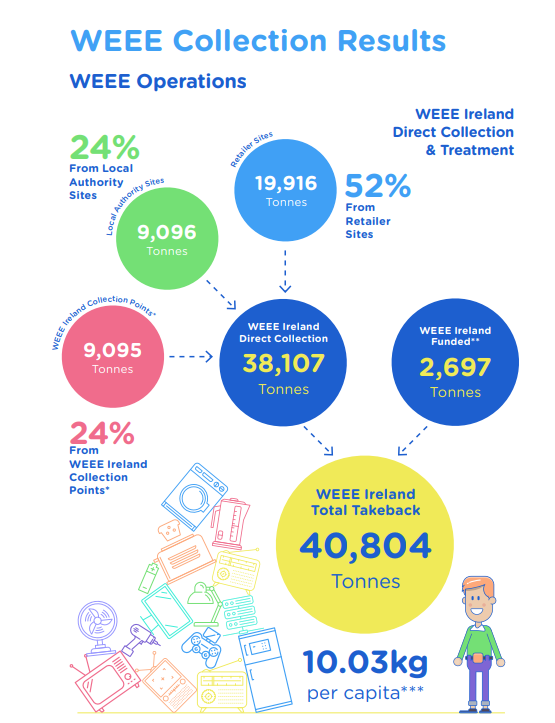
There was an estimated 60 million AA batteries recycled by householders in 2022 through retail drop-off points, civic amenity sites and at recycling center’s including Recycle IT – that is an average of 12 batteries for everyone in Ireland. (Source WEEE Ireland). This is great but we all can do more in 2023 especially with Christmas coming.
Did you know?
Did you know some waste batteries are classified as hazardous waste and recycling is always the best option? For example
- Batteries contain Sulfuric acid.
- Flammable Gases: Hydrogen and oxygen are produced as a part of the operation of the battery.
- Some batteries can cause electrical shock and burns if not handled safely
- Don’t forget about the potential physical injury from the weight of the batteries packed together.

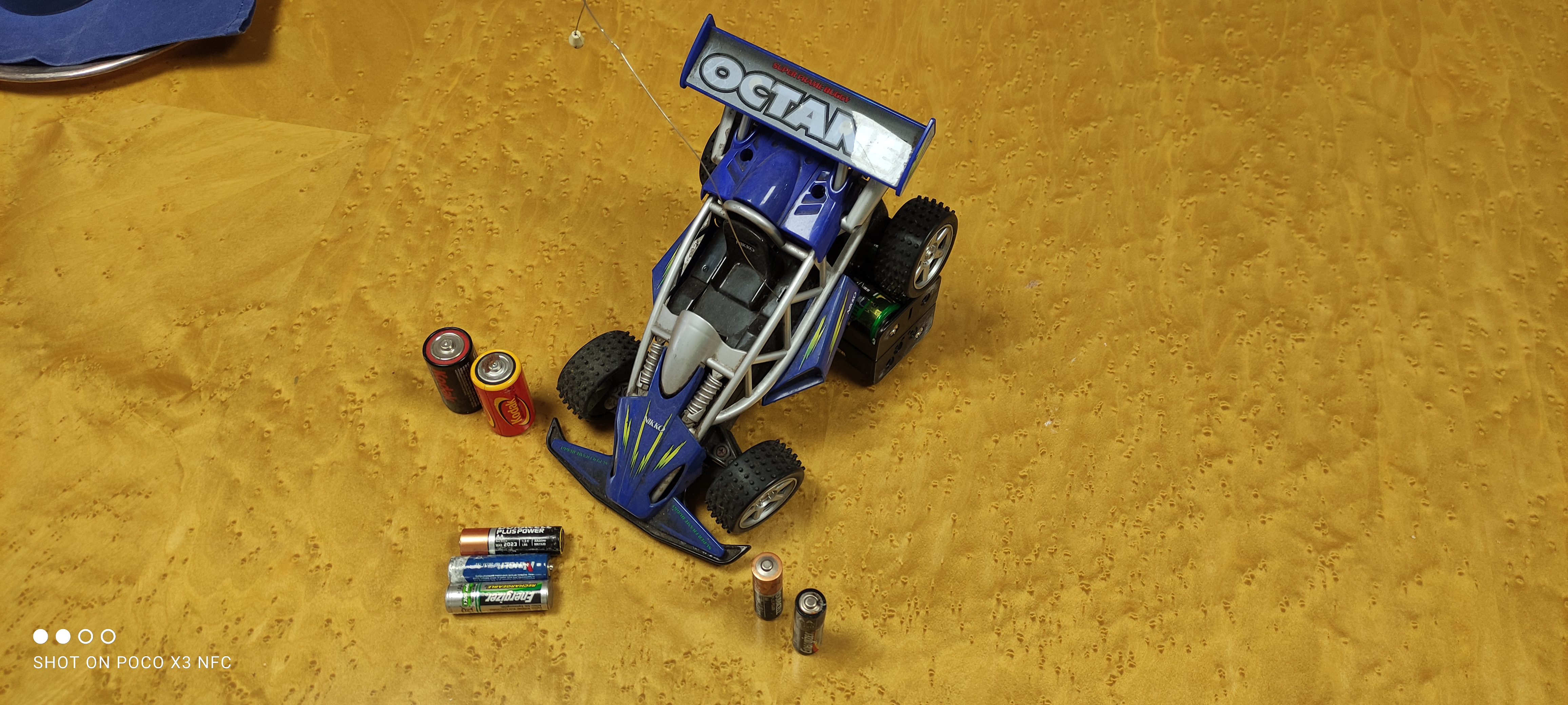
Ordinary household batteries used in a radio, remotes, kids, toys and other gadgets contain some chemicals so ideally should not be thrown in the green or black bin with your other types of waste. The same can be said for rechargeable batteries which also contain harmful materials.
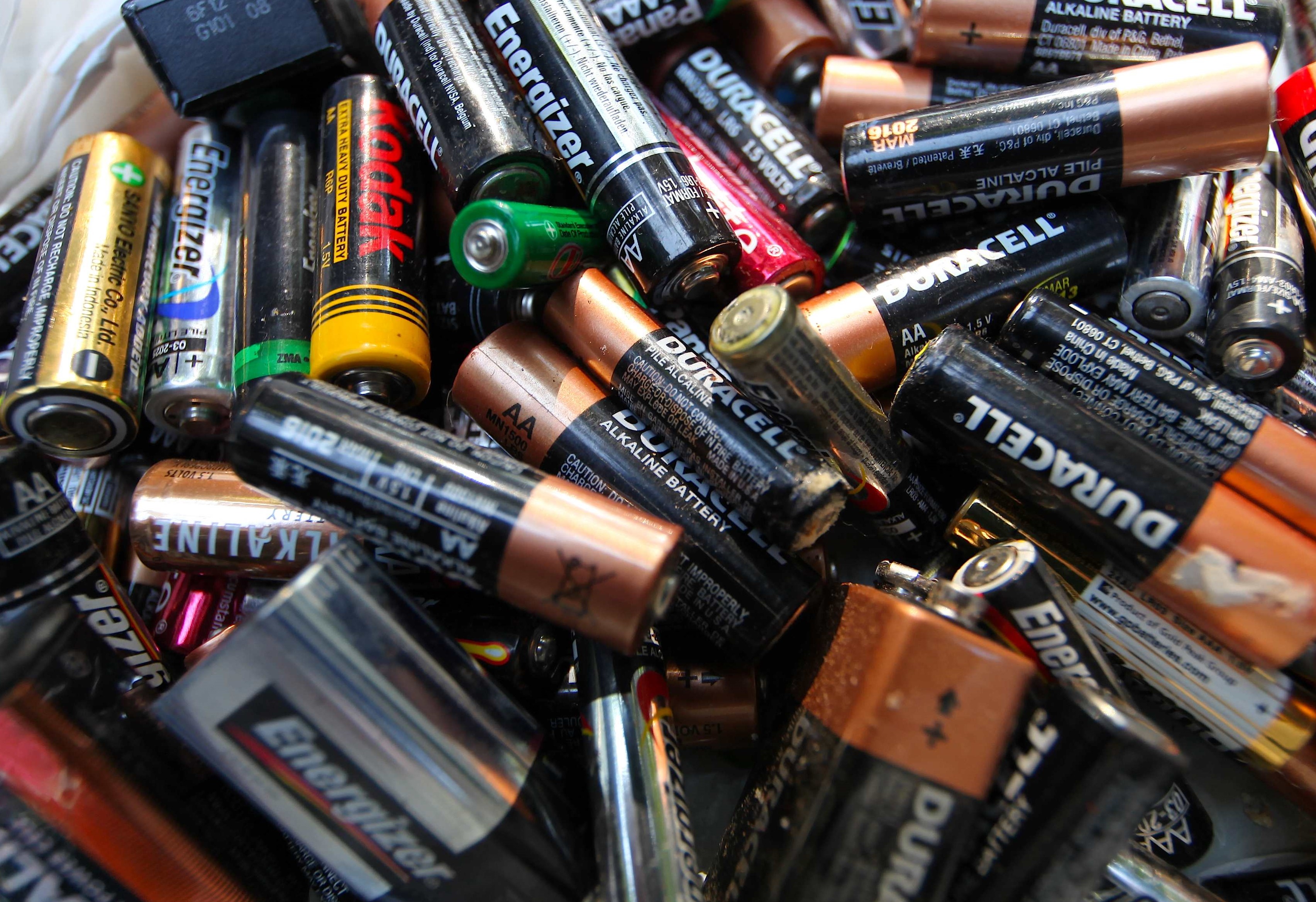
The average alkaline AAA, AA, C, D, 9-volt or button-cell battery is made of steel and a mix of zinc/manganese/potassium/graphite, with the remaining balance made up of paper and plastic. Being non-toxic materials, all of these battery “ingredients” are conveniently recyclable at battery recycling points but not in your bin.
🔋 Primary (Single-Use) Batteries
These are non-rechargeable and commonly found in household/offices items:
- AA (LR6) – Used in remotes, toys, flashlights, etc.
- AAA (LR03) – Used in smaller devices like remote controls, wireless mice.
- C (LR14) – Used in larger toys, lanterns, and musical instruments.
- D (LR20) – Used in large flashlights, radios, and some appliances.
- 9V (PP3 or 6LR61) – Used in smoke detectors, clocks, guitar pedals.
- CR2032 (coin cell) – Used in watches, car key fobs, calculators, motherboards.
- CR2025 / CR2016 – Used in similar applications as CR2032 (smaller capacity).
🔌 Rechargeable (Secondary) Batteries
These can be reused hundreds of times:
- NiMH AA / AAA – Rechargeable alternatives to regular AA/AAA batteries.
- Li-ion 18650 – Used in flashlights, laptops, e-bikes (not typical AA-style).
- Li-ion 14500 – Same size as AA but 3.7V; used in high-drain devices.
- Li-ion 21700 – Used in newer flashlights and power tools.
- 9V Rechargeable – NiMH or Li-ion versions of standard 9V batteries.
Why recycle batteries?
Recycling electrical items and batteries helps reduce the number of items entering landfill and ensures any heavy metals and chemicals contained in batteries are managed in an environmentally responsible way.

Do something new!
It takes lots of energy to manufacture batteries that are simply disposable so why not save energy and other valuable resources including your money by trying rechargeable batteries and/or electricity-operated equipment instead of batteries. Rechargeable batteries are a more environmentally friendly option as they can last for several hundred charging cycles resulting in less waste being produced.
Where to recycle?
Thanks to EU Regulations implemented in 2008 it’s very easy to recycle your old batteries! According to the regulations, all retail outlets that sell batteries are now obliged to take back old batteries of a similar type.
Here are some options for recycling end-of-life batteries.
- Chains of retail stores and shops where batteries are sold – Aldi and Lidl Ireland are leading the way!
- Local recycling center’s accept old and waste batteries.
- School all over Ireland works in partnership with WEEE Ireland to recycle waste batteries.
- WEEE Ireland waste electrical and electronic equipment recycling days.
- Recycle IT recycle batteries from businesses, homes, schools, colleges, and charities daily through our collection and drop-off services.
WEEE Ireland
In Ireland, the WEEE Ireland battery recycling scheme operates on behalf of producers of battery and electrical appliances. It aims to encourage people at home and at work to manage their electrical and battery waste responsibly. Waste batteries can then be deposited in WEEE Ireland blue boxes at many locations across our country. Please find a list here
Eucobat is the European Association of National Collection Scheme for batteries. They assure that all waste batteries are collected and recycled in an ecologic way, and contribute this way to a better environment. WEEE Ireland promotes European Battery Recycling Week in September each year and has since 2015. Recycle IT support this week and make a great effort to increase batteries recycled. You might like to start planning a battery recycling event in your school, college or workplace!

Recycle IT
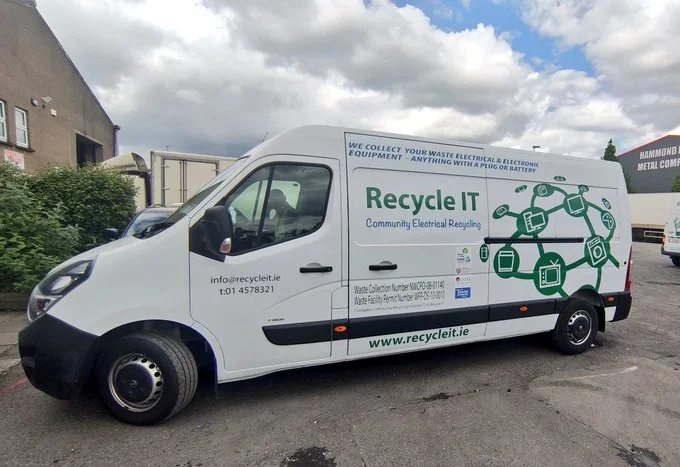
Recycle IT works in partnership with WEEE Ireland to offer collections and drop off recycling services for old electrical, electronic and battery-operated equipment including batteries. The collection service is offered throughout Dublin and the surrounding areas and our teams are delighted to accept waste batteries as part of any recycling collection or simply drop them off at no cost.
To contact us please call 01 4578321, email us here or visit our website