21 Recycling Facts – Do more in Spring!

Every year in Ireland, we support events such as Spring Clean Month, Recycling Week, and Reuse Month. These events help people understand why it is important to recover, reuse, and recycle waste. They give you, your children, family, friends, and coworkers a chance to learn more and take action together in your community to reduce waste.

Recycling helps bring positive change. It encourages people in communities to work together and make a real difference. Recycling is good for the environment, supports community volunteering, and also creates jobs in cities, towns, and villages across Ireland. The more people reuse and recycle, the more benefits everyone gains.

When recyclable items are collected carefully, some of them can be repaired and reused. Others can be taken apart and used as materials to make new products. This process helps create jobs, supports businesses, and strengthens the local economy.
Recycling Plastic Parts Safely

Ireland is expected to miss its EU recycling targets for 2025. According to the Environmental Protection Agency (EPA), the country is currently recycling about 42% of municipal waste, which is well below the EU target of 55%.

Recycling rates for packaging are also below the required levels. In 2023, Ireland recycled 59% of packaging waste, while the EU target is 65%. Plastic packaging recycling is even lower, at 30%, compared with the 50% target set by the EU.

Key points about Ireland’s recycling performance include:

  • Municipal waste recycling: Around 42%, which is far below the 55% EU target.
  • Packaging recycling: 59%, compared with the 65% target.
  • Plastic packaging recycling: 30%, well short of the 50% target.

There has been some progress. Ireland introduced the Deposit Return Scheme in 2024, which has helped increase the collection of drink containers such as bottles and cans. Early results show return rates of around 76%, bringing Ireland close to the EU target of 77% for PET bottles.
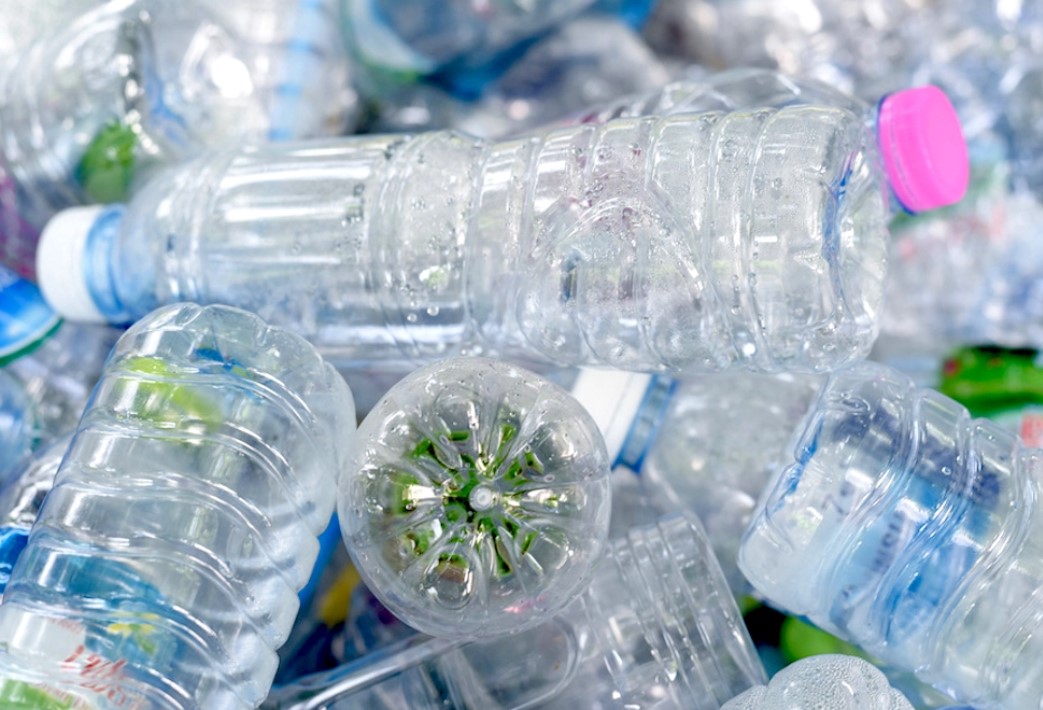
Plastic Bottles

However, overall recycling levels have not improved significantly in recent years, while the total amount of waste being produced continues to rise.

The EPA estimates that Ireland needs to recycle about 400,000 more tonnes of waste every year to meet EU recycling targets.

Most of these figures are based on 2023 waste data published in 2025, as the full data for 2025 has not yet been finalized.

Electronic and Electrical Recycling

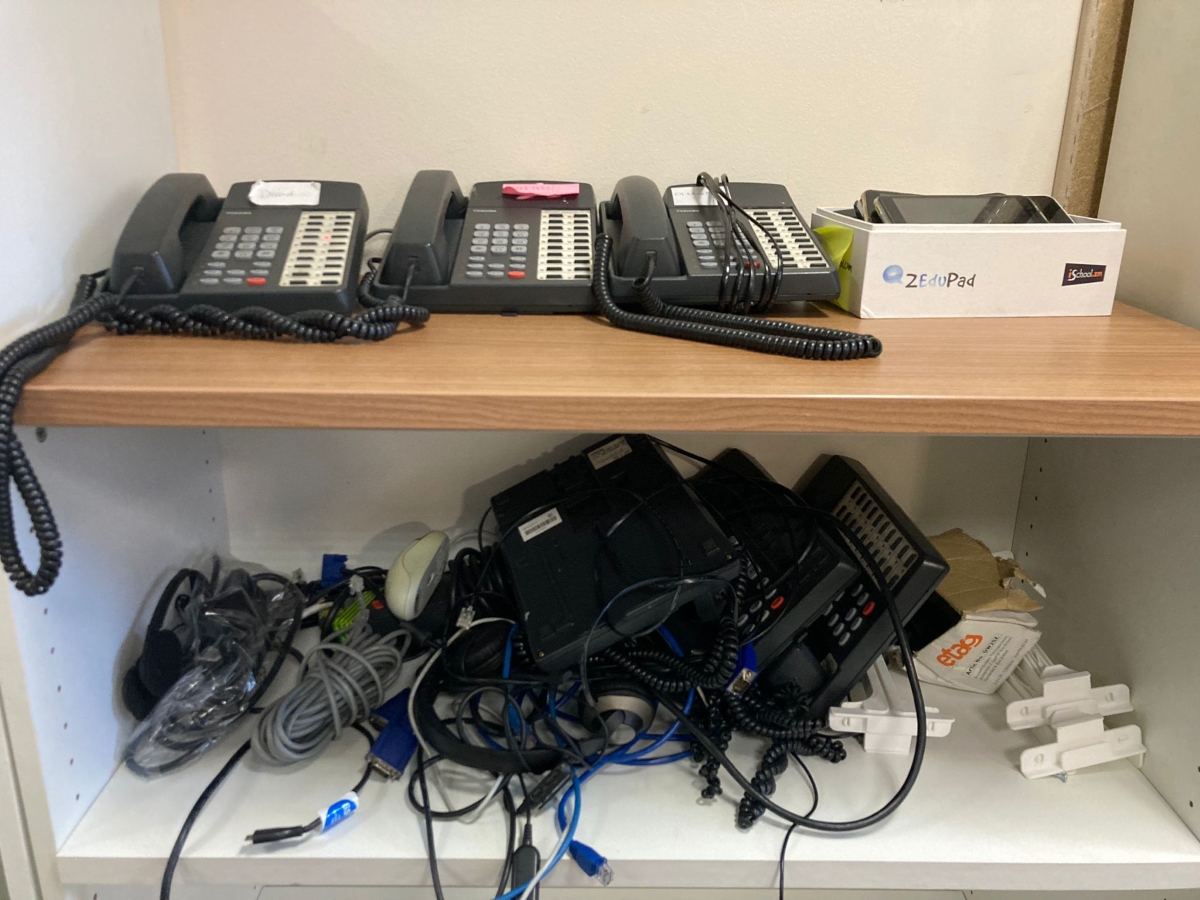
When you think of electronic or electrical waste equipment (WEEE) or e-waste, do you think of items like computers, radios, light bulbs, zip disks, and tapes drives, clock alarms or wall clocks, even cameras, it’s really any items with computerized parts.

These items and similar are adding to an ever-increasing e-waste mountain and the pile usually starts building in people’s homes. We know electrical or electronic items are not recycled as easily or as frequently as other recyclable materials such as paper, glass or plastics. Some of the items are very large and hard to recycle, others are small and have a personal or perceived value so people don’t want to let them go!
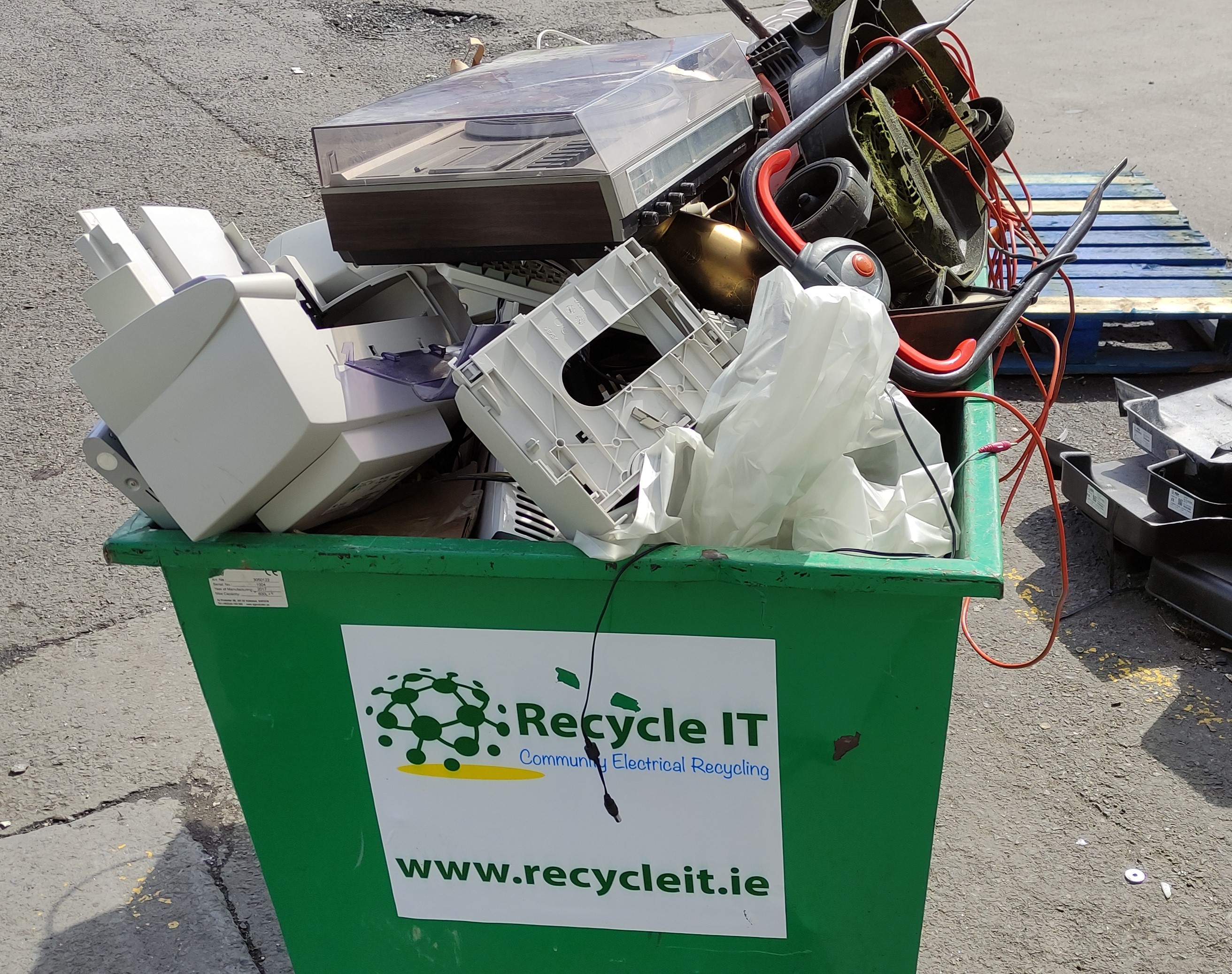
Recycle IT Free Drop Off
  1. Most laptop owners replace their device after about three years, while many mobile phones are replaced every two years or even sooner. This creates a lot of electronic waste that needs recycling.
  2. Around 91% of households in Ireland had a computer with internet access in 2019, showing how common digital devices are in everyday life. (Source: Statista Research Department)
  3. Today, about 90% of people in Ireland have access to a smartphone, making it one of the most widely used electronic devices. (Source: Ipsos MORI)
  4. Smartphone ownership in Ireland is near-universal, with approximately 93% – 95% of mobile phone users owning a smartphone., and many checked their phone over 50 times a day and up to 200 times.
  5. A record 62 million tonnes (Mt) of e-waste was produced in 2022, Up 82% from 2010; This is on track to rise another 32%, to 82 million tonnes, in 2030;
  6. Recycling electrical and electronic equipment allows valuable materials to be recovered and reused, helping to support new jobs and industries.
  7. Recycling one million laptops saves enough energy to power about 3,657 homes for an entire year. (Source: How to Save Your Planet One Object at a Time)
  8. Electronic waste can contain more than 1,000 different components, many of which include toxic materials such as lead, mercury, and cadmium.
  9. Devices such as computers and televisions often contain small amounts of gold, but it can also be found in mobile phones, game consoles, camcorders, and media players.
  10. According to the US Environmental Protection Agency, a single computer can contain about 3.6 kg of lead, which is a toxic metal.
  11. A global survey by Nokia found that 74% of people do not think about recycling their old mobile phones, even though 72% believe recycling helps the environment. Only about 12.7% to 15% of smartphones are actually recycled globally, despite up to 80% of a phone’s materials being recyclable.
  12. Large household appliances, such as washing machines and refrigerators, made up 48% of all waste electrical items collected in Ireland in 2019. (Source: WEEE Ireland)
  13. Devices like computers, laptops, and tablets are difficult to recycle mechanically because they contain many mixed materials and complex components that must be carefully taken apart. (Recycle IT)
  14. WEEE Ireland collected 38,215 tonnes of e-waste in 2024, achieving a 9.5kg per capita recycling rate and exceeding EU targets with a 96% material recovery rate. . (Source: WEEE Ireland)
  15. Irish households disposed of 3.2 million lamps and lightbulbs, 195,000 televisions and monitors, and 13 million small appliances in one year. (Source: WEEE Ireland)
  16. Many electronic devices contain valuable metals such as copper, silver, and gold, which can be recovered through recycling.
  17. Recycling e-waste helps reduce the need for mining new raw materials, which protects natural resources.
  18. When electronic devices are thrown away instead of recycled, hazardous chemicals can leak into soil and water.
  19. Proper e-waste recycling ensures that dangerous materials are safely handled and removed.
  20. Reusing or repairing electronics can extend the life of devices and reduce waste.
  21. Recycling electronics supports the circular economy, where materials are reused instead of thrown away.
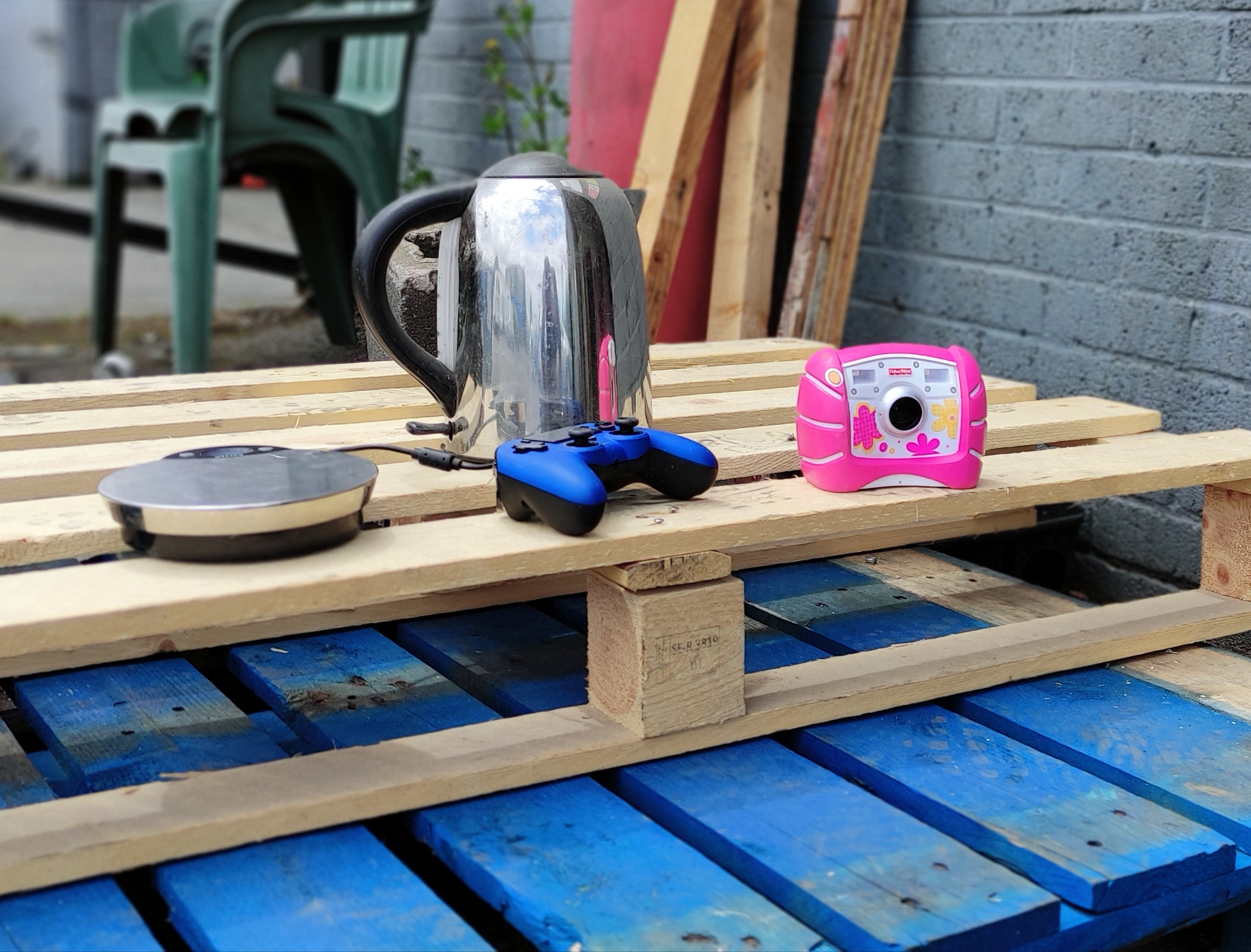
Mixed Small Electricals

There are many ways that recycling helps our environment. Why not try to remember and introduce these 5 points.

  • A reduction in landfill and industrial waste by reuse or recycling.
  • Reduced energy usage by reuse or recycling.
  • Less pollution through reuse or recycling.
  • Increased employment by reuse or recycling.
  • Sustainable usage of natural resources by reuse and recycling.

When Irish people wish to make a point, they usually do it well. This needs to be the case with reduce, reuse and recycling

By recycling, your positive actions make you part of the solution rather than part of a global problem. As local communities we must plan and first take steps to reduce the amount of waste and including e-waste that is clogging up our lives .

Making sure that recyclable items such as computers don’t end up in the wrong bin, landfills or illegally dumped is an important step toward green living and environmental conservation for future generation.

Recycle IT is an award-winning, not-for-profit social enterprise established to create employment and promote environmental awareness through recycling and reuse. We work in partnership with WEEE Ireland and are authorized by your local authority to provide electrical, electronic and pure metal recycling collections across Dublin since 2007. Recycle IT are fully compliant for WEEE Recycling with permit details available here.
Reduce, Reuse, Recycle – Tips for Summer

Irish Summer Tips

As the Irish weather heats and days get longer our evenings fill up with activities including visits to the beach or park. We have weekend BBQs, games and lots of opportunities for fun. This all adds up to lots of leisure time spent outdoors in our beautiful Irish green environment.

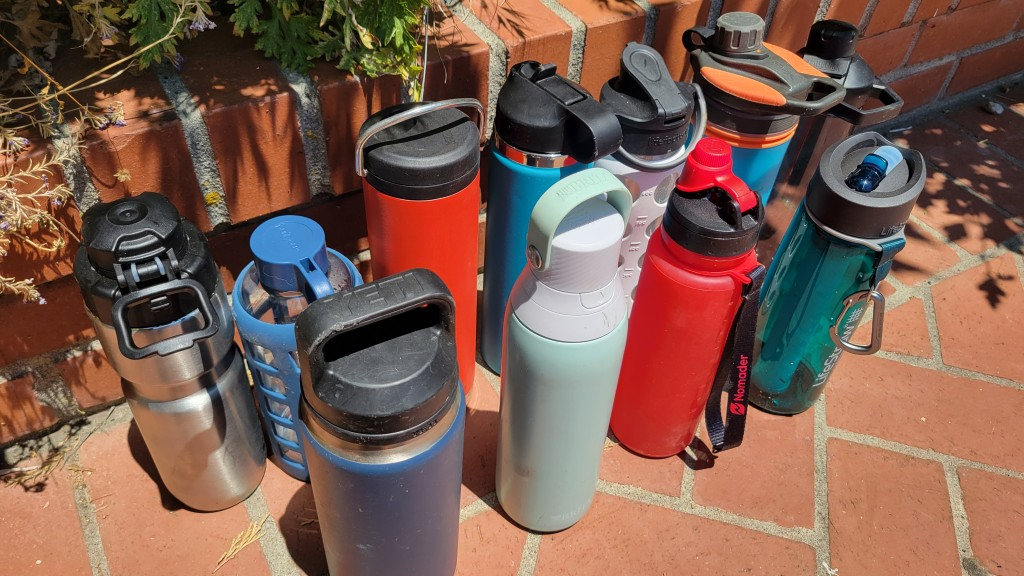
Hot Days – Reusable Water Bottle

So, while we are playing, eating, swimming or sunbathing we can still have a focus on reducing waste, saving resources and keeping the environment green with these summer reduce, reuse and recycling tips:

1. Lawns and Gardens 

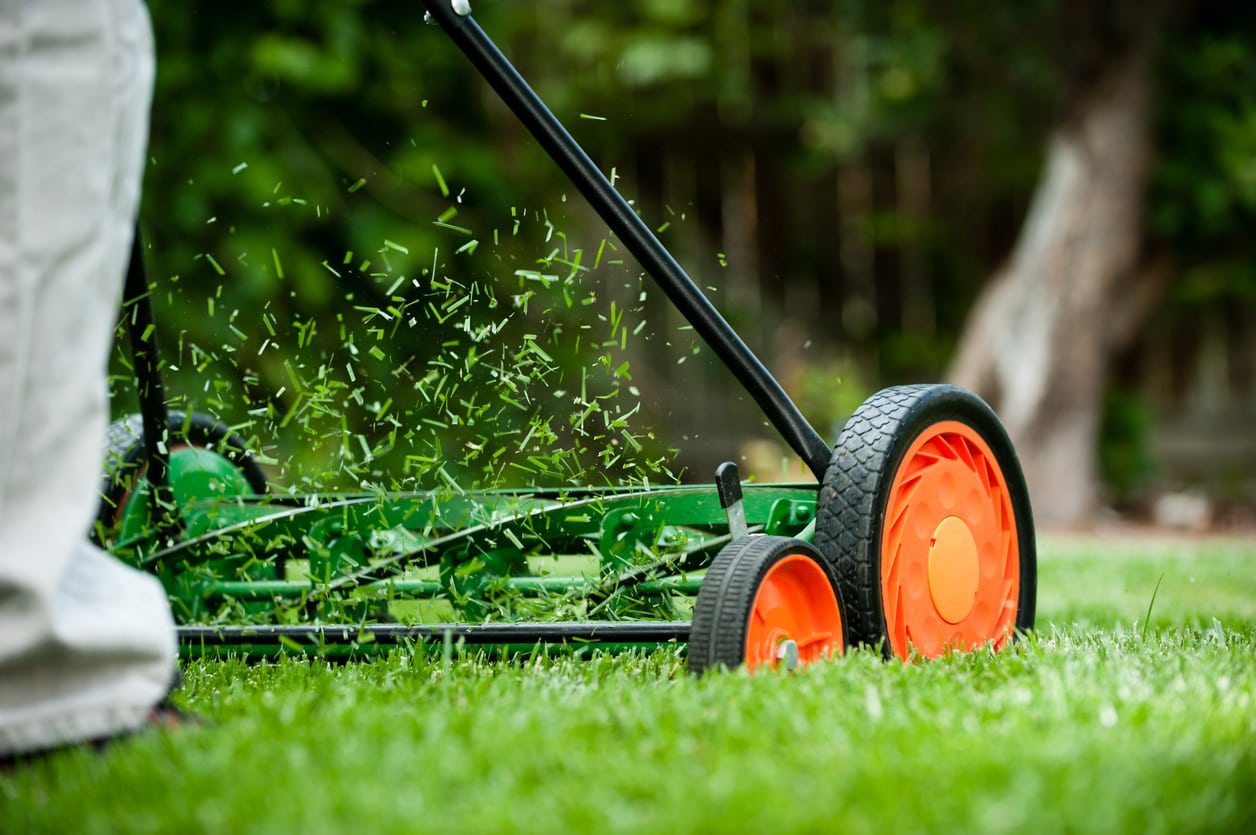
Don’t let that cut grass end up in a landfill!  Used your grass clippings as organic fertilizer. It can be reused to benefit your immediate garden environment. Instead of binning the grass as you cut, leave it on the lawn where it will return valuable nutrients to the soil. Alternatively, you can add your clippings to a compost heap. Either way, grass recycling will make a big impact on the environment and help to reduce landfill burdens.

Lawn Care

2. Summer Travel

Whether travelling in a group or by one’s self consider using public transport, walking or cycling to your preferred location. This can help reduce the environmental impact of Co2 emission and save you money. If you are in a city location like Dublin, you can avail of the Dublin Bike Scheme so plan in advance. If you really need to use a car, you could try sharing a Go Car for once off summer events, might be a real alternative to buying a car which sits at home for long periods unused.

3. Summer Food and Snack

On family trips to the zoo or a visit to the beach try packing homemade sandwiches, fruit and snacks in reusable containers, bring a flask and use reusable water bottles instead of buying bottled water, tea and coffee. Take bags along to collect recyclables and look for recycling bins when you stop for breaks. The average household of four people uses approx. 330 glass bottles and jars each year. Recycling 6 glass bottles per week saves enough energy to boil 2 kettles with enough water in each for five cups of coffee, so please drop off your bottles at the local bottle bank this summer! (Source: Recycling Live)

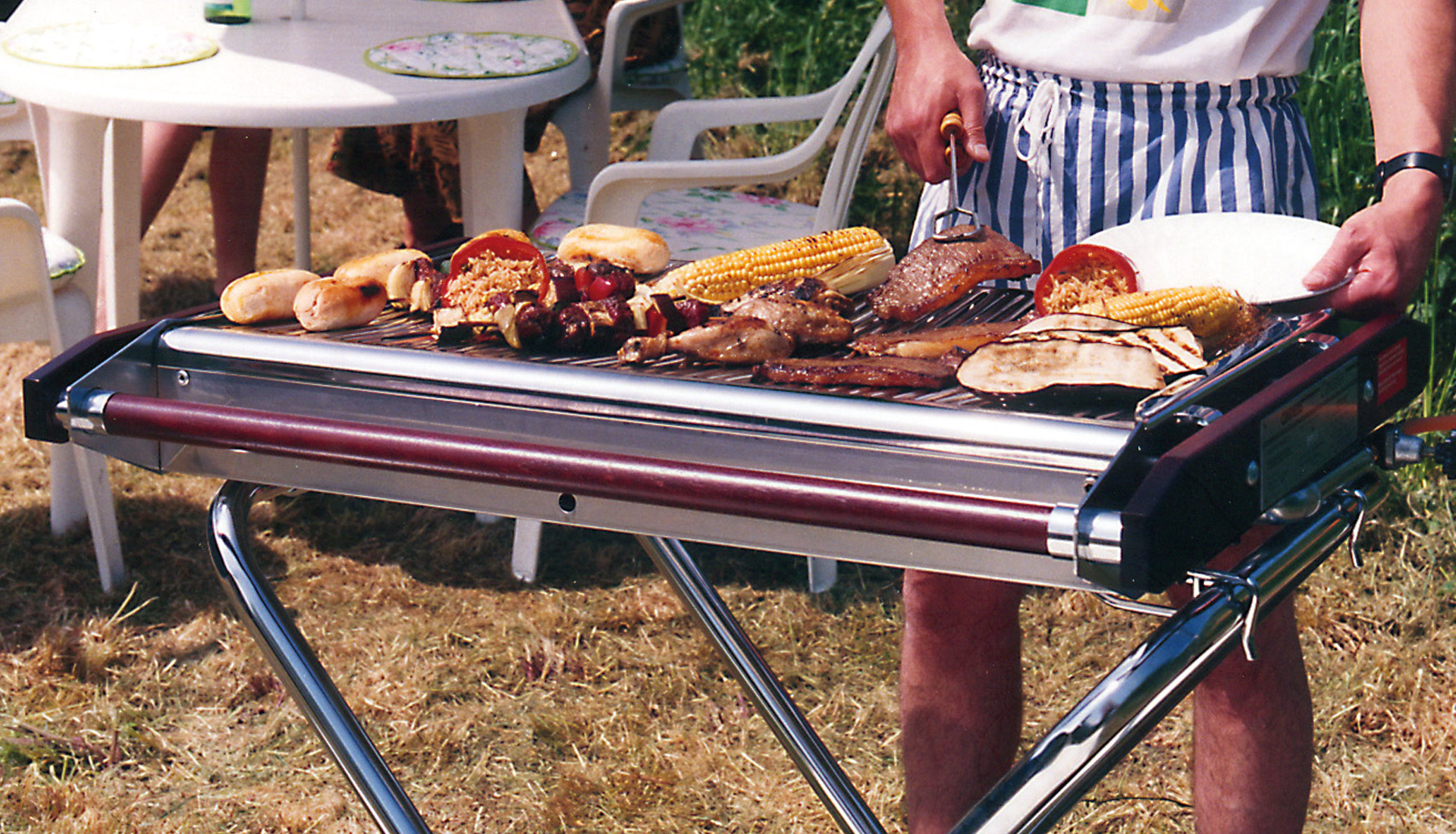
Summer BBQ and Food
Summer BBQ and Food

4. Summer Toys

If you have footballs, beach balls or pool toys that are old, try finding other uses for them or patching holes before throwing away. You might even offer them to a charity shop for use by others. These products are usually made of PVC and therefore not recyclable, so think about that before buying new ones.  If you are shopping for new summer toys, buy those made from recyclable materials to minimize the environmental impact.

 5. Summer  BBQs and Picnics

Whether at home, or in a park make recycling easy by taking and using a clearly labelled recycling bin. Recycle cans, glass, plastic, and aluminium foil. Since plastic cutlery usually can’t be recycled, offer reusable knives and forks for your guests. If you really want to work toward zero waste, put out reusable napkins, plates, cups, and cutlery at your next event! Of course, this isn’t always practical so, if you must buy disposable, try to find paper products that are made from biodegradable or compostable materials.

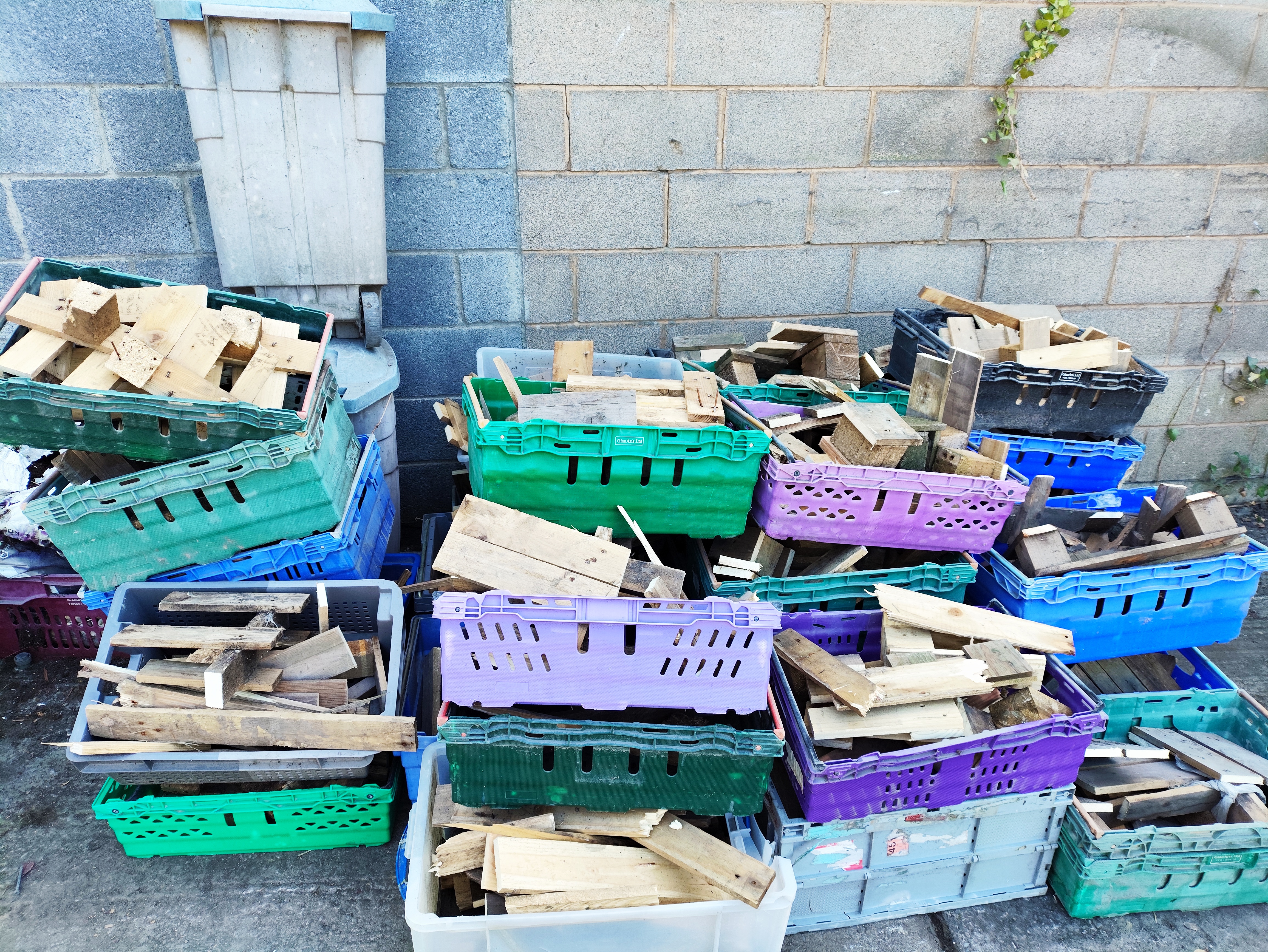
Wood Broken Pallets – Cut Up

If your using a firepit try to source old wood like wood from damaged pallets. Pallets burn well in wood stoves or fire pits, providing warmth and energy while keeping materials out of landfills.

6. Summer Equipment

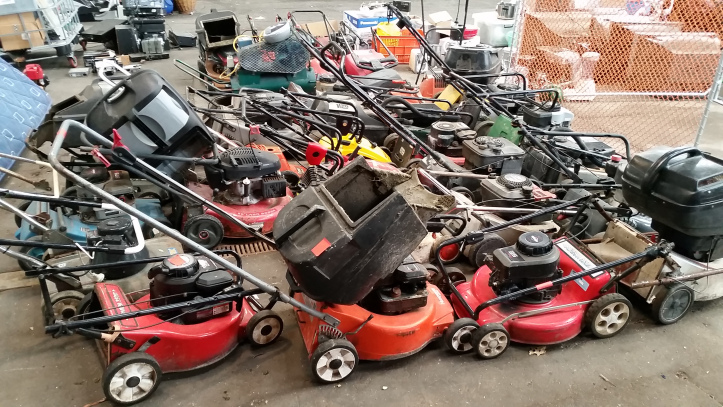
Do you need to dispose of 10 year old garden furniture, lawnmowers, old BBQs or outdoor grills?. You can recycle all these type items instead of throwing them away! When recycling the equipment, please clean it thoroughly and then take it apart, separating the pieces into piles of metal, glass and plastic. Stainless steel, steel, cast iron, brass and aluminium can all be recycled. Plastic parts should all have a recycling symbol and number that tells you how they should be recycled. Remember you can recycle the electronic and metal components with Recycle IT.  Once you have recycled your old equipment and are looking for a replacements try to choose an eco-friendly, long life, easy clean model. Remember when cooking you steak, gas and electric BBQ’s or grills are better for the environment than wood or charcoal.

Summer Recycling - Lawn Mowers
Summer Recycling – Lawn Mowers

7. Clothes

Try to reuse last year summer clothes. It’s possibly 8 or 9 months since they have been last worn and nobody will remember them. If you have to choose a new range of summer clothes for you or your family remember to recycle any used clothes with a local charity shops. They can be used by other people over and over while raising funds for much needed causes.

Opportunity Knocks 

This summer is an opportunity to become a proactive recycler. Involved your kids and teach them about recycling now, so they will practice it throughout their life. It is important to teach our children about the environment and the positive effects of reduce, reuse and recycling. Start your summer with fun activities such as a garage clean out and car boot sale that will promote reuse and recycling, and keep your kids occupied! Tidy towns is another good option!

To learn more about recycling your once loved electrical items give Recycle IT a call on 01 4578321. or visit our website

Recycle IT is Good Market Approved


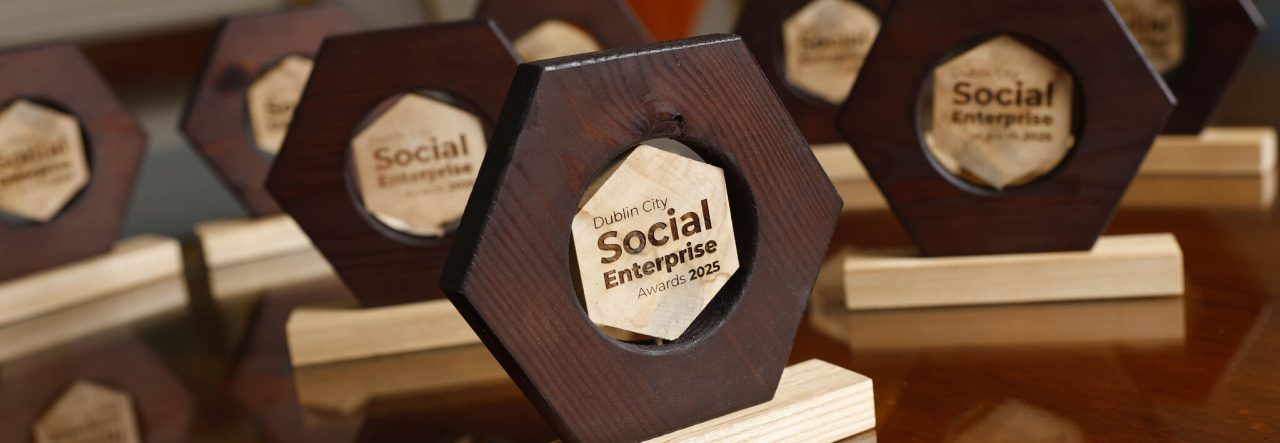
Dublin City Social Enterprise Awards 2024

Social Enterprise Awards

The Dublin City Social Enterprise Awards aim to support social enterprise startup and development in Dublin City. They are like a big celebration for social businesses that try to make the world a better place. These businesses aren’t just focused on making money to move forward; they also want to help people, our communities, and/or the environment.

Dublin City Social Enterprise Awards Logo

Imagine a competition where companies from Dublin show off their amazing ideas and projects that help the community or solve important problems. These could be things like creating jobs for people who might struggle to find work, activities to support young people or coming up with eco-friendly products that reduce waste.

Activities

Think about a coffee shop or cafe that hires people who might find it hard to get a job, like individuals with disabilities, people who are homeless and/or long term unemployed people. Or think about a company that sells eco-friendly services or products and uses its profits to support environmental causes. These are examples of social enterprises.

So, in simple terms, social enterprises in Ireland are businesses that do good while also making a living. They aim to tackle social or environmental issues while running a successful operation. It’s all about balancing profit with a purpose to create positive change in society.

Social Enterprise Loaf Catering – Café in Kilmainham, Dublin

The Dublin City Social Enterprise Awards recognize these social businesses for their vision, hard work and the positive impact they have on society. It’s a way to cheer them on and encourage communities and people to start their own social enterprises based on an identified need. So, it’s a win-win situation – businesses get recognition for their good deeds, and the community benefits from their efforts.

Formally – What is a Social Enterprise in Ireland?

1: A social enterprise is an enterprise whose objective is to achieve a social, societal or environmental impact, rather than maximizing profit for its owners or shareholders.

2: It pursues its objectives by trading on an ongoing basis through the provision of goods and/or services, and by reinvesting surpluses into achieving social objectives.

3: It is governed in a fully accountable and transparent manner and is independent of the public sector. If dissolved, it should transfer its assets to another organisation with a similar mission

To us, a social enterprise is a special kind of business with a big heart. Instead of just focusing on making money, they care a lot about helping people and/or making the world a better place. Really, it’s all about using a business model and people skills to make a positive impact in a specific area of need which is underserved.

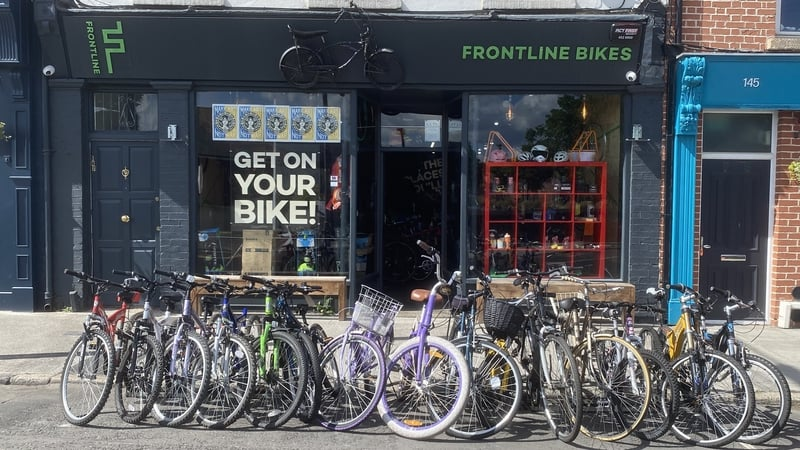
Social Enterprise – Frontline Bikes, Inchicore, Dublin 8

Apply Now

The Dublin City Social Enterprise Awards were established by Inner City Enterprise (ICE) and Dublin City Council with the support of the Local Enterprise Office (LEO) Dublin City in 2015. Each year, a fund of approximately €60,000 is distributed among innovative social enterprises. 

To learn more please click here. To download the application form click here

Once complete you can submit this completed application form along with all supporting documentation to lauradennehy@innercityenterprise.com.

Submission Deadline for Applications: 23:59 – 31st of May 2024.

What the 2023 awards footage here

Recycle IT

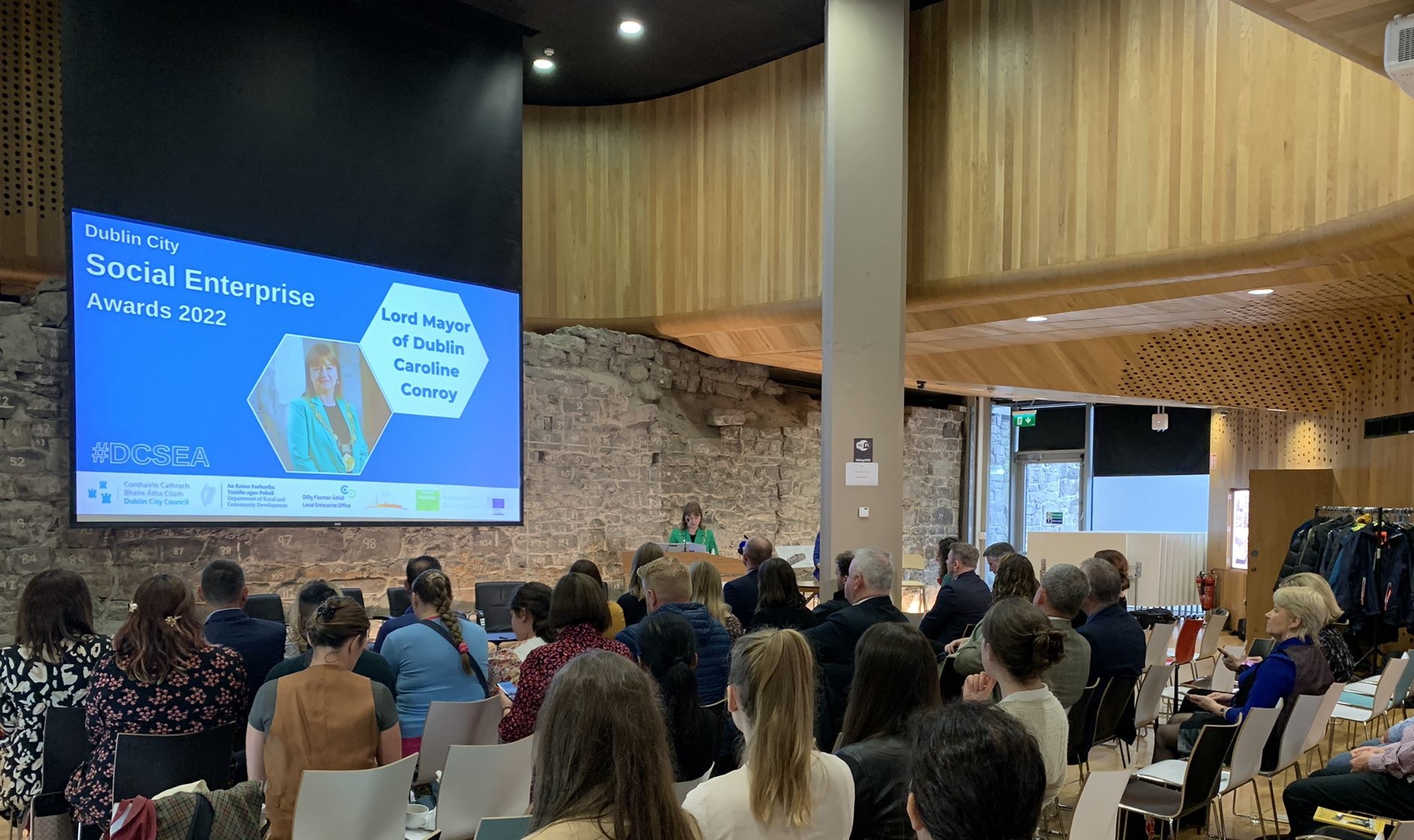
In 2022 Recycle IT were delighted to receive a Dublin City Social Enterprise Award. The award showed we make a real difference and it boost our credibility in the eyes of customers, funders, and the community.

Overall, receiving a social enterprise award can help you elevate your social business to the next level, both in terms of impact and sustainability. It opens up new opportunities and resources that can fuel your mission and drive positive change in the world.

Recycle IT, are a social enterprise offering electrical, electronic and metal recycling. Services are provided in partnership with WEEE Ireland. Recycle IT are supported by Pobal, the Dormant Accounts Fund, South Dublin County Council and authorized by the National Waste Collection Permit Office and the local authorities across Leinster.

For further details about our services call us on 01 4578321, email info@recycleit.ie or visit the Recycle IT website at www.recycleit.ie

Recycle IT at the Dublin City Social Enterprise Awards 2022

35 Reduce, Reuse Repurpose and Recycling Tips

Go Green for Life

Recycling is an easy way to protect our environment and climate while ensuring the wellbeing of our community for the next generation. However, the success of recycling depends on the active participation of every member of the community including kids of all ages.

Homemade Bird Feeder

By everyone doing a little, we all can reduce the amount of waste that is deposited in the landfill or incinerated. Thinking about the reuse of materials made from recycled materials helps maintain the recycling circle and its part in the circular economy.

Reuse fosters creativity and innovation, encouraging individuals and communities to find inventive ways to extend the lifespan of products before finally recycling safely. Reuse promotes a culture of sustainability and responsible consumption, empowering people to make environmentally conscious choices in their daily lives

Eco-Friendly Reuse.
  1. Use both sides of the page when writing or drawing
  2. Give your kids or local schools part used printed paper for drawing
  3. Bring your food to school or work using a reusable tubs
  4. Books can be reused by donating them to libraries, schools, or community centers.
  5. Rent or hire school books and other school supplies (yearly reuse)
  6. Hire gardening tools that you only use occasionally
  7. Reclaim your plastic bottle deposit by recycling for reuse.
  8. Think about getting a sparkling water maker to reduce plastic bottles
  9. Make a bird feeder by reusing any medium size plastic bottles you have at home.  
  10. Opt for low-energy light bulbs
  11. Give your unwanted clothes a second life
  12. Reuse and repair as much as possible – shoes, clothes etc.
  13. Offer seasonal kids costumes to clothes to others as your kids grow!  
  14. Choose to buy bars of soap
  15. Choose long life or durable products e.g. reusable razors or ink pens
  16. Use rechargeable batteries in home appliances
  17. Avoid unnecessary purchasing of occasion products, e.g. Christmas, Easter
  18. Offer gifts, such as tickets for a show, sports event or concert leading to reduce material content
  19. Choose eco-friendly products – read the labels
  20. Buys product with less packaging
  21. Buy regularly use products in bulk, e.g. canned and jarred products.
  22. Reuse shopping bags
  23. Use refillable products e.g. coffee, loss tea
  24. Drink tap water from a reusable glass, cup or bottle
  25. Prepared food at home for picnics while reusing flasks, tubs, knives, forks, and reusable carry bags
  26. Choose fresh food rather than processed food, healthier and less packaging
  27. Bake cakes and muffins instead of buying! 
  28. Limited home and office printing, share files over email or file sharing tools e.g. dropbox
  29. Recycle ink cartridges – where you purchased your ink! 
  30. Bring a mug and glass to work to refill coffee, tea or water during the working day
  31. Approach office supply companies about purchasing used office equipment
  32. Cycle to work or college rather than taking the bus or car
  33. Car share where distances are longer and where public transport is not accessible.
  34. Take your uneaten food home from restaurants in a doggy bag.
  35. Composite garden cuttings to create a natural fertilizer

The 4 Rs

In Ireland and across Europe, the focus on the 3 R’s has increased over recent years As recovery of resources through, reduce, reuse, repurposing and recycling has increased it has become increasingly important for consumers to take ownership and steps themselves to ensure products purchases can be reused, repurposed or recycled using accessible and economically sustainable solutions.

Reuse In Ireland – Click here to go larger

About Recycle IT

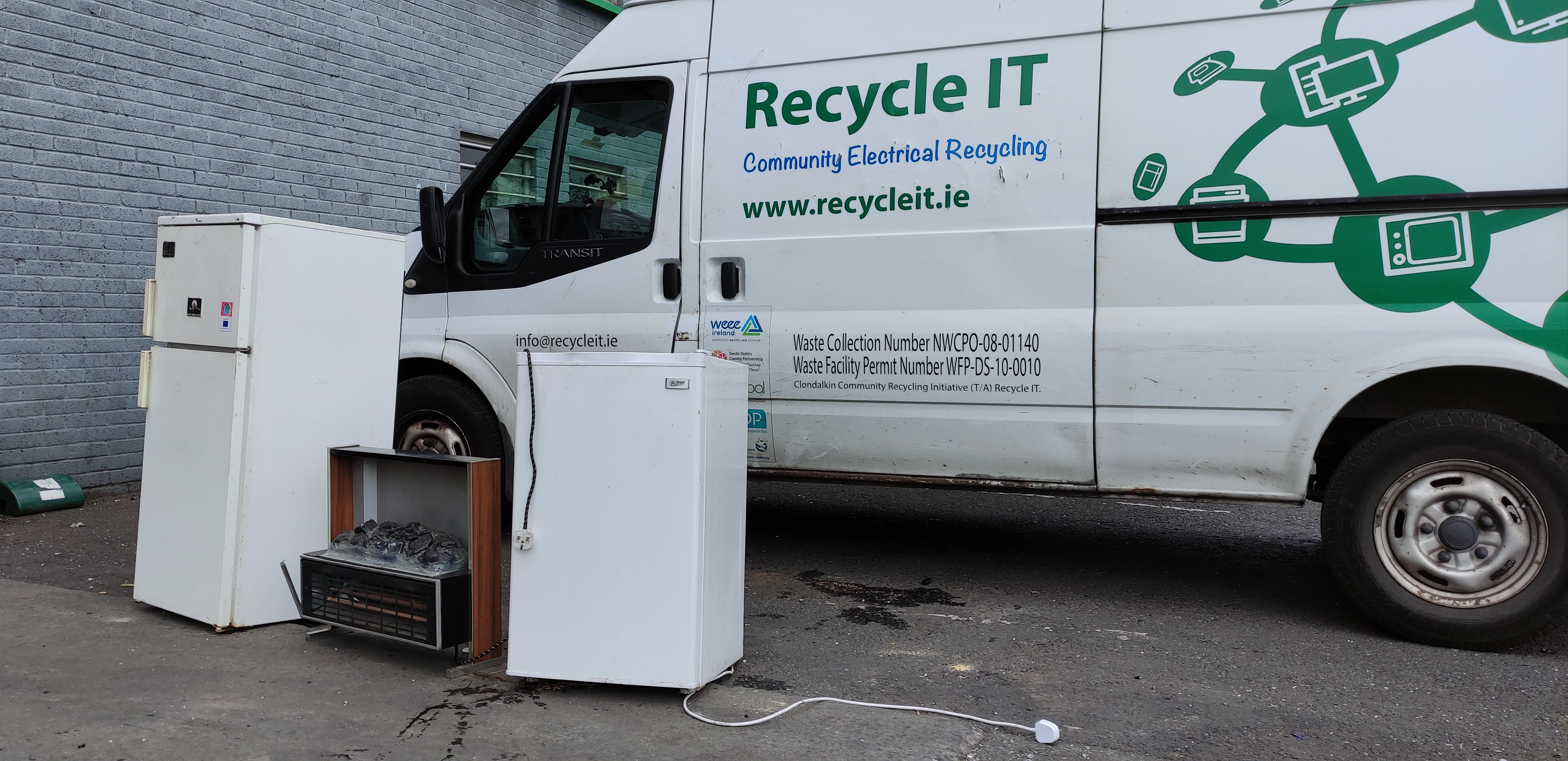
Recycle IT offer recycling opportunities to home and business customers for all types of electronics equipment. AT Recycle IT, recycling is available using free, drop-off, free community collections or through a cost-effective personal or business collection. Our team will accept any old household or small office electrical items alongside all types of metal and electrical or rechargeable garden equipment.

Recycle IT as a social enterprise works in partnership with WEEE Ireland. Recycle IT is supported by Pobal, South Dublin County Council and authorized by the National Waste Collection Permit Office.

To learn more about recycling electrical equipment please call Recycle IT on 01 4578321, email us or visit www.recycleit.ie

Recycle IT – Truck

Is Ireland Winning the WEEE Battle?

Report for 2020

The Irish Environmental Protection Agency (EPA) recently published its annual Waste Electrical and Electronic Equipment (WEEE) Statistics Report for 2020.

We are delighted to share the news that a record 64,856 tonnes of waste electrical and electronic equipment were collected in Ireland for processing.

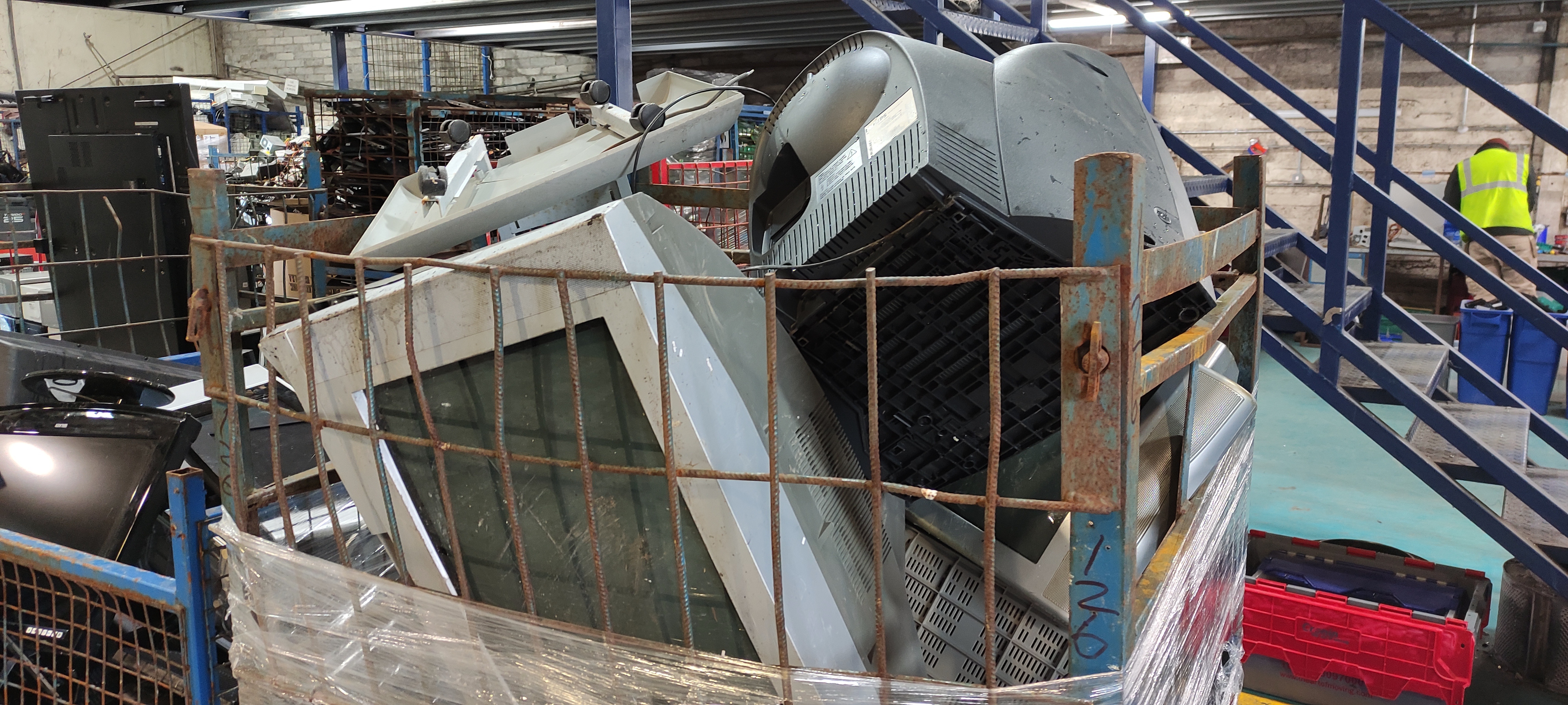
Mixed Household Electrical Equipment

This is the highest quantity ever recorded in Ireland. However, for the second year, we did not meet the waste electrical and electronic equipment collection target of 65%. We achieved a 60% collection rate, slightly reduced from the 61% recorded for 2019.

Recycling Trends

The trends identified by the Irish Environmental Protection Agency are listed below.

  • Ireland collected a record 64,856 tonnes of WEEE for treatment.
  • Ireland achieved a WEEE collection rate of 60% in 2020 as efforts to increase collection were outpaced by the growth in Electrical and Electronic Equipment placed on the market.
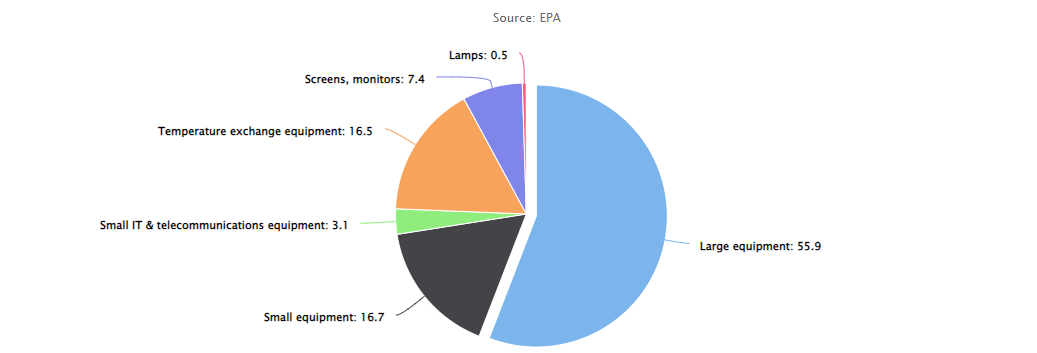
  • Large household equipment accounted for 56% (by weight). This includes washing machines, tumble dryers, cookers, ovens etc. ‘
  • Small electrical equipment accounts for 17% (by weight) of electrical items collected. This includes coffee machines, food processors, radios, kettles, toasters and similar items.
  • Fridges and freezers accounted for 16% (by weight).
Percentage Breakdown of WEEE collected in 2020 by Weight

Buying and Recycling

Generally, the purchase and usage of electronic goods are closely linked to people’s economic wealth. This is reflected in the WEEE data for Ireland for 2008-2020 shown in Figure 2.

Screens and Monitors

It is evident that the economic recession between 2008 and 2011 led to a decrease in the quantity of WEEE collected and recovered, as Irish householders and businesses did not replace electrical and electronic equipment as frequently during this period.

The growth in the Irish economy since 2012 has led to large rises in electrical equipment collected and recovered, which reached record highs in 2020.

This rise matches the reported increases in retail sales of electrical goods in 2020. The trend is likely attributable to changes brought about by the Covid-19 pandemic such as the widespread shift to remote working and a surge in household clear-outs.

Based on data provided by the Producer Register Limited, Ireland’s national register of electrical and electronic equipment (EEE), there was an increase of 11% in overall EEE placed on the market in Ireland in 2020 compared with 2019, while there were considerably larger increases in quantities of ‘small IT and communications equipment, screens and monitors’ which rose by 32% and 31% respectively

Communication Equipment

European Reporting

As part of annual reporting under the EU WEEE Directive, the EPA compiles statistics on WEEE collection and treatment in Ireland. The data are required to be submitted to Eurostat, the statistical office of the European Union, by 30th June of the reference year +2 (i.e. 2020 data were collected and processed in 2021 and reported in 2022). Following validation of the data by Eurostat, official statistics for all Member States are published on the Eurostat website as part of the following dataset here.

About Recycle IT

Recycle IT, is an award-winning Dublin-based, not-for-profit, social enterprise offering electrical, electronic and metal recycling. Services are provided in partnership with WEEE Ireland. Recycle IT is supported by Pobal, the Dormant Accounts Fund, and South Dublin County Council. Recycle IT is authorised by the National Waste Collection Permit Office and the local authorities across Leinster.

For further details about our free and cost-effective services call us on 01 4578321, email info@recycleit.ie or visit the Recycle IT website at www.recycleit.ie

Electrical items collection for recycling