Generating Electronic Waste!

The Statistics:

Statista reported in 2025, that every person in the world generates on average around 8 kilograms of electronic waste per year worldwide. However, there are significant regional differences, data from the latest E-Waste Monitor shows: Europe leads the way with around 17 kilograms of electronic waste per inhabitant, while each person in Africa generates only 2.5 kilograms.

At the same time, Europe has the highest recycling rate at 43 per cent. Asia and Africa have the most catching up to do, with e-waste recycling rates of 12 and 1 per cent respectively.

Only just under a fifth of the electronic waste generated worldwide is currently officially collected and recycled. The remaining quantities of electronic waste were collected unofficially, partially recycled or disposed of as residual waste and sent to landfill.
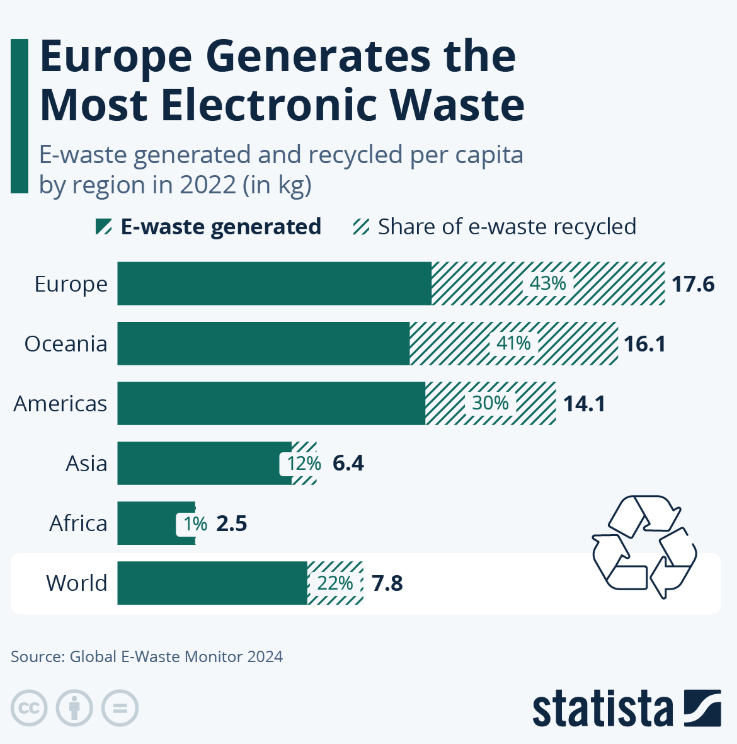
Statista E-waste Statistics shared by Recycle IT
Statista E-Waste Generated

This gap between official and unofficial collection and recycling statistics varies greatly between different regions.

Recycle Safely

If you want or need an official collection of waste IT equipment and your located in Dublin, Ireland, Recycle IT can help. Our team can accept all types of IT equipment from homes, businesses, schools, public bodies, charities and community groups, all for safe and authorised recycling.

This includes old computers, laptops, printers, monitors, phones, cables, chargers and other electronic devices. Instead of throwing these items away, Recycle IT makes sure they are handled in a responsible way that protects the environment.

Many electronic devices contain harmful materials like lead and mercury. If these are not disposed of properly, they can damage soil and water. Recycle IT helps prevent this by using approved recycling methods. Their processes follow strict rules and standards to ensure safety and environmental care.
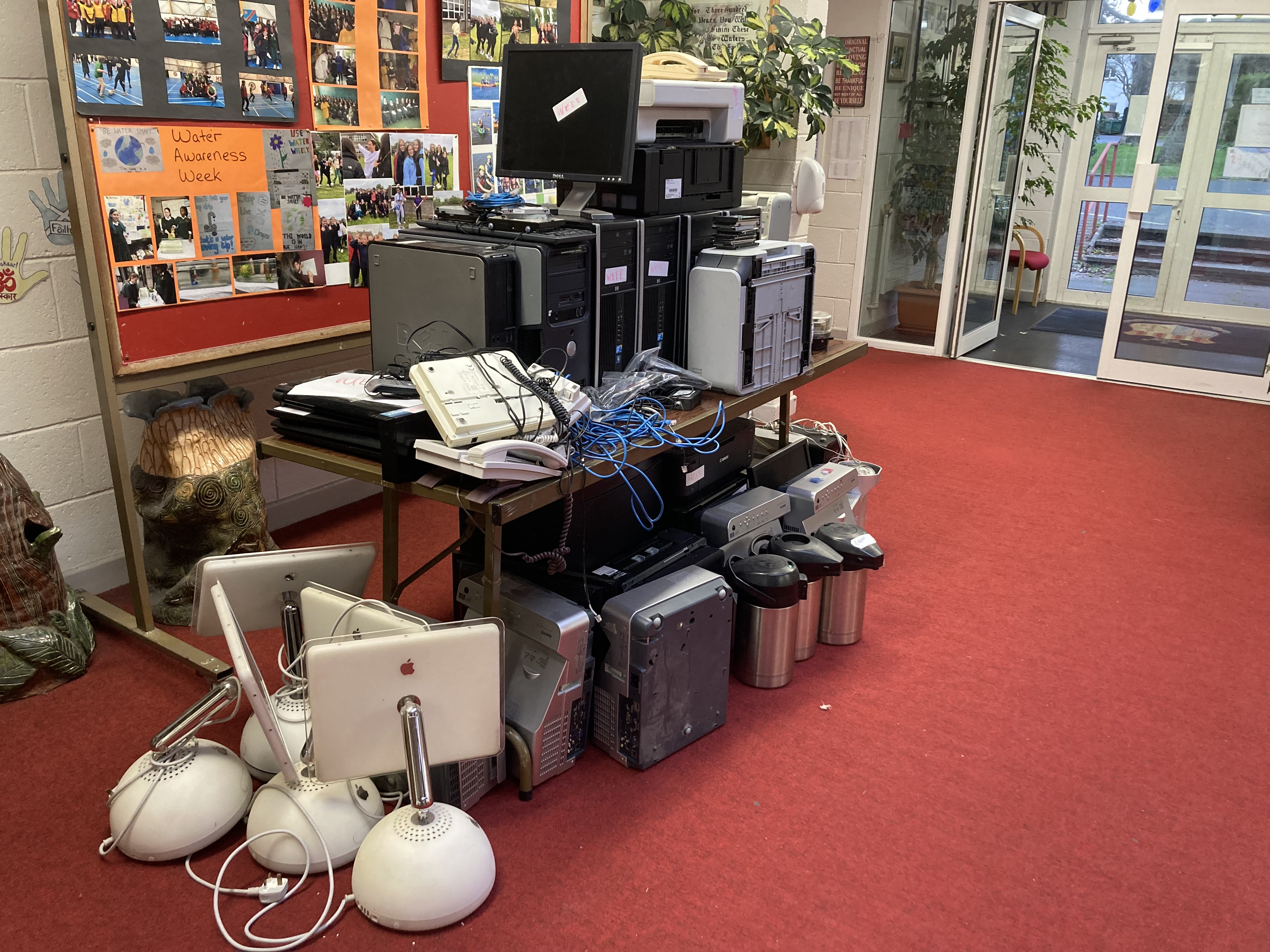
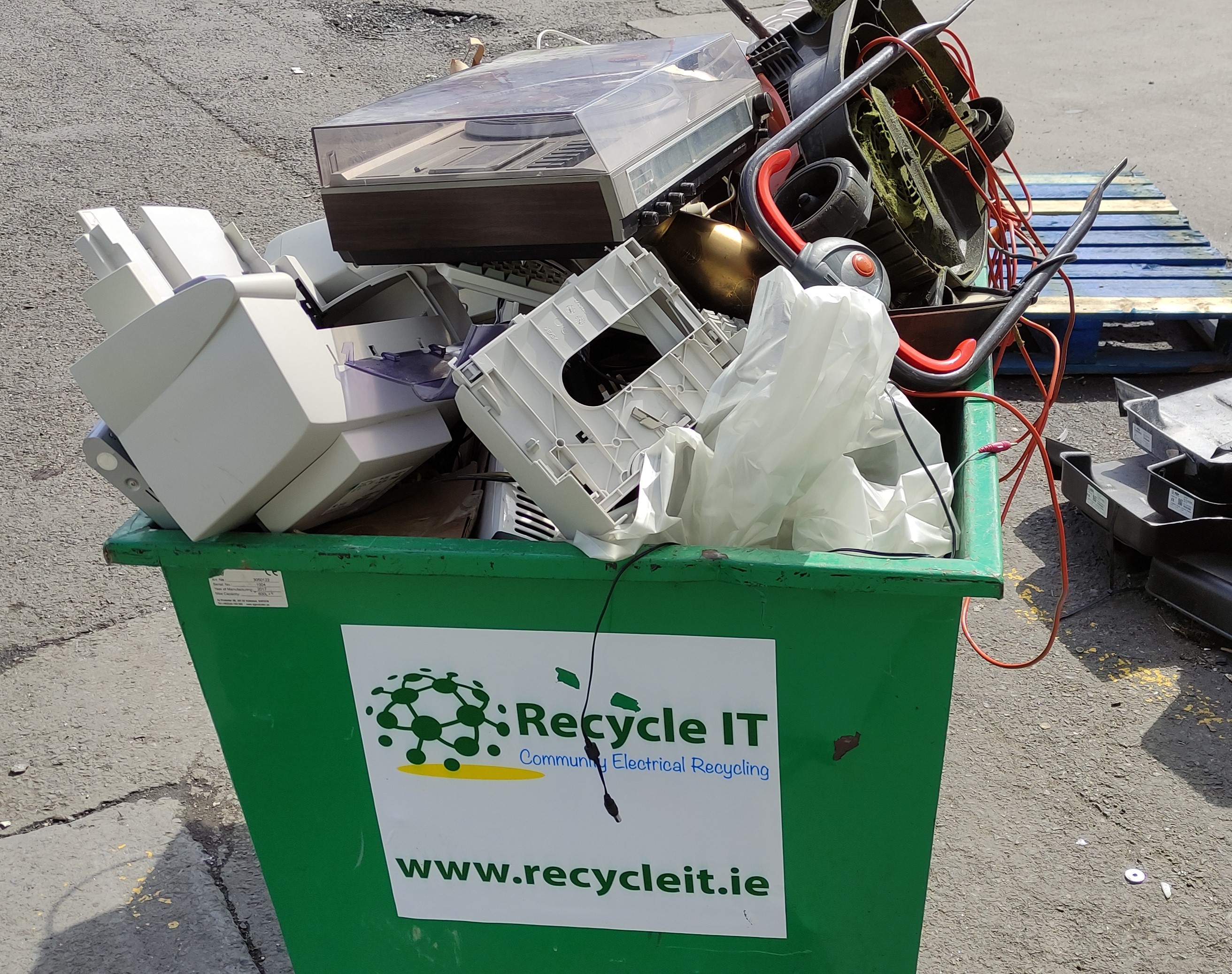
Mixed IT and Electronic Equipment for Recycling - Recylce IT
Mixed IT and Electronic Equipment for Recycling – Recylce IT

Manage Data

Another important benefit is data protection. Old devices often store personal or business information. Recycle IT ensures that all data is securely destroyed before recycling begins. This gives people peace of mind that their information will not be misused.

Recycle IT also helps reduce waste. By recycling materials like metal, plastic, and glass, fewer raw materials need to be taken from the earth. This saves energy and reduces pollution. It also supports a more sustainable future.

The service is simple and convenient. Individuals and businesses can drop off their equipment or arrange collection. Everything is handled professionally from start to finish.
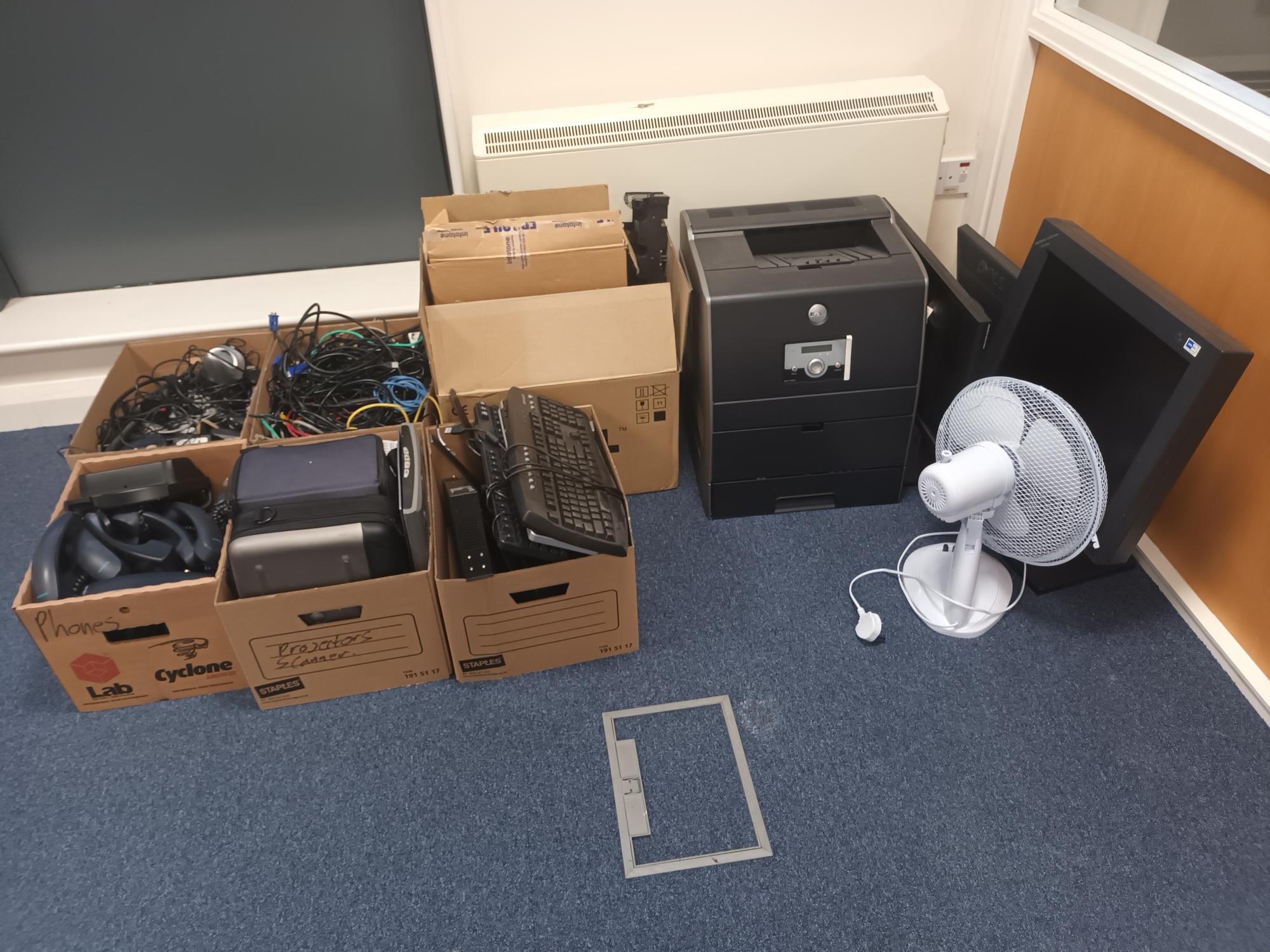
Mixed IT and Electronic Equipment for Recycling - Recylce IT
Mixed IT and Electronic Equipment for Recycling – Recylce IT

In Summary

Recycle IT provides a safe, authorised, and environmentally friendly way to dispose of IT equipment. It protects both people and the planet while making recycling easy for everyone.

Our community recycling activities help to provide jobs and training through safe e-waste recycling. People learn useful skills, build experiences, work in teams all while protecting the environment. Our team work supports communities across Dublin and surrounding areas, while helping colleagues to grow and develop.

About

Recycle IT is an award-winning, not-for-profit social enterprise established to create employment and promote environmental awareness through recycling and reuse. We work in partnership with WEEE Ireland and are authorized by your local authority to provide electrical, electronic and pure metal recycling collections across Dublin since 2007. Recycle IT are fully compliant for WEEE Recycling with permit details available here.
Recycle IT Logo
Recycle IT Logo

21 Recycling Facts – Do more in Spring!

Every year in Ireland, we support events such as Spring Clean Month, Recycling Week, and Reuse Month. These events help people understand why it is important to recover, reuse, and recycle waste. They give you, your children, family, friends, and coworkers a chance to learn more and take action together in your community to reduce waste.

Recycling helps bring positive change. It encourages people in communities to work together and make a real difference. Recycling is good for the environment, supports community volunteering, and also creates jobs in cities, towns, and villages across Ireland. The more people reuse and recycle, the more benefits everyone gains.

When recyclable items are collected carefully, some of them can be repaired and reused. Others can be taken apart and used as materials to make new products. This process helps create jobs, supports businesses, and strengthens the local economy.

Recycling Plastic Parts Safely

Ireland is expected to miss its EU recycling targets for 2025. According to the Environmental Protection Agency (EPA), the country is currently recycling about 42% of municipal waste, which is well below the EU target of 55%.

Recycling rates for packaging are also below the required levels. In 2023, Ireland recycled 59% of packaging waste, while the EU target is 65%. Plastic packaging recycling is even lower, at 30%, compared with the 50% target set by the EU.

Key points about Ireland’s recycling performance include:

  • Municipal waste recycling: Around 42%, which is far below the 55% EU target.
  • Packaging recycling: 59%, compared with the 65% target.
  • Plastic packaging recycling: 30%, well short of the 50% target.

There has been some progress. Ireland introduced the Deposit Return Scheme in 2024, which has helped increase the collection of drink containers such as bottles and cans. Early results show return rates of around 76%, bringing Ireland close to the EU target of 77% for PET bottles.

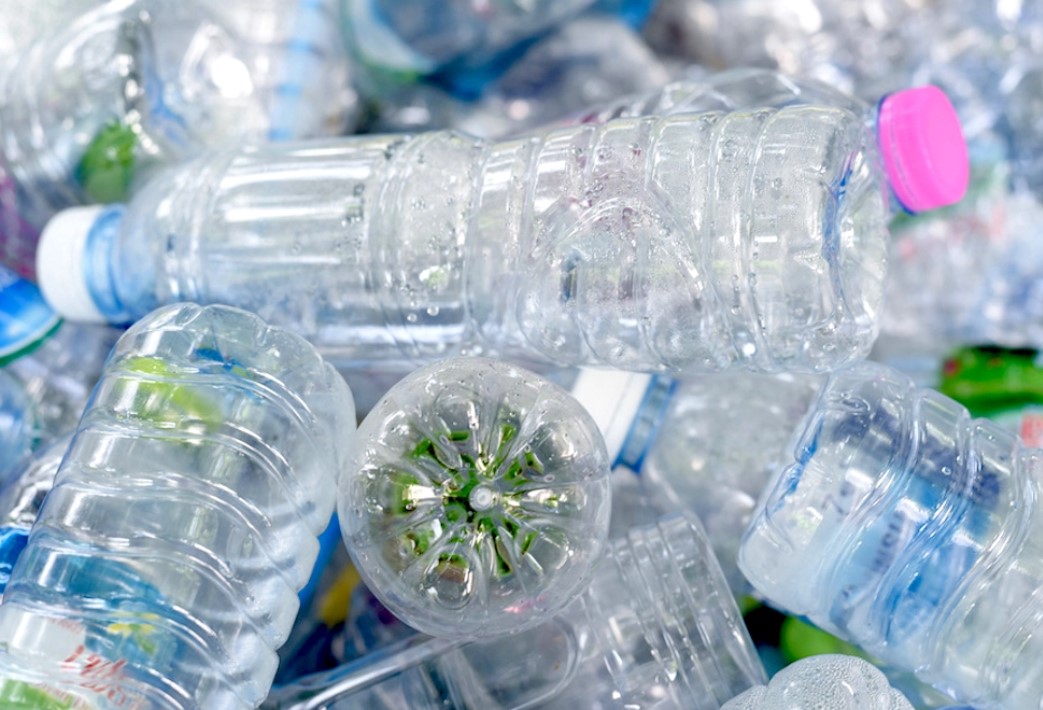
Plastic Bottles

However, overall recycling levels have not improved significantly in recent years, while the total amount of waste being produced continues to rise.

The EPA estimates that Ireland needs to recycle about 400,000 more tonnes of waste every year to meet EU recycling targets.

Most of these figures are based on 2023 waste data published in 2025, as the full data for 2025 has not yet been finalized.

Electronic and Electrical Recycling

When you think of electronic or electrical waste equipment (WEEE) or e-waste, do you think of items like computers, radios, light bulbs, zip disks, and tapes drives, clock alarms or wall clocks, even cameras, it’s really any items with computerized parts.

These items and similar are adding to an ever-increasing e-waste mountain and the pile usually starts building in people’s homes. We know electrical or electronic items are not recycled as easily or as frequently as other recyclable materials such as paper, glass or plastics. Some of the items are very large and hard to recycle, others are small and have a personal or perceived value so people don’t want to let them go!

Recycle IT Free Drop Off
  1. Most laptop owners replace their device after about three years, while many mobile phones are replaced every two years or even sooner. This creates a lot of electronic waste that needs recycling.
  2. Around 91% of households in Ireland had a computer with internet access in 2019, showing how common digital devices are in everyday life. (Source: Statista Research Department)
  3. Today, about 90% of people in Ireland have access to a smartphone, making it one of the most widely used electronic devices. (Source: Ipsos MORI)
  4. Smartphone ownership in Ireland is near-universal, with approximately 93% – 95% of mobile phone users owning a smartphone., and many checked their phone over 50 times a day and up to 200 times.
  5. A record 62 million tonnes (Mt) of e-waste was produced in 2022, Up 82% from 2010; This is on track to rise another 32%, to 82 million tonnes, in 2030;
  6. Recycling electrical and electronic equipment allows valuable materials to be recovered and reused, helping to support new jobs and industries.
  7. Recycling one million laptops saves enough energy to power about 3,657 homes for an entire year. (Source: How to Save Your Planet One Object at a Time)
  8. Electronic waste can contain more than 1,000 different components, many of which include toxic materials such as lead, mercury, and cadmium.
  9. Devices such as computers and televisions often contain small amounts of gold, but it can also be found in mobile phones, game consoles, camcorders, and media players.
  10. According to the US Environmental Protection Agency, a single computer can contain about 3.6 kg of lead, which is a toxic metal.
  11. A global survey by Nokia found that 74% of people do not think about recycling their old mobile phones, even though 72% believe recycling helps the environment. Only about 12.7% to 15% of smartphones are actually recycled globally, despite up to 80% of a phone’s materials being recyclable.
  12. Large household appliances, such as washing machines and refrigerators, made up 48% of all waste electrical items collected in Ireland in 2019. (Source: WEEE Ireland)
  13. Devices like computers, laptops, and tablets are difficult to recycle mechanically because they contain many mixed materials and complex components that must be carefully taken apart. (Recycle IT)
  14. WEEE Ireland collected 38,215 tonnes of e-waste in 2024, achieving a 9.5kg per capita recycling rate and exceeding EU targets with a 96% material recovery rate. . (Source: WEEE Ireland)
  15. Irish households disposed of 3.2 million lamps and lightbulbs, 195,000 televisions and monitors, and 13 million small appliances in one year. (Source: WEEE Ireland)
  16. Many electronic devices contain valuable metals such as copper, silver, and gold, which can be recovered through recycling.
  17. Recycling e-waste helps reduce the need for mining new raw materials, which protects natural resources.
  18. When electronic devices are thrown away instead of recycled, hazardous chemicals can leak into soil and water.
  19. Proper e-waste recycling ensures that dangerous materials are safely handled and removed.
  20. Reusing or repairing electronics can extend the life of devices and reduce waste.
  21. Recycling electronics supports the circular economy, where materials are reused instead of thrown away.
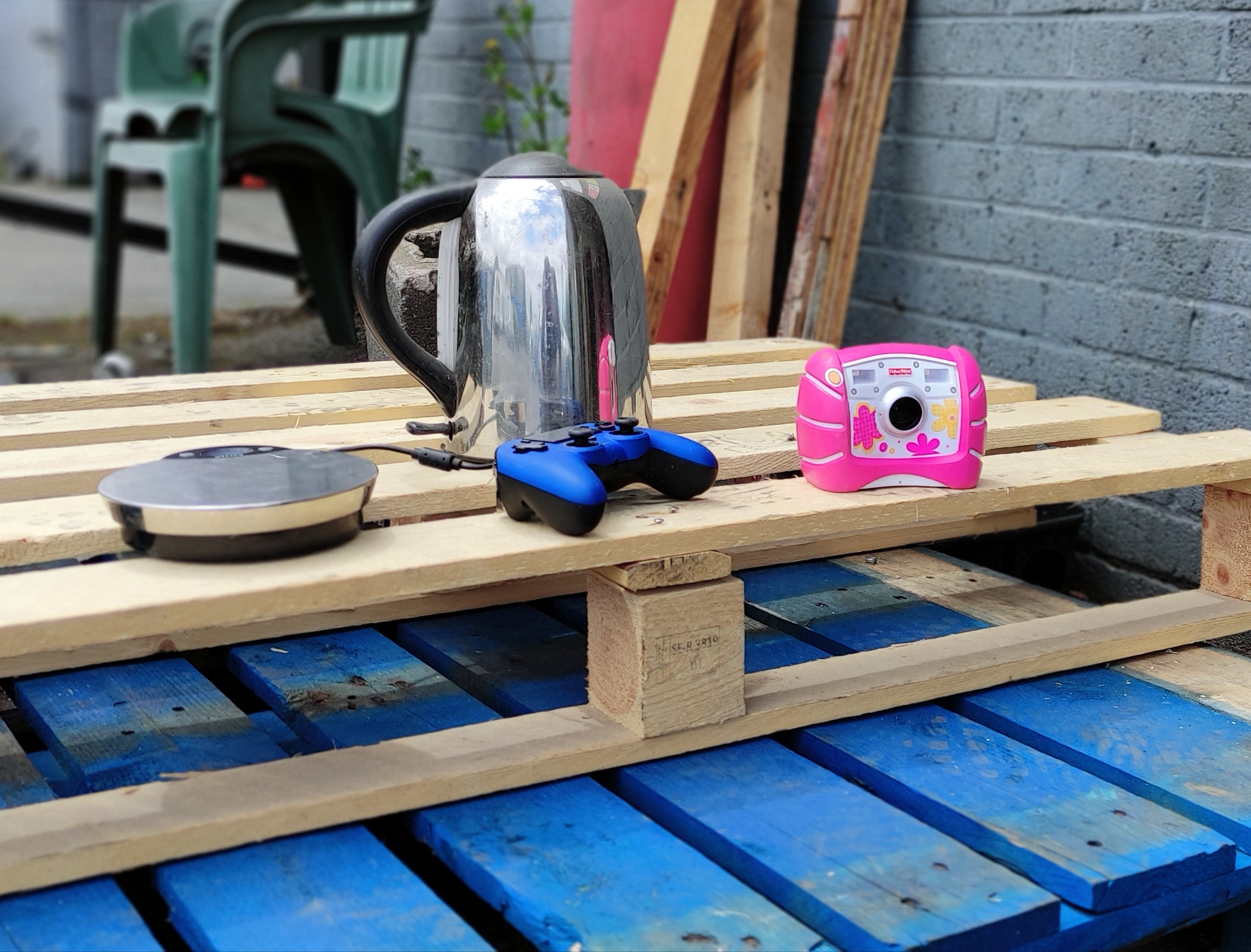
Mixed Small Electricals

There are many ways that recycling helps our environment. Why not try to remember and introduce these 5 points.

  • A reduction in landfill and industrial waste by reuse or recycling.
  • Reduced energy usage by reuse or recycling.
  • Less pollution through reuse or recycling.
  • Increased employment by reuse or recycling.
  • Sustainable usage of natural resources by reuse and recycling.

When Irish people wish to make a point, they usually do it well. This needs to be the case with reduce, reuse and recycling

By recycling, your positive actions make you part of the solution rather than part of a global problem. As local communities we must plan and first take steps to reduce the amount of waste and including e-waste that is clogging up our lives .

Making sure that recyclable items such as computers don’t end up in the wrong bin, landfills or illegally dumped is an important step toward green living and environmental conservation for future generation.

Recycle IT is an award-winning, not-for-profit social enterprise established to create employment and promote environmental awareness through recycling and reuse. We work in partnership with WEEE Ireland and are authorized by your local authority to provide electrical, electronic and pure metal recycling collections across Dublin since 2007. Recycle IT are fully compliant for WEEE Recycling with permit details available here.
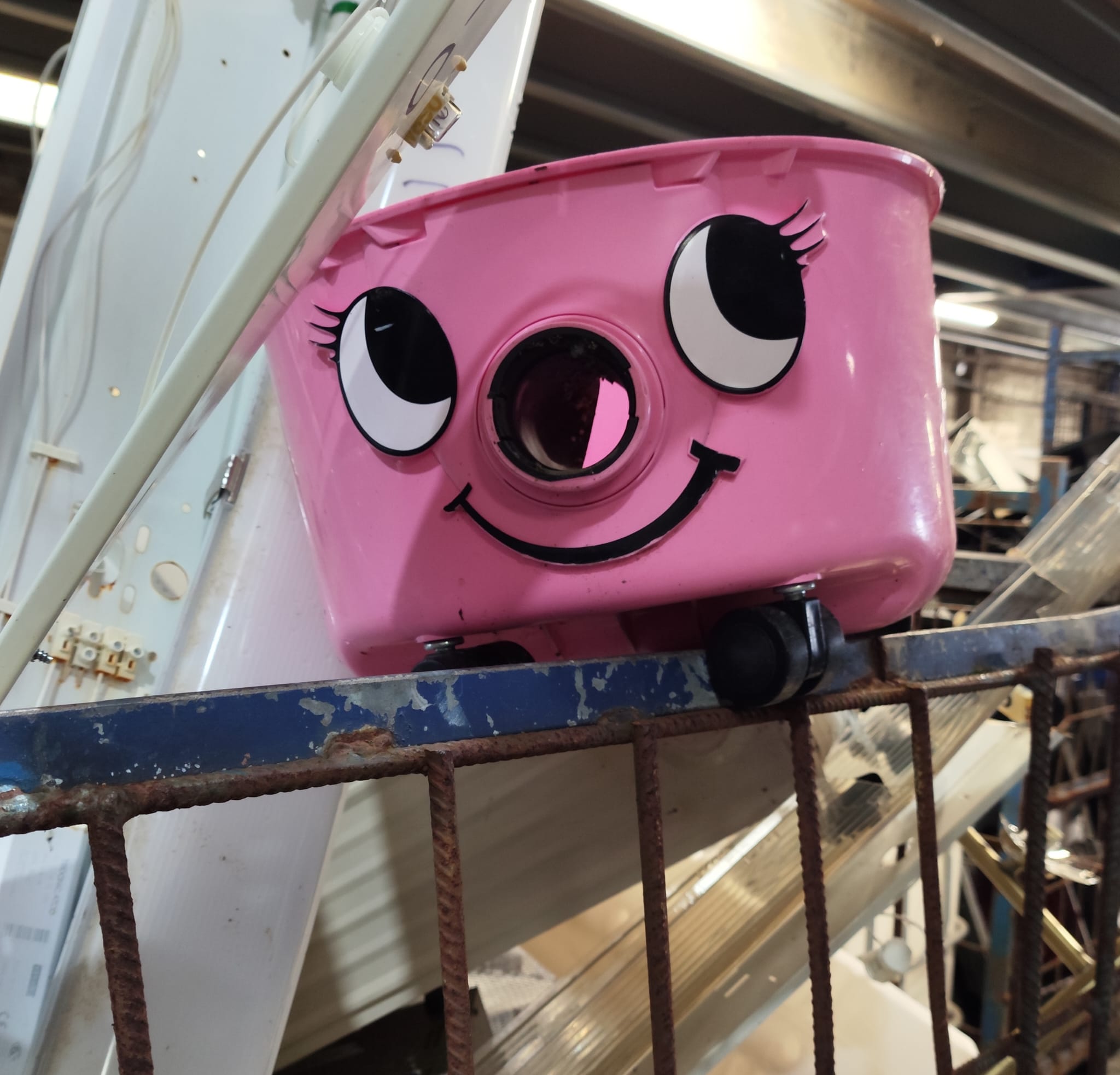
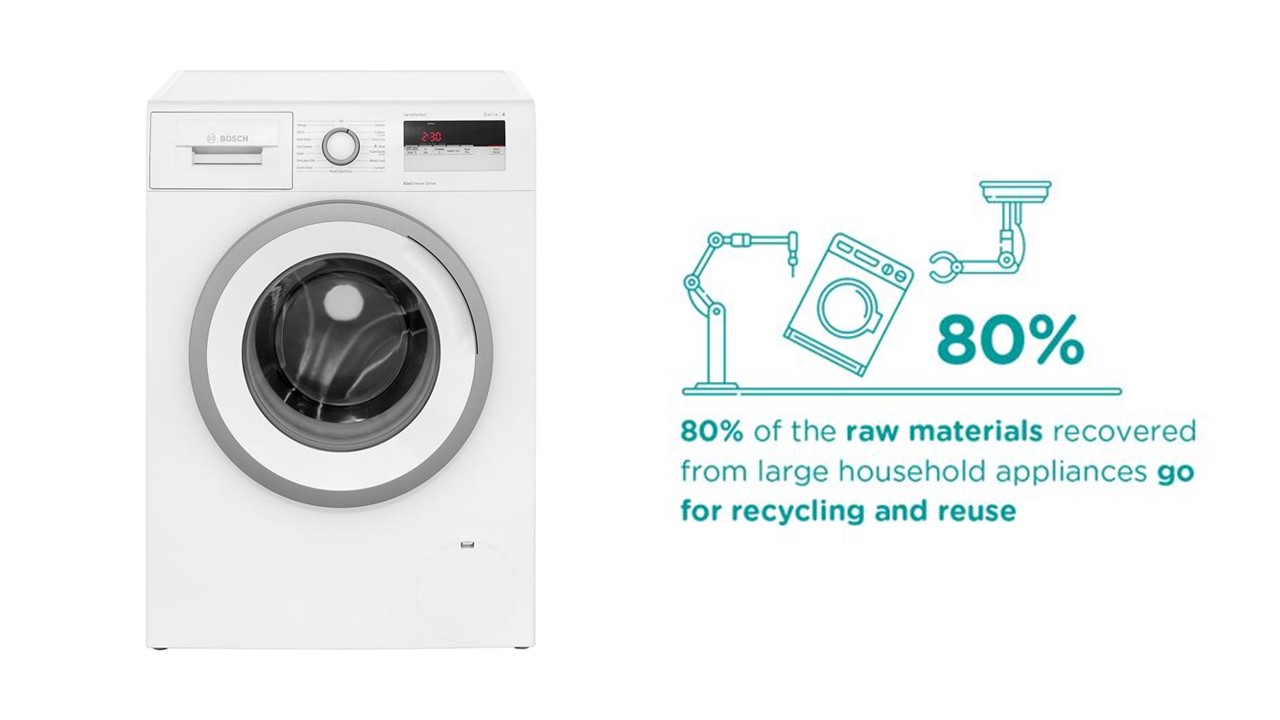
Free Home Appliances Recycling

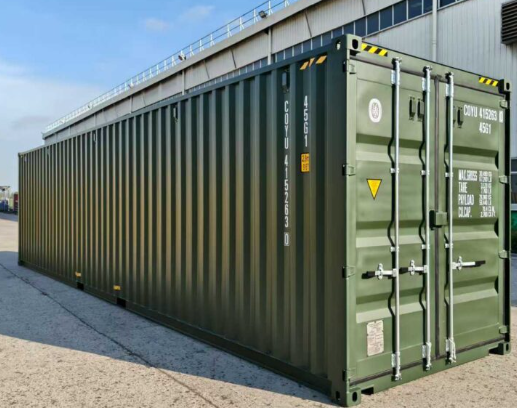
Recycling home appliances helps protect the environment, saves energy, reduces waste, and conserves valuable materials. It’s a smart, eco-friendly choice for everyone. Recent statistics show consumers recycled a record-breaking 41,730 tonnes of electronic and electrical waste in 2023 – the equivalent of almost 200 forty-foot containers more than the previous year, new figures reveal.

40 Foot Shipping Container

Over 15 million small appliances such as coffee makers, calculators, kettles and keyboards, along with the equivalent of 66 million used AA batteries were also handed back for safe recycling to make their way into the circular economy.

Members of the public may dispose of all their old household waste electrical and electronic equipment (WEEE)  free of charge at Recycle IT in Clondalkin, Co Dublin.

40 Foot Collection Trailer

Recycle IT are happy to say we have worked in partnership with WEEE Ireland for 20 year to help recycle appliances like washing machines, dishwashers, cookers, hobs, televisions, computers, laptops, tablets, cables, toasters, kettles, heaters, clocks, lights, lamps and lots more! You will find helpful lists here.

How it Works

WEEE Ireland supports Recycle IT  in the collection and recycling of old damaged or unused electrical items. This service is part-financed by the payment of tariffs from the producers who originally put the WEEE into the marketplace. Recycling opportunities are available free to resident groups through a door to door collection services. Up to 500 homes per day are offered an electrical recycling collection with help provided with lifting and moving items. The service is age-friendly and our teams are helpful so don’t be shy!

Recycle ITWhat does Electrical / WEEE Recycling Mean?

The WEEE Regulations were introduced to promote the environmentally responsible disposal, recovery, and recycling of consumer electrical goods and appliances in Ireland.  The Regulations apply to all kinds of Electrical & Electronic Equipment but contain limited exemptions for certain types of devices, such as some medical or military items.

These regulations require the Producers (manufacturers and importers) and Retailers of Electrical & Electronic Equipment to ensure systems are in place to fund and encourage the return, collection, and recycling of WEEE items from the general public. Recycle IT supports this recycling activity and is licensed to do so.

Retailer / Consumers Recycling

Retailers of Electrical & Electronic Equipment, including internet sellers, are now required by law to provide for take-back of WEEE articles from customers free of charge, subject to the conditions below:

Free retailer take-back only applies when a new item has been purchased and on a one-for-one basis.

Mixed Domestic Appliances

Any item for return must be of a similar type as the new item being bought; e.g. a retailer is not obliged to accept a television if a customer has only bought a toaster.

With any household items that require delivery, retailers must collect the old appliance free of charge, and give at least 24 hours’ notice of delivery. Items such as fridges must be properly de-frosted and disconnected by the customer before collection. Depending on the retailer there may be a delivery charge.

All retailers selling Electrical & Electronic Equipment to the general public are legally obliged to comply with various other requirements under the WEEE Regulations, including measures relating to the:

  • Display of statutory WEEE signage in-store, which must be displayed at each point of sale;
  • Provision of information explaining WEEE take-back procedures and deadlines to the public;
  • Provision of a suitable storage area for any returned WEEE items.
  • Further information on the WEEE Regulations is also available on the EPA website.

Civic Amenity Recycling 

In Dublin and surrounding areas all old, damaged and unwanted household electrical items, batteries and energy-saving light bulbs can be brought to your nearest civic amenity site for free recycling. A list of these locations in Dublin is available here

Recycle IT Recycling 

Electrical and electronics recycling services have been operated by Recycle IT since 2002. Our teams work with householders, charities, schools, colleges, businesses, government, non-government and community-based organizations in Dublin and the surrounding counties of Kildare and Wicklow.

Recycle IT 2019 TV
Recycle IT / Recycle TV’s

Recycle IT offer Residents Association door-to-door collections, personal collections and business recycling collections. Recycling services are offered to homes and organisations to help ensure electronic, electrical and metal equipment is safely recycled. Equipment collected flows through an authorized and approved recycling supply chain which feeds the circular economy and ultimately reuse.

As a not-for-profit social enterprise, Recycle IT has benefited the WEEE sector since 2007 by collecting waste electrical and electronic equipment (WEEE) from householders and community organizations who can find it costly and therefore hard to recycle.

IMG_20160422_140933
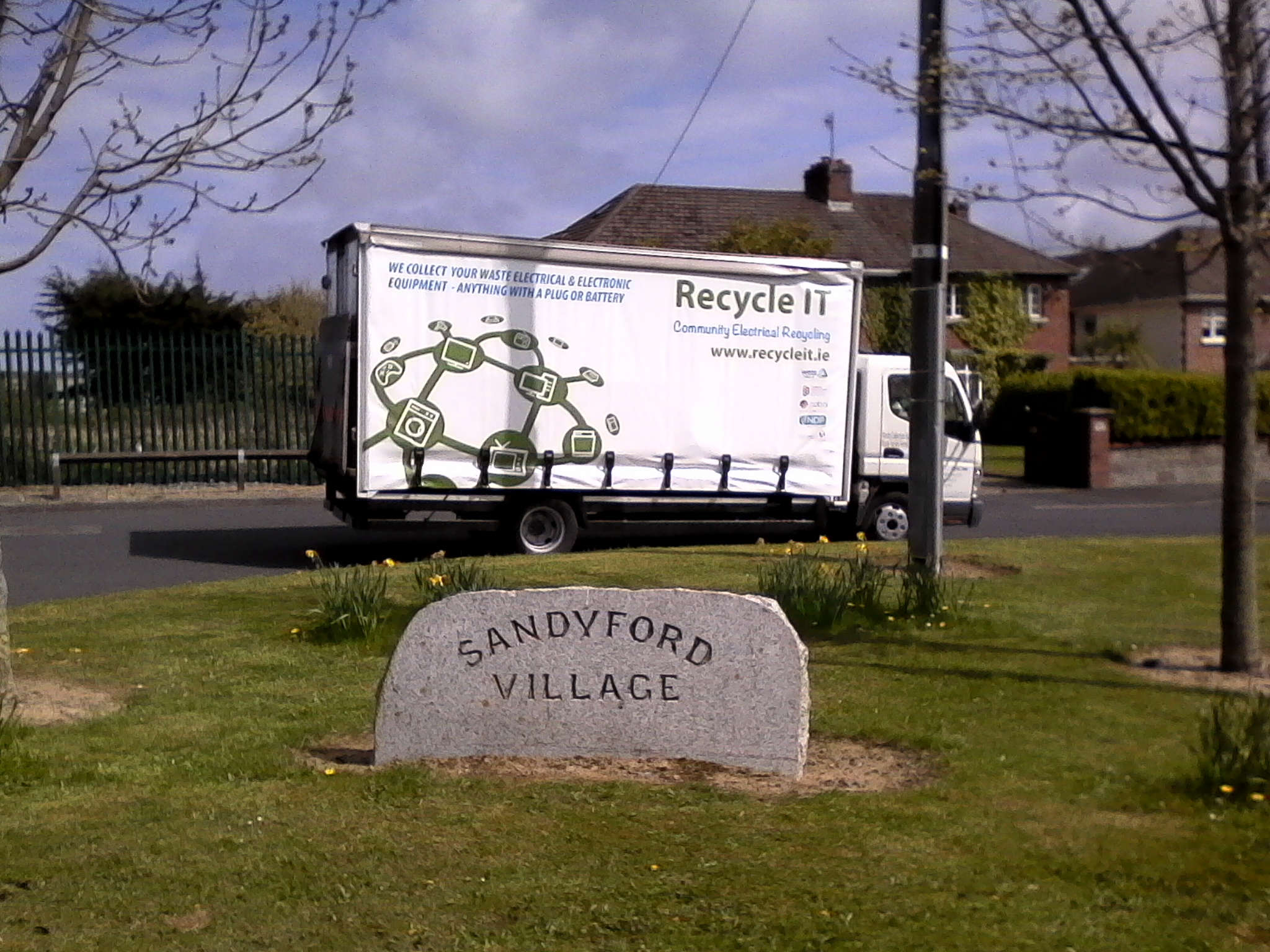
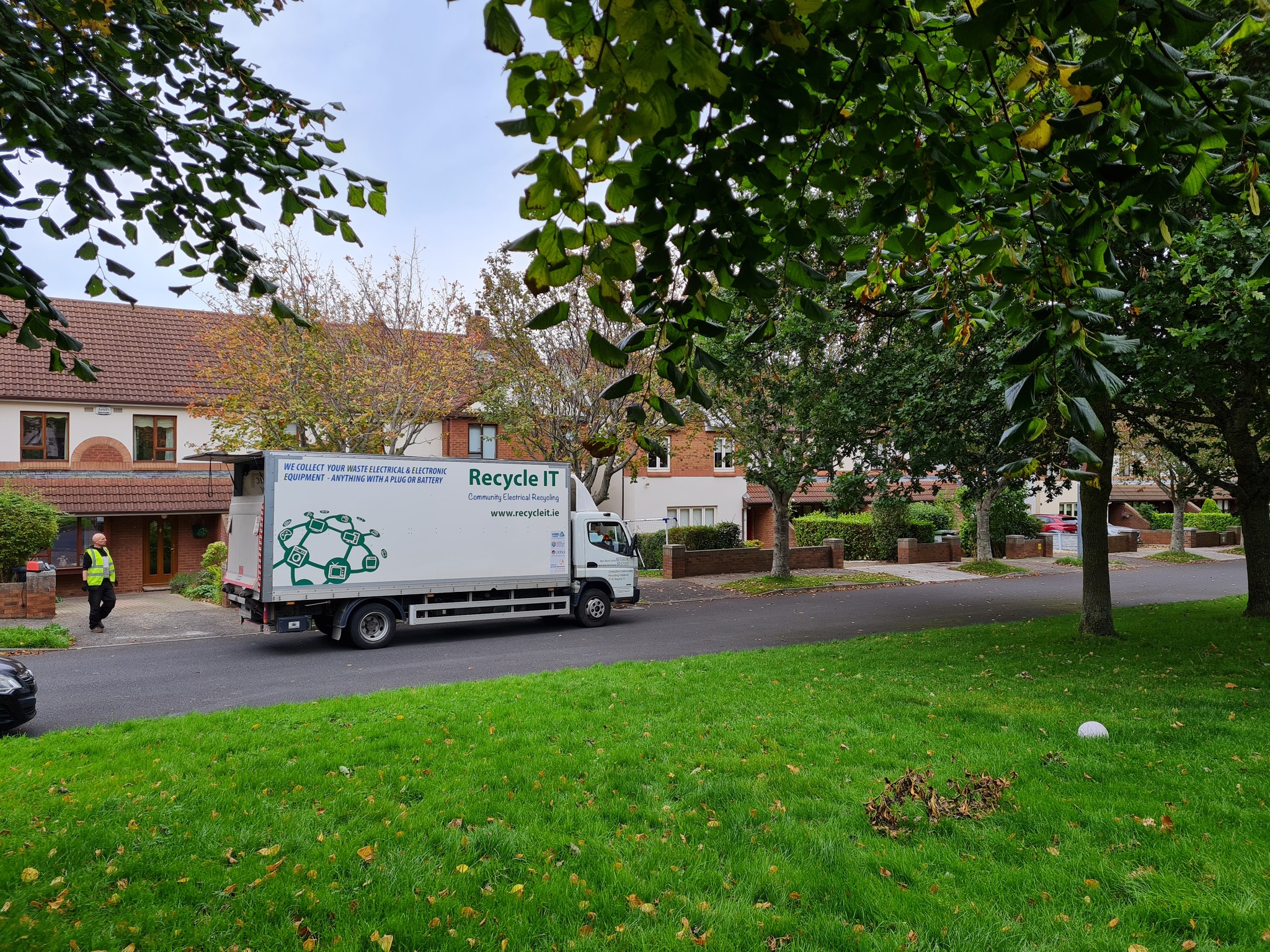
Recycle IT Community Residents Collection

Examples of items that can be recycled for free include:

  • All types of batteries including farm fencing and automotive batteries
  • Torches, Power tools, and other Small Electrical Devices
  • Fridges, Freezers, Washing Machines, and Electric Ovens
  • PCs, Networking, TVs, Monitors, Cables, Chargers
  • Energy Saving Lamps and other Lighting Equipment
  • Along with any other household WEEE, you may have.

These types of items are accepted free by (Residents’ associations and organisations).

For full/downloadable lists of all items recycled please click here

To learn more call 01 4578321 or email info@recycleit.ie 

If you miss your Recycle IT collection day remember that you can recycle your household electrical waste and waste batteries at our recycling centre free of charge. Click here for our location and directions. You can also arrange a cost-effective personal collection with Recycle IT. Just click here

About Recycle IT

Recycle IT is an award-winning, not-for-profit, social enterprise established to create employment and promote environmental awareness through recycling and reuse. We work in partnership with WEEE Ireland and are authorized by your local authority to provide electrical, electronic and pure metal recycling collections across Dublin since 2007. Recycle IT are fully compliant with WEEE collection regulations. Our permit details are available here.

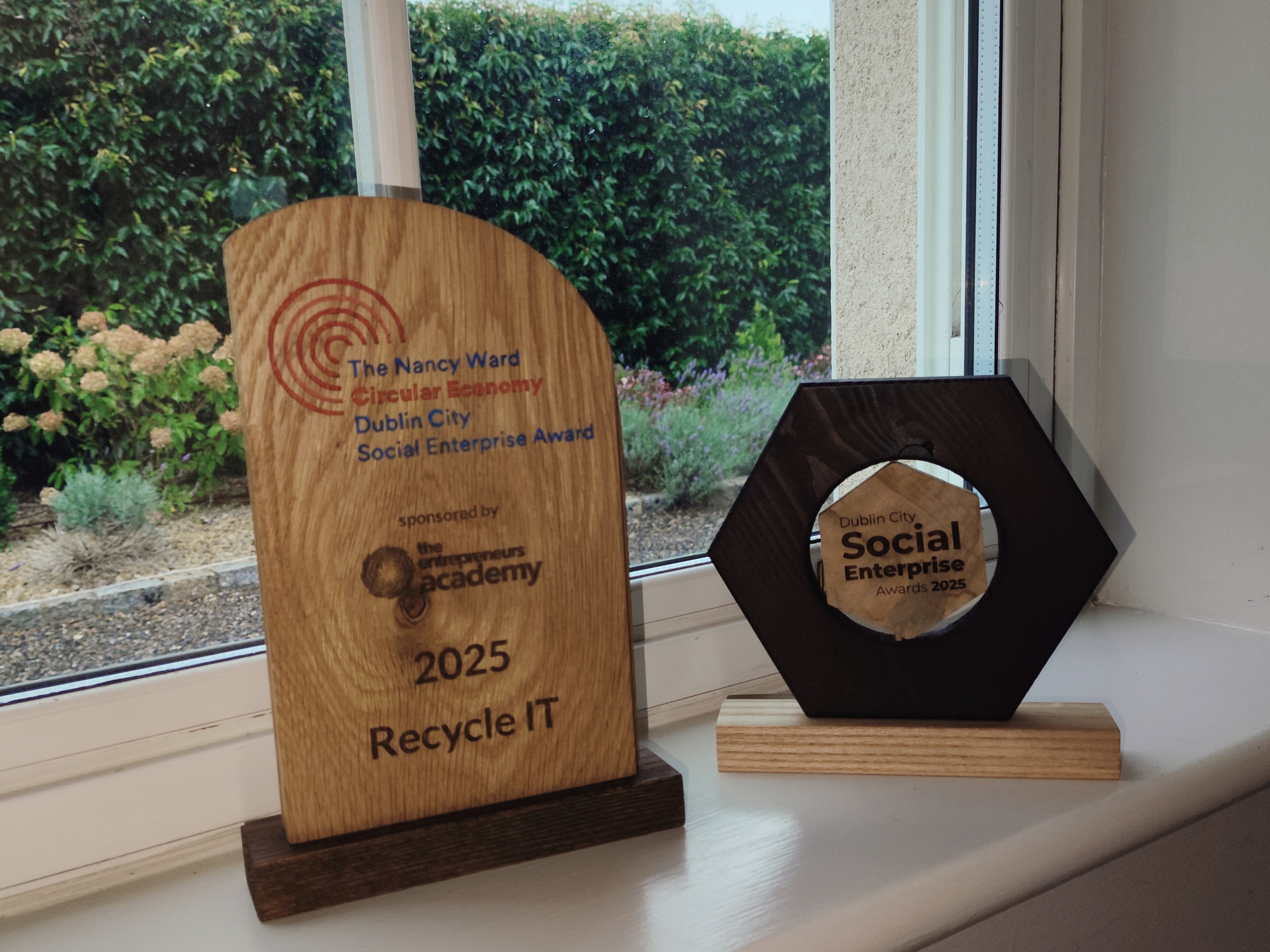
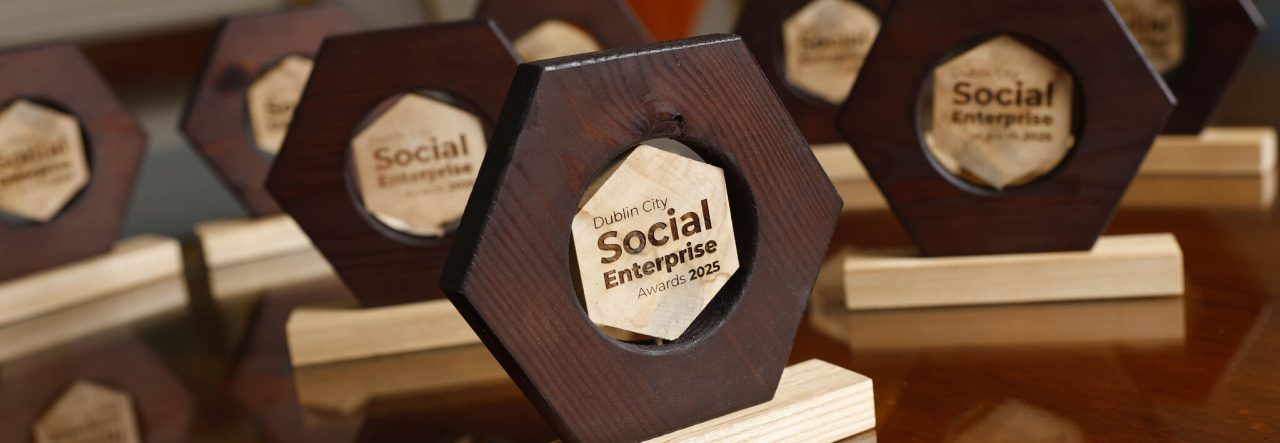
Recycle IT Social Enterprise Award 2025

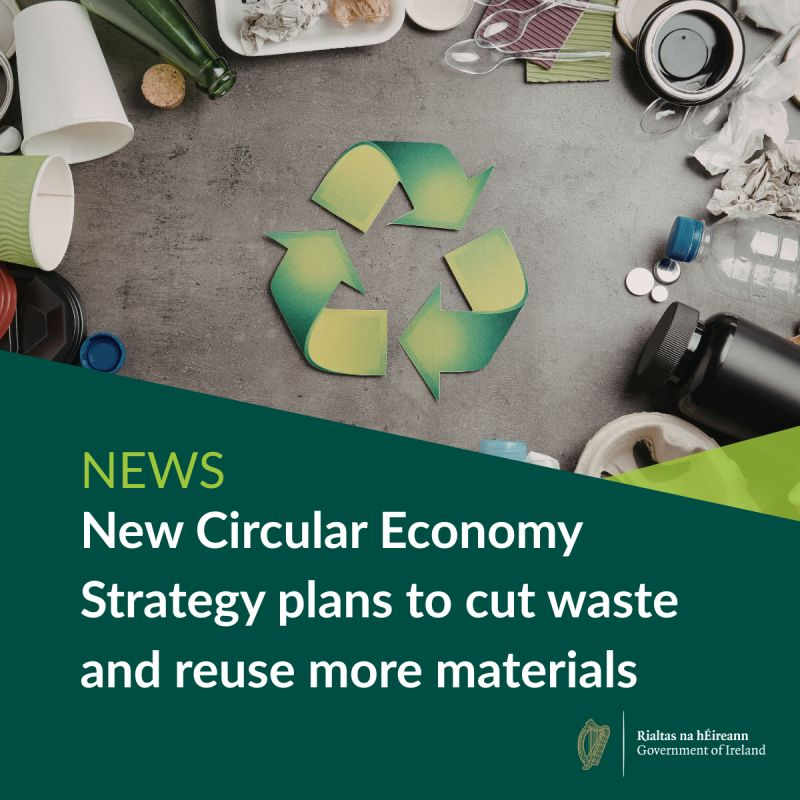
Irelands Circular Economy Strategy

Wasting Less, Reusing More

The Circular Economy Strategy 2026–2028 launched on 24 February 2026 and sets out how Ireland will reduce waste, reuse more materials and support a more sustainable economy.

Ireland’s Circular Economy Strategy 2026–2028 is a plan to help the country waste less and use resources better. Right now, we mostly follow a “take–make–throw away” model.

Circular Economy Strategy 2026–2028

This strategy aims to move Ireland towards a system where materials are reused, repaired, and kept in use for as long as possible.

What the strategy wants to achieve

  • Use more recycled materials: Increase Ireland’s circular material use rate to 12% by 2030.
  • Grow the economy in a smarter way: Use fewer new raw materials and make better use of what we already have.
  • Support businesses and jobs: Help Ireland become a leader in sustainable design, manufacturing, and new circular business ideas.
  • Be fair to everyone: Make sure communities and workers benefit from these changes.
  • Help people make greener choices: Make sustainable living easier and more affordable.
  • Support local councils: Help communities create local reuse and recycling projects.
  • Use digital tools: Encourage businesses to track products and materials better using tools like digital product passports.
Circular Economy Strategy 2026–2028

Why this matters

The Circular Economy and Miscellaneous Provisions Act 2022 supports Ireland’s move towards reducing waste and keeping materials in use longer. European laws also support this shift.

The strategy focuses on key areas like construction, farming, retail, packaging, textiles, and electronics. These sectors will work on reducing waste and increasing repair and reuse.

In 2024, a national study called the Circularity Gap Report Ireland found that only 2.7% of materials used in Ireland come from recycled sources. That means over 97% come from new, raw materials. The report shows that Ireland still relies heavily on a wasteful system — but it also shows that moving to a circular economy could reduce carbon emissions, strengthen the economy, and improve long-term security.

In simple terms, this strategy is about wasting less, reusing more, cutting carbon, and building a stronger, fairer Ireland for the future. Get the report here.

About Recycle IT

Recycle IT is the only Community Electronic Recycling Social Enterprise in Dublin providing a community collection service for all types of waste electrical and electronic equipment (WEEE). Recycle IT offers collection services to homes and organisations across Dublin and surrounding areas each year collecting a range of WEEE including monitors, televisions and much more. If your a school, college, charity or community group based in Dublin or a surrounding area we invite you to contact us about our FREE colleciton service.

Our award-winning services are supported by South Dublin Country Council, and South Dublin Country Partnership and provided in partnership with WEEE Ireland. We are authorized by the National Waste Collection Permit Office and the local authority.

Visit our website for further details or learn more about reuse month here

Recycle IT 2025 – Circular and Social Enterprise Awards

Climate Change – Weather in Ireland

Some Simple Facts:

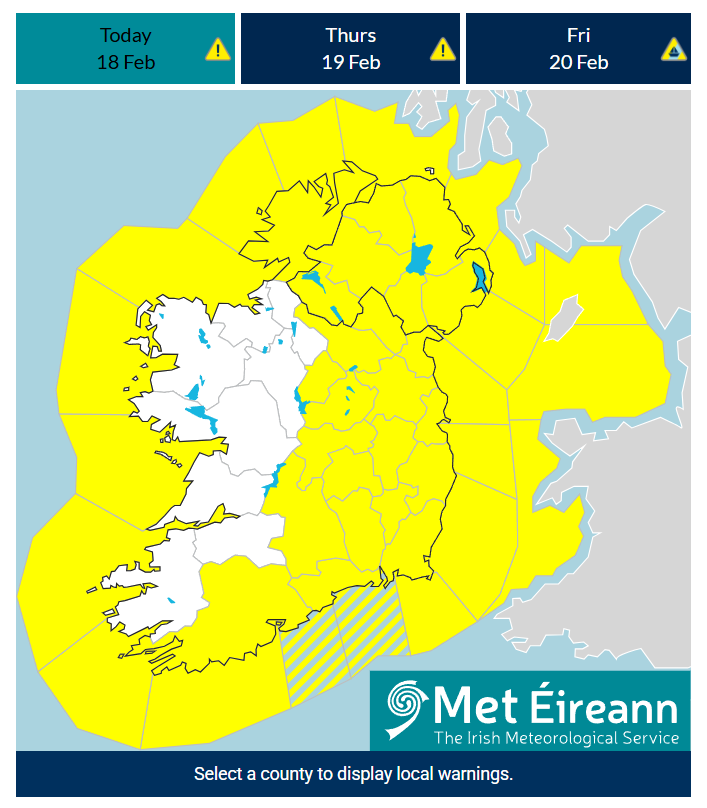
Climate change is making our weather more extreme and sometimes dangerous. On Feb 16th 2026, RTE reported that, it has rained every day so far in 2026 at the Valentia Observatory in Co Kerry, a continuous run of 46 days which included serval Met Éireann weather warnings.

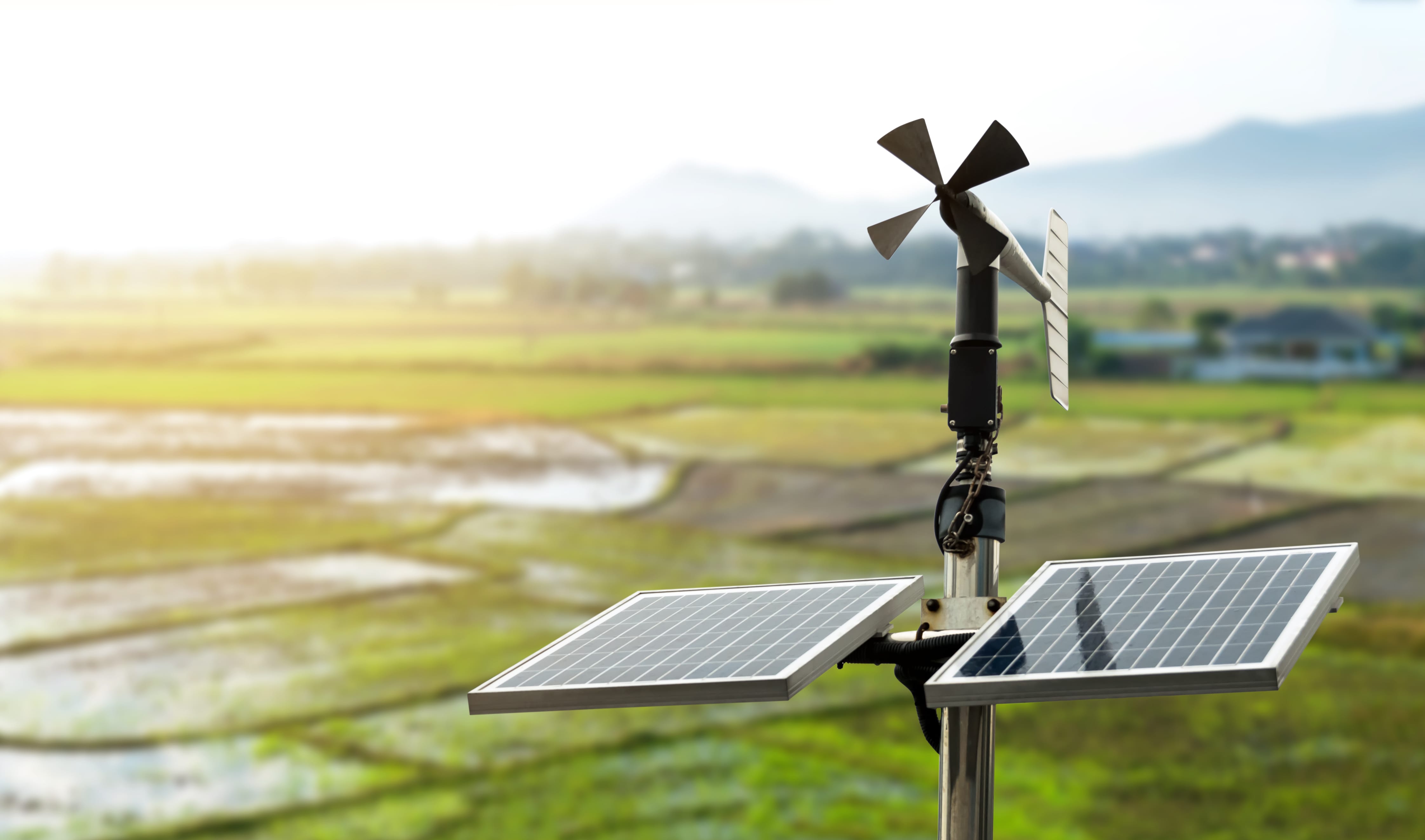
Meteorological Instruments

In 2017, Hurricane Ophelia was one of the strongest storms ever to hit Ireland.

  • 3 people lost their lives
  • Over 360,000 homes lost electricity
  • Schools and businesses closed
  • Winds reached over 150 km/h

It was unusual because really strong hurricanes almost never reach Ireland— but warmer Atlantic waters helped power it.

In 2021 and 2022 hot, dry weather led to large wildfires in places including Sleeve Donard and Killarney National Park.

In July 2022, Ireland recorded temperatures above 33°C — extremely hot for our country. Heatwaves are becoming more common, lasting longer, with hotter, drier spells leading to an expectation of wildfires.  

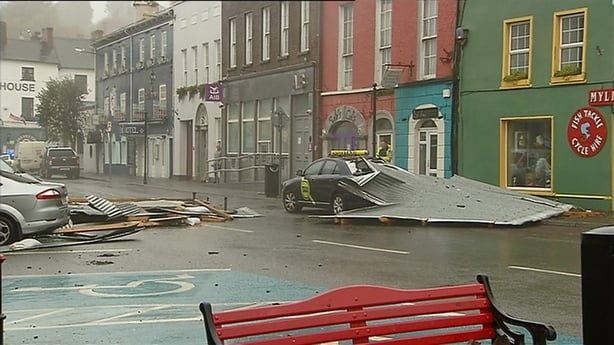
Storm Damage Ireland

What is means in simple words:

The Earth is getting hotter because of pollution from cars, planes, factories, and cutting down forests. This pollution traps heat around our planet, like a thick blanket.

Because of this:

Bigger Rain & Floods: Warm air holds more water. That means when it rains, it can pour much harder than before. Some places (like parts of Ireland) could see over 20% more winter rain. More rain equals more flooding.

Stronger Storms: Storms are getting more powerful, especially over the North Atlantic. Stronger winds and heavier rain can damage homes and knock out power.

Weather Warmings

Hotter Days: The last 10 years have been the hottest ever recorded. 2024 and 2025 were the hottest years worldwide. Summers are getting even hotter, and heatwaves are happening more often. This can make people sick, harm animals, and damage crops.

Droughts in Some Places: While some areas flood, others get less rain and much hotter summers. This can lead to droughts, water shortages, and wildfires.

Rising Sea Levels: Ice in cold places is melting, and warmer water expands. This makes sea levels rise. That means more coastal flooding and beaches slowly disappearing.

Why This Matters to YOU

This isn’t just about the future — it’s happening now. It affects:

  • The air you breathe
  • The food you eat
  • The places you live and play
  • The life you live is disrupted including work, school, sport, and social events
  • The livelihoods of individuals and families are threatened
Cycle to School

What can we do? You are not “too young or too old” to make a difference. Here are powerful things you can do:

  • Walk, cycle, or carpool when possible
  • Turn off lights and unplug chargers
  • Reduce, reuse, recycle
  • Eat more plant-based meals
  • Talk about climate change at school and home
  • Join or start a climate club
  • Take part in tree-planting or clean-up events

Small actions, create big change when millions of people do them. We are the generation that can help protect the planet so make a difference now!

About Recycle IT

Recycle IT is a not-for-profit social enterprise providing collection and drop-off services for all types of waste electrical and electronic equipment (WEEE). Yearly Recycle IT offered drop-off and collection services to thousands of homes and organisations across Dublin and surrounding areas collecting a range of WEEE which includes thousands of computers, televisions, toasters, cables, lawnmowers, monitors, microwaves and kettles.

Recycle IT services are provided in partnership with WEEE Ireland. Recycle IT is supported by South Dublin County Council and authorized by the National Waste Collection Permit Office and the local authorities across Leinster.

Visit our website for further details.