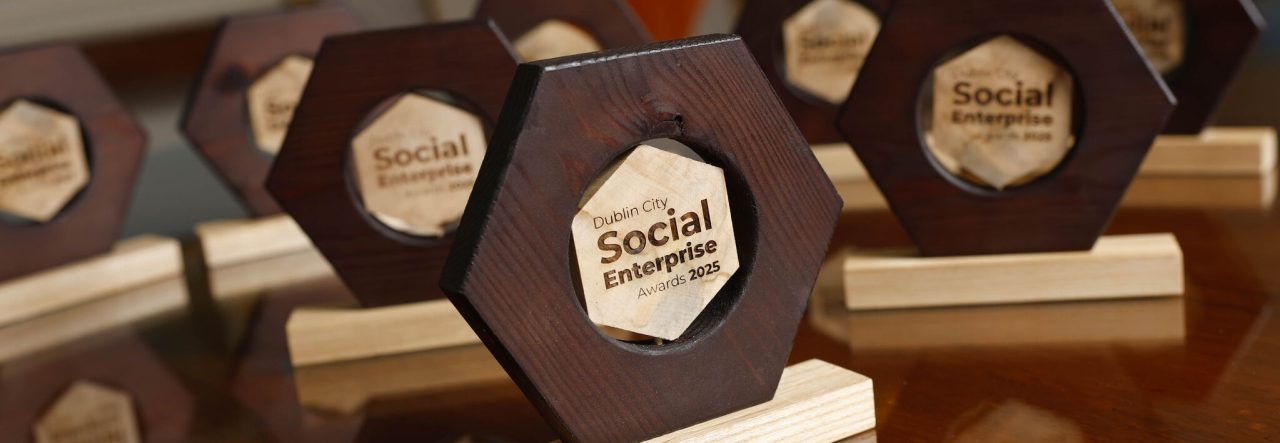
In the bustling city of Dublin, where progress meets tradition, there is a silent hero working towards a greener future – Recycle IT. This innovative recycling and collection service not only aids in environmental preservation through electrical, electronic, and metal recycling but also plays a pivotal role in creating valuable training and employment opportunities for the community.

Change
Over the years, Ireland has witnessed the transformative power of recycling. The shift towards recycling metals safely has gained momentum as awareness grows about the environmental impact of mining and manufacturing raw materials. Recycling metal not only conserves natural resources but also significantly reduces energy consumption and greenhouse gas emissions.
In communities across Ireland, recycling has become more than just an environmental responsibility; it has evolved into a symbol of community strength and unity with people coming together to do more during their spare time. Recycle IT is trying to support this movement and contribute to the social fabric of Dublin by not only promoting sustainability but also fostering employment and skills development.

Creating value
Recycle IT understands the importance of providing worthwhile training and employment opportunities to people distanced from the employment market. By incorporating real work opportunities into their recycling and collection service, the team have effectively turned a routine activity into a source of community empowerment. On the job training offered by Recycle IT equips individuals with the skills needed for various aspects of the recycling process, from customer service and collection to sorting and processing.
The value of metal recycling in Ireland goes beyond environmental conservation. It is a catalyst for positive change within communities, offering a chance for individuals to learn, grow, and contribute to a sustainable future. Recycle IT’s commitment to creating employment positions aligns with the broader vision of building resilient communities that can thrive in an eco-conscious world.

Some facts
- Worldwide steel is the most recycled metal, with an estimated 600 million tonnes re-cycled yearly.
- Recycling metal is estimated to create 36 times more jobs than extracting new metal ores.
- All scrap metal recycling is more environmentally friendly than extracting and processing new ore.
- Recycling metal generates 97% LESS mining waste and uses 40% LESS water.
- China is making over 1,000 million tonnes of steel a year with 25% made from recycled scrap steel.
- Aluminium can be infinitely recycled, but 7 million tonnes of it is still wasted yearly.
- Recycling aluminium uses 95% less energy than primary production and each recycled tonne of aluminium saves 14,000 kWh of energy, the energy needs of an average home for approx. three years.
Using income generated
One distinctive feature of Recycle IT is the decision not to offer payment for metals received. While some may initially question this approach, it stems from a strategic commitment to community development. Instead of focusing on monetary compensation, Recycle IT channels its resources into training programs and job creation, maximizing the positive impact on the environment and community.

By not offering payment for metals, Recycle IT is able to invest more in its social initiatives, creating a ripple effect of benefits. The money saved from avoiding direct payments is redirected towards expanding training programs, improving infrastructure, and supporting community outreach efforts. This approach transforms the recycling process from a mere transaction to a dynamic force for positive change in Dublin.
In conclusion
The story of metal recycling in Ireland, particularly in Dublin, is a tale of environmental responsibility and community empowerment. Recycle IT wants to encourage sustainable practices, not only contributing to a greener future through metal recycling but also uplifting the community through training and employment opportunities.
The decision to forgo making payments for metals received for safe recycling reflects a strategic commitment to investing in people and the community. Recycle IT as a social enterprise is always striving for a more sustainable and socially conscious Dublin, achieved by working and acting together to make a real difference.

About Recycle IT
Recycle IT is an award-winning, not-for-profit, social enterprise established to create employment and promote environmental awareness through recycling and reuse. We work in partnership with WEEE Ireland and are authorized by your local authority to provide electrical, electronic, and pure metal recycling collections across Dublin since 2007. Recycle IT are fully compliant with WEEE Recycling Requirements and permit details are available here.
Over the last 20 year Recycle IT have happily offered safe electrical and electronic recycling services to households and small and medium size organisations across a range of sectors. We offer our services all over Dublin and in surrounding areas
For more information about Recycle IT please click here.


