Every Day Life:
Metal is part of almost everything we use every day. It is in our food cans, kitchen tools, electronics, cars, bikes, scooters, gardening tools, and buildings. When these items reach the end of their life, the metal inside them is still valuable. Instead of throwing it away, we can recycle it and use it again. Metal is one of the most useful materials to recycle, and doing so makes a real difference for the environment and the economy.
One of the most important things to know is that metal can be recycled again and again without losing its quality. This means it does not weaken or wear out during the recycling process. Materials like aluminium and steel can be melted down and turned into new products over and over. Because of this, metal is one of the most sustainable materials we have.
Facts
Recycling metal also saves a huge amount of energy. For example, recycling aluminium uses up to 95% less energy than making it from raw materials. Steel recycling can save around 60–70% of the energy compared to producing new steel. These energy savings help reduce greenhouse gas emissions, which are a major cause of climate change. Using recycled metal also means we need less mining, which protects natural landscapes and reduces pollution.
There are many types of metal we can recycle at home and in our communities. Common items include aluminium cans, steel food cans, foil wrap and foil trays (if clean) can all be placed in the Green Bin.
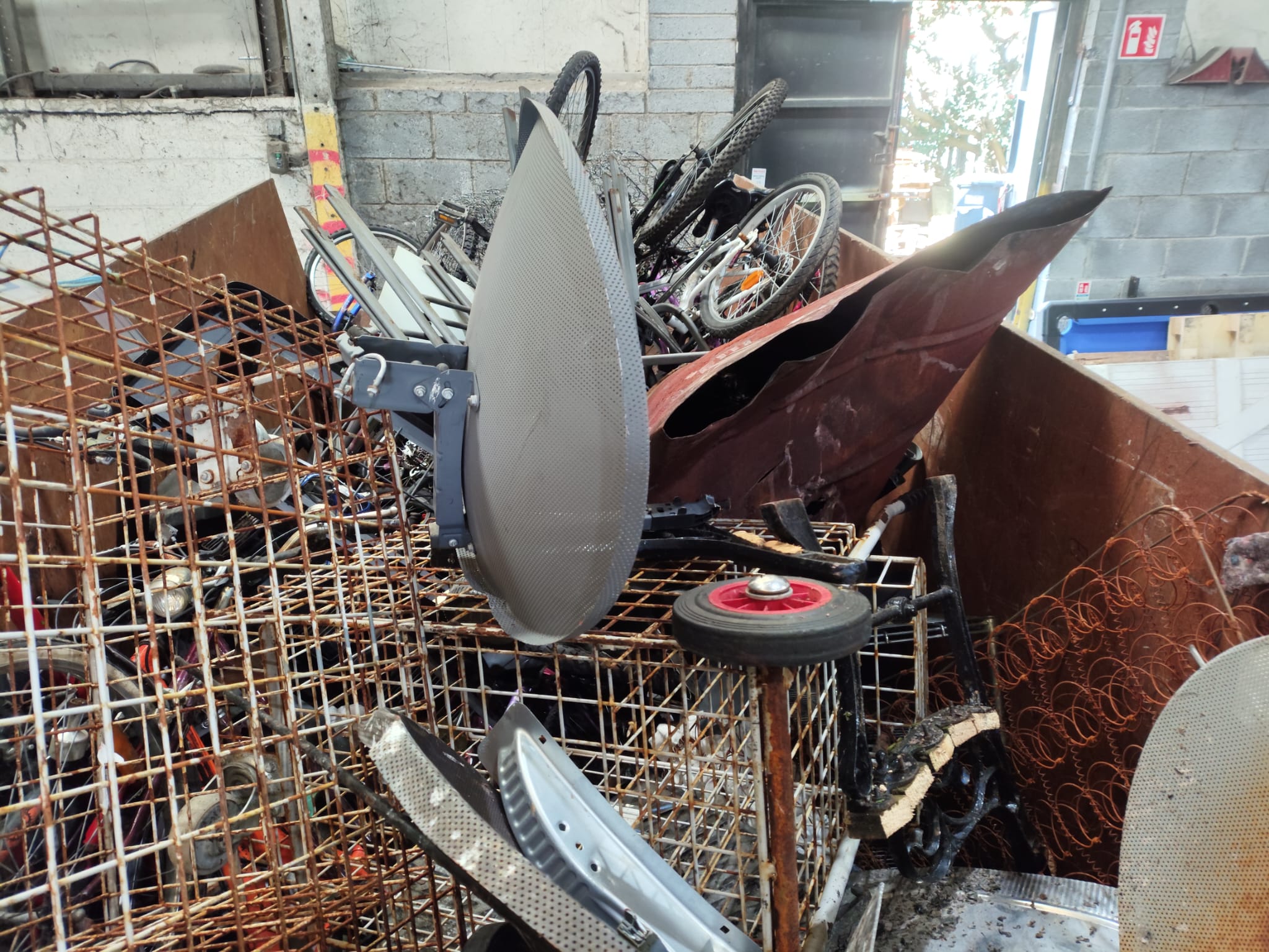
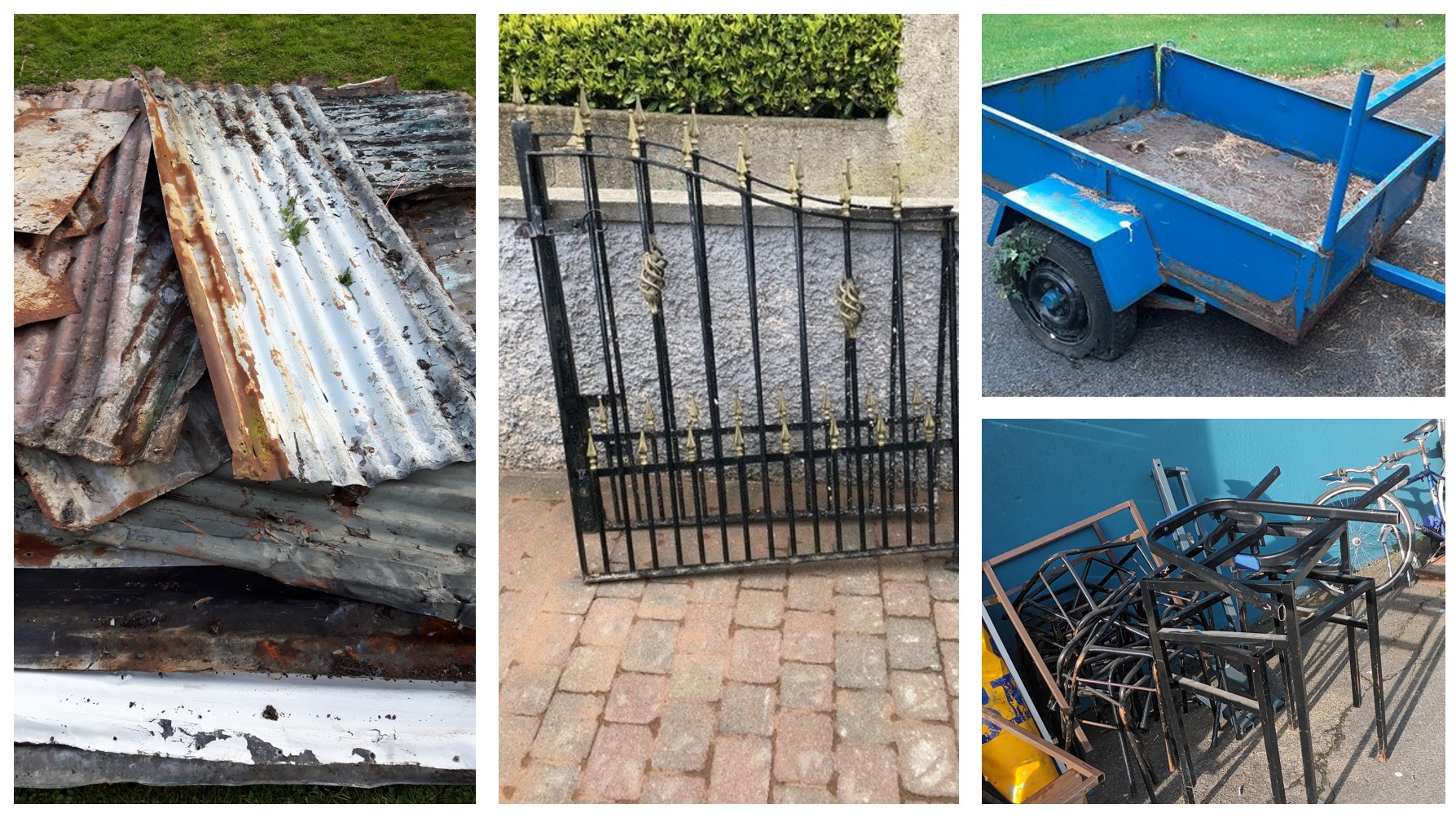
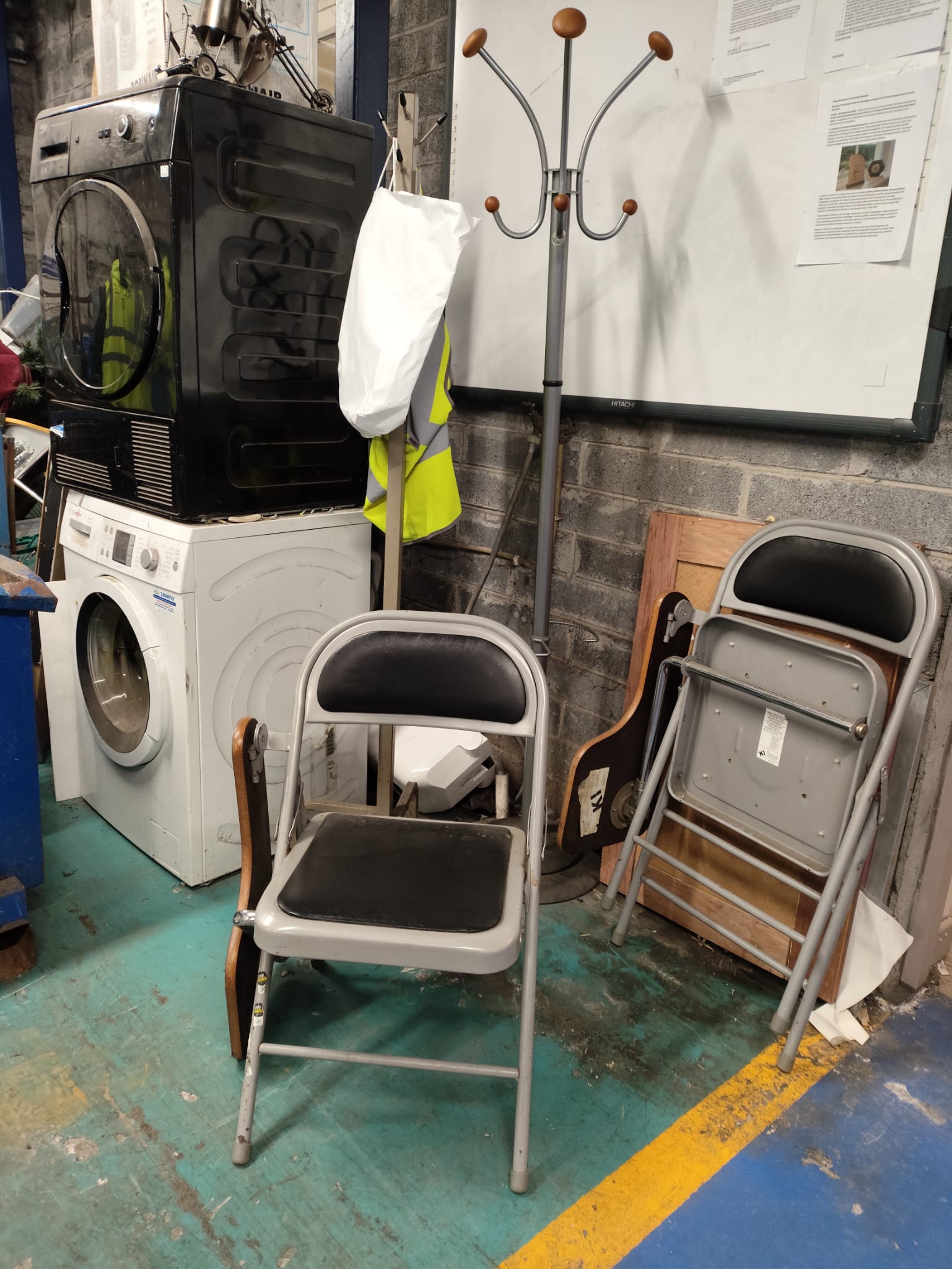
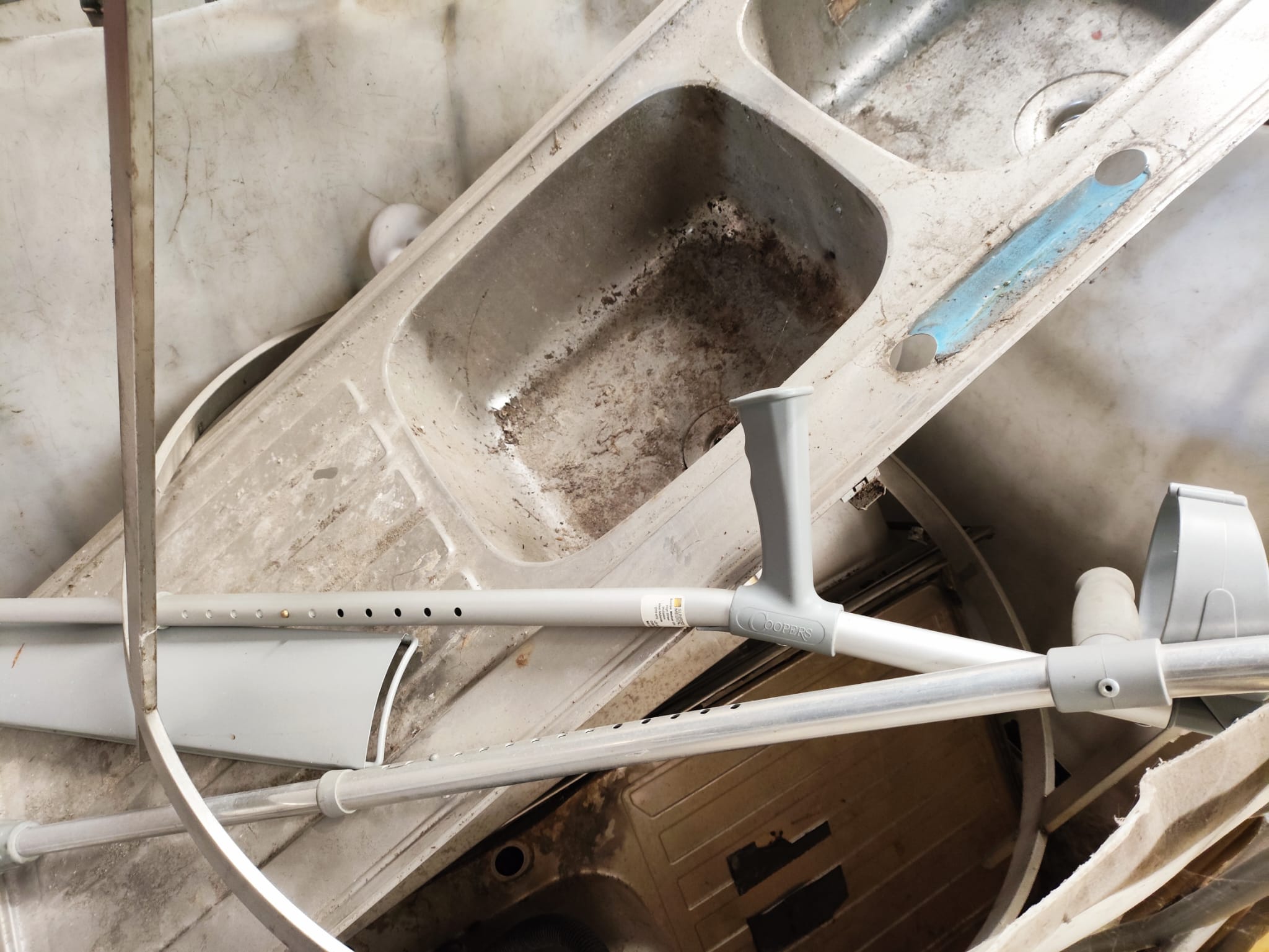
Larger items such as washing machines, ovens, bicycles, and even furniture like metal table legs or office chairs can also be recycled. Electrical items often contain valuable metals like copper, aluminium, and steel, so they should always be taken to proper recycling centres.
Some facts help show just how powerful metal recycling can be. Recycling one aluminium can saves enough energy to power a television for a few hours. Steel is one of the most recycled materials globally, with high recycling rates in many countries. Aluminium is also widely recycled and can return to shop shelves as a new can in as little as 60 days.
- The metal recycling industry in the European Union offers 310,000 green, local, and non-outsourceable jobs across all Member States. Source: European Recycling Industries’ Confederation (EuRIC).
- Ireland achieved a 58% recycling rate for metal packaging in 2021.
- According to 2023 data, approximately 357,947 tonnes of metal were recycled, largely related to construction and demolition activity.
- You can identify metal types using a magnet; steel is magnetic, while aluminum is not.
- Roughly 40% of the world’s copper demand is met using recycled material.
- Recycling steel reduces related CO2 emissions by 58% compared to primary production.
- A single computer contains around 1.5 kg of copper, making electronics recycling highly valuable.
- The automotive industry is the largest consumer of recycled scrap metal.
- 91% of metals from end-of-life vehicles were recycled.
Best Use
You can learn to identify metals at home. A simple magnet test works well—steel is magnetic, while aluminium is not. This can be a fun and educational activity for children, helping them understand recycling in a hands-on way. Knowing what materials you have makes it easier to sort and recycle correctly.
It is important to remember that metal is a limited resource. Metals come from ores in the ground, and mining them takes time, energy, and effort. By recycling, we make better use of what we already have instead of constantly taking more from the earth. This helps protect natural resources for future generations.
Another benefit of metal recycling is reducing landfill waste. Metal items that end up in landfill can take a very long time to break down. By recycling them instead, we reduce the pressure on landfill sites and prevent harmful substances from affecting soil and water. Clean recycling habits can make a big difference in keeping our environment safe.
Change
Remember, there are simple changes we can make to improve how we use metal. For example, choosing reusable containers instead of disposable foil trays can reduce waste. When metal items do break or wear out, we should always think about recycling them instead of throwing them away. Many recycling centres accept a wide range of metal items, and some even offer collection services for larger appliances.
Working together as a community can make metal recycling even more effective. Families, schools, and workplaces can all play a role by collecting and sorting metal waste properly. Small actions, when done by many people, add up to a big impact.
In summary, metal is too valuable to waste. It can be recycled endlessly, saves large amounts of energy, reduces pollution, and supports jobs. By recycling metal items—from small cans to large appliances—we help protect the environment and make better use of our resources. Next time you are about to throw away something made of metal, stop and think: can it be recycled instead?
About
Recycle IT is an award-winning, not-for-profit social enterprise established to create employment and promote environmental awareness through recycling and reuse. We work in partnership with WEEE Ireland and are authorized by your local authority to provide electrical, electronic and pure metal recycling collections across Dublin since 2007. Recycle IT are fully compliant for WEEE Recycling with permit details available here.
 Recycle IT