Process that transforms Hazardous Plastic
For many years, electrical and electronic waste (also known as e-waste) has been building up across Europe and around the world.
A lot of this waste includes plastics that contain chemicals such as flame retardants. While these chemicals are important for fire safety, they have made plastics very difficult to recycle. Because of this, much of this plastic has been treated as hazardous waste and sent for disposal instead of reuse.

© PLAST2bCLEANED
A new project – PLAST2bCLEANED
This helpful project has developed a new recycling method that safely removes these harmful chemicals from plastic. This makes it possible to recover clean, high-quality plastic, as well as valuable materials like bromine and antimony trioxide. This supports Europe’s goal of creating a circular, closed-loop recycling system.
Instead of shredding plastic into lower-quality material, the process uses heat and special solvents to fully dissolve the plastic. The harmful additives are then separated out, leaving behind clean plastic that can be reused again and again in manufacturing.
Based in the Netherlands, the PLAST2bCLEANED project shows real progress in reducing environmental damage and lowering Europe’s reliance on imported raw materials, especially antimony*, which is considered a critical resource.
* Antimony is a metalloid, which means it has properties of both metals and non-metals. Antimony is utilized in various applications, including:
- Alloys: It is commonly added to lead and tin alloys to improve their properties, making them suitable for use in batteries, solders, and bullets.
- Flame Retardants: Antimony trioxide is a key component in flame retardants used in textiles and plastics including plastics use in electrical products.
- Semiconductors: It is used as a dopant in semiconductor devices, enhancing their electrical properties.
New EU Regulation
A new era of EU regulation is changing how products are made and recycled. New rules now require manufacturers to use more recycled materials, including valuable substances like bromine and antimony.
Digital Product Passports will also track how clean and recyclable materials are over a product’s lifetime. At the same time, the EU wants to recycle more of its own critical raw materials to reduce reliance on imports.
Technologies like PLAST2bCLEANED will play a key role in supporting a circular economy.
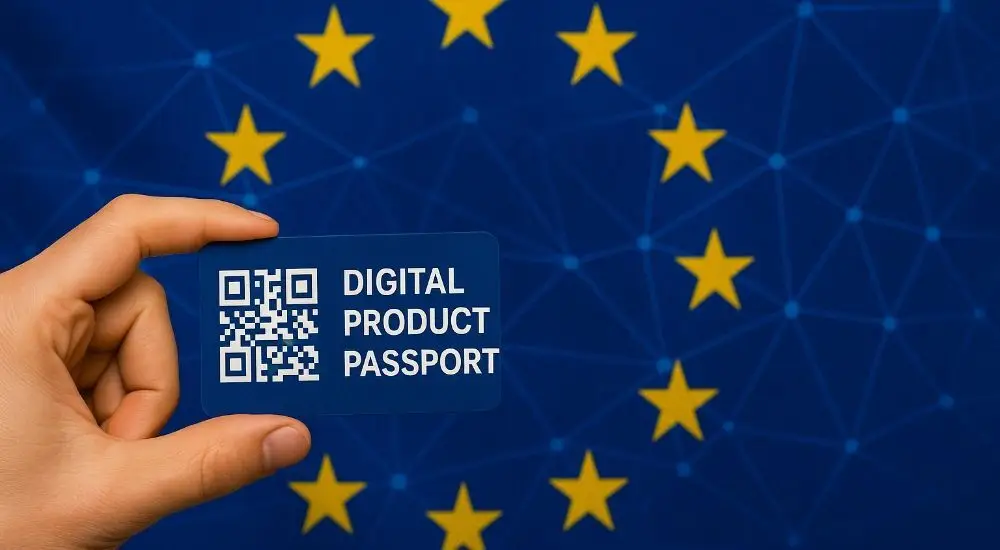
Read more at: Ecodesign for Sustainable Products Regulation (ESPR), and Critical Raw Materials Act
Original post shared by Directorate-General for Environment: Visit here.
About Recylce IT
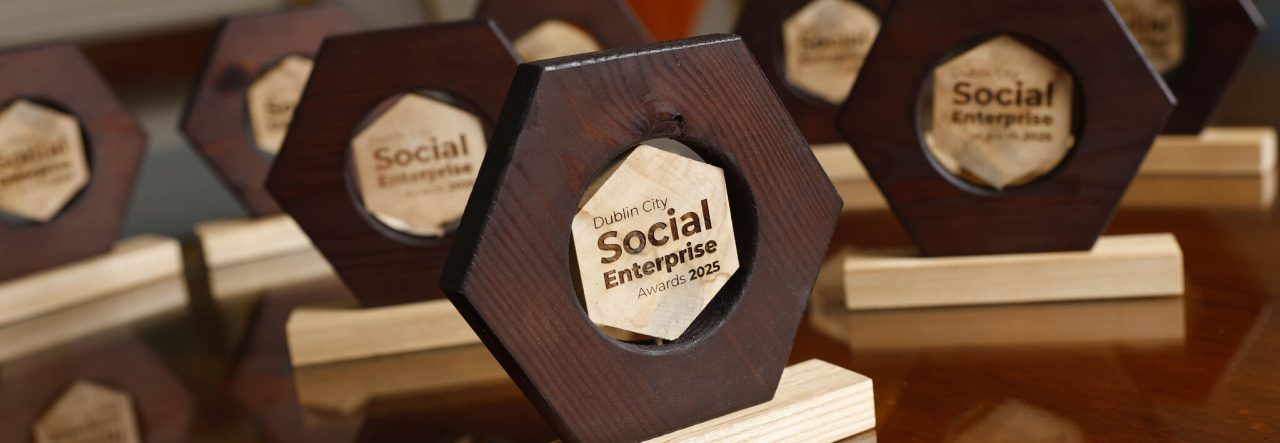
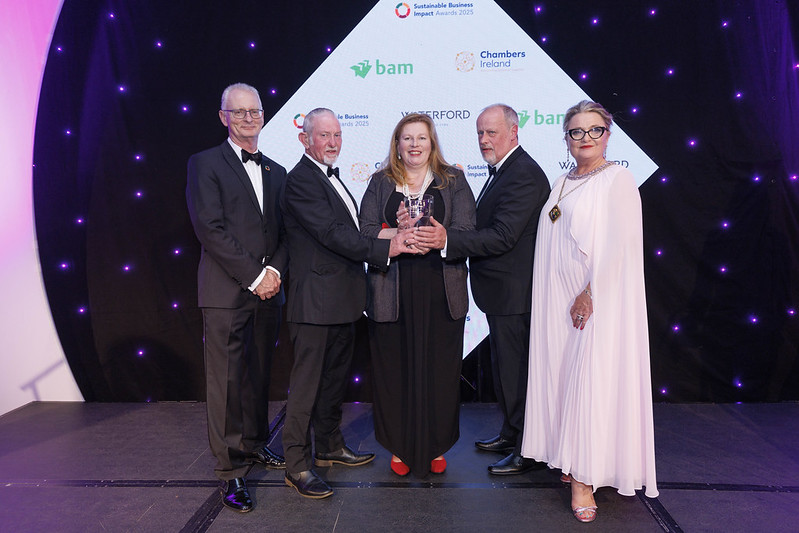
Recycle IT is an award-winning, not-for-profit, social enterprise established in 2003 to create employment and promote environmental awareness through recycling and reuse. We work in partnership with WEEE Ireland and are authorized by your local authority to provide electrical, electronic and pure metal recycling collections across Dublin since 2007. Recycle IT are fully compliant with WEEE Recycling Requirements and permit details are available here.
For more information about Recycle IT please click here.
 Recycle IT