In Ireland, Easter is a time of joy, family, and celebration, brighter days with summer not far away —but much like other times of celebration, it can also create a lot of unnecessary waste. This year, why not make a few simple changes to celebrate more sustainably?
Try reusing cardboard egg boxes for crafts is fun, creative, and eco-friendly. You can make models, decorations, or toys while reducing waste, saving money, and helping the environment at the same time.
Cut boxes into small cups to make bunnies or chicks, paint them, or turn them into decorated eggs. You can also use them to plant seeds, sort small items, or play colour games. When you’re finished, the cardboard can still go in the green recycling bin.
Change
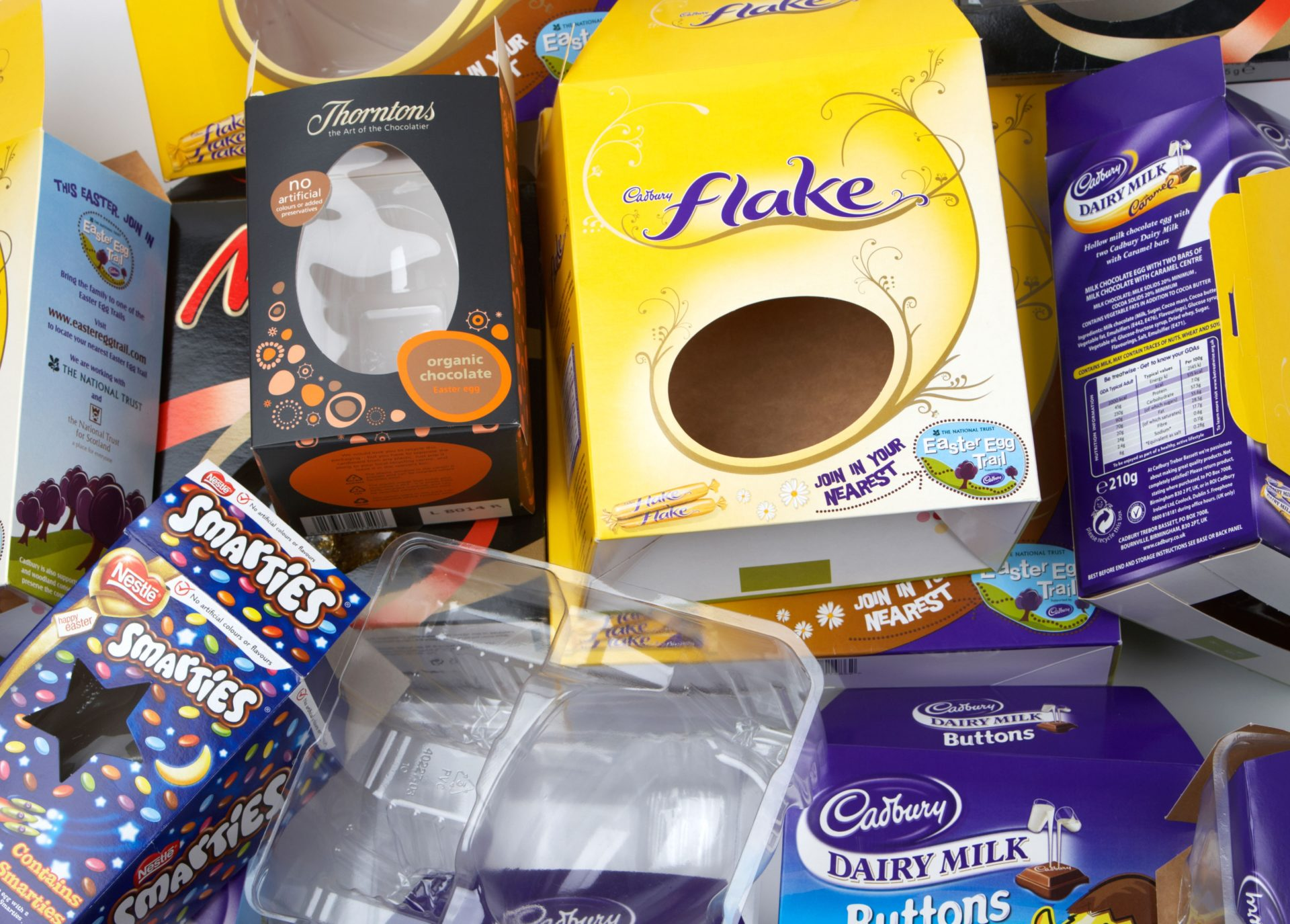
Start by rethinking Easter packaging. Choose chocolates and treats with minimal or recyclable wrapping or support local producers who use eco-friendly materials. Better yet, consider homemade treats—they’re personal, delicious, reduce packaging waste and everybody in the house can lend a hand.
You can choose to ignore holiday trends. This includes avoiding web shops and high street stores selling decorations. Limit your social media exposure and focus on simplicity, keep spaces functional, and remind yourself decorations are costly, time consuming to buy, display, remove and store. They are not necessary for enjoyment or celebration.
Surplus Eggs
If you’re expecting lots of chocolate eggs as gifts, don’t let them go to waste once you’ve had your fill—incorporate them into desserts or cakes afterward. Leftover chocolate eggs are great for fun treats! Melt them for yummy hot chocolate, bake them into brownies or cookies, or make easy no-bake snacks like cornflakes nests or fridge cakes.
For Easter baskets, swap small chocolate eggs and single-use plastics for shredded paper, fabric scraps, or even reusable cloth and include gifts that last longer, like books, plants, or experiences instead of chocolate and disposable toys.
Finally, remember to recycle properly and compost food waste where possible. Small changes can make a big difference.
This Easter, celebrate thoughtfully—less waste, more meaning. 🌸
About Recycle IT
Recycle IT is anaward-winning social enterprise providing recycling collection and drop-off services for all types of waste electrical, electronic equipment (WEEE) and pure metal items.
Recycle IT services are provided in partnership with WEEE Ireland. Recycle IT is supported by the Department of Rural and Community Development, Dormant Accounts Fund, Pobal, South Dublin County Council and authorized by the National Waste Collection Permit Office and the local authorities across Leinster.
For further details about our free and cost-effective services call us on 01 4578321, email info@recycleit.ie or visit the Recycle IT website at www.recycleit.ie
Safely recycling household radiators helps protect the environment and recover valuable materials. Old radiators often contain metals that can be reused, reducing waste and saving resources.
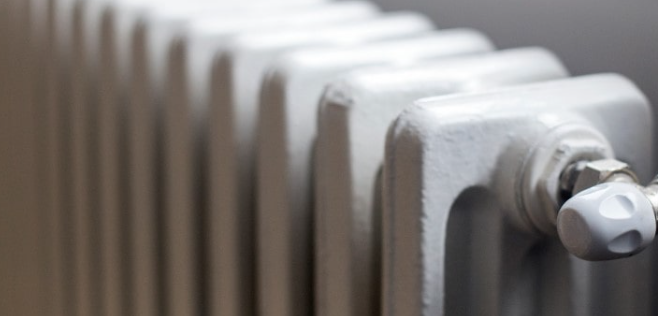
Radiators are typically made from metals that conduct heat well, allowing them to efficiently warm a room. The most common materials include:
1. Cast Iron Older radiators are often made from cast iron. They are heavy, durable, and hold heat for a long time even after the heating is turned off.
2. Steel Many modern radiators are made from steel. They heat up quickly, are lighter than cast iron, and are widely used in homes today.
Cast Iron Radiator
3. Aluminium Aluminium radiators are lightweight and heat up very quickly. They are also highly recyclable and energy-efficient.
4. Copper and Brass (inside components) Some radiators and heating systems use copper or brass parts, especially in pipes, valves, or older radiator designs.
Updating Heating Systems
According to the Sustainable Energy Authority of Ireland (SEAI), home heating typically accounts for about two-thirds of annual household energy bills, with most of the costs occurring during the winter months.
Many people are now trying to reduce the amount of energy used in homes to save money, lower the carbon footprint and contribute to a cleaner, greener environment which is crucial to living safely on earth in the future,
Old Household Radiator
Over a lifetime, all types of appliances age and work less efficiently. This will have an negative effect on energy efficiency and energy costs. This leads us to believe old radiators are less efficient than newer ones. Some reason why include:
Less Energy Efficient – Older heaters and radiators often use more energy than modern systems, leading to higher heating costs.
Slow Heating Time – Traditional radiators take longer to heat up compared to newer, high-efficiency models.
Heat Retention – Cast iron radiators retain heat for a long time, even after being turned off, making them energy-efficient in certain situations.
Uneven Heat Distribution – Older radiator systems may create hot and cold spots in a room due to inefficient circulation.
Energy Waste from Poor Insulation – Heat loss can occur if pipes and radiators are not properly insulated, reducing overall heating efficiency.
New models are designed with the latest technology with energy efficiency prominent in peoples mind when choosing new heating systems. Homeowners are replacing old heating systems with newer and increasingly efficient systems meaning old heating equipment is discarded but radiators and heaters can be safely recycled.
Recycling your Home Heating Radiators
If your old household radiators are faulty, broken or being replaced with heating systems to help reduce environmental harm, it’s worth noting the old radiators can be recycled. Before doing anything, you will most likely need to remove the radiators from the walls and empty the radiator of water and debris. Then you can safely recycle as many as you have. You can drop the items free to Recycle IT where the team accept cast iron and stainless-steel radiators, tubes, pipes and more.
Electric Heater
Recycling Electric Radiators
There are certain things to consider when recycling old electric radiators. Electrical equipment that isn’t recycled or disposed of correctly can end up in landfill sites all over the world causing environmental and health concerns. Electric equipment like heaters contains hazardous substances that will leak. This then contaminates local water and soil.
What to do?
Recycle IT are happy to accept radiators, small heaters, and air heaters at our recycling centre where they are recorded by weight and sent for further processing and metal breakdown in Ireland.
Electric Storage Heater
Recycle IT accept electric, old filled pure metal heaters and radiators of all sizes. They might have been fixed to a wall or mobile depending on your needs. Examples of electric heating and radiators are listed below, and all can be safely recycled.
Recycle IT accept
Storage heaters*
Panel heaters
Fan Heaters
Convection radiators
Infrared radiators
Oil-based electric radiators
Wall mount heaters
Wall mount radiators (oil or water).
Metal pipes and valves
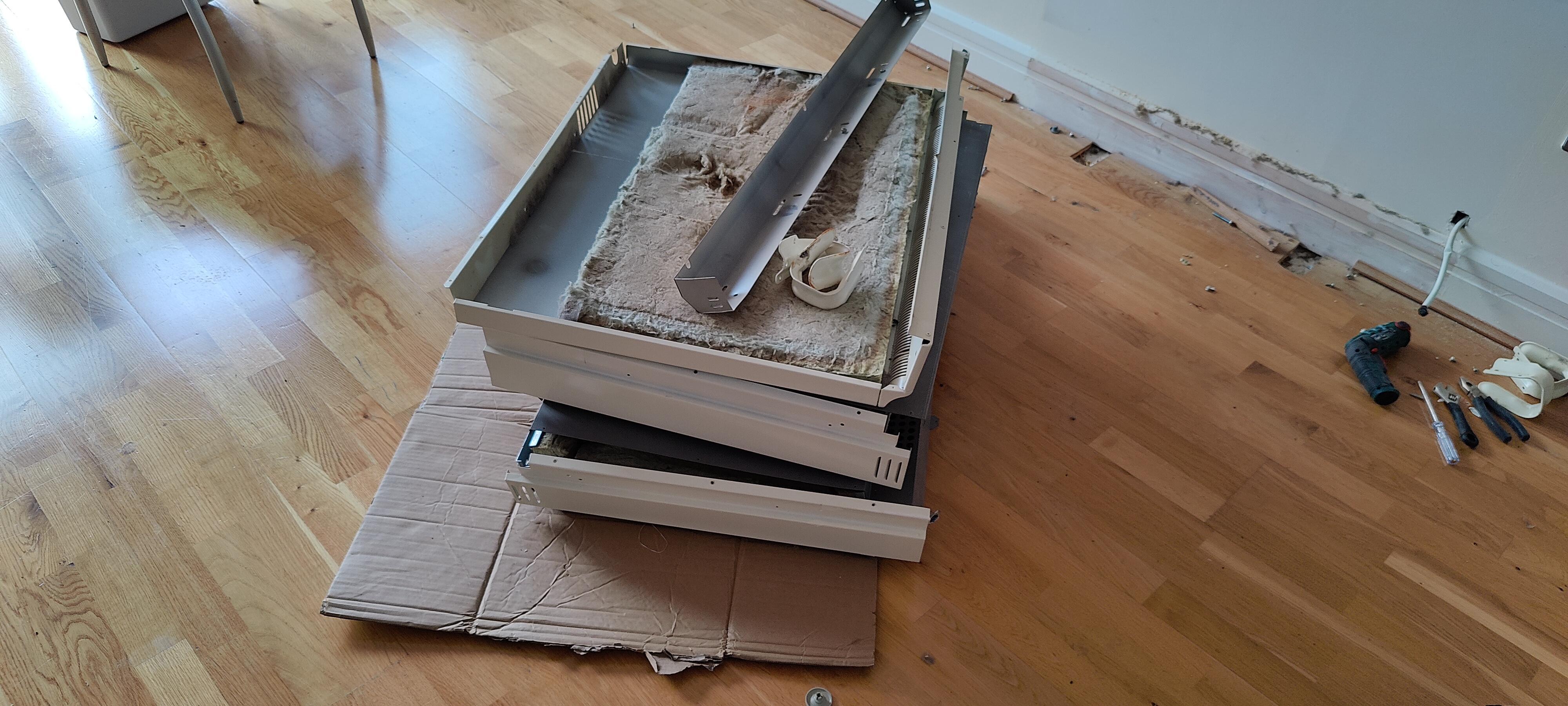
*Recycle IT will accept storage heater bricks for recycling. The bricks are usually part of an older type of storage heater and should be removed from each storage heater before colleciton – for safety reasons. (Please see the photo below).
Recycling for Good
Black Electric Heater Home of Office
If you look at the electrical equipment including heaters which you use in your home today chances are that they contain at least some materials that can be recycled into something new.
The steel from your heater casing can be melted down and turned into machine parts, metal frames or new heaters. Aluminium is another metal that can be reused. The plastic surrounds can be turned into bags and stationery. Even the circuit boards contain small amounts of certain metals like silver, platinum, and palladium. So, they are really worth recycling for reuse!
Remember many radiators are almost 100% recyclable metal so the Recycle IT team are happy to accept. Heaters also have metal and electrical parts. They can be safely recycled for reuse at our recycling centre.
Storage Heaters
About Recycle IT
Recycle IT is an award-winning, not-for-profit social enterprise established to create employment and promote environmental awareness through recycling and reuse. We work in partnership with WEEE Ireland and are authorized by your local authority to provide electrical, electronic and pure metal recycling collections across Dublin since 2007. Recycle IT are fully compliant for WEEE Recycling with permit details available here.
The Circular Economy Strategy 2026–2028 launched on 24 February 2026 and sets out how Ireland will reduce waste, reuse more materials and support a more sustainable economy.
Ireland’s Circular Economy Strategy 2026–2028 is a plan to help the country waste less and use resources better. Right now, we mostly follow a “take–make–throw away” model.
Circular Economy Strategy 2026–2028
This strategy aims to move Ireland towards a system where materials are reused, repaired, and kept in use for as long as possible.
What the strategy wants to achieve
Use more recycled materials: Increase Ireland’s circular material use rate to 12% by 2030.
Grow the economy in a smarter way: Use fewer new raw materials and make better use of what we already have.
Support businesses and jobs: Help Ireland become a leader in sustainable design, manufacturing, and new circular business ideas.
Be fair to everyone: Make sure communities and workers benefit from these changes.
Help people make greener choices: Make sustainable living easier and more affordable.
Support local councils: Help communities create local reuse and recycling projects.
Use digital tools: Encourage businesses to track products and materials better using tools like digital product passports.
Circular Economy Strategy 2026–2028
Why this matters
The Circular Economy and Miscellaneous Provisions Act 2022 supports Ireland’s move towards reducing waste and keeping materials in use longer. European laws also support this shift.
The strategy focuses on key areas like construction, farming, retail, packaging, textiles, and electronics. These sectors will work on reducing waste and increasing repair and reuse.
In 2024, a national study called the Circularity Gap Report Irelandfound that only 2.7% of materials used in Ireland come from recycled sources. That means over 97% come from new, raw materials. The report shows that Ireland still relies heavily on a wasteful system — but it also shows that moving to a circular economy could reduce carbon emissions, strengthen the economy, and improve long-term security.
In simple terms, this strategy is about wasting less, reusing more, cutting carbon, and building a stronger, fairer Ireland for the future. Get the report here.
About Recycle IT
Recycle IT is the only Community Electronic Recycling Social Enterprise in Dublin providing a community collection service for all types of waste electrical and electronic equipment (WEEE). Recycle IT offers collection services to homes and organisations across Dublin and surrounding areas each year collecting a range of WEEE including monitors, televisions and much more. If your a school, college, charity or community group based in Dublin or a surrounding area we invite you to contact us about our FREE colleciton service.
Our award-winning services are supported by South Dublin Country Council, and South Dublin Country Partnership and provided in partnership with WEEE Ireland. We are authorized by the National Waste Collection Permit Office and the local authority.
Visit our website for further details or learn more about reuse month here
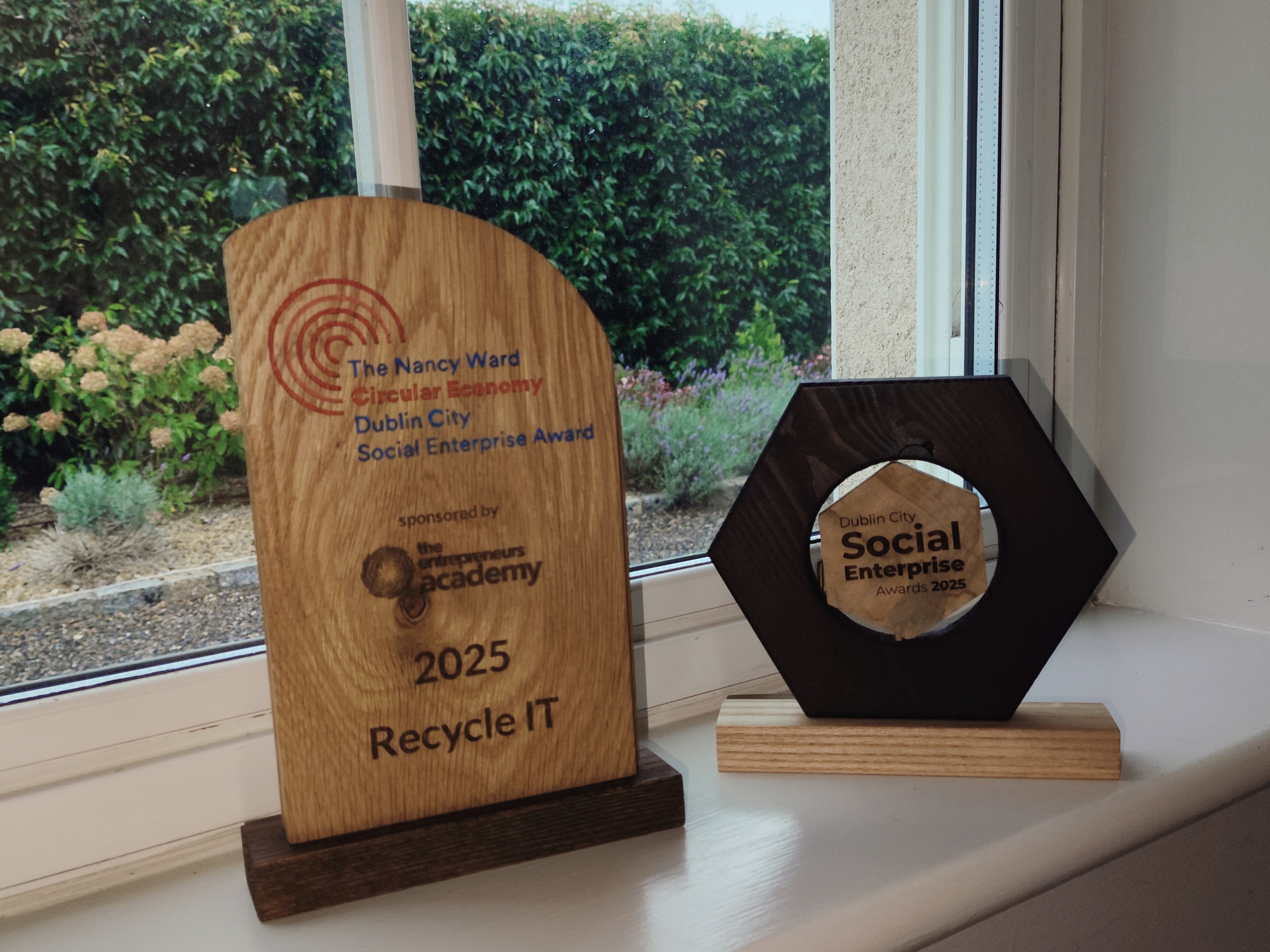
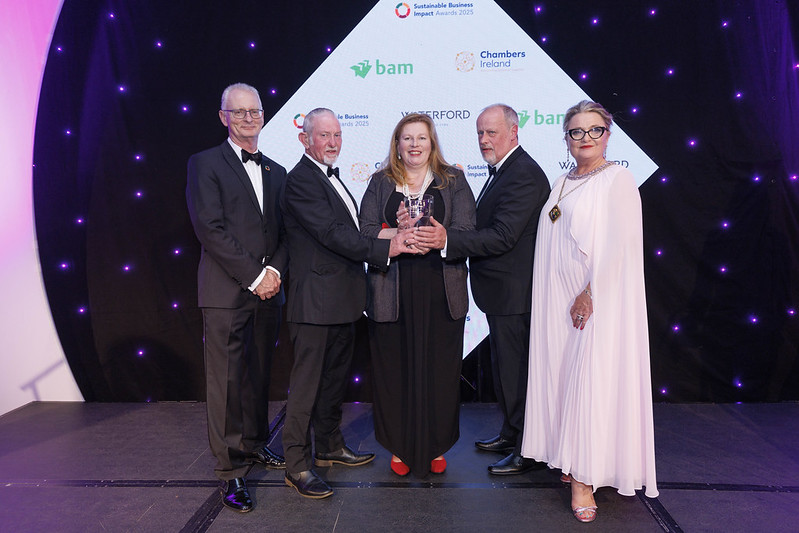
Recycle IT 2025 – Circular and Social Enterprise Awards
According to the Central Statistics Office, in 2022, 265,098 people moved home in Ireland, with 29% of movers changing counties and 5% of residents moving to a new property, Dublin city and suburbs was the area with the highest proportion of movers (30%) within or to the area.
Moving home is widely considered one of life’s most stressful experiences. It often appears alongside events like job changes and major life transitions in surveys about stress. There’s a lot to juggle at once — packing, paperwork, deadlines, costs, and the emotional side of leaving a familiar place — so it’s no surprise many people feel overwhelmed.
They surveyed 2000 people who had moved home over a three year period revealed 61% of those surveyed placed the ordeal at the top of their stress list, so it’s true, moving is stressful. Source: E. ON.
Legal & General conducted a seperate survey related to the motivation and pressure of moving. They report; almost half of respondents (47%) experienced increased stress levels because of moving. 41% of adults experienced anxiety, sleep deprivation (31%) and arguments with their partner (25%). One key stress-inducing factor was time, with 46% of home buyers having to wait between three and five months to complete their move.
Stress Points
Some of that stress might be caused by the fact that removal firms unusually work out the cost for your move by the volume of items that you have to transport to your new location.
Reducing your volume prior to the move should save you money and creates an opportunity to de-clutter through reuse or recycling. In fact, it creates a wonderful opportunity to list and remove items that are broken or unneeded. It’s an excellent motivator to share unwanted items with others or recycle items no longer required.
It’s a good idea to start with storage areas such as the spare rooms, the attic, basement, garage or store in the weeks before your move, as removal teams will want to do a pre-move checklist of your belongings. This helps determine how much stuff needs to be moved and gives an idea of wants involved in moving!
What to Recycle
People are still surprised by the number of objects that can be recycled. Recycling goes way beyond the glass, plastic, paper, and tins that your waste company collects. Commonly recycled items include furniture, clothing, electrical goods, batteries, bulbs, or old toys. home-office equipment, metal cabinets or lockers. These can all be recycled prior to moving.
Moving / Recycling Electrical Equipment
Recycled appliances like phones, kettles, cables, dryers, computers, servers or washing machines can be repurposed or their components can be removed and converted into new products.
Recycling allows home movers to clear out old items and reduce the cost of the removal, protect our environment and conserve natural resources. Remember this logic can be applied to moving from any location including an office, warehouse, doctor’s surgery or shop.
10 Moving Tip
Old Storage Heater for Recycling
In the weeks and days leading up to your move, use up perishables including food and cleaning products and recycle plastic containers before your moving date.
All electronics and electrical equipment (e.g. computers, toasters, heaters or kettles) contain some precious metallic elements like gold, silver, copper, and aluminium that can be reused. Recycling these items saves valuable new resources.
Petrol, paint, and oils should be disposed of before moving home. Many removal companies will not move your petrol lawnmower if it is not emptied of all petrol and oil and paint are heavy and will cost you money to move.
Fuel such as coal or oil should be included in the lease, house sale or used well in advance of moving.
Kids’ toys, clothes or bikes can be offered to charity shops, social enterprises, family shelters or housing projects. If damaged they are recycled at civic amenity recycling centres. Some recycling centres accept a range of items manufactured from plastics, metals, and wood.
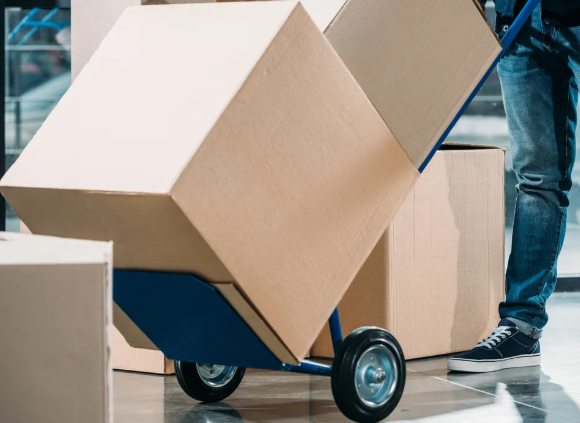
Following your move, you have lots of packing boxes. The boxes may be supplied by moving company so they can be given back. If not the boxes are most likely to be made from recyclable materials, so they should be able to be added to your paper recycling bin. If you have a large number that will not fit, they can be taken to your nearest civic amenity site.
Take pictures of wire connections on electronic equipment such as computers, printer and wireless router as it will help you set them up at your new home.
Label boxes by room and number them to ensure you have them all on arrival at your house.
Make sure you have lots of help at hand to pack and lift boxes and equipment.
Finally, there may be items that you wish to dispose of but it may not be easy to find a recycler! Here are 10 community-based organizations that can help to reduce your belongings before you move.
About Recycle IT
Recycle IT is an award-winning, not-for-profit, social enterprise established in 2003 to create employment and promote environmental awareness through recycling and reuse. We work in partnership with WEEE Ireland and are authorized by your local authority to provide electrical, electronic and pure metal recycling collections across Dublin since 2007. Recycle IT are fully compliant with WEEE Recycling Requirements and permit details are available here.
For more information about Recycle IT please click here.
For many years, electrical and electronic waste (also known as e-waste) has been building up across Europe and around the world.
A lot of this waste includes plastics that contain chemicals such as flame retardants. While these chemicals are important for fire safety, they have made plastics very difficult to recycle. Because of this, much of this plastic has been treated as hazardous waste and sent for disposal instead of reuse.
This helpful project has developed a new recycling method that safely removes these harmful chemicals from plastic. This makes it possible to recover clean, high-quality plastic, as well as valuable materials like bromine and antimony trioxide. This supports Europe’s goal of creating a circular, closed-loop recycling system.
Instead of shredding plastic into lower-quality material, the process uses heat and special solvents to fully dissolve the plastic. The harmful additives are then separated out, leaving behind clean plastic that can be reused again and again in manufacturing.
Based in the Netherlands, the PLAST2bCLEANED project shows real progress in reducing environmental damage and lowering Europe’s reliance on imported raw materials, especially antimony*, which is considered a critical resource.
* Antimony is a metalloid, which means it has properties of both metals and non-metals. Antimony is utilized in various applications, including:
Alloys: It is commonly added to lead and tin alloys to improve their properties, making them suitable for use in batteries, solders, and bullets.
Flame Retardants: Antimony trioxide is a key component in flame retardants used in textiles and plastics including plastics use in electrical products.
Semiconductors: It is used as a dopant in semiconductor devices, enhancing their electrical properties.
New EU Regulation
A new era of EU regulation is changing how products are made and recycled. New rules now require manufacturers to use more recycled materials, including valuable substances like bromine and antimony.
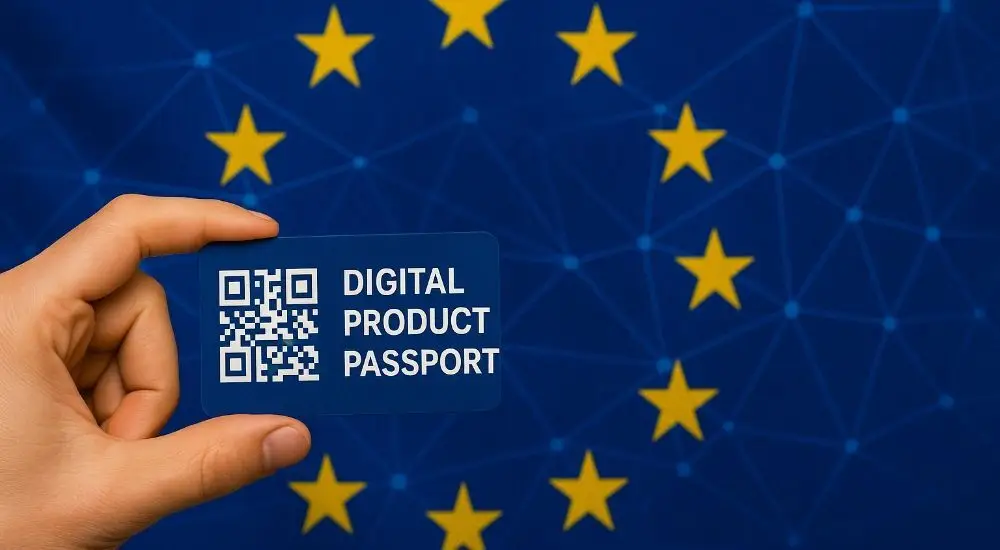
Digital Product Passports will also track how clean and recyclable materials are over a product’s lifetime. At the same time, the EU wants to recycle more of its own critical raw materials to reduce reliance on imports.
Technologies like PLAST2bCLEANED will play a key role in supporting a circular economy.
Original post shared by Directorate-General for Environment: Visit here.
About Recylce IT
Recycle IT is an award-winning, not-for-profit, social enterprise established in 2003 to create employment and promote environmental awareness through recycling and reuse. We work in partnership with WEEE Ireland and are authorized by your local authority to provide electrical, electronic and pure metal recycling collections across Dublin since 2007. Recycle IT are fully compliant with WEEE Recycling Requirements and permit details are available here.
For more information about Recycle IT please click here.







 Recycle IT