Photocopier and Printer Recycling

Today

According to Transparency Market Research the global photocopier market was valued at US$ 727.2 million in 2023. The market is projected to reach US $1.2 billion by 2034 through the increasing demand for multifunctional devices and the expansion serval end-use industries. People working from home and rising disposable income are other reasons for increased demand for smaller printers & copiers across the globe.

Some History

The photocopier has come a long way since the first model’s produced in the early 20th century with models found in homes and offices across the world!

In 1937 Chester Carlson, a patent attorney in New York invented a process called electrophotography. In 1938, this was renamed Xerography and the first known photocopied document was the “10-22-38 Astoria”.

OLYMPUS DIGITAL CAMERA
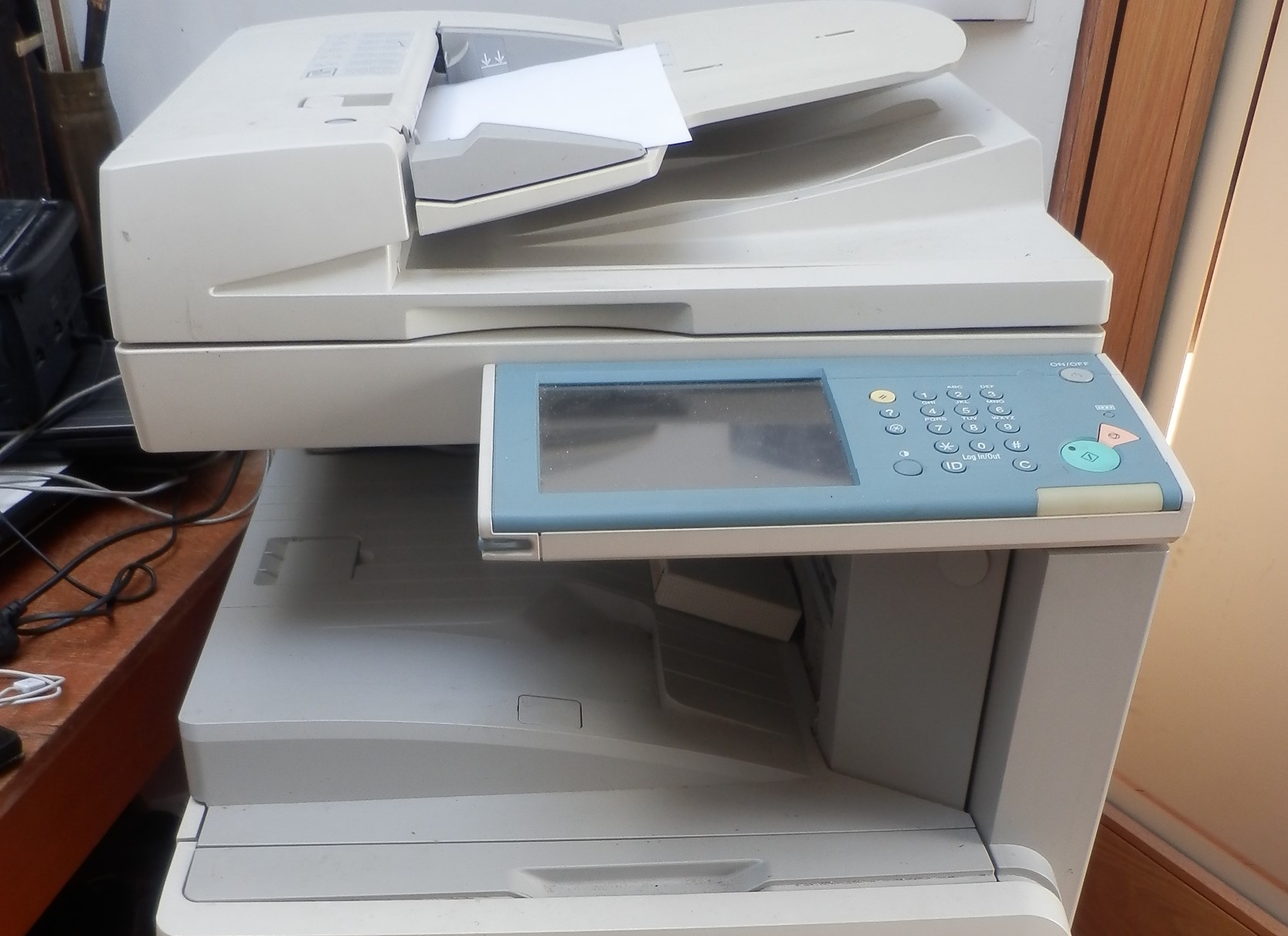
Office Photocopier – Recycle IT

The Xerography copying process went on to become one of the most well-known inventions of the 20th century and it’s estimated that Carlson gave away almost $100 million to charity and foundations before his death in 1968. Well done Chester.

Developments

In 1955, Haloid – by then Haloid Xerox – produced Copyflo, the first automated xerographic machine and many other companies followed Xerox into the market over the next 50 years.

Companies that manufacture photocopier cartridges and printers began offering recycling services in the early 1990s. Over the years many businesses developed photocopiers and cartridge recycling services as part of their customer sales, returning an environmental policy.  It may take decades to figure out if these policies are good for the environment, but one thing we can say is it’s best to reduce, reuse and recycle!

1626873387795
Office Copier, Printer, Scanner – Recycle IT

Safety 

Over the years photocopiers have developed into a computer with scanners and printers attached. As with other computers and servers, photocopies have a hard disk drive. This hard drive allows scans of documents and images to be stored on that drive.

As photocopiers and printers are replaced or upgraded the older model which has been in your office for years may have a hard disk drive filled with pages that have been copied over those years. Some of those pages will contain all sorts of business and personal information.

Think about what you or your office colleagues might have copied – bank account details, birth certificates, passports, tax forms – As old photocopiers are replaced think about any potential risks which the disposal of the old machine might create for your business and staff.

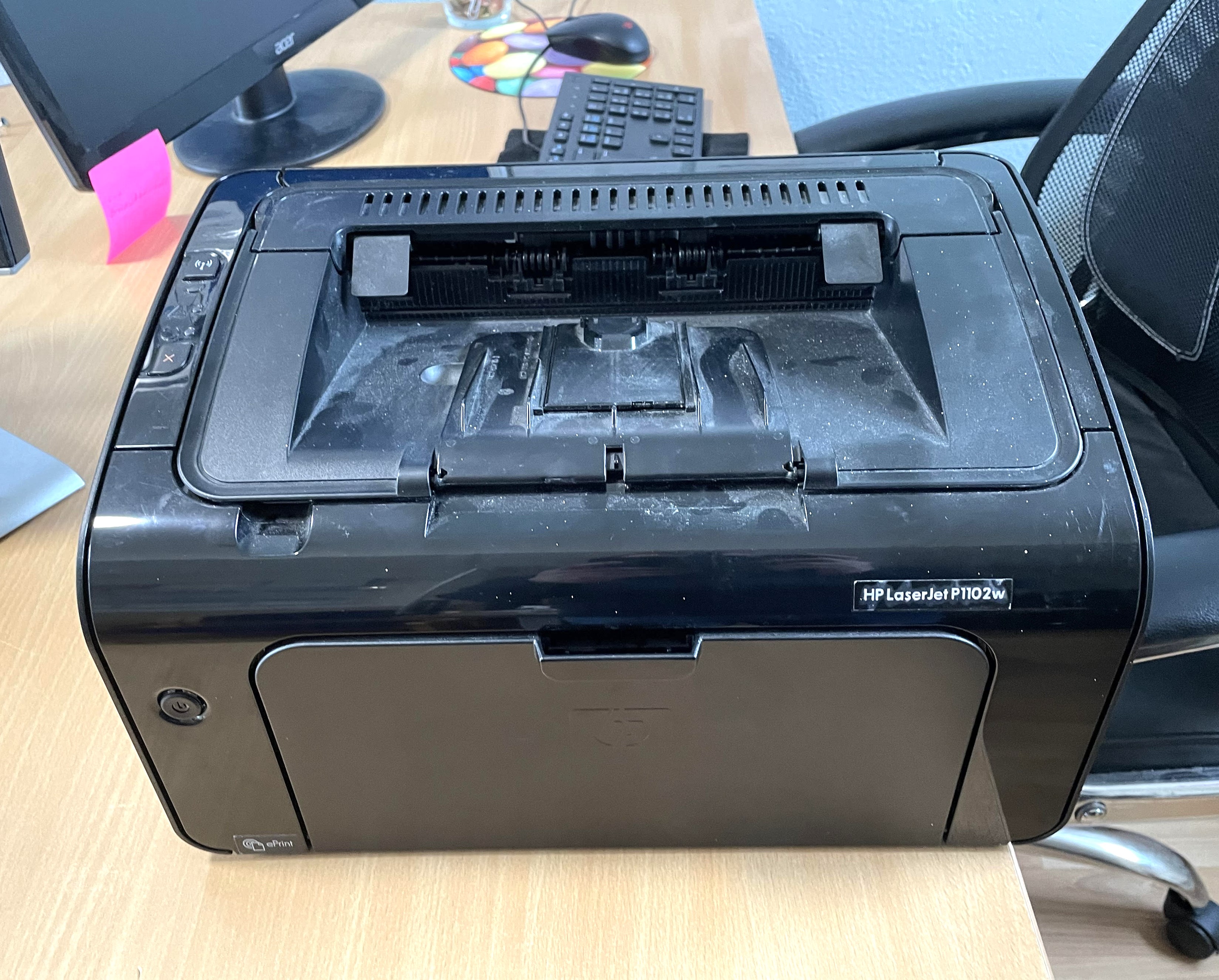
Desktop Printer

Recycling

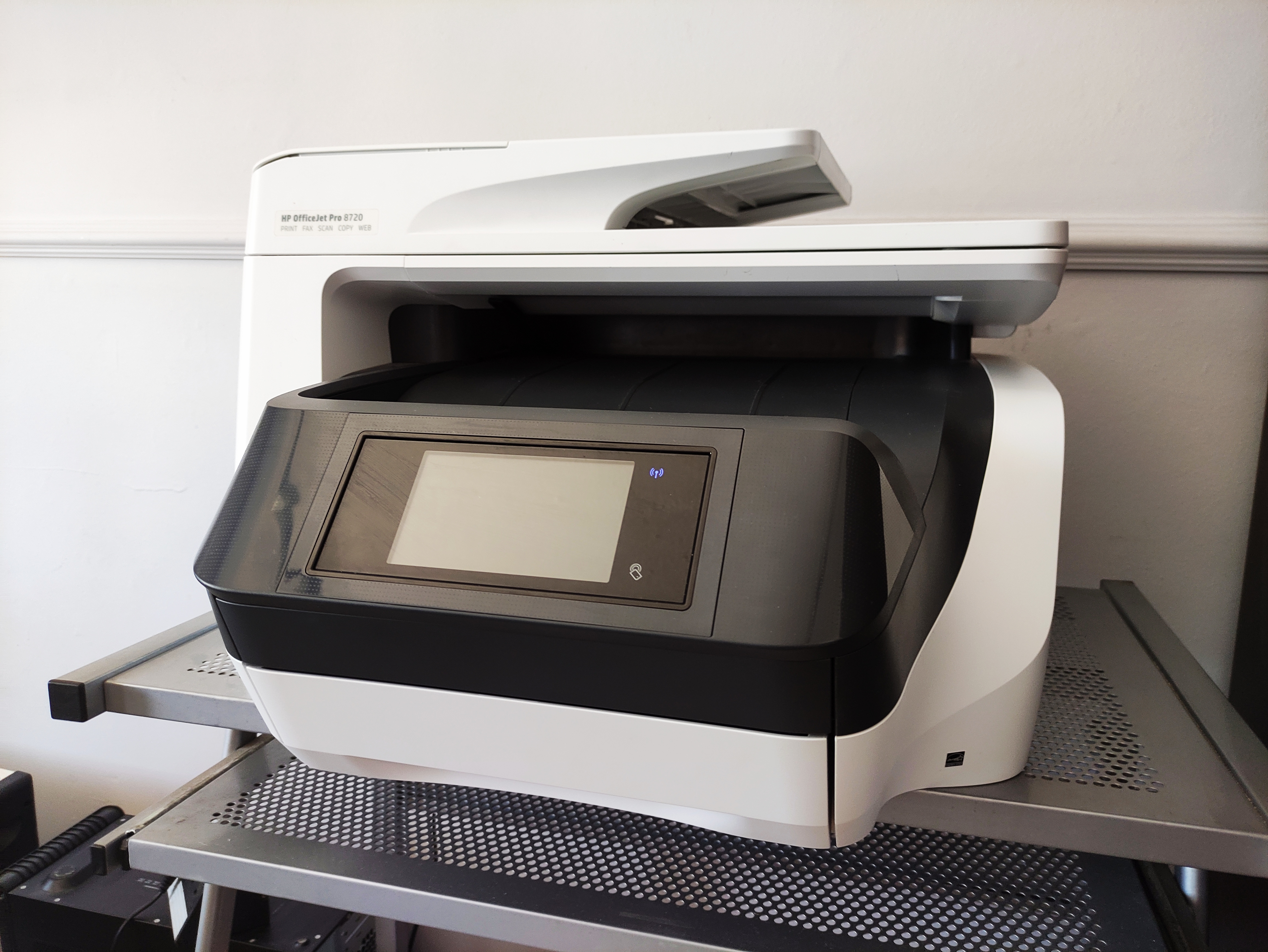
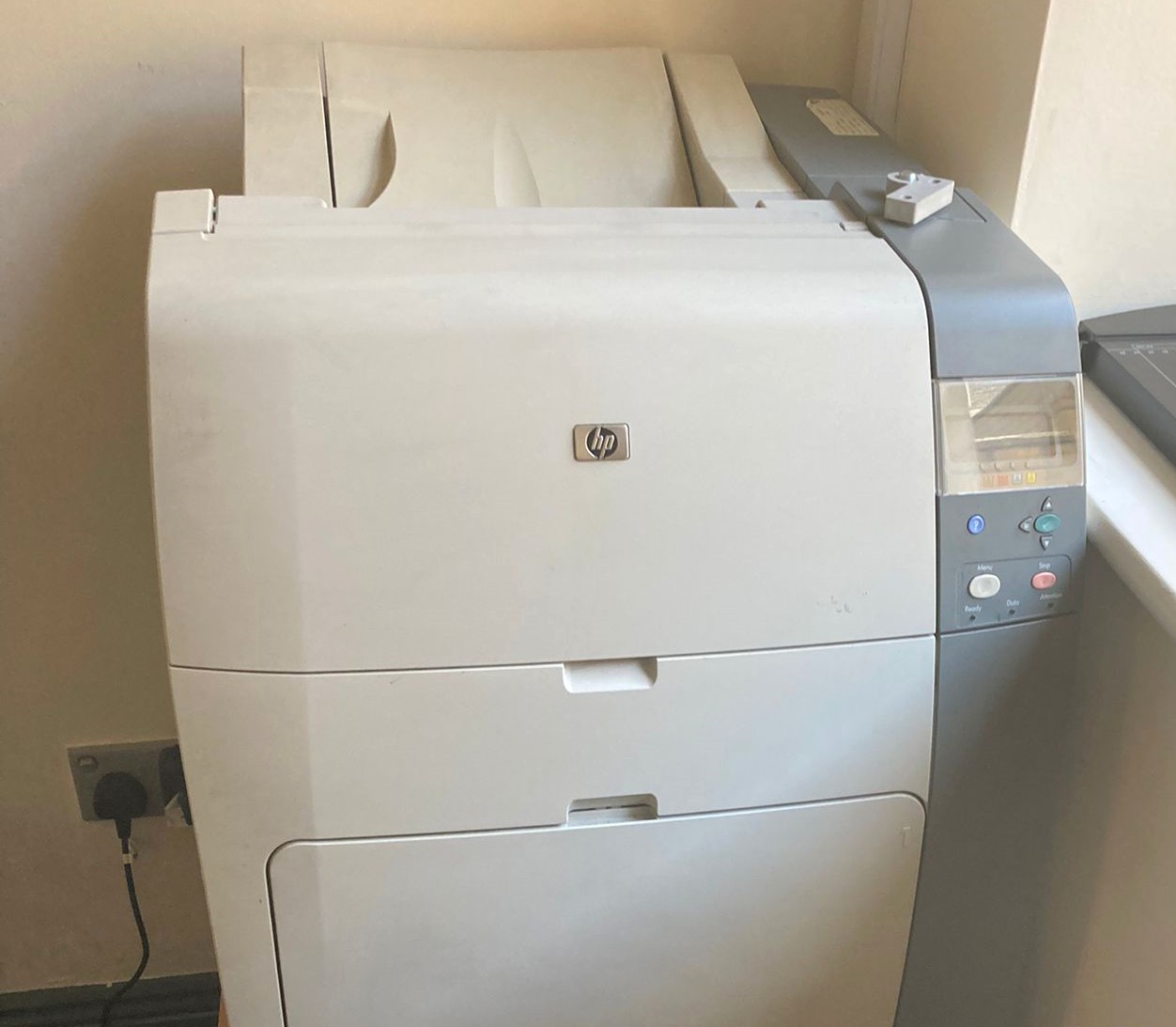
Today technology for printing and copying comes in a variety of sizes, from lightweight and budget-friendly printers to larger standalone multifunction machines. Printers, copiers, scanners, and fax machines are among the most common office equipment in work environments that need to be recycled.

When you dispose of your printer, please do so responsibly to ensure no toxic materials or e-waste go’s to landfills or is dumped in a remote location.

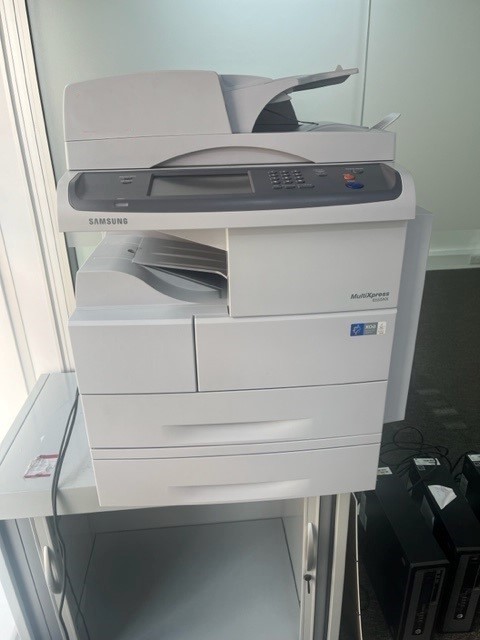
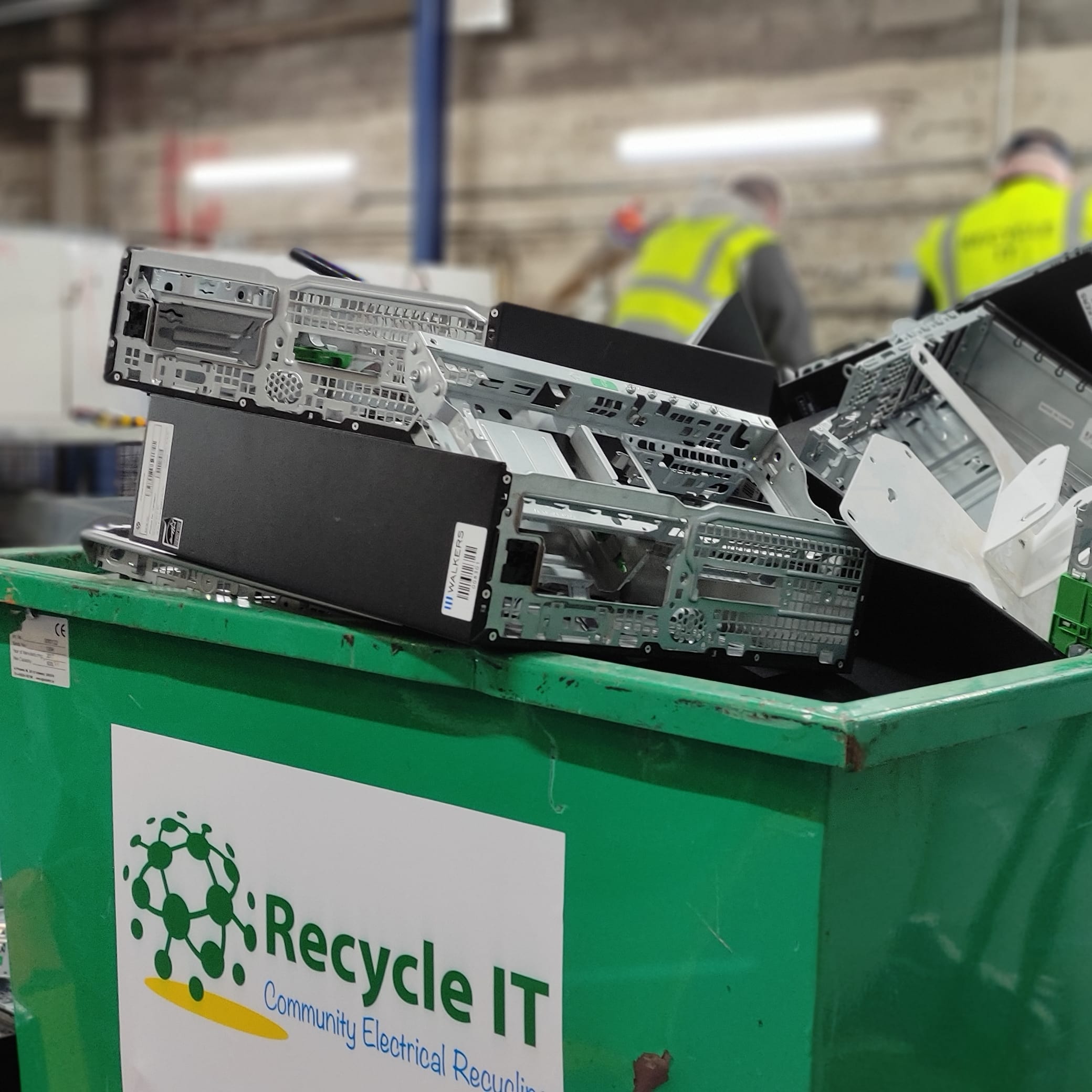
Recycle IT can remove large standalone photocopiers from office buildings and work spaces with lift access or no lifted access. Our trained team and specialised equipment can help clear old heavy equipment from second or third, floor buildings letting you take back the space. Just let us know the manufacturer name and model number of the photocopier or multi-function printer and we can check the specifications prior to removal.

If you need to safely and cost-effectively recycle copier and printing equipment, please call 01 4578321 or email Recycle IT.

Larger Photocopier and Stand

About Recycle IT

Recycle IT is an award-winning not-for-profit social enterprise providing a collection and drop-off service for all types of waste electrical, electronic and metal items. Recycle IT offer drop-off and collection services to both homes and organizations in Dublin and surrounding areas collecting a range of WEEE which includes thousands of printers and we can help recycle yours!

Our electrical community collection service is provided in partnership with WEEE Ireland. Recycle IT is supported by Pobal, South Dublin County Council and authorized by the National Waste Collection Permit Office and the local authorities across Leinster.

To speak with Recycle IT please call 01 4578321 or email us here

Visit our website www.recycleit.ie

Printer / Copier /Scanner

About Recycle IT

Recycle IT is an award-winning, not-for-profit, social enterprise established to create employment and promote environmental awareness through recycling and reuse. We work in partnership with WEEE Ireland and are authorized by your local authority to provide electrical, electronic and pure metal recycling collections across Dublin since 2007. Recycle IT are fully compliant with WEEE collection regulations. Our permit details are available here.

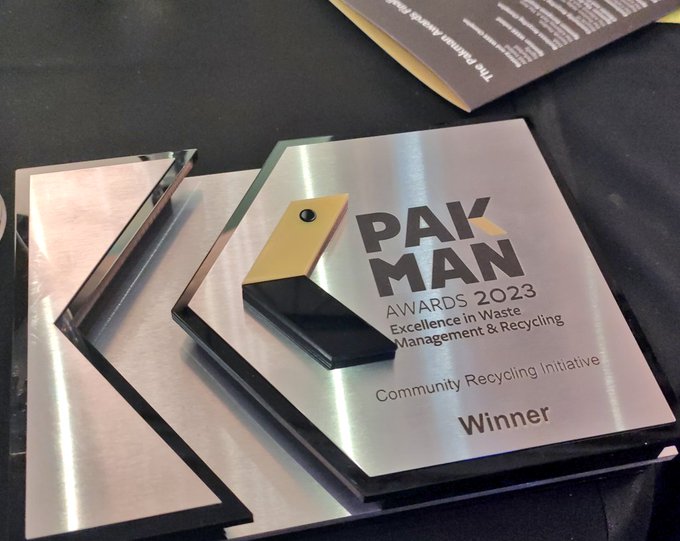
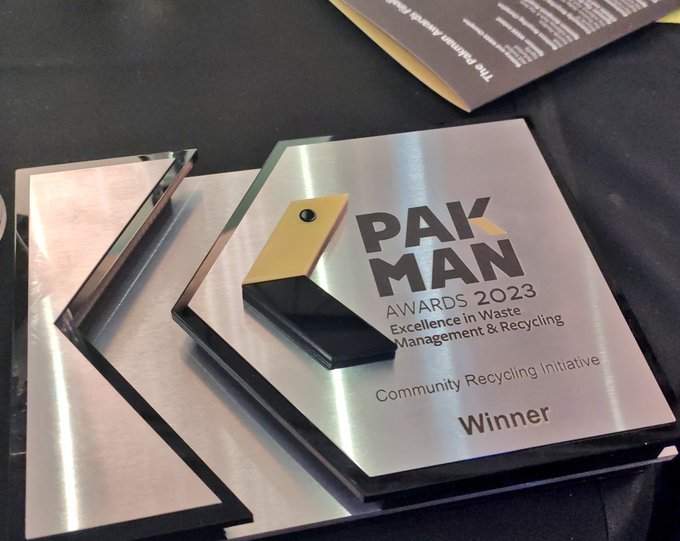
Recycle IT – Community Recycling Initiative of the Year 2023

Social Enterprise in Ireland

Social Enterprise – it’s moving ahead! 

A first-in-kind research by the Schwab Foundation’s Global Alliance for Social Entrepreneurship finds that there are approximately 10 million social enterprises worldwide, which collectively generate around $2 trillion in annual revenues, creating over 200 million jobs.

Please Buy Social

The social enterprise sector now outranks other mainstream industries by annual revenue, like telecoms and apparel. Moreover, social enterprises align their missions with the Sustainable Development Goals (SDG’s), notably in creating decent work, driving climate action and reducing poverty and inequalities.

Social enterprises, which make up 3% of all businesses globally, stand out from traditional businesses by placing a strong emphasis on creating social and environmental value along with economic value. Unlike conventional nonprofit organizations, social enterprises are self-sustaining through their business activities. They prioritize social impact over financial returns and reinvest their profits back into their mission. Source:  (François Bonnici, Director, Schwab Foundation for Social Entrepreneurship, Head of Social Innovation, World Economic Forum).

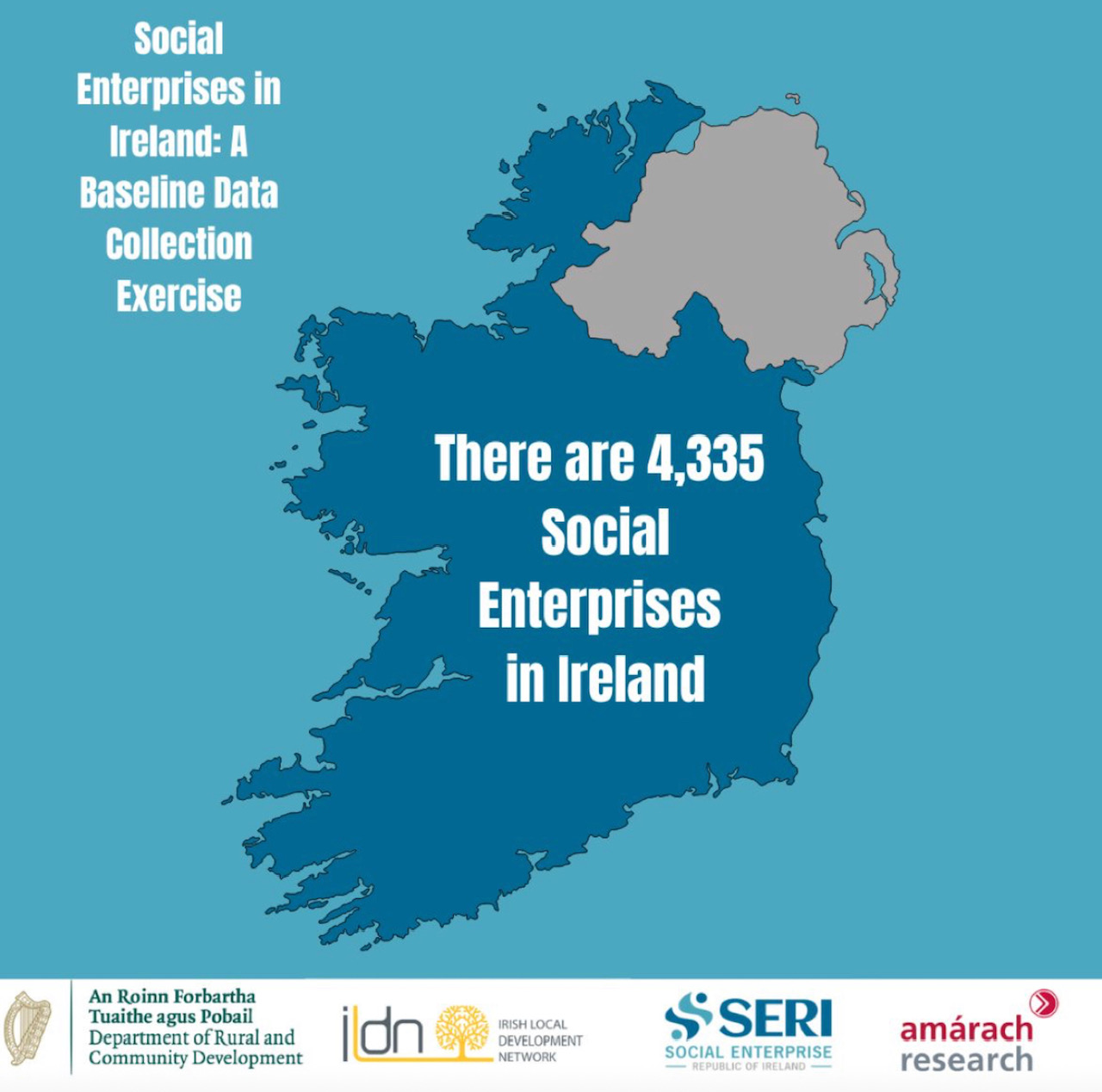
As of 2022, Ireland estimated there were 4,335 social enterprises employing 84,342 people, accounting for 3.7% of the workforce. These social businesses generated income estimated at EUR 2.34 billion in 2021 (Amárach/SERI/ILDN, 2023)

EU Social Enterprise

The European Economic and Social Committee (EESC) has been actively involved in the European social enterprise and social economy agenda for more than 10 years and supports social enterprise growth and development as a key element of the European social model.

There are 2.8 million social economy enterprises, representing 10% of all businesses in the EU. Almost 13.6 million people – about 6.2% of the EU’s employees – work for social economy enterprises. On top of the paid workforce, social economy  mobilizes volunteers, equivalent to 5.5 million full-time workers. Characteristics included:

  • Membership – up to 160 million people in Europe are members of social economy enterprises (mostly retail, banking and agricultural cooperatives, as well as mutual societies offering services complementary to social security regimes)
  • Objectives – social economy enterprises contribute to the EU’s employment, social cohesion, regional and rural development, environmental protection, consumer protection, agricultural, third countries development, and social security policies
  • Size – social economy entities are mostly micro, small, and medium-sized enterprises (SMEs)

Today, DG Internal Market, Industry, Entrepreneurship and SMEs is promoting, in particular, the development of social economy enterprises and organisations via the Single Market Programme
It is also particularly focused on supporting the development of social economy by implementing the European action plan on social economy (2021).

Irish Social Enterprise Sector

The estimated 4335 Social Enterprises operate in communities all over Ireland. Like social enterprises in other OECD countries, childcare; community infrastructure and local development; health, youth services, social care, and heritage, festivals, arts and creative industry account for 67.4% of the social enterprise sector.

Social Enterprise – A Growing Sector

Other areas of activity include sport and leisure; training and work integration; consultancy and support services; housing; food, catering and hospitality; environmental services; retailing; transport; financial services; manufacturing; and others.

Almost 77% of social enterprises function in more than one sector of activity. (Source: OECD 2023). In reality Social Enterprises offer essential services and tackle problems in society like food poverty, housing or environmental issues.

A 2012 report from Forfas defines social enterprise in Ireland as “an enterprise that trades for a social/societal purpose, where at least part of its income is earned from its trading activity, is separate from government, and where the surplus is primarily reinvested in the social objective.”

The report also lists the four categories under which social enterprises trade

  • commercial opportunities that are established to create a social return;
  • employment opportunities for marginalized groups;
  • economic and community development organisations;
  • services delivery organisations.

From experience, it can be said that these four categories almost always overlap and are shared objectives for many social enterprises,

Progress in the Sector

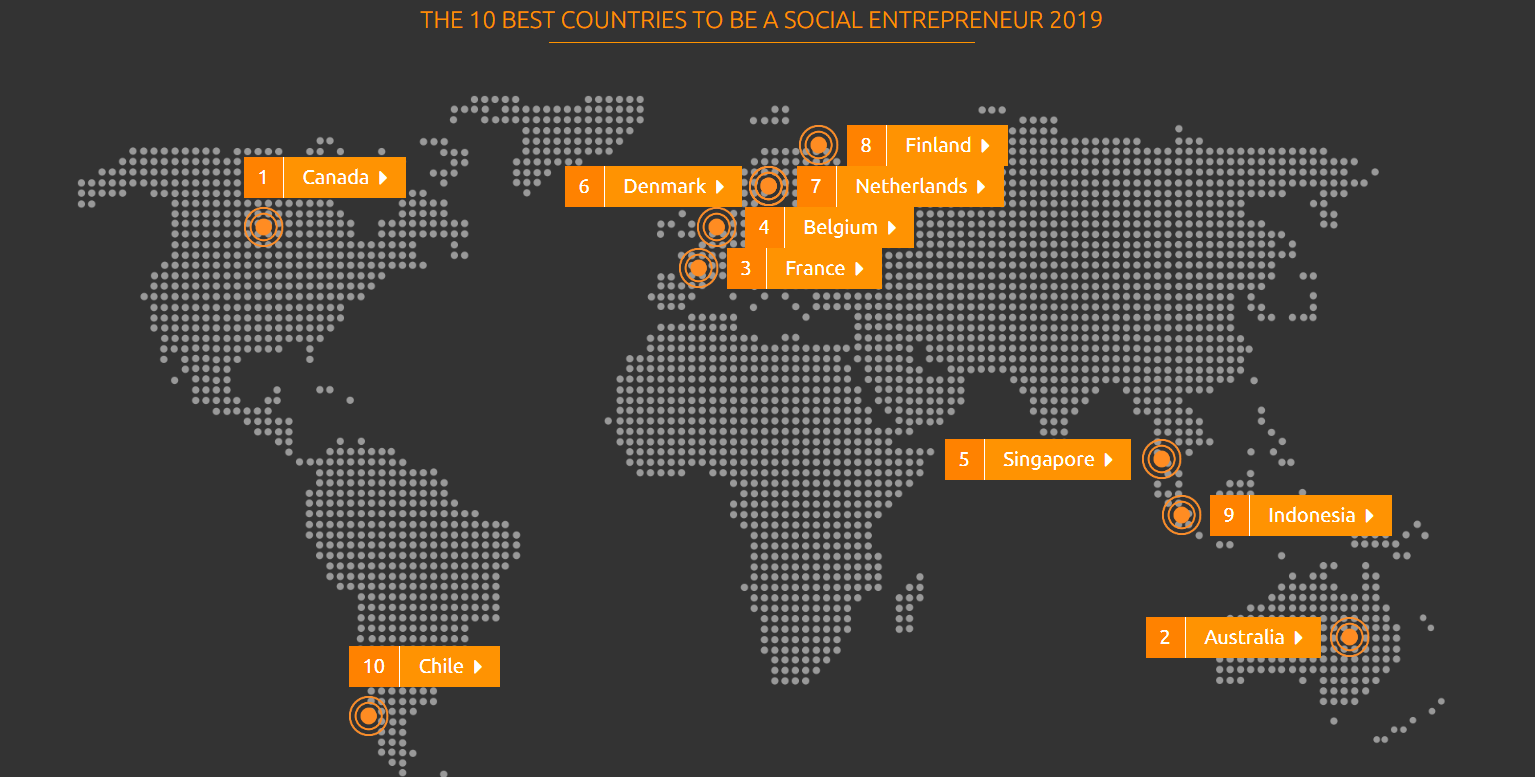
In 2016, the top country in the world for social enterprise action was recorded as the Canada, . Ireland ranked in second-last place on the list.

Word Map – Click to Enlarge

Over a 3 year period, Ireland moved from a near bottom ranking in 2016 to 36th place as it reported improvements in almost all categories. Social entrepreneurship gaining momentum, up 16 points to 17th place, while more social entrepreneurs can make a living from their work, up 17 spots to 21st place. Source: (Research by the Thompson Reuters Foundation, 2016 & 2019).

Social enterprise in Ireland is a growing, dynamic and vibrant space and is now supported by a national policy that commits to building awareness, growing and strengthening the sector, and achieving better policy alignment.”   Source: (Sheila Cannon, assistant professor of social entrepreneurship, Trinity College Dublin)

Some of the criteria used to decide if there is a favorable environment for social enterprise include:

National Economic and Social Council (NESC)

The role of social enterprises is growing, both on the island of Ireland and internationally. Social enterprise straddles the space between the national economy and local community, and plays an important role in providing services to marginalized groups and in disadvantaged areas, as well as creating and providing jobs, and contributing to innovative social and environmental initiatives. While much of the activity is at local level, social enterprises also contribute to the national economy. Source: (NESC Report Social Enterprise on the Island of Ireland 2023)

National Social Enterprise Policy for Ireland 

The Department of Rural and Community Development published Ireland’s first-ever Social Enterprise Policy in July 2019. The first National Social Enterprise Policy for Ireland 2019 – 2022  focused on three key objectives:

  • Building Awareness of Social Enterprise;
  •  Growing and Strengthening Social Enterprise and
  • Achieving Better Policy Alignment.

In July 2024, Minister for Rural and Community Development Heather Humphreys TD launched Ireland’s second Social Enterprise Policy ‘Trading for Impact’ the National Social Enterprise Policy 2024 -2027

Trading for Impact – Report Cover

‘Trading for Impact’ the second National Social Enterprise Policy details five key objectives:

  • Building Awareness of Social Enterprise
  • Growing and Sustaining Social Enterprise
  • Supporting the Green Transition
  • National and International Engagement
  • Impact Measurement.

With 57 concrete actions defined under these objectives, which will be implemented between 2024 to 2027. A ‘Stakeholder Engagement Group’ will oversee the delivery of the policy.

The National Social Enterprise Policy for Ireland is part of a suite of policy initiatives from the Department of Rural and Community Development to support those who work with communities and disadvantaged groups.

Social Enterprise at Work

Recycle IT runs an electrical recycling business in the social economy sector with the aim of creating social, economic and environmental value. Our team offers recycling services for communities and the market. Any profits generated are used to support social objectives which include a range of community-focused services, internal training progressions and employment.

Profit is not shared with company directors and the organisations has no commercial stakeholders. Our board is voluntary and any profits are reinvested in recycling operations. Recycle IT is a not-for-profit Social Enterprise.

Our awarding-winning recycling service is friendly and effective, yet not glamorous. Work is hard but offers real opportunities for training and skills development. Teamwork helps support our goals and everyone involved “works to do good” while at the same time helping to allow financial sustainability. There is a focused approach to identifying and managing revenue streams to support the company to cover operating costs and reinvest for the future.

Social enterprise success generally means more social and/or environmental good with profits reinvested to deliver change.

Usually, social enterprises have more inclusive and diverse structures with women and men coming from a wide range of backgrounds to help start-ups, develop and lead organisations. Social enterprises work on a range of challenges using the tools of business to advance ideas and deliver services. Social Enterprise is more innovative and experiment more than traditional businesses as they work to fill gaps in the market that are of little interest to public sector bodies and profits are limited for the private sector companies. Finally, most work collaboratively and bring people on a journey of change.

Click here to learn about the impact on communities when you decide to buy from a social enterprise Below you will find a list of Irish Social Enterprise support organisations and networks.

Social Enterprise Supports

About Recycle IT

Recycle IT is an award-winning social enterprise providing recycling collection and drop-off services for all types of waste electrical, electronic equipment (WEEE) and pure metal items.

Recycle IT services are provided in partnership with WEEE Ireland. Recycle IT is supported by the Department of Rural and Community Development, Dormant Accounts Fund, Pobal, South Dublin County Council and authorized by the National Waste Collection Permit Office and the local authorities across Leinster.

For further details about our free and cost-effective services call us on 01 4578321, email info@recycleit.ie or visit the Recycle IT website at www.recycleit.ie

Read about social enterprise funding here.

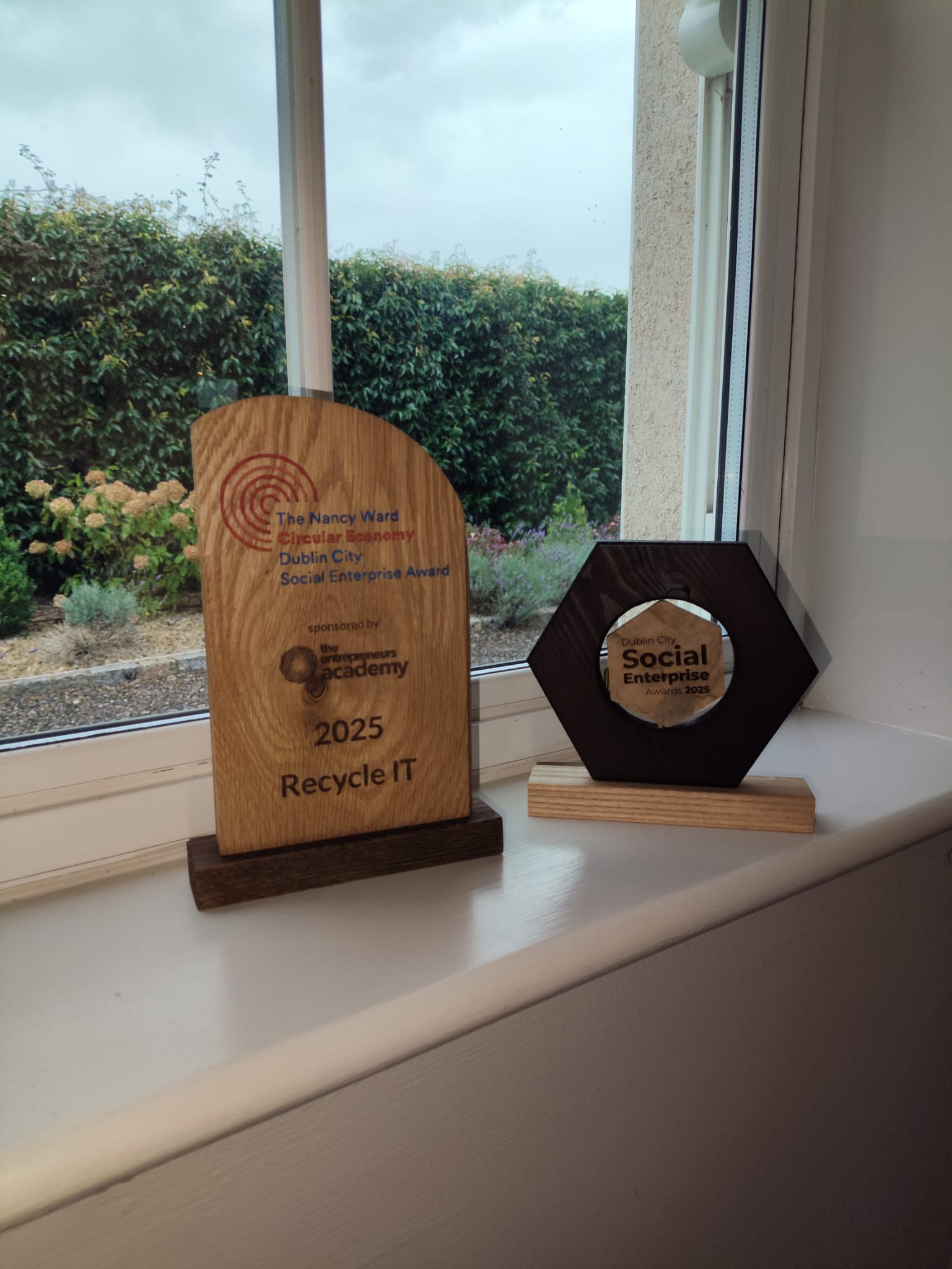
Recycle IT – National Award Winners

51 Summer Tips – Reduce, Reuse, Recycle

Summer Tips!

For generations in Ireland and across Europe thrift was one of the main reasons for reuse.  In the developing world, it’s still the case and leads to very high levels of reuse.  In Ireland as in other developed countries rising wages and greater consumer purchasing power have increased the demand for convenience products.

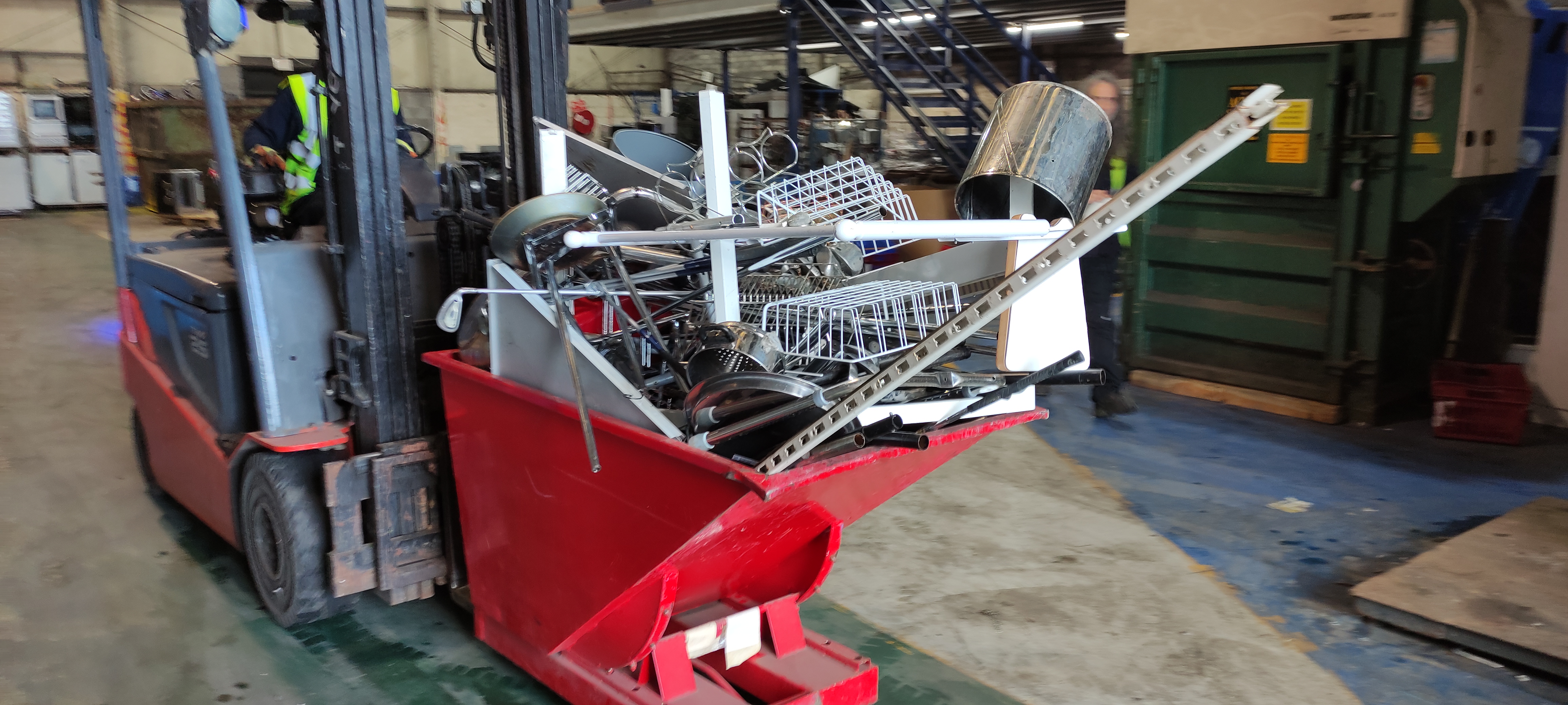
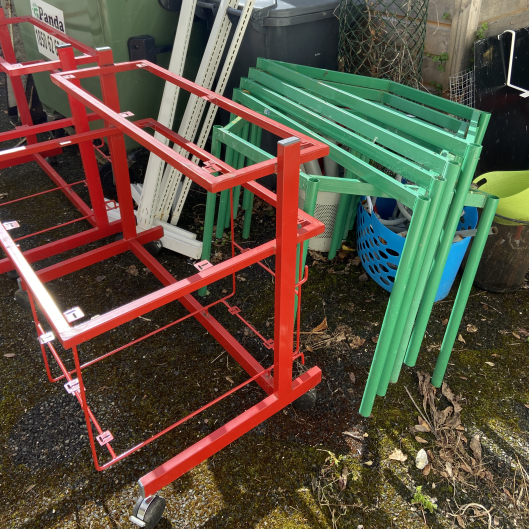
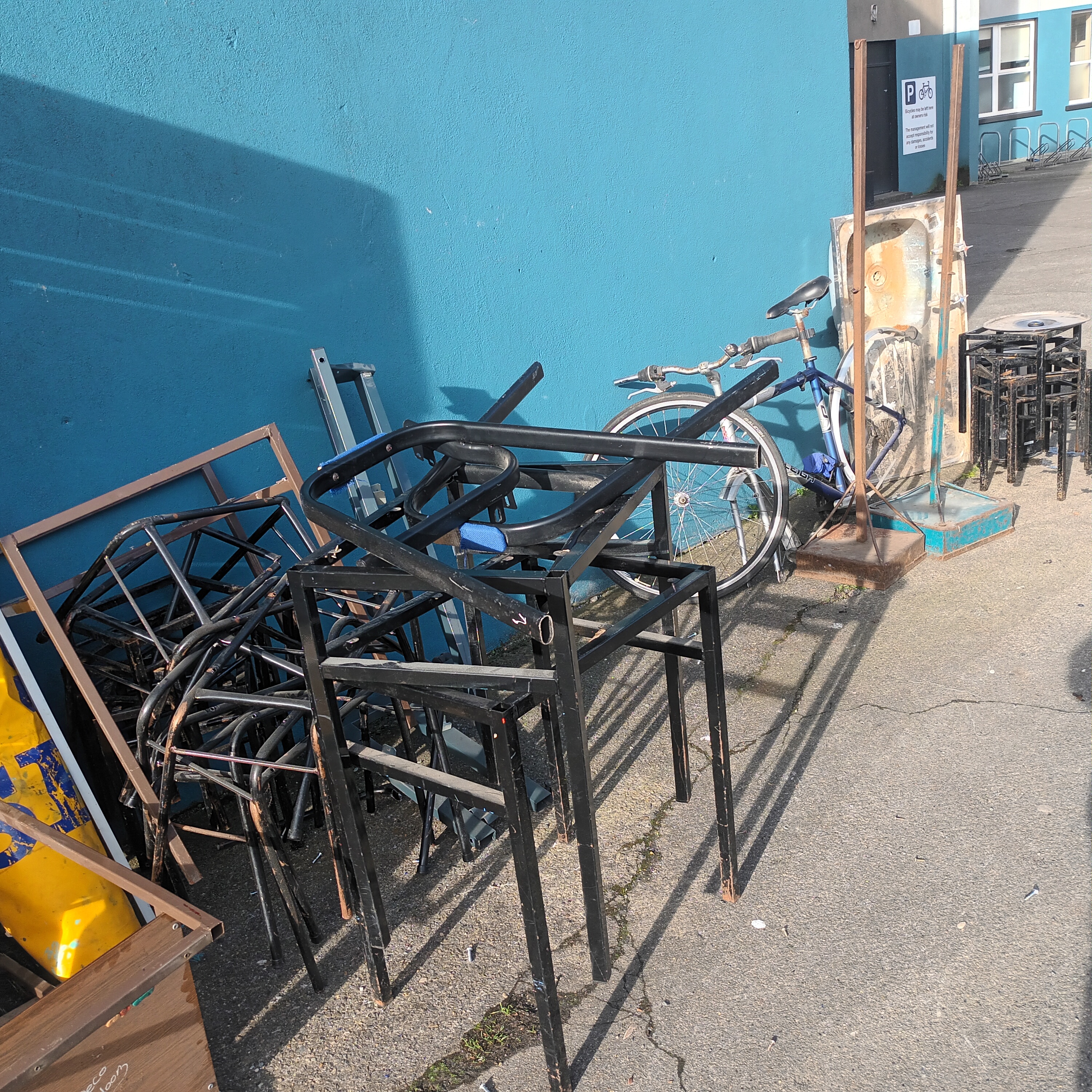
Metal Reuse Bin @ Recycle IT

Some people are still careful about how much money they spend and on what items. Reusing is a feature of their life so as not to waste money. We all could learn something from careful management of our resources whether at home or in the office.

Convenience products have helped us undervalue reuse in favor of disposal or recycling. Recycling is positive and has great benefits but uses resources including time, human capital and natural resources (e.g. fuel) to get the items to locations where they can be recycled effectively. Reuse is preferable!

If you can reuse an item yourself, it can help save money, save time, and the environment. Reuse helps reduce CO2 emissions and the mining of new raw materials.  Reuse can be a matter of thinking a little differently and figuring out how old milk cartons, cans, bags, bicycles, tires, packing or wood may be reused to match your needs. Reuse will truly find a new life for items around your home or workplace.

Reverse the Trend with Reuse

51 Tips 

We’ve listed some reuse tips for summer – Have a read and see what you can do, share with others and do involve any kids in your life.

Here are 51 short and simple reuse tips for the summer months:

  1. Reuse glass jars as drink glasses.
  2. Turn old t-shirts into cleaning cloths.
  3. Save gift bags to use again.
  4. Use containers for beach snacks.
  5. Repurpose ice cream tubs for storage.
  6. Refill water bottles instead of buying new ones.
  7. Reuse wrapping paper for crafts.
  8. Turn cereal boxes into organizers.
  9. Use old towels for pet bedding.
  10. Reuse takeout containers for leftovers.
  11. Make planters from yogurt pots.
  12. Use egg cartons for seed starters.
  13. Repurpose jars for homemade jam.
  14. Use tin cans for desk storage.
  15. Turn worn-out jeans into shorts.
  16. Reuse kids’ school supplies for summer crafts.
  17. Turn shoe boxes into storage bins.
  18. Repurpose plastic bottles as bird feeders.
  19. Use scrap paper for notes or lists.
  20. Reuse broken umbrellas for fabric.
  21. Make toys from cardboard boxes.
  22. Turn wine corks into keychains.
  23. Use old blankets for picnic mats.
  24. Reuse ice cream sticks for plant markers.
  25. Repurpose detergent bottles for watering cans.
  26. Keep ribbons for decorations.
  27. Use both sides of paper.
  28. Reuse straws for crafts.
  29. Turn broken crayons into new crayon blocks.
  30. Make a kite from old plastic bags.
  31. Store tools in old buckets.
  32. Use mason jars as lanterns.
  33. Reuse seasonal decor each year.
  34. Turn magazines into collages.
  35. Repurpose clothing buttons for crafts.
  36. Use old toothbrushes to clean.
  37. Save and reuse shipping boxes.
  38. Store beach gear in reused bags.
  39. Use a basket for berry picking.
  40. Turn jars into candle holders.
  41. Reuse bread bags for snacks.
  42. Make dog toys from old socks.
  43. Refill old spray bottles for gardening.
  44. Decorate old cans as vases.
  45. Turn an old ladder into a plant stand.
  46. Reuse tin foil if clean.
  47. Reuse food jars for DIY gifts.
  48. Use shoe bags to organize travel items.
  49. Repurpose fabric scraps as bookmarks.
  50. Turn paper rolls into binoculars for kids.
  51. Reuse paper bags for crafts or storage.

Soft plastics, along with rigid plastics, paper and card, tins and cans are now accepted in your household recycle bin. Soft plastics like plastic film (wraps, bags, etc.) are now accepted in the household recycling bin. This change is due to advancements in recycling technology and the opening of new markets for processing these materials. To ensure proper recycling, make sure the soft plastics are clean, dry, and loose when placed in the bin. Watch this short video

Waste is a treasure! 

We all know one person’s waste is another person’s treasure. Instead of discarding unwanted tools, clothes, furniture or electrical appliances, try reuse with friends or donating them can reduce waste and help others save money.

Outdoor Reuse of Space

Local community groups, charity shops, schools, and nonprofit organizations may accept a variety of donated items, including used books, paint, working toys, and unneeded furniture. Please click here to learn more

About Recycle IT

Recycle IT, is an award-winning social enterprise offering electrical, electronic and metal recycling services through drop off and collection. Recycling services are provided in partnership with WEEE Ireland and South Dublin County Council.

Recycle IT is supported by Pobal and Dormant Accounts and authorised by the National Waste Collection Permit Office and the local authorities across the east midlands waste region.

Our goal is to create training and employment opportunities through the provision of waste management services. Surplus earned income is reinvested in operational, and employment-related costs.

For more information on Recycle IT please call 01 4578321, email info@recycleit.ie or visit our website www.recycleit.ie

Bikes for Metal Reuse – Recycle IT

Ireland’s Green Tech Revolution: Solar Panels and Vapes

Ireland Sees Surge in Electrical Device Sales

Ireland has experienced a notable uptick in the sale of electrical goods, with devices like vapes and solar panels particularly leading the surge. This trend signals a growing appetite among consumers for both convenience gadgets and sustainable technologies.

Photo by Kelly on Pexels.com

Vapes and solar panels have driven a 75 per cent increase in electrical device sales over the last five years and a total of 93 million household electronic items were purchased in 2024 – almost three times the volume sold in 2006 according to Waste Electrical and Electronic Equipment (WEEE) Ireland, the country’s biggest e-waste recycling scheme.

“Each one of those 93 million devices contains valuable materials like aluminium, copper, lithium, cobalt,” said WEEE Ireland chief executive Leo Donovan. Based on the that fact these items should all be recycled safely.

Electric & Green Tech Boom

Sales of solar panels have jumped significantly, reflecting strong interest in home energy solutions—especially across suburban and rural areas. The popularity of smart home accessories, electric vehicle chargers, and battery storage systems is reinforcing Ireland’s move towards greener lifestyles. For example over 2.5 million solar panels have entered the market in the last five years, but with a life of 15 to 20 years, they won’t reach recycling centres for at least another decade.

Disposable Vapes: Convenience at a Cost

Disposable vapes have also seen sharp sales growth, sparking concern among public health and environmental experts. Containing lithium batteries, plastics, and chemical liquids, they pose serious waste challenges if not processed correctly .

Photo by Markus Winkler on Pexels.com

Action Needed Now:

Research from WEEE Ireland also shows the proportion of households hoarding unused devices rose from 22 per cent in 2023 to 29 per cent in 2025, highlighting a massive untapped opportunity for reuse and repair. “We need to move beyond recycling alone. Extending the life of products through repair and reuse must become the norm,” Mr. Donovan said.

The message is simple – take your old gadgets—especially batteries and plastics—to your nearest WEEE or e-waste recycling drop-off in Dublin. It’s quick, local, and significantly reduces pollution.

Recycle IT is a community-based social enterprise in Dublin that helps households, charities, community groups, schools, and businesses safely recycle thousand’s of electrical and electronic items (e-waste) yearly. Here’s how we can help you:

Recycle IT – Electrical Recycling

Services Recycle IT Offers:

Free Household Collection: Our team offer free door-to-door residents association collection of unwanted electrical items like toasters, kettles, laptops, TVs, and more in many Dublin areas.

Business & Organisations Recycling: Schools, offices, and community groups can book collection services for bulk electrical items—ensuring safe and secure disposal.

Drop-Off Recycling: You can drop off items at their facility in Clondalkin if preferred.

Data Destruction: Secure disposal of hard drives and other data-storing devices for privacy protection.

Community Awareness: We promote awareness of e-waste and provide tips on reducing, reusing, and recycling electronic goods.

Environmentally Friendly Practices: Recycle IT recycling for reuse as much as possible helping reduce landfill waste and conserve resources.

Let’s turn this sales surge into a sustainability win for Dublin and beyond!

Recycle IT – Mixed Electrical Equipment

About Recycle IT

Recycle IT is an award-winning not for profit social enterprise providing a collection and drop off service for all types of waste electrical and electronic equipment (WEEE). During 2018 Recycle IT offer to drop off and collection services to thousands of homes, and businesses across Dublin and surrounding areas collecting a range of WEEE which includes thousands of computers, cables, monitors, microwaves, cookers, dryers and TVs and much more.

Recycle IT services are provided in partnership with WEEE Ireland. Recycle IT are supported by Pobal, South Dublin County Council and authorized by the National Waste Collection Permit Office and the local authorities across Dublin, Kildare and Wicklow.

Recycle IT – Approved and Verified

Office Sustainability -Reduce and Save with 33 Tips!

Green Office – Home Office – Any Office

It’s summer, it’s brighter so may be it’s time to tidy? With that in mind, please find some recycling tips to stay eco-friendly at work this spring and year round!

As we know, office waste mainly consists of electrical, electronic, cardboard, paper, packaging and food waste, all of which can be reused, recycled or composted. The one type of waste which is most commonly hoarded for disposal later is old, unused or damaged electrical/electronic equipment.

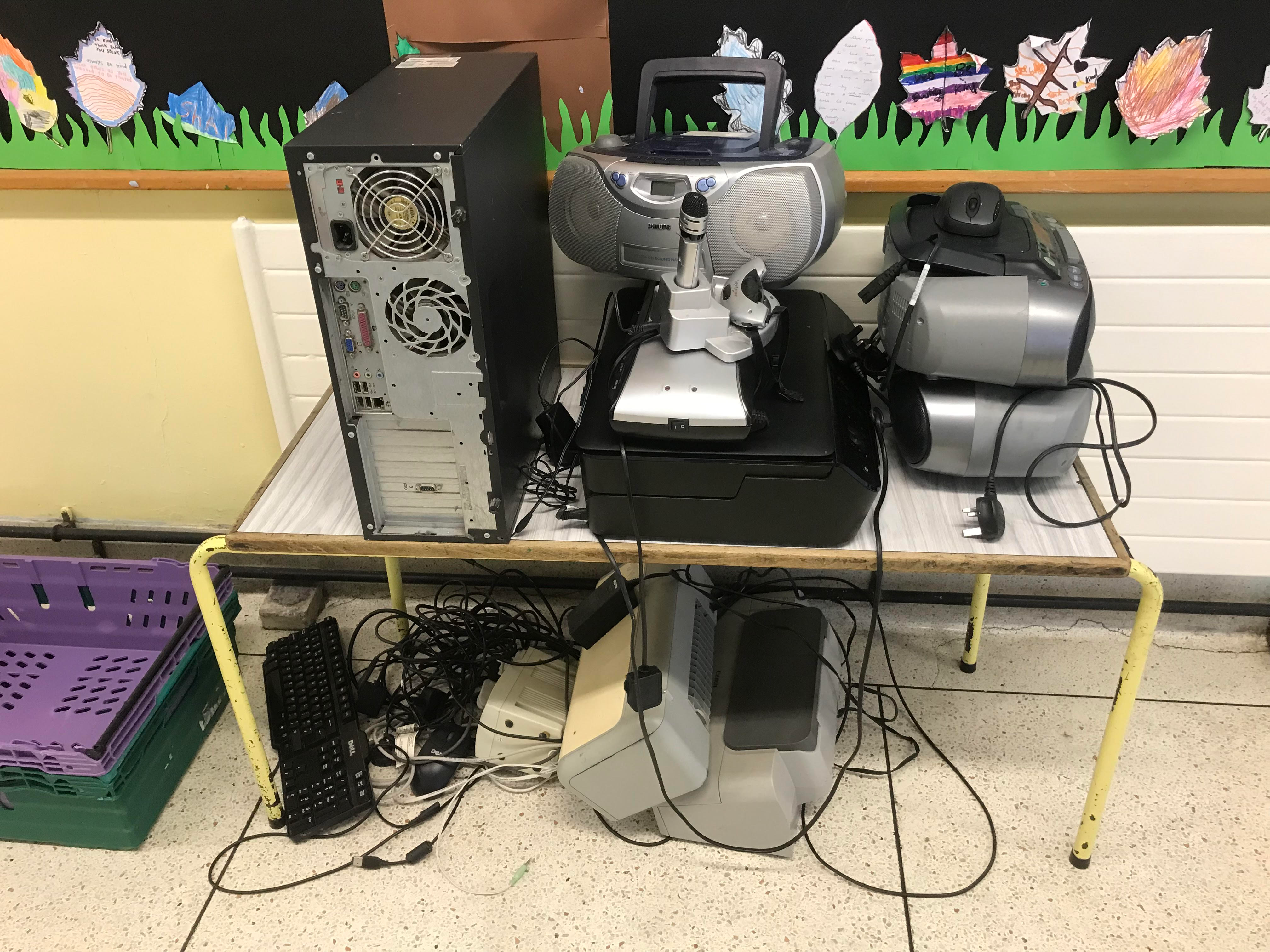
Office Electrical Clear Out

Some items just appear event! They might include glass or plastic bottles, cans plastic cups, coffee cups, and food trays and wrappers to name a few. These items can all be segregated and recycled in the office or you could encourage staff and suppliers to use reusable items which can be collected and reuse. Disposal items arrival and leave quickly, it’s just to make sure they are recycled for good.

The benefits of introducing a program of reducing, reusing and recycling include;

  • Big euro savings in time on waste disposal costs.
  • Boost to staff morale with a focus on reducing, reuse and recycling.
  • Demonstrates the organisation is commitment to the environment.
  • Enhanced public perception of your organization as a green organization.
  • Promotes a green agenda with your trading partners.
  • Offer time and cost saving opportunities to staff.  
  • Relieves office anxiety – when offices are organised, clean and tidy, anxiety is reduced.

Below you will find some tips that can be easily implemented and integrated into the day-to-day running of the office and office building. They may result in reduced office supplies usage, time ordering and money spent.

IMG_20200219_092642
General Office – Recycle IT 

Tips on How to Reduce Office Waste

  1. Your office should be encouraged to go paperless.
  2. Only print if there is a real need for a hard copy.
  3. Meeting clients or colleagues online to save resources. It’s the norm now!
  4. Use e-mail or instant messages to save paper, time and money.
  5. Share team and event calendars.
  6. Draft documents can be reviewed on-screen before emailing.
  7. Reports and presentation should be electronic only
  8. If paper is required, use FSCcertified paper
  9. Research purchasing printers which print double-sided copies only.
  10. Photocopy and print double-sided.
  11. Scrap paper can be used to make note pads to take phone messages.
  12. Introduce a centralized office filing system. This reduces multiple files,
  13. Enable the reuse of paper envelopes by putting a label on top of the old address.
  14.  Cut down on excess equipment sitting in the store, going out of date, e.g. electrical and electronic office equipment.
  15. Regularly service office equipment, particularly computers, photocopiers, and printers, to prolong their lifespan.
  16. When equipment reaches its end of life use a registered and licensed electrical and electronic recycler to ensure equipment is safely made ready for reuse and recycling.
  17. Employees should regularly empty out their desk and return any unwanted office supplies to the stationery cupboard.
  18. Free or fee-based online newspaper subscription can reduce the amount of paper to be recycled.
  19. Cancel any unwanted magazine or newspaper subscriptions to avoid unwanted waste accumulating.
  20. Reuse binders and file folders.
  21. Office announcements can be posted online, sent via email or posted once in a centralized monitor or TV screen.
  22. Consider renting office equipment that you use only occasionally rather than having to store it in the workplace.
  23. Encourage colleagues to bring lunch to work in reusable containers.
  24. Encourage management to have reusable silverware, plates and cups and a small coffee station in the office.
  25. Research and purchase products with less packaging or with no packaging at all.
  26. Install filtered water rather than a water cooler.
  27. Give your team a reusable water bottle.
  28. Offer secure bike parking.
  29. Source used office desks, chairs and lockers (if required).
  30. Unplug office equipment when not in use or overnight.
  31. Work from home when possible.
  32. Offer unused or surplus items to other organisation for reuse.
  33. Think about how you can have a green office party or events during the year.
Office IT Clear-out

About Recycle IT

Recycle IT is an award-winning social enterprise providing recycling collection and drop off services for all types of waste electrical, electronic equipment (WEEE) and pure metal items.

During 2023 Recycle IT operated drop off and collection services to of thousands of homes, schools, charities and businesses across Dublin and surrounding areas collecting a range of WEEE which includes thousands of batteries, computers, cables, monitors, kettles.  microwaves and screens.

Recycle IT services are provided in partnership with WEEE Ireland. Recycle IT is supported by the Department of Rural and Community Development, Dormant Accounts Fund, Pobal, South Dublin County Council and authorized by the National Waste Collection Permit Office and the local authorities across Leinster.

For further details about our free and cost-effective services call us on 01 4578321, email info@recycleit.ie or visit the Recycle IT website at www.recycleit.ie

Recycle IT Approved and Verified