Dublin Climate Action Week 2024

South Dublin County Council Climate Team are inviting you to join in activities for Dublin Climate Action Week 2024, running from Monday 9th– Sunday 15th September.

Dublin Climate Action Week 2024 Logo

The four Dublin Local Authorities in Co Dublin are delighted to announce that the weekโ€™s event programme and online registrations are live.

Building on Success

Building on the success of previous years, a great variety of events are planned to take place across the Dublin region throughout the week, which will run from the 9th to 15th of September.

Events will range from nature walks and workshops to climate festivals, free bicycle repairs and bog restorations in the Dublin Mountains, with lots of ways to connect with your local community, take action and have fun! 

Dublin Climate Action Week 2024 is being organised and delivered by the partnership of South Dublin County Council, Dublin City Council, Dรบn Laoghaire-Rathdown County Council, Fingal County Council, Codema โ€“ Dublinโ€™s Energy Agency and the Dublin Climate Action Regional Office (CARO).

Dublin Climate Action Week 2024

What’s Happening

Communities and businesses from across the city and county are coming out to support Dublin Climate Action Week, with over 50 public events throughout the city and county. Find out what is happening in your local area to get involved. 

Keep up to date on Dublin Climate Action Week 2024 using #DCAW24 on social media, and by visiting www.dublinclimateactionweek.ie

You may be particularly interested in Climate Fest, taking place in the Round Towers Visitor Centre on Saturday 14th September, 11am โ€“ 4pm.

South Dublin Climate Fest Events

Enjoy a Free Family Fun Day as part of Climate Fest! Brought to you by South Dublin County Council, as part of Climate Action Week 2024, SDCC will be hosting a family fun day on September 14th from 11 to 4pm at the Round Tower Visitor Centre in Clondalkin!

There will be fun for all the family, live music, entertainment and much more! There will also be free bike repairs, a clothes swap (bring up to three items to swap), a clothing repair cafรฉ, smoothie bikes, and lots of great talks and workshops from leaders in our community about living sustainably. Come on down to celebrate community and climate action!

Climate Fest Poster

Places are limited, so please book early to avoid disappointment.

For an overview of what is planned and event registration links, please see the below table. Registration links include further details of each event:

DateDayTimeEventRegistration Links
9thMon10:30-13:00DCAW launch event in Mansion House.Not open to the public.
10thTues11amDistrict Heat Tallaght Guided Tour OneTour of the Tallaght District Heating Scheme Tickets, Tue 10 Sep 2024 at 11:00 | Eventbrite
10thTues1pmDistrict Heat Tallaght Guided Tour TwoTour of the Tallaght District Heating Scheme (Second Tour Organised) Tickets, Tue 10 Sep 2024 at 13:00 | Eventbrite
10thTues10:00-11:30Youth Conference – Ballyroan Library Student event, not open to the public.
10thTues2-3pmSmart Dublin Talk โ€“ SDCC County Hall Foyerhttps://forms.office.com/e/duzuh0PzNG
10thTues3-4:30pmWaterstown Park Biodiversity Guided WalkGuided Biodiversity Walk & Talk – Waterstown Park Tickets, Tue 10 Sep 2024 at 15:00 | Eventbrite
10thTuesAll DayDCC Climate Careers โ€“ Smock AlleyRSVP to CARO caro@dublincity.ie to confirm your attendance.
11thWed10:00-11:30Youth Conference – Tallaght LibraryStudent event, not open to the public.
11thWed6-8pmTymon Park Biodiversity Guided Walkhttps://www.eventbrite.ie/e/guided-biodiversity-walk-talk-tymon-park-tickets-950639858407?aff=oddtdtcreator
12thThurs10:00-11:30Youth Conference – North Clondalkin Library Student event, not open to the public.
12thThurs11:45-13:15Youth Conference – North Clondalkin Library Student event, not open to the public.
12thThurs11:00-12:30Wetlands Tour – Dodder Valley Parkhttps://www.eventbrite.ie/e/guided-tour-of-dodder-valley-wetlands-tickets-954814153837?aff=oddtdtcreator
12thThurs09:00-16:00Cycle Clinic public bike repairs – outside County HallFree Bike Service – Climate Action Week – Public Tickets, Thu 12 Sep 2024 at 09:00 | Eventbrite
12thThurs2-3pmCycle Clinic bike maintenance demonstration – County Hall Foyerhttps://forms.office.com/e/v5wZWnX7Yu
13thFri1000-1300Mini-woodlands soil prep event Clondalkin Park, with FoodCloud Truck afterwards.No registration necessary, arrive at Clondalkin Park for 10am. Clondalkin Park is located at the rear of Clondalkin Leisure Centre. Click here for Google Maps coordinates.
13thFri2-3:30pmPoddle Flood Alleviation Scheme Guided Walkhttps://www.eventbrite.ie/e/guided-tour-of-the-poddle-flood-alleviation-scheme-tickets-950850648887?aff=oddtdtcreator
14thSat1000-1300Mini-woodlands soil prep event Clondalkin ParkNo registration necessary, arrive at Clondalkin Park for 10am. Clondalkin Park is located at the rear of Clondalkin Leisure Centre. Click here for Google Maps coordinates.
14thSat1100-1600Climate Fest. Round Towers Visitor Centre, Clondalkin.https://forms.office.com/e/KGx92T1eBp
15thSun0930-1630Bog restorations – Dublin Mountains.https://www.eventbrite.ie/e/bog-restoration-event-tickets-957035357517?aff=oddtdtcreator

About Recycle IT

Recycle IT is a not-for-profit, social enterprise working to deliver environmentally friendly recycling solutions and real training and employment opportunities.

Recycle IT operates under the Community Services Programme (CSP). The programme supports community companies and co-operatives to deliver local social, economic, and environmental services that disadvantaged communities. The Community Services Programme is managed for the Department of Rural and Community Development by Pobal, a not-for-profit company tasked with managing programmes on behalf of the Irish Government and the EU. Recycle IT is one of over 400 social enterprises operating with funding support from the programme in Ireland.

This Free Mattress Recycling Initiative is supported by: South Dublin County Council and operated by Recycle IT for a limited period.

Learn more @ www.recycleit.ie

Recycle IT Logo

Cycle and Recycle your Bikes

Recent Trend

A study for the National Transport Authority (NTA) released in 2024 shows walking and cycling in the Dublin area takes 530,000 cars off the streets every day. This has to be good news.

Trips taken on foot, by bike and by wheeling โ€“ using mobility scooters or wheelchairs โ€“ instead of cars, prevents around 680,000 car journeys daily. The study say, 25% of adults cycle at least once a week in the Dublin Metropolitan Area. The study also suggests, 72% of residents support building cycle tracks physically separated from traffic and pedestrians even where that means less room for other traffic. – You and read and learn more here.

Cycling In Dublin City

Environment and Bikes!

The bike is a simple, affordable, reliable, clean and environmentally sustainable means of transportation, fostering environmental stewardship and health. With this in mind, the United Nations General Assembly decided to dedicate the 3rd of June as World Bicycle Day – Add this to World Environment Day on June 5th and we are on a real winner!

These days encourage awareness and action on health, wellbeing and the protection of our environment. World Environment Day is the “people’s day” for doing something to take care of the Earth. Recycle IT believe these two “UN” days can work in harmony!

2020 Cycling Eayet29WAAAFS4z
Dublin City Council – Cycling in Dublin

World Bicycle Day aims to emphasize and advance the use of the bicycle as a means of fostering sustainable development, strengthening education, including physical education, for children and young people, promoting health, preventing disease, promoting tolerance, mutual understanding, and respect and facilitating social inclusion and a culture of peace. All these aims can really be achieved using a bike while also helping us travel without creating carbon miles.

Celebrate the bicycle

Initiatives promote cycling at both national and local levels can help build physical and mental health and well-being and develop a sustainable and environmentally friendly culture of cycling in society.

Dublin Bikes
Reuse Dublin Bikes

National Bike Week

Bike Week is a celebration and promotion of the benefits of cycling. Bike Week 2024 will take place from Saturday 11th to Sunday 19th May 2024. Bike Week 2024 events will be posted on this page over the coming weeks.

Here are 8 reasons to celebrate the bike (some encouragement)

  1. The bicycle is a simple, affordable, reliable and clean way to get about.
  2. The bike is environmentally friendly and is a sustainable means of transportation;
  3. The bicycle can serve as a tool for social, community and economic development
  4. Cycling can help people access education, health care, and sporting activities.
  5. The union between the bicycle and the user creates an immediate awareness of the local environment you are cycling through.
  6. Using a bike saves time, reduces traffic and helps you arrive on time.
  7. The bike has a positive impact on climate with fewer carbon emissions.
  8. Biking can help grow your social circles, real friends and enjoyment of life.

Encourage Cycling and Environmental Awareness.

Recycle IT want to encourage as many people as possible to read and share this blog post. Then throughout the summer weeks and months take the bike out and bring friends and family along to discover your local environment.

As the summer sun shines there is no better time to get on the bike and grow your awareness of the local area. This can happen in the full knowledge that you are improving your health and reducing environmental harm.

Damaged Bike in Crash? Make a Claim.
Damaged Bike

Recycle IT and Bike Recycling

Recycle IT are happy to accept old bikes for free recycling. Just drop your old bike off with us Monday to Friday in Clondalkin. We also accept bikes from communities all over Dublin as part of our residents door to door community collection service.

Reuse

Members of the Recycle IT team not only recycle bikes but cycle regularly. Where possible we reuse and recycle bikes and bike parts.  At the time of writing this post, we have a staff member waiting to get a bike frame and parts for reuse and another who just rebuild a bike from recycled parts. Once on the road, these bikes will enable easy, affordable and environmentally friendly travel into work.

A small number of bikes may go for reuse depending and quality and repair requirements. All remaining bikes are recycled safely.

Old Bike @ Recycle IT

Community Grant Scheme – Bike Week 2024

Dublin City Council, with funding from the National Transport Authority, is pleased to announce that they have a community grant scheme for groups that would like to organize events to celebrate cycling during Bike Week. Click here to learn more.

About Recycle IT

Recycle IT, are a social enterprise offering electrical, electronic and metal recycling. Services are provided in partnership with WEEE Ireland. Recycle IT are supported by Pobal, the Dormant Accounts Fund, South Dublin County Council and authorized by the National Waste Collection Permit Office and the local authorities across Leinster.

For further details about our services call us on 01 4578321, email info@recycleit.ie or visit the Recycle IT website at www.recycleit.ie

Recycle IT – Repak Award Winner 2023 – Community Recycler of the Year

Easter Packaging Control – We can do it!

Easter 2024

For the many families that celebrate Easter and for those who donโ€™t we wish you all the best over the coming days. Easter is usually a time when families come together and enjoy good food, mark the end of Lent or simply make the most of a day or two off work with some gardening or rest.

One of the key message this Easter is “Reduce Packaging Waste” Choose Easter Eggs with little packaging or better still, consider alternative Easter gifts with less or repurposed packaging.

One simple alternative are homemade Easter bunny biscuits, you can test out. They would be valued gift for family and friends. Here is an easy Ballymaloe recipe you can try at home. Enjoy!

Easter bunny biscuits

The Occasion

Inevitably lots of food, drinks and snacks are bought some of which go to waste. Ireland produces over one million tonnes of food waste yearly, with approx. one-third collected from households. That is a lot of money wasted, and waste created.

The Irish EPA say Irish households threw away an estimated 218,000 tonnes of food (29% of the total) in 2021. This includes food waste collected in kerbside collections, brought to civic amenity sites and disposed of in home composters. Food waste costs the average Irish household about โ‚ฌ60 per month or โ‚ฌ700 per year. Thatโ€™s an annual national cost of โ‚ฌ1.29 billion. Would you burn โ‚ฌ60.00 every month?

Photo by George Dolgikh on Pexels.com

While it’s important that we all eat well and stay healthy we can also take some steps to help reduce waste and save money starting with the introduction of mindfulness into our shopping!

The Steps

1: Think

As much as you can, think about what you buy this Easter. Consider reuse, repurposing or make your own food and gifts. Start with easter baskets full of chocolate-filled hot cross buns and mini homemade bunny biscuits .

2: Reduce

When buying Easter food, try to reduce the amount of packaging. Youโ€™re paying a premium for fancy packaging and cardboard boxes for the chocolate eggs.

Plans your Easter Sunday meal in advance, get portion sizes right and make use of the leftovers on Easter Monday. This can all reduce waste and save you money.

Photo by Ksenia Chernaya on Pexels.com

3: Reuse

Look for products and packaging made from recycled paper and cardboard. Buy second-hand from charity op shops. Going for reusable alternatives over disposable single-use products can greatly reduce your waste footprint. (Real glass over paper cups).

4: Repurpose

Repurpose leftover boxes, containers or fruit punnets into kids’ art supplies or handy containers to hold pens or pencils. Get the family involved.

5: Recycle

Despite our best efforts, most of us will still end up with waste which should be separated and recycled safely. Holidays may be a great time to sit back and unwind, but recycling rules donโ€™t change over a long weekend. Do your best and others will follow!

About Recycle IT

Recycle IT is an award-winning not-for-profit social enterprise providing a collection and drop-off service for all types of waste electrical and electronic equipment (WEEE). Recycle IT provide drop off and collection services to thousands of homes and businesses across Dublin and surrounding areas collecting a range of WEEE which includes thousands of laptops, computers, cookers, cables, monitors, microwaves and TVs.

Recycle IT services are provided in partnership with WEEE Ireland. Recycle IT is supported by Pobal, South Dublin County Council and authorized by the National Waste Collection Permit Office and the local authorities in the Eastern-Midlands Waste Management Region.

Recycle IT โ€“ Truck

Visit our website for further details.

Reduce Clutter This Weekend

Stress and Clutter

Clutter is an overabundance of possessions that collectively create chaotic and disorderly living spaces,โ€ said Joseph Ferrari, a professor of psychology at DePaul University in Chicago.

Decluttering your home, office or business maybe one of your wish list activities or just something you have planned to do for a while but it just has not happened!

Clutter makes it hard to find things while also creating the feeling of limited space. Its believed decluttering your apartment, house and work space improves your living space, your homes appearance and your own mental health.

IMG_20190814_102939 (2)
Mixed IT Clutter – Recycle IT

A study, published in Current Psychology found a substantial link between procrastination and clutter challenges in the age groups; college students, young adults in their 20s and 30s and older adults, mainly in their 50s; so lots of people face clutter challenges and frustration with clutter tended to increase with age. (Source: New York Times, Jan 2019)

Research by Dreamtown in the UK found that the average 10-year-old owns 238 toys but plays with just 12 daily (The Telegraph). The build-up of home clutter including toys, clothes, shoes and even gadgets creates a constant need to tidy up which in turn can create a feeling of stress. Do you recognize the feeling?

The Buildup

Over the course of our lifetime, we will spend a total of 3,680 hours or 153 days searching for misplaced items, something we just stuck in a drawer! The research found we lose up to nine items every dayโ€”or 198,743 in a lifetime. Phones, keys, sunglasses, and paperwork top the list (The Daily Mail).

Store Room Clutter
Store Room Clutter – Computers – Monitors – Cables

One of the biggest clutter offenders is mobile phones. Official data from ComReg Ireland published at the end of Q4 2022 shows there were 8.8 million mobile subscriptions in Ireland It’s a fact, that we’re all buying more gadgets with the older or unused items building up in boxes, draws, cabinets, and storerooms.

In Ireland a 2015 study found that on average two in five Irish adults (38%) consider themselves to be hoarders, meaning homes are filling up (Empathy Research)  Further research commissioned by NESTA outlined that 58% of respondents found it hard to get rid of their possessions, meaning they keep them!

The National Association of Professional Organizations shows there is a direct correlation between productivity and clutter. Productivity declines when clutter and chaos rise. Piles of paper, unorganized kitchen space or playrooms, old receipts, bills, and paperwork stuffed in boxes or drawers will take over your home over a period of time.

Household Waste

Chris Stiff, a lecturer in psychology at Keele University says “one of the obvious advantages to a tidy house is that being able to easily locate things will cause you less stress,โ€ There is evidence that tidy environments help us think more clearly.

How to?

Clutter can include unread books, old electronic equipment, files which have not been filed, letters and cards, clothes thrown on the floor, and stuff that you no longer need, want or use but still possess. Remember, clutter is not usually confined to one area that can be spread across your home.

Before anything else, make a simple plan with specific and simple goals that will reduce your frustration and stress.

Here are 12 tips to keep in mind as you start de-cluttering your home:

  1. Make a written note of all the areas you need to de-clutter.
  2. Prioritize the areas/zones for decluttering and assign your time.
  3. Do one area at a time.
  4. Set start and finish dates for each area.
  5. Be sure to pick dates that are real so you get the job completed.
  6. Make time and get help to work on specific areas which may take longer like a garden shed or attic.
  7. Use a system to save on time and energy.
  8. Plan how you might lift on move heavy items.
  9. Research and decide how you will have the clutter removed for recycling once assemble.
  10. Check if items still work!
  11. Use the 80/20 rule – we generally use 20%  of the things we own 80% of the time so do we really use or need the rest?
  12. Get over the money you spent on the items you never use. Once you do that it’s easier to offer for reuse or to recycle.

Once the items are ready you can decide what you want to do about removal. We have a list of some solutions which might work for you.

IMG_0692
Toys and Light – Recycle IT

Outlets for your clutter

  • Don’t hold onto items once they have made the box.
  • Sell some items online, e.g. eBay, Done Deal or Adverts.
  • Repurpose old stuff with some DIY and help from friends.
  • Donate to charity shops.
  • Share items with family, friends, or colleagues e.g. kids’ clothes or toys.
  • Gift your items to friends or colleagues with an interest in them.
  • Share items free for reuse. Go online or find an exchange network.
  • Recycle all old electrical, electronic, and battery-operated items.
  • Moving forward, recycle stuff immediately when used or end of life.
  • Consider gifting items based on condition.
  • After the clear-out consider what you buy and recycle one day at a time.
  • Switch to e-bills.
  • Scan old photos and paperwork.
  • Preventing a build-up is a key step in fighting clutter.

Making the decision to get rid of your old items can be the hardest part of de-cluttering. Like many people, you may have trouble getting rid of items you once used or loved. You have also spent your hard-earned money on the items so they do hold value for you. These are real and valid feelings but no matter how challenging the decision, de-cluttering is necessary and helps reduce stress levels and it will create space!

20180717_121039
Office Clutter – Recycle IT

About Recycle IT

Recycle IT, is an award-winning social enterprise offering electrical, electronic and metal recycling services through drop-off and collection. Recycling services are provided in partnership with WEEE Ireland and South Dublin County Council.

Recycle IT is supported by Pobal and Dormant Accounts and authorised by the National Waste Collection Permit Office and the local authorities across the east midlands waste region.

Our goal is to create training and employment opportunities through the provision of waste management services. Surplus earned income is reinvested in operational, and employment-related costs.

For more information on Recycle IT please call 01 4578321, email info@recycleit.ie or visit our website www.recycleit.ie

Recycle IT – Pakman Award Winners 2023

Brown Bins in Ireland

Using Your Brown Bin for Recycling in Ireland

In December 2023, the Minister for the Environment, Climate and Communications, Eamon Ryan, signed new legislation which means that every household in the State will be provided with a brown bin for food waste and light garden waste by their waste collector.

These changes will enable all households with access to a waste collection service to segregate their waste, minimize the amount of waste that goes to landfill, and reuse waste through measures such as recycling, composting or anaerobic digestion, thereby making a positive contribution to our national recycling rates.

Brown Bin Do’s and Don’ts

In Ireland, the brown bin plays a crucial role in recycling organic waste. It’s not just for garden waste but also for food items that can be composted. By using your brown bin effectively, you contribute significantly to reducing waste in landfills and aiding in the creation of compost.

EPA Report

A recently published study by the EPA* showed that 21% of the contents of the household residual waste bins was food and garden waste, which could be placed into the brown bin instead, helping to reduce costs for the householder and ensuring that less emitting waste is sent to our landfills. The added bonus of the brown bin is that the organic waste can also be used to make compost, which in turn can be used to help green our towns and cities naturally.

What Goes into the Brown Bin?

  1. Dairy Products: Items like cheese, yogurt, and butter wrappers can be put into the brown bin. These items decompose and contribute to the production of nutrient-rich compost.
  2. Eggs: Eggshells can be placed in the brown bin. They break down easily and add valuable minerals to the compost.
  3. Raw and Cooked Meat/Fish and Bones: Leftover meat, fish scraps, bones, and even cooked food can go into the brown bin. They decompose and help create compost suitable for enriching soil.
  4. Food-Soiled Paper Napkins and Towels: Used paper napkins, paper towels, and even greasy pizza boxes can be added to the brown bin. However, make sure to remove any large chunks of uneaten food before disposing of these items.

Why Use the Brown Bin for These Items?

  1. Reducing Landfill Waste: Organic waste, such as food scraps and soiled paper products, typically ends up in landfills. By using the brown bin, you divert these materials away from landfills, minimizing environmental impact.
  2. Composting Benefits: When organic waste breaks down in the brown bin, it undergoes composting. This process results in nutrient-rich compost, which is fantastic for enriching soil in gardens and agricultural land. It also reduces the need for chemical fertilizers.
  3. Environmental Impact: Recycling food waste and paper products through the brown bin reduces greenhouse gas emissions associated with decomposing organic matter in landfills. Composting creates valuable soil additives without releasing harmful gases into the atmosphere.

How to Properly Use the Brown Bin:

  1. Separate Your Waste: Ensure you’re segregating your organic waste properly. Use a separate container or bag in your kitchen to collect food scraps and soiled paper items before transferring them to the brown bin.
  2. No Plastic Bags: When disposing of organic waste in the brown bin, avoid using plastic bags. They don’t decompose and can contaminate the compost.
  3. Layering Technique: Consider layering food waste with garden waste or cardboard to help aerate the compost pile in the bin. This can aid in the decomposition process.
  4. Regular Collection: Make sure to put your brown bin out for collection on the designated days. Check your local council’s schedule for collection times and guidelines.

Finally

Using the brown bin in Ireland for recycling is an essential step in responsible waste management. By doing so, we all contribute positively to the environment by reducing landfill waste and producing nutrient-rich compost. Remember to follow the guidelines for proper segregation and disposal, helping create a more sustainable future for all.

Start making a difference today by utilizing your brown bin effectively for organic waste recycling!

About Recycle IT

Recycle IT is anย award-winning, not-for-profit, social enterprise established to create employment and promote environmental awareness through recycling and reuse. We work in partnership with WEEE Ireland and are authorized by your local authority to provide electrical, electronic and pure metal recycling collections across Dublin and surrounding areas since 2007. Recycle IT are fully compliant with WEEE collection regulations. Our permit details are availableย here.

2023 Report – Social Enterprises in Ireland

The Report

The report “Social Enterprises in Ireland: A Baseline Data Collection Exercise” provides a comprehensive overview of the social enterprise sector in Ireland, including its size, economic impact, employment and volunteer participation, and governance structures.

The work was commissioned by the Department of Rural and Community Development (DRCD) and carried out by a consortium. Full details of the consortium can be found in the report.

Please read on to view some of the key findings of the report, download a copy and view a video of social enterprise at work!

Size and Distribution of Social Enterprises

  • There are an estimated 4,335 social enterprises operating in Ireland, with a wide range of activities, including social care, environmental sustainability, community development, and education.
  • Social enterprises are geographically dispersed throughout Ireland, with significant clusters in Dublin, Cork, and Galway.
  • There are approximately 8.5 social enterprises per 10,000 inhabitants. 57% of social enterprises are in urban areas (8.3 per 10,000 inhabitants) while 43% are in rural areas (10.5 per 10,000 inhabitants).

Economic Impact

  • Social enterprises generate an estimated โ‚ฌ2.34 billion in annual income, representing 0.63% of Ireland’s GDP.
  • Social enterprises employ 84,382 people, (including full-time, part-time employees and contractors). This represents 3.7% of the total Irish workforce.

Employment and Volunteer Participation

  • Social enterprises provide a significant source of employment for people with disabilities, migrants, and other marginalized groups.
  • An estimated 74,825 volunteers participate in the social enterprise sector, including 30,324 board members.
  • The age of the workforce is predominantly between 31 to 50. Women represent 69% of the workforce across the sector and 47% of the workforce is part-time.
  • Labour Market Programmes are an important feature of the sector with 60% of those with paid staff employing people this way.

Governance Structures

  • Social enterprises are governed by a variety of structures, including limited companies, charities, and community interest companies.
  • Social enterprises are increasingly adopting more formal governance structures, such as limited companies, in order to access new sources of funding and grow their businesses.

Challenges and Opportunities

  • Social enterprises face a number of challenges, including a lack of awareness and understanding of the sector, limited access to finance, and a shortage of skilled staff.
  • Social enterprises also represent a significant opportunity to address social and environmental challenges, promote social inclusion, and create sustainable employment opportunities.

The report concludes by outlining a number of recommendations for policymakers, funders, and support organizations to further develop and support the social enterprise sector in Ireland. These recommendations include:

  • Increasing awareness of the social enterprise sector
  • Providing more funding opportunities for social enterprises
  • Developing skills training and support for social enterprises
  • Strengthening the regulatory framework for social enterprises

Overall, the report provides a valuable resource for understanding the social enterprise sector in Ireland and its potential to contribute to a more socially and economically sustainable society.

To access the full report please click here.

About Recycle IT

Recycle IT is a not-for-profit social enterprise providing collection and drop-off services for all types of waste electrical and electronic equipment (WEEE). Yearly Recycle IT offered to drop-off and collection services to thousands of homes and organizations across Dublin and surrounding areas collecting a range of WEEE which includes thousands of computers, televisions, toasters, cables, lawnmowers, monitors, microwaves and kettles.

Recycle IT services are provided in partnership with WEEE Ireland. Recycle IT is supported by South Dublin County Council and authorized by the National Waste Collection Permit Office and the local authorities across Leinster. Recycle IT receive funding thorough the Community Services Programme (CSP) operated by Pobal on behalf of the Department of Rural and Community Development (DRCD)

Watch the video below to learn more.

Video – Pobal and Recycle IT

Visit our website for further details.

More Toys! Reuse or Recycle this Christmas๐ŸŽ…

Imagination and Creativity

Toys are a traditional gift for children at Christmas and bring a good deal of joy over the following months. Toys also play an important role in childhood, sparking imagination, and fostering creativity. However, as our kids grow, toys often accumulate, gathering dust in forgotten corners or succumbing to wear and tear. But what if I told you that recycling these old, damaged, or unused electronic toys could make a significant impact on our environment?

Fun Family Game

The toy industry in Ireland, like in many other countries, has seen an increasing trend in the popularity of electronic and battery-operated toys. With advancements in technology and the growing interest in interactive and tech-based toys, the sales of electronic toys have been on the rise.

The graphic below demonstrates that in 2019, the annual amount spent on toys per child in the EU was estimated to be $212. The total EU toy market size was estimated to be $24.6 billion. From 2022 to 2025, this value is expected to have a compound annual growth of 15.59%, projecting a volume of $96,537M by 2025. Source: EuroDev BV.

Disposal

With the rise in electronic and battery-operated toys, the issue of electronic waste has become more pressing. Electronics contain various materials that can harm the environment if disposed of improperly. When these toys end up in landfills, they contribute to electronic waste, also known as e-waste. This waste contains hazardous substances such as lead, mercury, and cadmium, posing significant risks to both human health and the environment if not handled correctly.

Tablet

Recycling old, damaged, or unused electronic toys presents a solution to this growing problem. By recycling these toys, we divert electronic waste from landfills, preventing harmful substances from leaching into the soil and water sources. Moreover, recycling helps conserve resources by recovering valuable materials like metals, plastics, and other components that can be reused in manufacturing new products.

Now, let’s consider the adverse effects of tossing toys into the regular black or green rubbish bins. When these toys end up in landfills, they contribute to the growing electronic waste problem. Electronics typically take a long time to decompose, and as they break down, they release harmful chemicals into the environment. These chemicals can contaminate soil, waterways, and even the air we breathe, impacting ecosystems and potentially harming wildlife.

Furthermore, the valuable resources used in manufacturing these toys go to waste when they are discarded. This not only adds to the depletion of natural resources but also increases the energy and raw materials needed for producing new toys from scratch.

Children’s Computers

Eco-friendly

Toy recycling isn’t just an eco-friendly choice; it’s also an opportunity to teach children about sustainability and responsible waste management. Encouraging them to participate in recycling their old toys instills valuable lessons about reducing waste and preserving the planet for future generations.

Here are some fascinating facts about toy recycling:

  1. Resource Conservation: Recycling one ton of electronic devices can recover as much gold as mining almost 20 tons of gold ore.
  2. Material Recovery: Toys contain various materials such as plastics, metals, and electronic components, all of which can be repurposed through recycling. For instance, plastic toys can be shredded and melted down to create new products, reducing the need for raw materials.
  3. Environmental Impact: Improper disposal of electronic toys can lead to toxic substances seeping into the soil and water, posing severe health risks to communities living nearby.

Please consider, recycling old, damaged, or unused electrical, electronic, and battery-operated toys as its holds immense benefits for our planet. It minimizes e-waste, conserves valuable resources, and helps in creating a cleaner, healthier environment for all. By embracing toy recycling as a habit, we can pave the way for a more sustainable future and teach our children the importance of caring for the Earth while they play and grow.

Games Controllers

About Recycle IT

Recycle IT is an award-winning social enterprise providing recycling collection and drop-off services for all types of waste electrical, electronic equipment (WEEE) and pure metal items.

Recycle IT services are provided in partnership with WEEE Ireland. Recycle IT is supported by the Department of Rural and Community Development, Dormant Accounts Fund, Pobal, South Dublin County Council and authorized by the National Waste Collection Permit Office and the local authorities across Leinster.

For further details about our free and cost-effective services call us on 01 4578321, email info@recycleit.ie or visit the Recycle IT website at 

Electronic Toys

National Social Enterprise Conference 2023

5th Annual National Social Enterprise Conference

The Department of Rural and Community Development is delighted to invite you to the 5th Annual National Social Enterprise Conference which will take place on International Social Enterprise Day, Thursday, 16th November, 2023.

This event will be held in the Shearwater Hotel, Ballinasloe. Co. Galway from 9.30am. The conference will also be virtually live-streamed if you can’t be in Ballinasloe on the day.

Event Header

About the day?

Ireland’s National Social Enterprise Policy wisely includes a commitment to hold an annual Social Enterprise Conference as part of its objective to build awareness of Social Enterprise and the services offered to communities across our country. The Conference aims to provide networking opportunities, disseminate information, share experience and inform policy implementation.

What to expect?

  • Key policy updates from the Department of Rural and Community Development including planning for the next Social Enterprise Policy 2024-2027.
  • Panel discussions on trading income, philanthropy, technology, governance and climate action.
  • Networking opportunities with social enterprise practitioners and support organisations.

Just a reminder?

The definition of social enterprise is evolving nationally and internationally and is likely to continue to do so as social enterprises themselves adapt to new societal challenges.

Definition of Social Enterprise – National Social Enterprise Policy for Ireland 2019-2022

The definition will also evolve as national and local governments and wider society understand more fully the nature of social enterprise and their contribution to social and economic development.

How to attend?

Those wishing to attend the event in Ballinasloe are invited to confirm your attendance – either in-person or via live stream – before 30th October at 12pm. Please click here to do so.

The Speakers

Click here to get to know the speakers and panelist for the conference. You can also get an insight into the breakout sessions which you might like to attend on the day.

About Recycle IT

Recycle IT is an award-winning, not-for-profit, social enterprise established to create training, and employment and promote environmental awareness through recycling and reuse. We work in partnership with WEEE Ireland and have been authorized by your local authority to provide electrical, electronic and pure metal recycling collections across Dublin since 2007. Recycle IT is fully compliant with WEEE Recycling Requirements and permit details are available here.

For more information about Recycle IT please click here.

Recycle IT Collection Van

TV and Monitor Recycling

Monitors and Visual Display Units

Display technology is commonly associated with screens that present information in visual form. Most displays are used in television sets (TVs), computer monitors and mobile phones/smartphones.

In 2024 Recycle IT contributed to the 205,000 TVs and monitors recovered and safely recycled through the WEEE Ireland electrical recycling compliance scheme.

TV Screens for Recycling at Recycle IT
4 Aged Screens for Recycling

While data on the global television market vary there is an estimated 1.7 billion TV sets globally, (or roughly 1 per 4 people) exist globally, with projections showing over 1.1 billion TVs by the end of 2026 (Source: scoop.market.us)

The presence of smart TVs has seen substantial growth across various countries. For example, in the United Kingdom, smart TV ownership increased from 11% of households in 2014 to nearly 67% by 2022. (Source: scoop.market.us)

Other types of displays used daily include military displays, head-mounted displays, broadcast reference displays, public area displays and medical monitors.(Source: The Statistics Portal).

In Ireland, 96.5% of householders have a TV with 80.8% having a computer leading us to believe, that most people in Ireland are likely to have a screen of some sort at home (Irish Stats Source: CSO)

Monitors for Recycling

The Facts 

Flat Panel Display shipments are only expected to amount to 3.2 billion units worldwide in 2020. This is due to the pandemic (Source: The Statistics Portal)  In recent times curved monitor demand has been on the rise which means a greater number of flat-panel screens will be replaced in homes and offices leaving the old ones unused!

Irish adults living in households with a television set watched an average of 2 hours and 30 minutes (150 minutes) of television per day in 2024, according to official TAM Ireland/Nielsen figures.

The Broadcasting Authority of Ireland says the percentage of young people citing TV as their main source of news has almost doubled in 2021. That is just one of the findings in the Reuters Digital News Report (Ireland) 2021,

What is in a TV / Screen

TVs, Visual Display Units (VDU) and Monitors are made up of 8 different core elements including glass 40%, zinc / Mazak 1%, plastic 21%, circuit boards 11%, iron/steel 15%, cable 3%, and transformers 2%. To allow recycling each element must be separated without leaving any cross-contamination i.e. clean plastic, clean glass, clean copper, etc.

Monitors for Recycling

What’s New

A CRT monitor is a computer monitor based on a device called a Cathode Ray Tube and has been around for decades. The size and shape of the tube have determined the dimensions of computer monitors.

In recent times CRT technology has been replaced by LCD and TFT screens but some people and companies are still using older CRT monitors. We estimate there are still thousands of tons of CRT monitors hoarded away in peopleโ€™s homes and offices. These types of monitors need to be extracted and safely recycled and Recycle IT can help.

TV Recycling

Recycling 

According to manufacturers, the lifespan of an LED TV varies between 4 and 10 years (between 40,000 and 100,000 hours), depending on usage and maintenance. So where do the old TV go?

Recycle IT want to encourage people in Dublin and the surrounding areas to support our social enterprise and the environment by giving up old yet functional monitors and recycling broken or damaged monitor. Choosing to give up your used electronics rather than placing them in the bin reduces the need to process new raw materials for new products and helps the earth stay green for longer!

Recycle IT offer a recycling service for all types of TVs, VDUs, and Monitors which guarantees safe recycling for your end-of-life screen.

CRT Computer Monitors

About Recycle IT

Recycle IT offer recycling opportunities to home and business customers for all types of electronics equipment. With Recycle IT, TV and monitor recycling is available using free, drop-off, free community collections or through a cost-effective personal or business collection and disposal. We will accept your old electrical items alongside your old TVs and monitors.

Recycle IT services are provided in partnership with WEEE Ireland. Recycle IT is supported by Pobal, South Dublin County Council and authorized by the National Waste Collection Permit Office.

To learn more about recycling electrical equipment please call Recycle IT at 01 4578321, email us or visit www.recycleit.ie

Recycle IT – Truck

Battery Recycling – Anytime is good!

How were doing? 

Did you know 1,284ย tonnes of portable waste batteries were collected in 2025, achieving the EUโ€™s 45 per cent battery collection target. Lithium battery collection more than doubled in five years, while more than 1.4 million vape devices were recycled through WEEE Irelandโ€™s national takeback scheme.

We are all encouraged to recycle old and broken electricals, and waste batteries free of charge through local authority civic amenity centres, participating retailers and WEEE Ireland collection events nationwide. Recycle IT can help with free drop off in Dublin.

Battery Boxes
Battery Recyclng – WEEE Ireland

Did you know?

Its important to know some waste batteries are classified as hazardous waste and recycling is always the best option? For example

  • Batteries contain Sulfuric acid.
  • Flammable Gases: Hydrogen and oxygen are produced as a part of the operation of the battery.
  • Some batteries can cause electrical shock and burns if not handled safely
  • Don’t forget about the potential physical injury from the weight of the batteries packed together.
Battery Recycling – WEEE Ireland

Ordinary household batteries used in a radio, remotes, kids, toys and other gadgets contain some chemicals so ideally should not be thrown in the green or black bin with your other types of waste. The same can be said for rechargeable batteries which also contain harmful materials.

The average alkaline AAA, AA, C, D, 9-volt or button-cell battery is made of steel and a mix of zinc/manganese/potassium/graphite, with the remaining balance made up of paper and plastic. Being non-toxic materials, all of these battery โ€œingredientsโ€ are conveniently recyclable at battery recycling points but not in your bin.

These are non-rechargeable and commonly found in household/offices items:

  1. AA (LR6) โ€“ Used in remotes, toys, flashlights, etc.
  2. AAA (LR03) โ€“ Used in smaller devices like remote controls, wireless mice.
  3. C (LR14) โ€“ Used in larger toys, lanterns, and musical instruments.
  4. D (LR20) โ€“ Used in large flashlights, radios, and some appliances.
  5. 9V (PP3 or 6LR61) โ€“ Used in smoke detectors, clocks, guitar pedals.
  6. CR2032 (coin cell) โ€“ Used in watches, car key fobs, calculators, motherboards.
  7. CR2025 / CR2016 โ€“ Used in similar applications as CR2032 (smaller capacity).

These can be reused hundreds of times:

  1. NiMH AA / AAA โ€“ Rechargeable alternatives to regular AA/AAA batteries.
  2. Li-ion 18650 โ€“ Used in flashlights, laptops, e-bikes (not typical AA-style).
  3. Li-ion 14500 โ€“ Same size as AA but 3.7V; used in high-drain devices.
  4. Li-ion 21700 โ€“ Used in newer flashlights and power tools.
  5. 9V Rechargeable โ€“ NiMH or Li-ion versions of standard 9V batteries.

Why recycle batteries?

Recycling electrical items and batteries helps reduce the number of items entering landfill and ensures any heavy metals and chemicals contained in batteries are managed in an environmentally responsible way.

batteries-photo (2)
Waste Batteries – Recycle IT

Do something new!

It takes lots of energy to manufacture batteries that are simply disposable so why not save energy and other valuable resources including your money by trying rechargeable batteries and/or electricity-operated equipment instead of batteries. Rechargeable batteries are a more environmentally friendly option as they can last for several hundred charging cycles resulting in less waste being produced.

Where to recycle?

Thanks to EU Regulations implemented in 2008 itโ€™s very easy to recycle your old batteries! According to the regulations, all retail outlets that sell batteries are now obliged to take back old batteries of a similar type.

Here are some options for recycling end-of-life batteries.

  • Chains of retail stores and shops where batteries are sold โ€“ Aldi and Lidl Ireland are leading the way!
  • Local recycling center’s accept old and waste batteries.
  • School all over Ireland works in partnership with WEEE Ireland to recycle waste batteries.
  • WEEE Ireland waste electrical and electronic equipment recycling days.
  • Recycle IT recycle batteries from businesses, homes, schools, colleges, and charities daily through our collection and drop-off services.

WEEE Ireland

In Ireland, the WEEE Ireland battery recycling scheme operates on behalf of producers of battery and electrical appliances. It aims to encourage people at home and at work to manage their electrical and battery waste responsibly.  Waste batteries can then be deposited in WEEE Ireland blue boxes at many locations across our country. Please find a list here

Eucobat is the European Association of National Collection Scheme for batteries. They assure that all waste batteries are collected and recycled in an ecologic way, and contribute this way to a better environment. WEEE Ireland promotes European Battery Recycling Week in September each year and has since 2015. Recycle IT support this week and make a great effort to increase batteries recycled. You might like to start planning a battery recycling event in your school, college or workplace!

Battery Recycling Week
Image: Eucobat – European Battery Recycling Week 

Recycle IT

Recycle IT works in partnership with WEEE Ireland to offer collections and drop off recycling services for old electrical, electronic and battery-operated equipment including batteries. The collection service is offered throughout Dublin and the surrounding areas and our teams are delighted to accept waste batteries as part of any recycling collection or simply drop them off at no cost.

To contact us please call 01 4578321, email us here or visit our website

Van 2020
Van with Recycle IT Logo

Rowing Machine Recycling

Exercise at Home?

Rowing machines and all exercise equipment should be well looked after so it can be used to improve your health and well-being. This type of equipment is generally designed to help improve fitness levels while also saving time and money on trips to the gym.

After a lot of use over several years, exercise equipment can wear out or simply break down. Machines end up unused and the result is a large rowing machine taking up space in your home. Some people end up using home exercise equipment as clothes dryers.

Rowing machine

If this is your situation, please donโ€™t assume that your old rowing machine is worthless. If itโ€™s in good condition, you may be able to sell it or donate it to a charity or community group in your area.

For some households, the removal of a rowing machine that doesnโ€™t work anymore is the hard part. Most manufacturers donโ€™t have a scheme that collects old or damaged equipment for recycling.

Electronic or powered exercise equipment can be described as household appliances. They are larger appliances that have valuable materials, including metal and electronics which when handled correctly can be recycled to extract the material for reuse. This is an opportunity to reduce, reuse, and recycle while supporting the environment.

Reusing Exercise Equipment

If youโ€™ve still got an operational rowing machine, exercise bike, cross trainer, or other fitness equipment, you can try to sell or donate. If your rowing machine is under 8 – 10 years old and was not overused it may suit someone else, If the rowing machine has any mechanical or electronic damage recycling might be best.

Rowing Machine

Anyone buying a used machine should think about how to transport it, do a visual inspection, and get advice on the mechanical and electronic components. Maybe bring someone along who has knowledge of testing exercise equipment. 

Recycling Exercise Equipment

If the equipment really is no longer functional, contact the manufacturer to check the warranty or service options and ask about any take-back scheme.

In Europe, some countries have started to require manufacturers to have the plan to take back and recycle equipment at the end of its life. This type of scheme is known as extended producer responsibility It started to apply to exercise equipment in France in 2022. You will find details on Ireland’s extended producer responsibility schemes here, last updated on September 5th, 2022.

If the above options donโ€™t work for you, you can always safely recycle your old rowing equipment and more (treadmills, cross trainers, exercise bikes, etc) with a collection from Recycle IT

Recycle IT currently accepts dozens of old treadmills and bikes each year for safe recycling, some are damaged, parts are missing, or their owners are moving country or downsizing home and canโ€™t take a rowing machine or treadmill along.

No matter, what your reason, if you wish to dispose of old or unused exercise equipment recycling is worthwhile. The metal, plastic and electronic components will be dismantled, separated, and broken down for future reuse in new products.

Recycle IT offers cost-effective collections in Dublin and surrounding areas so send us an email including your location and we will get back to you.

You can read more about recycling treadmills here.

Part of a Rowing Machine

About Recycle IT

Recycle IT is an award-winning not-for-profit social enterprise providing a collection and drop-off service for all types of waste electrical, electronic and metal items.

Our electrical community collection service is provided in partnership with WEEE Ireland. Recycle IT is supported by Pobal, South Dublin County Council and authorized by the National Waste Collection Permit Office and the local authorities across Leinster.

To speak with Recycle IT please call 01 4578321 or email us here

Visit our website www.recycleit.ie

All Electrical Items can be Recycled?

Todays Electrical Equipment

In 2021 WEEE Ireland helped support the electrical recycling needs across 75% of Ireland with 120,000 fridges and 200,000 screens and many more items safely recycled.

The results for 2022 are listed in the infographic directly below and you can view the full WEEE Ireland Annual Report for 2022 here. Recycle IT are delighted to say we happily contributed to these achievements in partnership with WEEE Ireland.

WEEE Ireland Results 2022

Using Electrical and Electronic Equipment

Today adults and children at home, in school or at work find themselves using a range of electronic consumer items which all contain a variety of electrical or electronic components.

Think about the school whiteboard, the office safe, speakers, networking equipment, radios, TVs, power tools, cameras, fire alarms, printers, scanners, earbuds, cables, and plugs.

Think about home kitchens, you have cookers, toasters, kettles, coffee makers, washing machines, tumble dryers, slow cookers, fryers, smoothie makers and lots more.

These types of items are replaced and renewed regularly and the old stuff should be recycled. Last year WEEE Ireland helped us recycle 10.03 kg per head of population in Ireland.

Tumble Dryer at Recycle IT

What is WEEE?

WEEE is defined as waste electrical and electronic equipment. WEEE is really electrical items of all types which have reached the end of their useful life. Items might be damaged, outdated, unused with a charger missing. Equipment which is out of sight and out of mind.

Electrical and electronic equipment is any item with a plug or battery. It can be classed as both domestic and business with some electrical items used at home and in the workplace, for example, a kettle for making tea or coffee.  To download a list of things, click here

Recycling WEEE

Any appliance or equipment that operates on electricity or batteries has the potential to cause damage to our environment if it is not disposed of in a safe and responsible manner.

The average product life-cycle of electronic goods is becoming shorter and the amount of outdated, damaged or broken equipment that is being thrown away is increasing all the time. Dealing with the electrical and electronic waste which households and organisations create is a specialist role and one which if carried out well can improve our environment and create training and employment opportunities.

Cooker and Oven at Recycle IT

Everyday electrical and electronic waste items include:

  • Large household appliances (refrigerators/freezers, washing machines, dishwashers)
  • Small household appliances (toasters, coffee makers, irons, hair dryers)
  • Information technology (IT) and telecommunications equipment (personal computers, telephones, mobile phones, laptops, printers, scanners, photocopiers)
  • Consumer electronics (televisions, stereo equipment, electric toothbrushes, transistor radios)
  • Lighting equipment (fluorescent lamps and LED bulbs)
  • Electrical and electronic tools (handheld drills, saws, screwdrivers)
  • Toys (PlayStation, Xbox, Wii)
  • Medical equipment systems (excluding implanted and infected products)
  • Monitoring and control instruments (security and alarm equipment)
  • Automatic dispensers.
  • Cables and wire.

Recycle IT has assembled a comprehensive list of electrical equipment you can recycle. The list can be viewed or downloaded in PDF format by clicking here and scrolling to the bottom of the webpage

Small Electrical Items at Recycle IT

What to do?

Humans, as consumers of electrical equipment, have to ensure items are safely recycled at an authorised waste facility (permitted by the Local Authority or Licensed by the EPA). These include Authority Civic Amenity Facilities or a local retailer on behalf of a compliance scheme (for example WEEE Ireland)

Recycle IT have a recycling facility in Dublin where we offer a free drop-off service for home and small office electrical equipment which is beyond reuse. You may also have your WEEE collected cost-effectively in Dublin and the surrounding areas, just email or call our team.

About Recycle IT

Recycle IT is an award-winning not-for-profit social enterprise providing a collection and drop-off service for all types of waste electrical, electronic and metal items.

Our electrical community collection service is provided in partnership with WEEE Ireland. Recycle IT is supported by Pobal, South Dublin County Council and authorized by the National Waste Collection Permit Office and the local authorities across Leinster.

To speak with Recycle IT please call 01 4578321 or email us here

Visit our website www.recycleit.ie

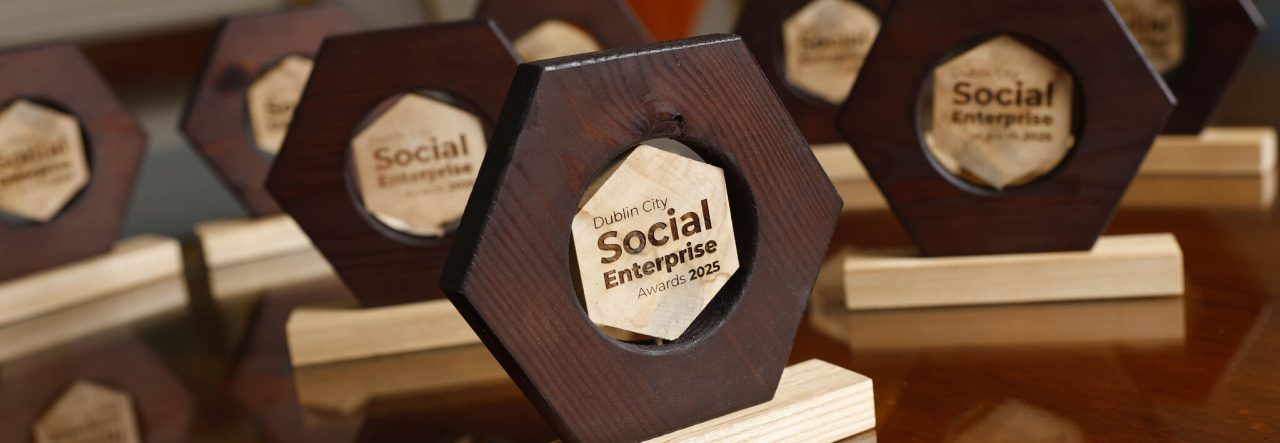
Recycle IT – Winner – Dublin City Social Enterprise Award 2022

Treadmills Recycling and More!

Recycling Exercise Equipment

Workouts from the comfort of home are great, they get you the exercise you need, and save you time travelling to and from the gym as well as the membership fee. Treadmills, rowing machines and exercise bikes also record the amount of energy you use and the time it takes to complete your workout.

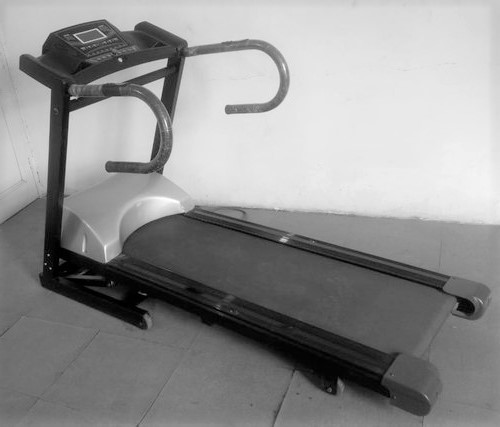
Treadmill Exercise Equipment

As with many electrical and electronic items treadmills and other types of electronic gym equipment, do wear out or get damaged after years of usage. Sometimes old equipment just ends up taking up space that is needed for a new or different priority.

Old or unused exercise equipment like a treadmill, steppers and exercise bikes really should be recycled if no longer in use. Removing these items from homes, apartments and even offices frees up valuable space, especially when the exercise equipment is no longer needed.

Exercise Equipment

There are a number of options to consider including reuse, resale or recycling!

Many people are looking for second-hand treadmills to buy. New models are costly and people might only be starting out on a home exercise plan. Instead of allowing your old treadmill to become out of date why not sell it at an affordable price.

Recycling Treadmills

Consider reuse by donating your old treadmill, exercise bike or stepper to a friend, a local community group or a charity. Remember any exercise equipment for reuse or donation should be in good condition and fully operational.

Ask a local gym to place a notice on the gym notice board or online asking if a member might be interested in taking your treadmill either free or for a small fee. Again the equipment should be in good condition and fully operational before handing it over for reuse.

Treadmill for Recycling at Recycle IT

Before making your final decision, try asking work colleagues, family members, or neighbours, whether they would use your treadmill. Someone in your network may be interested in your old exercise equipment.

Recycling Gym Equipment

If these options don’t work, you can always safely recycle your old metal gym equipment, treadmills, steppers, or any electrical or metal home exercise equipment. Recycle IT accepts dozens of treadmills and bikes each year for safe recycling, some are damaged, parts are missing or their owners are moving house or apartment and can’t take a treadmill or other types of exercise equipment along.

No matter why you wish to dispose of old or unused items recycling is worthwhile. The metal, plastic and electronic components will be dismantled, separated and broken down for future reuse in new products.

Electronic Exercise Bike – Recycle IT

Encourage Recycling

Recycle IT want to inspire all users of electrical items to safely recycle their unwanted, damaged, broken or outdated equipment. Recycle IT offer pre-arranged resident collections, cost-effective personal collections and free drop-off Monday – Friday for households from across the Dublin region and surrounding areas. We like to see an increase in the amount of equipment received for safe recycling rather than an accumulation at home

Please donโ€™t horde items in the hope of future repair for reuse. You should get them repaired quickly and if not recycle them!

About Recycle IT

Recycle IT is an award-winning social enterprise providing a community, personal and business collection service for all types of waste electrical and electronic equipment (WEEE) in Dublin and surrounding counties.

During 2019 Recycle IT offered to drop off and collection services to tens of thousands of homes, schools, charities and businesses across Dublin and surrounding areas collecting a range of WEEE which includes thousands of computers, cables, monitors, microwaves and screens

Recycle IT services are provided in partnership with WEEE Ireland. Recycle IT is supported by Pobal, Dormant Accounts, South Dublin County Council and authorized by the National Waste Collection Permit Office and the local authorities across Leinster.

Recycle IT Logo

Social Enterprise Conference Dublin – May 2023

Oakfield Trust presents an international conference entitled ‘Social Enterprise. Achieving Real Social Impact and Developing the Space’ in the warm surroundings of the wonderful Wood Quay Venue in Dublin City.

About the Organiser

Oakfield Trust based in Clondalkin provides a range of property-based services and related support for community and local projects. These supports offer projects a chance to develop and succeed – thereby benefitting the whole community.

The primary activity is Property Management & Development involving the acquisition, customisation and management of properties that are leased to organisations working with marginalised groups in socially excluded communities.

Oakfield Trust also provided assistance to local organisations in the form of Project Development Loans and Grants as well as New Build Project Management.

The Conference

The team at Oakfield Trust are looking forward to an open, thought-provoking event with contributions and discussion from highly regarded figures from the sector and many opportunities for audience participation.

The conference will run from 9.45am to 13.30pm on May 24th 2023, at The Wood Quay Venue, Fishamble Street, Wood Quay, D08 RF3F.

Dublin City Council – Wood Quay Venue, D8

The event will feature:

M๏ปฟC / Moderator – Susan Hayes Culleton

Main Speakers:

  • Joyce Murray (Founder and CEO, Grace Chocolates in Scotland)
  • Karen Leigh (Founder and CEO, Sensational Kids in Ireland).

Panel Discussion 1: ‘Achieving Real Social Impact’ – featuring:

  • Siobhรกn Cafferty (Social Enterprise Project Manager, Working to Change)
  • Emma Connors (CEO, Recreate)
  • I๏ปฟvan Cooper (CEO, The Wheel)
  • John Lonergan (Former Governor, of Mountjoy Prison)
  • Joyce Murray (Founder and CEO, Grace Chocolates, Scotland)

Panel Discussion 2: ‘Developing the Social Enterprise Space’ – featuring:

  • Lorraine Corcoran (Director, SERI)
  • John Kearns (CEO, Partas)
  • Una Lavelle (General Manager, Recycle IT)
  • Karen Leigh (CEO, Sensational Kids)
  • Donal Traynor (Group CEO, Community Finance)

Video contributions from sector figures at home and abroad.

To book your place, learn more, get directions, parking information and view the frequently asked question section please click here.

About Recycle IT

Recycle IT is an award-winning not-for-profit social enterprise providing a collection and drop-off service for all types of waste electrical, electronic and metal items. Recycle IT offer drop-off and collection services to both homes and organizations in Dublin and surrounding areas collecting a range of WEEE which includes thousands of printers and we can help recycle yours!

Our electrical community collection service is provided in partnership with WEEE Ireland. Recycle IT is supported by Pobal, South Dublin County Council and authorized by the National Waste Collection Permit Office and the local authorities across Leinster.

To speak with Recycle IT please call 01 4578321 or email us here

Visit our website www.recycleit.ie

Recycle IT are Awardees for 2023

Climate Change: 4 Changes for All!

Reducing Your Carbon Footprint

The Irish government can make national changes and introduce initiatives which can help reduce the effects of Climate Change but as individuals, living in Ireland we also contribute daily to carbon emissions.

Photo by Pixabay on Pexels.com

Here are some things you can do to reduce your personal impact.

At Home

Insulation is a key step in making your home more comfortable and energy efficient. SEAI grants can help you to insulate your walls and attic to reduce heat loss and your heating bills. Attic insulation, cavity wall insulation, internal Insulation or dry lining and external wall insulation all can help.

Learn more about the different types of insulation for your home. You can also download our homeowner’s guides to insulation. They will give you all the information you need about creating a cosier home.

Photo by Tomu00e1u0161 Malu00edk on Pexels.com

All homeowners, including private landlords, whose homes were built and occupied before 2011 can apply. This is defined as the date your electricity meter was installed.

Otheroptionla for your home includes floor Insulation, insulation of windows and doors, installation of a heat pump, updated heating controls or moving to solar heating or solar electricity panels. This all helps improve your home energy usage and therefore Ireland’s energy usage.

Learn about the grant values and how to apply here

While Travelling

The travel industry is responsible for approx. 8% of total global emissions so every action you take to curb your travel footprint is worthwhile. Here are some tips to consider ahead of your next trip.

Photo by Leah Kelley on Pexels.com

Cars are a major source of carbon emissions so try to eliminate the car from travel plans. It’s one of the best things you can do for reducing your carbon footprint. (You could consider the same for the daily commute or reduce the number of daily commutes).

  • Use green public transport
  • Book electric taxis
  • Don’t fly to nearby destinations or within a small country like Ireland.
  • Fly economy to lower your carbon footprint
  • Pack small and light (all the time).
  • If you going a greater distance book a non-stop flight
  • Visit fewer locations while on a trip – enjoy the location you are in!
  • Limit the use of air conditioning and charging equipment
  • Stay at an Eco- Friendly location – places where people care about the environment.
  • Finally, calculate your own travel carbon footprint here

Wasting Food

In 2022 the Irish EPA said, food waste is a global problem that has environmental, social and economic consequences.

More than one-quarter of the food produced globally is wasted. It is a significant contributor to climate change, as food loss and waste contribute to 8-10% of greenhouse gas emissions. 

Growing, processing and transporting food all use significant amounts of resources such as land, water and energy. 

The EPA estimates that Ireland generated 770,300 tonnes (t) of food waste[2] in 2020.

Source: EPA – Food Supply Chain

What to do?

Stop Food Waste is a national campaign to give you information and tips on how to make the most of your food and avoid food waste. 

Reducing food waste is an easy action you can take to save money, save time, and lessen your impact on the environment.

As a starting point, we can all follow the A-Z of Foods. This is a useful resource with top tips and techniques to best manage food at home in order to prevent food waste.

Have a look at the BBC Climate change food calculator – it’s easy and great – give the kids ago

Fashion – Buy Less – Think More

It takes 3,781 litres of water to make one pair of jeans, according to the UN’s Environment Programme, taking into account cotton production, manufacture, transport and washing.

Photo by Pixabay on Pexels.com

Mass-market fast fashion may soon stop for European shoppers, with the EU saying it plans to implement new regulations to limit the wasteful trend and encourage fashion sustainability.

The proposal by the EU calls for minimum use of recycled fibres by 2030 and a ban on the destruction of many unsold fashion products.

The European Commission regulations also seek to contain the release of microplastics and improve global labour conditions in the garment industry.

But as fashion shoppers what can we do now?

Well, The Guardian Newspaper has come up with a fast fashion fix: 20 ways to stop buying new clothes forever. Click here to have a read and change your ways.

You will find 7 quick tips below

  1. Buy less and more durable clothesโ€”choose slow-fashion
  2. Avoid fast-fashion companies and support small local businesses instead;
  3. Rent clothes youโ€™re only likely to wear once;
  4. Buy pre-owned items;
  5. Swap clothes with friends;
  6. Repair and upcycle your clothes;
  7. Resell or give clothes for free online.

What Next?

Ireland Climate Action and Low Carbon Development (Amendment) Act 2021 requires Ireland to achieve a 51% reduction in emissions by 2030, relative to 2018 levels, and net-zero emissions by 2050. We all must do more and learn more to help. To get up to speed please visit the Department of the Environment, Climate and Communications. Click here.

About Recycle IT

Recycle IT is an award-winning not-for-profit social enterprise providing a collection and drop-off service for all types of waste electrical, electronic and metal items. Recycle IT offer drop-off and collection services to both homes and organizations in Dublin and surrounding areas collecting a range of WEEE which includes thousands of printers and we can help recycle yours!

Our electrical community collection service is provided in partnership with WEEE Ireland. Recycle IT is supported by Pobal, South Dublin County Council and authorized by the National Waste Collection Permit Office and the local authorities across Leinster.

To speak with Recycle IT please call 01 4578321 or email us here

Visit our website www.recycleit.ie

Recycle IT at Work

District Heating – Launched in Tallaght

One of Ireland’s first district heating programmes has started operating in Tallaght, south Dublin.

The Tallaght District Heating Scheme takes waste heat from an Amazon data centre and uses it to heat South Dublin County Council offices and the local library. This environmentally friendly initiative provides low-carbon heat to nearby public buildings.

The Scheme, which is the first of its kind not-for-profit, publicly owned District Heating Scheme in Ireland, will reduce carbon dioxide (CO2) emissions in the South Dublin County area by approximately 1,500 tonnes per year in its first phase.

Tallaght District Heating Scheme Works are now completed. Source: Echo Newspaper

How it Works

The heat is carried by hot water pumped through a network of insulated pipes. The scheme will also serve 133 affordable apartments to be built on public land in Tallaght and a 3,500 sq/m innovation centre hosting tech start-ups on the same site.

The council says that over the lifetime of the scheme, it could also heat 2,000 to 3,000 apartments.

The objective of the scheme is to decrease greenhouse gas emissions associated with the use of fossil fuels for heating in the area in order to contribute to national-level renewable energy, energy efficiency and CO2 targets and establish Tallaght as a leader in innovation in the area of climate change.

District Heating Scheme, which officially opened by Minister for the Environment and Climate,ย Eamon Ryan TD

Launch Event

The Minister for the Environment and Climate described the Tallaght scheme as “an example of the future being delivered today”.

Speaking at the launch of the project Eamon Ryan TD said the Government will soon publish a heat policy as part of its Climate Action Plan commitments.

“The delivery of heat is probably one of the most important in Climate, you don’t tend to see it, itโ€™s not as visible or as high profile as transport or agriculture, as electricity generation but actually managing how we use to heat and how we keep heat in is probably the biggest change we need to make to keep our climate targets,” Minister Ryan says.

Video of Launch – RTE News

Donated

For the Tallaght project, Amazon Web Services (AWS) Ireland donates the waste heat from its data centre which is used to pipe water into the Heatworks Energy Centre next door.

Amazon Web Services, Ireland Country Manager Mike Beary says the company is very happy to be involved.

“We’ve been investing in Tallaght for 15 years. Amazon Web Services has been part of this community, and we’re very proud of our relationships with this community here. This is also a part of the drive to help Ireland meet its climate change targets for 2030.”

Future

Codema, the energy agency for Dublin, says most homes in the capital could be served by district heating systems by 2050.

Codema is the project partner withย South Dublin County Councilย to develop the Tallaght District Heating Scheme (TDHS), which is the first large-scale district heating network of its kind in Ireland.ย 

Waste heat from data centres, power stations and other industrial facilities will be one source but there is also a significant geothermal resource.

What are the Benefits?

  •  Lower emissions and greater use of renewable energy
  •  Hot water on demand 24/7 – very reliable system, no more worrying about leaving the immersion on!
  •  No boiler in your home – more space, less maintenance
  •  Improved air quality
  •  Better Building Energy Ratings
  •  Flexible system – future-proofed to provide heat from multiple renewable sources
  • ย Cost – The heat price will be competitive with alternative heating technologies
Energy Centre Tallaght, South Dublin

Funding

The scheme is funded by the European Union’s NWE Interreg HeatNet programme, a multi-million-euro fund for schemes that reduce CO2 emissions in Europe’s north-west, by โ‚ฌ4.5 million from the Project Ireland 2040 Climate Action Fund and through direct funding from South Dublin County Council.

Phase one of the Tallaght District Heating Scheme will provide heat to over 32,800msq of public buildings including South Dublin County Councilโ€™s office headquarters and the TU Dublin Tallaght campus. During normal operation, the connected buildings will be warmed by heat generated at the data centre.

The subsequent phases of the project will facilitate the connection of other public, private, and residential customers in the Tallaght area including the proposed 133 affordable rental apartments in Tallaght, as well as further buildings within TU Dublinโ€™s Tallaght Campus currently under construction.

About Recycle IT

Recycle IT is an award-winning not-for-profit social enterprise providing a collection and drop-off service for all types of waste electrical and electronic equipment (WEEE). Recycle IT provide drop off and collection services to thousands of homes and businesses across Dublin and surrounding areas collecting a range of WEEE which includes thousands of laptops, computers, cookers, cables, monitors, microwaves and TVs.

Recycle IT services are provided in partnership with WEEE Ireland. Recycle IT is supported by Pobal, South Dublin County Council and authorized by the National Waste Collection Permit Office and the local authorities in the Eastern-Midlands Waste Management Region.

Recycle IT Collection

Visit our website for further details

Ministerial visit to Recycle IT

Monday, March 6th 2023

Minister for Community Development, Integration and Charities, Joe Oโ€™Brien TD, made a visit to Recycle IT on Monday, March 6th, 2023. Board members and the staff team were on hand to greet the minister and share details on the work of Recycle IT a social enterprise striving to create training and employment opportunities through the recycling of old, damaged, or unused electrical and electronic equipment collected from homes and organisations. 

Minister Joe Oโ€™Brien on arrival at Recycle IT

Announcement

During the visit to Recycle IT, Minister Joe Oโ€™Brien made time for an important announcement, the Minister said:

โ€œI am delighted to launch a new Call for Applications under the Community Services Programme (CSP). The purpose of this funding is to support social enterprises and community/voluntary organisations with an additional strand focusing on circular economy projects that are either Traveller led or ones that will primarily employ members of the Traveller community.โ€

Funding of โ‚ฌ1 million will be available for this new call in 2023 which will provide new organisations with an opportunity to access support to employ additional staff in line with the programmeโ€™s re-defined sub-programmes and new vision, which were approved in 2022.

Minister Joe Oโ€™Brien and Recycle IT Voluntary Board of Directors

Pre-application support workshops will be rolled out to ensure organisations are fully equipped with the information that they need to apply for this funding. As a first step, an Information Event will be held for organisations interested in applying for the programme on the week beginning 20 March 2023. Details will be shared on the Pobal CSP webpage and on the Department of Rural and Community Development social media channels. Organisations that wish to be notified about the workshops can also contact csp@pobal.ie

Following the pre-application support, organisations will be invited to submit a short concept note to Pobal outlining their proposal for assessment against the objectives of the call and organisations will then be informed whether their proposal fits with the call.

The Minister continued:

โ€œThe CSP supports a range of services, facilities and activities that enhance the quality of life for specific disadvantaged groups within our communities. This open call will be essential in broadening the range of services available and bringing new organisations onto the programme. I am delighted to say that we will also have a range of support workshops to assist those organisations in applying to the CSP Programme.”

Minister Joe Oโ€™Brien

About CSP

The Community Services Programme (CSP) supports over 420 community-based organisations including Recycle IT to provide local services through a social enterprise model. This model helps create training and employment opportunities for specific disadvantaged groups and individuals, such as people with disabilities, Travellers, recovering drug misusers, ex-prisoners, and long-term unemployed.

About Recycle IT

Recycle IT is an award-winning social enterprise providing community, personal and business recycling services for all types of waste electrical and electronic equipment (WEEE) in Dublin and surrounding counties.

During 2022 Recycle IT offered drop off and collection services to thousands of homes, schools, charities and businesses across Dublin and surrounding areas collecting a range of WEEE which included thousands of computers, cables, monitors, microwaves, TVs, and computer screens.

Recycling services offered by Recycle IT are provided in partnership with WEEE Ireland. Recycle IT is supported by the Pobal-managed, Community Services Programme, Dormant Accounts and by South Dublin County Council. Recycling services are authorized by the National Waste Collection Permit Office and the local authorities across Leinster.

For more information about Recycle IT please visit www.recycleit.ie or call 01 4578321.

The Recycler IT Team – Farewell to Minister Joe Oโ€™Brien

Recycle small electrics now!

Small Matters

In 2024, there was a 75% surge in small electrical device sales in Ireland, driven by vapes and solar panels, leading to 93 million household items sold, a massive increase from 2006. Despite this growth, 84% of Irish households reported hoarding an average of 15-20 unused electrical items, and one in eight people admitted to disposing of small items in general waste bins (Source: WEEE Ireland and ERP)

That is a lot of old unused phones which could be recycled for good and with the festive season around the corner there will be lot more old, damaged or unused small electrical items which can be recycled

Using and Replacing

As technology at home and in the office evolves, the speed at which people cease using their existing small electrical and electronic items and replace them with newer models happens with increased regularity. Days like Black Friday and Cyber Monday and gifting for Christmas increase exposure to new gadgets and drive consumers to purchase!

Small Mixed Electrical/Electronic Item – Recycle IT

What is Small?

Individuals young and old replace mobile phones, modems, toys, game consoles, chargers, virtual assistants (AI technology), smartwatches and fitness monitors without thinking too much about the older equipment. Did you know the average life of a smartphone and smartwatch is approx? 24 months.

There are reasons for a short life such as built-in obsolescence or the consumer’s perceived need or want for the newest product. Research by the German Environment Agency on the lifespan of consumer electronics can provide further information; just click here.

Small Household Electrical Items – Recycle IT

Before you dispose of old items please be aware many items contain valuable metals and plastics. With natural resources in limited supply, combined with ever-increasing waste disposal costs, it’s important that we safely recycle small electrical items so that they can be reused in new products.

Small Electrical Equipment List

Items like those listed above and below (if not fit for reuse) are usually shredded to reduce volume and are mechanically separated into their component parts (plastics, ferrous metals and non-ferrous metals). The materials collected will then be reused. For example, mixed-grade plastic can be used to make street and park furniture or multi-purpose decking. Any metals recovered are reused in the manufacture of many different types of new products including your new phone or tablet!

Small Electrical Equipment List (Continued)

What to do?

Recycle IT can help you recycle your small, old, unused or damaged electrical items including batteries of all types.  Pop your batteries in a small clear bag alongside items like kettles, toasters or small electric tools and they all will be safely recycled. Please don’t place them in the black, brown or green bin or leave them out for unauthorised collection.

Small Electrical Jukebox – Recycle IT

Recycle IT want to encourage all users of electrical items to recycle their unwanted, damaged, broken or outdated small electrical gadgets when recycling large items from their homes and offices. Clear out draws, shelves and bags used to store smaller items out of sight!

Recycle IT offer a community collection service, a business collection service and free drop-off to communities across Dublin and would like to see an increase in the amount of small electrical items received for safe recycling. If this does not work for you, simply place it in an envelope or small box and post it to us!

Please don’t horde items in the hope of future repair for reuse. Please do get items repaired quickly and if not please recycle!

For full lists of items that can be recycled by Recycle IT click here. (PFD files can be viewed or downloaded)

About Recycle IT

Recycle IT is an award-winning social enterprise providing a community, personal and business collection service for all types of waste electrical and electronic equipment (WEEE) in Dublin and surrounding counties.

During 2022 Recycle IT offered to drop off and collection services to thousands of homes, schools, charities and businesses across Dublin and surrounding areas collecting a range of WEEE which includes thousands of computers, cables, monitors, microwaves and screens

Recycle IT services are provided in partnership with WEEE Ireland. Recycle IT is supported by Pobal, Dormant Accounts, South Dublin County Council and authorized by the National Waste Collection Permit Office and the local authorities across Leinster.

For more information about Recycle IT please visit www.recycleit.ie or call 01 4578321.

Recycle IT – Dublin City Social Enterprise Award Winner 2022

Dublin Apartments Recycling Initiative

Electrical Recycling from Apartments

Over our years in operation, Recycle IT has predominantly engaged with householders, residentsโ€™ groups, schools, businesses, and community organisation’s to collect and safely recycle waste electrical and electronic equipment (WEEE). ย 

Apartments dwellers have been harder to reach. There is no one way to describe apartment buildings. Apartment development and types of apartments differ widely, from high-rise developments to smaller individually owned properties.

Typical Electrical Appliances in an Apartment

Some are large 300 (+) unit properties owned by international companies and others are developed with social needs in mind. This leads to numerous differences in the way waste and items for recycling are held onsite and collected. Multiple configurations are used, from recycling rooms to underground car parks, basements and outdoor collection areas, depending on the apartment block.

These differences alongside contacting the right person make it hard to reach apartment recyclers easily. But now with a greater emphasis on the environment, safe recycling, and the mantra of reducing, reusing, recovering, and recycling, Recycle IT is going to try.

Apartment Growth

Another reason to try is that the increase of households in apartments continues to grow at a faster rate than any other accommodation type. This is according to Census 2016. The number of occupied apartments rose by 11.4% from 183,282 to 204,145 over the 2011-2016 period.

Apartments, which have increased in number by 85% since 2002, accounted for 12% of all household types in 2016, compared with 11.1% in 2011. More apartments than houses were granted planning permission in 2020 for the first time in the history of the State.

Central Statistics Office (CSO) figures show planning permissions were granted for 26,224 apartments in 2020. The majority (74%) is earmarked for Dublin.

Studentsโ€™ apartment blocks are also a relatively new accommodation type in Dublin with 44 Purpose Built Student Accommodation (PBSA) currently operating; under construction; granted planning or seeking planning permission in 2019.

Student Apartments Dublin

Our Project

The purpose of the project is to define and support electrical recycling opportunities for new and existing apartment locations in Dublin.

Project Goals included:

  • ensuring access across Dublin to at least one electrical recycling collection event for all residents/households wishing to recycle within the apartment complex per year.
  • increase the quantity of electrical and electronic equipment recycled by the individual, shared and family households based in apartment complexes.
  • ensuring the electrical and electronic equipment collected are recycled safely.
  • improve the reuse and recycling of waste electrical and electronic equipment (WEEE) to help reach the European Union target of 65% minimum collection for recycling of WEEE (EU WEEE Directive).
Mixed Electrical Equipment for Collection and Recycling

Recycle IT is authorized to offer this WEEE pilot recycling project to apartments interested in arranging a recycling colleciton for all apartments in a complex in the following Dublin county council areas.

  • South Dublin County Council 
  • Dublin City Council 
  • Dun Laoghaire / Rathdown County Council

Project Benefits

Waste electrical and electronic equipment is expected to grow continually over the coming decades.  As tech is increasingly used for work, entertainment, communication, home safety and garden and general maintenance, we will all accumulate lots more!  

A study of environmental impacts based on the whole recycling chain of electrical and electronic waste demonstrated that the recycling option is much more ecologically advantageous than simple incineration and should be encouraged as the most suitable treatment option. Source: European Commission.

WEEE Ireland Facts

Remember that recycling WEEE can provide the following benefits-

  • Offering residents the opportunity to recycle in the correct manner.
  • Less e-waste in the bin means fewer items in landfills and therefore, less pollution and toxic waste.
  • The amount of waste gets reduced, which gives you more savings on general waste collection costs and related taxes.
  • We can save energy by reusing metals such as aluminium instead of having to have them made from raw materials.
  • Environmentally conscious management companies can enhance their reputation.
  • Recycling is completely in line with the WEEE directive and ensures individuals and businesses stay compliant.
  • Help Ireland the European Union target of 65% minimum collection for recycling rate (EU WEEE Directive).
Residents Collection Event

What Next?

The responsibility for apartment buildings and their operation does vary and with that in mind we would like to contact:

  • Apartment property managers
  • Apartment building managers
  • Apartment facility managers
  • Apartment maintenance and/or cleaning teams
  • Apartment residents committee members or Chairperson

We would like to make contact with those persons or groups interested and with the authority to arrange the recycling of old electrical equipment from apartment complexes.

We are also interested to help older people living in managed and serviced apartments or residential care units recycle old electrical items safely.

Please do contact us at email, info@recycleit.ie, call 01 4578321 and we will follow up shortly after.

About Recycle IT

Recycle IT is an award-winning social enterprise providing recycling collection and drop-off services for all types of waste electrical, electronic equipment (WEEE) and pure metal items.

Recycle IT services are provided in partnership with WEEE Ireland. Recycle IT is supported by the Department of Rural and Community Development, Dormant Accounts Fund, Pobal, South Dublin County Council and authorized by the National Waste Collection Permit Office and the local authorities across Leinster.

For further details about our services for apartment complexes, call us on 01 4578321, email info@recycleit.ie or visit the Recycle IT website at 

Apartments Dublin

Business Electronic Recycling 2026

Businesses – Reduce E-waste

Waste Electrical and Electronic Equipment (WEEE) recycling is an important consideration for every business, including small and medium-sized companies and especially those with a lot of electronics accumulated over a long period. Equipment can include computers, laptops, tablets, phones, networking equipment, printers, batteries, and other office devices like heaters, kettles, coffee machines and microwaves.

Some of these old and unused items may be stored in desk drawers or stationary rooms and years out of use. The safe disposal of old, damaged, or unused equipment is essential to good environmental practice in your business.

Related equipment including cables, chargers, servers and communications racks can also be recycled safely, Recycling can involve disconnecting power, removing data drives safely and securely, handling components carefully, separating recyclable materials, and following environmental regulations. Proper disposal reduces waste, protects sensitive information, and supports sustainable resource recovery practices.

Business IT Equipment Racks for Recycling
Electronic Equipment Racks for Recycling

Some Background

According to the United Nationโ€™s Global E-Waste Monitor, e-waste is the worldโ€™s fastest-growing domestic waste stream. Its disposal contributes to climate change due to the chemicals released when it gets burned. Furthermore, 10 % of all electricity consumption and 4 % of all carbon emissions worldwide stem from the ICT industry.

E-waste is hazardous because the components used to make devices contain metals and chemicals known to harm human health. Adults and children in developing countries often work, live, and play in or near e-waste recycling centres and are therefore especially vulnerable.

The report foresees a drop in the documented collection and recycling rate from 22.3% in 2022 to 20% by 2030 due to the widening difference in recycling efforts relative to the staggering growth of e-waste generation worldwide.

Challenges contributing to the widening gap include technological progress, higher consumption, limited repair options, shorter product life cycles, societyโ€™s growing electronification, design shortcomings, and inadequate e-waste management infrastructure.

Disposal of Electronic Equipment

Why We Do

Recycle IT safely recycle Waste Electrical and Electronic Equipment Recycling for business. We offer a collection service for all types of electronic equipment. Many items are broken down into their component parts and salvaged components that can be reused including the metal from outer casings. This is a much more practical solution for the growing challenge of e-waste. Simply dumping the equipment in the bin is not the right thing to do.

Before the safe disposal of business computer equipment, Recycle IT can on request offer data destruction to ensure that sensitive information is not stolen and used for fraud โ€“ an important and often legal consideration for many companies. Just ask in advance of drop off or the collection and the service can be arranged.

Computers including Hard Disk Drives

Recycle IT aims to support the Circular Economy which favour designing products for durability, reuse, remanufacturing, and recycling. It aims to keep materials circulating for as long as possible. Itโ€™s an economy that encourages many different uses for materials instead of just using them up and throwing them in a landfill or an incinerator.

Our recycling initiatives have led to positive recognition from several sources, including Repak Ireland, Dublin City Council, Rethink Ireland, and others.  Please click here to learn more.

If your business needs to free up space, declutter and safely recycle old electronic equipment or pure metal items please do contact Recycle IT via email or telephone at 01 4578321

About Recycle IT

Recycle IT, is an award-winning Dublin-based, not-for-profit, social enterprise offering electrical, electronic and metal recycling. Services are provided in partnership with WEEE Ireland. Recycle IT is supported by Pobal, the Dormant Accounts Fund, and South Dublin County Council. Recycle IT is authorised by the National Waste Collection Permit Office and the local authorities across Leinster.

For further details about our free and cost-effective services call us on 01 4578321, email info@recycleit.ie or visit the Recycle IT website at www.recycleit.ie

Recycle IT โ€“Sustainability Award Winner 2025