Computer Recycling Dublin

Recycle More!

The reality is nearly everything in a laptop computer can be recycled yet only 13% of people in the EU recycled old desktop computers and and figure drops to 10% for old laptops or tablets. 33% of people living in the EU keep once oved laptops and tablets, at home after use rather than recycling.

With our recycling initiative, we try to promote reuse first, but most of the computers, laptops servers and communication equipment we deal with are years out of date and beyond repair and reuse. Many have been sitting at home or in offices for years, some have had parts removed or are damaged beyond recovery on arrival but all the equipment can be safely recycled.
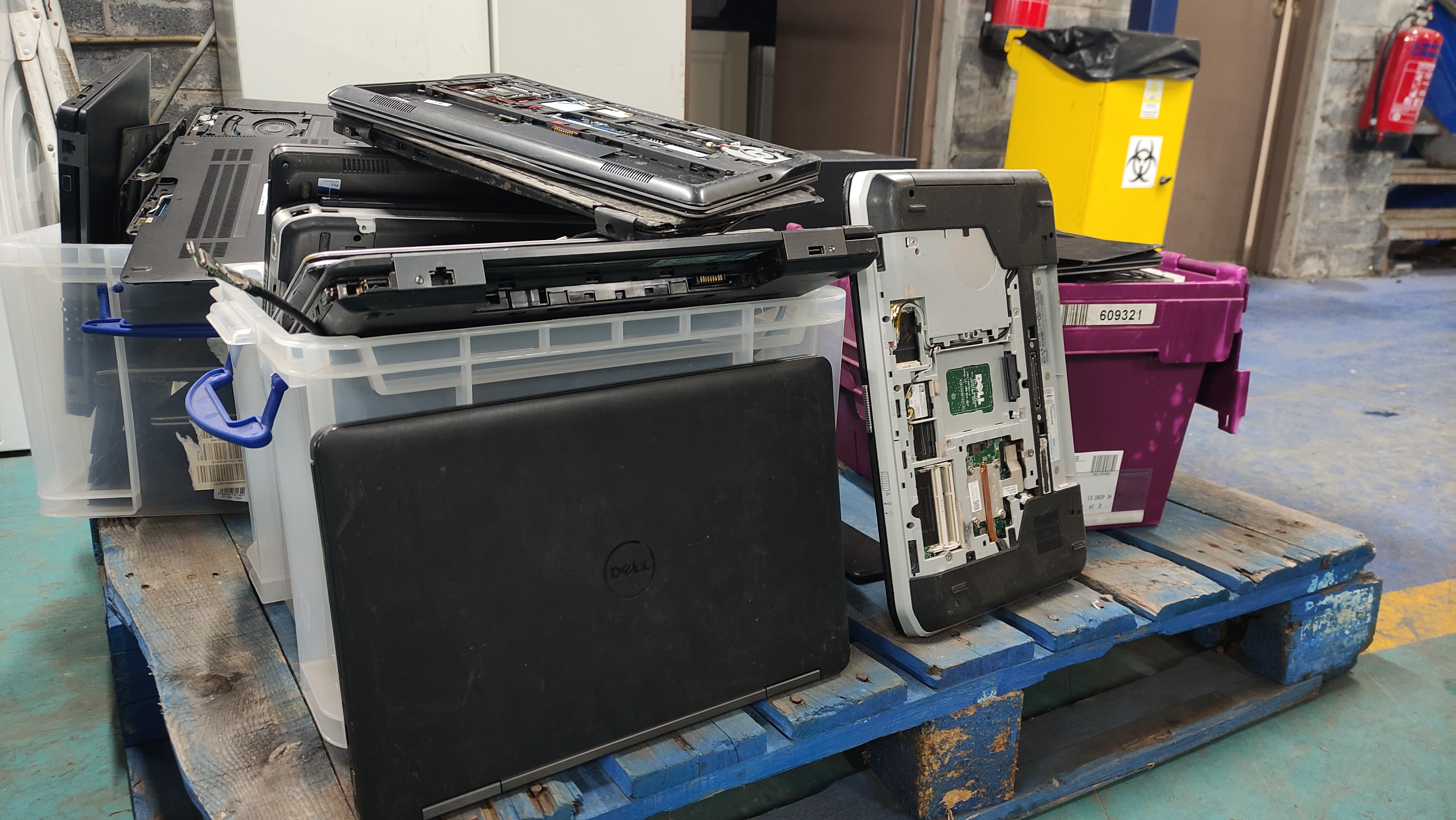
Laptops for Recycling

How a standard PC can be recycled:

Keyboards, mice, and other computer accessories are usually made of plastic and are recyclable. The plastic goes through a shredding process and is then sold on the commodities market as mixed plastic scrap.

Some recyclers use optical sorters that create a very clean stream of plastic, with minimal metal contamination. Usually, the plastic is further purified and compounded with virgin plastics and pelletized. This pelletized resin can then be used as a recycled-content plastic.

For example, Recycle IT operates in a supply chain where plastic is processed for reused – to make new parts – a process that has a smaller carbon footprint, lighter environmental footprint and can deliver a cost saving over manufacturing from new materials.

Computer and Laptops

Chassis/Base – these materials are primarily made of metal (PC Chassis) or what’s known as PC/ABS plastics, which are recyclable. Some laptops also feature carbon fibre mixed with polycarbonate plastics to keep the base cool to the touch. This material is not currently widely recycled, but it can be used in waste-to-energy processes.

Printed Circuit Boards (PCBs), processors, and memory – these are made of multiple types of plastics, fibreglass and precious metals that can be recycled. Scrap copper, precious metals like gold, and some other non-ferrous metals are commonly recovered from computer circuit boards and other components.
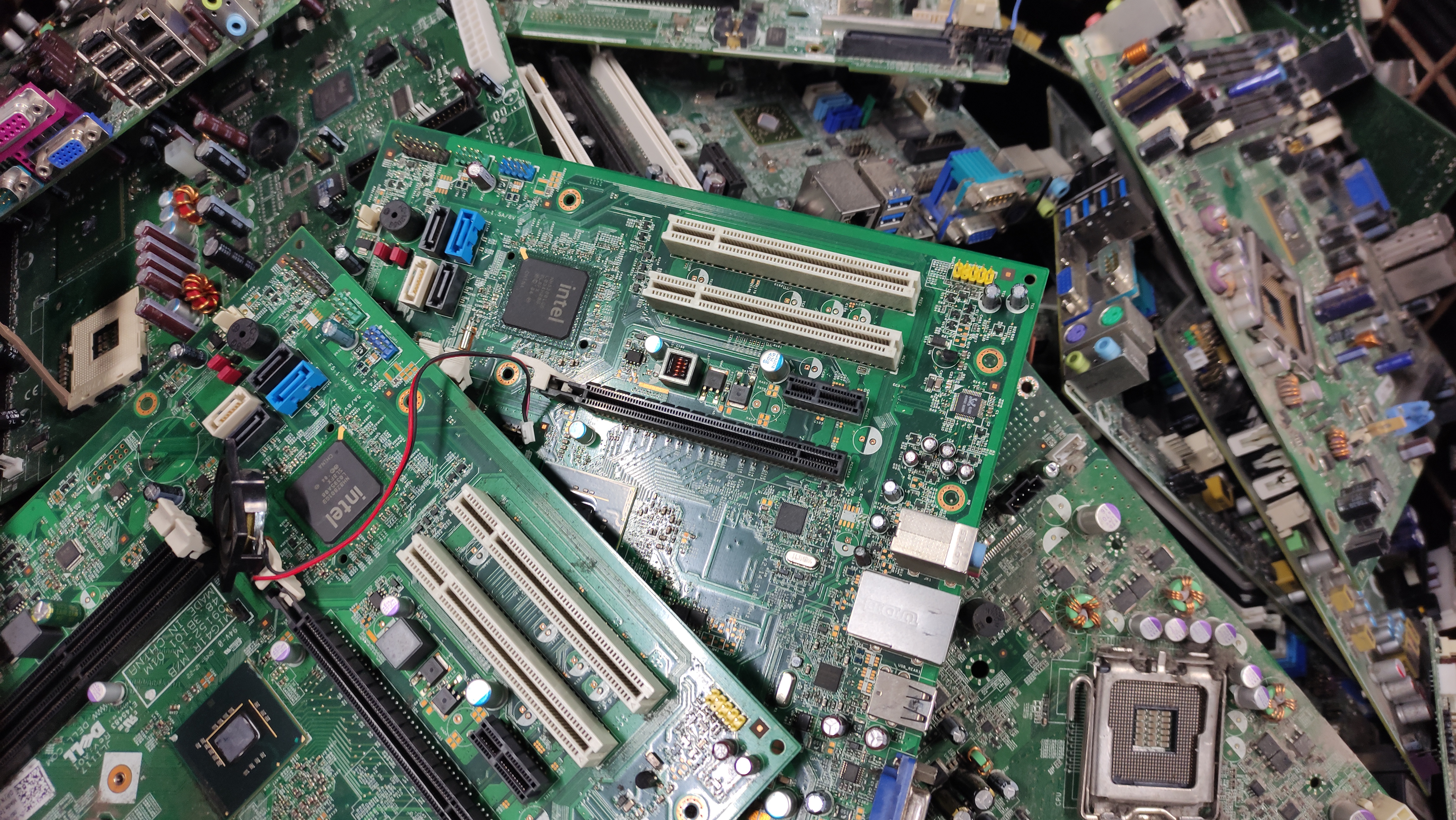
Personal Computer System Boards

Once these materials have been sorted out they go through more specialized processes, e.g., circuit boards first into copper recovery, followed by specialized refining of the residues to recover other metals. These processes are usually accomplished through smelting or sometimes through hydro-metallurgical processing via acids or cyanide compounds in order to recover gold and other precious metals.

Batteries – when computers and laptops come into our facilities, the battery is removed from the system manually. Once removed, batteries are separated, packaged safely, and sent for recycling.  Once they reach their destination, the plastic casing is manually separated while the rest of the material is refined through a thermochemical process at high temperatures to separate various materials). The result is a metal alloy and a stony waste material separated from metals during the smelting: the metal alloys are further treated to recover cobalt, nickel, copper, and iron; lithium is typically concentrated in the stony waste material and is often recovered.
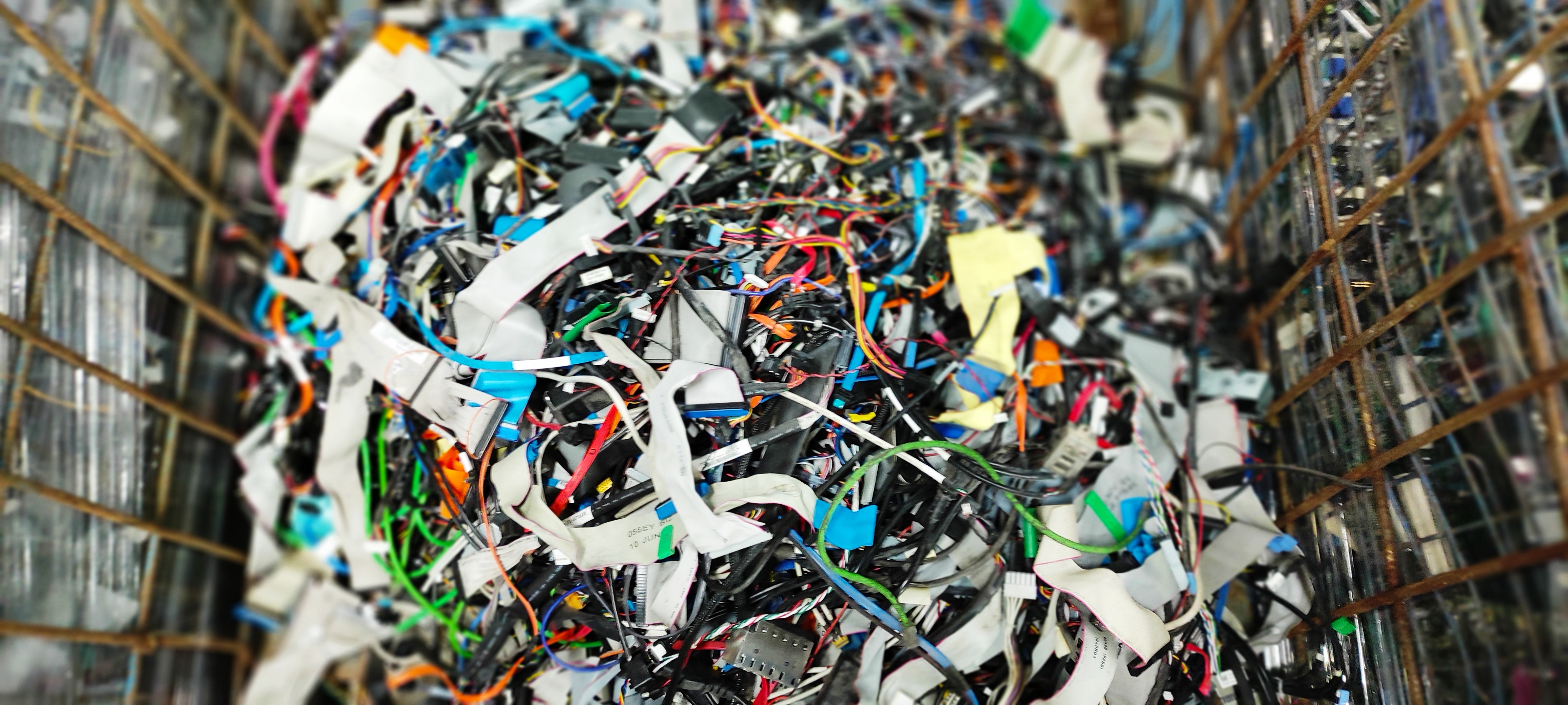
Computer cables

Cables – wire and cable that is not damaged can be reused directly. The high-grade copper can also be recovered by manually removing insulation with simple tools or by chopping wire into small pieces. After arriving at a specialised facility they undergo a hydrological process in which the small pieces of insulation float while the copper sinks. Unfortunately, the plastic insulation from the wire-chopping process is very hard to recycle and is usually sent to a waste-to-energy facility.

Screens – many manufacturers have stopped using mercury and arsenic in flat panel monitors making it easier to recycle display panels at their end-of-life. The recycling approach for LCD panels involves the separation of the glass substrate, polarizer foils, and the elements indium and copper into individual outputs. This process is carried out in Ireland, and we are delighted to be able to supply screens for safe recycling,
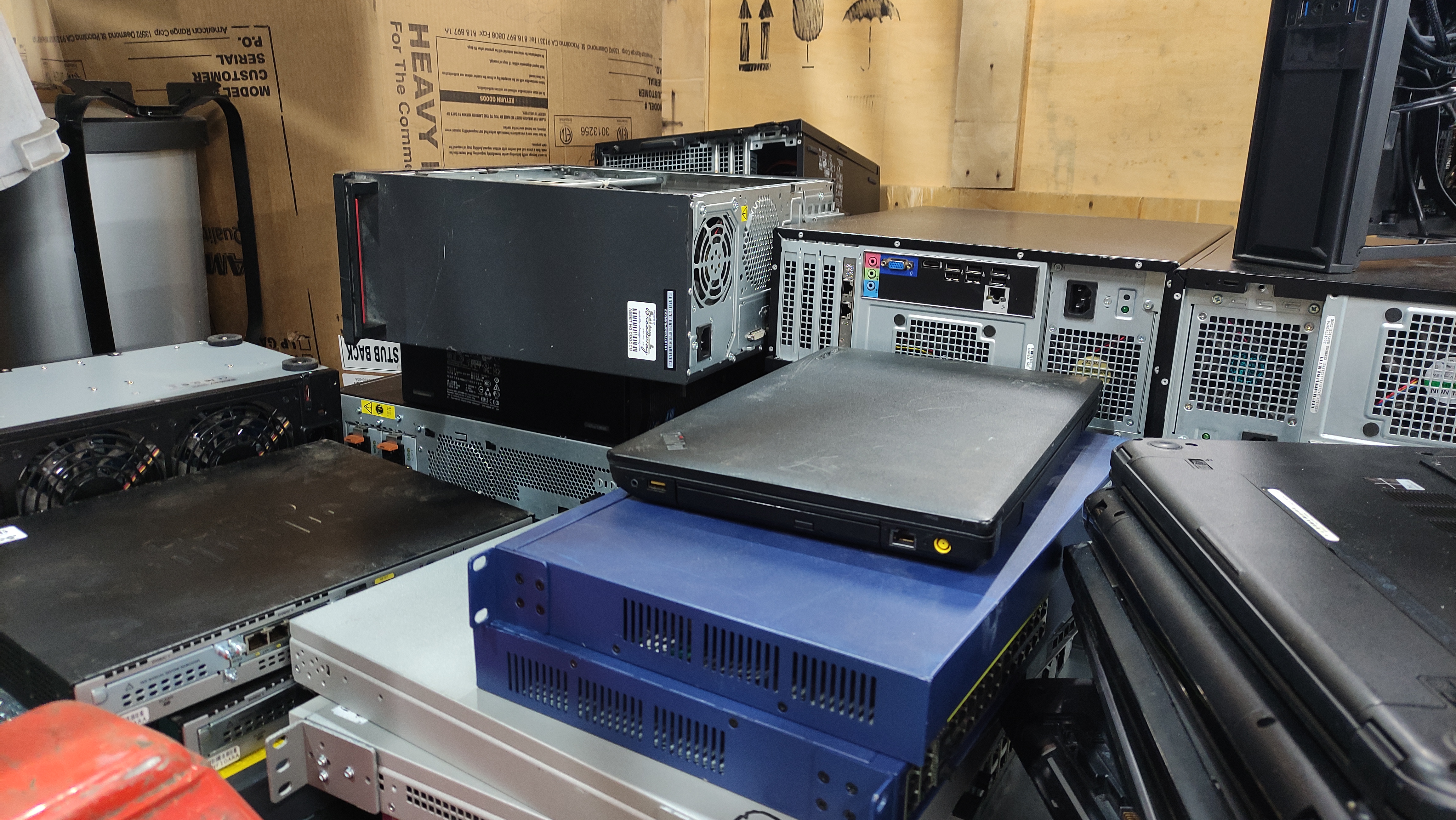
IT Equipment

Fans – made of plastics and metals, which can be separated and recycled.

Other parts – there are other things that go into your computer, like screws, springs, small plastic parts, etc. and they are generally made from the materials above, making them mostly recyclable. They typically make up only a small portion of the overall product.

Packaging – As part of recycling we receive a lot of corrugated cardboard, as well as other materials like plastic bags and creates. We try to reuse these items; we bale cardboard for reuse but some of the materials can’t be reused at present and are sent for heat recovery through incineration.

In support of Recycle IT – please recycle old, unused electronics. It helps the environment with reuse, reduces the mining of new raw materials and creates training and employment for people returning to work after an absence.

About Recycle IT 

Recycle IT, is a social enterprise offering electrical, electronic and metal recycling services through drop-off and collection. Services are provided in partnership with WEEE Ireland and South Dublin County Council. Recycle IT is supported by Pobal and Dormant Accounts and authorized by the National Waste Collection Permit Office and the local authorities across Leinster.

For more information on Recycle IT please call 01 4578321, email info@recycleit.ie or visit our website www.recycleit.ie

Click here to learn more about recycling metal with Recycle IT.

Further information on ICT equipment reuse and recycling in the EU can be found here.

Dormant Accounts Fund Logo
Recycle IT is Part Funded through the Dormant Accounts Fund

Recycle small electrics now!

Small Matters

In 2024, there was a 75% surge in small electrical device sales in Ireland, driven by vapes and solar panels, leading to 93 million household items sold, a massive increase from 2006. Despite this growth, 84% of Irish households reported hoarding an average of 15-20 unused electrical items, and one in eight people admitted to disposing of small items in general waste bins (Source: WEEE Ireland and ERP)

That is a lot of old unused phones which could be recycled for good and with the festive season around the corner there will be lot more old, damaged or unused small electrical items which can be recycled

Using and Replacing

As technology at home and in the office evolves, the speed at which people cease using their existing small electrical and electronic items and replace them with newer models happens with increased regularity. Days like Black Friday and Cyber Monday and gifting for Christmas increase exposure to new gadgets and drive consumers to purchase!

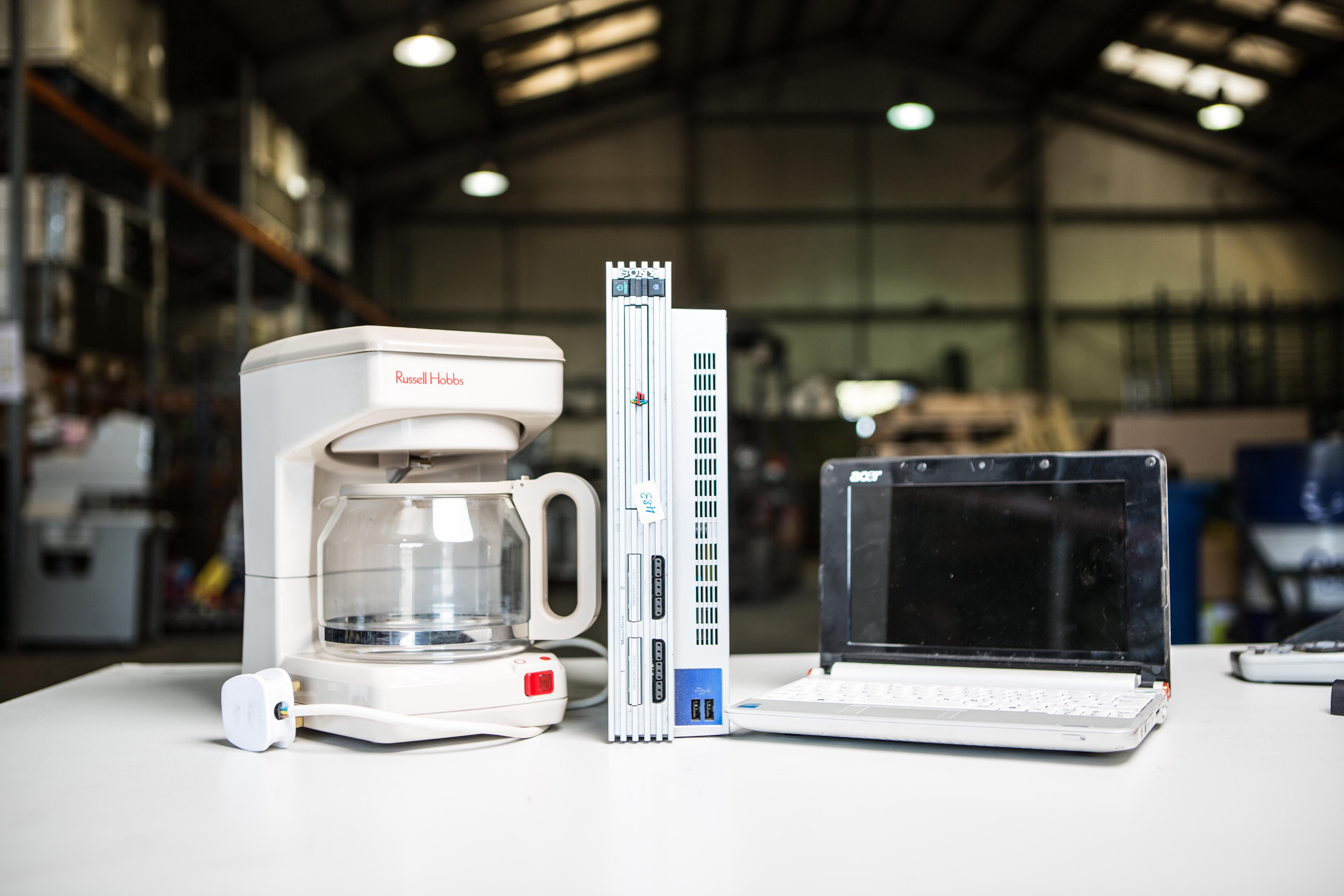
Small Mixed Electrical/Electronic Item – Recycle IT

What is Small?

Individuals young and old replace mobile phones, modems, toys, game consoles, chargers, virtual assistants (AI technology), smartwatches and fitness monitors without thinking too much about the older equipment. Did you know the average life of a smartphone and smartwatch is approx? 24 months.

There are reasons for a short life such as built-in obsolescence or the consumer’s perceived need or want for the newest product. Research by the German Environment Agency on the lifespan of consumer electronics can provide further information; just click here.

Small Household Electrical Items – Recycle IT

Before you dispose of old items please be aware many items contain valuable metals and plastics. With natural resources in limited supply, combined with ever-increasing waste disposal costs, it’s important that we safely recycle small electrical items so that they can be reused in new products.

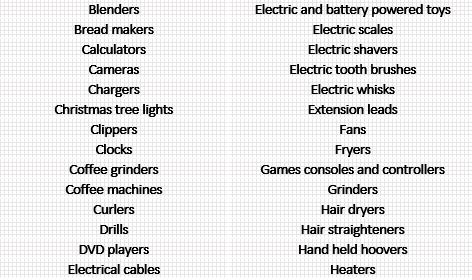
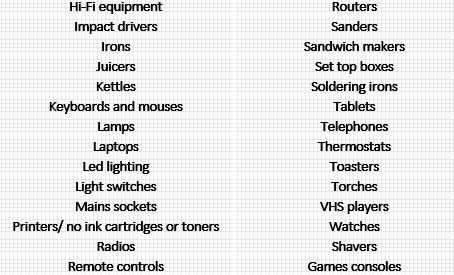
Small Electrical Equipment List

Items like those listed above and below (if not fit for reuse) are usually shredded to reduce volume and are mechanically separated into their component parts (plastics, ferrous metals and non-ferrous metals). The materials collected will then be reused. For example, mixed-grade plastic can be used to make street and park furniture or multi-purpose decking. Any metals recovered are reused in the manufacture of many different types of new products including your new phone or tablet!

Small Electrical Equipment List (Continued)

What to do?

Recycle IT can help you recycle your small, old, unused or damaged electrical items including batteries of all types.  Pop your batteries in a small clear bag alongside items like kettles, toasters or small electric tools and they all will be safely recycled. Please don’t place them in the black, brown or green bin or leave them out for unauthorised collection.

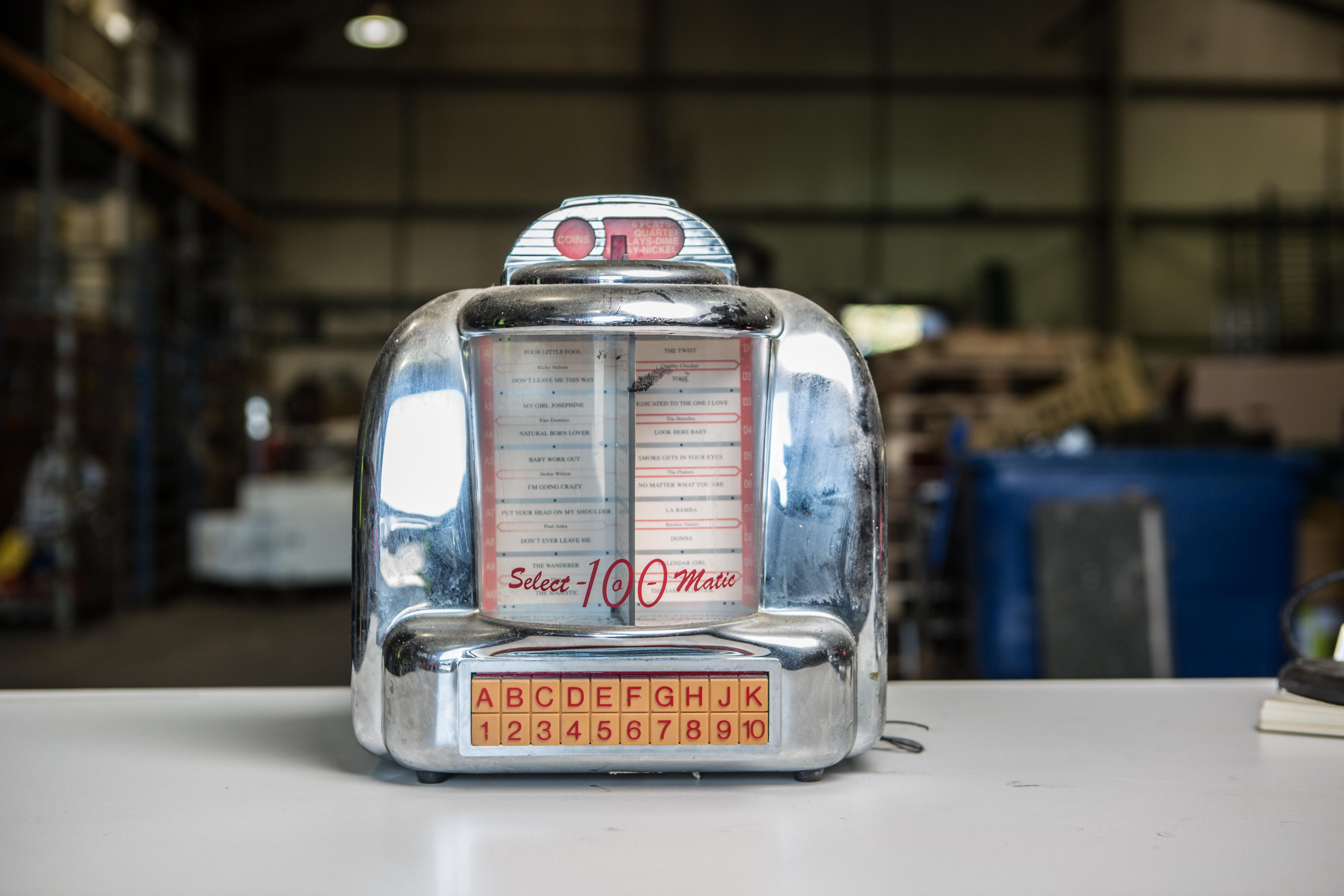
Small Electrical Jukebox – Recycle IT

Recycle IT want to encourage all users of electrical items to recycle their unwanted, damaged, broken or outdated small electrical gadgets when recycling large items from their homes and offices. Clear out draws, shelves and bags used to store smaller items out of sight!

Recycle IT offer a community collection service, a business collection service and free drop-off to communities across Dublin and would like to see an increase in the amount of small electrical items received for safe recycling. If this does not work for you, simply place it in an envelope or small box and post it to us!

Please don’t horde items in the hope of future repair for reuse. Please do get items repaired quickly and if not please recycle!

For full lists of items that can be recycled by Recycle IT click here. (PFD files can be viewed or downloaded)

About Recycle IT

Recycle IT is an award-winning social enterprise providing a community, personal and business collection service for all types of waste electrical and electronic equipment (WEEE) in Dublin and surrounding counties.

During 2022 Recycle IT offered to drop off and collection services to thousands of homes, schools, charities and businesses across Dublin and surrounding areas collecting a range of WEEE which includes thousands of computers, cables, monitors, microwaves and screens

Recycle IT services are provided in partnership with WEEE Ireland. Recycle IT is supported by Pobal, Dormant Accounts, South Dublin County Council and authorized by the National Waste Collection Permit Office and the local authorities across Leinster.

For more information about Recycle IT please visit www.recycleit.ie or call 01 4578321.

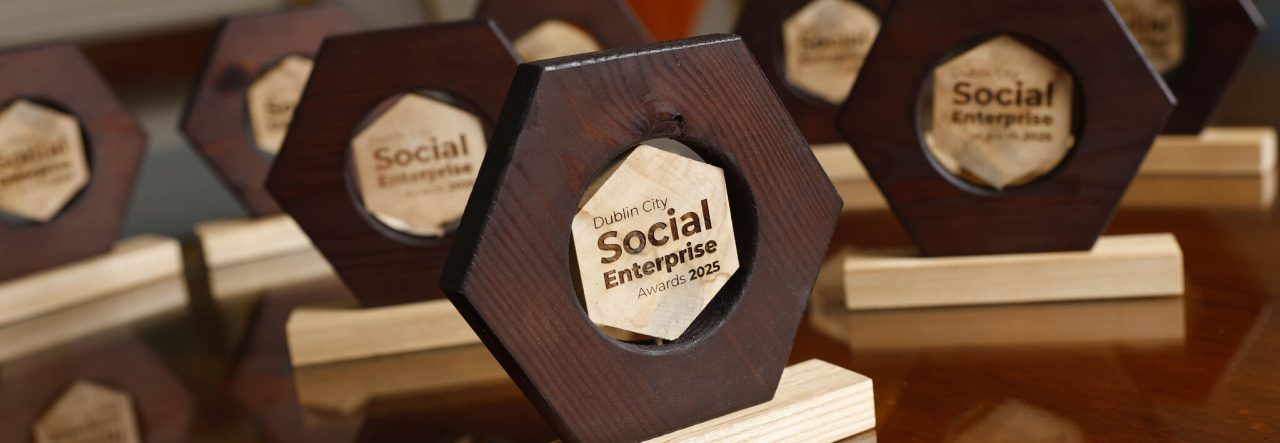
Recycle IT – Dublin City Social Enterprise Award Winner 2022

Recycle IT – Business Electronic Recycling

Calling Business

Waste Electrical and Electronic Equipment (WEEE) recycling is an important consideration for every business, including small and medium-sized companies and especially those with a lot of electronics, such as computers, laptops, phones, networking equipment, printers, batteries and other office devices. Watch our video below!

Recycle IT – Community Electrical Recycling

Some of these old and unused items may be stored in desk drawers or stationary rooms and years out of use. The safe disposal of old, damaged, or unused equipment is essential to good environmental practice.

Some Background

According to the United Nation’s Global E-Waste Monitor, e-waste is the world’s fastest-growing domestic waste stream. Its disposal contributes to climate change due to the chemicals released when it gets burned. Furthermore, 10 % of all electricity consumption and 4 % of all carbon emissions worldwide stem from the ICT industry.

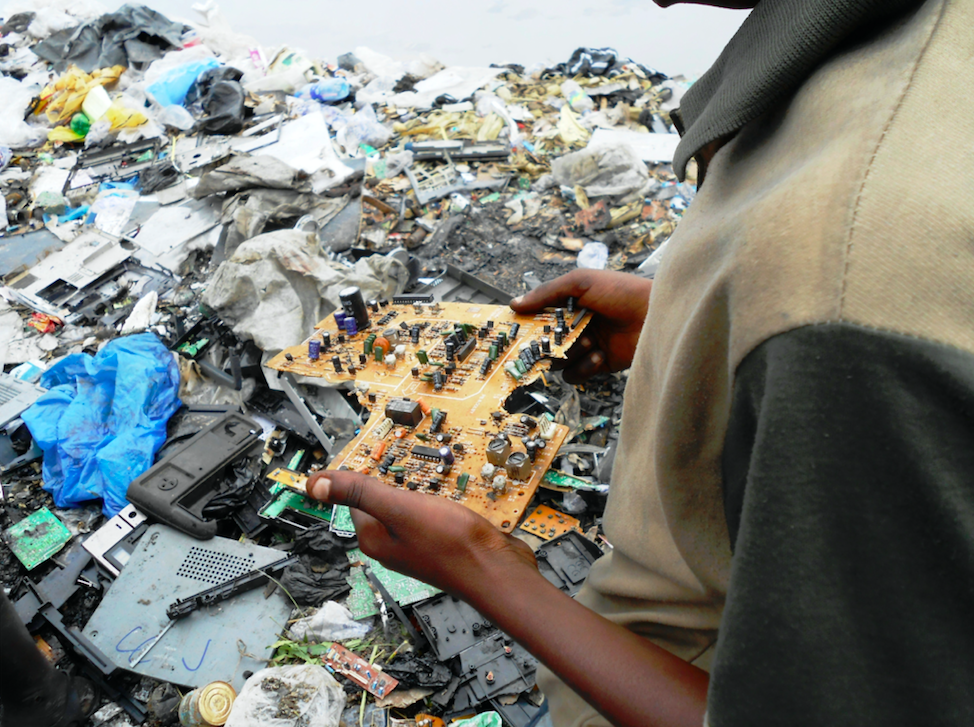
E-waste is hazardous because the components used to make devices contain metals and chemicals known to harm human health. Adults and children in developing countries often work, live, and play in or near e-waste recycling centres and are therefore especially vulnerable.

Unauthorised Disposal of Electronic Equipment

Why We Do

Recycle IT safely recycle Waste Electrical and Electronic Equipment Recycling for business. We offer a collection service for all types of electronic equipment. Many items are broken down into their component parts and salvaged components that can be reused including the metal from outer casings. This is a much more practical solution for the growing challenge of e-waste. Simply dumping the equipment in the bin is not the right thing to do.

Before the safe disposal of computer equipment, Recycle IT can on request offer data destruction to ensure that sensitive information is not stolen and used for fraud – an important and often legal consideration for many companies. Just ask in advance of drop off or the collection and the service can be arranged.

Computers including Hard Disk Drives

Recycle IT aims to support the Circular Economy which favours designing products for durability, reuse, remanufacturing, and recycling. It aims to keep materials circulating for as long as possible. It’s an economy that encourages many different uses for materials instead of just using them up and throwing them in a landfill or an incinerator.

Our recycling initiatives have led to positive recognition from several sources, including Repak Ireland, Dublin City Council, Rethink Ireland, and others.  Please click here to learn more.

If your business needs to free up space, declutter and safely recycle old electronic equipment or pure metal items please do contact Recycle IT via email or telephone at 01 4578321

About Recycle IT

Recycle IT, is an award-winning Dublin-based, not-for-profit, social enterprise offering electrical, electronic and metal recycling. Services are provided in partnership with WEEE Ireland. Recycle IT is supported by Pobal, the Dormant Accounts Fund, and South Dublin County Council. Recycle IT is authorised by the National Waste Collection Permit Office and the local authorities across Leinster.

For further details about our free and cost-effective services call us on 01 4578321, email info@recycleit.ie or visit the Recycle IT website at www.recycleit.ie

Recycle IT – 2022 Award Winner

Cables and Wire Recycling

Cable and Wires

We are all using cables daily, we replace them, have spares and get new cables with most new electronic items purchased. The global wires and cables market is projected to be worth $200 billion in 2022 and grow to $294 billion in 2029. Source: Fortune Business Insights. From these figures alone we can see electrical, and electronic cable is a growth area.

Today, recycling and recovery of valuable metals from all sorts of waste equipment including electrical and electronic items is a normal enough occurrence. We are all familiar with recycling and recycling centres and the need to segregate electrical equipment including cables from other types of household or office equipment for recycling.

Some of the main reasons for segregating items for recycling relate to the circular economy, climate change, global warming and reducing mining of raw materials to make new items such as phone charger cables. It also ensures reusable items don’t go to landfills or for incineration.

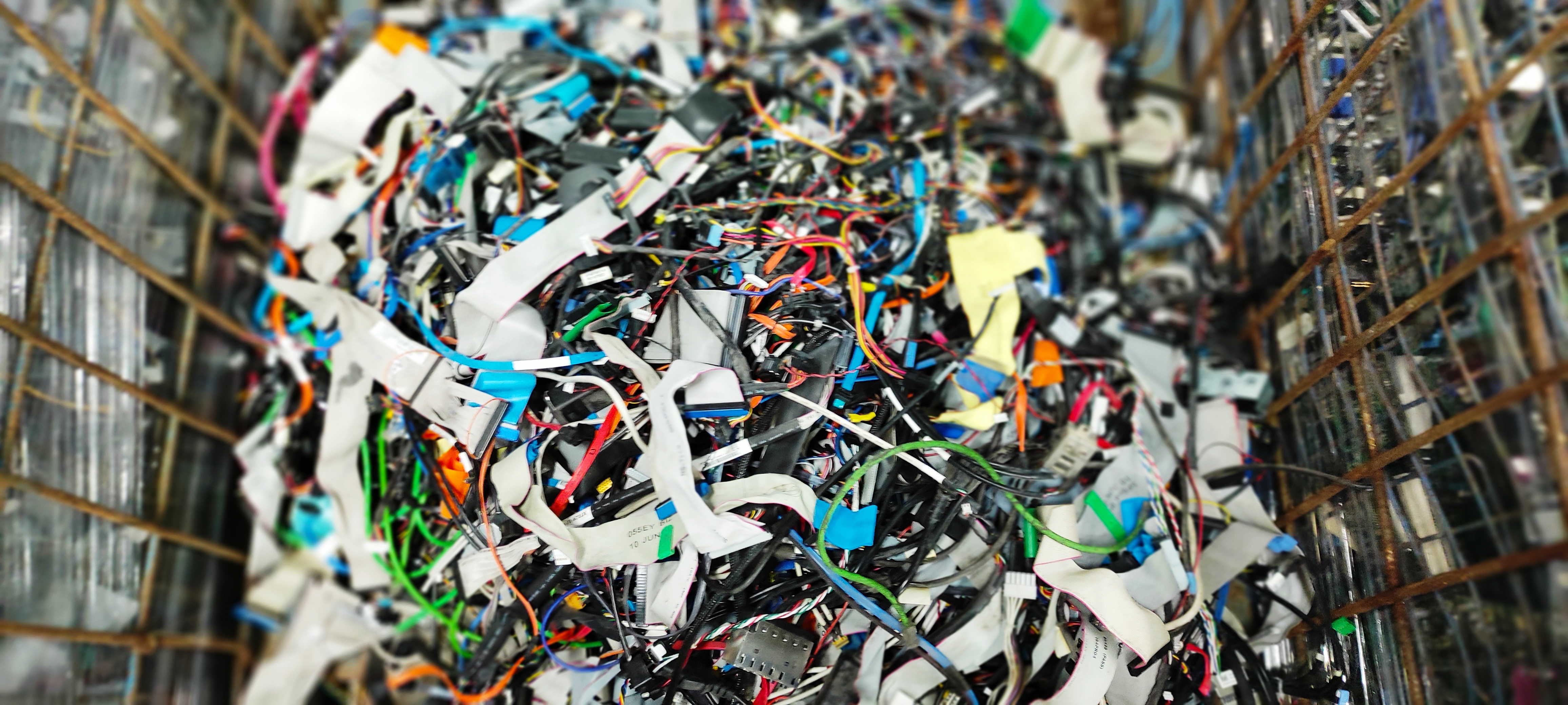
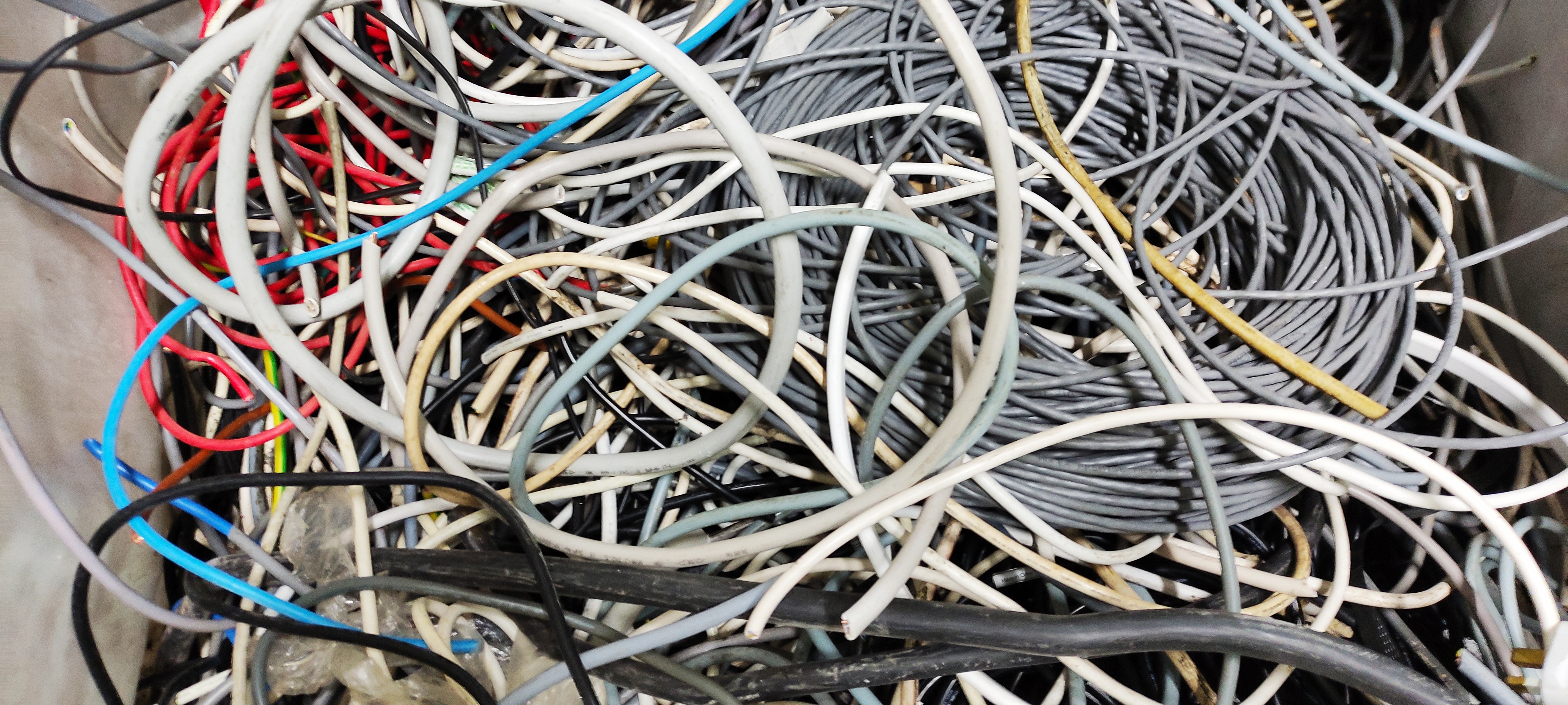
Mixed Computer Cables for Recycling – Recycle IT

Everyday Wires and Cable

A wire is a single electrical conductor while a number of wires bundled together are called a cable. Cables are a feature of everyday life and are an essential part of electrical and electronic equipment. They mainly consist of plastic covering, aluminium (Al), and copper. Cables are usually recycled once the electronic equipment they relate to, has reached the end of their useful lives.

If you have cables of any type including, electrical, phone, internet, power or charger cables they can be recycled safely at a recycling centre alongside other small electrical items.

Whatever you do, cables, wiring, and chargers should never go in the waste bin or green bin. They contain metals like copper that make them hazardous waste if they’re put in the bin. Some cables and wire can be long and stringy, like outdoor lights, office cabling, and simply wire coat hangers but all can cause havoc for collection equipment and recycling staff when not disposed of correctly.

Cables for Recycling – Recycle IT

Reusing Cable

Sometimes, phone and computer chargers can be reused for a different device than the one they came with. So before buying a new charger, see if you have any old ones that will fit. You can also sell cables for reuse or upcycle cable and wire for craft items or homemade and unique jewellery like rings or broaches. Please do ensure plastic and PVC covering once removed are recycled safely.

Recycling Cable

For some, the recycling and recovery process involves burning the plastic that covers the wire in order to recover the copper and aluminium. This method is extremely harmful to the environment since it releases toxic gases. Please ensure your cable does not end up on fire.

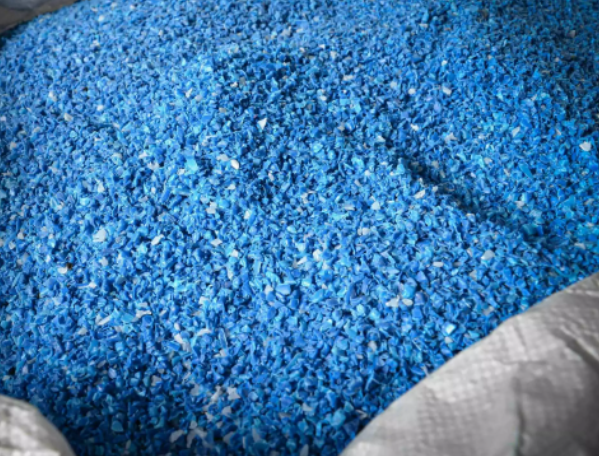
Generally, safe cable recycling works with dry cables with copper or aluminium conductors. The insulation is made of plastic, rubber, or paper with many power cables having, steel or lead armouring for additional safety. These cables can be processed in a cable stripper prior to being downsized into bulk metal and plastic granules which are both reused to make new equipment.

Plastic Granules recovered from Cables

When you recycle anything with a power cable, plug or a battery you are helping to reduce the amount of waste going to landfills. Electrical items generally contain hazardous components and therefore need to be disposed of correctly. By recycling, you help with the reuse of plastics, glass and metals as they are recovered for use again in manufacturing.

It’s easy to check if an electrical item, toy or game is recyclable if it reached the end of its working life. Simply ask the following questions and if the answer is yes, to any of these, it is recyclable: Does it have a plug? Does it use batteries? Does it need charging? Does it have a picture of a wheelie bin crossed out?

About Recycle IT

Recycle IT, is an award-winning social enterprise offering electrical, electronic and metal recycling services through drop off and collection. Recycling services are provided in partnership with WEEE Ireland and South Dublin County Council.

Recycle IT is supported by Pobal and Dormant Accounts and authorised by the National Waste Collection Permit Office and the local authorities across the east midlands waste region.

Our goal is to create training and employment opportunities through the provision of waste management services.

For more information on Recycle IT please call 01 4578321, email info@recycleit.ie or visit our website www.recycleit.ie

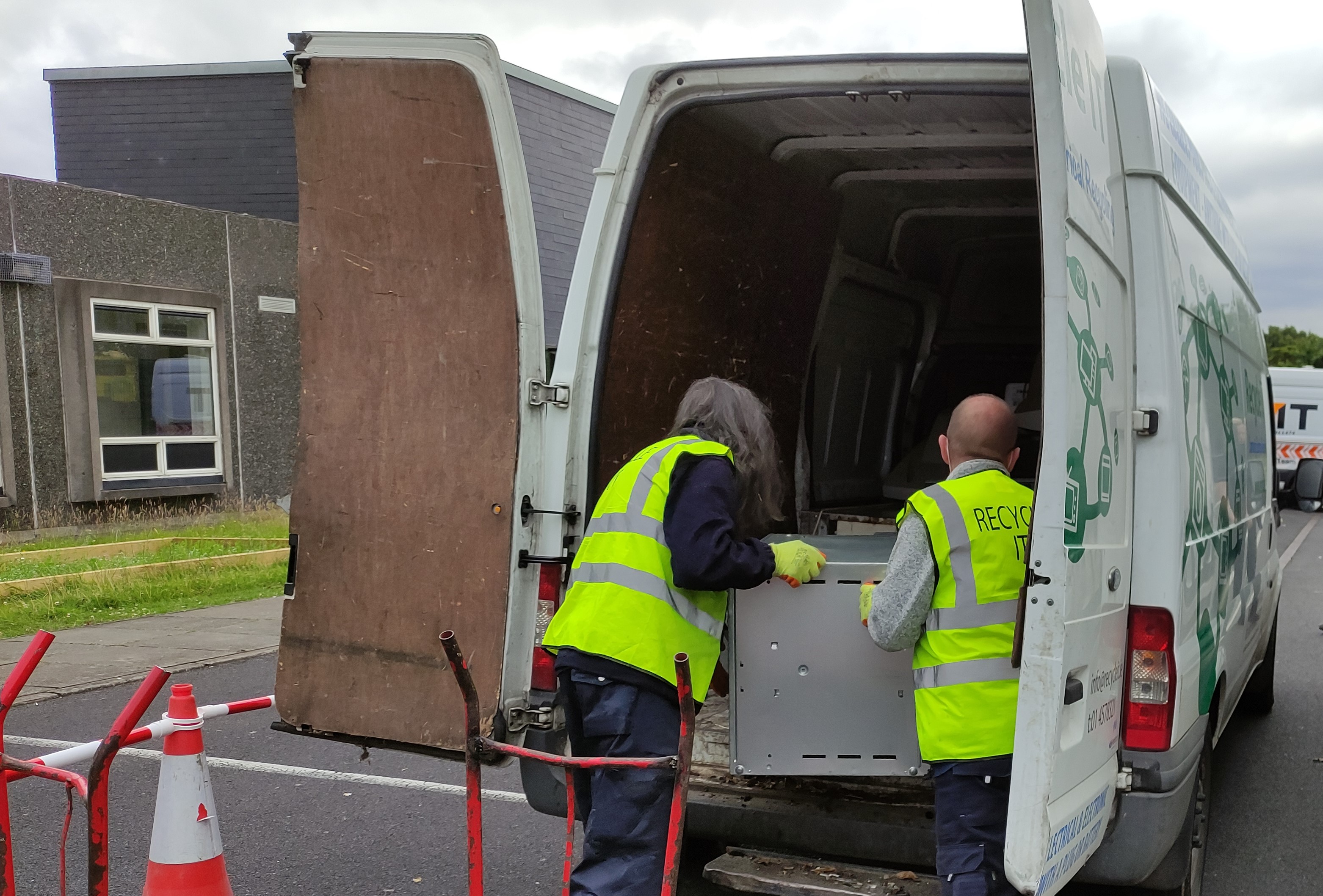
Recycle IT Collection Van

UPS Battery Recycling

About Uninterruptible Power Supplies (UPS)

An uninterruptible power supply (UPS), provides backup power when your regular power source fails or voltage drops to an unacceptable level. A UPS is also known as a battery backup. Although UPSs are not truly IT equipment they play an important part in ensuring reliability. UPSs ensure a flow of high-quality power to critical IT equipment.

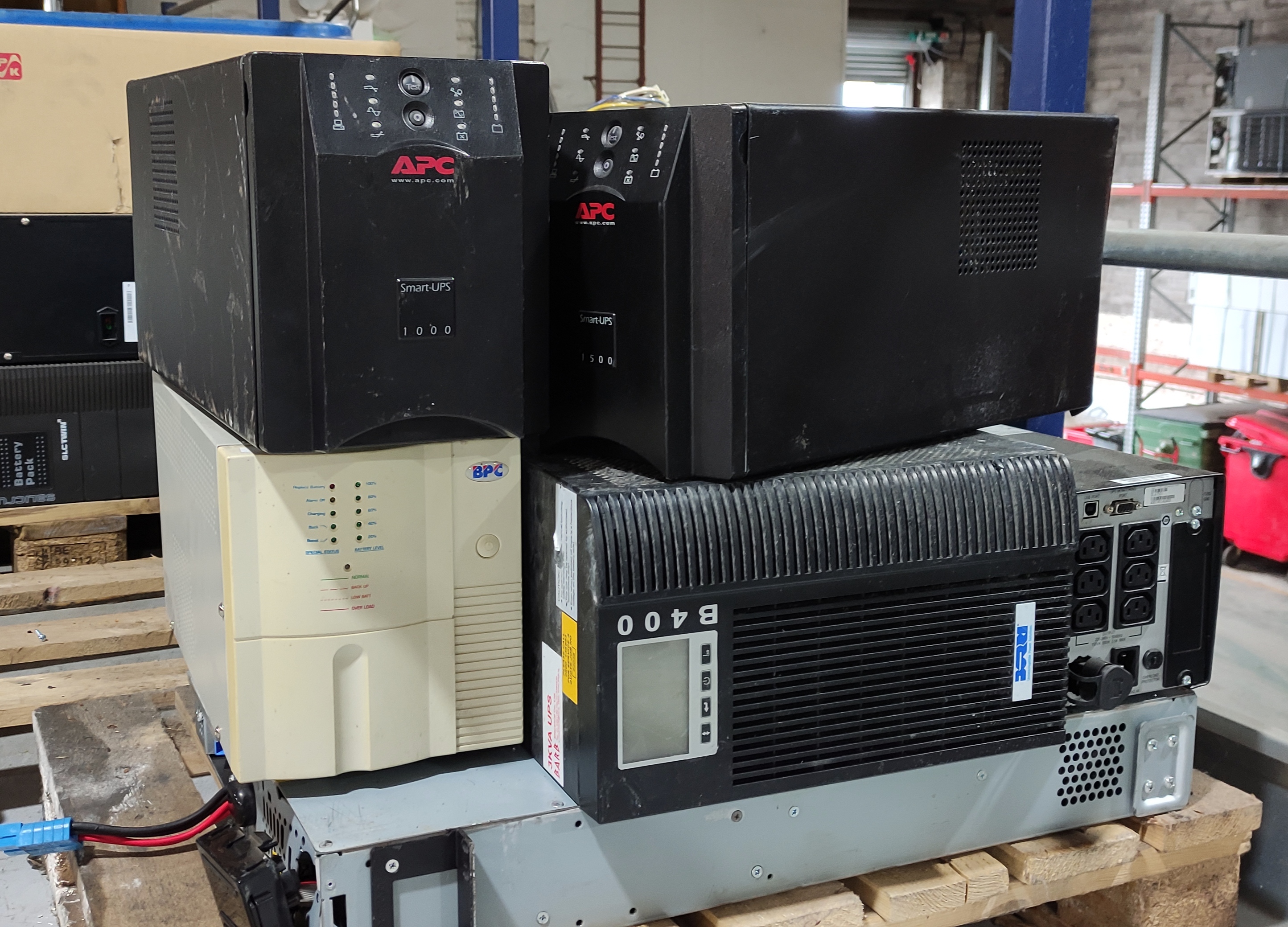
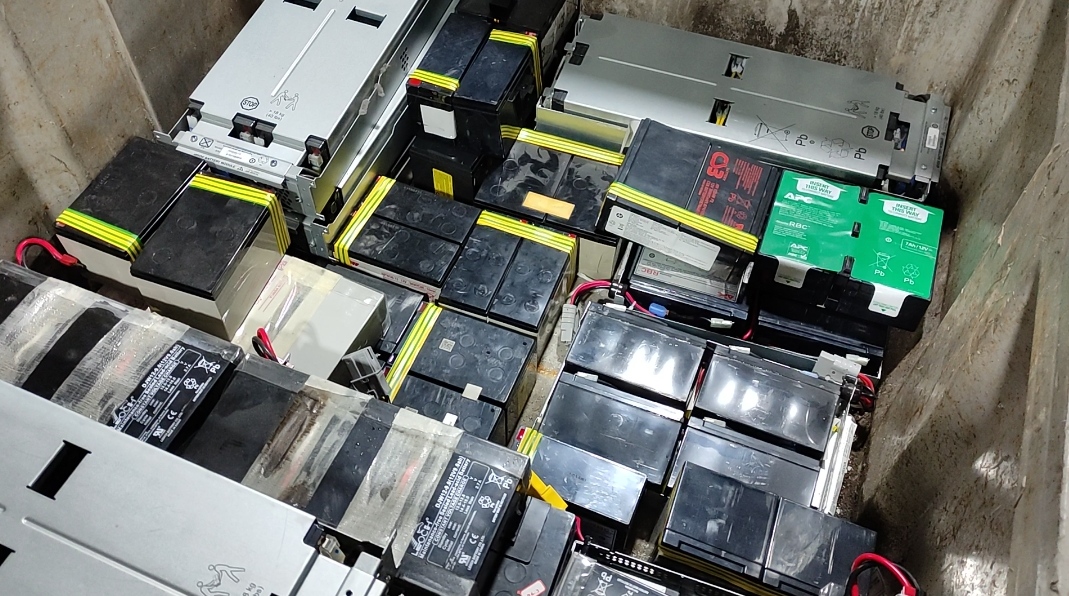
Old UPS Devices for Recycling

Using UPS Equipment

A UPS is not intended to provide long-term backup or extended use of connected devices for periods without power; UPS units are not designed to offer a battery-operated solution for continuing to work, use the internet, or operate your business.

Multiple devices can be plugged into a UPS similar to a power bar, and the UPS generally provides such functions as power surge protection. When a drop in voltage occurs, the UPS detects it and switches over to battery backup. Components plugged into the UPS can then receive power for a limited amount of time (often ranging from 10 to 45 minutes), until normal power is restored or the system can shut down properly.

UPS equipment can be found in offices and now homes as many more people work from home. It with noting, that over time UPS devices and internal batteries need to be replaced while older UPS units should go for safe recycling.

Your IT team or IT contractor should be able to offer guidance on when you need to replace batteries or the complete UPS device.

Different Types of Power Supply Batteries

There are three main types of batteries used in power supplies: Nickel-CadmiumLead-Acid, and Lithium-Ion. There isn’t a single “best” UPS battery technology – the choice should be made on a your requirements for a project. All can be recycled safely.

Recycling UPS Equipment

Alongside all type of IT equipment Recycle IT manage the safe collection, breakdown and disposal of UPS equipment, batteries and replacement UPS batteries in line with waste regulations.

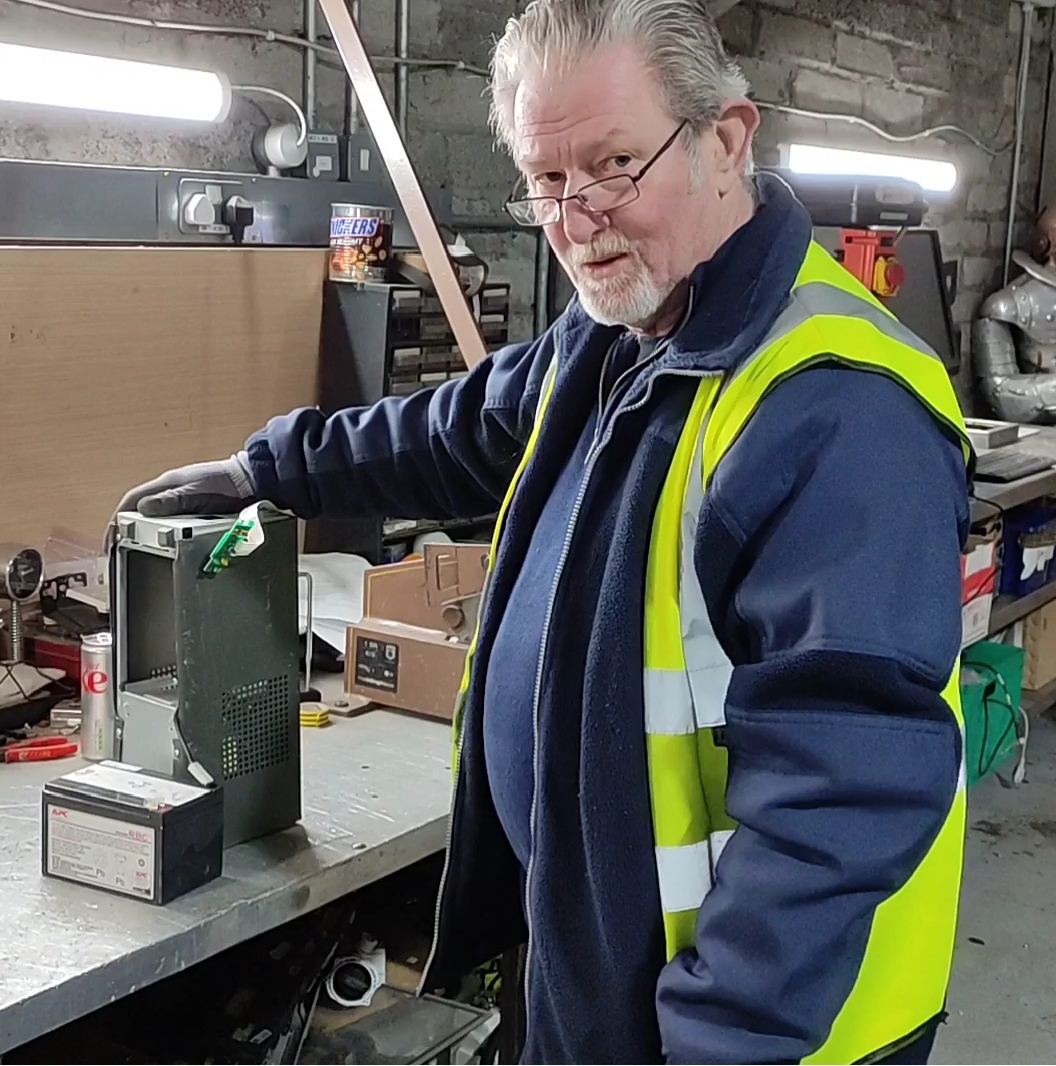
UPS Breakdown

As a registered waste collector and permit waste facility our service helps ensure that all the legal requirements associated with the collection, transportation and disposal of waste batteries and electronic components are fully complied with.

The majority of UPS systems for recycling are older systems with at least ten years of usage. Those sent for recycling are replaced by higher efficiency and more compact systems. Uninterruptible power supplies are generally stripped down within our facility into their subassembly parts. Metals and plastics are recycled, including electrical cabling, capacitors and fans. PCBs and components are recycled safely and in accordance with national guidelines covering WEEE and RoHS.

Batteries from UPS equipment

For more information about our ups battery recycling service, please contact a member of our team @ info@recycleit.ie

More About Recylce IT

Recycle IT is a Social Enterprise providing employment and training through recycling opportunities. We offer recycling drop off and collection services in Dublin and surrounding areas.

In 2021 our team help recycle 652 tons of waste electrical, electronic equipment and metal. This includes business IT equipment, commercial equipment and domestic household appliances.

Recycle IT worked with individuals, resident associations, charities, schools, government organisations, community groups and businesses to provide safe electrical recycling services to those with differing needs and budgets.

Read our annual overview here.

Read more about social enterprise in Ireland here.

Team Recycle IT at Work