For many years, electrical and electronic waste (also known as e-waste) has been building up across Europe and around the world.
A lot of this waste includes plastics that contain chemicals such as flame retardants. While these chemicals are important for fire safety, they have made plastics very difficult to recycle. Because of this, much of this plastic has been treated as hazardous waste and sent for disposal instead of reuse.
This helpful project has developed a new recycling method that safely removes these harmful chemicals from plastic. This makes it possible to recover clean, high-quality plastic, as well as valuable materials like bromine and antimony trioxide. This supports Europe’s goal of creating a circular, closed-loop recycling system.
Instead of shredding plastic into lower-quality material, the process uses heat and special solvents to fully dissolve the plastic. The harmful additives are then separated out, leaving behind clean plastic that can be reused again and again in manufacturing.
Based in the Netherlands, the PLAST2bCLEANED project shows real progress in reducing environmental damage and lowering Europe’s reliance on imported raw materials, especially antimony*, which is considered a critical resource.
* Antimony is a metalloid, which means it has properties of both metals and non-metals. Antimony is utilized in various applications, including:
Alloys: It is commonly added to lead and tin alloys to improve their properties, making them suitable for use in batteries, solders, and bullets.
Flame Retardants: Antimony trioxide is a key component in flame retardants used in textiles and plastics including plastics use in electrical products.
Semiconductors: It is used as a dopant in semiconductor devices, enhancing their electrical properties.
New EU Regulation
A new era of EU regulation is changing how products are made and recycled. New rules now require manufacturers to use more recycled materials, including valuable substances like bromine and antimony.
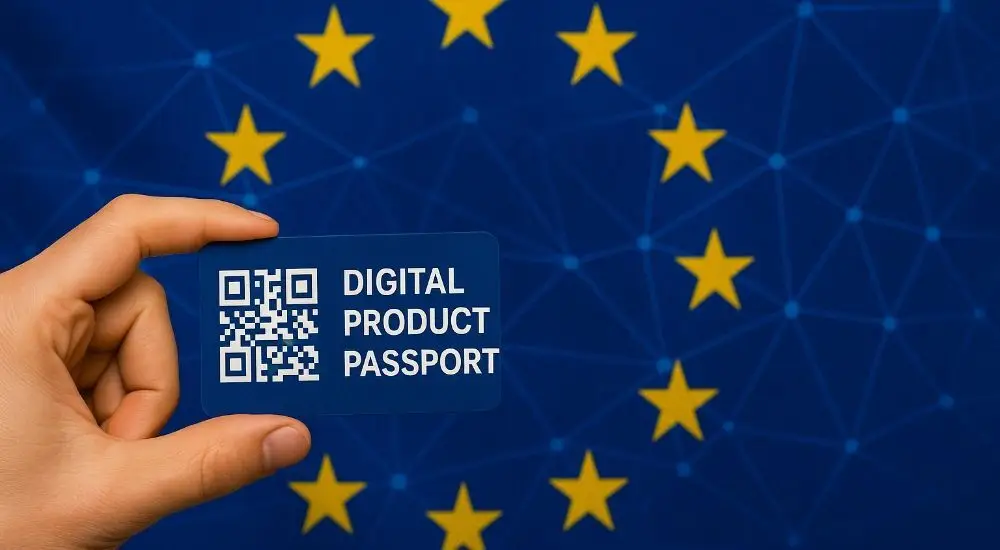
Digital Product Passports will also track how clean and recyclable materials are over a product’s lifetime. At the same time, the EU wants to recycle more of its own critical raw materials to reduce reliance on imports.
Technologies like PLAST2bCLEANED will play a key role in supporting a circular economy.
Original post shared by Directorate-General for Environment: Visit here.
About Recylce IT
Recycle IT is an award-winning, not-for-profit, social enterprise established in 2003 to create employment and promote environmental awareness through recycling and reuse. We work in partnership with WEEE Ireland and are authorized by your local authority to provide electrical, electronic and pure metal recycling collections across Dublin since 2007. Recycle IT are fully compliant with WEEE Recycling Requirements and permit details are available here.
For more information about Recycle IT please click here.
For generations in Ireland and across Europe thriftwas one of the main reasons for reuse. In the developing world, it’s still the case and leads to very high levels of reuse. In Ireland as in other developed countries rising wages and greater consumer purchasing power have increased the demand for convenience products.
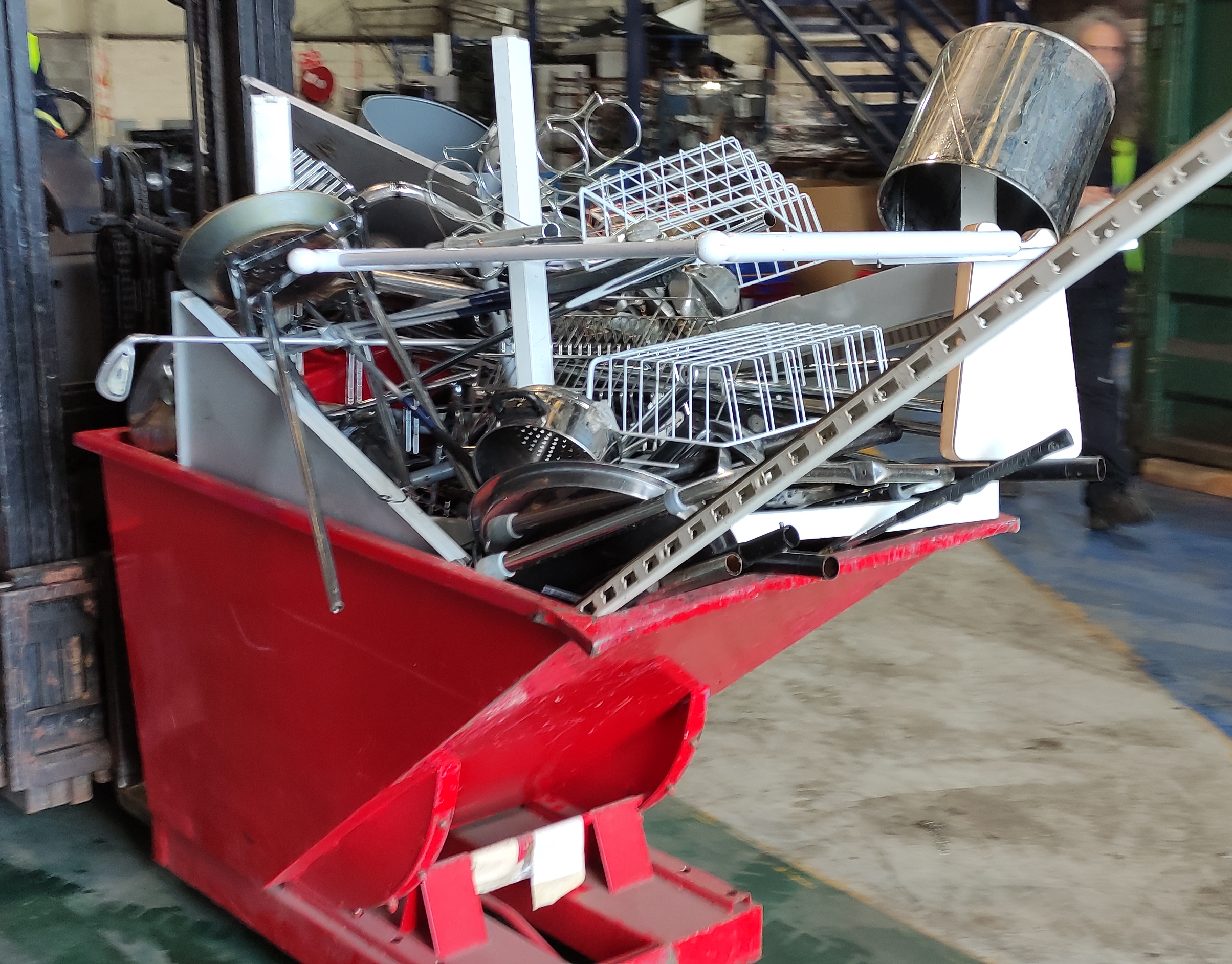
Metal Reuse Bin @ Recycle IT
Some people are still careful about how much money they spend and on what items. Reusing is a feature of their life so as not to waste money. We all could learn something from careful management of our resources whether at home or in the office.
Convenience products have helped us undervalue reuse in favor of disposal or recycling. Recycling is positive and has great benefits but uses resources including time, human capital and natural resources (e.g. fuel) to get the items to locations where they can be recycled effectively. Reuse is preferable!
If you can reuse an item yourself, it can help save money, save time, and the environment. Reuse helps reduce CO2 emissions and the mining of new raw materials. Reuse can be a matter of thinking a little differently and figuring out how old milk cartons, cans, bags, bicycles, tires, packing or wood may be reused to match your needs. Reuse will truly find a new life for items around your home or workplace.
Reverse the Trend with Reuse
51 Tips
We’ve listed some reuse tips for summer – Have a read and see what you can do, share with others and do involve any kids in your life.
Here are 51 short and simple reuse tips for the summer months:
Reuse glass jars as drink glasses.
Turn old t-shirts into cleaning cloths.
Save gift bags to use again.
Use containers for beach snacks.
Repurpose ice cream tubs for storage.
Refill water bottles instead of buying new ones.
Reuse wrapping paper for crafts.
Turn cereal boxes into organizers.
Use old towels for pet bedding.
Reuse takeout containers for leftovers.
Make planters from yogurt pots.
Use egg cartons for seed starters.
Repurpose jars for homemade jam.
Use tin cans for desk storage.
Turn worn-out jeans into shorts.
Reuse kids’ school supplies for summer crafts.
Turn shoe boxes into storage bins.
Repurpose plastic bottles as bird feeders.
Use scrap paper for notes or lists.
Reuse broken umbrellas for fabric.
Make toys from cardboard boxes.
Turn wine corks into keychains.
Use old blankets for picnic mats.
Reuse ice cream sticks for plant markers.
Repurpose detergent bottles for watering cans.
Keep ribbons for decorations.
Use both sides of paper.
Reuse straws for crafts.
Turn broken crayons into new crayon blocks.
Make a kite from old plastic bags.
Store tools in old buckets.
Use mason jars as lanterns.
Reuse seasonal decor each year.
Turn magazines into collages.
Repurpose clothing buttons for crafts.
Use old toothbrushes to clean.
Save and reuse shipping boxes.
Store beach gear in reused bags.
Use a basket for berry picking.
Turn jars into candle holders.
Reuse bread bags for snacks.
Make dog toys from old socks.
Refill old spray bottles for gardening.
Decorate old cans as vases.
Turn an old ladder into a plant stand.
Reuse tin foil if clean.
Reuse food jars for DIY gifts.
Use shoe bags to organize travel items.
Repurpose fabric scraps as bookmarks.
Turn paper rolls into binoculars for kids.
Reuse paper bags for crafts or storage.
Soft Plastics – Recycling for Reuse
Soft plastics, along with rigid plastics, paper and card, tins and cans are now accepted in your household recycle bin. Soft plastics like plastic film (wraps, bags, etc.) are now accepted in the household recycling bin. This change is due to advancements in recycling technology and the opening of new markets for processing these materials. To ensure proper recycling, make sure the soft plastics are clean, dry, and loose when placed in the bin. Watch this short video
Waste is a treasure!
We all know one person’s waste is another person’s treasure. Instead of discarding unwanted tools, clothes, furniture or electrical appliances, try reuse with friends or donating them can reduce waste and help others save money.
Outdoor Reuse of Space
Local community groups, charity shops, schools, and nonprofit organizations may accept a variety of donated items, including used books, paint, working toys, and unneeded furniture. Please click here to learn more
About Recycle IT
Recycle IT, is an award-winning social enterprise offering electrical, electronic and metal recycling services through drop off and collection. Recycling services are provided in partnership with WEEE Ireland and South Dublin County Council.
Recycle IT is supported by Pobal and Dormant Accounts and authorised by the National Waste Collection Permit Office and the local authorities across the east midlands waste region.
Our goal is to create training and employment opportunities through the provision of waste management services. Surplus earned income is reinvested in operational, and employment-related costs.
We are all using cables daily, we replace them, have spares and get new cables with most new electronic items purchased. The global wires and cables market is projected to be worth $200 billion in 2022 and grow to $294 billion in 2029. Source: Fortune Business Insights. From these figures alone we can see electrical, and electronic cable is a growth area.
Today, recycling and recovery of valuable metals from all sorts of waste equipment including electrical and electronic items is a normal enough occurrence. We are all familiar with recycling and recycling centres and the need to segregate electrical equipment including cables from other types of household or office equipment for recycling.
Some of the main reasons for segregating items for recycling relate to the circular economy, climate change, global warming and reducing mining of raw materials to make new items such as phone charger cables. It also ensures reusable items don’t go to landfills or for incineration.
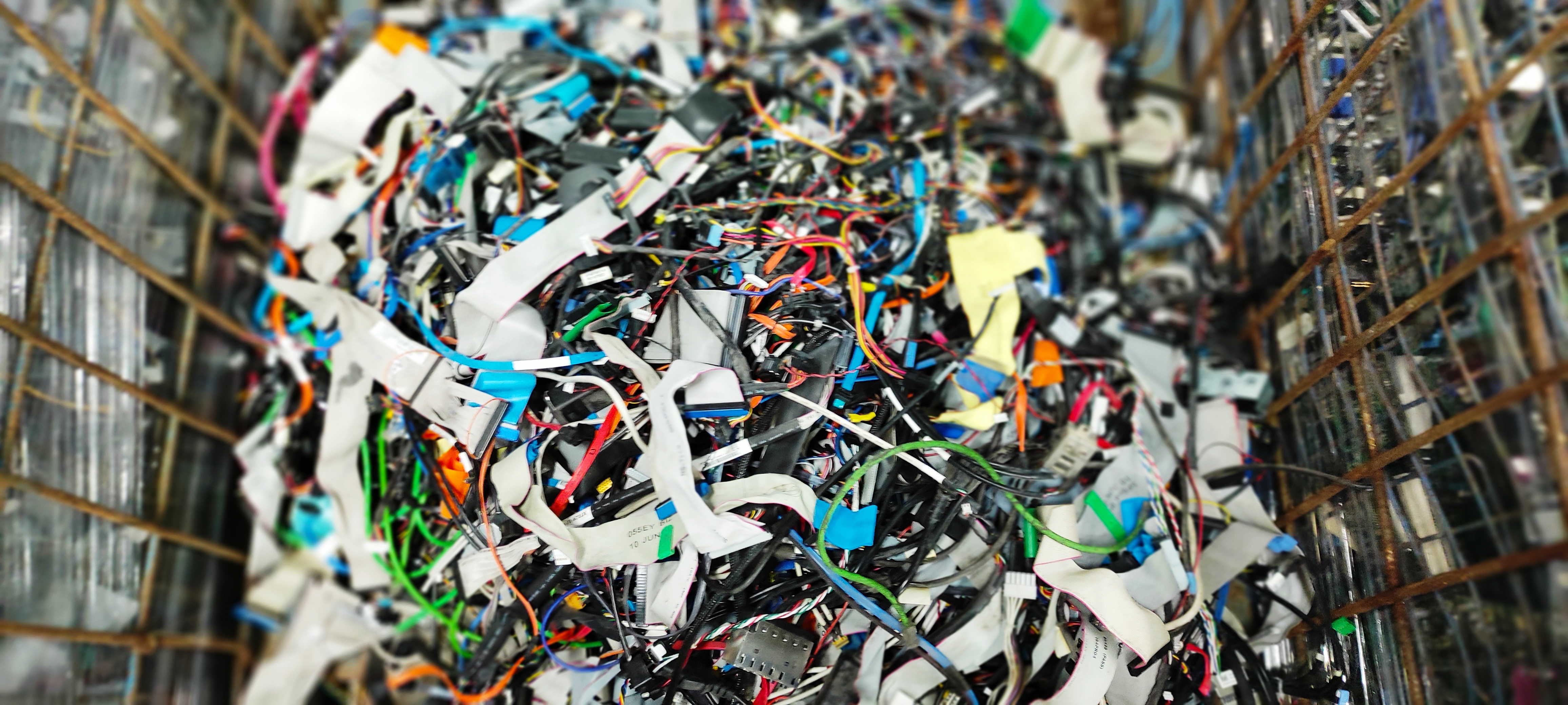
Mixed Computer Cables for Recycling – Recycle IT
Everyday Wires and Cable
A wire is a single electrical conductor while a number of wires bundled together are called a cable. Cables are a feature of everyday life and are an essential part of electrical and electronic equipment. They mainly consist of plastic covering, aluminium (Al), and copper. Cables are usually recycled once the electronic equipment they relate to, has reached the end of their useful lives.
If you have cables of any type including, electrical, phone, internet, power or charger cables they can be recycled safely at a recycling centre alongside other small electrical items.
Whatever you do, cables, wiring, and chargers should never go in the waste bin or green bin. They contain metals like copper that make them hazardous waste if they’re put in the bin. Some cables and wire can be long and stringy, like outdoor lights, office cabling, and simply wire coat hangers but all can cause havoc for collection equipment and recycling staff when not disposed of correctly.
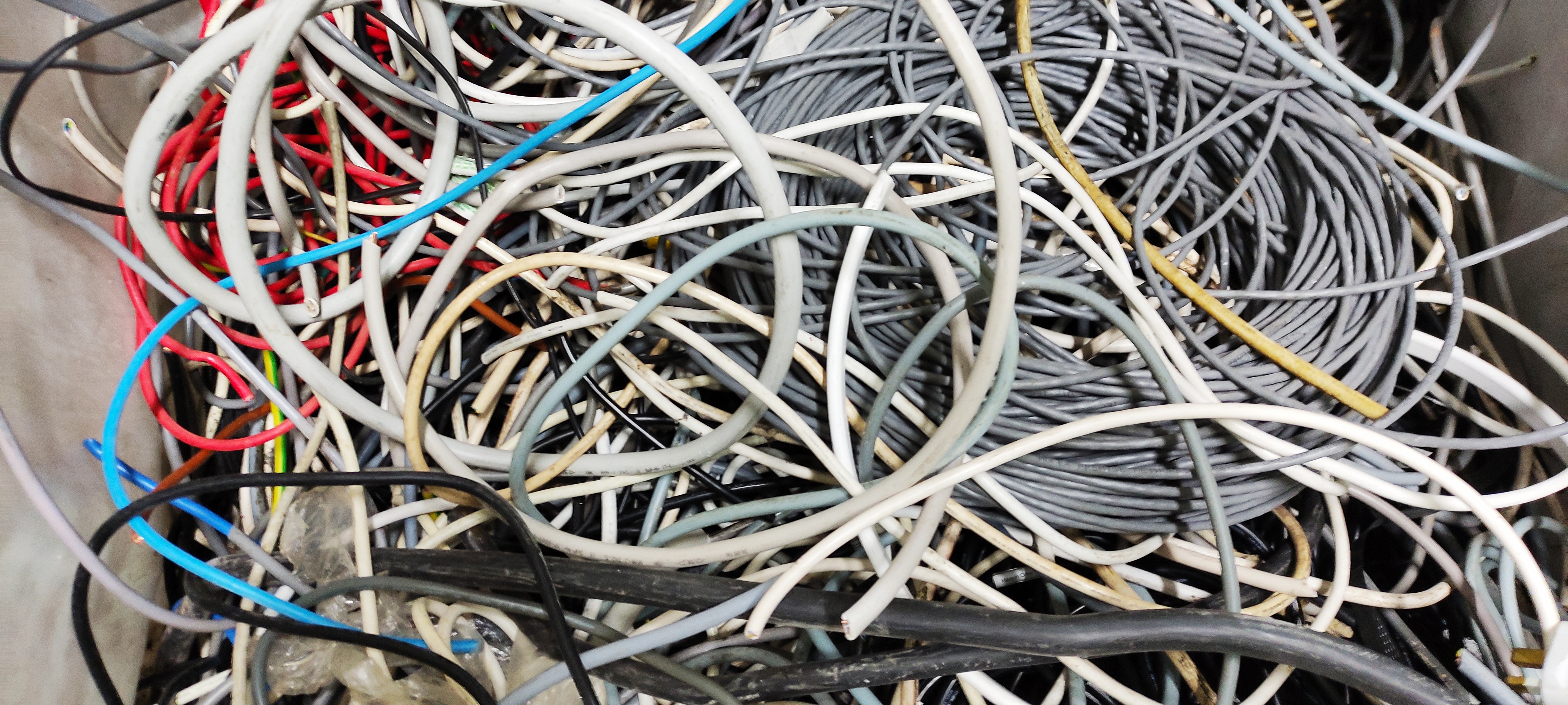
Cables for Recycling – Recycle IT
Reusing Cable
Sometimes, phone and computer chargers can be reused for a different device than the one they came with. So before buying a new charger, see if you have any old ones that will fit. You can also sell cables for reuse or upcycle cable and wire for craft items or homemade and unique jewellery like rings or broaches. Please do ensure plastic and PVC covering once removed are recycled safely.
Recycling Cable
For some, the recycling and recovery process involves burning the plastic that covers the wire in order to recover the copper and aluminium. This method is extremely harmful to the environment since it releases toxic gases. Please ensure your cable does not end up on fire.
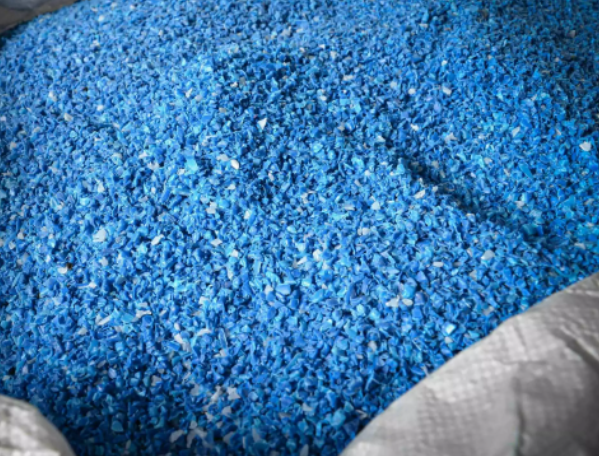
Generally, safe cable recycling works with dry cables with copper or aluminium conductors. The insulation is made of plastic, rubber, or paper with many power cables having, steel or lead armouring for additional safety. These cables can be processed in a cable stripper prior to being downsized into bulk metal and plastic granules which are both reused to make new equipment.
Plastic Granules recovered from Cables
When you recycle anything with a power cable, plug or a battery you are helping to reduce the amount of waste going to landfills. Electrical items generally contain hazardous components and therefore need to be disposed of correctly. By recycling, you help with the reuse of plastics, glass and metals as they are recovered for use again in manufacturing.
It’s easy to check if an electrical item, toy or game is recyclable if it reached the end of its working life. Simply ask the following questions and if the answer is yes, to any of these, it is recyclable: Does it have a plug? Does it use batteries? Does it need charging? Does it have a picture of a wheelie bin crossed out?
About Recycle IT
Recycle IT, is an award-winning social enterprise offering electrical, electronic and metal recycling services through drop off and collection. Recycling services are provided in partnership with WEEE Ireland and South Dublin County Council.
Recycle IT is supported by Pobal and Dormant Accounts and authorised by the National Waste Collection Permit Office and the local authorities across the east midlands waste region.
Our goal is to create training and employment opportunities through the provision of waste management services.
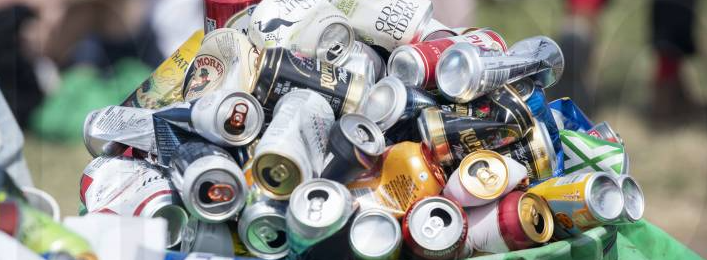
Did you know, drink cans and plastic bottles will soon be returnable for cash as part of a nationwide scheme to reduce litter and increase recycling of metal and plastics for reuse!
Government legislation related to the ‘deposit return scheme’ was published in Nov 2021 and leads the way for the selection of service operators
We are looking forward to this recycling scheme! It brings back memories of collecting glass bottles for a refund many years ago. The bottles were then all reused. Hopefully, this scheme will be user friendly!
Plastic Drinks Bottles
This new initiative is part of Irelands policies on Climate Action and Environment.
The intent of a Deposit Return Scheme (DRS) in Ireland is to increase the capture rate of single-use Polyethylene Terephthalate (PET) and aluminium beverage containers. PET is a clear, strong, and lightweight plastic that is widely used for packaging foods and beverages, especially convenience-sized soft drinks, juices and water.
Read the Press Release Below
The Minister for the Environment, Climate and Communications, Eamon Ryan T.D., has signed the legislative regulations for a Deposit Return Scheme (DRS) in Ireland for plastic bottles and aluminium cans, which will come into force next year.
The Separate Collection (Deposit Return Scheme) Regulations, Statutory Instrument no. 599, provide the framework within which the Minister may approve a scheme operator. The regulations also set out the obligations that will fall to producers, retailers and return point operators under the scheme.
The introduction of a DRS scheme will assist in reducing single-use plastics, help Ireland meet EU targets and promote a wider circular economy.
A DRS is a system used to incentivise consumers to return their empty beverage containers for recycling or reuse. The DRS being introduced in Ireland is focused on plastic bottles and aluminium cans, to ensure that more of these are captured for recycling and to avoid these being discarded as litter.
Drinks Cans
In drafting the regulations, the Department of the Environment, Climate and Communications has worked closely with representatives from the beverage industry who will fund and operate the scheme. A commitment to establish a DRS was part of the Programme for Government and the timeline for its establishment was set out in the Waste Action Plan for a Circular Economy, published in September 2020.
The next step is the appointment, by the Minister, of an approved body to operate the scheme. Further engagement is also required with stakeholders, to fix the rate of the deposit to be paid on in-scope bottles and cans.
The scheme is expected to become operational across the country in Quarter 3 of 2022.
About Recycle IT
Recycle IT is an award-winning, not for profit social enterprise established to create employment and promote environmental awareness through recycling and reuse. We work in partnership with WEEE Ireland and are authorized by your local authority to provide electrical, electronic and pure metal recycling collections across Dublin since 2007. Recycle IT are fully compliant for WEEE Recycling with permit details available here.
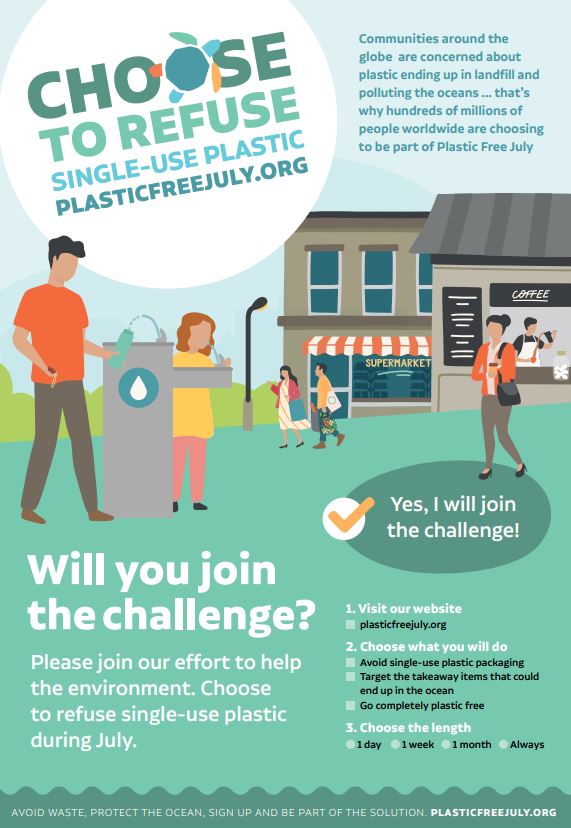
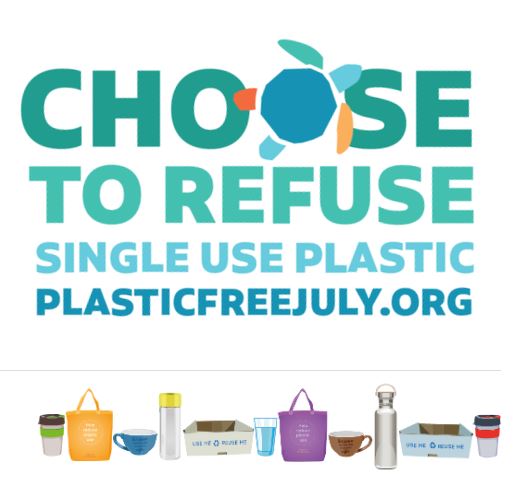
Plastic Free July® is a global movement that helps millions of people be part of the solution to plastic pollution – so we can have cleaner streets, oceans, and beautiful communities. Will you be part of Plastic Free July by choosing to refuse single-use plastics? Choosing to refuse plastic packaging in July might be an option for you!
Ask you family, friends, sports club or office to commit stop buying or using items packed in single-use plastic. Swap to a reusable alternative. For example, you could swap out takeaway coffee cups for a reusable one, you could start buying plastic-free toothbrushes or use a personal reusable water bottles and so on.
Plastic Free Poster 1
Can you Refuse’ Single Use Plastic?
Each year in July people all over the world aim to exclude plastic bottles, cutlery, fruit packing, coffee cup lids and other common plastic waste items from their daily life, opting instead for reusable containers or those made from biodegradable materials. We think this is a great idea and why not make it a year round effort at home and in the workplace. Change is good.
The vision started in Western Australia in 2011 and has since moved across the world to help promote and stop the earth becoming further saturated with plastic materials which are part of our convenience lifestyle.
Lots of items are designed to be used once and disposed of. They fill up bins in homes, work, schools and on streets across the world including Ireland with Irish town and city bins full to capacity most of the time.
Ireland and some other countries have made some progress with a tax on single-use plastic bags which reduced usage but problems still exist with millions of plastics bags, cutlery, bottles plates and cartons used daily.
This usage is rapidly increasing the amount of non-biodegradable product on the earth. These plastics may be cheap and convenient, but it’s having real consequences. Plastic is polluting our land, air, and oceans; it is harming our marine life and even invading our bodies with Microbeads everywhere.
Plastic Free Poster 2
Where to start – We have added 10 Tips to help
BRING YOUR OWN BAG: Get yourself a couple of good cloth bags and leave them in the car or beside the front door so you’ll always have them on hand.
DON’T BUY BOTTLED WATER: Get some reusable bottles and fit a cost-effective water filter to the taps in your home.
FRUIT CARTONS: Avoid plastic fruit and vegetable packaging. A single plastic produce carton can take more than 1000 years to degrade so shop for unpackaged fruit and veg when you can or leave the plastic with the store. They will get the idea!
DAILY COFFEE: Take away coffee cups are lined with plastic and often can’t be recycled. Take your own coffee cup or have a sit-down coffee using the cafe’s cups.
PACK A LUNCHBOX: Use a good sturdy lunchbox with separate compartments, to allow you to pack food straight into separately, eliminating the need for plastic wrapping and avoid plastic-wrapped snack foods like biscuits or bars. Try making some at home, it cheaper and somewhat healthier.
PLASTIC FOOD WRAP: Buy some stainless steel or long plastic containers to help eliminate the need for single life plastic food wrapping.
STRAWS: If you really want a straw, buy reusable straws for use at home and demand reusable straws from your local takeaways or restaurants.
CUT PLASTIC CUTLERY: Plastic cutlery is another single-use plastic item you can avoid. Keep some reusable cutlery in your lunch or picnic bag.
SOURCE A SODA MAKER: This helps reduce the amount of plastic soft drinks bottles purchased, used and disposed of in your home and office weekly.
SHOP WISE: Ask your local shop and supermarket to make the change away from plastic or vote with your feet until they do. It will happen and think about all the waste which won’t enter your waste and the related time saved.
Plastic Free Poster 3
Plastic Free 2024 – what to do!
Just join the challenge and ‘Choose To Refuse’ single-use plastic during 2024. You can assist in achieving the goals of having a world without plastic waste. Will you join and give up? If so learn more, and sign up at www.plasticfreejuly.org
Did You Know?
An article in the Irish Times in 2018 reported Irish retailers here produce an estimated 80,000 tonnes of plastic waste every year. From a recent look on the shelves of my local supermarket not much has changed. Some tomatoes have a cardboard trays covered with plastic, flimsy plastic fruit bags are still in use in many supermarkets and cereals still have a plastic bag inside the box.
In general retailers across Europe may not be doing as much as we think that are doing to reduce plastic in our supermarket shopping!
The first-ever analysis of the role European supermarkets play in addressing plastic pollution, “Under wraps? What Europe’s supermarkets aren’t telling us about plastic” is a result of collaboration of over 20 NGOs, members of Break Free from Plastic movement, from across Europe.
Here in Ireland the Sick of Plastic Campaign has facilitated this report, reaching out to Ireland’s top five Supermarkets; Dunnes Stores, Supervalu (Musgraves), Tesco, LIDL and ALDI.
The specially designed ranking developed by The Changing Markets Foundation revealed a near-complete lack of ambition across three categories: Transparency and performance, Commitments, and Support for government policy.
As you know lots of electrical, electronic and metal items are packed in plastic and have a plastic cover or coating. When these items are recycled the plastic is removed and mainly reused in new products. We do our best to aid this process but like you we we can struggle with everyday soft plastics used in the office or canteen. We do our best to reduce and this is why we follow Plastic Free July its helps with tips and guides change!
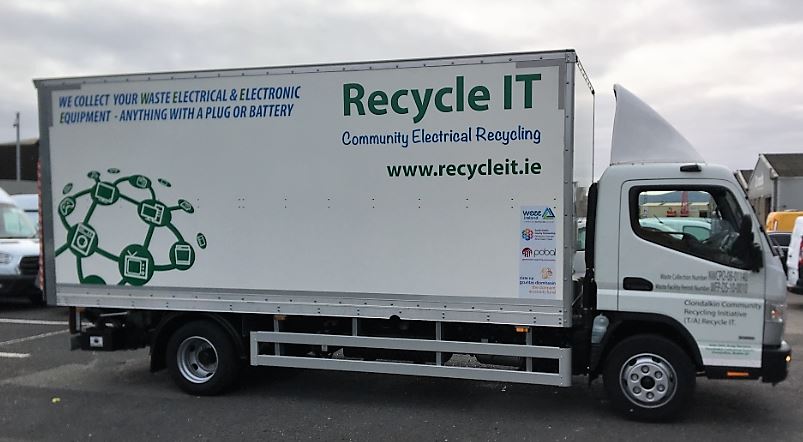
Recycle IT is an award-winning not for profit enterprise providing a collection and drop off service for all types of waste electrical and electronic equipment (WEEE). Last year Recycle IT offered to drop off and collection services to homes, schools, charities, and businesses across Dublin and surrounding areas collecting a range of WEEE which includes thousands of computers, cables, monitors, microwaves and TV’s.
Recycle IT services are provided in partnership with WEEE Ireland. Recycle IT are supported by Pobal, South Dublin County Council and authorized by the National Waste Collection Permit Office and the local authorities across Dublin, Kildare and Wicklow.




 Recycle IT