Reduce, Reuse, Recycle – Tips for Summer

Irish Summer Tips

As the Irish weather heats and days get longer our evenings fill up with activities including visits to the beach or park. We have weekend BBQs, games and lots of opportunities for fun. This all adds up to lots of leisure time spent outdoors in our beautiful Irish green environment.

Hot Days – Reusable Water Bottle

So, while we are playing, eating, swimming or sunbathing we can still have a focus on reducing waste, saving resources and keeping the environment green with these summer reduce, reuse and recycling tips:

1. Lawns and Gardens 

Don’t let that cut grass end up in a landfill!  Used your grass clippings as organic fertilizer. It can be reused to benefit your immediate garden environment. Instead of binning the grass as you cut, leave it on the lawn where it will return valuable nutrients to the soil. Alternatively, you can add your clippings to a compost heap. Either way, grass recycling will make a big impact on the environment and help to reduce landfill burdens.

Lawn Care

2. Summer Travel

Whether travelling in a group or by one’s self consider using public transport, walking or cycling to your preferred location. This can help reduce the environmental impact of Co2 emission and save you money. If you are in a city location like Dublin, you can avail of the Dublin Bike Scheme so plan in advance. If you really need to use a car, you could try sharing a Go Car for once off summer events, might be a real alternative to buying a car which sits at home for long periods unused.

3. Summer Food and Snack

On family trips to the zoo or a visit to the beach try packing homemade sandwiches, fruit and snacks in reusable containers, bring a flask and use reusable water bottles instead of buying bottled water, tea and coffee. Take bags along to collect recyclables and look for recycling bins when you stop for breaks. The average household of four people uses approx. 330 glass bottles and jars each year. Recycling 6 glass bottles per week saves enough energy to boil 2 kettles with enough water in each for five cups of coffee, so please drop off your bottles at the local bottle bank this summer! (Source: Recycling Live)

Summer BBQ and Food
Summer BBQ and Food

4. Summer Toys

If you have footballs, beach balls or pool toys that are old, try finding other uses for them or patching holes before throwing away. You might even offer them to a charity shop for use by others. These products are usually made of PVC and therefore not recyclable, so think about that before buying new ones.  If you are shopping for new summer toys, buy those made from recyclable materials to minimize the environmental impact.

 5. Summer  BBQs and Picnics

Whether at home, or in a park make recycling easy by taking and using a clearly labelled recycling bin. Recycle cans, glass, plastic, and aluminium foil. Since plastic cutlery usually can’t be recycled, offer reusable knives and forks for your guests. If you really want to work toward zero waste, put out reusable napkins, plates, cups, and cutlery at your next event! Of course, this isn’t always practical so, if you must buy disposable, try to find paper products that are made from biodegradable or compostable materials.

Wood Broken Pallets – Cut Up

If your using a firepit try to source old wood like wood from damaged pallets. Pallets burn well in wood stoves or fire pits, providing warmth and energy while keeping materials out of landfills.

6. Summer Equipment

Do you need to dispose of 10 year old garden furniture, lawnmowers, old BBQs or outdoor grills?. You can recycle all these type items instead of throwing them away! When recycling the equipment, please clean it thoroughly and then take it apart, separating the pieces into piles of metal, glass and plastic. Stainless steel, steel, cast iron, brass and aluminium can all be recycled. Plastic parts should all have a recycling symbol and number that tells you how they should be recycled. Remember you can recycle the electronic and metal components with Recycle IT.  Once you have recycled your old equipment and are looking for a replacements try to choose an eco-friendly, long life, easy clean model. Remember when cooking you steak, gas and electric BBQ’s or grills are better for the environment than wood or charcoal.

Summer Recycling - Lawn Mowers
Summer Recycling – Lawn Mowers

7. Clothes

Try to reuse last year summer clothes. It’s possibly 8 or 9 months since they have been last worn and nobody will remember them. If you have to choose a new range of summer clothes for you or your family remember to recycle any used clothes with a local charity shops. They can be used by other people over and over while raising funds for much needed causes.

Opportunity Knocks 

This summer is an opportunity to become a proactive recycler. Involved your kids and teach them about recycling now, so they will practice it throughout their life. It is important to teach our children about the environment and the positive effects of reduce, reuse and recycling. Start your summer with fun activities such as a garage clean out and car boot sale that will promote reuse and recycling, and keep your kids occupied! Tidy towns is another good option!

To learn more about recycling your once loved electrical items give Recycle IT a call on 01 4578321. or visit our website

Recycle IT is Good Market Approved


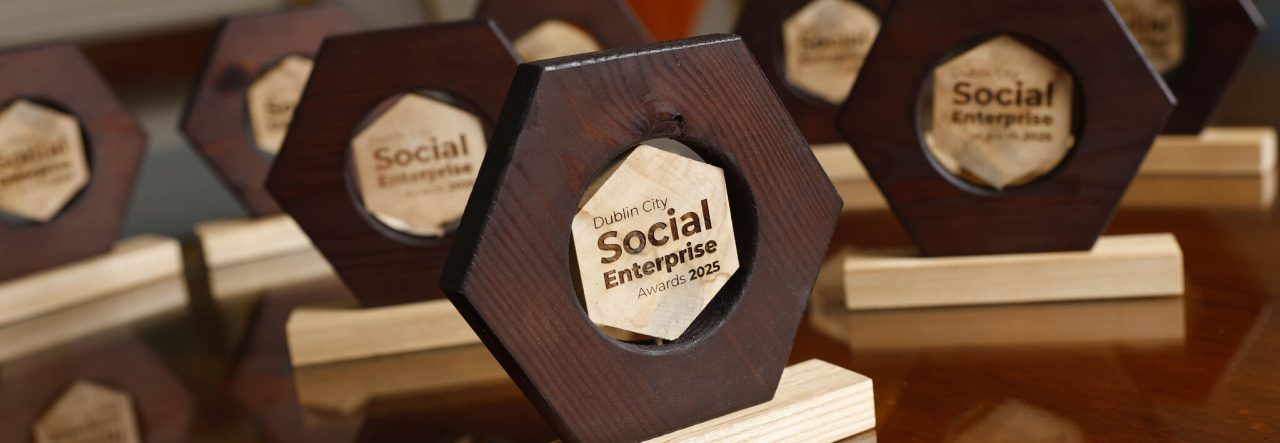
2025 Dublin City Social Enterprise Awards

Social Enterprise Awards:

The 2025 Dublin City Social Enterprise Awards celebrate and support the amazing work done by social enterprises across Dublin. These awards, organised by Dublin City Council and is run by Inner City Enterprise (ICE) with support from Dublin City Council and the Local Enterprise Office (LEO) based in Dublin City. These award really shine a light on the positive impact social enterprises have on communities.

Dublin City Social Enterprise Awards 2025

What is Social Enterprise

A social enterprise is a business that trades for a social or environmental purpose. They reinvest profits to create social change and support local needs. Social enterprises can be involved in anything from education and employment to climate action and health. They play a key role in building stronger, fairer, and more inclusive communities.

The Dublin City Social Enterprise Awards are open to all types of social enterprises based in the Dublin City area or Social Enterprises offering products or services in Dublin City. Whether your enterprise is just starting or has been running for years, applying can be a big step forward. There are many good reasons to enter.

Why Enter?

1. Recognition and Credibility
Winning or even being shortlisted for an award can give your social enterprise a huge boost in reputation. It shows the public, partners, and funders that your work is being recognised and valued by others. It can also make people more confident in supporting or working with your organisation.

2. Funding Support
The award includes financial prizes, which can be a great help. This funding can be used to grow your services, support your team, or try something new. For small and growing social enterprises, this support can make a real difference.

3. Promotion and Visibility
Finalists and winners are promoted through Dublin City Council and partner channels. This means more people will hear about your work. You’ll get the chance to tell your story to a wider audience, attract new supporters, and possibly reach new customers or clients.

4. Motivation and Morale
Awards recognise hard work and dedication. Being part of the awards can lift the spirits of your team and volunteers. It reminds everyone that their efforts are making a difference. This kind of encouragement can go a long way, especially when times are tough.

5. Networking and Opportunities
The awards give you the chance to meet other social enterprises, funders, and supporters. These connections can lead to future collaborations, funding opportunities, or new ideas. Sharing experiences with others in the sector can also help you learn and grow.

Award Winners 2024

The Value of Awards for Social Enterprises

Beyond the prize itself, awards help raise awareness of what social enterprises do. They bring attention to local solutions to social problems. By celebrating social enterprise, we help grow a stronger sector that can tackle issues like poverty, exclusion, and climate change.

Entering awards also helps organisations reflect on their impact. The application process can help you think more clearly about your goals, successes, and how you measure progress. This can be useful even if you don’t win—helping your enterprise improve and grow.

Final Thoughts

If you run a social enterprise in Dublin, the 2025 Dublin City Social Enterprise Awards are a chance to share your story, get support, and be part of a growing movement. These awards are not just about winning—they’re about showing the value of your work and inspiring others to create positive change.

About Recycle IT

Recycle IT is an award-winning social enterprise providing recycling collection and drop-off services for all types of waste electrical, electronic equipment (WEEE) and pure metal items.

During 2024 Recycle IT operated drop-off and collection services to homes, schools, charities and businesses across Dublin and surrounding areas collecting a range of WEEE including thousands of batteries, computers, cables, monitors, kettles, microwaves and screens.

Recycle IT services are provided in partnership with WEEE Ireland. Recycle IT is supported by the Department of Rural and Community Development, Dormant Accounts Fund, Pobal, South Dublin County Council and authorized by the National Waste Collection Permit Office and the local authorities across Leinster.

For further details about our free and cost-effective services call us on 01 4578321, email info@recycleit.ie or visit the Recycle IT website at www.recycleit.ie

Recycle IT – Dublin City Social Enterprise Award Winner 2022

Recycling Toys

Did you know, the world threw out more than 7 billion e-toys in 2022. Electronic toys can be overlooked as electronic waste by many which means toys are not recycled correctly. According to the research completed by The Waste Electrical and Electronic Equipment (WEEE) Forum in collaboration with the United Nations Institute for Training and Research, 9 billion kg of so-called “invisible” e-waste, worth nearly $10 billion, is thrown away yearly. Around one-third of this waste comes from children’s toys containing some 3.2 billion kg of hidden electronics.

Recycling Old Electronic Toys Safely

Toy Fun

Toys help create an imaginative world of play and fun, they can help build social skills and ease demands on parents!  Sometimes the most expensive toys are not the best option as kids enjoy playing with items from their homes. They can build props like a playhouse or space rocket out of reused cardboard boxes and tubes, creating their own special world.

Most homes with kids have lots of toys. Storage containers are filled to the brim with, dolls, action figures, building blocks, cars, remote-controlled flying machines, games devices,  and many other items. Our question? What do parents and children do with old favourites when the new toy or game arrives?

Battery-Operated Toys for Recycling – Recycle IT

Involve Children

Kid toys are exactly that, kids toys so it’s wise to keep children involved in any decisions regarding the future of their toys. Parents can be helpful by reinforcing the fact that their once loved yet unwanted items will be reused by kids with a greater need and the fact that the environment benefits by keeping these items out of landfills or incinerators should be valued.

Toy Reuse

With Christmas right around the corner, many people are looking to find the best toys to buy this Christmas. And if you’re adding new toys to your children’s collection, you might be wondering what to do with the old toys.

Here are all the places you can donate gently used toys, including electronics, stuffed animals, dolls and other items. Before you pack up the car, call ahead to make sure the organisation you’ve chosen is currently accepting donations.

Battery-Operated Toys for Recycling - Recycle IT
Mixed Battery-Operated Toys for Recycling – Recycle IT
  • Local charity shops
  • Community creche facilities or playgroups
  • Facebook or online community reuse groups
  • Hospitals or doctor’s surgery play areas
  • Children’s homes and shelters
  • Community daycare facilities
  • Schools
Battery-Operated Toys for Recycling - Recycle IT
Battery-Operated Toys for Recycling – Recycle IT

Electronic Toys

Toys with computer chips, computer screens, lights, noise, plugs, batteries or other electronic components can and should be recycled. They should not be added to domestic waste. We know from experience this is not the case as very few electrical toys make their way to us for recycling. Recycle IT offer collection and drop-off services and will accept electrical and electronic toys including games consoles, cameras, tablets, remote control cars or planes, dolls, action figures, watches or replica phones. The list is endless but any toy with a plug or battery is acceptable for recycling.

Finally… 

Recycling and repurposing are environmentally responsible. You should involve your children. You can make sure your children understand the concept of recycling and the value old or broken toys have for others. Reused toys can bring joy to a child or recycling can help create a job!

Toys IMG_1195 (1)
 Electronic Toys / Entertainment Equipment for Recycling – Recycle IT

About Recycle IT

Recycle IT is an award-winning social enterprise providing recycling collection and drop-off services for all types of waste electrical, electronic equipment (WEEE) and pure metal items.

During 2024 Recycle IT operated drop-off and collection services to homes, schools, charities and businesses across Dublin and surrounding areas collecting a range of WEEE including thousands of batteries, computers, cables, monitors, kettles, microwaves and screens.

Recycle IT services are provided in partnership with WEEE Ireland. Recycle IT is supported by the Department of Rural and Community Development, Dormant Accounts Fund, Pobal, South Dublin County Council and authorized by the National Waste Collection Permit Office and the local authorities across Leinster.

For further details about our free and cost-effective services call us on 01 4578321, email info@recycleit.ie or visit the Recycle IT website at www.recycleit.ie

Protect Data and the Planet: Recycle Your Memory Chips

The Importance of Removing and Recycling Computer Memory Chips Safely

Computer memory chips, like RAM (Random Access Memory) and flash storage, play a crucial role in modern computing by enabling fast data access and system performance. Yet, as technology advances, older computers and memory chips become obsolete, leading to electronic waste (e-waste). Properly removing and recycling these components is essential for environmental protection, resource conservation, and data security.

Internal Computer Memory Chip

In 2021, the global semiconductor industry achieved record sales, totaling $555.9 billion, with approximately 1.15 trillion semiconductor units shipped. Memory chips, including DRAM and NAND flash, are significant contributors to these figures. Source: www.semiconductors.org

1. Environmental Impact of E-Waste

E-waste is one of the fastest-growing waste streams in the world, with millions of discarded computers contributing to pollution. Memory chips contain hazardous substances, for example, lead, mercury, and brominated flame retardants, which can leach into soil and water if improperly disposed of in landfills. Additionally, electronic waste incineration releases toxic fumes, contributing to air pollution and harming both human health and ecosystems. Recycling memory chips prevents these hazardous materials from polluting the environment and ensures responsible waste management.

2. Recovering Valuable Materials

Memory chips contain precious and rare materials, such as gold, silver, copper, and palladium. These metals are highly conductive and essential for electronic manufacturing, but they are also finite resources that need extensive mining. Extracting these metals through traditional mining causes deforestation, water contamination, and high carbon emissions. By recycling memory chips, manufacturers can recover these valuable materials and reduce the need for new mining operations, leading to a more sustainable supply chain.

Portable Memory

3. Reducing Electronic Waste and Landfill Overflow

Discarded electronics take up significant space in landfills, where they do not decompose easily. Memory chips and other computer components contribute to this growing problem. Safe removal and recycling help minimize landfill overflow and promote a circular economy where materials are reused rather than discarded. Recycling programs help extend the lifespan of electronic components and reduce the overall waste burden on the planet.

4. Data Security Considerations

Different types of Computer memory store sensitive data, including passwords, personal information, and financial records. If a memory chip is improperly discarded, unauthorized individuals can retrieve and exploit the data. Secure removal and recycling of memory chips make sure that stored information is permanently erased before disposal. Certified e-waste recyclers use specialized techniques, like data wiping and physical destruction, to prevent data breaches and safeguard user privacy.

Memory Cards

5. Economic and Job Creation Benefits

Recycling memory chips and other electronic components contributes to the growing e-waste management industry, creating jobs in recycling centers, refurbishment facilities, and material recovery plants as a Recycle IT.

Some companies refurbish and resell working memory chips, making affordable technology accessible to low-income communities while reducing waste.

Other like Recycle IT operated within a closed loop circular supply chain. As a part funded social enterprise established to offer training and employment opportunities we apply for funds to invest in e-waste recycling projects, further boosting community engagement, economic opportunities and sustainable development.

Memory Card

Finally

Computer memory chips are vital components that should not be discarded carelessly. Safe removal and recycling help protect the environment, recover valuable materials, reduce landfill waste, ensure data security, and promote economic growth. By adopting responsible recycling practices, individuals and businesses can contribute to a greener, more sustainable future. Recycling initiatives and awareness campaigns are essential in encouraging the proper disposal of electronic waste, making the technology industry more eco-friendly and resource-efficient so please share this blog post with others!

About Recycle IT

Recycle IT, are a social enterprise offering electrical, electronic and metal recycling. Services are provided in partnership with WEEE Ireland. Recycle IT are supported by Pobal, the Dormant Accounts Fund, South Dublin County Council and authorized by the National Waste Collection Permit Office and the local authorities across Leinster.

For further details about our services call us on 01 4578321, email info@recycleit.ie or visit the Recycle IT website at www.recycleit.ie

Recycle IT – Irish Social Enterprise Network Members 2025

Dublin Climate Action Week 2024

South Dublin County Council Climate Team are inviting you to join in activities for Dublin Climate Action Week 2024, running from Monday 9th– Sunday 15th September.

Dublin Climate Action Week 2024 Logo

The four Dublin Local Authorities in Co Dublin are delighted to announce that the week’s event programme and online registrations are live.

Building on Success

Building on the success of previous years, a great variety of events are planned to take place across the Dublin region throughout the week, which will run from the 9th to 15th of September.

Events will range from nature walks and workshops to climate festivals, free bicycle repairs and bog restorations in the Dublin Mountains, with lots of ways to connect with your local community, take action and have fun! 

Dublin Climate Action Week 2024 is being organised and delivered by the partnership of South Dublin County Council, Dublin City Council, Dún Laoghaire-Rathdown County Council, Fingal County Council, Codema – Dublin’s Energy Agency and the Dublin Climate Action Regional Office (CARO).

Dublin Climate Action Week 2024

What’s Happening

Communities and businesses from across the city and county are coming out to support Dublin Climate Action Week, with over 50 public events throughout the city and county. Find out what is happening in your local area to get involved. 

Keep up to date on Dublin Climate Action Week 2024 using #DCAW24 on social media, and by visiting www.dublinclimateactionweek.ie

You may be particularly interested in Climate Fest, taking place in the Round Towers Visitor Centre on Saturday 14th September, 11am – 4pm.

South Dublin Climate Fest Events

Enjoy a Free Family Fun Day as part of Climate Fest! Brought to you by South Dublin County Council, as part of Climate Action Week 2024, SDCC will be hosting a family fun day on September 14th from 11 to 4pm at the Round Tower Visitor Centre in Clondalkin!

There will be fun for all the family, live music, entertainment and much more! There will also be free bike repairs, a clothes swap (bring up to three items to swap), a clothing repair café, smoothie bikes, and lots of great talks and workshops from leaders in our community about living sustainably. Come on down to celebrate community and climate action!

Climate Fest Poster

Places are limited, so please book early to avoid disappointment.

For an overview of what is planned and event registration links, please see the below table. Registration links include further details of each event:

DateDayTimeEventRegistration Links
9thMon10:30-13:00DCAW launch event in Mansion House.Not open to the public.
10thTues11amDistrict Heat Tallaght Guided Tour OneTour of the Tallaght District Heating Scheme Tickets, Tue 10 Sep 2024 at 11:00 | Eventbrite
10thTues1pmDistrict Heat Tallaght Guided Tour TwoTour of the Tallaght District Heating Scheme (Second Tour Organised) Tickets, Tue 10 Sep 2024 at 13:00 | Eventbrite
10thTues10:00-11:30Youth Conference – Ballyroan Library Student event, not open to the public.
10thTues2-3pmSmart Dublin Talk – SDCC County Hall Foyerhttps://forms.office.com/e/duzuh0PzNG
10thTues3-4:30pmWaterstown Park Biodiversity Guided WalkGuided Biodiversity Walk & Talk – Waterstown Park Tickets, Tue 10 Sep 2024 at 15:00 | Eventbrite
10thTuesAll DayDCC Climate Careers – Smock AlleyRSVP to CARO caro@dublincity.ie to confirm your attendance.
11thWed10:00-11:30Youth Conference – Tallaght LibraryStudent event, not open to the public.
11thWed6-8pmTymon Park Biodiversity Guided Walkhttps://www.eventbrite.ie/e/guided-biodiversity-walk-talk-tymon-park-tickets-950639858407?aff=oddtdtcreator
12thThurs10:00-11:30Youth Conference – North Clondalkin Library Student event, not open to the public.
12thThurs11:45-13:15Youth Conference – North Clondalkin Library Student event, not open to the public.
12thThurs11:00-12:30Wetlands Tour – Dodder Valley Parkhttps://www.eventbrite.ie/e/guided-tour-of-dodder-valley-wetlands-tickets-954814153837?aff=oddtdtcreator
12thThurs09:00-16:00Cycle Clinic public bike repairs – outside County HallFree Bike Service – Climate Action Week – Public Tickets, Thu 12 Sep 2024 at 09:00 | Eventbrite
12thThurs2-3pmCycle Clinic bike maintenance demonstration – County Hall Foyerhttps://forms.office.com/e/v5wZWnX7Yu
13thFri1000-1300Mini-woodlands soil prep event Clondalkin Park, with FoodCloud Truck afterwards.No registration necessary, arrive at Clondalkin Park for 10am. Clondalkin Park is located at the rear of Clondalkin Leisure Centre. Click here for Google Maps coordinates.
13thFri2-3:30pmPoddle Flood Alleviation Scheme Guided Walkhttps://www.eventbrite.ie/e/guided-tour-of-the-poddle-flood-alleviation-scheme-tickets-950850648887?aff=oddtdtcreator
14thSat1000-1300Mini-woodlands soil prep event Clondalkin ParkNo registration necessary, arrive at Clondalkin Park for 10am. Clondalkin Park is located at the rear of Clondalkin Leisure Centre. Click here for Google Maps coordinates.
14thSat1100-1600Climate Fest. Round Towers Visitor Centre, Clondalkin.https://forms.office.com/e/KGx92T1eBp
15thSun0930-1630Bog restorations – Dublin Mountains.https://www.eventbrite.ie/e/bog-restoration-event-tickets-957035357517?aff=oddtdtcreator

About Recycle IT

Recycle IT is a not-for-profit, social enterprise working to deliver environmentally friendly recycling solutions and real training and employment opportunities.

Recycle IT operates under the Community Services Programme (CSP). The programme supports community companies and co-operatives to deliver local social, economic, and environmental services that disadvantaged communities. The Community Services Programme is managed for the Department of Rural and Community Development by Pobal, a not-for-profit company tasked with managing programmes on behalf of the Irish Government and the EU. Recycle IT is one of over 400 social enterprises operating with funding support from the programme in Ireland.

This Free Mattress Recycling Initiative is supported by: South Dublin County Council and operated by Recycle IT for a limited period.

Learn more @ www.recycleit.ie

Recycle IT Logo

Old Telephony Equipment: Reduce, Reuse, Recycle

Innovation in Home and Work Phones

No so long ago desk phones were an essential part of business communication in every office, but over time and especially post pandemic, it has been replaced in many cases by the mobile and laptop communication using software such as Zoom or Teams.

Deskphone

Many telecoms companies in Europe are retiring PTSN and ISDN services The PTSN (Public Switch Telephone Network) gave us what we all know as a landline. This is the fixed phone connection that many of us used at home or work.  Similarly ISDN (Integrated Service Digital Network phone services will be switched off because it’s now outdated and can’t manage modern business communications.

Change

Change has already come in the United States where a 2022 National Health Interview Survey, reveals 72.6% of adults (about 186 million) and 81.9% of children (nearly 60 million) lived in households that did not have a landline telephone but did have at least one wireless telephone

In Ireland the proportion of households with a fixed line telephone has fallen steadily since 2004, when 86.9% of households had a fixed line telephone in their home. By 2019 this had reduced to 59.2% of households – Source – Central Statistics Office.

Household Fixed Line Telephone Ownership

What next?

Home and work phone and broadband services are changing, as steps are taken to enhance and upgrade the technologies on Irish networks over time. These enhancements are not unique to Ireland and are happening all around the world.  

As change happens VoIP (Voice over Internet Protocol) technology will allow us make calls over an internet connection. This can be done using a computer, laptop, smartphone, tablet or any other electronic mobile communication device. 

As fibre broadband becomes an increasingly available technology, and fixed landlines decrease, VoIP services will be in more demand in years ahead. Consumers should see lower costs for calls particularly international calls

Office Phones and Cables

Desk phones service over broadband

You can still keep your home phone service over your fibre broadband internet. A home phone service over fibre broadband (Voice over Internet Protocol (VoIP)), can still use a standard telephone handset, but it will be plugged into the internet modem instead of into a socket in the wall.

If you need new equipment your service provider should arrange to supply the equipment needed to keep your landline phone working – for example, a new modem, new telephone handset or if you need a new broadband service installed, your provider may be able to advise you.

Office Phones

Recycling Old Phone Equipment

Landline or desk telephones should not be placed in the green or black bin. Landline telephones are made with chemicals and hazardous materials found in plastics, circuit boards and batteries. These materials are dangerous when placed in landfills because they can leach into water supplies.

For environmental sustainability, it’s important that desktop phones are recycled when they reach end of life. Recycle IT can collect phones from business organisations for safe recycling, possibly in combination with other computer or IT waste. All the old telephone waste will be sent for authorised electrical waste recycling, and none will go to landfill.

About Recycle IT

Recycle IT is an award-winning, not-for-profit social enterprise established to create employment and promote environmental awareness through recycling and reuse. We work in partnership with WEEE Ireland and are authorized by your local authority to provide electrical, electronic and pure metal recycling collections across Dublin since 2007. Recycle IT are fully compliant for WEEE Recycling with permit details available here.

Recycle IT Logo

Cycle and Recycle your Bikes

Recent Trend

A study for the National Transport Authority (NTA) released in 2024 shows walking and cycling in the Dublin area takes 530,000 cars off the streets every day. This has to be good news.

Trips taken on foot, by bike and by wheeling – using mobility scooters or wheelchairs – instead of cars, prevents around 680,000 car journeys daily. The study say, 25% of adults cycle at least once a week in the Dublin Metropolitan Area. The study also suggests, 72% of residents support building cycle tracks physically separated from traffic and pedestrians even where that means less room for other traffic. – You and read and learn more here.

Cycling In Dublin City

Environment and Bikes!

The bike is a simple, affordable, reliable, clean and environmentally sustainable means of transportation, fostering environmental stewardship and health. With this in mind, the United Nations General Assembly decided to dedicate the 3rd of June as World Bicycle Day – Add this to World Environment Day on June 5th and we are on a real winner!

These days encourage awareness and action on health, wellbeing and the protection of our environment. World Environment Day is the “people’s day” for doing something to take care of the Earth. Recycle IT believe these two “UN” days can work in harmony!

2020 Cycling Eayet29WAAAFS4z
Dublin City Council – Cycling in Dublin

World Bicycle Day aims to emphasize and advance the use of the bicycle as a means of fostering sustainable development, strengthening education, including physical education, for children and young people, promoting health, preventing disease, promoting tolerance, mutual understanding, and respect and facilitating social inclusion and a culture of peace. All these aims can really be achieved using a bike while also helping us travel without creating carbon miles.

Celebrate the bicycle

Initiatives promote cycling at both national and local levels can help build physical and mental health and well-being and develop a sustainable and environmentally friendly culture of cycling in society.

Dublin Bikes
Reuse Dublin Bikes

National Bike Week

Bike Week is a celebration and promotion of the benefits of cycling. Bike Week 2024 will take place from Saturday 11th to Sunday 19th May 2024. Bike Week 2024 events will be posted on this page over the coming weeks.

Here are 8 reasons to celebrate the bike (some encouragement)

  1. The bicycle is a simple, affordable, reliable and clean way to get about.
  2. The bike is environmentally friendly and is a sustainable means of transportation;
  3. The bicycle can serve as a tool for social, community and economic development
  4. Cycling can help people access education, health care, and sporting activities.
  5. The union between the bicycle and the user creates an immediate awareness of the local environment you are cycling through.
  6. Using a bike saves time, reduces traffic and helps you arrive on time.
  7. The bike has a positive impact on climate with fewer carbon emissions.
  8. Biking can help grow your social circles, real friends and enjoyment of life.

Encourage Cycling and Environmental Awareness.

Recycle IT want to encourage as many people as possible to read and share this blog post. Then throughout the summer weeks and months take the bike out and bring friends and family along to discover your local environment.

As the summer sun shines there is no better time to get on the bike and grow your awareness of the local area. This can happen in the full knowledge that you are improving your health and reducing environmental harm.

Damaged Bike in Crash? Make a Claim.
Damaged Bike

Recycle IT and Bike Recycling

Recycle IT are happy to accept old bikes for free recycling. Just drop your old bike off with us Monday to Friday in Clondalkin. We also accept bikes from communities all over Dublin as part of our residents door to door community collection service.

Reuse

Members of the Recycle IT team not only recycle bikes but cycle regularly. Where possible we reuse and recycle bikes and bike parts.  At the time of writing this post, we have a staff member waiting to get a bike frame and parts for reuse and another who just rebuild a bike from recycled parts. Once on the road, these bikes will enable easy, affordable and environmentally friendly travel into work.

A small number of bikes may go for reuse depending and quality and repair requirements. All remaining bikes are recycled safely.

Old Bike @ Recycle IT

Community Grant Scheme – Bike Week 2024

Dublin City Council, with funding from the National Transport Authority, is pleased to announce that they have a community grant scheme for groups that would like to organize events to celebrate cycling during Bike Week. Click here to learn more.

About Recycle IT

Recycle IT, are a social enterprise offering electrical, electronic and metal recycling. Services are provided in partnership with WEEE Ireland. Recycle IT are supported by Pobal, the Dormant Accounts Fund, South Dublin County Council and authorized by the National Waste Collection Permit Office and the local authorities across Leinster.

For further details about our services call us on 01 4578321, email info@recycleit.ie or visit the Recycle IT website at www.recycleit.ie

Recycle IT – Repak Award Winner 2023 – Community Recycler of the Year

Easter Packaging Control – We can do it!

Easter 2024

For the many families that celebrate Easter and for those who don’t we wish you all the best over the coming days. Easter is usually a time when families come together and enjoy good food, mark the end of Lent or simply make the most of a day or two off work with some gardening or rest.

One of the key message this Easter is “Reduce Packaging Waste” Choose Easter Eggs with little packaging or better still, consider alternative Easter gifts with less or repurposed packaging.

One simple alternative are homemade Easter bunny biscuits, you can test out. They would be valued gift for family and friends. Here is an easy Ballymaloe recipe you can try at home. Enjoy!

Easter bunny biscuits

The Occasion

Inevitably lots of food, drinks and snacks are bought some of which go to waste. Ireland produces over one million tonnes of food waste yearly, with approx. one-third collected from households. That is a lot of money wasted, and waste created.

The Irish EPA say Irish households threw away an estimated 218,000 tonnes of food (29% of the total) in 2021. This includes food waste collected in kerbside collections, brought to civic amenity sites and disposed of in home composters. Food waste costs the average Irish household about €60 per month or €700 per year. That’s an annual national cost of €1.29 billion. Would you burn €60.00 every month?

Photo by George Dolgikh on Pexels.com

While it’s important that we all eat well and stay healthy we can also take some steps to help reduce waste and save money starting with the introduction of mindfulness into our shopping!

The Steps

1: Think

As much as you can, think about what you buy this Easter. Consider reuse, repurposing or make your own food and gifts. Start with easter baskets full of chocolate-filled hot cross buns and mini homemade bunny biscuits .

2: Reduce

When buying Easter food, try to reduce the amount of packaging. You’re paying a premium for fancy packaging and cardboard boxes for the chocolate eggs.

Plans your Easter Sunday meal in advance, get portion sizes right and make use of the leftovers on Easter Monday. This can all reduce waste and save you money.

Photo by Ksenia Chernaya on Pexels.com

3: Reuse

Look for products and packaging made from recycled paper and cardboard. Buy second-hand from charity op shops. Going for reusable alternatives over disposable single-use products can greatly reduce your waste footprint. (Real glass over paper cups).

4: Repurpose

Repurpose leftover boxes, containers or fruit punnets into kids’ art supplies or handy containers to hold pens or pencils. Get the family involved.

5: Recycle

Despite our best efforts, most of us will still end up with waste which should be separated and recycled safely. Holidays may be a great time to sit back and unwind, but recycling rules don’t change over a long weekend. Do your best and others will follow!

About Recycle IT

Recycle IT is an award-winning not-for-profit social enterprise providing a collection and drop-off service for all types of waste electrical and electronic equipment (WEEE). Recycle IT provide drop off and collection services to thousands of homes and businesses across Dublin and surrounding areas collecting a range of WEEE which includes thousands of laptops, computers, cookers, cables, monitors, microwaves and TVs.

Recycle IT services are provided in partnership with WEEE Ireland. Recycle IT is supported by Pobal, South Dublin County Council and authorized by the National Waste Collection Permit Office and the local authorities in the Eastern-Midlands Waste Management Region.

Recycle IT – Truck

Visit our website for further details.

35 Easy Tips to Reduce and Save!

Going Greener – Making it Easy!

Recycling is an easy way to protect our environment and climate while ensuring the wellbeing of our community for the next generation. However, the success of recycling depends on the active participation of every member of the community including kids of all ages.

By everyone doing a little, we all can reduce the amount of waste that is deposited in the landfill or incinerated. Thinking about the reuse of items made from recycled materials helps maintain the recycling circle and its part in the circular economy.

Photo by Burak The Weekender on Pexels.com

We have listed 35 reuse and recycling tips – You might adapt some!

  • Use both sides of the page when writing or drawing.
  • Give your kids or local schools part used printed paper for drawing.
  • Bring your food to school or work using a reusable tub.
  • Rent or hire schoolbooks and supplies (reuse).
  • Hire gardening tools that you only use occasionally.
  • Make a bird feeder by reusing a medium size plastic bottle. 
  • Choose low-energy light bulbs at home and in the office.
  • Give your unwanted clothes a second life.
  • Reuse and repair as much as possible – shoes, clothes etc.
  • Offer seasonal kids costumes to clothes to others as your kids grow!  
  • Choose to buy bars of soap.
  • Choose long life or durable products e.g. reusable razors or ink pens.
  • Use rechargeable batteries in home appliances.
  • Avoid unnecessary purchasing of occasion products, e.g. Christmas, Easter
  • Offer gifts, such as tickets for a show, sports event or concert leading to reduce material content.
  • Choose eco-friendly products – read the labels.
  • Buys product with less or no packaging.
  • Buy regularly household products in bulk, e.g. canned and jarred products.
  • Reuse shopping bags.
  • Use refillable products e.g. pasta, rise, coffee, loss tea.
  • Drink taps water from reusable bottles.
  • Bring lunch to school, college, or work.
  • Prepared food at home for picnics while reusing flasks, tubs, knives, forks, and reusable carry bags.
  • Choose fresh food rather than processed food, healthier and less packaging.
  • Bake cakes and muffins instead of buying! 
  • Limited home and office printing, share files over email or file sharing tools e.g. Dropbox.
  • Recycle ink cartridges – where you purchased your ink! 
  • Bring a mug and glass to work to refill coffee, tea or water during the working day.
  • Approach office supply companies about purchasing used office equipment.
  • Cycle to work or college rather than taking the bus or car.
  • Car share where distances are longer and where public transport is not accessible.
  • Take your uneaten food home from restaurants in a doggy bag.
  • Composite garden cuttings and waste plant-based food to create a natural fertilizer.
  • Reuse school uniforms and junior football club kits – Kids grown fast!
  • Sort waste like plastics for reuse or safe recycling.
Photo by Krizjohn Rosales on Pexels.com

Reduce, Reuse, Repurposing and Recycling

In Ireland and across Europe, the focus on the 3 R’s has increased over recent years as recovery of resources through, reduce, reuse, repurposing and recycling has increased it has become increasingly important for consumers to take ownership and steps themselves to ensure products purchases can be reused, repurposed, or recycled using accessible and economically sustainable solutions.

Recycle IT – What we are doing?

Recycle IT offer electrical, electronic, and pure metal recycling services directly to people’s homes. We work with local area reps and residents associations to offer free residents recycling in estates in many areas of Dublin.

We encourage people to take advantage of this free drop off and cost-effective personal and business collections. We do offer and safely manage services to community groups, charity organisations, schools, and colleges so rest assured we have a service to match your needs.

Photo by Mike Bird on Pexels.com

By recycling your waste electrical and electronic equipment you help the environment and our organisation create training and employment opportunities that otherwise would not exist.

If you have questions or would like to arrange a personal collection from your home or business, please call 01 4578321 or email: info@recycleit.ie.  You can also visit our website to learn more about our work and our recent awards.

You can click here to read 15 recycling facts.

About Recycle IT

Recycle IT is an award-winning, not-for-profit, social enterprise established to create employment and promote environmental awareness through recycling and reuse. We work in partnership with WEEE Ireland and are authorized by your local authority to provide electrical, electronic, and pure metal recycling collections across Dublin since 2007. Recycle IT are fully compliant with WEEE Recycling Requirements and permit details are available here.

Over the last 20 year Recycle IT have happily offered safe electrical and electronic recycling services to households and small and medium size organisations across a range of sectors. We offer our services all over Dublin and in surrounding areas

For more information about Recycle IT please click here.

Recycle IT Pakman Award Winner 2023

Brown Bins in Ireland

Using Your Brown Bin for Recycling in Ireland

In December 2023, the Minister for the Environment, Climate and Communications, Eamon Ryan, signed new legislation which means that every household in the State will be provided with a brown bin for food waste and light garden waste by their waste collector.

These changes will enable all households with access to a waste collection service to segregate their waste, minimize the amount of waste that goes to landfill, and reuse waste through measures such as recycling, composting or anaerobic digestion, thereby making a positive contribution to our national recycling rates.

Brown Bin Do’s and Don’ts

In Ireland, the brown bin plays a crucial role in recycling organic waste. It’s not just for garden waste but also for food items that can be composted. By using your brown bin effectively, you contribute significantly to reducing waste in landfills and aiding in the creation of compost.

EPA Report

A recently published study by the EPA* showed that 21% of the contents of the household residual waste bins was food and garden waste, which could be placed into the brown bin instead, helping to reduce costs for the householder and ensuring that less emitting waste is sent to our landfills. The added bonus of the brown bin is that the organic waste can also be used to make compost, which in turn can be used to help green our towns and cities naturally.

What Goes into the Brown Bin?

  1. Dairy Products: Items like cheese, yogurt, and butter wrappers can be put into the brown bin. These items decompose and contribute to the production of nutrient-rich compost.
  2. Eggs: Eggshells can be placed in the brown bin. They break down easily and add valuable minerals to the compost.
  3. Raw and Cooked Meat/Fish and Bones: Leftover meat, fish scraps, bones, and even cooked food can go into the brown bin. They decompose and help create compost suitable for enriching soil.
  4. Food-Soiled Paper Napkins and Towels: Used paper napkins, paper towels, and even greasy pizza boxes can be added to the brown bin. However, make sure to remove any large chunks of uneaten food before disposing of these items.

Why Use the Brown Bin for These Items?

  1. Reducing Landfill Waste: Organic waste, such as food scraps and soiled paper products, typically ends up in landfills. By using the brown bin, you divert these materials away from landfills, minimizing environmental impact.
  2. Composting Benefits: When organic waste breaks down in the brown bin, it undergoes composting. This process results in nutrient-rich compost, which is fantastic for enriching soil in gardens and agricultural land. It also reduces the need for chemical fertilizers.
  3. Environmental Impact: Recycling food waste and paper products through the brown bin reduces greenhouse gas emissions associated with decomposing organic matter in landfills. Composting creates valuable soil additives without releasing harmful gases into the atmosphere.

How to Properly Use the Brown Bin:

  1. Separate Your Waste: Ensure you’re segregating your organic waste properly. Use a separate container or bag in your kitchen to collect food scraps and soiled paper items before transferring them to the brown bin.
  2. No Plastic Bags: When disposing of organic waste in the brown bin, avoid using plastic bags. They don’t decompose and can contaminate the compost.
  3. Layering Technique: Consider layering food waste with garden waste or cardboard to help aerate the compost pile in the bin. This can aid in the decomposition process.
  4. Regular Collection: Make sure to put your brown bin out for collection on the designated days. Check your local council’s schedule for collection times and guidelines.

Finally

Using the brown bin in Ireland for recycling is an essential step in responsible waste management. By doing so, we all contribute positively to the environment by reducing landfill waste and producing nutrient-rich compost. Remember to follow the guidelines for proper segregation and disposal, helping create a more sustainable future for all.

Start making a difference today by utilizing your brown bin effectively for organic waste recycling!

About Recycle IT

Recycle IT is an award-winning, not-for-profit, social enterprise established to create employment and promote environmental awareness through recycling and reuse. We work in partnership with WEEE Ireland and are authorized by your local authority to provide electrical, electronic and pure metal recycling collections across Dublin and surrounding areas since 2007. Recycle IT are fully compliant with WEEE collection regulations. Our permit details are available here.

2023 Report – Social Enterprises in Ireland

The Report

The report “Social Enterprises in Ireland: A Baseline Data Collection Exercise” provides a comprehensive overview of the social enterprise sector in Ireland, including its size, economic impact, employment and volunteer participation, and governance structures.

The work was commissioned by the Department of Rural and Community Development (DRCD) and carried out by a consortium. Full details of the consortium can be found in the report.

Please read on to view some of the key findings of the report, download a copy and view a video of social enterprise at work!

Size and Distribution of Social Enterprises

  • There are an estimated 4,335 social enterprises operating in Ireland, with a wide range of activities, including social care, environmental sustainability, community development, and education.
  • Social enterprises are geographically dispersed throughout Ireland, with significant clusters in Dublin, Cork, and Galway.
  • There are approximately 8.5 social enterprises per 10,000 inhabitants. 57% of social enterprises are in urban areas (8.3 per 10,000 inhabitants) while 43% are in rural areas (10.5 per 10,000 inhabitants).

Economic Impact

  • Social enterprises generate an estimated €2.34 billion in annual income, representing 0.63% of Ireland’s GDP.
  • Social enterprises employ 84,382 people, (including full-time, part-time employees and contractors). This represents 3.7% of the total Irish workforce.

Employment and Volunteer Participation

  • Social enterprises provide a significant source of employment for people with disabilities, migrants, and other marginalized groups.
  • An estimated 74,825 volunteers participate in the social enterprise sector, including 30,324 board members.
  • The age of the workforce is predominantly between 31 to 50. Women represent 69% of the workforce across the sector and 47% of the workforce is part-time.
  • Labour Market Programmes are an important feature of the sector with 60% of those with paid staff employing people this way.

Governance Structures

  • Social enterprises are governed by a variety of structures, including limited companies, charities, and community interest companies.
  • Social enterprises are increasingly adopting more formal governance structures, such as limited companies, in order to access new sources of funding and grow their businesses.

Challenges and Opportunities

  • Social enterprises face a number of challenges, including a lack of awareness and understanding of the sector, limited access to finance, and a shortage of skilled staff.
  • Social enterprises also represent a significant opportunity to address social and environmental challenges, promote social inclusion, and create sustainable employment opportunities.

The report concludes by outlining a number of recommendations for policymakers, funders, and support organizations to further develop and support the social enterprise sector in Ireland. These recommendations include:

  • Increasing awareness of the social enterprise sector
  • Providing more funding opportunities for social enterprises
  • Developing skills training and support for social enterprises
  • Strengthening the regulatory framework for social enterprises

Overall, the report provides a valuable resource for understanding the social enterprise sector in Ireland and its potential to contribute to a more socially and economically sustainable society.

To access the full report please click here.

About Recycle IT

Recycle IT is a not-for-profit social enterprise providing collection and drop-off services for all types of waste electrical and electronic equipment (WEEE). Yearly Recycle IT offered to drop-off and collection services to thousands of homes and organizations across Dublin and surrounding areas collecting a range of WEEE which includes thousands of computers, televisions, toasters, cables, lawnmowers, monitors, microwaves and kettles.

Recycle IT services are provided in partnership with WEEE Ireland. Recycle IT is supported by South Dublin County Council and authorized by the National Waste Collection Permit Office and the local authorities across Leinster. Recycle IT receive funding thorough the Community Services Programme (CSP) operated by Pobal on behalf of the Department of Rural and Community Development (DRCD)

Watch the video below to learn more.

Video – Pobal and Recycle IT

Visit our website for further details.

National Social Enterprise Conference 2023

5th Annual National Social Enterprise Conference

The Department of Rural and Community Development is delighted to invite you to the 5th Annual National Social Enterprise Conference which will take place on International Social Enterprise Day, Thursday, 16th November, 2023.

This event will be held in the Shearwater Hotel, Ballinasloe. Co. Galway from 9.30am. The conference will also be virtually live-streamed if you can’t be in Ballinasloe on the day.

Event Header

About the day?

Ireland’s National Social Enterprise Policy wisely includes a commitment to hold an annual Social Enterprise Conference as part of its objective to build awareness of Social Enterprise and the services offered to communities across our country. The Conference aims to provide networking opportunities, disseminate information, share experience and inform policy implementation.

What to expect?

  • Key policy updates from the Department of Rural and Community Development including planning for the next Social Enterprise Policy 2024-2027.
  • Panel discussions on trading income, philanthropy, technology, governance and climate action.
  • Networking opportunities with social enterprise practitioners and support organisations.

Just a reminder?

The definition of social enterprise is evolving nationally and internationally and is likely to continue to do so as social enterprises themselves adapt to new societal challenges.

Definition of Social Enterprise – National Social Enterprise Policy for Ireland 2019-2022

The definition will also evolve as national and local governments and wider society understand more fully the nature of social enterprise and their contribution to social and economic development.

How to attend?

Those wishing to attend the event in Ballinasloe are invited to confirm your attendance – either in-person or via live stream – before 30th October at 12pm. Please click here to do so.

The Speakers

Click here to get to know the speakers and panelist for the conference. You can also get an insight into the breakout sessions which you might like to attend on the day.

About Recycle IT

Recycle IT is an award-winning, not-for-profit, social enterprise established to create training, and employment and promote environmental awareness through recycling and reuse. We work in partnership with WEEE Ireland and have been authorized by your local authority to provide electrical, electronic and pure metal recycling collections across Dublin since 2007. Recycle IT is fully compliant with WEEE Recycling Requirements and permit details are available here.

For more information about Recycle IT please click here.

Recycle IT Collection Van

Rowing Machine Recycling

Exercise at Home?

Rowing machines and all exercise equipment should be well looked after so it can be used to improve your health and well-being. This type of equipment is generally designed to help improve fitness levels while also saving time and money on trips to the gym.

After a lot of use over several years, exercise equipment can wear out or simply break down. Machines end up unused and the result is a large rowing machine taking up space in your home. Some people end up using home exercise equipment as clothes dryers.

Rowing machine

If this is your situation, please don’t assume that your old rowing machine is worthless. If it’s in good condition, you may be able to sell it or donate it to a charity or community group in your area.

For some households, the removal of a rowing machine that doesn’t work anymore is the hard part. Most manufacturers don’t have a scheme that collects old or damaged equipment for recycling.

Electronic or powered exercise equipment can be described as household appliances. They are larger appliances that have valuable materials, including metal and electronics which when handled correctly can be recycled to extract the material for reuse. This is an opportunity to reduce, reuse, and recycle while supporting the environment.

Reusing Exercise Equipment

If you’ve still got an operational rowing machine, exercise bike, cross trainer, or other fitness equipment, you can try to sell or donate. If your rowing machine is under 8 – 10 years old and was not overused it may suit someone else, If the rowing machine has any mechanical or electronic damage recycling might be best.

Rowing Machine

Anyone buying a used machine should think about how to transport it, do a visual inspection, and get advice on the mechanical and electronic components. Maybe bring someone along who has knowledge of testing exercise equipment. 

Recycling Exercise Equipment

If the equipment really is no longer functional, contact the manufacturer to check the warranty or service options and ask about any take-back scheme.

In Europe, some countries have started to require manufacturers to have the plan to take back and recycle equipment at the end of its life. This type of scheme is known as extended producer responsibility It started to apply to exercise equipment in France in 2022. You will find details on Ireland’s extended producer responsibility schemes here, last updated on September 5th, 2022.

If the above options don’t work for you, you can always safely recycle your old rowing equipment and more (treadmills, cross trainers, exercise bikes, etc) with a collection from Recycle IT

Recycle IT currently accepts dozens of old treadmills and bikes each year for safe recycling, some are damaged, parts are missing, or their owners are moving country or downsizing home and can’t take a rowing machine or treadmill along.

No matter, what your reason, if you wish to dispose of old or unused exercise equipment recycling is worthwhile. The metal, plastic and electronic components will be dismantled, separated, and broken down for future reuse in new products.

Recycle IT offers cost-effective collections in Dublin and surrounding areas so send us an email including your location and we will get back to you.

You can read more about recycling treadmills here.

Part of a Rowing Machine

About Recycle IT

Recycle IT is an award-winning not-for-profit social enterprise providing a collection and drop-off service for all types of waste electrical, electronic and metal items.

Our electrical community collection service is provided in partnership with WEEE Ireland. Recycle IT is supported by Pobal, South Dublin County Council and authorized by the National Waste Collection Permit Office and the local authorities across Leinster.

To speak with Recycle IT please call 01 4578321 or email us here

Visit our website www.recycleit.ie

Social Enterprise Conference Dublin – May 2023

Oakfield Trust presents an international conference entitled ‘Social Enterprise. Achieving Real Social Impact and Developing the Space’ in the warm surroundings of the wonderful Wood Quay Venue in Dublin City.

About the Organiser

Oakfield Trust based in Clondalkin provides a range of property-based services and related support for community and local projects. These supports offer projects a chance to develop and succeed – thereby benefitting the whole community.

The primary activity is Property Management & Development involving the acquisition, customisation and management of properties that are leased to organisations working with marginalised groups in socially excluded communities.

Oakfield Trust also provided assistance to local organisations in the form of Project Development Loans and Grants as well as New Build Project Management.

The Conference

The team at Oakfield Trust are looking forward to an open, thought-provoking event with contributions and discussion from highly regarded figures from the sector and many opportunities for audience participation.

The conference will run from 9.45am to 13.30pm on May 24th 2023, at The Wood Quay Venue, Fishamble Street, Wood Quay, D08 RF3F.

Dublin City Council – Wood Quay Venue, D8

The event will feature:

MC / Moderator – Susan Hayes Culleton

Main Speakers:

  • Joyce Murray (Founder and CEO, Grace Chocolates in Scotland)
  • Karen Leigh (Founder and CEO, Sensational Kids in Ireland).

Panel Discussion 1: ‘Achieving Real Social Impact’ – featuring:

  • Siobhán Cafferty (Social Enterprise Project Manager, Working to Change)
  • Emma Connors (CEO, Recreate)
  • Ivan Cooper (CEO, The Wheel)
  • John Lonergan (Former Governor, of Mountjoy Prison)
  • Joyce Murray (Founder and CEO, Grace Chocolates, Scotland)

Panel Discussion 2: ‘Developing the Social Enterprise Space’ – featuring:

  • Lorraine Corcoran (Director, SERI)
  • John Kearns (CEO, Partas)
  • Una Lavelle (General Manager, Recycle IT)
  • Karen Leigh (CEO, Sensational Kids)
  • Donal Traynor (Group CEO, Community Finance)

Video contributions from sector figures at home and abroad.

To book your place, learn more, get directions, parking information and view the frequently asked question section please click here.

About Recycle IT

Recycle IT is an award-winning not-for-profit social enterprise providing a collection and drop-off service for all types of waste electrical, electronic and metal items. Recycle IT offer drop-off and collection services to both homes and organizations in Dublin and surrounding areas collecting a range of WEEE which includes thousands of printers and we can help recycle yours!

Our electrical community collection service is provided in partnership with WEEE Ireland. Recycle IT is supported by Pobal, South Dublin County Council and authorized by the National Waste Collection Permit Office and the local authorities across Leinster.

To speak with Recycle IT please call 01 4578321 or email us here

Visit our website www.recycleit.ie

Recycle IT are Awardees for 2023

Free Summer Electrical Recycling in the Community

Here’s an opportunity 

Schools, charities, community groups, and small businesses are invited to recycle or host an electrical recycling collection at their location over the summer starting May 8th 2023.

This initiative aims to divert waste electrical and electronic equipment (WEEE) from offices and staff homes for recycling and is an opportunity to have a free WEEE from Work collection.

Mixed Electrical Equipment

Recycle IT – Recycling Electrical, Electronic, and Metal Items

The idea is to set up a temporary small WEEE collection point or containers in a central area of each school, community group or business to encourage recyclers to get into the habit of diverting more office and domestic electrical items away from the general waste bin.

Your colleagues, volunteers, students or project participants can easily take part. All you need to do is make people aware and reinforce the WEEE recycling message at every opportunity, then watch the container or box fill up.

Recycle IT will accept all types of electrical and pure metal equipment including older items once used and loved in the office, school classroom or canteen.

Close the Loop - Recycle IT
Close the Loop – Recycle IT

How it works

Our team can recycle all the old or unused small waste electrical and electronic equipment collected at your office in Dublin for “free” with Recycle IT. Once you let us know, our team will pick up full containers or boxes of old, damaged or unused electrical, electronic or pure metal items. Just email us quoting FREEMAYRIT

From experience, items will be small and medium size and found at home or in small offices. Click here to see a list.

Recycle IT Arrow - Recylcing Electrical Equipment in Dublin
Recycle IT – Recycling Electrical Equipment in Dublin

Success this Year!

Recycle IT want to say a huge well done to over 200 schools, charities and community groups who have already participated in WEEE recycling collections so far in 2023. We really enjoy working with you and ask that you spread the word to others!

School and community recyclers in 2023 include:

  • St.Decalns College, Dublin 7.
  • St. Christopher’s Primary School, Dublin 4.
  • Sophia Housing Association, Dublin 8.
  • Terenure College, Dublin, D6W.
  • FIT, Dublin 11.
  • Tuath Housing, Dublin 12.
  • Dublin Simon Community Dublin 20.

About Recycle IT

Recycle IT is an award-winning not-for-profit social enterprise providing a collection and drop-off service for all types of waste electrical, electronic and metal items. Recycle IT offer drop-off and collection services to both homes and organizations in Dublin and surrounding areas collecting a range of WEEE which includes thousands of printers and we can help recycle yours!

Our electrical community collection service is provided in partnership with WEEE Ireland. Recycle IT is supported by Pobal, South Dublin County Council and authorized by the National Waste Collection Permit Office and the local authorities across Leinster.

To speak with Recycle IT please call 01 4578321 or email us here

Visit our website www.recycleit.ie

Recycle IT are Awardees for 2023

Climate Change: 4 Changes for All!

Reducing Your Carbon Footprint

The Irish government can make national changes and introduce initiatives which can help reduce the effects of Climate Change but as individuals, living in Ireland we also contribute daily to carbon emissions.

Photo by Pixabay on Pexels.com

Here are some things you can do to reduce your personal impact.

At Home

Insulation is a key step in making your home more comfortable and energy efficient. SEAI grants can help you to insulate your walls and attic to reduce heat loss and your heating bills. Attic insulation, cavity wall insulation, internal Insulation or dry lining and external wall insulation all can help.

Learn more about the different types of insulation for your home. You can also download our homeowner’s guides to insulation. They will give you all the information you need about creating a cosier home.

Photo by Tomu00e1u0161 Malu00edk on Pexels.com

All homeowners, including private landlords, whose homes were built and occupied before 2011 can apply. This is defined as the date your electricity meter was installed.

Otheroptionla for your home includes floor Insulation, insulation of windows and doors, installation of a heat pump, updated heating controls or moving to solar heating or solar electricity panels. This all helps improve your home energy usage and therefore Ireland’s energy usage.

Learn about the grant values and how to apply here

While Travelling

The travel industry is responsible for approx. 8% of total global emissions so every action you take to curb your travel footprint is worthwhile. Here are some tips to consider ahead of your next trip.

Photo by Leah Kelley on Pexels.com

Cars are a major source of carbon emissions so try to eliminate the car from travel plans. It’s one of the best things you can do for reducing your carbon footprint. (You could consider the same for the daily commute or reduce the number of daily commutes).

  • Use green public transport
  • Book electric taxis
  • Don’t fly to nearby destinations or within a small country like Ireland.
  • Fly economy to lower your carbon footprint
  • Pack small and light (all the time).
  • If you going a greater distance book a non-stop flight
  • Visit fewer locations while on a trip – enjoy the location you are in!
  • Limit the use of air conditioning and charging equipment
  • Stay at an Eco- Friendly location – places where people care about the environment.
  • Finally, calculate your own travel carbon footprint here

Wasting Food

In 2022 the Irish EPA said, food waste is a global problem that has environmental, social and economic consequences.

More than one-quarter of the food produced globally is wasted. It is a significant contributor to climate change, as food loss and waste contribute to 8-10% of greenhouse gas emissions. 

Growing, processing and transporting food all use significant amounts of resources such as land, water and energy. 

The EPA estimates that Ireland generated 770,300 tonnes (t) of food waste[2] in 2020.

Source: EPA – Food Supply Chain

What to do?

Stop Food Waste is a national campaign to give you information and tips on how to make the most of your food and avoid food waste. 

Reducing food waste is an easy action you can take to save money, save time, and lessen your impact on the environment.

As a starting point, we can all follow the A-Z of Foods. This is a useful resource with top tips and techniques to best manage food at home in order to prevent food waste.

Have a look at the BBC Climate change food calculator – it’s easy and great – give the kids ago

Fashion – Buy Less – Think More

It takes 3,781 litres of water to make one pair of jeans, according to the UN’s Environment Programme, taking into account cotton production, manufacture, transport and washing.

Photo by Pixabay on Pexels.com

Mass-market fast fashion may soon stop for European shoppers, with the EU saying it plans to implement new regulations to limit the wasteful trend and encourage fashion sustainability.

The proposal by the EU calls for minimum use of recycled fibres by 2030 and a ban on the destruction of many unsold fashion products.

The European Commission regulations also seek to contain the release of microplastics and improve global labour conditions in the garment industry.

But as fashion shoppers what can we do now?

Well, The Guardian Newspaper has come up with a fast fashion fix: 20 ways to stop buying new clothes forever. Click here to have a read and change your ways.

You will find 7 quick tips below

  1. Buy less and more durable clothes—choose slow-fashion
  2. Avoid fast-fashion companies and support small local businesses instead;
  3. Rent clothes you’re only likely to wear once;
  4. Buy pre-owned items;
  5. Swap clothes with friends;
  6. Repair and upcycle your clothes;
  7. Resell or give clothes for free online.

What Next?

Ireland Climate Action and Low Carbon Development (Amendment) Act 2021 requires Ireland to achieve a 51% reduction in emissions by 2030, relative to 2018 levels, and net-zero emissions by 2050. We all must do more and learn more to help. To get up to speed please visit the Department of the Environment, Climate and Communications. Click here.

About Recycle IT

Recycle IT is an award-winning not-for-profit social enterprise providing a collection and drop-off service for all types of waste electrical, electronic and metal items. Recycle IT offer drop-off and collection services to both homes and organizations in Dublin and surrounding areas collecting a range of WEEE which includes thousands of printers and we can help recycle yours!

Our electrical community collection service is provided in partnership with WEEE Ireland. Recycle IT is supported by Pobal, South Dublin County Council and authorized by the National Waste Collection Permit Office and the local authorities across Leinster.

To speak with Recycle IT please call 01 4578321 or email us here

Visit our website www.recycleit.ie

Recycle IT at Work

District Heating – Launched in Tallaght

One of Ireland’s first district heating programmes has started operating in Tallaght, south Dublin.

The Tallaght District Heating Scheme takes waste heat from an Amazon data centre and uses it to heat South Dublin County Council offices and the local library. This environmentally friendly initiative provides low-carbon heat to nearby public buildings.

The Scheme, which is the first of its kind not-for-profit, publicly owned District Heating Scheme in Ireland, will reduce carbon dioxide (CO2) emissions in the South Dublin County area by approximately 1,500 tonnes per year in its first phase.

Tallaght District Heating Scheme Works are now completed. Source: Echo Newspaper

How it Works

The heat is carried by hot water pumped through a network of insulated pipes. The scheme will also serve 133 affordable apartments to be built on public land in Tallaght and a 3,500 sq/m innovation centre hosting tech start-ups on the same site.

The council says that over the lifetime of the scheme, it could also heat 2,000 to 3,000 apartments.

The objective of the scheme is to decrease greenhouse gas emissions associated with the use of fossil fuels for heating in the area in order to contribute to national-level renewable energy, energy efficiency and CO2 targets and establish Tallaght as a leader in innovation in the area of climate change.

District Heating Scheme, which officially opened by Minister for the Environment and Climate, Eamon Ryan TD

Launch Event

The Minister for the Environment and Climate described the Tallaght scheme as “an example of the future being delivered today”.

Speaking at the launch of the project Eamon Ryan TD said the Government will soon publish a heat policy as part of its Climate Action Plan commitments.

“The delivery of heat is probably one of the most important in Climate, you don’t tend to see it, it’s not as visible or as high profile as transport or agriculture, as electricity generation but actually managing how we use to heat and how we keep heat in is probably the biggest change we need to make to keep our climate targets,” Minister Ryan says.

Video of Launch – RTE News

Donated

For the Tallaght project, Amazon Web Services (AWS) Ireland donates the waste heat from its data centre which is used to pipe water into the Heatworks Energy Centre next door.

Amazon Web Services, Ireland Country Manager Mike Beary says the company is very happy to be involved.

“We’ve been investing in Tallaght for 15 years. Amazon Web Services has been part of this community, and we’re very proud of our relationships with this community here. This is also a part of the drive to help Ireland meet its climate change targets for 2030.”

Future

Codema, the energy agency for Dublin, says most homes in the capital could be served by district heating systems by 2050.

Codema is the project partner with South Dublin County Council to develop the Tallaght District Heating Scheme (TDHS), which is the first large-scale district heating network of its kind in Ireland. 

Waste heat from data centres, power stations and other industrial facilities will be one source but there is also a significant geothermal resource.

What are the Benefits?

  •  Lower emissions and greater use of renewable energy
  •  Hot water on demand 24/7 – very reliable system, no more worrying about leaving the immersion on!
  •  No boiler in your home – more space, less maintenance
  •  Improved air quality
  •  Better Building Energy Ratings
  •  Flexible system – future-proofed to provide heat from multiple renewable sources
  •  Cost – The heat price will be competitive with alternative heating technologies
Energy Centre Tallaght, South Dublin

Funding

The scheme is funded by the European Union’s NWE Interreg HeatNet programme, a multi-million-euro fund for schemes that reduce CO2 emissions in Europe’s north-west, by €4.5 million from the Project Ireland 2040 Climate Action Fund and through direct funding from South Dublin County Council.

Phase one of the Tallaght District Heating Scheme will provide heat to over 32,800msq of public buildings including South Dublin County Council’s office headquarters and the TU Dublin Tallaght campus. During normal operation, the connected buildings will be warmed by heat generated at the data centre.

The subsequent phases of the project will facilitate the connection of other public, private, and residential customers in the Tallaght area including the proposed 133 affordable rental apartments in Tallaght, as well as further buildings within TU Dublin’s Tallaght Campus currently under construction.

About Recycle IT

Recycle IT is an award-winning not-for-profit social enterprise providing a collection and drop-off service for all types of waste electrical and electronic equipment (WEEE). Recycle IT provide drop off and collection services to thousands of homes and businesses across Dublin and surrounding areas collecting a range of WEEE which includes thousands of laptops, computers, cookers, cables, monitors, microwaves and TVs.

Recycle IT services are provided in partnership with WEEE Ireland. Recycle IT is supported by Pobal, South Dublin County Council and authorized by the National Waste Collection Permit Office and the local authorities in the Eastern-Midlands Waste Management Region.

Recycle IT Collection

Visit our website for further details

Computer Recycling Dublin

Recycle More!

The reality is nearly everything in a laptop computer can be recycled yet only 13% of people in the EU recycled old desktop computers and and figure drops to 10% for old laptops or tablets. 33% of people living in the EU keep once oved laptops and tablets, at home after use rather than recycling.

With our recycling initiative, we try to promote reuse first, but most of the computers, laptops servers and communication equipment we deal with are years out of date and beyond repair and reuse. Many have been sitting at home or in offices for years, some have had parts removed or are damaged beyond recovery on arrival but all the equipment can be safely recycled.

Laptops for Recycling

How a standard PC can be recycled:

Keyboards, mice, and other computer accessories are usually made of plastic and are recyclable. The plastic goes through a shredding process and is then sold on the commodities market as mixed plastic scrap.

Some recyclers use optical sorters that create a very clean stream of plastic, with minimal metal contamination. Usually, the plastic is further purified and compounded with virgin plastics and pelletized. This pelletized resin can then be used as a recycled-content plastic.

For example, Recycle IT operates in a supply chain where plastic is processed for reused – to make new parts – a process that has a smaller carbon footprint, lighter environmental footprint and can deliver a cost saving over manufacturing from new materials.

Computer and Laptops

Chassis/Base – these materials are primarily made of metal (PC Chassis) or what’s known as PC/ABS plastics, which are recyclable. Some laptops also feature carbon fibre mixed with polycarbonate plastics to keep the base cool to the touch. This material is not currently widely recycled, but it can be used in waste-to-energy processes.

Printed Circuit Boards (PCBs), processors, and memory – these are made of multiple types of plastics, fibreglass and precious metals that can be recycled. Scrap copper, precious metals like gold, and some other non-ferrous metals are commonly recovered from computer circuit boards and other components.

Personal Computer System Boards

Once these materials have been sorted out they go through more specialized processes, e.g., circuit boards first into copper recovery, followed by specialized refining of the residues to recover other metals. These processes are usually accomplished through smelting or sometimes through hydro-metallurgical processing via acids or cyanide compounds in order to recover gold and other precious metals.

Batteries – when computers and laptops come into our facilities, the battery is removed from the system manually. Once removed, batteries are separated, packaged safely, and sent for recycling.  Once they reach their destination, the plastic casing is manually separated while the rest of the material is refined through a thermochemical process at high temperatures to separate various materials). The result is a metal alloy and a stony waste material separated from metals during the smelting: the metal alloys are further treated to recover cobalt, nickel, copper, and iron; lithium is typically concentrated in the stony waste material and is often recovered.

Computer cables

Cables – wire and cable that is not damaged can be reused directly. The high-grade copper can also be recovered by manually removing insulation with simple tools or by chopping wire into small pieces. After arriving at a specialised facility they undergo a hydrological process in which the small pieces of insulation float while the copper sinks. Unfortunately, the plastic insulation from the wire-chopping process is very hard to recycle and is usually sent to a waste-to-energy facility.

Screens – many manufacturers have stopped using mercury and arsenic in flat panel monitors making it easier to recycle display panels at their end-of-life. The recycling approach for LCD panels involves the separation of the glass substrate, polarizer foils, and the elements indium and copper into individual outputs. This process is carried out in Ireland, and we are delighted to be able to supply screens for safe recycling,

IT Equipment

Fans – made of plastics and metals, which can be separated and recycled.

Other parts – there are other things that go into your computer, like screws, springs, small plastic parts, etc. and they are generally made from the materials above, making them mostly recyclable. They typically make up only a small portion of the overall product.

Packaging – As part of recycling we receive a lot of corrugated cardboard, as well as other materials like plastic bags and creates. We try to reuse these items; we bale cardboard for reuse but some of the materials can’t be reused at present and are sent for heat recovery through incineration.

In support of Recycle IT – please recycle old, unused electronics. It helps the environment with reuse, reduces the mining of new raw materials and creates training and employment for people returning to work after an absence.

About Recycle IT 

Recycle IT, is a social enterprise offering electrical, electronic and metal recycling services through drop-off and collection. Services are provided in partnership with WEEE Ireland and South Dublin County Council. Recycle IT is supported by Pobal and Dormant Accounts and authorized by the National Waste Collection Permit Office and the local authorities across Leinster.

For more information on Recycle IT please call 01 4578321, email info@recycleit.ie or visit our website www.recycleit.ie

Click here to learn more about recycling metal with Recycle IT.

Further information on ICT equipment reuse and recycling in the EU can be found here.

Dormant Accounts Fund Logo
Recycle IT is Part Funded through the Dormant Accounts Fund

Ministerial visit to Recycle IT

Monday, March 6th 2023

Minister for Community Development, Integration and Charities, Joe O’Brien TD, made a visit to Recycle IT on Monday, March 6th, 2023. Board members and the staff team were on hand to greet the minister and share details on the work of Recycle IT a social enterprise striving to create training and employment opportunities through the recycling of old, damaged, or unused electrical and electronic equipment collected from homes and organisations. 

Minister Joe O’Brien on arrival at Recycle IT

Announcement

During the visit to Recycle IT, Minister Joe O’Brien made time for an important announcement, the Minister said:

“I am delighted to launch a new Call for Applications under the Community Services Programme (CSP). The purpose of this funding is to support social enterprises and community/voluntary organisations with an additional strand focusing on circular economy projects that are either Traveller led or ones that will primarily employ members of the Traveller community.”

Funding of €1 million will be available for this new call in 2023 which will provide new organisations with an opportunity to access support to employ additional staff in line with the programme’s re-defined sub-programmes and new vision, which were approved in 2022.

Minister Joe O’Brien and Recycle IT Voluntary Board of Directors

Pre-application support workshops will be rolled out to ensure organisations are fully equipped with the information that they need to apply for this funding. As a first step, an Information Event will be held for organisations interested in applying for the programme on the week beginning 20 March 2023. Details will be shared on the Pobal CSP webpage and on the Department of Rural and Community Development social media channels. Organisations that wish to be notified about the workshops can also contact csp@pobal.ie

Following the pre-application support, organisations will be invited to submit a short concept note to Pobal outlining their proposal for assessment against the objectives of the call and organisations will then be informed whether their proposal fits with the call.

The Minister continued:

“The CSP supports a range of services, facilities and activities that enhance the quality of life for specific disadvantaged groups within our communities. This open call will be essential in broadening the range of services available and bringing new organisations onto the programme. I am delighted to say that we will also have a range of support workshops to assist those organisations in applying to the CSP Programme.”

Minister Joe O’Brien

About CSP

The Community Services Programme (CSP) supports over 420 community-based organisations including Recycle IT to provide local services through a social enterprise model. This model helps create training and employment opportunities for specific disadvantaged groups and individuals, such as people with disabilities, Travellers, recovering drug misusers, ex-prisoners, and long-term unemployed.

About Recycle IT

Recycle IT is an award-winning social enterprise providing community, personal and business recycling services for all types of waste electrical and electronic equipment (WEEE) in Dublin and surrounding counties.

During 2022 Recycle IT offered drop off and collection services to thousands of homes, schools, charities and businesses across Dublin and surrounding areas collecting a range of WEEE which included thousands of computers, cables, monitors, microwaves, TVs, and computer screens.

Recycling services offered by Recycle IT are provided in partnership with WEEE Ireland. Recycle IT is supported by the Pobal-managed, Community Services Programme, Dormant Accounts and by South Dublin County Council. Recycling services are authorized by the National Waste Collection Permit Office and the local authorities across Leinster.

For more information about Recycle IT please visit www.recycleit.ie or call 01 4578321.

The Recycler IT Team – Farewell to Minister Joe O’Brien

Data Safety for Homes and Offices

Did you know that multinational Hard Disk Drive producers Seagate and Western Digital share over 85% of the market? Correspondingly, the growth or decline in hard drive shipments for desktops and laptops by both Seagate and Western Digital are closely related to global desktop and laptop sales.

Worldwide PC shipments totaled 68 million units in the third quarter of 2022, a 19.5% decrease from the third quarter of 2021, according to preliminary results by Gartner, Inc. This is the steepest market decline since Gartner began tracking the PC market in the mid-1990s and the fourth consecutive quarter of year-over-year decline. 

Data Safety on Office Computers

The Europe, Middle East and Africa (EMEA) PC market decreased 26.4% year-over-year in the third quarter, reaching 17 million units – the steepest decline among all regions. This is the third negative quarter for the EMEA PC market following a boom at the start of the pandemic.

“Multiple factors led to significant deterioration in the EMEA PC market, including challenging macroeconomic conditions, declining business and consumer demand and high levels of inventory,” said Kitagawa. “Additionally, many PC vendors shuttered operations in Russia in the first two quarters of this year, which negatively impacted overall shipments and is particularly visible across year-to-year comparisons.”

Statista report, In 2021, global unit shipments of hard disk drives (HDDs) fell to 258.9 million units, a 2% fall from the 260.3 million units shipped in the previous year. People are still buying a lot of storage.

Hard Disk Drives – Recycle IT

Creating Data

Even with PC sales slowing we are all still large consumers of information and we’re buying lots of electronic equipment which includes hard disk drives (HDD) to store business and personal customer data including photos of everything from our kids to bank statements and passwords.

Did you know that 90% of the data on the internet has been created since 2016? This is according to an IBM Marketing Cloud study which suggests individuals, organizations, and devices have all become data creators who are turning out vast amounts of information to the internet daily.

Storage

Today data can be stored on computers, game consoles, external hard drives, mobile phones, tablets, memory cards, memory keys or many other storage devices. Both business and personal data are stored and can be valuable to others. Information like credit card information, photos, email addresses, passwords, address details, medical history and much more.

So if you are upgrading to a new computer device (desktop computer, phone, laptop, tablet, etc.) please arrange for the removal of the hard drive at the same time as recycling the computer!

It’s important to remain mindful of removing, erasing and destroying data which is important to you.

Hard Disk Drives for Destruction – Recycle IT

What to Do next?

The key to destroying your computer HDD is ensuring the drive can’t ever spin again. The physical destruction of the drive means increased confidence that stored data is obliterated and can never be used again. This is the method to Recycle IT practice.

In the interest of time and money, you don’t need to destroy the full PC or laptop, just the hard disk drive (HDD) which is a small box inside of a computer, server or laptop.

How to Destroy Hard Disk Drives 

If you are disposing of an old computer with a hard drive, it’s best to physically destroy the hard drive just to be 100% certain that the old data is completely destroyed.

Recycle IT use trained personal and electronic tools to ensure the HDD is physically destroyed. This method is an ideal option for the disposal of home or office hard drives.

Hard Disk Drive - Recycle IT
Hard Disk Drive – Recycle IT

Safety in Destruction

Our team takes every precaution from wearing protective goggles, gloves, and a dust mask for the mouth and nose when cutting into the metal drive. They can cut right through the drive, from one side to the other multiple times ensuring the platters and the controller board are shattered.  Recycle IT can also provide destruction and disposal certification depending on your needs.

Finally

No matter who or what method you choose, it’s best to arrange the destruction of old hard drives containing important information before or at the time of recycling your computers, laptops, phones, etc.  Recycle IT offer the service and the opportunity to view the destruction process.

About Recycle IT

Recycle IT is an award-winning, not-for-profit, social enterprise established to create employment and promote environmental awareness through recycling and reuse. We work in partnership with WEEE Ireland and are authorized by your local authority to provide electrical, electronic and pure metal recycling collections across Dublin since 2007. Recycle IT are fully compliant for WEEE collection with permit detail available here.

To speak with Recycle IT please call 01 4578321 or email us here

Visit our website www.recycleit.ie

Recycle IT Logo