21 Recycling Facts – Do more this Year!

Every year in Ireland, we support events such as Spring Clean Month, Recycling Week, and Reuse Month. These events help people understand why it is important to recover, reuse, and recycle waste. They give you, your children, family, friends, and coworkers a chance to learn more and take action together in your community to reduce waste.

Recycling helps bring positive change. It encourages people in communities to work together and make a real difference. Recycling is good for the environment, supports community volunteering, and also creates jobs in cities, towns, and villages across Ireland. The more people reuse and recycle, the more benefits everyone gains.

When recyclable items are collected carefully, some of them can be repaired and reused. Others can be taken apart and used as materials to make new products. This process helps create jobs, supports businesses, and strengthens the local economy.

Recycling Plastic Parts Safely

Ireland is expected to miss its EU recycling targets for 2025. According to the Environmental Protection Agency (EPA), the country is currently recycling about 42% of municipal waste, which is well below the EU target of 55%.

Recycling rates for packaging are also below the required levels. In 2023, Ireland recycled 59% of packaging waste, while the EU target is 65%. Plastic packaging recycling is even lower, at 30%, compared with the 50% target set by the EU.

Key points about Ireland’s recycling performance include:

  • Municipal waste recycling: Around 42%, which is far below the 55% EU target.
  • Packaging recycling: 59%, compared with the 65% target.
  • Plastic packaging recycling: 30%, well short of the 50% target.

There has been some progress. Ireland introduced the Deposit Return Scheme in 2024, which has helped increase the collection of drink containers such as bottles and cans. Early results show return rates of around 76%, bringing Ireland close to the EU target of 77% for PET bottles.

Plastic Bottles

However, overall recycling levels have not improved significantly in recent years, while the total amount of waste being produced continues to rise.

The EPA estimates that Ireland needs to recycle about 400,000 more tonnes of waste every year to meet EU recycling targets.

Most of these figures are based on 2023 waste data published in 2025, as the full data for 2025 has not yet been finalized.

Electronic and Electrical Recycling

When you think of electronic or electrical waste equipment (WEEE) or e-waste, do you think of items like computers, radios, light bulbs, zip disks, and tapes drives, clock alarms or wall clocks, even cameras, it’s really any items with computerized parts.

These items and similar are adding to an ever-increasing e-waste mountain and the pile usually starts building in people’s homes. We know electrical or electronic items are not recycled as easily or as frequently as other recyclable materials such as paper, glass or plastics. Some of the items are very large and hard to recycle, others are small and have a personal or perceived value so people don’t want to let them go!

Recycle IT Free Drop Off
  1. Most laptop owners replace their device after about three years, while many mobile phones are replaced every two years or even sooner. This creates a lot of electronic waste that needs recycling.
  2. Around 91% of households in Ireland had a computer with internet access in 2019, showing how common digital devices are in everyday life. (Source: Statista Research Department)
  3. Today, about 90% of people in Ireland have access to a smartphone, making it one of the most widely used electronic devices. (Source: Ipsos MORI)
  4. Smartphone ownership in Ireland is near-universal, with approximately 93% – 95% of mobile phone users owning a smartphone., and many checked their phone over 50 times a day and up to 200 times.
  5. A record 62 million tonnes (Mt) of e-waste was produced in 2022, Up 82% from 2010; This is on track to rise another 32%, to 82 million tonnes, in 2030;
  6. Recycling electrical and electronic equipment allows valuable materials to be recovered and reused, helping to support new jobs and industries.
  7. Recycling one million laptops saves enough energy to power about 3,657 homes for an entire year. (Source: How to Save Your Planet One Object at a Time)
  8. Electronic waste can contain more than 1,000 different components, many of which include toxic materials such as lead, mercury, and cadmium.
  9. Devices such as computers and televisions often contain small amounts of gold, but it can also be found in mobile phones, game consoles, camcorders, and media players.
  10. According to the US Environmental Protection Agency, a single computer can contain about 3.6 kg of lead, which is a toxic metal.
  11. A global survey by Nokia found that 74% of people do not think about recycling their old mobile phones, even though 72% believe recycling helps the environment. Only about 12.7% to 15% of smartphones are actually recycled globally, despite up to 80% of a phone’s materials being recyclable.
  12. Large household appliances, such as washing machines and refrigerators, made up 48% of all waste electrical items collected in Ireland in 2019. (Source: WEEE Ireland)
  13. Devices like computers, laptops, and tablets are difficult to recycle mechanically because they contain many mixed materials and complex components that must be carefully taken apart. (Recycle IT)
  14. WEEE Ireland collected 38,215 tonnes of e-waste in 2024, achieving a 9.5kg per capita recycling rate and exceeding EU targets with a 96% material recovery rate. . (Source: WEEE Ireland)
  15. Irish households disposed of 3.2 million lamps and lightbulbs, 195,000 televisions and monitors, and 13 million small appliances including toys in one year. (Source: WEEE Ireland)
  16. Many electronic devices contain valuable metals such as copper, silver, and gold, which can be recovered through recycling.
  17. Recycling e-waste helps reduce the need for mining new raw materials, which protects natural resources.
  18. When electronic devices are thrown away instead of recycled, hazardous chemicals can leak into soil and water.
  19. Proper e-waste recycling ensures that dangerous materials are safely handled and removed.
  20. Reusing or repairing electronics can extend the life of devices and reduce waste.
  21. Recycling electronics supports the circular economy, where materials are reused instead of thrown away.
Mixed Small Electricals

There are many ways that recycling helps our environment. Why not try to remember and introduce these 5 points.

  • A reduction in landfill and industrial waste by reuse or recycling.
  • Reduced energy usage by reuse or recycling.
  • Less pollution through reuse or recycling.
  • Increased employment by reuse or recycling.
  • Sustainable usage of natural resources by reuse and recycling.

When Irish people wish to make a point, they usually do it well. This needs to be the case with reduce, reuse and recycling

By recycling, your positive actions make you part of the solution rather than part of a global problem. As local communities we must plan and first take steps to reduce the amount of waste and including e-waste that is clogging up our lives .

Making sure that recyclable items such as computers don’t end up in the wrong bin, landfills or illegally dumped is an important step toward green living and environmental conservation for future generation.

Recycle IT is an award-winning, not-for-profit social enterprise established to create employment and promote environmental awareness through recycling and reuse. We work in partnership with WEEE Ireland and are authorized by your local authority to provide electrical, electronic and pure metal recycling collections across Dublin since 2007. Recycle IT are fully compliant for WEEE Recycling with permit details available here.

Recycling Radiators and Heaters

Safely recycling household radiators helps protect the environment and recover valuable materials. Old radiators often contain metals that can be reused, reducing waste and saving resources.

Radiators are typically made from metals that conduct heat well, allowing them to efficiently warm a room. The most common materials include:

1. Cast Iron
Older radiators are often made from cast iron. They are heavy, durable, and hold heat for a long time even after the heating is turned off.

2. Steel
Many modern radiators are made from steel. They heat up quickly, are lighter than cast iron, and are widely used in homes today.

Cast Iron Radiator

3. Aluminium
Aluminium radiators are lightweight and heat up very quickly. They are also highly recyclable and energy-efficient.

4. Copper and Brass (inside components)
Some radiators and heating systems use copper or brass parts, especially in pipes, valves, or older radiator designs.

According to the Sustainable Energy Authority of Ireland (SEAI), home heating typically accounts for about two-thirds of annual household energy bills, with most of the costs occurring during the winter months.

Many people are now trying to reduce the amount of energy used in homes to save money, lower the carbon footprint and contribute to a cleaner, greener environment which is crucial to living safely on earth in the future,

Old Household Radiator

Over a lifetime, all types of appliances age and work less efficiently. This will have an negative effect on energy efficiency and energy costs. This leads us to believe old radiators are less efficient than newer ones. Some reason why include:

Less Energy Efficient – Older heaters and radiators often use more energy than modern systems, leading to higher heating costs.

Slow Heating Time – Traditional radiators take longer to heat up compared to newer, high-efficiency models.

Heat Retention – Cast iron radiators retain heat for a long time, even after being turned off, making them energy-efficient in certain situations.

Uneven Heat Distribution – Older radiator systems may create hot and cold spots in a room due to inefficient circulation.

Energy Waste from Poor Insulation – Heat loss can occur if pipes and radiators are not properly insulated, reducing overall heating efficiency.

New models are designed with the latest technology with energy efficiency prominent in peoples mind when choosing new heating systems. Homeowners are replacing old heating systems with newer and increasingly efficient systems meaning old heating equipment is discarded but radiators and heaters can be safely recycled.

Recycling your Home Heating Radiators

If your old household radiators are faulty, broken or being replaced with heating systems to help reduce environmental harm, it’s worth noting the old radiators can be recycled.  Before doing anything, you will most likely need to remove the radiators from the walls and empty the radiator of water and debris. Then you can safely recycle as many as you have.  You can drop the items free to Recycle IT where the team accept cast iron and stainless-steel radiators, tubes, pipes and more.

Electric Heater

Recycling Electric Radiators

There are certain things to consider when recycling old electric radiators. Electrical equipment that isn’t recycled or disposed of correctly can end up in landfill sites all over the world causing environmental and health concerns. Electric equipment like heaters contains hazardous substances that will leak. This then contaminates local water and soil.

What to do?

Recycle IT are happy to accept radiators, small heaters, and air heaters at our recycling centre where they are recorded by weight and sent for further processing and metal breakdown in Ireland.

Electric Storage Heater

Recycle IT accept electric, old filled pure metal heaters and radiators of all sizes. They might have been fixed to a wall or mobile depending on your needs. Examples of electric heating and radiators are listed below, and all can be safely recycled.

Recycle IT accept

  • Storage heaters*
  • Panel heaters
  • Fan Heaters
  • Convection radiators
  • Infrared radiators
  • Oil-based electric radiators
  • Wall mount heaters
  • Wall mount radiators (oil or water).
  • Metal pipes and valves

*Recycle IT will accept storage heater bricks for recycling. The bricks are usually part of an older type of storage heater and should be removed from each storage heater before colleciton – for safety reasons. (Please see the photo below).

Recycling for Good

Black Electric Heater Home of Office

If you look at the electrical equipment including heaters which you use in your home today chances are that they contain at least some materials that can be recycled into something new.

The steel from your heater casing can be melted down and turned into machine parts, metal frames or new heaters. Aluminium is another metal that can be reused. The plastic surrounds can be turned into bags and stationery. Even the circuit boards contain small amounts of certain metals like silver, platinum, and palladium. So, they are really worth recycling for reuse!

Remember many radiators are almost 100% recyclable metal so the Recycle IT team are happy to accept. Heaters also have metal and electrical parts. They can be safely recycled for reuse at our recycling centre.

Storage Heaters

About Recycle IT

Recycle IT is an award-winning, not-for-profit social enterprise established to create employment and promote environmental awareness through recycling and reuse. We work in partnership with WEEE Ireland and are authorized by your local authority to provide electrical, electronic and pure metal recycling collections across Dublin since 2007. Recycle IT are fully compliant for WEEE Recycling with permit details available here.

Recycle IT Logo

Irelands Circular Economy Strategy

Wasting Less, Reusing More

The Circular Economy Strategy 2026–2028 launched on 24 February 2026 and sets out how Ireland will reduce waste, reuse more materials and support a more sustainable economy.

Ireland’s Circular Economy Strategy 2026–2028 is a plan to help the country waste less and use resources better. Right now, we mostly follow a “take–make–throw away” model.

Circular Economy Strategy 2026–2028

This strategy aims to move Ireland towards a system where materials are reused, repaired, and kept in use for as long as possible.

What the strategy wants to achieve

  • Use more recycled materials: Increase Ireland’s circular material use rate to 12% by 2030.
  • Grow the economy in a smarter way: Use fewer new raw materials and make better use of what we already have.
  • Support businesses and jobs: Help Ireland become a leader in sustainable design, manufacturing, and new circular business ideas.
  • Be fair to everyone: Make sure communities and workers benefit from these changes.
  • Help people make greener choices: Make sustainable living easier and more affordable.
  • Support local councils: Help communities create local reuse and recycling projects.
  • Use digital tools: Encourage businesses to track products and materials better using tools like digital product passports.
Circular Economy Strategy 2026–2028

Why this matters

The Circular Economy and Miscellaneous Provisions Act 2022 supports Ireland’s move towards reducing waste and keeping materials in use longer. European laws also support this shift.

The strategy focuses on key areas like construction, farming, retail, packaging, textiles, and electronics. These sectors will work on reducing waste and increasing repair and reuse.

In 2024, a national study called the Circularity Gap Report Ireland found that only 2.7% of materials used in Ireland come from recycled sources. That means over 97% come from new, raw materials. The report shows that Ireland still relies heavily on a wasteful system — but it also shows that moving to a circular economy could reduce carbon emissions, strengthen the economy, and improve long-term security.

In simple terms, this strategy is about wasting less, reusing more, cutting carbon, and building a stronger, fairer Ireland for the future. Get the report here.

About Recycle IT

Recycle IT is the only Community Electronic Recycling Social Enterprise in Dublin providing a community collection service for all types of waste electrical and electronic equipment (WEEE). Recycle IT offers collection services to homes and organisations across Dublin and surrounding areas each year collecting a range of WEEE including monitors, televisions and much more. If your a school, college, charity or community group based in Dublin or a surrounding area we invite you to contact us about our FREE colleciton service.

Our award-winning services are supported by South Dublin Country Council, and South Dublin Country Partnership and provided in partnership with WEEE Ireland. We are authorized by the National Waste Collection Permit Office and the local authority.

Visit our website for further details or learn more about reuse month here

Recycle IT 2025 – Circular and Social Enterprise Awards

Climate Change – Weather in Ireland

Some Simple Facts:

Climate change is making our weather more extreme and sometimes dangerous. On Feb 16th 2026, RTE reported that, it has rained every day so far in 2026 at the Valentia Observatory in Co Kerry, a continuous run of 46 days which included serval Met Éireann weather warnings.

Meteorological Instruments

In 2017, Hurricane Ophelia was one of the strongest storms ever to hit Ireland.

  • 3 people lost their lives
  • Over 360,000 homes lost electricity
  • Schools and businesses closed
  • Winds reached over 150 km/h

It was unusual because really strong hurricanes almost never reach Ireland— but warmer Atlantic waters helped power it.

In 2021 and 2022 hot, dry weather led to large wildfires in places including Sleeve Donard and Killarney National Park.

In July 2022, Ireland recorded temperatures above 33°C — extremely hot for our country. Heatwaves are becoming more common, lasting longer, with hotter, drier spells leading to an expectation of wildfires.  

Storm Damage Ireland

What is means in simple words:

The Earth is getting hotter because of pollution from cars, planes, factories, and cutting down forests. This pollution traps heat around our planet, like a thick blanket.

Because of this:

Bigger Rain & Floods: Warm air holds more water. That means when it rains, it can pour much harder than before. Some places (like parts of Ireland) could see over 20% more winter rain. More rain equals more flooding.

Stronger Storms: Storms are getting more powerful, especially over the North Atlantic. Stronger winds and heavier rain can damage homes and knock out power.

Weather Warmings

Hotter Days: The last 10 years have been the hottest ever recorded. 2024 and 2025 were the hottest years worldwide. Summers are getting even hotter, and heatwaves are happening more often. This can make people sick, harm animals, and damage crops.

Droughts in Some Places: While some areas flood, others get less rain and much hotter summers. This can lead to droughts, water shortages, and wildfires.

Rising Sea Levels: Ice in cold places is melting, and warmer water expands. This makes sea levels rise. That means more coastal flooding and beaches slowly disappearing.

Why This Matters to YOU

This isn’t just about the future — it’s happening now. It affects:

  • The air you breathe
  • The food you eat
  • The places you live and play
  • The life you live is disrupted including work, school, sport, and social events
  • The livelihoods of individuals and families are threatened
Cycle to School

What can we do? You are not “too young or too old” to make a difference. Here are powerful things you can do:

  • Walk, cycle, or carpool when possible
  • Turn off lights and unplug chargers
  • Reduce, reuse, recycle
  • Eat more plant-based meals
  • Talk about climate change at school and home
  • Join or start a climate club
  • Take part in tree-planting or clean-up events

Small actions, create big change when millions of people do them. We are the generation that can help protect the planet so make a difference now!

About Recycle IT

Recycle IT is a not-for-profit social enterprise providing collection and drop-off services for all types of waste electrical and electronic equipment (WEEE). Yearly Recycle IT offered drop-off and collection services to thousands of homes and organisations across Dublin and surrounding areas collecting a range of WEEE which includes thousands of computers, televisions, toasters, cables, lawnmowers, monitors, microwaves and kettles.

Recycle IT services are provided in partnership with WEEE Ireland. Recycle IT is supported by South Dublin County Council and authorized by the National Waste Collection Permit Office and the local authorities across Leinster.

Visit our website for further details.

Bike Recycling for Reuse

Bike Recycling for Good

Got an old bike sitting in the shed collecting dust? Or maybe your kids have outgrown theirs and it’s been left in the garden for years? Instead of letting it rust away, why not recycle it?

Recycling is a safe and easy way to get rid of bicyclebicycles you no longer need — whether it’s a pedal bike, electric bike, or electric scooter. And the good news is, Recycle IT are happy to help you every step of the way. ♻️

Bike for Recycling - Dropped off free to Recycle IT
Bike for Recycling at Recycle IT

Bicycle Reuse

The best thing to do with an old bicycle you no longer want is to offer it for reuse – whether you give it, sell or donate it. Even if it’s broken and you can’t repair it, someone else might be able to.

If your bicycle is still in working order, give it to someone you know. If you don’t know anyone looking for a bargain or free bike, then consider selling on places like Donedeal, or listing it on Facebook Community Page

You can also donate working and broken bikes to some charities. You can check locally for a list of charity shops in your area, that may take your old bicycle.

Kids Bikes for Recycling

Bicycle Repair for Reuse

If your bicycle still has life left in it but needs repairs, there are community organisations that can refurbish and repurpose it for reuse. Groups such as The Rediscovery Centre repair and restore bicycles so they can be used again instead of being thrown away. Front Line Bikes in Dublin 8 accepts unwanted bikes for reuse and repair. Green Bikes of Ireland is a nonprofit entity partnering with the local university system and charitable organisations to rescue abandoned bicycles, restoring them for reuse.

Donating your old bicycle can help people who may not be able to afford a bicycle of their own. Reusing bikes also reduces waste, saves valuable materials, and supports a more sustainable environment by extending the life of products that can still be used safely and effectively.

Bikes for Recycling

What Happens to Old Bikes

The most common bicycle frame is made from steel because it is strong, durable, and reasonably lightweight. Steel is also environmentally friendly because 100% of it can be recycled and reused many times without losing quality. Recycled steel can be turned into many new products, including food cans, cars, building materials, and even new bicycle parts. By recycling steel, we reduce landfill waste, save energy, and lower the need for mining new raw materials.

Recycle IT are happy to recycle old bicycles, steel bike frames, and bicycle parts. We also accept many other metal items from around the home, including metal gates, basketball stands, shelving, pipes, and metal trampolines (metal only, no fabric or plastic).

Bicycle made from other metals, such as aluminum or titanium, can also be safely recycled at Recycle IT. Electric bicycles and battery-operated scooters made from steel, aluminum, or titanium can also be recycled responsibly. Recycling old bicycles and scooters helps conserve natural resources, reduce pollution, and support a cleaner environment for future generations.

Scooter Recycling

About Recycle IT

Recycle IT is a not-for-profit social enterprise providing collection and drop-off services for all types of waste electrical and electronic equipment (WEEE). Yearly Recycle IT offered drop-off and collection services to thousands of homes and organisations across Dublin and surrounding areas collecting a range of WEEE which includes thousands of computers, televisions, toasters, cables, lawnmowers, monitors, microwaves and kettles.

Recycle IT services are provided in partnership with WEEE Ireland. Recycle IT is supported by South Dublin County Council and authorized by the National Waste Collection Permit Office and the local authorities across Leinster.

Visit our website for further details.

Old Bicycle for Recycling

Moving Tips – Reduce, Reuse, Recycle!

Moving House, Apartment or Office

According to the Central Statistics Office, in 2022, 265,098 people moved home in Ireland, with 29% of movers changing counties and 5% of residents moving to a new property, Dublin city and suburbs was the area with the highest proportion of movers (30%) within or to the area.

Moving home is widely considered one of life’s most stressful experiences. It often appears alongside events like job changes and major life transitions in surveys about stress. There’s a lot to juggle at once — packing, paperwork, deadlines, costs, and the emotional side of leaving a familiar place — so it’s no surprise many people feel overwhelmed.  

They surveyed 2000 people who had moved home over a three year period revealed 61% of those surveyed placed the ordeal at the top of their stress list, so it’s true, moving is stressful. Source: E. ON.

Legal & General conducted a seperate survey related to the motivation and pressure of moving. They report; almost half of respondents (47%) experienced increased stress levels because of moving.  41% of adults experienced anxiety, sleep deprivation (31%) and arguments with their partner (25%). One key stress-inducing factor was time, with 46% of home buyers having to wait between three and five months to complete their move.

Stress Points

Some of that stress might be caused by the fact that removal firms unusually work out the cost for your move by the volume of items that you have to transport to your new location.

Reducing your volume prior to the move should save you money and creates an opportunity to de-clutter through reuse or recycling. In fact, it creates a wonderful opportunity to list and remove items that are broken or unneeded. It’s an excellent motivator to share unwanted items with others or recycle items no longer required.

It’s a good idea to start with storage areas such as the spare rooms, the attic, basement, garage or store in the weeks before your move, as removal teams will want to do a pre-move checklist of your belongings. This helps determine how much stuff needs to be moved and gives an idea of wants involved in moving!

What to Recycle

People are still surprised by the number of objects that can be recycled. Recycling goes way beyond the glass, plastic, paper, and tins that your waste company collects. Commonly recycled items include furniture, clothing, electrical goods, batteries, bulbs, or old toys. home-office equipment, metal cabinets or lockers.  These can all be recycled prior to moving.

2019 moving a cooker
Moving / Recycling Electrical Equipment

Recycled appliances like phones, kettles, cables, dryers, computers, servers or washing machines can be repurposed or their components can be removed and converted into new products.

Recycling allows home movers to clear out old items and reduce the cost of the removal, protect our environment and conserve natural resources. Remember this logic can be applied to moving from any location including an office, warehouse, doctor’s surgery or shop.

10 Moving Tip

Old Storage Heater for Recycling
  1. In the weeks and days leading up to your move, use up perishables including food and cleaning products and recycle plastic containers before your moving date.
  2. All electronics and electrical equipment (e.g. computers, toasters, heaters or kettles) contain some precious metallic elements like gold, silver, copper, and aluminium that can be reused. Recycling these items saves valuable new resources.
  3. Petrol, paint, and oils should be disposed of before moving home. Many removal companies will not move your petrol lawnmower if it is not emptied of all petrol and oil and paint are heavy and will cost you money to move.
  4. Fuel such as coal or oil should be included in the lease, house sale or used well in advance of moving.
  5. Kids’ toys, clothes or bikes can be offered to charity shops, social enterprises, family shelters or housing projects. If damaged they are recycled at civic amenity recycling centres. Some recycling centres accept a range of items manufactured from plastics, metals, and wood.
  6. Following your move, you have lots of packing boxes. The boxes may be supplied by moving company so they can be given back. If not the boxes are most likely to be made from recyclable materials, so they should be able to be added to your paper recycling bin. If you have a large number that will not fit, they can be taken to your nearest civic amenity site.
  7. Take pictures of wire connections on electronic equipment such as computers, printer and wireless router as it will help you set them up at your new home.
  8. Label boxes by room and number them to ensure you have them all on arrival at your house.
  9. Make sure you have lots of help at hand to pack and lift boxes and equipment.
  10. Finally, there may be items that you wish to dispose of but it may not be easy to find a recycler! Here are 10 community-based organizations that can help to reduce your belongings before you move.

About Recycle IT

Recycle IT is an award-winning, not-for-profit, social enterprise established in 2003 to create employment and promote environmental awareness through recycling and reuse. We work in partnership with WEEE Ireland and are authorized by your local authority to provide electrical, electronic and pure metal recycling collections across Dublin since 2007. Recycle IT are fully compliant with WEEE Recycling Requirements and permit details are available here.

For more information about Recycle IT please click here.

Sustainable Business Impact Award Winner 2025


Cleaning Up E-Waste

Process that transforms Hazardous Plastic

For many years, electrical and electronic waste (also known as e-waste) has been building up across Europe and around the world.

A lot of this waste includes plastics that contain chemicals such as flame retardants. While these chemicals are important for fire safety, they have made plastics very difficult to recycle. Because of this, much of this plastic has been treated as hazardous waste and sent for disposal instead of reuse.

PLAST2bCLEANED machinery

© PLAST2bCLEANED

A new project – PLAST2bCLEANED

This helpful project has developed a new recycling method that safely removes these harmful chemicals from plastic. This makes it possible to recover clean, high-quality plastic, as well as valuable materials like bromine and antimony trioxide. This supports Europe’s goal of creating a circular, closed-loop recycling system.

Instead of shredding plastic into lower-quality material, the process uses heat and special solvents to fully dissolve the plastic. The harmful additives are then separated out, leaving behind clean plastic that can be reused again and again in manufacturing.

Based in the Netherlands, the PLAST2bCLEANED project shows real progress in reducing environmental damage and lowering Europe’s reliance on imported raw materials, especially antimony*, which is considered a critical resource.

* Antimony is a metalloid, which means it has properties of both metals and non-metals. Antimony is utilized in various applications, including:

  • Alloys: It is commonly added to lead and tin alloys to improve their properties, making them suitable for use in batteries, solders, and bullets.
  • Flame Retardants: Antimony trioxide is a key component in flame retardants used in textiles and plastics including plastics use in electrical products.
  • Semiconductors: It is used as a dopant in semiconductor devices, enhancing their electrical properties.

New EU Regulation

A new era of EU regulation is changing how products are made and recycled. New rules now require manufacturers to use more recycled materials, including valuable substances like bromine and antimony.

Digital Product Passports will also track how clean and recyclable materials are over a product’s lifetime. At the same time, the EU wants to recycle more of its own critical raw materials to reduce reliance on imports.

Technologies like PLAST2bCLEANED will play a key role in supporting a circular economy.

Digital Product Passport

Read more at: Ecodesign for Sustainable Products Regulation (ESPR), and Critical Raw Materials Act

Original post shared by Directorate-General for Environment: Visit here.

About Recylce IT

Recycle IT is an award-winning, not-for-profit, social enterprise established in 2003 to create employment and promote environmental awareness through recycling and reuse. We work in partnership with WEEE Ireland and are authorized by your local authority to provide electrical, electronic and pure metal recycling collections across Dublin since 2007. Recycle IT are fully compliant with WEEE Recycling Requirements and permit details are available here.

For more information about Recycle IT please click here.

Sustainable Business Impact Award Winner 2025

Electronic Trends and More 2026

Tech Trends

According to eMarketer, the Europe’s business landscape is set to remain heavily technology-driven over the next four years as organizations invest to stay competitive and address growing operational challenges in an increasingly uncertain market environment. AI hardware is booming as well, with specialized chips designed to improve AI inference speeds. From business automation to healthcare diagnostics, AI is driving productivity gains. (Source: Plunkett Research)

Photo by Tom Swinnen on Pexels.com

Overall ICT spending across Europe is projected to exceed $1.4 trillion by 2026, reflecting a compound annual growth rate (CAGR) of 5.4% from 2021 to 2026.

A Financial Times report for 2026 shows sector trends for Small Domestic Appliances (SDA) will grow, IT & Office will see modest gains, Major Domestic Appliances remain stable, and Telecom and Consumer Electronics experience slight declines.

Banking and professional services will continue to be a large spending sectors while business in general plans to investment in telecom services and IT hardware.

Photo by Curtis Adams on Pexels.com

Battery and vape waste is one of the fastest-growing sectors. But it hold major risks. With lithium-ion battery-related fires on the rise, proper waste segregation at home and in the work place isn’t just good practice, it can save lives by reducing chances of fires in waste vehicles and at recycling facilities.

It also worth noting the Central Statistics Office 2024 ICT Household Survey, which says seven in ten (70%) internet users said that their most recently disposed of mobile phone or smartphone is still at home. Nearly six in ten (58%) said that their old laptop or tablet was still at home. These items can collect by or posted to Recycle IT for safe recycling.

What this means for IT Equipment Recycling:

This projected surge in ICT spending signals a significant increase in the purchase and deployment of new hardware, infrastructure, and digital systems. As organisations upgrade to newer technologies, several key recycling implications emerge:

Higher Volume of Retired Equipment: More investment means more frequent refresh cycles, resulting in increased disposal of legacy devices—including servers, PCs, networking gear, and mobile devices.

Growing Demand for Secure & Compliant Disposal: With stricter European regulations (such as GDPR, WEEE, and sustainability directives), companies will require certified recycling partners to ensure responsible handling and secure data destruction.

Sustainability as a Business Priority: ESG and circular economy commitments will push companies to reuse, refurbish, and recycle more IT equipment instead of landfilling.

Rise of the Secondary Market: Quality refurbished IT equipment will gain value, extending device lifecycles and reducing environmental impact.

Opportunity for ITAD Providers: IT Asset Disposition and recycling businesses will see stronger demand for services like collection, certified recycling, remarketing, and reporting.

Old Computers

Bottom line

As Europe’s tech and appliance spending accelerates, the recycling of IT equipment becomes not just a regulatory necessity but a strategic business function—supporting sustainability goals, cost optimization, data security, safety, and environmental responsibility.

Businesses need clear direction and confidence that their electronic waste is being managed safely and responsibly at every stage of the process. By partnering with a fully permitted, experienced provider like Recycle IT, organisations gain peace of mind—knowing compliance is met, risks are reduced, and materials are handled, treated, and disposed of to the highest standards.

Server Racking for Dismantling and Removal

About Recylce IT

Recycle IT is an award-winning, not-for-profit, social enterprise established in 2003 to create employment and promote environmental awareness through recycling and reuse. We work in partnership with WEEE Ireland and are authorized by your local authority to provide electrical, electronic and pure metal recycling collections across Dublin since 2007. Recycle IT are fully compliant with WEEE Recycling Requirements and permit details are available here.

For more information about Recycle IT please click here.

Sustainable Business Impact Award Winner 2025

Reuse and Recycling Tips – Refreshed for 2026

Small Steps

Small everyday choices can make a big difference to our environment. By reusing items, reducing waste, and recycling wherever possible, we can save resources, cut pollution, and protect our planet for future generations. These simple tips show easy ways everyone—at home, at school, and at work—can reduce waste and live more sustainably. Start with one change and build from there—every action counts.

Small Steps Matter

Reuse and Recycling Tips

  1. Use both sides of paper when writing or drawing.
  2. Give partially used printed paper to children or local schools for drawing.
  3. Bring food to school or work in reusable containers.
  4. Rent or hire schoolbooks and supplies instead of buying new.
  5. Hire gardening tools that are only used occasionally.
  6. Make a bird feeder by reusing a medium-sized plastic bottle.
  7. Choose low-energy light bulbs at home and in the office.
  8. Give unwanted clothes a second life by donating or reusing them.
  9. Reuse and repair items such as shoes and clothing whenever possible.
  10. Pass on seasonal children’s costumes as your children grow.
  11. Choose bar soap instead of liquid soap in plastic bottles.
  12. Buy long-lasting, durable products such as reusable razors and refillable pens.
  13. Use rechargeable batteries for household appliances.
  14. Avoid unnecessary purchases for one-off occasions (e.g. Christmas or Easter).
  15. Give experience-based gifts such as show tickets, sports events, or concerts.
  16. Choose eco-friendly products by reading and understanding labels.
  17. Buy products with minimal or no packaging.
  18. Purchase regularly used household products in bulk.
  19. Reuse shopping bags when shopping.
  20. Use refillable products such as pasta, rice, coffee, and loose-leaf tea.
  21. Drink tap water from reusable bottles.
  22. Donate old books, toys, and games to charities, libraries, or schools.
  23. Reuse glass jars for storage or household purposes.
  24. Compost food scraps and garden waste.
  25. Repair small appliances instead of replacing them.
  26. Buy second-hand furniture, bikes, and electronics.
  27. Swap items with friends, neighbors, or community groups.
  28. Use cloth napkins and towels instead of disposable paper products.
  29. Repurpose old clothing into cleaning cloths or craft materials.
  30. Choose digital bills, tickets, and receipts whenever possible.
  31. Reuse envelopes, folders, and packaging materials.
  32. Return printer cartridges and electronics to recycling collection points.
  33. Choose products made from recycled materials.
  34. Use reusable coffee cups for takeaway drinks.
  35. Freeze leftovers to reduce food waste.
  36. Share rarely used items such as ladders or power tools.
  37. Turn old towels and blankets into pet bedding.
  38. Use beeswax wraps instead of plastic wrap or foil.
  39. Mend or upcycle old furniture instead of replacing it.
  40. Collect rainwater for garden use.

Get Started

As a start, actively look for reuse opportunities close to you, such as charity shops (see below), repair cafés, community swap events, libraries, and refill stores. Local schools, community centres, and online neighborhoods groups often accept donations or share items. Engaging locally reduces waste, supports your community, and helps valuable materials stay in use.

About Recycle IT

Recycle IT an award-winning community recycler wishes to build on Ireland’s recycling success story and helped increase the 10 kg of waste electronic and electrical equipment recycled per person, per year. We are inviting resident associations and community groups including tidy towns to speak with us about arranging a FREE collection in your area over the coming months.

Our recycling service is provided FREE to resident associations and communities in South Dublin, Dublin City and Dún Laoghaire-Rathdown with surrounding areas in Meath, Wicklow and Kildare also serviced so please give us a call to learn more and arrange a residents collection for your area.

Please call us on 01 4578321 or email info@recycleit.ie.

Oxfam – Click to Learn More

Resident’s Electrical Recycling Collections – Free in 2026

Open for 2026 Enquiries and Bookings.

As we welcome 2026, Recycle IT is inviting residents’ associations, tidy towns groups, and community committees to take the lead in making your estate greener. We encourage associations to organise an early-year electrical and pure metal recycling collection, bringing together householders, families, friends, and neighbours to take part.

By working together as a community, we can significantly increase our electrical recycling rate per person. In 2023, this figure stood at just 9.51 kg per person — roughly the weight of nine electric kettles. Surely, as organised and engaged communities, we can do better than that!

Let your residents’ association be the catalyst for positive change in the New Year. Book a collection early, boost participation across your estate, and help set a higher recycling standard for 2026 and beyond.

With one in eight people in Ireland still dumping small electrical items in household bins we want to help you safely recycle any old, unwanted or unused electrical stuff from around the house. This includes kettles, cookers, TVs, washing machines, games consoles, batteries, phones, computers, metals, and electronic toys; the list really is endless.

Recycle IT work in partnership with Residents Groups across Dublin. Our teams can collect all types of household and small office waste electrical, electronic and pure metal equipment from residents. The collection is door to door, free and our teams collect weekly Monday to Friday.

Presenting Your Recycling for Collection

Once local residents know a collection is scheduled people can easily assemble old electrical, electronic and metal equipment and have it out and ready and out for collection by 9am on collection day. If people need help please do lend a hand to get their items out for colleciton or let our team know in advance?

Items for collection can be placed at the front of your home within reach of the pavement (e.g., in your drive) but not on the pavement so as to block access.

Your electrical waste should not be placed in refuse sacks or covered. Please ensure electrical and metal waste items are easily accessible. If items are hidden behind a locked gate or a parked car, we may not be able to see or collect your items. Our teams will accept electrical and metal waste at no cost once used in your home or small office.

You can click here for a list of items collected (PDF Files for electrical and metal items)

In the case of unforeseen circumstances such as poor weather conditions, vehicle breakdowns, roadworks or other incidents, we may be delayed, but we will do our best to keep groups updated and we will work to catch up throughout the day.

On request, we can enter homes at the ground floor level only. Residents should remain at a safe distance from our team. It is preferable if items for recycling are outside.

Working Together

Our authorised WEEE collections are offered in association with Residents’ Associations. Each group helps by providing details on the number of homes in the area, names of roads, and promotion of the event to householders through social media, email, leaflets newsletter etc. Recycle IT can provide further information on request.

Please note: Today our resident collections are provided free of charge to Residents’ Associations in South Dublin, Dublin City and Dún Laoghaire-Rathdown.

About Recycle IT

Recycle IT an award-winning community recycler wishes to build on Ireland’s recycling success story and help increase the 10.9 KG of waste electrical and electronic equipment collected yearly per inhabitant in Ireland. (recorded in 2017)

We are inviting resident associations and community groups including tidy towns to speak with us about arranging a FREE collection in your area over the coming months.

Our team will accept old household electrical items, and office electrical items alongside your garden power tools and pure metal equipment. We can also accept commercial appliances but do call in advance.

Recycle IT as a social enterprise works in partnership with WEEE Ireland. Recycle IT is supported by Pobal, South Dublin County Council and authorized by the National Waste Collection Permit Office. Recycle IT are an active member of Community Resources Network Ireland (CRNI).

To learn more about recycling electrical equipment please call Recycle IT at 01 4578321, email us or visit www.recycleit.ie

Recycle IT Truck

Gift of Reuse – Mobile Phones

Gifting, Upgrading, Replacing, Reusing

With Black Friday and Cyber Monday, just past and Christmas fast approaching new mobile phones are chosen by many as a gift for that special someone. At the same time, many of us just upgrade or replace old phones with a new, faster, increasingly secure gleaming model!

According to the Irish Central Statistics Office (CSO), seven in ten (70%) of internet users said that their most recently disposed of mobile phone or smartphone is still at home. Just 9% of internet users had disposed of their most recently disposed of/replaced mobile phone or smartphone at an electronic waste collection/recycling centre.

Analysis by age group shows that younger people aged 16 to 29 years were far more likely to sell or give away their mobile phone or smartphone when disposing of it or replacing it. Nearly one quarter (24%) of these younger internet users sold or gave away their phone when finished using it, over double the use of this disposal method amongst older persons in the 60 to 74 years age group (11%). Just 5% of internet users aged 75 years and over sold or gave their phone away when disposing of it or replacing it.

A 2024 Global GSMA Survey shows that handing down smartphones to family and friends is a Global Trend, but 5-10 Billion dormant’ mobile phones remain in desk drawers worldwide. 

Some options

There are an increasing number of options for recycling and reusing old mobile phones some of which are listed below.

  • When you buy a new mobile phone in a shop, ask how you can recycle your old one.
  • If your unwanted phone is in good working condition and reasonably up-to-date, online resellers and some high street shops buy electrical or electronic items, especially if you have the original box, charger and instructions.
  • Old, unused, broken mobile phones can be disposed of at most recycling centres alongside small electrical items – find your nearest in Dublin here.

Some charities did accept mobile phones in the past. This option seems to have ceased but safe recycling is still an option, It’s really good to know phones are recyclable and many parts can be recovered so please don’t send them to a landfill or leave them in the drawer for years.

Old Mobile Phones

Value

Mobile phones contain a range of materials including valuable fragments such as Silver, Lead, Aluminum, Lithium and Palladium are found in smartphones. These resources can all be extracted and re-used over and over again. The variety of metals used includes aluminium which is lightweight and usually found in the phone case. Lithium cobalt oxide and carbon graphite are used to make the batteries. Elements like gold, copper and silver are used in the wiring of the phone. Platinum and tungsten are used in the circuitry. Another common material found in mobile phones is plastic which can be used instead of lightweight metal in the case.

Before you retire your old phone

  • Back up your data e.g. photos, music, messages, emails, contacts etc
  • Turn off any payment services e.g.google pay where your card details are stored
  • Sign out of apps that hold your personal information e.g. social media sites and email accounts.
  • Delete saved passwords on your browsers – e.g. google chrome.
  • Remove your SIM card and any backup or external storage
  • Wipe the phone with a factory reset.

If you are unsure of how to perform the above actions you can try the user manual if you still have one. Alternatively, if you know or can find the phone model number you will most likely find the steps online and there may be a video on YouTube to help.

If the above action doesn’t work for you, Recycle IT can help with the cost-effective breakdown and destruction of your old mobile phones. The process places the phone beyond reuse, while also safely recycling the component parts for processing and eventual reuse in new products.

About Recycle IT

Recycle IT is an award-winning, not-for-profit, social enterprise established to create employment and promote environmental awareness through recycling and reuse. We work in partnership with WEEE Ireland and are authorized by your local authority to provide electrical, electronic and pure metal recycling collections across Dublin since 2007. Recycle IT are fully compliant with WEEE Recycling Requirements and permit details are available here.

For more information about Recycle IT please click here.

Damaged Mobile Phones

Electrical Recycling Collections – Household & Small Office

Collection Service Dublin

Some of the many questions facing householders and business managers include how to create additional space while safely removing and recycling surplus or redundant electrical, electronic and metals items including, heaters, kettles, coffee makers, computers, servers, cables racking and much more.

The next question is, can we find a single solution which will safely collect and recycle domestic and office equipment all at the same time, Cost-Effectively or FREE (see below) and in an environmentally friendly manner.

Electrical Recycling at Work – Collection by Recycle IT

Recycle IT Can Help!

Recycle IT, based in Dublin, is an award-winning electrical and electronic recycling social enterprise with over 20- years experience in offering a collection and drop off services.  From our centrally located recycling center just of the M50 near Clondalkin village offers a one-stop recycling service for all types of electrical and electronic equipment. Household and commercial items can be recycled.

With collection vehicles serving Dublin and surrounding areas daily (Monday – Friday) you should never have to wait long for a safe recycling collection. Our teams can usually collect within 3 to 6 days of your decision to recycle.

2019 Large_Appliances. (2)
Kitchen / Household Equipment for Recycling

Our experienced teams provide a friendly, professional and timely service across Dublin and the surrounding areas daily.  We collect directly from homes and organizations of all sizes and ensure safe recycling of your items.

Many items collected are broken down into their component parts for processing into new raw materials. Our facility team can cost-effectively physically destroy hard disk drives upon request.

0001 Recycle IT - We Collect It IMG_0529
Recycle IT – Collection of Business Electronics

Free Collections

Our collection teams are happy to accept any electrical items so do call or email with questions. If your part of a residents groups, you can arrange a free collection for your estate. We collect free from schools, charities, community and care organization. Recycle IT can also support FREE WEEE to Work Days for staff and as part of this collection we can accept non commerical items from your business.

We usually required work places to gather together 50 – 75 items for a free collection. This is usually easy when the staff team and management work together to arrange.

Recycle IT, are an award-winning Dublin based social enterprise offering electrical, electronic and metal recycling. Community recycling services are provided in partnership with WEEE Ireland.

Recycle IT are supported by, WEEE Ireland, Pobal, the Dormant Accounts Fund, South Dublin County Council and authorized by the National Waste Collection Permit Office and the local authorities across Dublin, Kildare and Wicklow.

For further details about our free and cost-effective services call us on 01 4578321, email info@recycleit.ie or www.recycleit.ie

Recycle IT – Recent Awards

.


Gaming Consoles – Recycle Safely

Best Selling

Just over 30 years ago, on September 9, 1995, the original PlayStation made its debut in North America, ringing in an era of gaming success for Sony. The chart below from Statista shows, the original PlayStation is the fourth best-selling home console of all time, beaten only by the PlayStation 4, the Nintendo Switch and its own successor, the PlayStation 2, which sold 160 million units over its lifetime. Source: Statista Research Department.

Benefits

Did you know there are benefits to playing videogames? A National Institutes of Health study of nearly 2,000 children found that those who reported playing video games for three hours per day or more performed better on cognitive skills tests involving impulse control and working memory compared to children who had never played video games. Other reported benefits include improved problem-solving skills and logic, increased hand-to-eye coordination, greater multi-tasking ability and faster and more accurate decision-making.

Photo by JESHOOTS.com on Pexels.com

Generally games consoles are devices designed for the sole purpose of playing video games usually at home. A games console is really a computer used to play video or virtual games, on a TV or monitor. Some devices are very portable and are handheld with screens.

Some Facts

Ireland’s total video games revenue was €397m in 2024 and it is expected to reach €503m by 2029. Social and casual gaming (online gaming) totaled €180m in 2024 and will rise to €240m in 2029 with a 5.9% CAGR. A paradigm shift in Ireland’s video games market will come in 2029, when social/casual gaming revenue will overtake traditional gaming (physical gaming on PCs and games consoles)

There are nine console generations, with the current leading providers being Sony, Microsoft, and Nintendo with the Xbox, PlayStation and Nintendo Switch used to play games like FIFA 22, Farming Simulator 22 and Minecraft. You can also watch Netflix, Amazon Prime and Disney Plus on your games console.

Games Console, Controllers and Games – Recycle IT

Games are either downloaded directly onto the device via the internet online store or inserted into the device as a disc or card.

Many game consoles and games are aimed at children There is no official or recommended age for a child to have or use a games console. Video games are given age ratings similar to movies.

In general, using a game console with your children is fun. Adults can refamiliarise themselves with gaming, how new games work and how children are likely to use them. This can be a great way to show responsible and positive use of technology and show your child you are interested in what they do!

Reuse and Repair

After many years of fun, your game’s console may need to be updated with new software or hardware (if possible) or if damaged it can be repaired for reuse. There are several repair options available and they should be considered before saying goodbye to your console.

Saying goodbye isn’t always easy. After all, you likely spent many in-game hours together playing a starring role for your favourite sports team. Your console has likely brought you, your family and friends, many moments of joy and frustration.

However, the time will come to move on to a new console. With new console releases never far away you might consider a replacement. But before you do that, there are some important things that you need to do to stay cyber-safe (and keep your information and payment details safe).

Here are some steps to take before you sell, donate, or recycle your old console:

Games Console and Controller

Today many consoles are backwards compatible. This means that some, or most of the games from your old consoles should work with the new device To save your old games you can back your data up by:

  • Saving your data to an external hard drive.
  • Transferring your data from the old console to the new console by linking via a network.
  • Saving your data to a cloud service for your system.

Your gaming console can have personal information stored. Anything from email addresses to multiple credit card numbers to social media and cloud streaming accounts. If in the wrong hands, this can cause you lots of problems.

You can remove all your accounts from your console. In the setting menu, you can usually delete your credit card information, email addresses, social media links, or linked accounts. For purchased apps, you can sign out and manage your account information in your app settings.

A further option involves resetting the console back to when you first removed it from the box as new. Doing this reset will also make all of the information that was saved inaccessible through the user interface. You can usually do a reset in the settings menu.

Safe Recycling

Now that you have backed up your files and reset your console back to factory settings you may wish to dispose of the device in the waste or recycling bin. Please Don’t

Proper disposal including disposal of cables and chargers is important particularly if you didn’t try the above. Remember is also bad for the environment if you don’t recycle carefully

Games Console

Try the following

  • Reuse your console by gifting it to someone you know.
  • Donate your console to a local youth or community organisation,
  • Resell your device after wiping or destroying the hard disk drive / returning to factory settings.
  • Recycle your console instead of throwing it into the bin.
  • Recycle your console cables and related equipment at the same time!

Because electronics contain many damaging chemicals and reusable parts you should recycle safely at a dedicated e-recycling centre like Recycle IT. If you can’t or don’t wish to wipe the hard disk drive within the console before recycling, Recycle IT can help.

About Recycle IT

Recycle IT, is an award-winning social enterprise offering electrical, electronic and metal recycling services through drop-off and collection. Recycling services are provided in partnership with WEEE Ireland and South Dublin County Council.

Recycle IT is supported by Pobal and Dormant Accounts and authorised by the National Waste Collection Permit Office and the local authorities across the east midlands waste region.

Our goal is to create training and employment opportunities through the provision of waste management services. Surplus earned income is reinvested in operational, and employment-related costs.

For more information on Recycle IT please call 01 4578321, email info@recycleit.ie or visit our website www.recycleit.ie

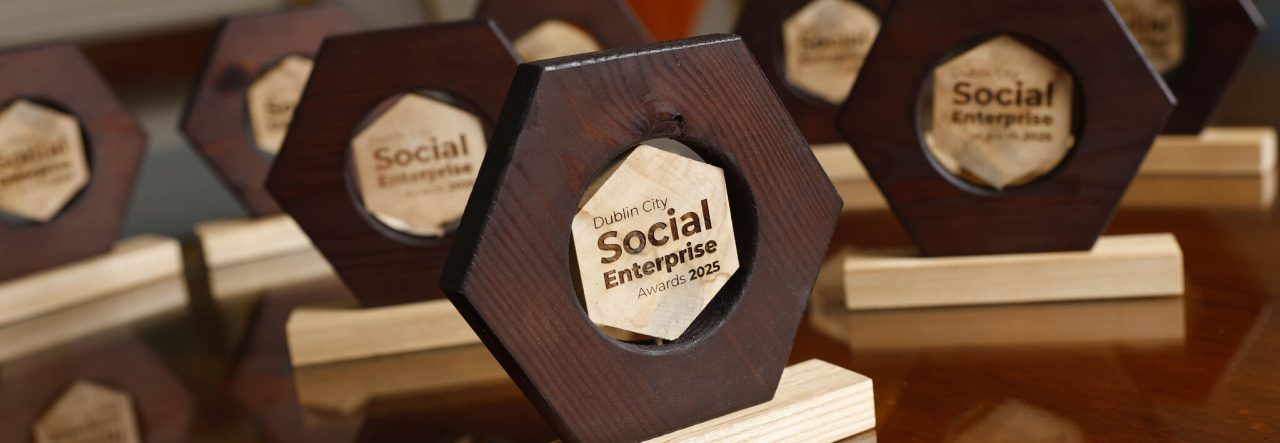
Recycle IT – Dublin City Social Enterprise Awardee 2025

Recycling Collections – Bogus – Fake – Phony

At certain times of the year, you might receive a flyer advertising free recycling days for old, broken, or unused items. These events may offer to collect household or office items such as clothes, metal, electrical goods, or garden tools.

It sounds like a great idea — a chance to reduce waste, recycle, and clear clutter from your home or workplace. But have you ever stopped to think that some of these collectors might be unregulated or even illegal?

For example, a flyer promoting a “Free Jumble Recycling Day” might offer to take items like car batteries, laptops, TVs, or wardrobes — things that usually can’t go in a regular recycling bin and often require a licensed collection or drop-off at a recycling centre.

Bogus Recycling
Real or Unreal – Household Recycling Flyer

These flyers are usually bogus, should be ignored and handing items over can lead to illegal dumping of your stuff and penalties if the material is identified as belonging to you!

Bogus Recycling – a reality

Think about it, when you take the time to carry your old TV or radio down the stairs, you might actually be handing it over to someone who simply loads it up onto a truck for delivery to a developing country or alternatively takes a few parts out and leaves the remainder on an Irish county road in the dark of night.

Is handing these items to a no-named collector in a non-authorized or unlicensed waste collection van the right choice?

Old Electrical Items - Recylce IT
Electrical Appliances for Recycling – Recycle IT

Unofficial Collectors 

Depending on market prices collectors can generate an income by sending products to other countries or simply by dumping the items. This is particularly true for recycling computers, tablets, TV monitors, printers and other electronic items. Recycling electrical and electronic items officially costs more in Europe but the collector can get paid for exporting them to buyers in developing countries who will remove the metals for resale but won’t pay to protect their staff or their communities from the toxic emissions and waste.

As the price of metal increases washing machines, tumble dryers and dishwashers are becoming increasingly attractive items for unofficial recyclers. These items are stripped locally and unprofitable waste is disposed of in hedgerows and fields making our communities untidy, dismal and possibly toxic places to live.

Costs of Illegal Dumping

More than 60,000 instances of illegal dumping have cost Dublin City Council more than €5.2 million to remove since 2019, according to figures published in the Irish Times,15 Sept 2024. In South Dublin the cost was estimated at €127,000 per month for 2023. This spending on clean up and similar amounts from other county councils areas could be saved and reinvested in local communities if illegal collection and dumping could be stopped.

Electrical Waste for Collection – Recycle IT

The disposal of rubbish in any area of land in Ireland without licensed approval and permission is illegal. It is punishable by fines from €150 up to €10 million upon conviction and 10 years imprisonment. In order to know more about a bogus collection, we have compiled the list below.

14 tips on spotting a Bogus Recycling Collection?

  1. The leaflet presenting the collections service is of low quality.
  2. The collector does not provide a waste facility address on leaflets
  3. The waste facility license number is not visible on the leaflet.
  4. There is no landline telephone listed on printed materials.
  5. The phone is never answered when called.
  6. An email address is omitted from the flyer or poster.
  7. The collector has no website or social media presence.
  8. Collection vehicles don’t have a waste collection permit number on display. (required by law)
  9. Collections are made outside of traditional business hours.
  10. Collection representatives don’t have any formal identification.
  11. Only certain waste items are collected i.e. the most valuable.
  12. A bogus charity may be named on the collection flyers or posters.
  13. No help or support is offered to move or lift heavy electrical items from homes or businesses.
  14. No personal service or advice is offered on recycling different products.

It’s complicated!

It’s not easy to determine whether a recycler is exporting or illegally dumping your once loved stuff including electrical or electronic waste like hairdryers or phones. You can’t just go by what they say! Some will use environmental or charitable causes that sound good, but they are still unofficial. If you have a gut feeling it’s not right, follow that feeling and don’t leave the items out for collection.

Ask yourself the question – Who’s Paying?

One way to determine an official collector versus an unofficial collector is to figure out who is paying the recycling cost. If it’s free for you to recycle, then who is paying? A manufacturer? The State? Local Authority? If you are not paying, and there is no clear sponsor paying the costs for collection and recycling, please question the validity of the collector.  For example, Recycle IT is a social enterprise that received some funds and also generates an income from responsible recycling.

Official Electrical Recycling Collection - Recycle IT
Official Electrical Recycling Collection – Recycle IT

County Councils across Dublin at different times have warned residents to ignore these types of collections promoted by paper recycling flyers that have been put through letterboxes. They generally have no waste permit or collection permit numbers noted.

It’s worth noting, that it is an offence for any person to hand over their waste for disposal to an unauthorised waste collector. Fines of up to €5,000 may be imposed on individuals upon conviction in the District Court.

You must always ensure that any company or person you engage to collect your waste possesses a valid Waste Collection Permit. Any reputable waste collector is obliged to display the waste collection permit number on all vehicles, flyers and receipts.

You can check if the waste collector is authorised on the National Waste Collection Permit Office website; http://www.nwcpo.ie/permitsearch.aspx and enter details in an advanced search.

About Recycle IT

Recycle IT is the only Community Electronic Recycling Social Enterprise in Dublin providing a neighbourhood collection service for all types of waste electrical and electronic equipment (WEEE). In 2021 Recycle IT offered collection services to thousands of homes, community groups and businesses across Dublin and surrounding areas collecting a range of WEEE including monitors, computers, cookers, and TV equipment.

Recycle IT services are provided in partnership with WEEE Ireland. Recycle IT is supported by the Department of Rural and Community Development. Pobal, South Dublin County Council and authorised by the National Waste Collection Permit Office and the local authorities across Dublin, Kildare and Wicklow.

Visit our website for further details or call 01 4578321.

Recycle IT are Awardee’s: Dublin City Social Enterprise Award 2025 and the Nancy Ward Circular Economy Award 2025

UN’s Global E-waste Monitor 2024 reports

Todays E-waste World

The world is creating electronic waste—such as old phones, laptops, and TVs—much faster than it is being recycled. In 2022, we produced 62 million tonnes of e-waste, which is 82% more than in 2010. Only 22% of that waste was properly collected and recycled, while the rest was lost or dumped, wasting $62 billion worth of valuable materials.

E-waste contains toxic substances like mercury that can harm both the environment and human health. If nothing changes, global e-waste is expected to grow to 82 million tonnes by 2030, while recycling rates may drop to just 20%. This growing problem is driven by people buying and replacing electronics more often, products becoming harder to repair, shorter product lifespans, and poor waste management systems.

The UN reports that if countries could raise recycling rates to 60% by 2030, the world would gain huge economic and health benefits, saving more than $38 billion.

The world also remains highly dependent on a few countries for rare earth materials—metals essential for green technologies like electric cars and solar panels—yet only about 1% of these valuable elements are recovered from e-waste.

18 Actions That Can Help

Governments & Policymakers

  1. Create or strengthen e-waste laws to require proper recycling.
  2. Offer further support to achieve national recycling targets.
  3. Continue to track progress.
  4. Invest in recycling facilities and safe waste collection systems.
  5. Encourage eco-design – make products easier to repair, reuse, and recycle.
  6. Ban illegal e-waste exports to developing countries.

Manufacturers & Companies

  1. Design for durability and repairability (longer product life).
  2. Offer take-back or recycling programs for old devices.
  3. Use recycled materials in new products.
  4. Provide spare parts and repair manuals to consumers.

Individuals & Consumers

  1. Repair before replacing electronic devices.
  2. Donate or resell working electronics instead of throwing them away.
  3. Recycle properly at certified e-waste collection centers.
  4. Buy refurbished or energy-efficient electronics.
  5. Reduce gadget upgrades — use what you have longer.

Global & Community Efforts

  1. Increase awareness about e-waste dangers and recycling options.
  2. Support circular economy initiatives – reuse, repair, recycle.
  3. Encourage global cooperation to share recycling technology and expertise.

You can read the report here.

About Recycle IT

Recycle IT, is an award-winning social enterprise offering electrical, electronic and metal recycling services through drop off and collection. Recycling services are provided in partnership with WEEE Ireland and South Dublin County Council. Recycle It offer services to homes, communities and organisations in Dublin and surrounding areas.

Recycle IT is supported by Pobal and Dormant Accounts and authorised by the National Waste Collection Permit Office and the local authorities across the east midlands waste region.

Our goal is to create training and employment opportunities through the provision of waste management services. Surplus earned income is reinvested in operational, and employment-related costs.

For more information on Recycle IT please call 01 4578321, email info@recycleit.ie or visit our website www.recycleit.ie

Recylce IT – 2025 Awards

Sustainable Business Impact Awards 2025

For over twenty years, the Sustainable Business Impact Awards have celebrated and showcased the best examples of sustainable business practices in Ireland.

These awards recognize organisations that are making a real difference through their commitment to people, communities, and the planet. Each year, winners across twelve categories demonstrate how Irish businesses are embedding sustainability into their everyday work, showing that positive environmental and social change can go hand in hand with good business.

Awards Night Sept 2025

In 2025, Recycle IT (Ireland) was honored to win the Sustainable Impact by a Medium Business Award. This recognition highlights the organisation’s ongoing efforts to promote recycling, protect the environment, and support communities across Dublin and in surrounding areas.

Recycle IT is a community-based social enterprise that collects, recycles, and reuses waste electrical and electronic equipment (WEEE). The organisation works to prevent useful materials from ending up in landfill, helping to reduce pollution and save valuable resources. Equally important, Recycle IT creates local employment, provides work experience and training opportunities, and raises awareness about the benefits of recycling and sustainable living.

Winning the Sustainable Impact Award means a great deal to everyone involved with Recycle IT. It reflects the hard work and dedication of the entire team, who are passionate about making recycling accessible and practical for households, schools, businesses, and community organisations. Every television, computer, kettle, or phone collected by Recycle IT contributes to a cleaner environment and a more circular economy, where waste is seen as a resource that can be recovered and reused.

The photo above captures a proud moment for the Recycle IT team. From left to right are Ian Talbot from Chambers Ireland, Mark, Una, and Gerard from Recycle IT, and Margaret Considine from Chambers Ireland. Their smiles reflect not only the joy of winning but also the shared commitment to sustainability that connects all those involved in the awards.

Recycle IT would like to extend sincere thanks to Chambers Ireland, the judges, and everyone who entered the awards this year. The Sustainable Business Impact Awards are about more than just recognition—they are about celebrating collective progress and inspiring others to take action. Each business, no matter how big or small, can make a difference by reducing waste, conserving energy, supporting their employees, and engaging with their community.

For Recycle IT, sustainability is not a short-term goal but an ongoing journey. The organisation continues to expand its services, invest in greener processes, and build partnerships with local authorities, schools, and voluntary groups. By working together, they aim to create a culture of recycling and reuse that benefits both people and the planet.

The Sustainable Impact Award is a reminder that environmental and community action are most effective when driven from the ground up. Through small, consistent efforts—like recycling electronic waste, educating others, and supporting local jobs—Recycle IT is helping to build a cleaner, fairer, and more sustainable future for everyone.

Dara Calleary, TD, Minister for Social Protection and Minister for Rural and Community Development and the Gaeltacht.

Winning this award is both a recognition of what has been achieved and a motivation to keep improving. The Recycle IT team remains committed to innovation, collaboration, and social responsibility. They believe that every community can become more sustainable through shared action and awareness.

Recycle IT is grateful to all partners, supporters, and customers who have made their success possible. Together, they have shown that social enterprises can lead the way in creating positive, lasting change.

Thank you to Chambers Ireland for organising such a meaningful event. It was a wonderful evening, a fantastic celebration of Irish business, and a proud moment for Recycle IT and all those who care about sustainability and community impact.

Great event, great award, and a great step forward for recycling in the community!

About Recycle IT

Recycle IT, is an award-winning social enterprise offering electrical, electronic and metal recycling services through drop off and collection. Recycling services are provided in partnership with WEEE Ireland and South Dublin County Council.

Recycle IT is supported by Pobal and Dormant Accounts and authorised by the National Waste Collection Permit Office and the local authorities across the east midlands waste region.

Our goal is to create training and employment opportunities through the provision of waste management services. Surplus earned income is reinvested in operational, and employment-related costs.

For more information on Recycle IT please call 01 4578321, email info@recycleit.ie or visit our website www.recycleit.ie

Recylce IT is EcoMerit Certified

The Benefits of Recycling Pull-Up Banners

Pull-up banners are used by many organisations across Dublin. They are helpful tools for events, promotions, and public information. However, once these banners are out of date, they are often stored and forgotten. Many are kept in cupboards or storerooms for years. Over time, they take up space and collect dust. But what if we started to recycle them instead? Recycling pull-up banners has many benefits for organisations and the environment.

Pull-up Banners - Recycling for Reuse
Pull-Up Banners – Recycling for Reuse

1. Reducing Waste

The first big benefit of recycling pull-up banners is reducing waste. Most of these banners are made from plastic and metal. If they are thrown away, they often end up in landfills where they do not break down easily. Recycling helps to reduce this waste and keeps these materials out of our environment. It’s a simple step that makes a big difference over time.

2. Saving Space

Old banners take up storage space in offices, community buildings, and schools. By recycling them, organisations can free up this space for other, more useful things. This helps to create cleaner, more organised workplaces. It also reminds people to keep only what they truly need.

3. Reusing Materials

Pull-up banners contain materials that can be reused. The metal frame and poles can often be used again once a new banner insert is fitted.  Triest Press, Ireland’s leading social enterprise print & design house is helping with this. They are passionate about producing high-quality digital print and design while making a positive social impact.

The banner material itself is usually made of PVC, vinyl, or polyester, and can sometimes be turned into bags, covers, or other useful products. We would be happy to work with an organisation wishing to source these material for reuse. Reuse gives these materials a new life instead of letting them go to waste.

Pull Banner Sizes

4. Encouraging Environmental Responsibility

When an organisation recycles its old banners, it shows that it cares about the environment. This sets a good example for staff, customers, and the wider community. It encourages others to think more carefully about how they dispose of old items. Every small action adds up, and recycling banners is a great way to lead by example.

5. Supporting the Circular Economy

Recycling helps build a circular economy. This means that instead of throwing things away, we find ways to keep materials in use for as long as possible. Recycling banners supports this idea. It creates demand for recycling services and products made from recycled materials. It also helps to reduce the need for new raw materials, which uses a lot of energy and natural resources.

Pull-Up Banners For Recycling

6. Cost Savings

While there may be a small cost to recycle banners, it can save money in the long run. Storing large numbers of unused banners takes up space that could be used more effectively. Also, buying new banners for every event is expensive. Some companies now offer banner systems where only the printed part is replaced, which can be more cost-effective and greener.

7. Creating Awareness

A recycling project for old banners can raise awareness among staff and the public. It gets people thinking about how they use and reuse materials. It might even inspire new recycling or sustainability projects in the future.

Finally

Collecting and recycling pull-up banners can be very cost-effective and helps create and maintain worthwhile training and employment opportunities in our community.

You can visit your local drop-off point at Recycle IT in Dublin 22 or you avail of a city wide collection service. This low-cost recycling for reuse pilot project reduces waste while promoting sustainability for organisations.

Recycle IT Collection Van

In summary, recycling old pull-up banners has many benefits. It reduces waste, saves space, supports the environment, and shows leadership. With so many unused banners stored around Dublin, now is the perfect time for organisations to take action. A small step today can lead to big change tomorrow.

About Recycle IT

Recycle IT is an award-winning, not-for-profit, social enterprise established to create employment and promote environmental awareness through recycling and reuse. We work in partnership with WEEE Ireland and are authorized by your local authority to provide electrical, electronic, and pure metal recycling collections across Dublin since 2007. Recycle IT are fully compliant with WEEE Recycling Requirements and permit details are available here.

Over the last 20 year Recycle IT have happily offered safe electrical and electronic recycling services to households and small and medium size organisations across a range of sectors. We offer our services all over Dublin and in surrounding areas. We are happy to offer cost effective and safe computer, laptop or tablet data destruction for home users and small offices on request.

For more information about Recycle IT please click here.

Sustainable Impact by a Medium Business – Recycle IT – Recycling in the Community

35 Reuse Tip for October 2025

Lessen Environmental Impacts

In today’s world, reducing waste and being resourceful is more important than ever. Reusing items at home or at work not only saves money but also lessen environmental impact.

Whether it’s repurposing everyday objects or finding creative ways to extend their life, there are countless ways to give new purpose to old things. Here are 35 simple reuse tips to help you get started.

Reuse helps to reduce waste, saves energy, and cut pollution. By giving items new life, we conserve resources, lower emissions, and inspire eco-friendly habits that drive stronger climate action worldwide.

35 Simple Home and Small Office Reuse Tips

  1. Reuse glass jars for storing spices, screws, or craft supplies.
  2. Turn old t-shirts into cleaning rags instead of buying paper towels.
  3. Repurpose cardboard boxes as organizers for drawers or closets.
  4. Use old coffee grounds as fertilizer for your plants.
  5. Reuse envelopes by placing labels over old addresses for mailing or storing small items.
  6. Save paper towel and toilet paper tubes to organize cords or hold plastic bags.
  7. Turn wine corks into bulletin board push pins or use them in crafts.
  8. Use leftover wrapping paper to line drawers or shelves.
  9. Turn old magazines into gift wrapping paper or collage materials for creative projects.
  10. Reuse broken crayons by melting them into new, multicolored crayons.
  11. Convert plastic containers (from yogurt, butter, etc.) into storage for snacks, screws, or art supplies.
  12. Repurpose fabric scraps into patches for clothes or use them in quilting projects.
  13. Use newspaper to clean windows, an effective and eco-friendly alternative to paper towels.
  14. Turn old towels into pet bedding or cleaning cloths for messes around the house.
  15. Use cereal boxes to make bookmarks, file dividers, or crafts.
  16. Repurpose broken dishes into mosaic art or garden décor.
  17. Reuse bubble wrap for storing fragile items or mailing packages.
  18. Turn old toothbrushes into cleaning tools for hard-to-reach areas.
  19. Reuse old lightbulbs as small vases for tiny plants or as decorative ornaments.
  20. Turn old picture frames into trays or whiteboards for notes.
  21. Use broken jewelry pieces in DIY craft projects like decorating bags or frames.
  22. Repurpose old calendars as artwork or use the images in scrapbooks or journaling.
  23. Reuse plastic bags as trash can liners or to store items like shoes when traveling.
  24. Turn wine bottles into candle holders or vases for flowers.
  25. Use leftover candle wax to make new candles by melting and repouring.
  26. Repurpose a broken ladder as a bookshelf or towel rack.
  27. Use egg cartons to start seedlings for your garden.
  28. Turn old scarves into gift wraps for a more sustainable wrapping solution.
  29. Repurpose empty pill bottles to store small office supplies like paperclips or pushpins.
  30. Use old shoes or boots as planters in your garden for a quirky and unique touch.
  31. Repurpose glass pasta sauce jars as homemade salad dressing containers or overnight oat jars.
  32. Use old bed sheets or curtains to sew reusable shopping or produce bags.
  33. Turn tin cans into pencil holders, utensil caddies, or even lanterns by punching decorative holes.
  34. Reuse worn-out tires as garden planters, outdoor stools, or play area features.
  35. Transform old ladders or wooden pallets into vertical garden stands or shelving units.
Climate Action 2025

Finally

Incorporating these simple reuse ideas into your home or small office can lead to a more sustainable and creative lifestyle. By rethinking the purpose of items that might otherwise be discarded, you not only reduce waste but also discover new ways to organize and enhance your space. Small changes like these can make a big difference over time, benefiting both your wallet and the environment.

About Recycle IT

Recycle IT is an award-winning social enterprise providing recycling collection and drop-off services for all types of waste electrical, electronic equipment (WEEE) and pure metal items.

Recycle IT services are provided in partnership with WEEE Ireland. Recycle IT is supported by the Department of Rural and Community Development, Dormant Accounts Fund, Pobal, South Dublin County Council and authorized by the National Waste Collection Permit Office and the local authorities across Leinster.

For further details about our free and cost-effective services call us on 01 4578321, email info@recycleit.ie or visit the Recycle IT website at 

Recycle IT – Hybrid Collection Van

Mattress Amnesty – Closed

Recycling News

South Dublin County Council and Recylce IT would like to sincerely thank everyone who took part in this year’s mattress recycling amnesty. The free mattress recycling initiative has now officially finished for 2025.

Over the years and during the course of the initiative, thousands of old and unwanted mattresses were dropped off and collected in the community for recycling, helping households clear space while ensuring bulky waste was kept out of landfill. Your participation made a real difference for both the community and the environment.

Although the free mattress recycling amnesty has ended, we encourage residents to continue recycling responsibly and to explore other available recycling services throughout the year. Together, small actions add up to big impact.

The Recycle IT team thanks everyone who recycled mattresses this year. Your efforts helped protect the environment, reduce waste, and support our community. Together, we’ve made a real difference—thank you for recycling responsibly, supporting local employment and creating training opportunities.

About Recycle IT

Recycle IT is an award-winning, not-for-profit, social enterprise established to create employment and promote environmental awareness through recycling and reuse. We work in partnership with WEEE Ireland and are authorized by your local authority to provide electrical, electronic and pure metal recycling collections across Dublin since 2007. Recycle IT are fully compliant with WEEE Recycling Requirements and permit details are available here. Where possible, Recycle IT will recycle for reuse!.

For more information about Recycle IT please click here.

Prestigious Awards for Recycle IT

Two Awards for Social Enterprise and Circular Economy

Dublin City recently celebrated the very best of local innovation and social impact at the Dublin City Social Enterprise Awards, held at the historic Mansion House in Dublin 2 on Thursday Sept 11th 2025

Recycle IT is proud to announce that it has been awarded a Dublin City Social Enterprise Award 2025 and the Nancy Ward Circular Economy Award 2025, in recognition of a commitment to community impact, circular innovation, and environmental sustainability.

The Dublin City Social Enterprise Award is a mark of distinction that celebrates organisations making a real difference in people’s lives. This achievement reflects hard work, vision, and dedication to creating positive change. Beyond recognition, the award provides valuable funding, resources, and opportunities to grow. It also builds awareness and trust, helping to strengthen partnerships, inspire staff and trainees, and expand the organisation’s ability to deliver meaningful social, economic, and environmental benefits.

In addition, Recycle IT is deeply honored to receive the Nancy Ward Circular Economy Award 2025, offered in association with the Dublin City Social Enterprise Awards and sponsored by The Entrepreneurs Academy. This award celebrates Recycle IT and its approach to reusing, reducing, and recycling – practices that help drive a more sustainable future. The recognition is especially meaningful as it pays tribute to the late Nancy Ward, a much-loved colleague and friend of The Entrepreneurs Academy, who passed away in April 2023

“These awards underscore the strategic importance of social enterprises in addressing both community and environmental challenges,” said Una Lavelle, General Manager at Recycle IT. “They validate the commitment of our team, partners, and stakeholders while providing the resources and visibility needed to expand our impact.”

Recycle IT extends its appreciation to Dublin City Council, Inner City Enterprises, the Entrepreneurs Academy, and all supporters who have made this recognition possible. These achievements further strengthen the organisation’s capacity to scale operations, enhance collaboration, and deliver lasting benefits for society and the environment.

You will find a list of all the hard working Social Enterprise awardees below.

Dublin City Social Enterprise Awards 2025 – Awardees:  

Click to Enlarge

Please take a minute to view a short video of each social enterprise highlighting their role and operations in addressing a social need on LEO Dublin City’s YouTube Channel.  

About Recycle IT

Recycle IT, is an award-winning social enterprise offering electrical, electronic and metal recycling services through drop off and collection. Recycling services are provided in partnership with WEEE Ireland and South Dublin County Council.

Recycle IT is supported by Pobal and Dormant Accounts and authorised by the National Waste Collection Permit Office and the local authorities across the east midlands waste region.

Our goal is to create training and employment opportunities through the provision of waste management services. Surplus earned income is reinvested in operational, and employment-related costs.

For more information on Recycle IT please call 01 4578321, email info@recycleit.ie or visit our website www.recycleit.ie