Mattress Recycling Initiative – 2024

Background to Recycling

In 2023 an EU Impact Assessment Report states mattresses currently have a reuse and recycling rate of 20% across the EU and generate approx. 240,000 tonnes of textile waste per year. The report go’s on to say “discarded mattresses are unlikely to be resold in social enterprises and are more likely to be sent for recycling where their most valuable components (metals and foams) are removed for safe recycling

Support with Mattress Recycling – Recycle IT

In July 2202, the Community Resources Network Ireland released a briefing paper titled “Improving Mattress Recycling”. It states mattresses are complex and bulky products that have traditionally been managed within a linear economy model. This model is also called the “take-make-waste economy, ” meaning we take the world’s resources, make a product, use that product, and make it waste. This waste is mainly handled at the bottom of the waste hierarchy.

The report says the market is starting to shift toward more circularity. Key suppliers, such as the foam industry are beginning to invest in recycling options while manufacturers and retailers are also looking to natural materials such as foams or the overall design to ensure ease of dismantling or include recycled content.

Mattress Recycling Initiative at Recycle IT

The Sleep Foundation suggests replacing your mattress if one or more of the following apply:

  • It’s 6-8+ years old
  • It’s negatively affecting your sleep
  • It’s noticeably saggy or damaged in certain areas
  • It’s making more noise than usual (noisy springs are common in old innerspring mattresses)
  • You find that you sleep better at hotels, friends’ houses, etc.
  • You notice an increase in allergies and/or asthma
  • You regularly wake up with muscle or joint stiffness

What Can Be Recycled

About 80% of materials in the average mattress can be recycled. That’s because most are made of steel springs, a wood frame, polyurethane foam and fabric. All mattress types are fair game, from traditional innerspring mattresses to latex, hybrid and memory foam options. And yes, you can recycle nontoxic mattresses and organic mattresses. (Source: Green Living – The Readers Digest).

Mattress Recycling 2023

Disposing of Old Mattresses

Many households struggle with how best to dispose of old and unwanted mattresses after spending hundreds or in some cases thousands of euros on a new or specialized mattress. Most people would prefer not to spend much money on the disposal of old mattresses. 

One option is to visit your local civic amenity site. They usually accept old mattresses for recycling, but getting the mattress to the location can be a challenge in terms of time and cost. You’ll also need a vehicle big enough to fit a mattress.

If you have a car but your boot is too small to fit the mattress when flat, you might find it fits if you roll it up and fasten it with rope. This effort usually takes 2 people. You might also use a van to get your mattress to the civic amenity site/mattress recycling centre.

Mattress Recycling for Reuse

When you hand over your old mattress for recycling it will make its way to a specialist social enterprise operating as mattress recycling facility in Ireland, Most of the recycling breakdown and separation work is done by hand. You will see the general steps in the table below.

Mattress Drop Off at Recycle IT, Dublin 22
Mattress materialHow is it recycledWhat it is recycled into
Metal springs removedShipped and melted down for reuseHow is it recycled
Foam padding separated Extracted/cleaned for reuseFurniture stuffing, pillows, and carpet underlay
Spilt natural fibre (i.e. wool & cotton)Washed and spun into new fibreInsulation, new yarn, or other recycled textiles
Detach outer fabricStripped from mattress and shredded downLow-grade fabric, refuse-derived fuel (renewable energy)

Mattress Recycling 2025

To help, Recycle IT offers a simple, convenient, sustainable and free solution over a number of weeks each year. Householders can drop off Monday to Friday between 8.30am and 3pm

Our facility will open on a number of Saturdays in September between 9.30am and 12.30pm with dates to be confirmed. There will be a number of community collection days in different areas of South Dublin. These areas will be confirmed closer to the confirmed the dates for the 2025 Mattress Recycling Amnesty

  1. This Mattress Recycling Amnesty is for householders only and is not open to business
  2. Help will be on hand to lift and move old mattresses from cars and vans to the mattress recycling colleciton point. We will also be open on a number of Saturday mornings (dates to be confirmed).
  3. Recycle IT will accept mattresses. Teams can accept metal bed frames but we are unable to accept wooden bed frames.
  4. During this initiative Recycle IT can offer cost effective personal collections to homes wishing to recycle an old mattress.
  5. You will find the Recycle IT, address, telephone number and a map here.

Listen to Una Lavelle, General Manager at Recycle IT speaking with Sunshine 106.8 FM about mattress and electrical recycling during. Click here.

Mattress Recycling Event 2022

About Recycle IT

Recycle IT is a not-for-profit, social enterprise working to deliver environmentally friendly recycling solutions and real training and employment opportunities.

Recycle IT operates under the Community Services Programme (CSP). The programme supports community companies and co-operatives to deliver local social, economic, and environmental services that disadvantaged communities. The Community Services Programme is managed for the Department of Rural and Community Development by Pobal, a not-for-profit company tasked with managing programmes on behalf of the Irish Government and the EU. Recycle IT is one of over 400 social enterprises operating with funding support from the programme in Ireland.

This Free Mattress Recycling Initiative is supported by: South Dublin County Council and operated by Recycle IT for a limited period.

Learn more @ www.recycleit.ie

Order a Cost-Effective Personal Collection

Recycle IT on Oireachtas TV

The Joint Committee

The Joint Committee on Environment and Climate Action meet in mid June 2024, to discuss the Circular Economy as it relates to Consumer Durables. Examples of consumer durable goods include vehicles, books, household goods (home electrical appliances, consumer electronics, furniture, musical instruments, tools, gardening tools, furniture, bicycles etc.), sports equipment, jewelry, medical equipment, toys and more.

The Group

Committee Cathaoirleach Deputy Brian Leddin (TD for Limerick City and the Green Party Spokesperson for Transport, Climate Action and Environment) said: “Consumer durables are goods designed to last a long time and are not intended to be bought very often. Development of a circular economy requires shifting Ireland towards a more sustainable pattern of production and consumption, particularly when it comes to consumer durables”.

Circular Economy

“The development of reuse, repair, recycling and sharing schemes, as well as circular design and business models, all have roles to play in reducing waste generated by consumer durables. As part of our examination of how the Circular Economy Act is working since it became law two years ago”, The Committee as part of it work will discuss these issues and related matters with stakeholder groups including social enterprises and organisation representing the community reuse and recycling.

The Community Resources Network (CRNI) saw this as great opportunity to present to this Oireachtas Joint Committee on the vital role social enterprises play in promoting the circular economy, especially in relation to consumer durables.

CRNI were joined on the day by two board members, Bernie Connolly (Cork Environmental Forum) and Una Lavelle (Recycle IT, Dublin). The Rediscovery Centre, the National Centre for the Circular Economy in Ireland and CRNI member were also invited to the committee session to present their findings.

Una Lavelle CRNI Director and General Manager – Recycle IT

To learn more about the main points covered please click here or to view the The Joint Committee on Environment and Climate Action session on Oireachtas TV please click here.

About Parliamentary Committees

Parliamentary committees play an important role in the business of the Oireachtas. They can receive submissions and hear evidence from interested parties or groups; discuss and draft proposals for legislative change; print and publish minutes of evidence and related documents; and require attendance of Ministers to discuss current policies and proposals for legislation.

There are four types of committees:

  • Standing committee
  • Joint committee
  • Select committee
  • Special committee (rare) 

About Recycle IT

Recycle IT is an award-winning, not-for-profit social enterprise established to create employment and promote environmental awareness through recycling and reuse. We work in partnership with WEEE Ireland and are authorized by your local authority to provide electrical, electronic and pure metal recycling collections across Dublin since 2007. Recycle IT are fully compliant for WEEE Recycling with permit details available here.

Recycle IT Logo

Electrical Recycling Updates!

Technology is now part of our everyday live. From home to offices, buses to boats, school and colleges, computers tablets, PCs severs, and related software are an indispensable part of our modern life. Add personal items like smart watches, mobile phones, virtual assistants, and robot vacuums and mowers and we are all are touched by helpful or essential tech.

The downside is the lifespan with some items breaking sooner than they should or people always wanting the latest and greatest meaning items become waste or e-waste which is a major concern for the planet we live on!

What is e-waste?

According to the European Union (EU), electronic and electrical waste, or e-waste, covers a variety of different products that are thrown away after use.

These include:

  • Large household appliances, such as washing machines and electric stoves
  • IT and telecommunications equipment (laptops, printers)
  • Consumer equipment (video cameras, fluorescent lamps) and photovoltaic panels
  • Small household appliances (vacuum cleaners, toasters)
  • Other categories, such as electrical tools and medical devices

The EU also say e-waste is one of the fastest growing waste streams in the Europe and less than 40% is recycled. You can view the facts and figures in the infographic below.

You can use the infographic to find out how many kilos of electronic equipment have been collected per inhabitant in Ireland and other EU countries.

Recycling practices vary among EU countries. In 2021, Austria topped the EU countries in electronic waste collection, with an average of 15.46 kilos per inhabitant. In 2021, 11 kilos of electrical and electronic equipment waste were collected per inhabitant in the EU on average.

Why recycle electronic and electrical waste?

Cast off electronic and electrical equipment contains potentially harmful materials that pollute the environment and increase the risks for people involved in recycling e-waste. To counter this problem, the EU has passed legislation to prevent the use of certain chemicals, like lead.

The EU say, many rare minerals that are needed in modern technology come from countries that do not respect human rights. To avoid inadvertently supporting armed conflict and human rights abuses, MEPs have adopted rules requiring European importers of rare earth minerals to carry out background checks on their suppliers.

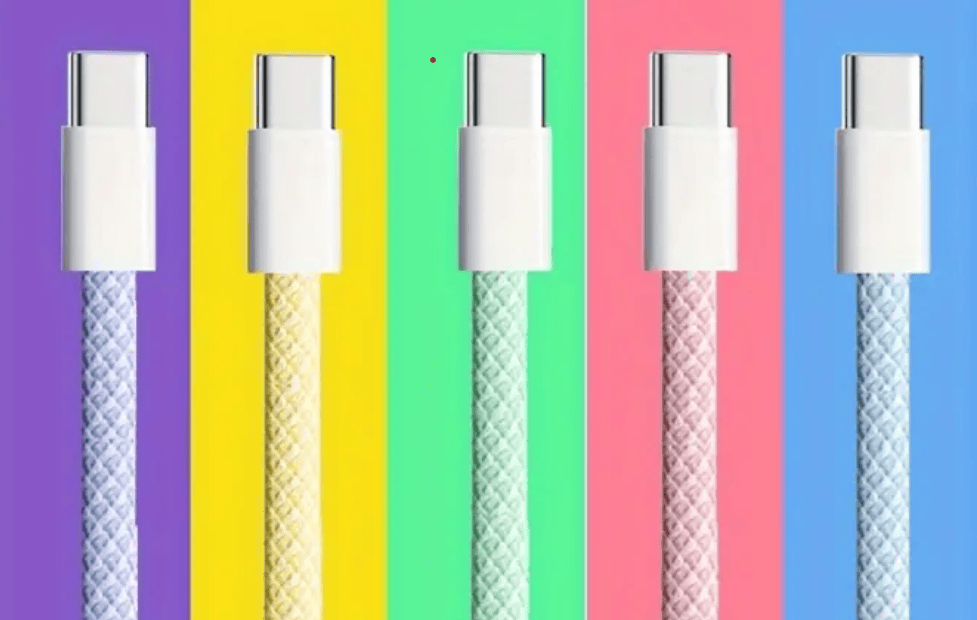
USB Type-C

Changes for Us

The European Commission presented a new circular economy action plan in 2020 that has as one of its priorities the reduction of electronic and electrical waste. The proposal specifically outlined immediate goals like creating the right to repair and improving reusability in general, the introduction of a common charger and establishing a rewards system to encourage recycling electronics.

  • USB Type-C will become the common charger for most electronic devices in the EU by the end of 2024. Laptops will have to be equipped with a USB Type-C port by 28 April 2026.
  • The Commission presented a new proposal to promote repairing and reusing goods. Within the legal guarantee It would require sellers to repair products unless it is cheaper to replace them. Beyond the guarantee, it would provide rights to make repairs easier and cheaper.
  • The EU has adopted rules on the collection, treatment and recycling of electrical and electronic equipment to tackle the issue of the growing amount of electronic waste.
  • The Commission put forward a proposal for an update of the directive on waste electrical and electronic equipment to implement a ruling of the European Court of Justice concerning the scope of obligations of producers of photovoltaic panels (solar panels).

The EU council has now adopted these amendments into the EU law on waste from electrical and electronic equipment (WEEE). Read more here.

Further updates will follow over the coming months. To reads more now please click here.

Repair and Reuse

Irish Statistics

The Irish Environmental Protection Agency (EPA) released 2022 statistics data related to the waste electrical and electronic equipment (WEEE) statistics for the whole of Ireland which documents household dual use B2C and commercial, professional B2B WEEE takeback.

The following key trends can be highlighted:

  1. 66,018 tonnes of WEEE were collected for treatment in Ireland in 2022, a decrease of 8% from the quantity collected in 2021.
  2. 61,806 tonnes of WEEE were recovered and 54,245 tonnes were prepared for reuse or recycling in 2022, a decrease of 8% and 9% respectively from the quantities in 2021.
  3. Large equipment (e.g. Cookers, washing machines) accounted for 53.2% (by weight) and small equipment (e.g. Kettles, toasters) represented the next largest category accounting for 19.9% of WEEE collected.
  4. Ireland met the EU recovery, recycling and reuse targets for all six categories of WEEE in 2022, they are temperature exchange equipment, screens, monitors, and equipment containing screens, lamp, large appliances, small appliances, and small IT.

The Irish national statistics show Ireland is in line with many European Member States but WEEE recycling volumes are not achieving 65% collection target.

Ireland 2023

WEEE Ireland Collection Results 2023

Recent figures in WEEE Irelands annual environmental report reveal consumers recycled a record-breaking 41,730 tonnes of electronic and electrical waste in 2023 – the equivalent of almost 200 forty-foot containers more than the previous year. Great News!

You all help by recycling over 15 million small appliances such as coffee makers, calculators, kettles and keyboards, along with the equivalent of 66 million used AA batteries were also handed back to make their way into the circular economy.

To view the full WEEE Ireland Annual Environmental Report for 2023 please click here.

About Recycle IT

Recycle IT is an award-winning, not-for-profit, social enterprise established to create employment and promote environmental awareness through recycling and reuse. We work in partnership with WEEE Ireland and are authorized by your local authority to provide electrical, electronic and pure metal recycling collections across Dublin since 2007. Recycle IT are fully compliant with WEEE collection regulations. Our permit details are available here.

Recycle IT – Community Recycling Initiative of the Year 2023

Ireland – Worrying E-Waste Disposal Trends

Small Portable Equipment

Today, one in eight people in Ireland continues to dump small electrical items in household bins. This new research by WEEE Ireland also suggests, the figure almost doubles among younger age groups, which are perceived as more environmentally conscious. 

Small Battery Operated Vape – Dumped

The research survey reveals one in four 18-24-year-olds and one in five aged 35-44 get rid of common household electrical items such as smart watches, earbuds and blue tooth speakers in general waste bins. 

Research

The survey, conducted by Empathy Research on behalf of Waste Electrical and Electronic Equipment (WEEE) Ireland go’s on to say, laptops, mobile phones, gaming devices, power tools and e-cigarettes are also being placed alongside other general waste bins, meaning these items can never be re-used or recycled. Simply, please don’t use the black or green bin to recycle electrical items and share this message with others in your home.

With many small personal devices now powered by small lithium batteries, there is an increased safety risk with fire as major concern for household waste collection companies receiving these items in bins.

Mixed Small Electrical Items

The low recycling rates for small electrics are echoed in global statistics, with the recent Global E-Waste Monitor revealing that less than one quarter (22.3%) of e-waste was properly recycled in 2022, falling sharply to just 12% for small devices. 

Experience

Ireland has experience and a really good record for safely recycling larger household electrics like washing machines, tumble dyers, cookers fridges and other electrical appliances but this needs to be matched when it comes to smaller electricals. This will ensure the safe and efficient recovery and reuse of important materials contained in small electrical equipment. 

By helping address these challenges you help reduce risks our environmental and public health and help support a greener, more sustainable future.”

Mixed Small Electrical Equipment

Anything with a plug, battery or cable can be recycled for free at hundreds of local authority recycling centres, public WEEE Ireland recycling collection day events and participating retailers. Find your nearest recycling point on our interactive map including at Recycle IT in Dublin 22.

To read more about the WEEE Ireland research please click here

About Recycle IT

Recycle IT is an award-winning social enterprise providing recycling collection and drop-off services for all types of waste electrical, electronic equipment (WEEE) and pure metal items.

Recycle IT services are provided in partnership with WEEE Ireland. Recycle IT is supported by the Department of Rural and Community Development, Dormant Accounts Fund, Pobal, South Dublin County Council and authorized by the National Waste Collection Permit Office and the local authorities across Leinster.

For further details about our free and cost-effective services call us on 01 4578321, email info@recycleit.ie or visit the Recycle IT website at 

Recycle IT Van

Circular Economy and My Social Enterprise Event – March 5th

Local Enterprise Week 2024 Event

The event is being hosted as part of Dublin’s involvement in the European Commission’s: European Social Economy Regions – Project & Network and Dublin’s support of the implementation of the Transition Pathway for Proximity and Social Economy. The objective of the ESER project is to build networks of Social Economy actors, encourage collaboration and to raise awareness about the social economy at regional and local level. 

The event will focus on embedding the Circular Economy, the practical steps, examples and resources available for enterprises and social enterprises. There will be networking, panel discussion, presentation, Q&A and a fireside chat so a varied evening.

Focus on the social economy and circular economy.

The event will:

  • Highlight the overarching context (Social and circular economy trends, policies, updates), feature examples from social enterprises, circular economy enterprises and regular enterprises that have adopted sustainability / circular economy practices.
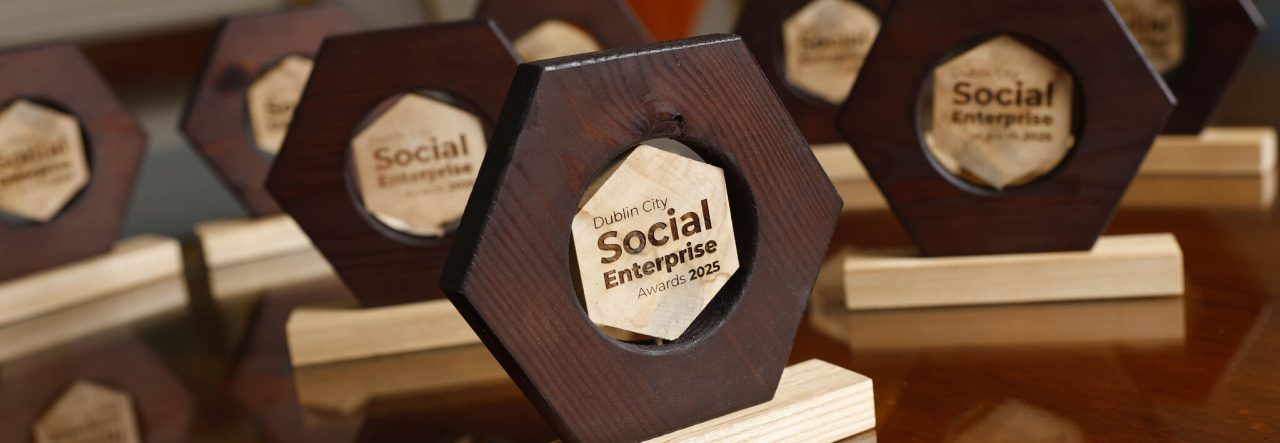
  • Promote resources and supports that can help enterprises and social enterprises to learn about, embed, enhance sustainability and circular economy practices in their operations etc. as well as key social enterprise resources including the Dublin City Social Enterprise Awards 2024.

The event will take place in the Guinness Enterprise Centre, Taylor’s Ln, The Liberties, Dublin 8 on Tuesday March 5th 2024 between 6pm and 9am. To learn more and book please click here.

Supporters

This event is taking place in partnership with CIRCULÉIRE as part of their focus on Circular Economy development in Local Enterprise week 2024.

The event is collaboratively hosted by Dublin City Council, LEO Dublin City, CIRCULÉIRE, Irish Manufacturing Research and the Dublin City Social Enterprise Committee with support from Guinness Enterprise Centre, EMWR Office, CRNI, Social Enterprise Dublin, Irish Social Enterprise Network, Dublin Place Brand, Dublin Regional Enterprise Plan to 2024 and MODOS.

For information on local social and circular enterprises that you, your organisation or company can buy from and support, please see the SoCircular Brochure 

About Recycle IT

Recycle IT is an award-winning, not-for-profit, social enterprise established to create employment and promote environmental awareness through recycling and reuse. We work in partnership with WEEE Ireland and are authorized by your local authority to provide electrical, electronic, and pure metal recycling collections across Dublin since 2007. Recycle IT are fully compliant with WEEE Recycling Requirements and permit details are available here.

Over the last 20 year Recycle IT have happily offered safe electrical and electronic recycling services to households and small and medium size organisations across a range of sectors. We offer our services all over Dublin and in surrounding areas

For more information about Recycle IT please click here.

Recycle IT Pakman Award Winner 2023

The Benefits of Metal Recycling

In the bustling city of Dublin, where progress meets tradition, there is a silent hero working towards a greener future – Recycle IT. This innovative recycling and collection service not only aids in environmental preservation through electrical, electronic, and metal recycling but also plays a pivotal role in creating valuable training and employment opportunities for the community.

Metal Table Frames

Change

Over the years, Ireland has witnessed the transformative power of recycling. The shift towards recycling metals safely has gained momentum as awareness grows about the environmental impact of mining and manufacturing raw materials. Recycling metal not only conserves natural resources but also significantly reduces energy consumption and greenhouse gas emissions.

In communities across Ireland, recycling has become more than just an environmental responsibility; it has evolved into a symbol of community strength and unity with people coming together to do more during their spare time. Recycle IT is trying to support this movement and contribute to the social fabric of Dublin by not only promoting sustainability but also fostering employment and skills development.

Metal Office Storage Units

Creating value

Recycle IT understands the importance of providing worthwhile training and employment opportunities to people distanced from the employment market. By incorporating real work opportunities into their recycling and collection service, the team have effectively turned a routine activity into a source of community empowerment. On the job training offered by Recycle IT equips individuals with the skills needed for various aspects of the recycling process, from customer service and collection to sorting and processing.

The value of metal recycling in Ireland goes beyond environmental conservation. It is a catalyst for positive change within communities, offering a chance for individuals to learn, grow, and contribute to a sustainable future. Recycle IT’s commitment to creating employment positions aligns with the broader vision of building resilient communities that can thrive in an eco-conscious world.

Metal Gate

Some facts

  • Worldwide steel is the most recycled metal, with an estimated 600 million tonnes re-cycled yearly.
  • Recycling metal is estimated to create 36 times more jobs than extracting new metal ores.
  • All scrap metal recycling is more environmentally friendly than extracting and processing new ore.
  • Recycling metal generates 97% LESS mining waste and uses 40% LESS water.
  • China is making over 1,000 million tonnes of steel a year with 25% made from recycled scrap steel.
  • Aluminium can be infinitely recycled, but 7 million tonnes of it is still wasted yearly.
  • Recycling aluminium uses 95% less energy than primary production and each recycled tonne of aluminium saves 14,000 kWh of energy, the energy needs of an average home for approx. three years.

Using income generated

One distinctive feature of Recycle IT is the decision not to offer payment for metals received. While some may initially question this approach, it stems from a strategic commitment to community development. Instead of focusing on monetary compensation, Recycle IT channels its resources into training programs and job creation, maximizing the positive impact on the environment and community.

Metal Radiators for Recycling

By not offering payment for metals, Recycle IT is able to invest more in its social initiatives, creating a ripple effect of benefits. The money saved from avoiding direct payments is redirected towards expanding training programs, improving infrastructure, and supporting community outreach efforts. This approach transforms the recycling process from a mere transaction to a dynamic force for positive change in Dublin.

In conclusion

The story of metal recycling in Ireland, particularly in Dublin, is a tale of environmental responsibility and community empowerment. Recycle IT wants to encourage sustainable practices, not only contributing to a greener future through metal recycling but also uplifting the community through training and employment opportunities.

The decision to forgo making payments for metals received for safe recycling reflects a strategic commitment to investing in people and the community. Recycle IT as a social enterprise is always striving for a more sustainable and socially conscious Dublin, achieved by working and acting together to make a real difference.

Metal Trampoline

About Recycle IT

Recycle IT is an award-winning, not-for-profit, social enterprise established to create employment and promote environmental awareness through recycling and reuse. We work in partnership with WEEE Ireland and are authorized by your local authority to provide electrical, electronic, and pure metal recycling collections across Dublin since 2007. Recycle IT are fully compliant with WEEE Recycling Requirements and permit details are available here.

Over the last 20 year Recycle IT have happily offered safe electrical and electronic recycling services to households and small and medium size organisations across a range of sectors. We offer our services all over Dublin and in surrounding areas

For more information about Recycle IT please click here.

Recycle IT Pakman Award Winner 2023

Brown Bins in Ireland

Using Your Brown Bin for Recycling in Ireland

In December 2023, the Minister for the Environment, Climate and Communications, Eamon Ryan, signed new legislation which means that every household in the State will be provided with a brown bin for food waste and light garden waste by their waste collector.

These changes will enable all households with access to a waste collection service to segregate their waste, minimize the amount of waste that goes to landfill, and reuse waste through measures such as recycling, composting or anaerobic digestion, thereby making a positive contribution to our national recycling rates.

Brown Bin Do’s and Don’ts

In Ireland, the brown bin plays a crucial role in recycling organic waste. It’s not just for garden waste but also for food items that can be composted. By using your brown bin effectively, you contribute significantly to reducing waste in landfills and aiding in the creation of compost.

EPA Report

A recently published study by the EPA* showed that 21% of the contents of the household residual waste bins was food and garden waste, which could be placed into the brown bin instead, helping to reduce costs for the householder and ensuring that less emitting waste is sent to our landfills. The added bonus of the brown bin is that the organic waste can also be used to make compost, which in turn can be used to help green our towns and cities naturally.

What Goes into the Brown Bin?

  1. Dairy Products: Items like cheese, yogurt, and butter wrappers can be put into the brown bin. These items decompose and contribute to the production of nutrient-rich compost.
  2. Eggs: Eggshells can be placed in the brown bin. They break down easily and add valuable minerals to the compost.
  3. Raw and Cooked Meat/Fish and Bones: Leftover meat, fish scraps, bones, and even cooked food can go into the brown bin. They decompose and help create compost suitable for enriching soil.
  4. Food-Soiled Paper Napkins and Towels: Used paper napkins, paper towels, and even greasy pizza boxes can be added to the brown bin. However, make sure to remove any large chunks of uneaten food before disposing of these items.

Why Use the Brown Bin for These Items?

  1. Reducing Landfill Waste: Organic waste, such as food scraps and soiled paper products, typically ends up in landfills. By using the brown bin, you divert these materials away from landfills, minimizing environmental impact.
  2. Composting Benefits: When organic waste breaks down in the brown bin, it undergoes composting. This process results in nutrient-rich compost, which is fantastic for enriching soil in gardens and agricultural land. It also reduces the need for chemical fertilizers.
  3. Environmental Impact: Recycling food waste and paper products through the brown bin reduces greenhouse gas emissions associated with decomposing organic matter in landfills. Composting creates valuable soil additives without releasing harmful gases into the atmosphere.

How to Properly Use the Brown Bin:

  1. Separate Your Waste: Ensure you’re segregating your organic waste properly. Use a separate container or bag in your kitchen to collect food scraps and soiled paper items before transferring them to the brown bin.
  2. No Plastic Bags: When disposing of organic waste in the brown bin, avoid using plastic bags. They don’t decompose and can contaminate the compost.
  3. Layering Technique: Consider layering food waste with garden waste or cardboard to help aerate the compost pile in the bin. This can aid in the decomposition process.
  4. Regular Collection: Make sure to put your brown bin out for collection on the designated days. Check your local council’s schedule for collection times and guidelines.

Finally

Using the brown bin in Ireland for recycling is an essential step in responsible waste management. By doing so, we all contribute positively to the environment by reducing landfill waste and producing nutrient-rich compost. Remember to follow the guidelines for proper segregation and disposal, helping create a more sustainable future for all.

Start making a difference today by utilizing your brown bin effectively for organic waste recycling!

About Recycle IT

Recycle IT is an award-winning, not-for-profit, social enterprise established to create employment and promote environmental awareness through recycling and reuse. We work in partnership with WEEE Ireland and are authorized by your local authority to provide electrical, electronic and pure metal recycling collections across Dublin and surrounding areas since 2007. Recycle IT are fully compliant with WEEE collection regulations. Our permit details are available here.

More Toys! Reuse or Recycle this Christmas🎅

Imagination and Creativity

Toys are a traditional gift for children at Christmas and bring a good deal of joy over the following months. Toys also play an important role in childhood, sparking imagination, and fostering creativity. However, as our kids grow, toys often accumulate, gathering dust in forgotten corners or succumbing to wear and tear. But what if I told you that recycling these old, damaged, or unused electronic toys could make a significant impact on our environment?

Fun Family Game

The toy industry in Ireland, like in many other countries, has seen an increasing trend in the popularity of electronic and battery-operated toys. With advancements in technology and the growing interest in interactive and tech-based toys, the sales of electronic toys have been on the rise.

The graphic below demonstrates that in 2019, the annual amount spent on toys per child in the EU was estimated to be $212. The total EU toy market size was estimated to be $24.6 billion. From 2022 to 2025, this value is expected to have a compound annual growth of 15.59%, projecting a volume of $96,537M by 2025. Source: EuroDev BV.

Disposal

With the rise in electronic and battery-operated toys, the issue of electronic waste has become more pressing. Electronics contain various materials that can harm the environment if disposed of improperly. When these toys end up in landfills, they contribute to electronic waste, also known as e-waste. This waste contains hazardous substances such as lead, mercury, and cadmium, posing significant risks to both human health and the environment if not handled correctly.

Tablet

Recycling old, damaged, or unused electronic toys presents a solution to this growing problem. By recycling these toys, we divert electronic waste from landfills, preventing harmful substances from leaching into the soil and water sources. Moreover, recycling helps conserve resources by recovering valuable materials like metals, plastics, and other components that can be reused in manufacturing new products.

Now, let’s consider the adverse effects of tossing toys into the regular black or green rubbish bins. When these toys end up in landfills, they contribute to the growing electronic waste problem. Electronics typically take a long time to decompose, and as they break down, they release harmful chemicals into the environment. These chemicals can contaminate soil, waterways, and even the air we breathe, impacting ecosystems and potentially harming wildlife.

Furthermore, the valuable resources used in manufacturing these toys go to waste when they are discarded. This not only adds to the depletion of natural resources but also increases the energy and raw materials needed for producing new toys from scratch.

Children’s Computers

Eco-friendly

Toy recycling isn’t just an eco-friendly choice; it’s also an opportunity to teach children about sustainability and responsible waste management. Encouraging them to participate in recycling their old toys instills valuable lessons about reducing waste and preserving the planet for future generations.

Here are some fascinating facts about toy recycling:

  1. Resource Conservation: Recycling one ton of electronic devices can recover as much gold as mining almost 20 tons of gold ore.
  2. Material Recovery: Toys contain various materials such as plastics, metals, and electronic components, all of which can be repurposed through recycling. For instance, plastic toys can be shredded and melted down to create new products, reducing the need for raw materials.
  3. Environmental Impact: Improper disposal of electronic toys can lead to toxic substances seeping into the soil and water, posing severe health risks to communities living nearby.

Please consider, recycling old, damaged, or unused electrical, electronic, and battery-operated toys as its holds immense benefits for our planet. It minimizes e-waste, conserves valuable resources, and helps in creating a cleaner, healthier environment for all. By embracing toy recycling as a habit, we can pave the way for a more sustainable future and teach our children the importance of caring for the Earth while they play and grow.

Games Controllers

About Recycle IT

Recycle IT is an award-winning social enterprise providing recycling collection and drop-off services for all types of waste electrical, electronic equipment (WEEE) and pure metal items.

Recycle IT services are provided in partnership with WEEE Ireland. Recycle IT is supported by the Department of Rural and Community Development, Dormant Accounts Fund, Pobal, South Dublin County Council and authorized by the National Waste Collection Permit Office and the local authorities across Leinster.

For further details about our free and cost-effective services call us on 01 4578321, email info@recycleit.ie or visit the Recycle IT website at 

Electronic Toys